
Storing Homemade and StoreBought Puff Pastry Properly

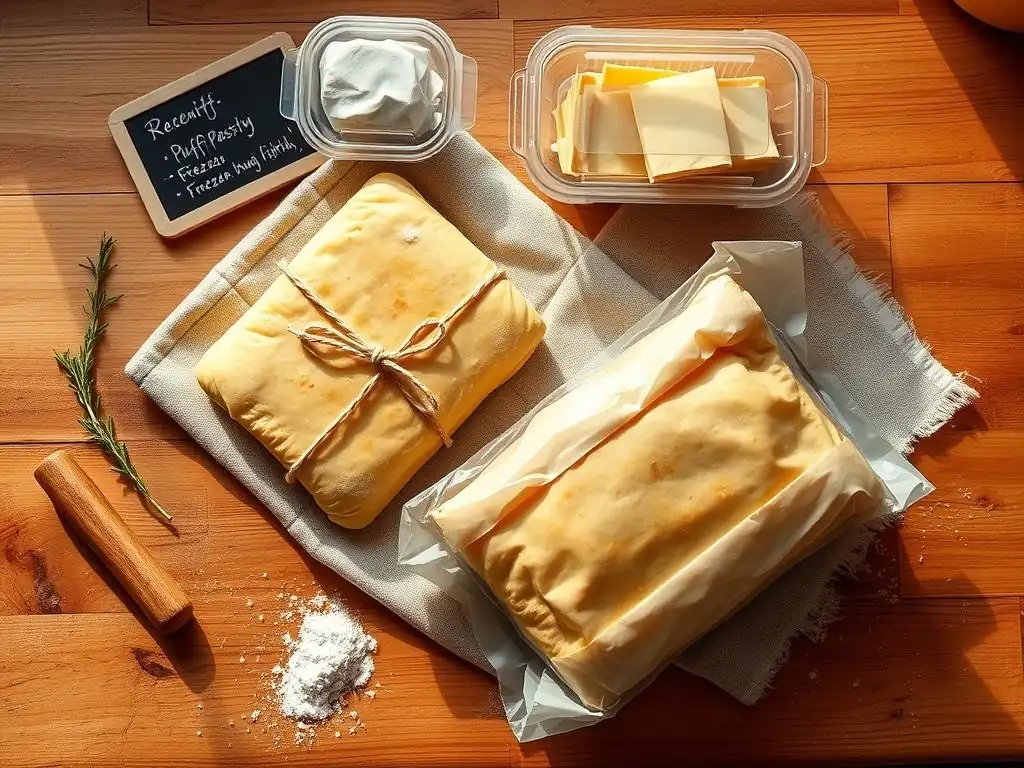
Welcome to BakeWithEase, your haven for baking brilliance! Ready to unlock the secrets to perfectly flaky pastries? Dive in and discover how to store puff pastry – whether you've crafted it from scratch or grabbed it at the store. Don't let your hard work go to waste; learn the expert techniques that will keep your puff pastry ready for your next culinary masterpiece. Intrigued? Read on to master the art of preserving this versatile ingredient and elevate your baking game!
- How to Store Puff Pastry Properly: A Bake-at-Home Guide
- Introduction: Mastering Puff Pastry Storage for Baking Success
- Understanding Puff Pastry: All-Butter vs. Regular
- Storing Homemade Puff Pastry: Best Practices
- Storing Store-Bought Puff Pastry: Maximizing Freshness
- Thawing Puff Pastry Correctly: A Crucial Step
- Using Stored Puff Pastry: Tips for Optimal Results
- Puff Pastry Storage Summary: Keep Baking Easy
- Frequently Asked Questions
- Final Reflection: The Art and Science of Puff Pastry Preservation
- Unlock Your Pastry Potential!
How to Store Puff Pastry Properly: A Bake-at-Home Guide
Introduction: Mastering Puff Pastry Storage for Baking Success
Achieving those glorious, flaky layers in puff pastry is one of baking's great joys. But the journey from dough to deliciousness often involves storage, whether you've made a batch from scratch or purchased it from the store. Knowing how to store puff pastry correctly is absolutely crucial for preserving its delicate structure and ensuring it performs beautifully when baked. Improper storage can lead to dry, cracked dough, poor rise, and ultimately, a less-than-spectacular result.
This guide will walk you through the best practices for storing both homemade and store-bought puff pastry, covering everything from short-term refrigeration to long-term freezing. We'll discuss the subtle differences between types of dough and how these affect storage, ensuring your efforts in the kitchen are rewarded with perfectly puffed pastries every time. Mastering how to store puff pastry is a fundamental skill for any baker looking to elevate their creations.
Understanding Puff Pastry: All-Butter vs. Regular
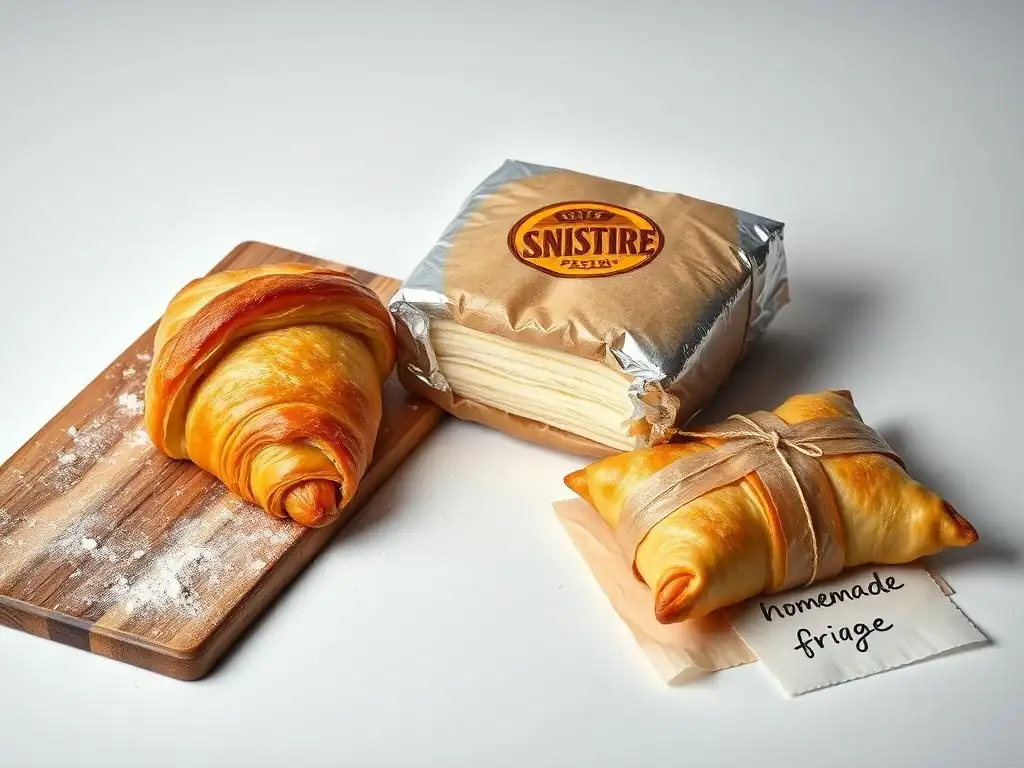
Puff pastry, at its core, is a laminated dough – meaning layers of dough and fat are folded together multiple times. It's the melting of the fat during baking that creates steam, separating the layers and causing the dough to puff dramatically. However, the type of fat used can significantly impact the dough's characteristics and, consequently, its storage requirements.
Traditional or 'all-butter' puff pastry uses only butter as the fat source. This yields superior flavor and flakiness, but butter has a lower melting point and can be trickier to work with, especially in warmer conditions. Regular or 'shortening-based' puff pastry often uses vegetable shortening, margarine, or a blend of fats. These fats have higher melting points, making the dough more stable and easier to handle, though the flavor and texture might be slightly less rich than all-butter versions.
Key Differences Affecting Puff Pastry Storage
The primary difference affecting how you store puff pastry lies in the fat's composition and melting point. Butter, with its lower melting point (around 90-95°F or 32-35°C), needs to be kept colder to remain solid within the dough layers. If all-butter dough gets too warm during handling or improper storage, the butter can start to melt and seep into the dough layers prematurely, disrupting the lamination and reducing the potential for puff. This is why chilling is so critical for all-butter dough.
Shortening-based puff pastry, using fats with higher melting points (often above 100°F or 38°C), is more forgiving in terms of temperature fluctuations during handling and storage. While it still requires chilling to keep the layers distinct, it's less prone to the fat softening too much at slightly warmer refrigerator temperatures compared to all-butter dough. This resilience can make storing this type of puff pastry slightly less precarious, though good practices are still essential for optimal results.
Shelf Life Considerations: All-Butter vs. Regular
Regardless of the fat type, proper storage significantly extends the life of your puff pastry. In the refrigerator, homemade all-butter puff pastry typically lasts about 3 to 4 days before the quality starts to degrade, primarily due to the butter potentially softening or the dough drying out. Homemade shortening-based dough might hold up slightly longer, perhaps 4 to 5 days, given the stability of the fat.
When it comes to freezing, both types of homemade puff pastry can be stored successfully for much longer periods. Properly wrapped and frozen, both all-butter and shortening-based dough can maintain good quality for up to 6 months. Beyond this time, while still safe to eat if kept frozen, the quality may diminish, potentially resulting in less impressive layers upon baking. Store-bought varieties often have specific 'Best By' dates which factor in their specific ingredients and packaging.
Storing Homemade Puff Pastry: Best Practices
Making puff pastry from scratch is a rewarding process, yielding fantastic flavor and texture. However, it often involves making a larger batch than you need immediately. Knowing how to store puff pastry you've lovingly created is essential for preserving its quality and convenience for future baking projects. Proper handling before and during storage prevents common issues like sticking, drying, and compromised lamination.
The key to successfully storing homemade puff pastry is managing temperature and preventing moisture loss or absorption. Dough that is too warm will be difficult to handle, while dough that dries out will become stiff and crack when rolled. Freezing requires extra care to protect the dough from freezer burn, which can ruin its texture and flavor.
Cooling Homemade Puff Pastry Before Storage
After completing the final turns and folds, homemade puff pastry is typically rested in the refrigerator. Before committing it to longer-term storage, ensure it is thoroughly chilled. This chilling step is vital; it allows the fat layers to firm up completely, making the dough easier to handle and preventing the fat from squeezing out between layers when wrapped or stacked. A minimum of 1 hour in the refrigerator is usually recommended after the final fold, but chilling until the dough is quite firm is best before moving to longer storage methods.
Placing warm or insufficiently chilled dough directly into storage (especially freezing) can lead to the fat not being properly solidified throughout the block. This can result in layers sticking together or the fat migrating, compromising the structure. Think of it like chilling cookie dough before baking – it helps everything hold its shape. For puff pastry, chilling ensures the layers stay distinct and ready to puff.
Short-Term Storage: Refrigerating Homemade Puff Pastry
For homemade puff pastry you plan to use within a few days, refrigeration is the way to go. It keeps the fat solid and the dough pliable. Typically, homemade puff pastry stored in the refrigerator should be used within 3 to 4 days. Beyond this timeframe, the dough can start to oxidize, or yeast activity (if present, though less common in traditional puff) can become an issue, affecting flavor and texture.
Storing homemade puff pastry in the fridge requires careful wrapping to prevent it from drying out or picking up odors from other foods. Exposure to air is the enemy of puff pastry in the refrigerator, leading to a tough, dry surface that will crack when rolled.
Wrapping Techniques for Refrigerated Puff Pastry
Effective wrapping is paramount when storing homemade puff pastry in the refrigerator. The best method is to use a double layer of protection. Start by wrapping the flattened block of dough tightly in plastic wrap, pressing out as much air as possible. Ensure all edges are sealed.
After the initial plastic wrap layer, wrap the dough again. You can use another layer of plastic wrap, or for added security, wrap it in aluminum foil or place it inside a zip-top bag, pressing out excess air before sealing. This double barrier provides excellent protection against drying and cross-contamination of flavors. Store the wrapped dough on a flat surface in the coldest part of your refrigerator, typically the bottom shelf.
Preventing Dough from Drying Out in the Fridge
The primary goal of proper wrapping for refrigerated puff pastry is preventing moisture loss. Dough exposed to the dry environment of a refrigerator will quickly develop a hard, brittle surface. This dry layer inhibits the dough's ability to roll smoothly and can cause tears, disrupting the delicate layers.
Using a tight, airtight seal with multiple layers of wrapping material is the most effective defense. Ensure there are no gaps or exposed areas. If you plan to store it for more than a couple of days, periodically checking the wrapping to ensure it hasn't become loose or damaged is a good practice. If you notice the dough surface feels dry before rolling, you may need to slightly dampen your hands or the rolling pin, but this is usually a sign the wrapping wasn't sufficient.
Long-Term Storage: Freezing Homemade Puff Pastry
Freezing is an excellent option for storing homemade puff pastry for weeks or months. It effectively halts the activity of enzymes and prevents spoilage, preserving the dough's quality for future use. Frozen homemade puff pastry can typically be kept for up to 6 months, sometimes longer, though quality might slightly decline after that period.
Proper preparation before freezing is key to avoiding freezer burn and maintaining the dough's structure. Dough that is simply tossed into the freezer unwrapped will quickly develop ice crystals on its surface, leading to dry, tough spots that won when flake properly.
Preparing Homemade Puff Pastry for Freezing
Before freezing, ensure your homemade puff pastry is well-chilled from its refrigerator rest. This firmness makes it easier to handle and wrap. Flatten the dough into a rectangle or square, about 1/2 to 1 inch thick, depending on how you plan to use it later. This shape makes it easier to wrap and store efficiently in the freezer.
If you anticipate needing specific portion sizes later, you can cut the dough into smaller blocks before wrapping and freezing. For example, you might divide a large batch into 1-pound portions. This allows you to thaw only the amount you need, reducing waste and the need to refreeze unused dough, which is not recommended.
Best Freezing Methods: [Individual Portions vs. Whole Block]
The best freezing method depends on how you typically use puff pastry. Freezing the dough as a whole block is suitable if you often use large quantities for things like a full-sized tart or multiple pastries. Wrap the entire block meticulously using the double-wrap method (plastic wrap followed by foil or a freezer bag) to prevent freezer burn.
Alternatively, dividing the dough into individual portions before freezing offers great convenience. Cut the chilled dough into the desired block sizes (e.g., 8 oz or 1 lb portions). Wrap each individual portion tightly in plastic wrap, then place the wrapped portions together in a large freezer bag or wrap them again in foil. This method makes thawing much quicker, as smaller blocks thaw faster. Consider placing parchment paper between individual wrapped portions if stacking them in a bag to prevent them from freezing together.
Labeling and Dating Frozen Puff Pastry
One of the most important steps when storing homemade puff pastry in the freezer is proper labeling and dating. Without a clear label, it's easy to forget what's in the package and when it was stored. Use a permanent marker to write directly on the outer layer of wrapping (foil or freezer bag) or use freezer tape and a marker.
Include the contents (e.g., "Homemade Puff Pastry"), the date it was frozen (e.g., "Frozen: 2023-10-27"), and perhaps the weight or size of the portion if you've divided it (e.g., "1 lb block"). This simple step ensures you use the oldest dough first and helps you keep track of how long it has been stored, making how to store puff pastry effectively much easier to manage.
Storing Store-Bought Puff Pastry: Maximizing Freshness
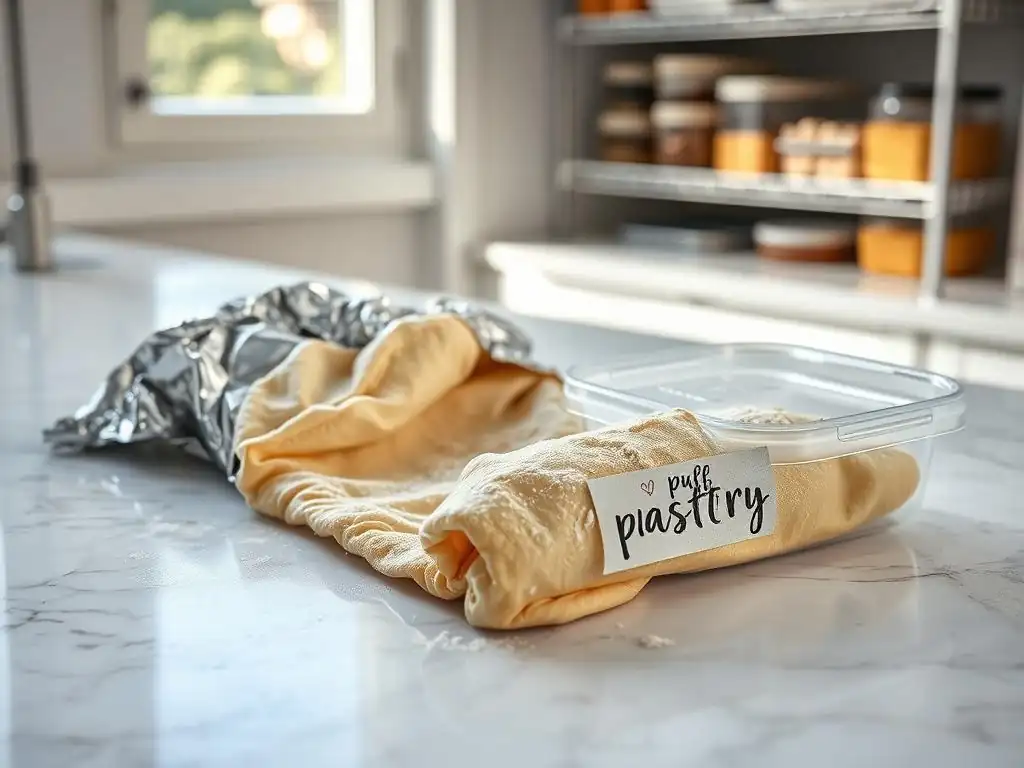
Store-bought puff pastry offers incredible convenience and is a staple for quick tarts, turnovers, and other flaky treats. It comes pre-made and often pre-rolled, saving significant time and effort. While its packaging is designed for preservation, understanding how to store puff pastry from the grocery store correctly is still vital to ensure it performs as intended and delivers those signature layers.
Most store-bought puff pastry is found in the freezer section, though some refrigerated versions exist. The storage instructions on the package are your primary guide, but knowing what to do with opened or leftover dough is also important for maximizing its freshness and usability.
Understanding Packaging and Expiration Dates
Store-bought puff pastry comes in various forms, typically frozen sheets or blocks. The packaging is designed to protect the dough from freezer burn (for frozen varieties) and maintain its integrity. Always inspect the packaging before purchasing; avoid boxes or bags that are torn, crushed, or show signs of frost or ice crystals, which could indicate thawing and refreezing.
The expiration date or 'Best By' date printed on the package is a crucial piece of information. This date indicates how long the product is expected to maintain its peak quality when stored according to the manufacturer's instructions (usually in the freezer). Using the dough before this date ensures you are working with a product that should perform optimally. For example, a box might say "Best By: 12/15/2024" – plan to use it before then.
Refrigerating Unopened Store-Bought Puff Pastry
Store-bought frozen puff pastry is designed to be stored in the freezer until you're ready to use it. However, if a recipe calls for thawed dough, you might move an unopened package to the refrigerator to thaw slowly. An unopened package of frozen puff pastry can typically be kept in the refrigerator for about 1-2 days after thawing. Check the package instructions, as some brands specify a maximum refrigerated life post-thawing.
Storing unopened, refrigerated store-bought puff pastry (if you purchased a non-frozen version) in the fridge is straightforward – just keep it in its original packaging until needed. These refrigerated versions usually have a shorter shelf life than their frozen counterparts, often just a couple of weeks from the manufacturing date, so pay close attention to the 'Use By' date on the packaging.
Storing Opened Store-Bought Puff Pastry
Once you open a package of store-bought puff pastry, especially frozen sheets that you only partially use, proper re-wrapping is essential. The original packaging is no longer sealed, and the exposed dough is vulnerable to drying out, freezer burn (if refreezing), and absorbing odors. Simply folding the open end of the box or bag is not sufficient for maintaining quality.
Opened, thawed store-bought puff pastry that you won't use immediately should be treated much like homemade dough for short-term storage. It needs to be protected from air and moisture loss in the refrigerator. Do not leave it exposed on a plate.
Re-wrapping Techniques to Maintain Quality
For opened, thawed store-bought puff pastry sheets, re-wrapping is key. If you've only used one sheet from a package of two, carefully separate the remaining sheet(s) (they often have parchment paper between them). Wrap the unused sheet(s) tightly in plastic wrap. Ensure the wrap adheres well to the dough's surface and edges.
After the plastic wrap, place the wrapped dough back into the original box or bag if possible, or wrap it again in aluminum foil or place it in a zip-top bag. Press out excess air before sealing. This double layer helps prevent drying. Properly re-wrapped, opened store-bought puff pastry can be kept in the refrigerator for another 1-2 days.
Freezing Store-Bought Puff Pastry: Is it Recommended?
Most store-bought puff pastry is sold frozen and is intended to be stored in the freezer until needed. Refreezing thawed store-bought puff pastry is generally not recommended by manufacturers. Thawing and refreezing can damage the dough's structure, causing the fat layers to break down and potentially resulting in less puff and flakiness when baked.
However, if you've only partially used a frozen package and the remaining dough is still very cold and only slightly pliable (not fully thawed and warm), some sources suggest you might be able to carefully re-wrap and refreeze it for a short period (perhaps up to a month), though results may vary. The safest approach for how to store puff pastry from the store long-term is to keep it frozen in its original, unopened packaging until you are ready to use the entire contents.
Considerations Before Freezing Store-Bought Dough
If you are considering refreezing a partially thawed package of store-bought puff pastry, assess its condition carefully. Has it been at room temperature for more than an hour or two? Is it completely soft and warm? If so, refreezing is likely to yield poor results and should be avoided. It's better to use the dough promptly.
If the dough is still mostly frozen and only slightly soft around the edges, you might attempt to refreeze it after meticulously re-wrapping it as described above. Place parchment paper between sheets if needed, wrap tightly in plastic wrap, then foil or a freezer bag, pressing out air. Label and date it clearly, noting that it has been refrozen, and plan to use it within a shorter timeframe than originally recommended, perhaps within a month or two, for best results.
Thawing Puff Pastry Correctly: A Crucial Step
Once you've mastered how to store puff pastry, the next critical step is thawing it properly before use. Thawing puff pastry correctly is just as important as how it was stored. Improper thawing can lead to the fat melting prematurely, causing the layers to stick together and preventing that signature airy rise during baking. Patience is key here!
Avoid rushing the thawing process with methods like microwaving or placing the dough in warm water. These techniques heat the dough unevenly and will almost certainly melt the fat layers, ruining the pastry's potential for puff.
Best Thawing Methods for Homemade and Store-Bought
The safest and most recommended method for thawing both homemade and store-bought puff pastry is in the refrigerator. This allows the dough to thaw slowly and evenly, keeping the fat solid and the layers intact.
Refrigerator Thawing: The Preferred Method
To thaw puff pastry in the refrigerator, remove it from the freezer and place the wrapped block or sheets on a plate or tray to catch any condensation. Place it in the refrigerator. Thawing time will vary depending on the size and thickness of the dough. A single sheet of store-bought pastry might take 4-6 hours, while a larger, thicker block of homemade dough could take 8-12 hours or even overnight.
Check the dough periodically; it is ready when it is pliable enough to unfold or roll without cracking, but still feels cold to the touch. It should not be soft and warm. Once thawed, keep it in the refrigerator until ready to use, ideally within 1-2 days for store-bought (check package) or 3-4 days for homemade.
Room Temperature Thawing: When to Avoid
Thawing puff pastry at room temperature is generally discouraged because it increases the risk of the fat melting too quickly, especially in warmer environments. If you absolutely must thaw at room temperature, it should be done with extreme caution and only for a short period.
Place the wrapped dough on a counter away from direct heat or sunlight. A single sheet of store-bought pastry might become pliable in 30-60 minutes at average room temperature (around 70°F or 21°C). Thicker blocks will take longer. Monitor it constantly; as soon as it is flexible enough to work with, move it back to the refrigerator for at least 30 minutes to re-chill the fat before rolling and shaping. Never leave it at room temperature for extended periods, as this compromises both quality and food safety.
Signs of Spoiled Puff Pastry: What to Look For
Knowing how to store puff pastry also means recognizing when it has gone bad. Spoiled puff pastry should never be used. Several signs indicate that your dough is past its prime or has been improperly stored:
- Off Odor: Fresh puff pastry should have a mild, pleasant smell of flour and butter (if applicable). A rancid, sour, or otherwise unpleasant smell is a clear sign of spoilage.
- Discoloration: The dough should be an even, pale yellowish or cream color. Green, gray, or unusually dark patches indicate mold or bacterial growth.
- Excessive Stickiness or Sliminess: While puff pastry is slightly tacky, it shouldn't be overly sticky or slimy, especially after proper thawing. This can be a sign of bacterial activity.
- Dry, Crumbly Texture (after thawing): If, upon thawing, the dough is excessively dry, hard, and breaks apart easily rather than being pliable, it likely suffered from severe drying out or freezer burn during storage. While not necessarily unsafe, it won't puff properly.
When in doubt, it's always best to discard the dough and start with a fresh batch.
Using Stored Puff Pastry: Tips for Optimal Results
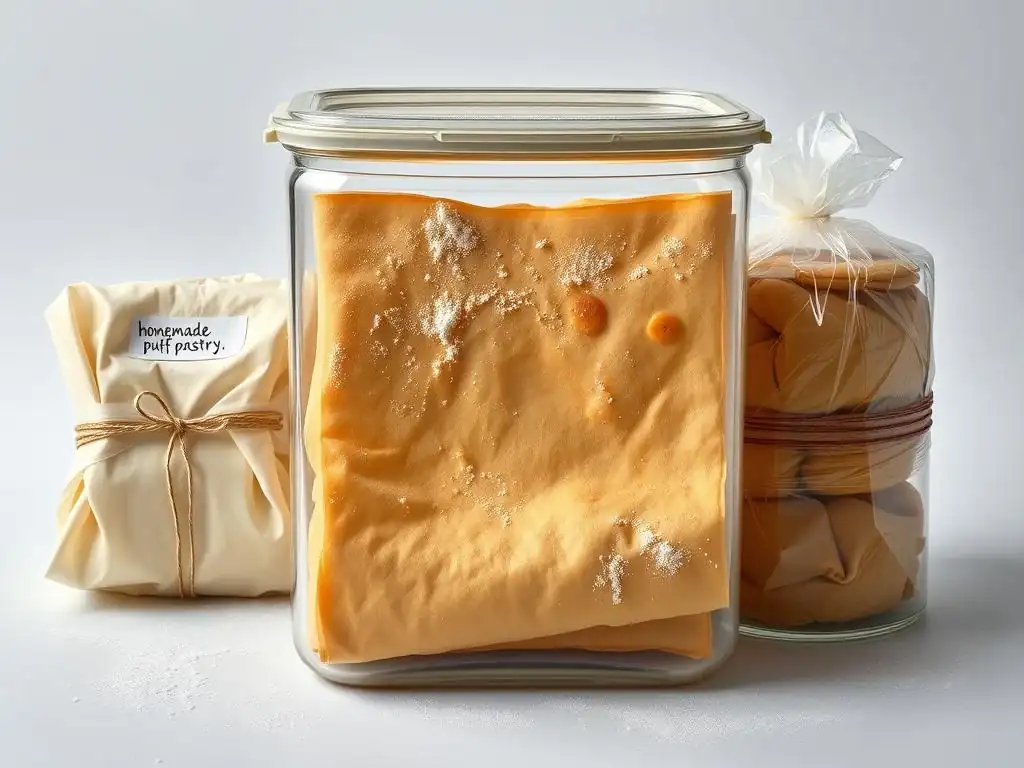
Even when you properly how to store puff pastry and thaw it correctly, using stored dough can sometimes present minor challenges. A few adjustments and tips can help ensure your stored pastry bakes up beautifully, yielding those light, airy layers you expect.
Working with cold dough is paramount for success. If at any point your dough becomes too soft or warm during rolling or shaping, stop and return it to the refrigerator for 15-30 minutes to firm up. This re-chilling step is crucial for maintaining the integrity of the layers.
Adjusting Baking Time for Frozen Puff Pastry
When using puff pastry that has been frozen and thawed, you might find that it occasionally requires a slightly longer baking time compared to dough that has only been refrigerated. This isn't always the case, but it's something to be aware of. The difference is usually minimal, perhaps an extra 5-10 minutes, depending on the oven and the size/thickness of your pastry.
The best approach is to follow the recipe's baking time but start checking for doneness a bit earlier. Look for the characteristic deep golden-brown color and fully puffed layers. If it looks pale but feels light and seems puffed, it likely needs a few more minutes to achieve optimal crispness and color. An internal temperature check (if applicable to the filling) or simply observing the color and puff is usually sufficient.
Troubleshooting Common Issues with Stored Dough [Shrinkage, Uneven Rise]
Sometimes, even with the best storage practices, issues can arise with stored puff pastry.
- Shrinkage: If your pastry shrinks excessively during baking, it's often due to the dough being overworked or not sufficiently rested and chilled before shaping and baking. While storage itself doesn't cause this, working with dough that wasn't properly prepared before storage can exacerbate the issue. Ensure your dough is well-chilled (at least 30 minutes in the fridge) after shaping before it goes into a hot oven.
- Uneven Rise: This can happen if the dough layers were compromised during handling (too warm, stuck together), improper rolling (uneven thickness), or poor storage (fat melted, freezer burn). Ensure your rolling is even, and the dough is cold and pliable before baking. If using frozen dough, improper thawing is a frequent culprit for uneven puff.
- Task List for Optimal Baking:
- [ ] Ensure dough is thoroughly chilled before rolling.
- [ ] Roll dough to an even thickness.
- [ ] Rest shaped pastries in the fridge for 15-30 minutes before baking.
- [ ] Preheat oven to the correct temperature (usually high, 400-425°F or 200-220°C).
- [ ] Bake until deep golden brown and fully puffed.
Puff Pastry Storage Summary: Keep Baking Easy
Mastering how to store puff pastry is a valuable skill that reduces waste and makes spontaneous baking projects possible. Whether you're dealing with a batch of homemade dough or a convenient store-bought package, proper handling and storage ensure those desired flaky layers are achieved every time.
Remember the key principles: keep the dough cold, prevent it from drying out, and thaw it gently. By following these guidelines, you can confidently store puff pastry and have it ready whenever inspiration strikes, making baking with this versatile dough a truly easy and rewarding experience.
Quick Reference Guide: Storage Times and Methods
Here is a handy summary of recommended storage times for puff pastry:
- Homemade Puff Pastry:
- Refrigerated (well-wrapped): 3-4 days
- Frozen (well-wrapped): Up to 6 months
- Store-Bought Frozen Puff Pastry (Unopened):
- Freezer: Until 'Best By' date (often 6-12 months from production)
- Refrigerator (after thawing): 1-2 days (check package instructions)
- Store-Bought Frozen Puff Pastry (Opened/Partial):
- Refrigerator (re-wrapped): 1-2 days
- Freezer (re-wrapped, not recommended if fully thawed): Up to 1 month (potential quality loss)
- Store-Bought Refrigerated Puff Pastry (Unopened):
- Refrigerator: Until 'Use By' date (check package)
- Freezer: Generally not recommended by manufacturers, may affect quality.
Always wrap dough tightly to prevent drying and freezer burn. Label and date frozen dough for easy tracking. Thaw frozen dough slowly in the refrigerator for best results.
Frequently Asked Questions
How long can homemade puff pastry be stored in the refrigerator?
Homemade puff pastry dough can typically be stored in the refrigerator for 2-3 days. Make sure it's well-wrapped to prevent it from drying out.
What's the best way to freeze puff pastry, whether homemade or store-bought?
The best way is to wrap the dough tightly in plastic wrap, then place it in a freezer bag or airtight container. This protects it from freezer burn.
How long does frozen puff pastry last in the freezer?
Properly stored frozen puff pastry can last for 2-3 months in the freezer without significant quality loss. After that, the texture may degrade.
How should I thaw puff pastry before using it?
Thaw puff pastry in the refrigerator overnight. This allows it to thaw slowly and evenly, preventing it from becoming sticky or difficult to work with.
Can I re-freeze puff pastry after it's been thawed?
It's generally not recommended to re-freeze puff pastry. Re-freezing can affect the texture and make it less flaky when baked.
Final Reflection: The Art and Science of Puff Pastry Preservation
The delicate dance of butter and flour, the airy lightness of perfectly layered pastry – puff pastry is a culinary marvel, but its fleeting freshness demands careful attention. Maintaining that flaky perfection requires understanding more than just the recipe; it's about mastering the art of proper storage. This article has explored the nuances of preserving both homemade and store-bought puff pastry, highlighting the critical differences in their handling and longevity.
The impact of readily available, high-quality puff pastry on home baking cannot be overstated. It democratizes access to sophisticated desserts and savory dishes, empowering home cooks to create impressive culinary feats. The secret to success is often in the details, and with puff pastry, attention to storage is paramount.
This simple truth underscores the importance of the information shared throughout this article, ensuring that the potential of this versatile ingredient is fully realized, regardless of its origin. The knowledge empowers home bakers to avoid waste and consistently achieve the best results.
Now, consider your own baking journey. Have you ever experienced the frustration of limp, soggy puff pastry? This article provides the tools to prevent such disappointments. Take the time to implement these storage techniques, and watch as your baking adventures soar to new heights. Experiment with different storage methods, observe the results, and refine your approach. The perfect puff pastry, a testament to your skill and care, awaits.
Unlock Your Pastry Potential!
Thanks for taking the time to learn about the best ways to store your puff pastry! We hope you now feel confident in keeping your pastry flaky and delicious for longer. Ready to put your new knowledge into practice?
- Master the art of puff pastry storage: Experiment with both the freezer and refrigerator methods, noting which works best for your needs and the type of pastry. This is your chance to become a pastry pro!
- Share your pastry storage secrets: Tell us – and your fellow baking enthusiasts – your favorite tips and tricks on social media! Let’s build a community of puff pastry experts.
- Challenge yourself with a new recipe: Now that you know how to store it, try a new recipe that uses puff pastry – the possibilities are endless!
So, what delicious puff pastry creation will you make first?