
Troubleshooting Uneven Baking in Your Enriched Breads

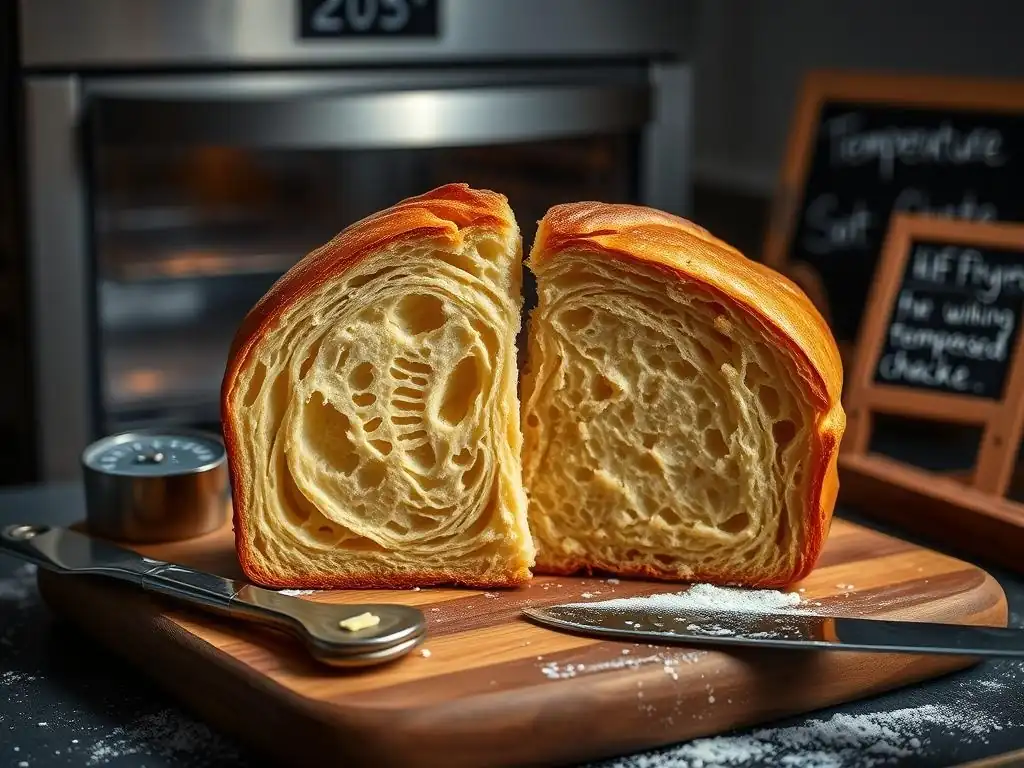
Welcome to BakeWithEase, your partner in creating delicious baked goods! Ever wondered why your beautifully enriched bread emerges from the oven with an uneven bake? We're diving deep into practical solutions to tackle this common baking frustration. Discover the secrets to achieving perfectly golden, evenly baked loaves and unlock the full potential of your baking skills. Ready to say goodbye to uneven baking forever? Let's get started!
- Troubleshooting Uneven Baking in Enriched Breads: A BakeWithEase Guide
- Diagnosing the Root Cause of Uneven Bread Baking
- Solutions for Uneven Bread Baking: Achieving Baking Perfection
- Preventing Uneven Baking in Future Bakes
- BakeWithEase: Your Resource for Perfect Enriched Breads
-
Frequently Asked Questions
- How can I prevent my enriched bread from browning too quickly on top but remaining underbaked inside?
- What are some common causes of uneven baking in enriched breads?
- My enriched bread is sinking in the middle after baking. Is this related to uneven baking?
- What role does dough placement in the oven play in even baking?
- Can the type of pan I use affect how evenly my enriched bread bakes?
- Final Reflection: The Quest for Perfectly Even Bread
- Unlock Perfectly Even Bread Baking!
Troubleshooting Uneven Baking in Enriched Breads: A BakeWithEase Guide
Common Causes of Unevenly Baked Bread
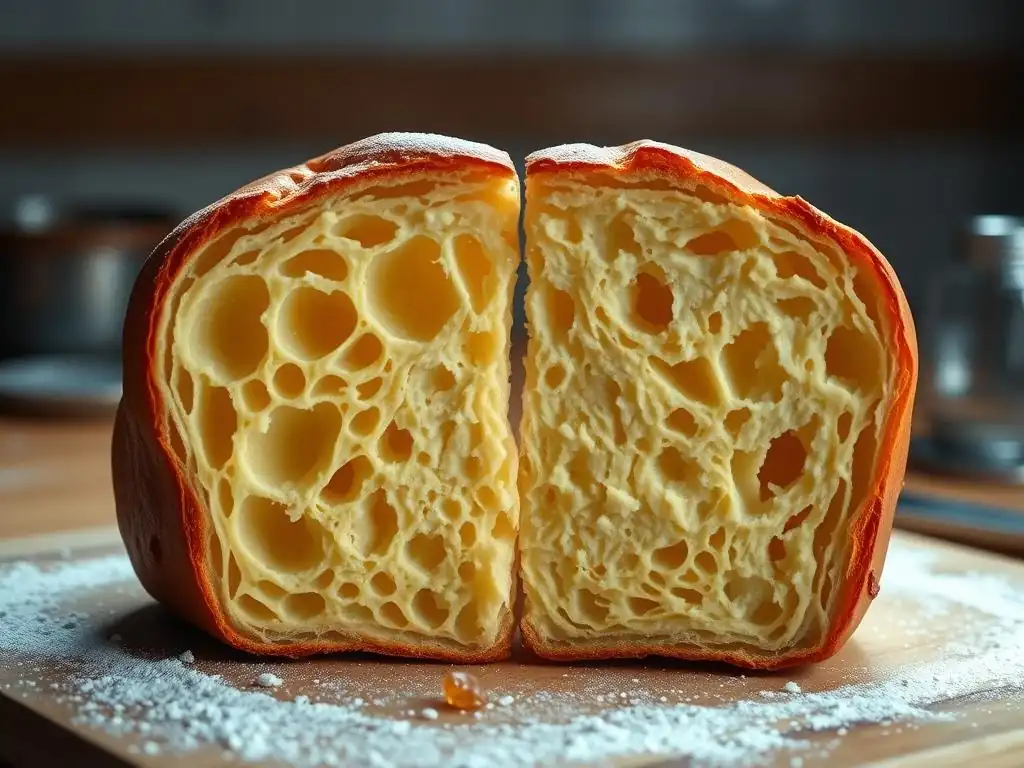
Uneven baking is a frustrating issue that can turn a perfectly proofed dough into a loaf with burnt spots and undercooked areas. This common problem stems from several factors, often related to how heat behaves within your oven. One primary culprit is inconsistent oven temperature, where the actual temperature inside the oven cavity fluctuates or differs significantly from the thermostat setting.
Studies have shown that many home ovens can vary by as much as 25-50°F (about 14-28°C) from the set temperature, and these variations aren't always uniform across the oven racks. This leads to parts of your bread receiving more or less heat than intended, resulting in an uneven bake.
Beyond temperature calibration, airflow and heat distribution play a crucial role. Obstructions like large baking sheets or multiple items crowded in the oven can disrupt the natural convection currents that distribute heat. This creates "hot spots" and "cool spots" within the oven space. For instance, placing a large loaf too close to the back wall might result in the back browning much faster than the front. Additionally, the condition of your oven elements (if they cycle on and off unevenly) or poor insulation can exacerbate these issues, making reliable uneven bread baking solutions necessary for consistent results.
Why Enriched Breads are Prone to Uneven Baking
Enriched breads, such as brioche, challah, or sweet rolls, present unique challenges when it comes to achieving an even bake. Their high fat and sugar content, often from ingredients like butter, eggs, and milk, means they brown much faster than lean doughs. Sugar caramelizes and fat helps tenderize the crust, accelerating the Maillard reaction and browning process. If one part of the loaf is exposed to slightly more heat or bakes for just a few minutes longer due to oven inconsistencies, it can quickly go from golden brown to burnt while another part remains pale.
Furthermore, the rich nature of these doughs often results in a tender, sometimes softer crumb that requires precise baking to cook through without becoming dense or gummy in cooler spots. The structure isn't as robust as a crusty lean loaf, making it more susceptible to collapsing or developing a dense layer if it doesn't bake evenly from edge to center. Addressing uneven bread baking solutions is particularly critical for these delicate doughs to ensure both a beautiful exterior and a properly cooked, tender interior.
Diagnosing the Root Cause of Uneven Bread Baking
Is Your Oven Temperature Accurate?
One of the most frequent reasons for uneven baking is an inaccurate oven thermostat. The dial or digital display on your oven might indicate it's reached the target temperature, say 350°F (175°C), but the actual temperature inside can be significantly different, sometimes by as much as 50°F (28°C) in older or less calibrated ovens.
This discrepancy isn't static; the temperature often cycles above and below the set point. If your oven consistently runs hot or cold, or if its cycling is extreme, it will inevitably lead to parts of your bread baking faster or slower than others, contributing to uneven results and highlighting the need for effective uneven bread baking solutions.
To diagnose this, you need a reliable oven thermometer. Place it in the center of your oven on the middle rack and preheat the oven to your target temperature. Let it preheat for at least 20-30 minutes after the oven indicates it's ready, as the oven's internal sensor might register the temperature faster than the entire cavity is evenly heated.
Observe the thermometer's reading over several minutes to see if it matches the oven's display and note the temperature range it cycles through. A significant difference or wide temperature swing is a clear indicator that your oven's thermostat needs calibration or you'll need to adjust your baking strategy accordingly.
Oven Hot Spots and Their Impact on Baking
Even if your oven's thermostat is reasonably accurate, most ovens have "hot spots" and "cool spots" – areas within the oven cavity that are consistently hotter or cooler than the average temperature. These variations are caused by factors like the location of the heating element, the oven's ventilation design, and how heat reflects off the oven walls.
For example, the back of the oven might be hotter because it's closer to the fan or heating element, or the bottom rack might be hotter than the top. These spatial temperature differences directly impact how your bread bakes, causing one side or one part of the loaf to brown and cook much faster than another, a classic symptom requiring uneven bread baking solutions.
The effect of hot spots is particularly noticeable with larger loaves or when baking multiple items. A brioche loaf placed with one end facing a hot spot will develop a dark crust on that end while the opposite end remains pale. Similarly, if you bake two loaves side-by-side and there's a cool spot between them, the sides facing the cool spot might be underbaked compared to the outer sides. Identifying these hot spots is crucial for understanding why your bread is baking unevenly and how to mitigate it.
Addressing Hot Spots for Even Baking
Once you've identified hot spots in your oven (a simple test involves lining a baking sheet with toast slices or placing mounds of shredded coconut or sugar around the oven rack and observing where they brown fastest), you can take steps to address them. Knowing where your oven runs hottest allows you to position your bread strategically. For instance, if the back is hottest, position your loaf with the part you want to brown less facing the back initially, or bake smaller loaves that are less susceptible to the hot spot's influence across their surface area.
A common and highly effective technique for dealing with hot spots is rotating your bread partway through the baking time. For a brioche loaf baking for 40-45 minutes, rotating it 180 degrees after 20-25 minutes ensures that all sides spend roughly equal time exposed to both hotter and cooler areas of the oven. This simple action can significantly improve the uniformity of browning and cooking throughout the loaf, proving to be one of the most reliable uneven bread baking solutions available to home bakers.
Identifying Airflow Issues in Your Oven
Airflow is another critical, often overlooked, factor contributing to uneven baking. Modern ovens, especially convection ovens, rely on fans to circulate hot air, ensuring even heat distribution. However, even in conventional ovens, natural convection currents carry heat. If these currents are blocked or disrupted, it creates stagnant pockets of air where heat doesn't reach efficiently, leading to underbaked areas. Overcrowding the oven is a primary cause of airflow issues. Placing multiple large items on different racks or using baking sheets that are too large for the oven cavity can block airflow, preventing heat from circulating freely around your bread.
The position of your baking rack also matters. Placing a loaf too close to the top or bottom heating element can expose it to radiant heat that is much more intense than the circulating air, leading to scorching on the top or bottom before the rest of the loaf is cooked.
Conversely, placing it too close to a solid oven wall or door can impede airflow on that side. Observing how your bread browns – if one side consistently lags behind or the top/bottom gets excessively dark compared to the sides – can help you diagnose potential airflow problems and guide you toward effective uneven bread baking solutions.
Solutions for Uneven Bread Baking: Achieving Baking Perfection
Optimizing Oven Temperature for Even Baking
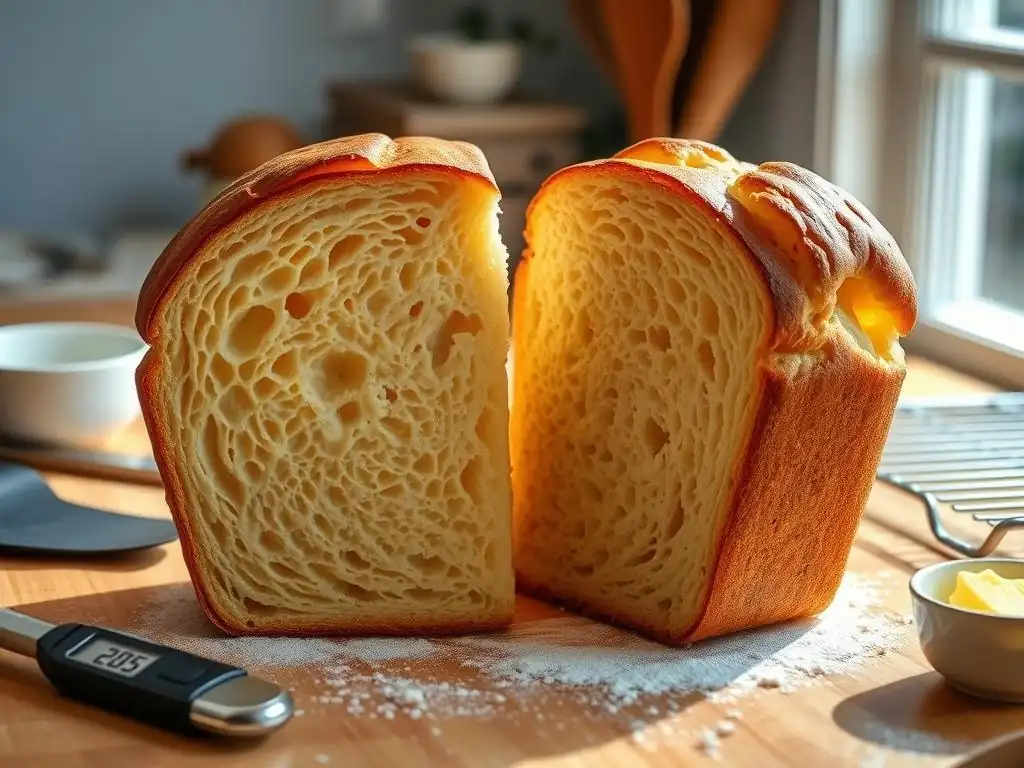
Achieving a perfectly baked loaf with even color and texture often starts with ensuring your oven temperature is accurate and stable. While home ovens may never be perfectly consistent, you can take steps to optimize their performance. Understanding your oven's quirks is key to implementing effective uneven bread baking solutions.
Using an Oven Thermometer for Accuracy
As mentioned, an inexpensive, oven-safe thermometer is your best friend here. Place it in the center of your oven and monitor it over time. Don't just rely on the initial preheat beep; allow the oven to stabilize for at least 20-30 minutes. Note the average temperature and the range of fluctuation.
If your oven consistently reads 25°F (14°C) lower than the setting, you know to set it 25°F higher for future bakes. If it cycles wildly, consider preheating for a longer time or using thermal mass (like a baking stone or steel) to help stabilize the temperature. This simple diagnostic step provides crucial data for solving uneven baking issues.
Adjusting Baking Temperature for Enriched Breads
Enriched doughs, with their sugar and fat content, brown quickly. If you're experiencing uneven browning, particularly scorching on the outside before the inside is cooked, your baking temperature might be too high. While many recipes call for temperatures like 375-400°F (190-200°C), you might find better results for enriched breads like brioche by reducing the temperature slightly, say to 350-375°F (175-190°C), and increasing the baking time.
A lower temperature allows the heat to penetrate the loaf more gradually, giving the interior time to cook through before the crust becomes too dark. This adjustment is a common and effective strategy among uneven bread baking solutions for delicate doughs.
Strategies for Even Heat Distribution
Once you've accounted for basic temperature accuracy, focusing on how heat moves around your bread in the oven is the next step in solving uneven baking issues. Several techniques can help distribute heat more evenly and counteract hot spots.
Rotating Your Bread During Baking
This is perhaps the simplest and most effective technique for combating oven hot spots. For loaves that bake for more than 20-25 minutes, plan to rotate the pan 180 degrees halfway through the baking time. This ensures that the side facing a hot spot is moved to a cooler area, and the side facing a cooler spot is moved to a hotter area, promoting uniform browning and cooking. Set a timer so you don't forget! This manual intervention is a fundamental part of many uneven bread baking solutions.
The Benefits of Using a Baking Stone or Steel
Placing a baking stone or steel on a rack in your oven provides thermal mass. This mass absorbs and retains heat efficiently, helping to stabilize the oven temperature and radiate heat consistently. When you place your bread on a pan on top of a preheated stone or steel, it receives a strong, even burst of heat from the bottom, promoting good oven spring and even cooking from the base.
A stone or steel also helps buffer temperature fluctuations caused by the oven cycling, contributing significantly to more uniform results and acting as a powerful tool among uneven bread baking solutions. Preheat the stone or steel for at least 45-60 minutes to ensure it's fully heated.
Baking with a Water Bath (Steam Oven Alternative)
While often used for custards or cheesecakes, a water bath can also provide a humid environment that helps enriched doughs stay moist and rise fully before the crust sets. While less common for standard loaves, placing a tray of hot water on the rack below your bread can add steam. For doughs requiring a moist environment, mimicking a steam oven can improve crust development and color uniformity by delaying crust formation slightly, allowing the loaf to expand evenly.
However, for rich brioche where a crispier crust might be desired, this is less applicable than other uneven bread baking solutions. Consider a dedicated steam oven if you bake a lot of enriched loaves and struggle with dry crusts and uneven browning.
Dough Preparation Techniques for Consistent Baking
Uneven baking isn't always the oven's fault; sometimes, the issue starts with how the dough is prepared. Consistent dough leads to consistent baking.
Proper Dough Mixing and Kneading
Ensuring your dough is uniformly mixed and properly kneaded is fundamental. If ingredients like butter, sugar, or eggs aren't evenly distributed, some parts of the dough will be richer or have different hydration levels than others. This inconsistency will manifest in how the dough rises and bakes – areas with more sugar might brown faster, while areas with uneven gluten development might bake unevenly. Aim for a smooth, homogenous dough texture before the first rise. Proper development is key to successful uneven bread baking solutions starting from the ingredients.
The Importance of Uniform Dough Shaping
The shape and density of your loaf significantly impact how it bakes. If your loaf is thicker on one end than the other, the thicker part will take longer to cook, resulting in uneven baking. When shaping, strive for a consistent thickness and tension throughout the loaf. For example, when shaping a brioche loaf, ensure the dough is rolled or formed into a uniform cylinder or ball before placing it in the pan.
If making rolls, ensure they are roughly the same size and weight (using a scale helps!) so they bake in the same amount of time. Uniform shaping is a simple yet effective step in addressing uneven bread baking solutions.
Even Proofing for Uniform Baking
Proofing, the final rise before baking, is critical. Uneven proofing means some parts of the dough are more developed and airy than others. When baked, the over-proofed sections might collapse slightly or bake faster, while under-proofed sections might be dense or bake slower. Ensure your dough proofs evenly at a consistent temperature.
Check for readiness by gently poking the dough – the indentation should spring back slowly, leaving a slight mark. If one side springs back quickly and another leaves a deep indentation, your dough is proofing unevenly, which will contribute to uneven baking outcomes. Consistent proofing is a prerequisite for successful uneven bread baking solutions.
Pan Selection and Preparation for Even Baking
The vessel you bake your bread in plays a significant role in how heat is transferred to the dough. Choosing the right pan and preparing it properly are essential steps in preventing uneven bakes.
Choosing the Right Pan Material and Size
Different pan materials conduct heat differently. Dark metal pans absorb heat more efficiently and can lead to faster, darker browning, sometimes resulting in unevenness if not monitored. Shiny metal pans reflect heat, leading to lighter crusts. Glass and ceramic pans conduct heat more slowly and retain it longer.
For enriched breads prone to quick browning, a shiny metal pan might be preferable. The size of the pan must also match the dough volume; a pan that is too large will cause the dough to spread out thinly and potentially overbake on the edges, while a pan that is too small will cause the dough to overflow and bake unevenly. Choosing the appropriate pan is a foundational element of uneven bread baking solutions. A standard 9x5 inch (23x13 cm) loaf pan is suitable for doughs using around 3-4 cups of flour.
Preparing Your Pan to Prevent Sticking and Promote Even Browning
Proper pan preparation ensures your bread releases cleanly and promotes even browning on the sides and bottom. Greasing and flouring metal pans creates a non-stick surface and helps the crust develop evenly. For enriched doughs with high sugar content, which are prone to sticking, using parchment paper is often the best solution.
Lining the bottom and sides of the pan with parchment paper prevents sticking entirely and helps insulate the sides slightly, contributing to a more even bake. Avoiding sticking is not just about easy release; it prevents tearing or damage that can expose parts of the loaf to direct heat and lead to unevenness, making it a key step in effective uneven bread baking solutions.
Addressing Specific Enriched Bread Baking Problems
Even with best practices, specific uneven baking problems can arise with enriched doughs. Here's how to tackle some common ones:
Uneven Browning on Brioche Loaves
If your brioche consistently browns much more on one side or end, you likely have a significant hot spot. The primary uneven bread baking solution here is rotation. Rotate the loaf 180 degrees halfway through the baking time. If the top is browning too fast compared to the sides, you can tent the loaf loosely with aluminum foil for the last 10-15 minutes of baking to slow down the top browning while the rest catches up. Ensure your oven rack is centered vertically in the oven.
If the bottom is browning too fast, it could be due to a hot bottom element or using a dark pan. Try moving the rack up one level or using a shiny metal pan. If using a baking stone, ensure the pan is on the stone for the entire bake, as the stone helps distribute heat more evenly.
Soggy Bottoms in Sweet Breads
A soggy bottom indicates that the base of the loaf isn't getting enough heat to cook through and develop a proper crust. This can happen if the pan is placed too low in the oven, the oven floor is cool, or the dough is too wet for the baking time/temperature. An effective uneven bread baking solution for this is to ensure the pan is on the middle or slightly lower-middle rack.
Using a preheated baking stone or steel is particularly effective here, as it provides powerful radiant heat from below, ensuring the bottom cooks thoroughly. Increasing the baking time slightly (while monitoring the top) or finishing the bake directly on the oven rack (removed from the pan) for the last 5-10 minutes can also help crisp up the bottom, but be cautious with delicate enriched doughs.
Dry Crusts on Enriched Doughs
While unevenness is the main focus, sometimes an overly dry or tough crust accompanies the problem, especially if you're trying to compensate for uneven baking by extending time. Enriched doughs benefit from a slightly humid environment early in the bake to allow for maximum oven spring before the crust sets. While a full water bath might be excessive, placing a small metal pan of hot water on the rack below for the first 15-20 minutes can help.
Ensure your oven isn't running too hot, as excessive heat can dry out the crust rapidly. Using an egg wash or milk wash before baking also helps promote a tender, golden crust rather than a dry one. Adjusting temperature and baking time are key uneven bread baking solutions here.
Preventing Uneven Baking in Future Bakes
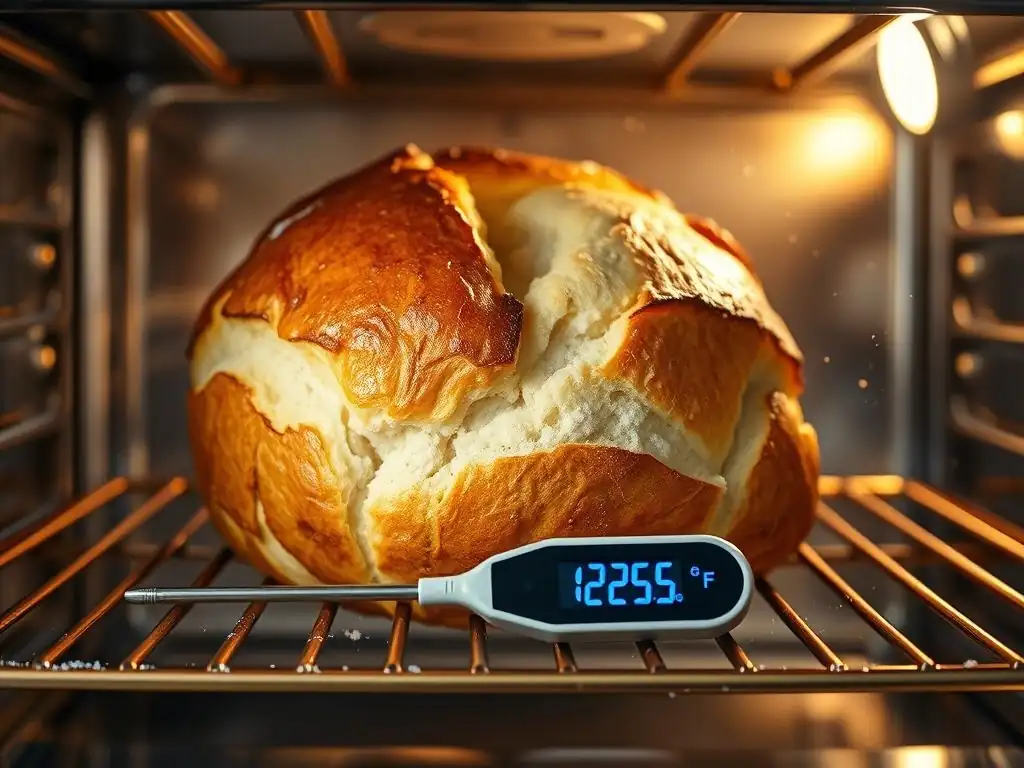
Consistency is key in baking, and preventing uneven results starts with establishing good habits and understanding your equipment.
Best Practices for Enriched Bread Baking
- Know Your Oven: Use an oven thermometer to understand its true temperature and hot spots. This is the most fundamental of all uneven bread baking solutions.
- Preheat Thoroughly: Always preheat your oven for at least 20-30 minutes after it signals it's ready, especially if using a baking stone or steel (preheat stone/steel for 45-60 minutes).
- Avoid Overcrowding: Bake one large loaf or a single batch of rolls at a time if possible, or ensure there is ample space between items and oven walls for airflow.
- Position Correctly: Place your pan on the middle rack unless the recipe specifically directs otherwise. Avoid placing pans directly above or below heating elements.
- Rotate Consistently: Make rotating your bread halfway through the bake a standard practice, especially for loaves baking longer than 20 minutes.
- Uniform Dough: Ensure your dough is evenly mixed, kneaded, shaped, and proofed. Use a scale to portion dough for rolls or multiple loaves.
- Use the Right Pan: Choose pan material and size appropriate for the dough volume and desired crust outcome. Consider parchment paper for sticky doughs.
[ ] Use an oven thermometer to verify oven temperature accuracy.
[ ] Perform a hot spot test (e.g., with toast or coconut) to identify oven inconsistencies.
[ ] Adjust oven temperature setting based on thermometer readings if necessary.
[ ] Plan to rotate bread 180 degrees halfway through baking time.
[ ] Consider using a baking stone or steel for improved heat distribution.
[ ] Ensure dough is thoroughly mixed and kneaded.
[ ] Practice uniform shaping techniques for consistent loaf thickness/density.
[ ] Monitor proofing carefully for even development.
[ ] Select pan size and material appropriate for the recipe.
[ ] Use parchment paper or grease/flour pan effectively.
[ ] Review specific problem solutions (browning, soggy bottom, dry crust) if issues persist.
Regular Oven Maintenance for Consistent Results
A clean and well-maintained oven is more likely to provide consistent baking results. Spills and debris on the oven floor or walls can burn and interfere with heat distribution and airflow. Regularly cleaning your oven according to the manufacturer's instructions helps prevent these issues.
Ensure the oven door seal is intact; a damaged seal can cause heat to escape, leading to lower temperatures and uneven baking, particularly near the door. If you suspect your oven's thermostat is significantly off or its heating elements are malfunctioning (e.g., one element seems weaker than the other), consider professional calibration or repair. Investing in oven maintenance is an investment in consistent, perfectly baked enriched breads, forming a crucial part of long-term uneven bread baking solutions.
Fine-Tuning Your Recipes for Your Oven
Ultimately, every oven is different. The most experienced bakers learn to adapt recipes to their specific equipment. If you consistently face uneven baking issues with a particular recipe despite following general uneven bread baking solutions, you might need to fine-tune the baking temperature or time. For example, if a recipe calls for 400°F (200°C) for 30 minutes and your loaf is always too dark on the outside and potentially undercooked inside, try reducing the temperature to 375°F (190°C) and increasing the time to 35-40 minutes, or vice versa.
Keep a baking journal to track your adjustments and results. Note the recipe, oven temperature setting, actual oven temperature (from your thermometer), rack position, rotation time, and final outcome. This data-driven approach helps you dial in the perfect baking parameters for your unique oven and favorite enriched bread recipes.
BakeWithEase: Your Resource for Perfect Enriched Breads
Frequently Asked Questions
How can I prevent my enriched bread from browning too quickly on top but remaining underbaked inside?
This often happens because the oven temperature is too high. Try lowering the temperature by 25 degrees Fahrenheit and covering the bread loosely with foil during the initial baking period.
What are some common causes of uneven baking in enriched breads?
Uneven baking can stem from several factors including inaccurate oven temperature, inconsistent ingredient distribution, or improper proofing. Also, oven hot spots can cause localized burning or underbaking.
Yes, a sunken middle often indicates that the bread was underbaked in the center. This could be due to the oven temperature being too high, causing the outside to bake faster than the inside, or insufficient baking time.
What role does dough placement in the oven play in even baking?
Dough placement is crucial; ensure the bread is positioned in the center of the oven, away from the sides or back, to avoid direct heat that can cause uneven browning. Rotating the bread halfway through baking can also promote even heat distribution.
Can the type of pan I use affect how evenly my enriched bread bakes?
Absolutely! Dark-colored pans absorb more heat, leading to faster browning and potentially uneven baking. Light-colored metal or glass pans are generally better for even heat distribution and baking.
Final Reflection: The Quest for Perfectly Even Bread
The pursuit of a flawlessly baked loaf, free from uneven browning and inconsistent crumb structure, remains a constant challenge for even the most experienced bakers. This seemingly simple act of bread making reveals a complex interplay of factors – from ingredient ratios and mixing techniques to oven temperature and baking time – all of which can contribute to an uneven final product. Understanding these variables, as explored throughout this article, is key to unlocking the secrets of consistently perfect enriched breads.
The frustration of pulling a beautiful-looking loaf from the oven only to discover a pale side or a dense, underbaked section is a familiar experience for many home bakers. This shared struggle highlights the importance of meticulous attention to detail and a willingness to troubleshoot. It's a journey of learning, adaptation, and ultimately, a deeper appreciation for the artistry of baking. The best bread is the bread you bake with love and patience.
– Unknown This quote perfectly encapsulates the spirit of perseverance required to master the art of even baking.
Now, armed with the knowledge and troubleshooting techniques discussed here, I invite you to embark on your own baking journey. Don't be discouraged by initial setbacks; each uneven loaf is a valuable lesson learned. Experiment with the tips provided, observe your oven's quirks, and refine your techniques. The reward – a perfectly even, golden-brown loaf with a consistently delicious crumb – is well worth the effort. Embrace the challenge, and may your next loaf be your best yet!
Unlock Perfectly Even Bread Baking!
Thanks for joining us on this baking journey! We hope you gained valuable insights into troubleshooting unevenly baked enriched breads. Now it's time to put your new knowledge into action.
- Master the art of even baking: Try the suggested techniques from the article – adjusting oven temperature, rotating your pans, and pre-heating thoroughly. This is your key to consistently delicious loaves!
- Share your baking triumphs (and challenges!): Post a picture of your perfectly baked bread on social media and tag us – we'd love to see your results!
- Explore other enriched bread recipes on BakeWithEase. We have tons of ideas to help you expand your baking repertoire.
Ready to transform your baking game? What specific technique will you focus on perfecting first to achieve flawlessly even loaves?