
Water Temperature: A Critical Detail in Puff Pastry Making

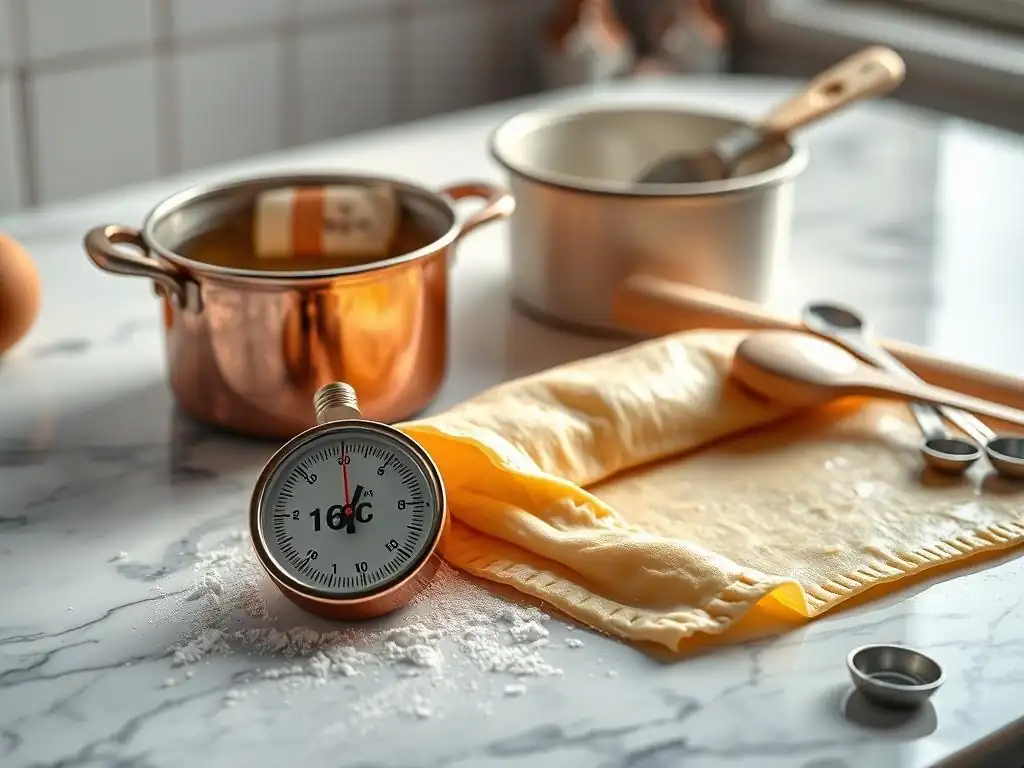
Welcome to BakeWithEase, your kitchen companion on a delicious journey to baking mastery! Ever wondered what the secret is to achieving that perfectly flaky, airy texture in your puff pastry? It's more than just butter and flour. Discover the often-overlooked, yet absolutely critical detail that can make or break your baking dreams – and find out exactly how to achieve puff pastry perfection. Intrigued? Let's dive in and unlock the secrets to baking light-as-air delights!
- Why Water Temperature Matters for Achieving Perfect Puff Pastry
- Understanding the Ideal Water Temperature for Puff Pastry
- Step-by-Step Guide: Using Cold Water for Puff Pastry Success
- Troubleshooting Puff Pastry Problems Related to Water Temperature
- Advanced Techniques: Optimizing Water Temperature for Different Puff Pastry Recipes
- Common Mistakes to Avoid When Using Water in Puff Pastry
- Tips for Maintaining Cold Water Temperature
- Achieving Puff Pastry Perfection: The Importance of Precision
-
Frequently Asked Questions
- How critical is water temperature when making puff pastry?
- What happens if the water is too warm when making puff pastry?
- What is the ideal water temperature for making puff pastry?
- Can I use ice cubes to chill the water for puff pastry?
- What other factors contribute to successful puff pastry besides water temperature?
- Final Reflection: Mastering the Art of Puff Pastry Through Temperature Control
- Unlock Flaky Perfection: Master the Art of Puff Pastry
Why Water Temperature Matters for Achieving Perfect Puff Pastry
The Role of Cold Water in Preventing Gluten Overdevelopment
Achieving perfect puff pastry relies heavily on controlling gluten development. Flour contains proteins, glutenin and gliadin, which form gluten when hydrated and kneaded. While some gluten structure is necessary for dough integrity, excessive development makes the dough tough and elastic, hindering the delicate layers required for a proper puff. Cold water significantly slows down the hydration process of these proteins, thereby minimizing gluten formation during the initial mixing of the détrempe (the dough base).
Using water that is too warm causes the flour to hydrate rapidly, leading to quick and extensive gluten development even with minimal mixing. This results in a dough that is difficult to roll out thinly without snapping back, making the lamination process challenging. By keeping the water temperature very low, typically between 35-40°F (2-4°C), you ensure that the flour hydrates slowly and evenly, resulting in a relaxed, pliable dough that is much easier to handle during subsequent folding stages, which is key to knowing how to achieve puff pastry success.
How Warm Water Affects Butter Lamination in Puff Pastry
The signature rise and flakiness of puff pastry come from the layers of butter trapped within the dough. During baking, the water in the butter turns to steam, forcing the layers apart. This process, known as lamination, requires the butter to remain cold and solid throughout the rolling and folding steps. If the water used in the détrempe is too warm, it can soften the butter block even before the lamination begins, or worse, melt the butter layers as you roll.
Warm water in the dough base increases the overall temperature of the dough. As you incorporate the butter block and begin folding, the heat from the dough transfers to the butter. If the dough is too warm initially due to warm water, the butter will become greasy and merge with the dough instead of staying in distinct layers. This prevents the creation of separate fat pockets necessary for the steam lift, leading to a dense, greasy pastry with little to no puff. Maintaining cold temperatures, starting with the water, is paramount to achieving puff pastry's characteristic airy layers.
Understanding the Ideal Water Temperature for Puff Pastry
The Optimal Water Temperature Range: 35-40°F (2-4°C)
For most puff pastry recipes, the ideal water temperature falls within a very specific, cold range: 35-40°F (2-4°C). This temperature is just above freezing, ensuring that the water is as cold as possible without being frozen. Using water in this range is crucial for several reasons discussed earlier: it slows down gluten development in the détrempe and helps maintain the overall cold temperature of the dough, which is essential for keeping the butter layers distinct during lamination.
Achieving this temperature often requires using ice water. You can fill a measuring cup with ice and then add cold water, letting it sit for a few minutes until the water is thoroughly chilled. Before adding it to the flour, strain out the ice to measure the exact amount of water needed. This precise temperature control is a non-negotiable step for anyone serious about mastering how to achieve puff pastry with consistent, high-quality results.
The Impact of Kitchen Temperature on Water Temperature for Puff Pastry Dough
While 35-40°F (2-4°C) is the target water temperature, the ambient temperature of your kitchen plays a significant role in how long the dough and butter remain cold. In a warm kitchen, say above 75°F (24°C), the dough will heat up much faster during mixing, resting, and rolling. This means you might need to start with water even closer to the lower end of the optimal range, perhaps 35°F (2°C), to give yourself more working time before the dough warms up.
Conversely, in a very cold kitchen, below 65°F (18°C), the dough might become too stiff, making it difficult to roll. In such cases, you might use water closer to 40°F (4°C). It's about finding a balance that allows the dough to remain pliable while keeping the butter solid. Monitoring your kitchen environment and adjusting your starting water temperature slightly can make a big difference in the ease of handling the dough and ultimately how to achieve puff pastry that bakes up beautifully.
Step-by-Step Guide: Using Cold Water for Puff Pastry Success
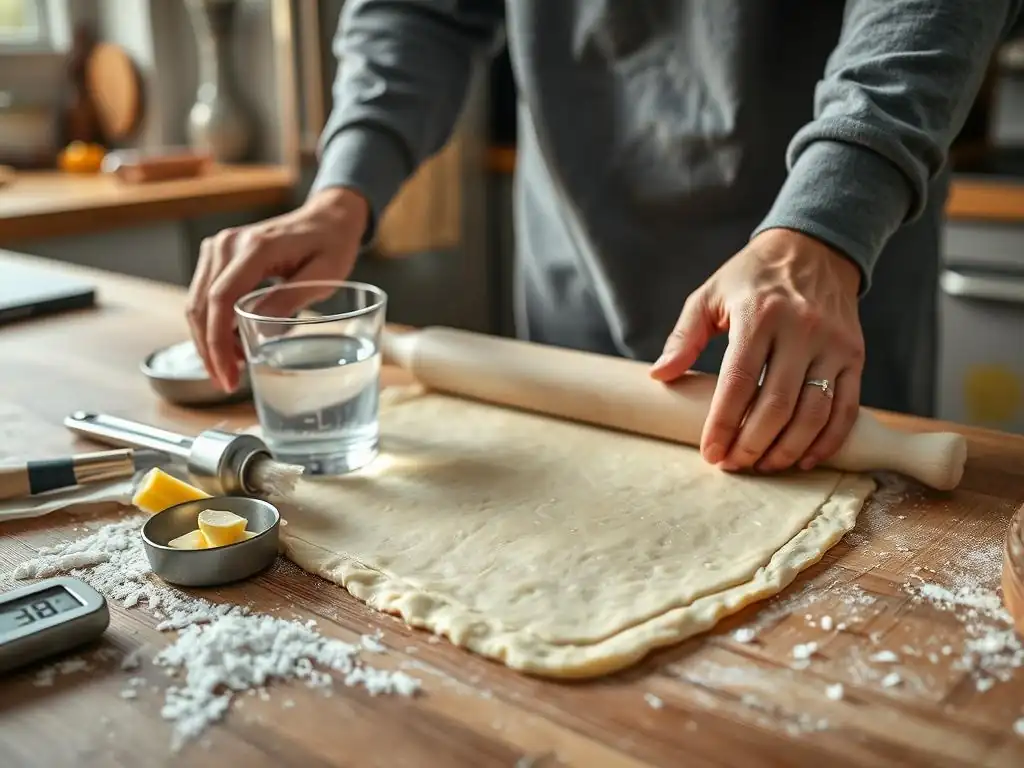
Preparing the Détrempe: Water Temperature and Flour Hydration
The first step in making puff pastry is creating the détrempe, the basic dough. This involves mixing flour, a small amount of butter or fat, salt, and cold water. The water temperature here is absolutely critical. As mentioned, using water at 35-40°F (2-4°C) ensures slow, controlled hydration of the flour proteins. Combine the dry ingredients, cut in the cold fat (if using), and then add the measured ice-cold water.
Mix the ingredients just until they come together into a shaggy dough. Avoid over-mixing, as this encourages gluten development. The cold water helps prevent the flour from hydrating too quickly, giving you more control over the dough's structure. Once the dough is formed, it's typically flattened into a rectangle, wrapped, and chilled thoroughly, often for at least 30-60 minutes, to relax the gluten further and ensure it's cold before the butter is incorporated. This initial step with cold water sets the stage for successful lamination and how to achieve puff pastry's characteristic layers.
Incorporating Butter: Maintaining Cold Temperatures During the Beurrage
The next major step is the beurrage, which involves encasing a block of cold butter within the détrempe. The temperature of both the dough and the butter is paramount during this stage. The détrempe, having been made with cold water and chilled, should be firm and cold, roughly the same consistency as the cold butter block.
The cold temperature of the détrempe, influenced by the initial cold water, helps prevent the butter from softening prematurely as you enclose it. If the dough is too warm, the butter will start melting into the dough, making distinct layers impossible. Ensuring the détrempe is properly chilled after its initial mixing with cold water is a fundamental technique for successful butter incorporation and a key factor in how to achieve puff pastry's flaky structure.
Rolling and Folding: Preventing Butter Melting with Cold Water Control
The lamination process involves repeatedly rolling and folding the dough, creating hundreds of alternating layers of dough and butter. Throughout this process, maintaining cold temperatures is vital. The cold water used to make the détrempe contributes significantly to the dough's ability to stay cold during rolling.
As you roll, friction generates heat. If the dough was made with warm water or wasn't chilled properly, it will warm up quickly, causing the butter layers to soften, break, or even melt and ooze out.
Working with a dough that started with cold water and has been properly chilled between folds allows you to roll more effectively without the butter becoming greasy. This controlled temperature is why rest periods in the refrigerator between folds are essential, giving the dough and butter a chance to firm up again, ensuring you are on the right path for how to achieve puff pastry perfection.
Tough Dough: Addressing Warm Water Issues
One of the most common problems when making puff pastry is ending up with a tough, elastic dough that resists rolling. This is almost always a result of excessive gluten development, which is often exacerbated by using water that is too warm during the initial mixing of the détrempe. Warm water hydrates flour proteins rapidly, promoting fast and extensive gluten formation.
If your dough feels overly springy and snaps back significantly when you try to roll it, chances are the water temperature was too high, or you overmixed the dough after adding the water. To troubleshoot this, ensure your water is ice-cold (35-40°F or 2-4°C) for future attempts.
For the current tough dough, extended resting periods in the refrigerator (30-60 minutes or even longer between folds) can help relax the gluten slightly, making it marginally easier to work with, though the final texture may still be compromised. Learning how to achieve puff pastry requires meticulous attention to detail, and water temperature is a prime example.
Butter Leaking: Water Temperature and Butter Consistency
Butter leaking or oozing out from the dough during rolling and folding is another frustrating issue. This happens when the butter layers become too soft and melt into the dough or escape through tears. While kitchen temperature and handling can contribute, starting with a détrempe that is too warm due to warm water is a significant factor. A warm dough quickly softens the butter block when it's incorporated.
Furthermore, if the dough is too warm from the outset, it will warm up even faster during rolling, causing the butter to become greasy. Ensure your water is ice-cold when making the détrempe. Also, verify that your butter block is cold but still pliable, not rock hard or too soft.
If butter starts leaking, immediately stop rolling, patch any tears in the dough with a little flour, and return the dough to the refrigerator for a minimum of 30-60 minutes to firm up completely before attempting to roll again. This step is vital for anyone learning how to achieve puff pastry successfully.
Lack of Puff: Correcting Water Temperature for Optimal Rise
The hallmark of great puff pastry is its spectacular rise and flakiness, created by steam lifting the distinct butter layers. If your pastry bakes up flat and dense with little separation, several factors could be involved, but improper temperature control, starting with the water, is a likely culprit. If the water was too warm, it could lead to a tough dough and/or melted butter layers.
A tough dough restricts the dough's ability to expand. Melted butter layers mean there are no distinct fat pockets to create steam and lift the layers. To achieve optimal puff, ensure your water is ice-cold (35-40°F or 2-4°C) for the détrempe, that the butter block is cold and pliable, and that the dough remains cold throughout the rolling and folding process with sufficient rest periods in the refrigerator. Correcting these temperature issues is fundamental to understanding how to achieve puff pastry's signature rise.
Advanced Techniques: Optimizing Water Temperature for Different Puff Pastry Recipes
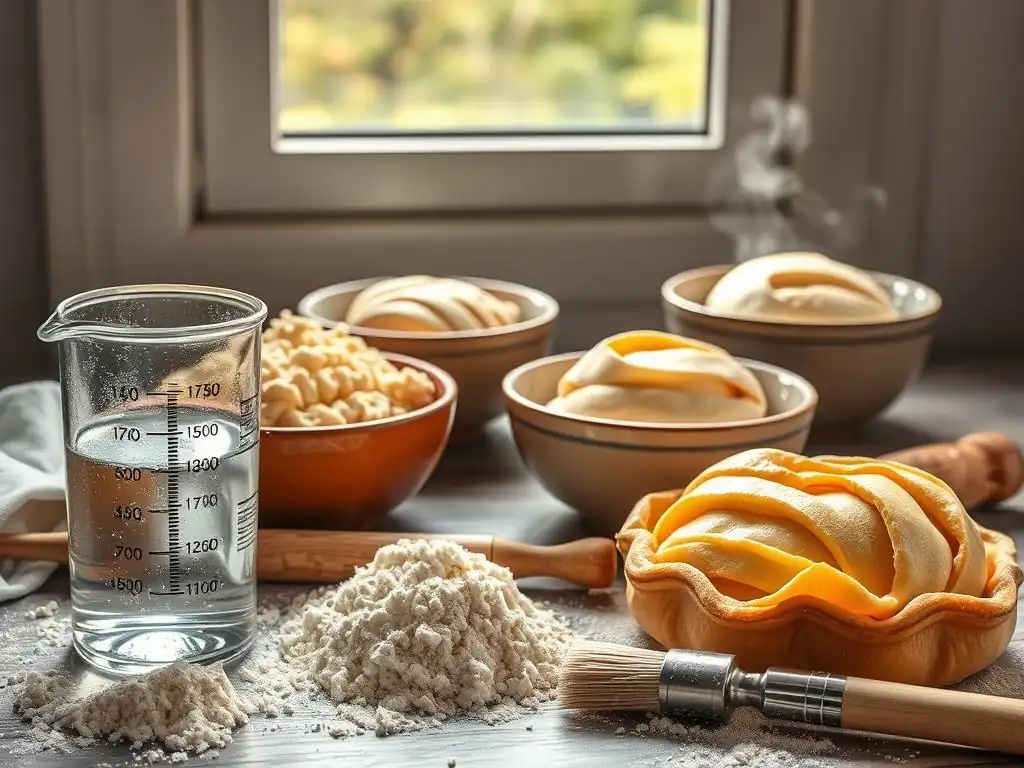
Adjusting Water Temperature for High-Hydration Doughs
Some specialized puff pastry recipes might call for a slightly higher hydration level in the détrempe, meaning a higher ratio of water to flour. While still relatively low compared to bread doughs, even a small increase in water content can affect the dough's consistency and handling. For these slightly wetter doughs, maintaining an extremely low water temperature (closer to 35°F or 2°C) becomes even more critical.
The extra water increases the potential for rapid gluten development. By using water at the coldest end of the recommended range, you further slow down this hydration process, giving you more control over the dough's elasticity. Additionally, a wetter dough can sometimes feel warmer to the touch faster during mixing and rolling. Starting with colder water provides a buffer, helping the dough stay cooler for longer during handling, contributing to how to achieve puff pastry with a good balance of structure and tenderness.
Water Temperature Considerations for Gluten-Free Puff Pastry
Making gluten-free puff pastry presents unique challenges, as gluten-free flours lack the protein structure that gives traditional dough its elasticity and strength. Recipes often rely on blends of flours, starches, and sometimes binders like xanthan gum. While gluten development isn't a concern, water temperature still plays a crucial role, primarily in controlling the hydration of the starches and maintaining the cold temperature necessary for butter lamination.
Using cold water (35-40°F or 2-4°C) helps hydrate the various components of the gluten-free blend more evenly and slowly, preventing lumpiness. More importantly, just like with traditional puff pastry, the cold water helps keep the overall dough temperature low. This is essential for ensuring the butter layers remain solid and distinct throughout the lamination process, which is the primary mechanism for achieving puff pastry structure in a gluten-free context. The principles of cold dough and cold butter remain paramount.
Enhancing Flakiness with Precise Water Temperature Control
Precise control over water temperature is not just about preventing disaster; it's also about optimizing the final texture. Using water that is consistently within the 35-40°F (2-4°C) range contributes to creating a détrempe that is both pliable enough to roll thinly and strong enough to support the layers. A dough that is too warm from the start can lead to butter bleeding, resulting in a less defined layer structure and consequently, less flakiness.
Cold water ensures the butter remains in discrete pockets throughout the baking process, leading to maximum steam lift and separation of layers. This precise temperature management, combined with correct folding techniques and adequate chilling times, directly impacts the number and definition of the flaky layers you achieve. Mastering this detail is a key step for anyone aiming to truly master how to achieve puff pastry with the ultimate light and airy texture.
Common Mistakes to Avoid When Using Water in Puff Pastry
Over-Hydrating the Dough: Water Content and Dough Elasticity
While water temperature is critical, the amount of water used is equally important. Over-hydrating the détrempe is a common mistake. Adding too much water results in a very soft, sticky dough that is difficult to handle and roll thinly without tearing. A wetter dough also promotes faster gluten development, even if the water is cold, leading to increased elasticity and resistance during rolling.
The correct amount of water for a puff pastry détrempe is typically just enough to bring the ingredients together into a cohesive, slightly dry dough. It shouldn't feel wet or sticky. If you accidentally add too much water, resist the urge to add more flour directly to the dough, as this can disrupt the balance. For future batches, measure your ingredients precisely and use the recommended amount of ice-cold water, adding it gradually if necessary, to avoid over-hydration and ensure you are on the right track for how to achieve puff pastry success.
Neglecting Ambient Temperature: Adjusting Water Temperature Seasonally
Failing to consider the temperature of your kitchen and environment is a common oversight. As mentioned earlier, a hot kitchen significantly impacts how quickly your dough warms up. Using water that is just 40°F (4°C) in a 90°F (32°C) kitchen might not be cold enough to prevent the dough and butter from softening too quickly during lamination.
In warmer conditions, aim for water closer to 35°F (2°C). You might also need to increase chilling times between folds. Conversely, in a very cold kitchen, extremely cold water might make the dough too stiff initially, making it hard to work. Be mindful of the season and your kitchen's climate. Adjusting your target water temperature within the 35-40°F (2-4°C) range based on your environment is a sign of an experienced baker who understands the nuances of how to achieve puff pastry consistency.
Using Too Much Ice: Achieving the Right Temperature Balance
While using ice to chill the water is necessary, adding ice directly to the dough mixture or using water that still has ice chips in it can be detrimental. Ice chunks in the dough create pockets of excessive moisture that don't hydrate the flour evenly. As the ice melts, it releases concentrated bursts of water, leading to uneven hydration and potentially sticky spots in the dough.
Always measure the required amount of water after it has been chilled by ice and the ice has been strained out. The goal is liquid water at a specific cold temperature, not a mixture of water and ice. Ensuring the water is liquid and at the precise cold temperature is a small but important detail in the precise process of how to achieve puff pastry that is smooth and uniform.
Tips for Maintaining Cold Water Temperature
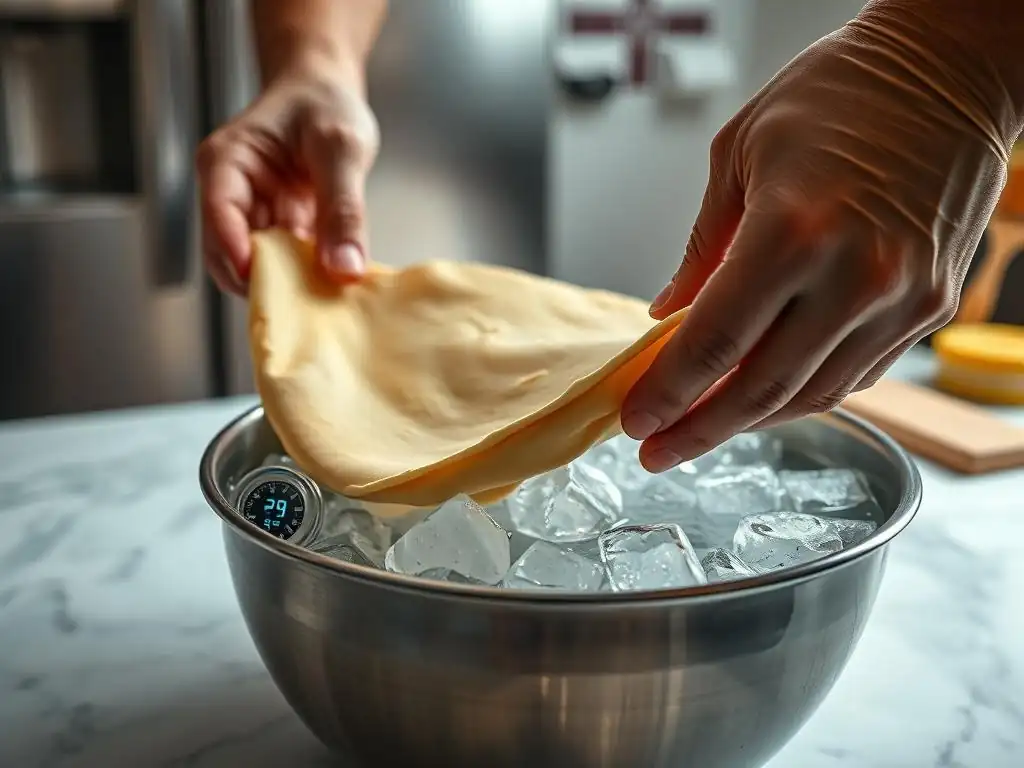
Pre-Chilling Water and Ingredients
One of the simplest and most effective ways to ensure your water is at the correct temperature is to plan ahead. Several hours before you plan to make puff pastry, fill a container with the amount of water you'll need (plus a little extra for chilling) and add plenty of ice. Place this container in the refrigerator.
Additionally, consider pre-chilling your flour and even your mixing bowl in the refrigerator, especially in a warm kitchen. While not strictly necessary for the water temperature itself, having all components cold helps maintain the overall low temperature of the détrempe, giving the cold water a better chance to keep everything cool during mixing. This proactive approach is fundamental to how to achieve puff pastry with minimal stress.
Using a Marble Slab to Maintain Dough Temperature During Lamination
Working on a cold surface is invaluable for keeping your puff pastry dough and butter cold during the demanding process of rolling and folding. Marble is an excellent material for this because it stays naturally cooler than wood or laminate countertops.
Before you begin rolling, you can even place ice packs on your marble slab for a few minutes to further chill the surface (dry it thoroughly before placing the dough). Rolling the dough on this cold surface helps counteract the heat generated by friction and the warmth from your hands, helping the butter layers remain solid and preventing them from melting into the dough. This technique, combined with using cold water initially, is a powerful strategy for how to achieve puff pastry with maximum flakiness.
Working Quickly to Prevent Butter Softening
Even with ice-cold water and chilled ingredients, time is of the essence when making puff pastry. The longer the dough sits out at room temperature, the warmer it becomes, and the softer the butter layers get. Work efficiently through each rolling and folding step.
Have your workspace prepared and your tools ready before you take the dough out of the refrigerator. Roll and fold deliberately but without unnecessary delay. If you feel the dough or butter softening, or if it becomes difficult to roll smoothly, stop immediately, wrap the dough, and return it to the refrigerator for a mandatory chilling period (at least 30 minutes, preferably 60). Working quickly and respecting the dough's need for chilling are crucial skills in how to achieve puff pastry successfully.
Achieving Puff Pastry Perfection: The Importance of Precision
Mastering Water Temperature for Consistent Results
Mastering puff pastry is a journey of precision, and water temperature is a cornerstone of that mastery. Understanding why cold water is essential – preventing excess gluten and maintaining butter integrity – empowers you to make deliberate choices in your baking process. Consistently using water within the optimal 35-40°F (2-4°C) range is not just a suggestion; it's a requirement for reliable results.
By paying close attention to this single detail, you significantly increase your chances of producing a dough that is easy to handle, rolls beautifully, and, most importantly, bakes into a pastry with hundreds of light, airy, and distinct layers. This level of precision with temperature is a hallmark of truly skilled bakers learning how to achieve puff pastry that impresses every time.
Combining Water Temperature Control with Proper Technique
Water temperature is a critical piece of the puzzle, but it works in concert with other fundamental techniques. Proper mixing to avoid over-developing gluten, precise measurement of ingredients, careful incorporation of the butter block, accurate rolling to maintain even thickness, and sufficient chilling times between folds are all equally vital steps.
Think of it as a chain: if one link is weak, the whole structure suffers. Using ice-cold water will set you up for success, but it won't compensate for sloppy rolling or insufficient chilling. Combining meticulous temperature control with practiced technique is the true path to understanding how to achieve puff pastry perfection consistently. Each element supports the others to create the desired outcome.
Basic Puff Pastry Recipe with Emphasis on Water Temperature
Let's outline the conceptual steps, focusing on the water temperature element. A typical recipe might call for about half the weight of flour in cold fat (butter) and roughly half the weight of the fat in ice-cold water, plus a pinch of salt. For example, using 2 cups (about 250g) of flour, you might use 1 cup (about 225g) of butter and about 1/2 cup (about 115-125g) of ice-cold water.
The process emphasizes: 1) using water precisely measured after chilling to 35-40°F (2-4°C) for the détrempe, mixing minimally; 2) ensuring the détrempe is thoroughly chilled before incorporating the equally cold butter block; 3) maintaining cold dough temperatures throughout the lamination process by chilling between folds; and 4) baking at a high temperature to maximize steam lift from the solid butter layers. Following these steps, with water temperature as a guiding principle, is key to learning how to achieve puff pastry that is light, flaky, and utterly delicious.
Frequently Asked Questions
How critical is water temperature when making puff pastry?
Water temperature is absolutely critical for successful puff pastry. It helps maintain the fat in a solid state, preventing it from melting and incorporating into the dough, which is essential for creating distinct layers and flakiness.
What happens if the water is too warm when making puff pastry?
If the water is too warm, the butter will melt prematurely. This results in the fat being absorbed into the dough, leading to a dense, less flaky pastry and poor layering.
What is the ideal water temperature for making puff pastry?
The ideal water temperature is typically ice-cold, around 35-40°F (2-4°C). This helps keep the butter firm throughout the mixing and lamination process, creating optimal layering.
Can I use ice cubes to chill the water for puff pastry?
Yes, using ice cubes is a great way to chill the water. Simply add ice to the water until it reaches the desired temperature, then remove the ice before adding the water to the dough to avoid diluting the ingredients.
What other factors contribute to successful puff pastry besides water temperature?
Besides water temperature, other important factors include using high-quality butter, proper lamination techniques (folding and turning the dough), and maintaining a cool working environment to prevent the butter from melting.
Final Reflection: Mastering the Art of Puff Pastry Through Temperature Control
The seemingly insignificant detail of water temperature is, in reality, the cornerstone of successful puff pastry. A few degrees too warm or too cold can mean the difference between flaky, golden layers and a dense, disappointing result. This seemingly small detail holds the key to unlocking the magic of this classic pastry.
The pursuit of the perfect puff pastry is a journey that reflects our own desire for precision and control in the face of seemingly chaotic processes. The delicate balance of butter, flour, and water, all orchestrated by temperature, mirrors the intricate balance we strive for in our own lives. Perfection is not attainable, but if we chase perfection we can catch excellence.
– Vince Lombardi. This quote resonates deeply with the pastry-making process; while absolute perfection might be elusive, understanding the nuances of water temperature allows us to achieve exceptional results.
Now, consider your own baking endeavors. Perhaps you’ve experienced the frustration of a less-than-perfect puff pastry. Remember the lessons learned here – the importance of precise measurements, the subtle impact of temperature, and the patience required for this delicate process. Don't be discouraged by setbacks; embrace the learning process, and with each attempt, you'll refine your technique and approach the mastery of puff pastry, one degree at a time. The journey itself is as rewarding as the final, flaky result.
Unlock Flaky Perfection: Master the Art of Puff Pastry
Thanks for diving into the world of flaky, buttery perfection with us! You've now discovered the secret ingredient to truly amazing puff pastry: precise water temperature. Ready to put your newfound knowledge into practice?
- Bake your dream puff pastry: Try our recipe (found on the BakeWithEase homepage) today, paying close attention to the water temperature – you'll be amazed by the difference! This is your chance to create truly exceptional pastries.
- Share your baking journey: Post a picture of your masterpiece on social media and tag us @BakeWithEase – we love seeing your baking successes!
- Explore temperature variations: Experiment with slightly different water temperatures and observe how it affects the final result. Document your findings and share your discoveries in the comments below!
Ready to transform your baking game with perfectly flaky puff pastry? What temperature will you experiment with first?