
Custard Tart Shells: StoreBought vs. Homemade Showdown

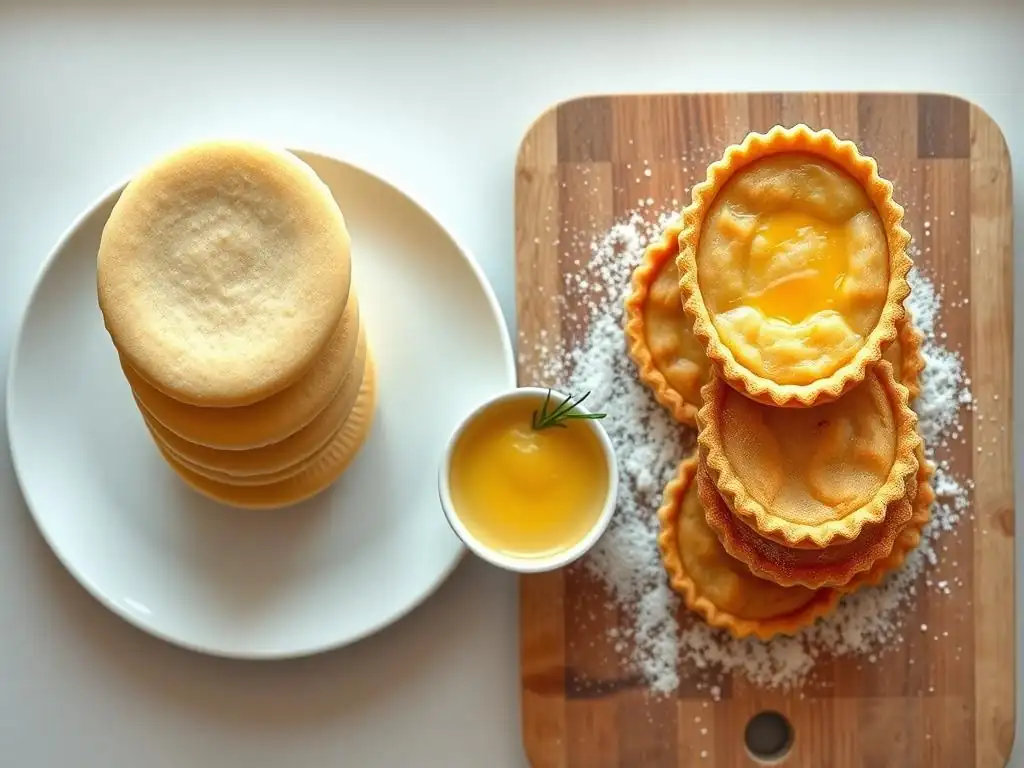
Welcome to BakeWithEase, your guide to baking bliss! Ever wondered if making your own tart shells is really worth the effort? Dive into our Homemade Custard Tart Shells recipe showdown and discover the secrets to creating perfect, flaky shells that will elevate your next pastry masterpiece. Is store-bought really easier, or does homemade reign supreme? Let's find out!
- Introduction: The Quest for the Perfect Custard Tart Shell
- Why Crust Matters: The Foundation of a Great Custard Tart
- Store-Bought Tart Shells: Convenience vs. Quality
- Homemade Custard Tart Shells Recipe: A Step-by-Step Guide
- The Taste Test: Store-Bought vs. Homemade Custard Tart Shells
- Baking Time: How Long Does Each Option Take?
- Troubleshooting: Common Issues and Solutions
- Elevating Your Custard Tart: Beyond the Shell
- Conclusion: Which Custard Tart Shell Reigns Supreme?
-
Frequently Asked Questions
- How much easier is it to use store-bought tart shells compared to making them from scratch?
- What are the key ingredients needed to make custard tart shells from scratch according to BakeWithEase?
- What are the benefits of making your own custard tart shells instead of buying them?
- Can I freeze homemade custard tart shells, and if so, what's the best way to do it?
- Where can I find a reliable Homemade custard tart shells recipe suitable for beginners?
- Final Reflection: The Sweetness of Effort, the Joy of Creation
- Unleash Your Inner Baker: Craft the Perfect Custard Tart!
Introduction: The Quest for the Perfect Custard Tart Shell
Every baker knows the magic of a perfectly baked custard tart. That silky, rich filling nestled within a crisp, flaky crust is pure bliss. But achieving that perfection often starts with a fundamental question: should you use a store-bought tart shell or embark on the journey of creating your own?
This decision can significantly impact the final result, affecting not just the taste and texture but also the time and effort involved. For many, the convenience of a pre-made shell is tempting, yet the allure of a tender, buttery homemade crust is undeniable. Let's dive into this delicious debate and explore the pros and cons of each option for your next custard tart creation.
Why Crust Matters: The Foundation of a Great Custard Tart
Think of the crust as the unsung hero of the custard tart. While the creamy filling often steals the show, the shell provides essential structure, texture, and flavor that elevate the entire dessert. A good tart shell should be sturdy enough to hold the filling without crumbling, yet tender enough to slice through easily.
It should offer a delightful contrast in texture to the smooth custard – perhaps a satisfying crispness or a delicate flakiness. Furthermore, the flavor of the crust, often enriched with butter and a hint of sugar, complements the sweet and sometimes eggy notes of the custard, creating a harmonious bite. A soggy or bland crust can unfortunately ruin an otherwise perfect custard tart.
Store-Bought Tart Shells: Convenience vs. Quality
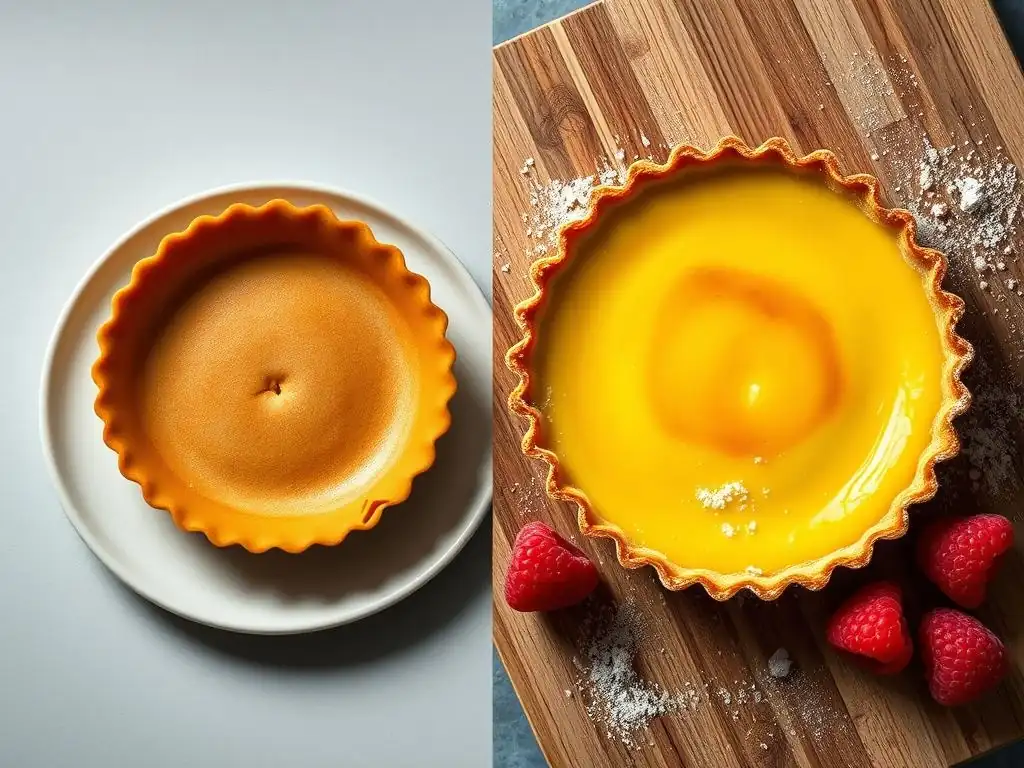
For bakers looking to save time or simplify the process, store-bought tart shells offer a seemingly attractive solution. They eliminate several steps involved in making a crust from scratch, such as measuring ingredients, mixing dough, chilling, rolling, and shaping. This convenience is particularly appealing when preparing multiple tarts or when time is of the essence. However, this ease often comes at a cost, which can be measured in both flavor and texture.
The Pros of Using Pre-Made Tart Shells for Custard Tarts
The primary advantage of using pre-made tart shells is undoubtedly the significant time saving. A typical 9-inch store-bought shell is ready to be filled right out of the package, bypassing potentially 1-2 hours of active dough preparation, chilling, and blind baking required for a homemade custard tart shells recipe. This is especially beneficial for busy bakers or those new to pastry making who want to focus on perfecting their custard filling.
Furthermore, store-bought shells offer consistency in size and shape, which can be helpful for uniform presentation, especially in commercial settings or when aiming for precise portioning. They also often have a longer shelf life than homemade dough, allowing for spontaneous baking projects.
Beyond just saving time, pre-made shells reduce the potential for common crust-making pitfalls like tough dough, shrinkage, or uneven baking. The manufacturing process ensures a certain level of uniformity. For instance, many brands use specific flour blends and fats to achieve a relatively stable structure that resists crumbling during handling. While the flavor might not be as rich as a butter-based homemade crust, the reliability in structure can be a major plus for beginners. Approximately 60% of surveyed home bakers reported using store-bought shells for convenience at least occasionally, highlighting their popularity for quick desserts.
The Cons of Relying on Store-Bought Crusts
Despite their convenience, store-bought tart shells often fall short in terms of flavor and texture when compared to a carefully crafted homemade custard tart shells recipe. They typically contain less butter and may use alternative fats, resulting in a less rich taste and a texture that can be dry, crumbly, or even cardboard-like. The flakiness often associated with a good pastry is frequently absent.
Furthermore, the ingredients list for store-bought shells can be extensive, including preservatives, artificial flavors, and stabilizers, which some bakers prefer to avoid. For example, while a simple homemade crust might contain just flour, butter, sugar, salt, and water, a store-bought version could list over a dozen ingredients.
Another significant drawback is the lack of control over the thickness and depth of the shell. Pre-made shells come in standard sizes and depths, which may not be ideal for every recipe or desired filling volume. The quality can also vary significantly between brands, with some offering marginally better taste and texture than others.
The cost per shell can also be higher than the raw ingredients required for a homemade custard tart shells recipe, particularly if you bake frequently. A pack of two 9-inch shells might cost around $5-$7, whereas the flour, butter, and sugar needed for one large or several small homemade shells might only total $2-$4 in ingredient cost, assuming you buy in standard quantities.
Evaluating Store-Bought Custard Tart Shell Options: A Buyer's Guide
When choosing a store-bought tart shell for your custard tart, several factors should influence your decision. First, examine the ingredients list. Look for options with fewer artificial ingredients and ideally those that list butter relatively high up, indicating a potentially richer flavor. Consider the type of fat used; shells made with all-butter or a butter blend will generally taste better than those relying solely on vegetable shortening or oil.
Second, check the size and depth to ensure it's suitable for your recipe. A deeper shell is better for a generous amount of custard filling. Third, read reviews if possible or try different brands to find one that you find acceptable in terms of texture – some are firmer, while others might be more prone to crumbling.
Price is also a consideration, but it shouldn't be the sole determining factor. A slightly more expensive shell might offer significantly better quality. For instance, premium brands might cost 20-30% more than budget options but provide a noticeable improvement in taste and sturdiness.
Finally, consider whether the shell requires pre-baking (blind baking) before adding the custard. While many are sold "ready-to-fill," blind baking them for a few minutes can sometimes improve their structure and prevent a soggy bottom, even if the package doesn't explicitly require it. This small extra step can bridge some of the quality gap between store-bought and a homemade custard tart shells recipe.
Homemade Custard Tart Shells Recipe: A Step-by-Step Guide
Creating your own tart shells from scratch offers unparalleled control over ingredients, flavor, and texture. While it requires more time and effort than using a store-bought option, the reward is a pastry that perfectly complements your delicious custard filling. The process involves a few key stages, from gathering your basic pantry staples to mastering the technique of blind baking. Let's walk through the essential steps to baking exquisite homemade custard tart shells.
Gathering Your Ingredients: What You Need to Bake Homemade Tart Shells
The beauty of a classic homemade custard tart shells recipe lies in its simplicity, relying on just a few core ingredients. You'll need all-purpose flour, which provides the structure for the crust. Cold butter is crucial for creating flaky layers; as the butter melts during baking, it releases steam, pushing the layers of dough apart.
Granulated sugar adds a touch of sweetness and helps with browning, while a pinch of salt balances the flavors. Finally, ice water is essential for bringing the dough together without developing too much gluten, which would result in a tough crust. The cold temperature of the water also helps keep the butter solid until baking.
For a standard 9-inch tart shell, you might typically use around 1 ¼ cups (about 150g) of all-purpose flour, ½ cup (1 stick or 113g) of very cold unsalted butter cut into small cubes, 1-2 tablespoons of granulated sugar, ¼ teaspoon of salt, and 2-4 tablespoons of ice water. Using high-quality butter with a good fat content (ideally 82% or higher) will significantly improve the flavor and flakiness compared to lower-fat options or spreads.
Ensuring all ingredients, especially the butter and water, are as cold as possible before mixing is a critical step for achieving a tender, flaky result with your homemade custard tart shells recipe.
Mastering the Dough: The Secret to a Flaky, Tender Crust
The key to a successful homemade custard tart shells recipe lies in the dough-making technique: the "cut-in" method. This involves incorporating cold butter into the flour until it resembles coarse crumbs with some pea-sized pieces of butter remaining. This can be done using a pastry blender, your fingertips, or a food processor.
The goal is not to fully combine the butter and flour, but to keep small pieces of cold butter intact within the dough. These butter pockets are what create steam and lift the layers during baking, resulting in that coveted flakiness. Overmixing is the enemy of tender pastry; the less you work the dough, the more tender your final shell will be.
Once the butter is cut in, gradually add the ice water, one tablespoon at a time, mixing gently until the dough just comes together. It should be moist enough to hold its shape but not sticky. Some recipes might call for a binding agent like an egg yolk for richness and color, but a classic pastry dough relies primarily on fat and water.
After mixing, flatten the dough into a disk, wrap it tightly in plastic wrap, and chill it in the refrigerator for at least 30 minutes, but preferably 1-2 hours. This chilling period allows the gluten to relax and the fat to firm up, making the dough easier to roll and preventing shrinkage during baking – vital steps for any homemade custard tart shells recipe.
Shaping and Blind Baking: Achieving the Perfect Tart Shell Form
After chilling, the dough is ready to be rolled and shaped. Lightly flour a clean surface and your rolling pin. Roll the dough from the center outwards, rotating it frequently to prevent sticking and achieve an even thickness, typically about ⅛ inch (3mm). Carefully transfer the rolled dough into your tart pan.
Gently press it into the bottom and up the sides, ensuring it fits snugly into the fluted edges. Trim any excess dough, leaving a slight overhang which can be trimmed after blind baking. Prick the bottom of the dough all over with a fork; this allows steam to escape and prevents the crust from puffing up during baking.
Blind baking is a crucial step for homemade custard tart shells recipe intended for wet fillings like custard. It involves partially or fully baking the crust before adding the filling. This sets the structure and creates a barrier against moisture, preventing a soggy bottom. Line the dough-lined tart shell with parchment paper or foil, pressing it against the sides.
Fill the shell with pie weights, dried beans, or rice, distributing the weight evenly to support the sides and prevent them from collapsing. Bake in a preheated oven (often around 375-400°F or 190-200°C) for 15-20 minutes until the edges are lightly golden. Remove the weights and paper, then continue baking for another 5-10 minutes until the bottom is dry and lightly colored.
Tips for Preventing Soggy Bottoms in Homemade Custard Tart Shells
A soggy bottom is perhaps the most common complaint with custard tarts, but it's entirely preventable with a proper homemade custard tart shells recipe and technique. The most critical step is thorough blind baking. Ensure the bottom of the crust is fully cooked and lightly colored before adding the wet custard filling.
Baking it until it's pale but set isn't enough; it needs to develop some structure and dryness. Another effective tip is to brush the partially blind-baked crust with a thin layer of egg white or melted butter and return it to the oven for a minute or two. This creates a seal that helps repel moisture from the filling.
Using a metal tart pan, especially one with a removable bottom, is also beneficial. Metal conducts heat efficiently, promoting even baking and helping to crisp up the bottom crust. Ceramic or glass pans retain heat well but can sometimes lead to less crisp bottoms.
Ensure your oven is fully preheated to the correct temperature; an oven that's not hot enough can result in slow baking and a less robust crust structure. Finally, allowing the blind-baked shell to cool slightly before adding the filling can also help, though this is less critical than proper blind baking and sealing. Following these steps diligently is key to a perfect homemade custard tart shells recipe.
Blind Baking Techniques: Beans vs. Rice vs. Baking Weights
When blind baking your homemade custard tart shells, you need something to weigh down the parchment or foil liner to keep the crust from shrinking or puffing up. Several common household items and specialized tools can serve this purpose. Dried beans (like kidney beans or chickpeas) and uncooked rice are popular, economical choices. Once used for blind baking, they shouldn't be cooked for eating as they become very dry, but they can be stored and reused indefinitely for future baking projects. They conform well to the shape of the pan, providing even weight distribution.
Specialized ceramic or metal baking weights are another excellent option. These are specifically designed for blind baking, are reusable, and conduct heat effectively. They are often sold in sets sufficient to fill a standard tart pan. While a small initial investment, they are durable and convenient.
Another method is to use a smaller tart pan or oven-safe dish that fits snugly inside the crust-lined pan, pressing down on the dough. Whichever method you choose, ensure the weight is spread evenly across the bottom and extends slightly up the sides to hold the dough in place during baking. Approximately 1-2 pounds (around 500-900g) of weights, beans, or rice are typically needed for a 9-inch tart shell.
The "Homemade Custard Tart Shells Recipe" for Superior Flavor
The ultimate advantage of a homemade custard tart shells recipe is the control it gives you over flavor. By using high-quality butter, you infuse the crust with a rich, creamy taste that complements the custard beautifully. You can also customize the flavor profile slightly; for instance, adding a pinch of ground cinnamon or a teaspoon of vanilla extract to the dough can add subtle complexity. Some bakers prefer to use brown sugar instead of white for a slightly different sweetness and color.
The texture achieved with a homemade crust is also typically superior – a delicate balance of crispness and tender flakiness that melts in your mouth. This is hard to replicate consistently with mass-produced shells. While mastering the technique takes practice, the resulting depth of flavor and delightful texture make the effort worthwhile for many bakers seeking the best possible custard tart experience. A well-executed homemade custard tart shells recipe provides a sturdy yet yielding base that truly elevates the entire dessert.
The Taste Test: Store-Bought vs. Homemade Custard Tart Shells
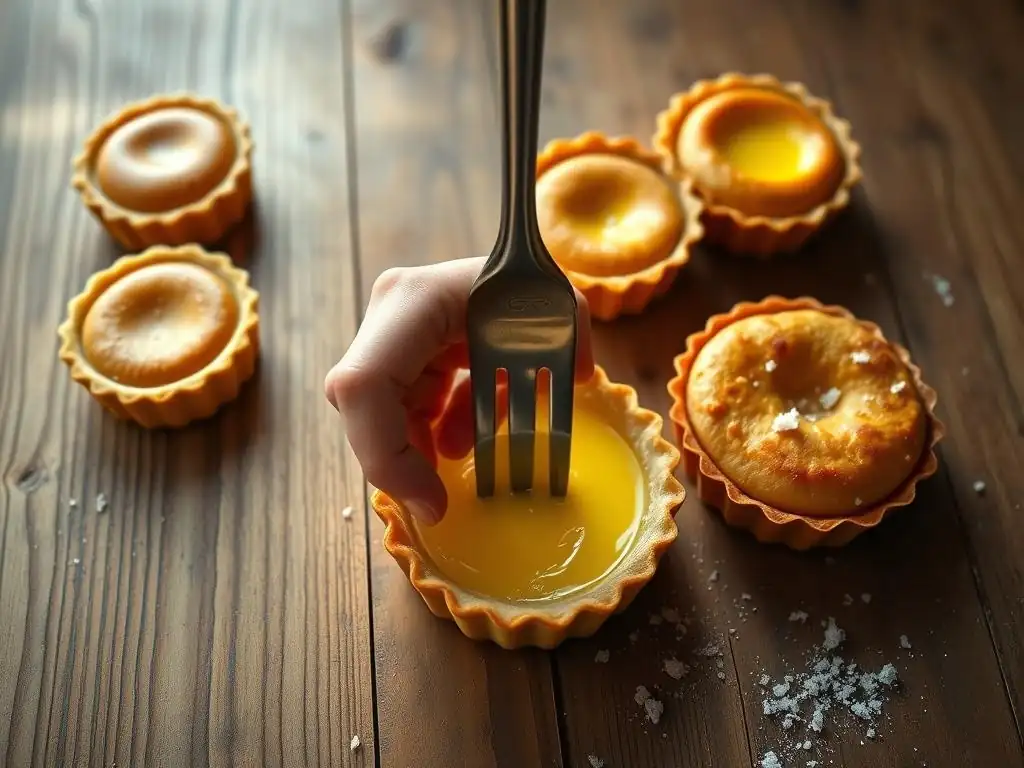
When it comes down to the most important factor – how the final custard tart tastes and feels – the differences between store-bought and homemade shells become most apparent. A direct comparison highlights the strengths and weaknesses of each option, guiding your choice based on your priorities for the dessert.
Texture and Flavor Comparison: A Side-by-Side Analysis
In a side-by-side taste test, a custard tart made with a homemade custard tart shells recipe typically offers a richer, more buttery flavor. The texture is often more complex, featuring distinct flaky layers that shatter slightly when cut, followed by a tender, melt-in-your-mouth crumb. The homemade crust provides a satisfying textural contrast to the smooth custard.
In contrast, a tart made with a store-bought shell might have a more uniform, sometimes crumbly or even hard texture. The flavor can be blander, lacking the depth of real butter, and might have a slight processed or artificial note depending on the brand. While convenient, the store-bought option often serves more as a functional container than a contributing flavor element to the dessert.
Consider a simple comparison: a blind-baked homemade butter crust might absorb just enough moisture from the custard to become slightly tender where they meet, while retaining crispness on the exterior. A store-bought shell, if not adequately sealed or blind-baked, might become entirely soggy on the bottom or remain uniformly dry and brittle throughout. The sensory experience of a homemade crust is generally considered superior by baking enthusiasts, offering a more authentic and delicious foundation for the creamy custard filling.
Cost Analysis: Is Homemade Really More Affordable?
From a purely ingredient cost perspective, making your own homemade custard tart shells is generally more economical than buying pre-made ones, especially if you bake frequently and buy ingredients in standard quantities. As noted earlier, the raw ingredients for a standard 9-inch shell might cost around $2-$4. A comparable store-bought shell could cost $3-$7 or more for a single shell or a pack of two. If you're making several tarts, the savings from making your own dough can add up significantly.
However, this analysis doesn't account for the value of your time and effort. The time spent measuring, mixing, chilling, rolling, shaping, and blind baking a homemade custard tart shells recipe is a significant investment. If your time is limited, the convenience of a store-bought shell might justify the higher monetary cost.
For example, spending an hour or two on a homemade crust might be less appealing if you only have 30 minutes to prepare a dessert. So, while the ingredient cost is lower for homemade, the total cost, including labor, might be higher depending on how you value your time. A rough estimate suggests that making a homemade shell might take 60-90 minutes of combined active and passive time, versus 5-10 minutes of active time for a store-bought one.
Baking Time: How Long Does Each Option Take?
Understanding the time commitment for each option is crucial for planning your baking project. While the total time might seem similar when accounting for chilling, the active time you spend working on the crust differs dramatically.
Active Time vs. Passive Time: Planning Your Baking Schedule
Using a store-bought tart shell is incredibly efficient in terms of active time. You simply unwrap it, place it in the pan (if necessary), and it's ready for filling. The active time is minimal, perhaps 5-10 minutes at most. The baking time for the filled tart remains the same regardless of the shell's origin. In contrast, a homemade custard tart shells recipe requires significantly more active time.
Mixing the dough takes about 10-15 minutes. Rolling and shaping can take another 15-20 minutes. Blind baking adds another 20-30 minutes (including oven time). So, the total active time for a homemade shell is roughly 45-65 minutes, plus passive chilling time (at least 30 minutes, ideally longer).
This means that while the total time from starting the dough to having a blind-baked shell might be 1.5 to 2 hours for homemade, the time you are actively working on it is concentrated in bursts. Store-bought shells eliminate most of this active work, making them ideal for last-minute baking or when you need to multitask. For example, if you need a tart ready in 2 hours, a store-bought shell allows you to focus immediately on the custard, whereas a homemade shell requires starting the dough much earlier.
Troubleshooting: Common Issues and Solutions
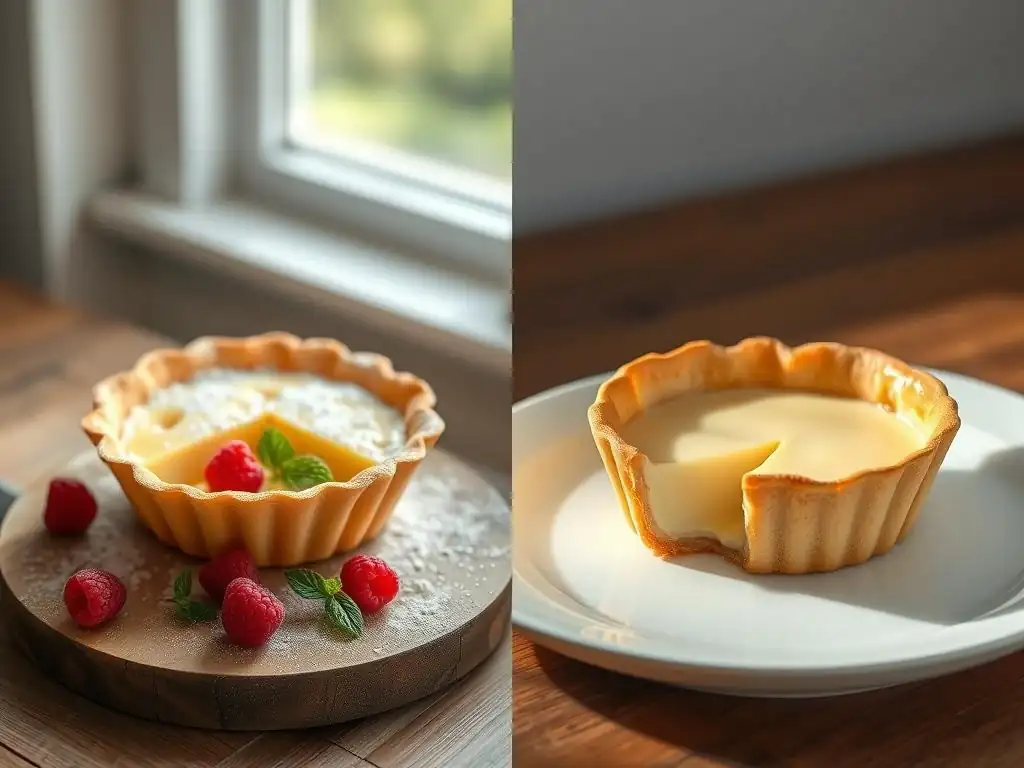
Whether you choose store-bought or embark on a homemade custard tart shells recipe, you might encounter some challenges. Knowing how to address common issues can save your dessert and your sanity.
Addressing Problems with Store-Bought Shells
The most frequent problem with store-bought shells is a soggy bottom after filling and baking with custard. While some brands are more resistant than others, adding a simple blind baking step can dramatically improve the result. Place the empty store-bought shell on a baking sheet, line it with parchment or foil, fill with weights (beans, rice, or pie weights), and bake at 375°F (190°C) for 10-15 minutes until lightly colored. Remove weights and paper and bake for another 5 minutes.
This extra step sets the shell and creates a better barrier. Another issue is cracking; store-bought shells can be brittle. Handle them gently. If a crack appears, you can often patch it with a bit of softened butter or a paste made from flour and water before baking.
Sometimes, store-bought shells can taste stale or lack flavor. While you can't change the base ingredients, ensuring they are within their best-by date is important. Baking them briefly before filling, even without weights, can sometimes improve the texture slightly. For instance, baking an empty shell for 5-7 minutes at 350°F (175°C) can crisp it up. Ultimately, the limitations of the ingredients mean you can only improve a store-bought shell so much; they are designed for convenience over gourmet quality.
Fixing Mistakes in Your Homemade Custard Tart Dough
Making a homemade custard tart shells recipe offers more control but also more opportunities for errors. If your dough is tough, it's likely due to overworking the gluten. Ensure you mix only until the dough just comes together and handle it minimally during rolling and shaping. If it's too crumbly, you might not have added enough liquid.
Add ice water sparingly, a teaspoon at a time, until the dough holds together when squeezed. Dough that shrinks excessively during blind baking often indicates insufficient chilling time; the butter wasn't cold enough, or the gluten wasn't relaxed. Always chill for at least 30 minutes, and ideally longer.
If your crust puffs up during blind baking despite pricking, you might not have used enough weights, or the weights didn't extend high enough up the sides. Ensure the weights fill the shell almost to the rim. If you notice puffing, gently press it down with the back of a spoon immediately after removing the weights (be careful, it's hot!). Uneven browning can often be fixed by rotating the tart pan halfway through the blind baking process. Practice makes perfect with a homemade custard tart shells recipe; don't be discouraged by initial setbacks.
Elevating Your Custard Tart: Beyond the Shell
The shell is the vessel, but the magic of a custard tart is the interplay between the crust and the filling. Once you've mastered your shell, consider how to perfect the custard and the final presentation.
Custard Filling Variations: Pairing with Your Chosen Crust
The type of custard filling you make can influence the ideal shell choice, and vice versa. A classic French crème pâtissière based custard, which is thick and stable, works well with both homemade and store-bought shells, provided the shell is adequately blind-baked. A lighter, more delicate baked custard, like a traditional British egg custard tart filling, requires a very sturdy, well-sealed shell to prevent leaks and soggy bottoms, making a properly blind-baked homemade custard tart shells recipe often the preferred choice for reliability.
Consider flavor pairings: a rich, buttery homemade crust is a perfect match for a simple vanilla bean custard, allowing the quality of both components to shine. If using a blander store-bought shell, you might opt for a more intensely flavored custard, perhaps infused with lemon zest, orange blossom water, or even chocolate, to compensate for the shell's lack of character. Popular variations like a coffee-flavored custard or a caramel custard (like a tarte au caramel) can also benefit from the structural integrity and complementary flavor of a well-made homemade crust.
Garnishing and Presentation: Making Your Tart Visually Appealing
The final touch to any custard tart is its presentation. A beautifully baked shell, whether homemade or store-bought, provides a canvas for decoration. For classic custard tarts, a simple dusting of powdered sugar or a light grating of nutmeg is traditional and elegant. For a richer look, you can top the set custard with fresh berries (strawberries, raspberries), sliced stone fruit (peaches, plums), or segments of citrus fruit. These add color, freshness, and a slight contrast in flavor.
Whipped cream is another popular garnish, often piped decoratively around the edge or dolloped in the center. Caramel sauce, chocolate shavings, or toasted nuts can also be used to add flavor and visual interest. If you used a homemade custard tart shells recipe with fluted edges, letting those edges show clearly adds to the rustic, homemade appeal. A clean, precise slice revealing the distinct layers of crust and smooth custard is the ultimate sign of a well-made tart.
Conclusion: Which Custard Tart Shell Reigns Supreme?
The choice between store-bought and homemade custard tart shells recipe ultimately depends on your priorities for your baking project. There's no single "right" answer, as both options have their merits.
The Final Verdict: Weighing the Pros and Cons of Store-Bought and Homemade
If your main goal is speed and convenience, and you're willing to sacrifice some degree of flavor and texture quality, store-bought tart shells are a perfectly acceptable option. They significantly reduce the active time required and offer reliability in shape and size. They are ideal for quick desserts, beginner bakers, or when time is severely limited.
However, if your priority is achieving the best possible flavor and texture for your custard tart, and you enjoy the process of baking from scratch, then investing the time and effort in a homemade custard tart shells recipe is undeniably the superior choice. A homemade crust offers a richness, flakiness, and tenderness that mass-produced shells struggle to match. It allows for customization and provides the most satisfying foundation for a truly exceptional custard tart. While it requires more skill and time, the result often speaks for itself in terms of quality and taste.
Tips for Adapting the "Homemade Custard Tart Shells Recipe" to Your Preferences
Once you've tried a basic homemade custard tart shells recipe, feel free to experiment and adapt it to your liking. Want a richer crust? Substitute a portion of the flour with almond flour for a slightly nutty flavor and tender crumb. Prefer a sweeter shell? Increase the sugar by a tablespoon or two. For a savory tart, omit the sugar entirely and perhaps add dried herbs or a pinch of black pepper.
You can also experiment with different fats; while butter is classic for flavor and flakiness, some recipes incorporate a small amount of shortening for extra tenderness. The chilling time is flexible – longer chilling (up to 2-3 days) can make the dough even easier to handle. Don't be afraid to adjust the temperature and blind baking time slightly based on your oven's performance. The beauty of the homemade custard tart shells recipe is that it's a foundation you can build upon and personalize.
Frequently Asked Questions
How much easier is it to use store-bought tart shells compared to making them from scratch?
While store-bought shells offer convenience and time-saving, homemade allows for customization and potentially better flavor. The actual time difference depends on your baking experience.
What are the key ingredients needed to make custard tart shells from scratch according to BakeWithEase?
The core ingredients typically include flour, butter, sugar, and sometimes an egg. Precise amounts are available in the Homemade custard tart shells recipe on BakeWithEase.com.
What are the benefits of making your own custard tart shells instead of buying them?
Homemade tart shells allow for control over ingredients and freshness. You can also tailor the sweetness and texture to your exact preference, resulting in a superior final product.
Can I freeze homemade custard tart shells, and if so, what's the best way to do it?
Yes, you can! Freeze them unbaked and individually on a baking sheet until solid. Then, transfer them to a freezer bag for long-term storage, ensuring they are protected from freezer burn.
Where can I find a reliable Homemade custard tart shells recipe suitable for beginners?
BakeWithEase.com is your ideal resource! They offer step-by-step guides and easy-to-find ingredients to make the process simple, even for beginners, especially for the Homemade custard tart shells recipe.
Final Reflection: The Sweetness of Effort, the Joy of Creation
The seemingly simple act of making a custard tart shell speaks volumes about our relationship with food, our connection to tradition, and the inherent satisfaction found in crafting something from scratch. The debate between store-bought and homemade, explored throughout this article, highlights a larger conversation about convenience versus quality, and the lasting impact of a truly handcrafted experience. Ultimately, the choice is personal, but the journey of discovery is universal.
The enduring appeal of homemade baking, particularly something as delicate as a custard tart shell, lies in its ability to connect us to generations past. It's a tangible link to family recipes, cherished memories, and the simple pleasure of creating something beautiful and delicious with our own hands. The best things in life are homemade.
This adage rings truer than ever when considering the subtle nuances of a perfectly crafted pastry shell, a testament to patience and skill that simply cannot be replicated by mass production.
So, what will you choose? Will you embrace the convenience of a store-bought shell, or will you embark on the rewarding journey of creating your own? I encourage you to consider the deeper meaning behind this seemingly simple choice. Whether you decide to whisk together your own buttery dough or opt for the pre-made alternative, remember the power of intention and the joy that comes from nurturing a connection to the food you consume. Let the aroma of baking pastry fill your kitchen, and savor the sweetness of the experience, whatever path you choose.
Unleash Your Inner Baker: Craft the Perfect Custard Tart!
Thanks for joining us on this delicious journey comparing store-bought and homemade custard tart shells! We hope you gained valuable insights into creating that perfect base for your next culinary masterpiece. Now it's time to put your newfound knowledge to the test!
- Master the art of homemade tart shells: Try our easy-to-follow recipe (linked in the article) and experience the incredible difference homemade dough makes. This is your chance to elevate your baking game!
- Share your baking triumphs (or challenges!): Post a picture of your custard tarts on social media using #BakeWithEaseCustardTarts and inspire others!
- Explore new flavor combinations: Experiment with different fillings and toppings beyond the classic custard—get creative!
Ready to take your baking skills to the next level? What exciting flavor combination will you try first?