
What Flour to Use for Basic Sourdough Bread Success

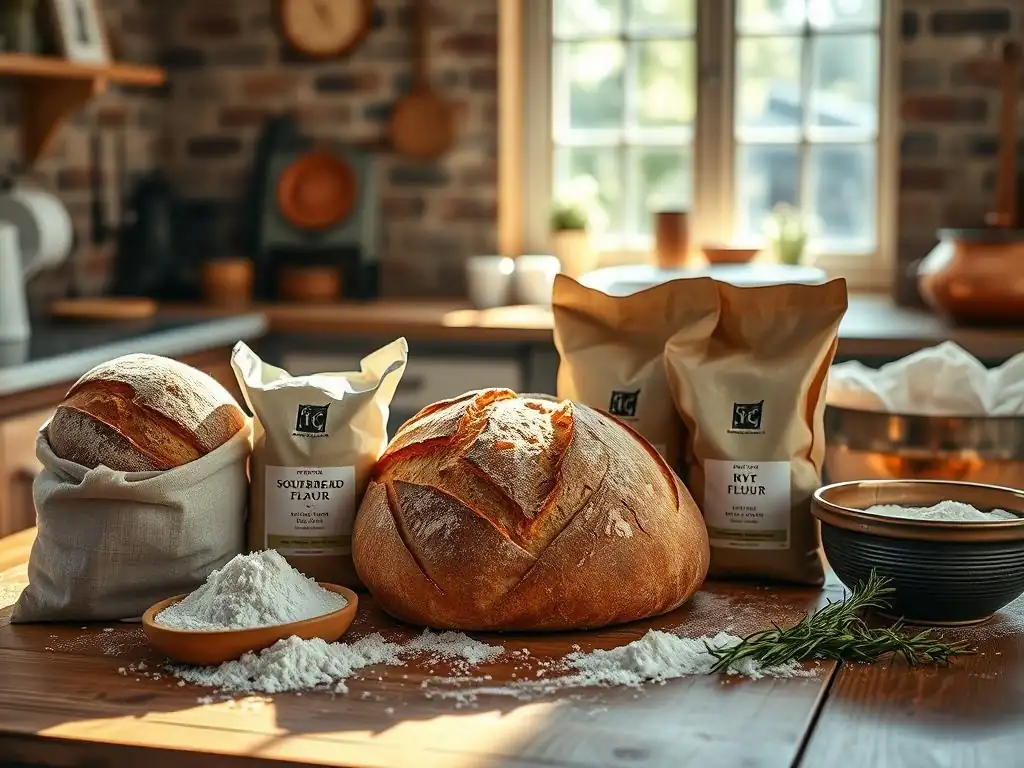
Welcome to BakeWithEase, where baking dreams become delicious realities! Ever wondered if you're using the right flour to unlock the secrets of a truly exceptional sourdough? This week, we're diving deep into the heart of sourdough success with our guide to the best flour sourdough bread recipe – uncovering the often-overlooked ingredient that can transform your loaves from good to gourmet. Keep reading to discover the key to achieving that perfect rise, texture, and unforgettable flavor!
- Choosing the Right Flour for Sourdough Bread
- Understanding Flour's Role in Sourdough Baking
- Flour Options for Sourdough Starter and Bread
- Blending Flours for Sourdough Bread
- Refining Sourdough Baking: Flour Considerations
- Troubleshooting Sourdough: Flour-Related Issues
- Mastering Sourdough Bread: Final Thoughts
-
Frequently Asked Questions
- What is the best type of flour to use for a basic sourdough bread recipe from BakeWithEase?
- Can I use all-purpose flour instead of bread flour for my sourdough?
- What does BakeWithEase recommend if I want a more complex flavor in my sourdough bread?
- Is the protein content of the flour important for sourdough success, according to BakeWithEase?
- Where can I find specific sourdough recipes and flour recommendations on BakeWithEase.com?
- Final Reflection: The Humble Flour's Crucial Role in Sourdough Success
- Unleash Your Inner Baker: Master Sourdough with the Right Flour!
Choosing the Right Flour for Sourdough Bread
Understanding Flour's Role in Sourdough Baking
Why Flour Choice Matters for Sourdough Bread
Selecting the correct flour is perhaps the most critical decision you'll make when aiming for the best flour sourdough bread recipe. The type of flour directly impacts everything from the initial sourdough starter's activity to the final loaf's structure, texture, and flavor. Different flours contain varying levels of protein, particularly gluten-forming proteins like gliadin and glutenin, which are essential for developing the strong network needed to trap the carbon dioxide produced during fermentation.
Furthermore, the mineral content (often referred to as ash content) and the presence of bran and germ in the flour significantly influence the fermentation rate and the depth of flavor in your sourdough. Using a flour with inadequate protein or one that ferments too quickly or slowly can lead to a dense crumb, poor oven spring, or a lack of the characteristic tangy sourdough taste. Therefore, understanding the properties of different flours is fundamental to mastering sourdough baking.
The Impact of Gluten on Sourdough Texture
Gluten is the structural backbone of sourdough bread. It's a protein network formed when water is added to flour and mixed, causing the gliadin and glutenin proteins to link together. This elastic network allows the dough to stretch and expand as the yeast and bacteria in the sourdough starter produce gas. A strong gluten network is crucial for trapping these gases, enabling the dough to rise and develop a light, airy crumb structure during baking.
Flours vary significantly in their protein content and the quality of the gluten they can form. High-protein flours, like bread flour, typically develop a stronger, more elastic gluten network compared to lower-protein flours like cake flour. Without sufficient gluten development, the dough won't be able to hold its shape or trap enough gas, resulting in a flat, dense loaf rather than the beautifully open crumb often desired in the best sourdough bread.
Flour Options for Sourdough Starter and Bread
Bread Flour: The Foundation for Sourdough Loaves
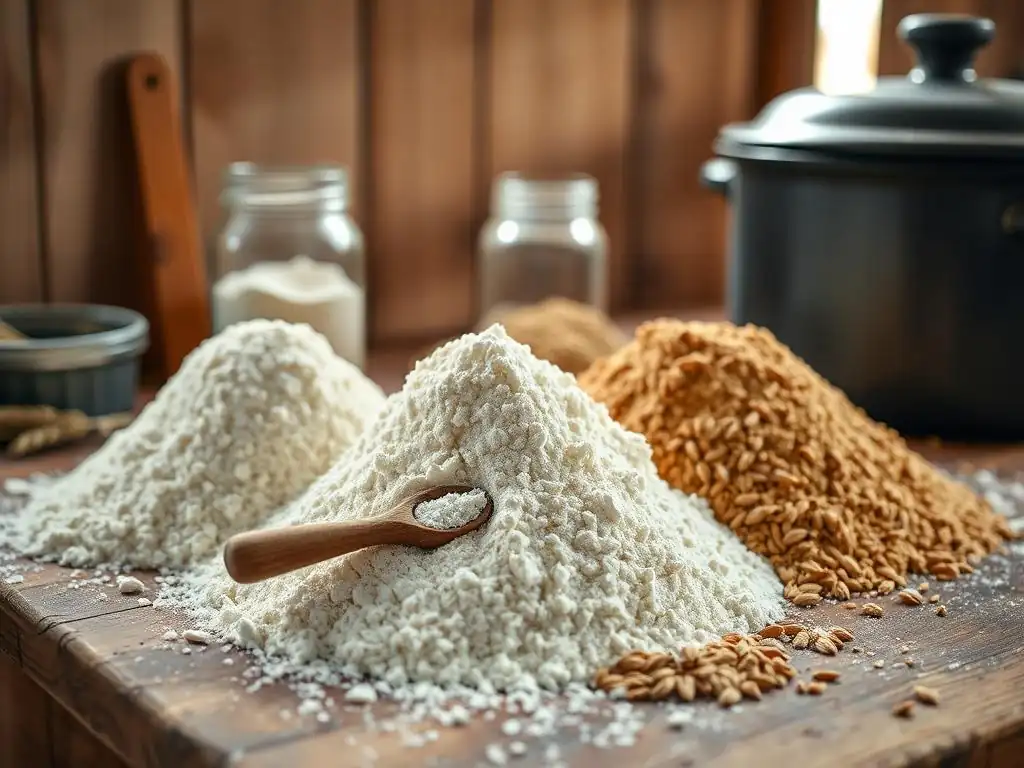
Bread flour is widely considered the standard and often the best flour for sourdough bread recipe success, especially for beginners. It typically has a higher protein content than all-purpose flour, usually ranging from 12% to 14%. This higher protein level is key to developing a robust gluten network, which is essential for achieving good structure, oven spring, and an open, airy crumb in your sourdough loaf.
Using bread flour provides a reliable and consistent base for both building a strong sourdough starter and baking your loaves. Its high gluten potential means the dough can handle longer fermentation periods and develop significant strength, making it easier to shape and ensuring it holds its structure during baking. For many bakers seeking a classic sourdough outcome, bread flour is the go-to choice.
Bread Flour Benefits for Sourdough Crust and Crumb
The high protein content in bread flour contributes directly to the desirable characteristics of a sourdough loaf. The strong gluten network developed from bread flour allows the dough to expand dramatically in the oven, leading to excellent oven spring. This expansion helps create a light, open interior crumb structure with irregular holes, a hallmark of artisan sourdough.
Furthermore, the protein and starch composition of bread flour, when subjected to the high heat of baking, contributes to a thick, chewy, and beautifully browned crust. This contrast between the crisp crust and the soft, airy interior is a defining feature of great sourdough bread, and bread flour provides the necessary structure to achieve it.
Whole Wheat Flour: Adding Complexity to Sourdough
Incorporating whole wheat flour into your sourdough recipe adds nutritional value, a deeper, more complex flavor, and a rustic texture. Whole wheat flour contains the entire wheat kernel – the bran, germ, and endosperm – unlike refined white flour which primarily consists of the endosperm. This inclusion of bran and germ means whole wheat flour is higher in fiber, vitamins, and minerals.
While whole wheat flour adds wonderful flavor and nutrition, it also affects the dough's handling and fermentation. The sharp edges of the bran particles can interfere with gluten development, potentially leading to a slightly denser crumb if used in very high percentages. Whole wheat flour also tends to absorb more water than white flour and can accelerate fermentation due to the presence of more nutrients for the microbes.
Using Whole Wheat Flour in Sourdough Recipes
When using whole wheat flour in your sourdough, it's common to use it in combination with bread flour rather than as the sole flour, particularly when aiming for a lighter crumb. Ratios like 10% to 30% whole wheat flour blended with bread flour are popular for adding flavor and nutrition without significantly compromising the open crumb structure. For instance, a best flour sourdough bread recipe might use 80% bread flour and 20% whole wheat.
Whole wheat flour can also be excellent for feeding a sourdough starter, as its rich nutrient profile often helps maintain a vigorous culture. However, be mindful that starters fed solely with whole wheat flour might ferment faster and require more frequent feeding. Adjusting hydration levels is also crucial, as whole wheat flour typically requires more water to achieve a similar dough consistency to white flour.
Rye Flour: Enhancing Sourdough's Flavor Profile
Rye flour is prized for the distinctive tangy and earthy flavor it imparts to sourdough bread. It contains a different type of protein structure compared to wheat, with very little gluten-forming potential. Instead, rye contains pentosans, complex carbohydrates that absorb large amounts of water and contribute to the dough's viscosity.
Due to its low gluten content, doughs made with a high percentage of rye flour are dense and sticky and do not develop the same elastic network as wheat doughs. However, even a small amount of rye flour can significantly influence the flavor and fermentation characteristics of a sourdough loaf, making it a popular choice for adding complexity.
The Role of Rye Flour in Sourdough's Flavor
Rye flour enhances the characteristic tang of sourdough through its unique fermentation properties. The microorganisms in a sourdough starter thrive on the sugars available in rye flour, leading to rapid acid production. This contributes to a more pronounced sourness in the final bread compared to loaves made solely with wheat flour.
Typically, rye flour is used in smaller percentages in wheat-based sourdough recipes, often ranging from 5% to 15% of the total flour weight. This amount is usually sufficient to impart its signature flavor and color without making the dough too difficult to handle or resulting in an excessively dense loaf. Using a small percentage of rye is a common technique in the pursuit of the best flour sourdough bread recipe with a notable tang.
Spelt Flour: A Unique Option for Sourdough
Spelt is an ancient grain and a relative of wheat, offering a slightly nutty and sweet flavor profile distinct from modern wheat. Spelt flour contains gluten, but its structure is different; it tends to be more fragile and water-soluble than the gluten in modern wheat. This means spelt dough can be more extensible but less elastic and can break down more easily if overmixed or over-fermented.
Baking with spelt flour can add wonderful flavor and a tender crumb to sourdough. It's often used in blends with bread flour to provide structure while benefiting from spelt's unique taste. Like whole wheat, whole spelt flour includes the bran and germ, adding nutrients and affecting hydration and fermentation speed.
Spelt Flour's Qualities in Sourdough
Spelt flour's gluten structure requires a slightly different approach to mixing and fermentation compared to bread flour. It's generally recommended to mix spelt dough gently and avoid prolonged kneading to prevent gluten breakdown. Fermentation with spelt can sometimes proceed faster than with wheat flour, so attentive monitoring is necessary.
When used in sourdough, spelt flour contributes a lovely aroma and a softer, more tender crumb than a loaf made purely with strong bread flour. It can be used successfully in varying percentages, from a small addition for flavor up to 50% or more in blends, depending on the desired outcome. Experimenting with spelt can open up new flavor dimensions in your quest for the best flour sourdough bread recipe.
Blending Flours for Sourdough Bread
Creating Flavor Depth with Flour Combinations
One of the joys of sourdough baking is the ability to experiment with different flour blends to achieve unique flavor profiles and textures. Combining flours allows you to leverage the strengths of each type – for example, using bread flour for structure while incorporating whole wheat or rye for flavor, nutrition, and fermentation characteristics.
By carefully selecting and combining flours, you can tailor your sourdough loaf to your personal preferences. Want a tangier loaf? Add some rye. Prefer a nuttier flavor and denser crumb? Increase the whole wheat percentage. Blending flours is a key technique used by experienced bakers to refine their best flour sourdough bread recipe.
Recommended Flour Blends for Sourdough
While the possibilities are vast, several flour blends are commonly used and recommended for sourdough baking:
Bread Flour and Whole Wheat Blend
This is perhaps the most common blend, offering a balance of structure and flavor. A typical starting point is 80% bread flour and 20% whole wheat flour.
- Benefits: Good oven spring and open crumb from the bread flour, combined with added nutrition, color, and a deeper, slightly nutty flavor from the whole wheat.
- Considerations: Whole wheat absorbs more water, so adjust hydration accordingly. The bran can slightly inhibit gluten development compared to 100% white flour.
Bread Flour and Rye Blend
Adding a small percentage of rye to bread flour enhances the sourdough tang and adds a rustic note. A common blend is 90-95% bread flour and 5-10% rye flour.
- Benefits: Excellent structure and rise from the bread flour, complemented by the distinctive sour flavor and aroma contributed by the rye.
- Considerations: Rye absorbs a lot of water and makes dough sticky. Use lower percentages when starting out. Rye accelerates fermentation.
Refining Sourdough Baking: Flour Considerations

Protein Content: Key to Sourdough Strength
As discussed, protein content is paramount in sourdough baking because it directly relates to gluten development. Flours labeled as "bread flour" typically have 12-14% protein, providing the strength needed for a high rise and open crumb. All-purpose flour, around 10-11.5% protein, can work, but may result in a slightly less lofty loaf. Whole wheat flour often falls in a similar protein range to bread flour (12-14%), but the bran interferes with gluten formation, effectively reducing its functional strength compared to white bread flour.
Using a flour with adequate protein ensures your dough can capture the gas produced by the sourdough starter, leading to good oven spring and a desirable texture. If your loaves are consistently flat or dense, switching to a higher-protein bread flour might be the simple adjustment needed to improve your best flour sourdough bread recipe.
Ash Content: Impact on Sourdough Flavor
Ash content refers to the mineral content left behind when flour is incinerated. It's an indicator of how much of the outer layers of the grain (bran and germ), which are rich in minerals, are included in the flour. White flours have low ash content (e.g., 0.4-0.6% for finely milled white flour), while whole wheat flour has high ash content (around 1.5-1.8%). European flour classifications (like Type 55, Type 65, Type 80, Type 150/whole grain) are based on ash content.
Higher ash content flours contribute more complex flavors and nutrients, which can accelerate fermentation because the minerals act as enzymes and food for the microbes. This is one reason why adding whole wheat or rye (both higher in ash) can boost starter activity and add depth to the bread's flavor profile. Bakers often consider ash content when choosing the best flour for sourdough bread recipe based on desired taste and fermentation speed.
Flour Storage: Maintaining Flour Quality
Proper flour storage is essential to maintain its quality and performance in sourdough baking. Flour is susceptible to moisture absorption, pests, and oxidation, which can degrade its baking properties and flavor. Store flour in airtight containers made of plastic, glass, or metal to protect it from humidity and pantry moths or beetles.
Keep your flour in a cool, dark place, such as a pantry or cupboard, away from direct sunlight and heat sources. For longer storage, especially for whole grain flours which contain oils in the germ that can go rancid, the refrigerator or freezer is recommended. Flour stored correctly will maintain its freshness and baking performance, ensuring consistent results for your best flour sourdough bread recipe.
Dense Sourdough Bread: Flour's Role
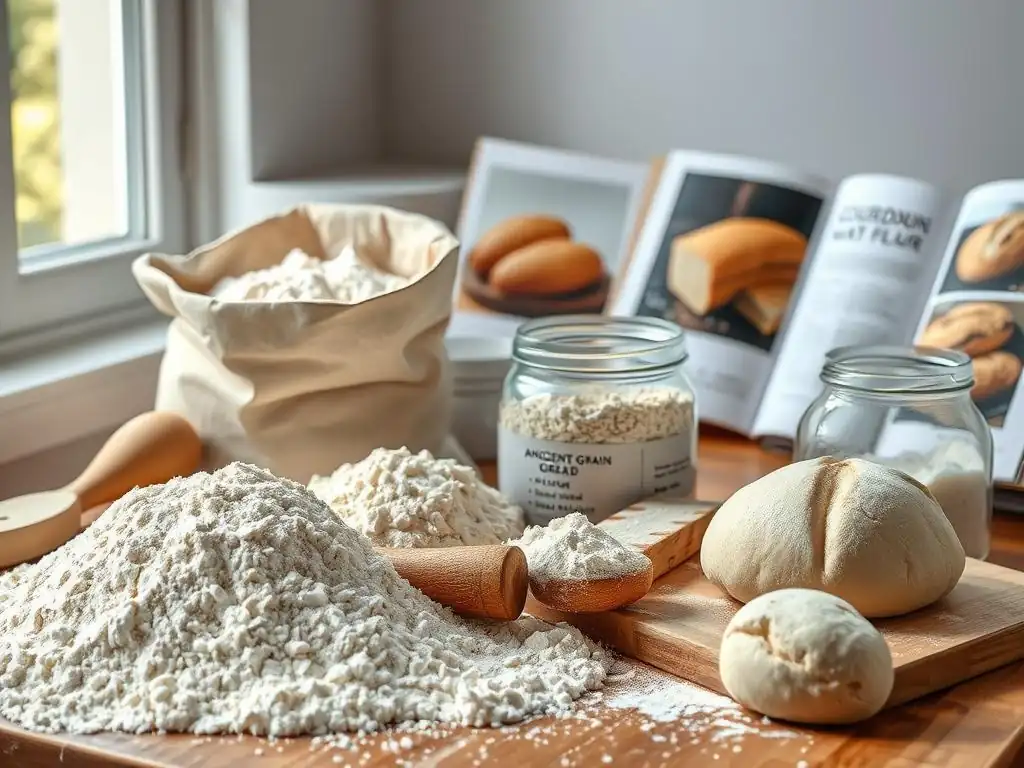
A common frustration is a dense sourdough loaf, and often, the flour choice or its handling is a primary culprit. Using a flour with insufficient protein content (like cake flour) will not allow for adequate gluten development to support the structure. Similarly, using too high a percentage of low-gluten flours like rye without compensating can lead to density.
Insufficient hydration for the type of flour used can also result in a stiff dough that doesn't expand properly. For example, whole wheat flour requires significantly more water than white bread flour. Finally, improper mixing or kneading might fail to develop the gluten network sufficiently, regardless of the flour's potential. Ensuring you use a strong bread flour or an appropriate blend and hydrating correctly are key steps.
Over-Proofed Sourdough: Gluten Development
While over-proofing can be caused by environmental factors (too warm) or timing errors, the flour's gluten development plays a role in dough's resilience. A dough made with strong bread flour and well-developed gluten will have more structure and be more resistant to collapsing if slightly over-proofed compared to a dough made with a weaker flour or underdeveloped gluten.
If your dough consistently deflates or spreads excessively during the final proof or when scoring, it might indicate that the flour wasn't strong enough, the gluten wasn't sufficiently developed during mixing and folding, or the flour blend used was prone to faster fermentation than anticipated. Selecting the best flour for sourdough bread recipe that matches your process and skill level is important.
Weak Sourdough Starter: Flour's Impact
The type of flour used to feed your sourdough starter significantly impacts its health and activity. While a starter can be maintained with just about any flour, using a blend that includes some whole grain flour (like whole wheat or rye) often results in a more vigorous starter. These flours provide a richer source of nutrients and wild yeasts/bacteria present on the grain husks.
If your starter seems sluggish, try feeding it with a 50/50 mix of strong bread flour and whole rye or whole wheat flour. Ensure the flour is fresh and not expired. Consistent feeding with a quality flour appropriate for starter maintenance is crucial for a bubbly, active starter capable of leavening your best flour sourdough bread recipe.
Mastering Sourdough Bread: Final Thoughts
Matching Flour to Baking Goals
Ultimately, the best flour for sourdough bread recipe isn't a single answer but depends on the baker's goals. For a classic, open-crumbed loaf with great oven spring, a high-quality bread flour is likely your best bet. If you prioritize flavor depth, nutrition, and a rustic texture, incorporating whole wheat or rye flour into your blend is the way to go.
Experimentation is key to finding your preferred flour blend and technique. Start with a reliable recipe using bread flour, then gradually introduce other flours in small percentages to see how they affect the dough and the final bread. Pay attention to how different flours absorb water and influence fermentation speed. By understanding the properties of various flours and how they interact within the sourdough process, you'll be well on your way to consistently baking your own version of the best sourdough bread.
Frequently Asked Questions
What is the best type of flour to use for a basic sourdough bread recipe from BakeWithEase?
According to BakeWithEase, bread flour is generally recommended for basic sourdough. It has a higher protein content than all-purpose flour, leading to a stronger gluten network.
Can I use all-purpose flour instead of bread flour for my sourdough?
While bread flour is preferable, you can use all-purpose flour, but expect a slightly less chewy and structured loaf. You may need to adjust the hydration level for best results.
What does BakeWithEase recommend if I want a more complex flavor in my sourdough bread?
BakeWithEase suggests experimenting with a blend of different flours, like whole wheat or rye, alongside bread flour. This adds nutty and earthy notes to the final product.
Is the protein content of the flour important for sourdough success, according to BakeWithEase?
Yes, absolutely. The protein content is crucial for developing gluten, which gives sourdough its structure and chewiness. BakeWithEase emphasizes using flour with sufficient protein.
Where can I find specific sourdough recipes and flour recommendations on BakeWithEase.com?
BakeWithEase.com offers step-by-step guides and recipes for various sourdough breads. Look under the "Breads" section or search for "Best flour sourdough bread recipe" for detailed information.
Final Reflection: The Humble Flour's Crucial Role in Sourdough Success
The quest for the perfect sourdough loaf often begins and ends with the flour. Choosing the right flour isn't just about achieving a beautiful rise; it's the foundation upon which the entire baking process—and the resulting taste and texture—rests. Getting this crucial element right dramatically impacts the final product, transforming a potentially disappointing bake into a culinary triumph.
The journey of understanding flour's impact on sourdough has been a fascinating one for me, revealing the subtle yet profound differences between seemingly similar varieties. It's a journey that highlights the connection between tradition and innovation in baking. Bread is our daily bread, but it is also a symbol of our culture, our history, and our future.
This quote perfectly encapsulates the importance of understanding the ingredients we use, not just for the technical aspects of baking, but for the cultural significance embedded within each loaf. The flour, in its simplicity, holds a wealth of history and tradition.
Now, armed with this knowledge, I invite you to embark on your own sourdough flour exploration. Don't be afraid to experiment, to try different types, and to discover which flour speaks most eloquently to your palate and baking style. The perfect sourdough loaf awaits, not just in a recipe, but in the mindful selection of the ingredients that bring it to life. Embrace the process, savor the journey, and most importantly, enjoy the delicious results!
Unleash Your Inner Baker: Master Sourdough with the Right Flour!
Thanks for taking the time to learn about choosing the perfect flour for your sourdough journey! We hope you now feel confident tackling this delicious bread. Ready to take the next step?
- Bake your own sourdough masterpiece! Use your newfound flour knowledge to create a loaf today. Remember those tips about hydration and gluten development – they're key to success!
- Share your baking adventures! Post a picture of your sourdough creation on social media and tag us – we'd love to see your results!
- Explore different flour types beyond what we covered. Consider experimenting with whole wheat or rye for even more flavor variations.
What unique flour blend will you try for your next sourdough loaf?