
Unlocking the Potential of Every Flour Bag in Your Pantry

Welcome to BakeWithEase, your baking sanctuary! Ever wondered if you're truly unlocking the full potential of that bag of flour in your pantry? Discover the secrets in our latest article, "Unlocking the Potential of Every Flour Bag in Your Pantry," where we demystify the varieties and techniques to elevate your baking from ordinary to extraordinary. Let's dive in and explore the nuances of how to use flour like a pro, creating delectable treats with confidence and ease. Ready to bake smarter, not harder?
- BakeWithEase: Mastering Flour Usage for Baking Success
- Understanding Flour Types: A Baker's Guide to Flour Utilization
- How to Use Flour Effectively: Baking Tips and Techniques
- Troubleshooting Flour-Related Baking Problems
- Exploring Advanced Flour Techniques for Baking Excellence
- Elevate Your Baking: Mastering the Art of Flour Utilization
- Frequently Asked Questions
- Final Reflection: The Humble Flour Bag: A Gateway to Culinary Creativity
- Unleash Your Inner Baker!
BakeWithEase: Mastering Flour Usage for Baking Success
When you step into your kitchen, a humble bag of flour sits waiting to be transformed into delicious breads, cakes, pastries, and cookies. At BakeWithEase, we believe that understanding how to use flour is the cornerstone of every baking adventure. Whether you're a novice baker measuring your first cup or a seasoned pro experimenting with ancient grains, mastering flour usage ensures consistent, mouthwatering results every time.
By diving deep into the science and art of flour, you’ll discover how protein content, grind size, and processing methods affect texture, flavor, and rise. Our goal is to turn confusion into confidence: from selecting the right bag at the store to storing it properly at home, we guide you step by step. Get ready to unlock the full potential of every flour bag in your pantry and elevate your baking to new heights.
Understanding Flour Types: A Baker's Guide to Flour Utilization
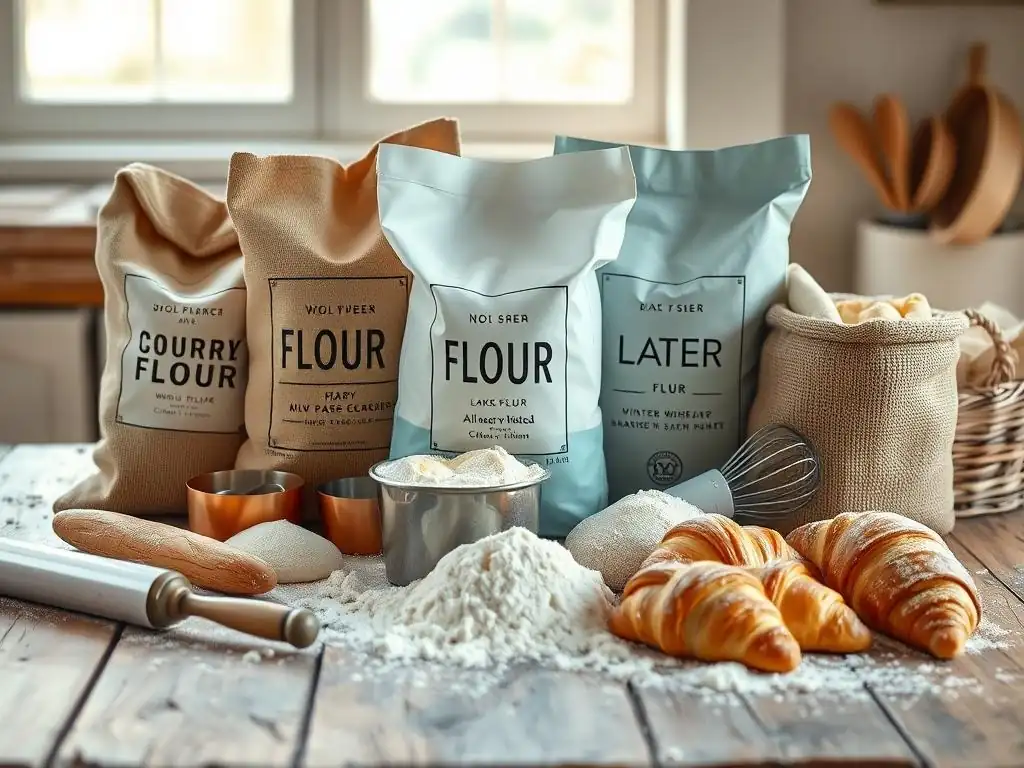
Demystifying Different Flour Varieties for Optimal Baking
Flour comes in a diverse array of varieties, each tailored for specific baking outcomes. The primary differentiator is protein content, which governs gluten formation and thus the chewiness or tenderness of your bake. For example, a typical All-Purpose Flour has around 10–12% protein, striking a balance between structure and softness—ideal for cookies, muffins, and quick breads.
Beyond protein, factors like ash content (minerals left after milling) and bran inclusion shape the flavor profile. Artisan bakers often blend flours to achieve nuanced textures: pairing high-protein Bread Flour with softer Cake Flour yields airy dinner rolls with a delicate crumb. Understanding these subtleties empowers you to experiment confidently, optimizing each recipe according to your desired outcome.
All-Purpose Flour: The Versatile Baking Staple
All-Purpose Flour is the go-to for home bakers, featuring a moderate protein content (10–12%) that adapts well to various recipes. It’s ideal for pancakes, muffins, and certain breads where a balance of softness and structure is key. For instance, when baking classic chocolate chip cookies, AP flour ensures chewiness without toughness.
In recipes calling for self-rising flour, you can mimic it by combining 1 cup of All-Purpose Flour with 1½ teaspoons of baking powder and ¼ teaspoon of salt. This homemade blend demonstrates the flour’s flexibility: whether you’re making a fluffy biscuit or a basic cake, All-Purpose Flour consistently delivers reliable results.
Bread Flour: Achieving Chewy Texture in Breads
Bread Flour’s high protein content (12–14%) promotes strong gluten networks, yielding that desirable chew in artisan loaves and pizza crusts. For example, New York–style pizza dough often relies on Bread Flour to withstand high-temperature baking while holding up to generous toppings.
Professional bakers frequently utilize a simple autolyse—mixing water and Bread Flour and resting 20–30 minutes—to enhance extensibility and flavor development. This technique allows enzymes to break down starches, improving dough handling and resulting in a softer crumb and crisp crust.
Cake Flour: Creating Tender and Delicate Cakes
With protein content around 6–8%, Cake Flour forms minimal gluten, producing cakes with an ethereal, tender crumb. When baking a classic Victoria sponge, the low-protein content ensures crumb softness and height, often rising 20–25% higher compared to using All-Purpose Flour.
Many bakers combine Cake Flour with cornstarch (typically 2 tablespoons per cup) to further lighten the texture. This blend is indispensable for chiffon and angel food cakes, where minimal gluten formation and abundant air incorporation create that melt-in-your-mouth sensation.
Pastry Flour: Ideal for Flaky Crusts and Tender Pastries
Pastry Flour, with protein levels of 8–9%, sits between Cake and All-Purpose Flour. It’s the secret behind perfectly flaky pie crusts and delicate puff pastry. For instance, using Pastry Flour in a double-crust apple pie yields a crust that’s both tender and sufficiently sturdy to encase juicy filling without becoming soggy.
Professional pastry chefs often describe Pastry Flour’s behavior as “short” due to its limited gluten formation. This characteristic is exploited in recipes like quiche crusts, where tenderness takes precedence over chewiness.
Whole Wheat Flour: Adding Nutrients and Flavor to Your Bakes
Whole Wheat Flour retains the bran and germ, boosting fiber, vitamins, and minerals. Breads made with 100% Whole Wheat Flour typically require additional hydration—around 10–12% more water—due to the bran’s absorption capacity. A classic 100% whole wheat sandwich loaf can yield a denser crumb but a richer, nutty flavor profile.
To lighten whole wheat bakes, consider a 50/50 blend with All-Purpose or Bread Flour. This ratio balances nutrition and texture, producing a loaf that’s both hearty and palatable for everyday sandwiches.
Gluten-Free Flour Blends: Navigating Gluten-Free Baking
Gluten-Free Flour Blends often combine rice flour, tapioca starch, potato starch, and xanthan gum to mimic gluten’s binding properties. A well-formulated blend can approximate All-Purpose Flour’s behavior in recipes like brownies or muffins. For example, a 1:1 GF blend plus ½ teaspoon xanthan gum per cup yields tender, moist results.
However, each blend behaves differently: some need additional hydration or rest times. Always consult package guidelines and consider testing small batches to fine-tune how to use flour in a gluten-free context.
How to Use Flour Effectively: Baking Tips and Techniques
Measuring Flour Accurately: Weight vs. Volume
Accurate measurement is crucial: a 5% variance in flour weight can mean the difference between a moist cake and a dry one. Using a digital scale, aim for:
1 cup All-Purpose Flour = 120 grams
1 cup Bread Flour      = 130 grams
1 cup Cake Flour       = 110 grams
Weighing flour eliminates inconsistencies caused by scooping or tapping the cup.
If you must use volume, employ the spoon-and-level method:
- Step 1: Fluff the flour in its bag.
- Step 2: Gently spoon into your measuring cup.
- Step 3: Level off with a straight edge.
Tip: Always tare your scale with the container on it to prevent measurement errors.
Sifting Flour: When and Why You Should Sift
Sifting aerates flour, removes lumps, and ensures even distribution of leavening agents in self-rising or cake flours. Use a fine-mesh sieve or dedicated sifter:
- For delicate cakes and soufflés, sift twice for maximum lightness.
- For most yeast breads, a single sift suffices to improve bulk mixing.
Sifting also helps incorporate ingredients like cocoa powder and spices uniformly, preventing pockets of dense flavor in your bakes.
Kneading Flour: Developing Gluten for Bread and Pizza Dough
Kneading aligns gluten strands, creating the network that traps gas and allows dough to rise. Use one of these methods:
- Hand Kneading: 8–10 minutes until the windowpane test (a thin, translucent membrane) passes.
- Stand Mixer: 4–6 minutes on low-medium speed.
Over-kneading can lead to a tough crumb, so pause kneading once dough springs back when poked. For pizza dough, aim for a slightly tacky feel—around 70% hydration—so it stretches without tearing.
Resting Flour: The Importance of Autolyse
Autolyse—a rest period of flour and water before adding yeast and salt—enhances dough extensibility and flavor. A typical autolyse lasts 20–45 minutes; longer rests (up to 2 hours) are used in artisan baguettes to promote enzyme activity and develop subtle sweetness.
This simple technique can improve crust color and oven spring by allowing proteins to hydrate fully and starches to break down into fermentable sugars.
Storing Flour Properly: Preventing Spoilage and Pests
Flour’s shelf life depends on type:
- All-Purpose & Bread Flour: 6–8 months at room temperature; 1 year refrigerated.
- Whole Wheat Flour: 3–6 months in the fridge; up to 1 year frozen.
Use airtight containers to block moisture and pests. Label with the purchase date, and rotate stock using the first in, first out method.
Dense Cakes: Overmixing, Incorrect Flour Type, Insufficient Leavening
Dense cakes often result from overmixing batter, which overdevelops gluten. Use Cake Flour and mix until just combined. Check leavening:
- Baking powder older than 6 months loses potency.
- Adjust by ¼ teaspoon extra powder per cup if needed.
Tough cookies stem from too much gluten and insufficient fat. Switch to Cake Flour or add 1–2 tablespoons of cornstarch to lower protein. Ensure butter or shortening is fully creamed but stop mixing once dry ingredients vanish.
Flat Breads: Insufficient Gluten Development, Old Yeast, Improper Hydration
Flat or gummy loaves can indicate weak gluten structure or inactive yeast. Test yeast in 105–110°F water with 1 teaspoon sugar—bubbling in 5–10 minutes confirms activity. Maintain hydration around 65–70% for standard loaves.
Gluten Overdevelopment: Recognizing and Avoiding Over-Kneading
Signs of over-kneaded dough include:
- Excessive resistance when stretching.
- Tight, coarse crumb after baking.
Reduce kneading time by performing stretch-and-fold methods during bulk fermentation instead of continuous kneading.
Exploring Advanced Flour Techniques for Baking Excellence
Using Different Flour Blends for Unique Textures
Experiment with blending:
- 30% Rye + 70% Bread Flour for robust, tangy rye loaves.
- 20% Spelt + 80% All-Purpose Flour for nuttier quick breads.
These blends introduce subtle flavor notes and alter crumb structure, giving your bakes a signature touch.
Incorporating Alternative Flours: Spelt, Rye, and More
Spelt flour, with a protein content of ~12%, behaves more extensibly than wheat, producing tender loaves with a nutty aroma. Rye flour, low in gluten, requires sourdough or added wheat flour to achieve good rise. Integrate up to 30% rye in recipes to balance authenticity and bakeability.
Mastering Sourdough with Different Flour Types
High-extraction doughs—using 50% whole wheat or spelt—with your starter can shorten fermentation by 1–2 hours, thanks to nutrient-rich bran. Track your starter’s activity using a simple logarithmic growth curve:
t_rise ≈ 5.5 – 0.8 × (percentage whole grain)
This formula guides you in adjusting fermentation times for consistent sourdough excellence.
Adjusting Recipes Based on Flour Protein Content
As a rule of thumb:
- Increase water by 1–2% when using high-protein flours.
- Reduce mixing time by 10–15% for low-protein flours to avoid overdevelopment.
Keep a recipe journal noting each flour’s performance to refine your how to use flour strategy over time.
Elevate Your Baking: Mastering the Art of Flour Utilization
With these insights, you’re equipped to transform every bag of flour—no matter the variety—into baked masterpieces. From precise measuring and proper storage to advanced blending and autolyse techniques, mastering flour is your gateway to baking success. Embrace experimentation, log your results, and watch as your confidence and skill rise, just like the perfect loaf fresh from the oven.
Frequently Asked Questions
How do I choose the right flour for my baking project?
Choosing flour depends on the desired outcome. Bread flour has high protein for gluten development, while cake flour is low-protein for tenderness. All-purpose is a versatile middle ground.
What's the difference between bleached and unbleached flour?
Bleached flour is chemically treated for a whiter color and softer texture, often used in cakes and cookies. Unbleached flour is naturally aged and has a slightly coarser texture.
Can I substitute different types of flour in a recipe?
Sometimes, but with caution! Substitutions can affect texture and rise. Research the properties of each flour and adjust liquid levels accordingly for best results.
How should I properly store flour to maintain its freshness?
Store flour in an airtight container in a cool, dry, and dark place. This prevents moisture absorption and pest infestation, extending its shelf life.
What does "proofing" flour mean, and why is it important?
"Proofing" typically refers to proofing yeast, not flour itself. Flour provides the food for the yeast to activate, leading to rising in bread recipes.
Final Reflection: The Humble Flour Bag: A Gateway to Culinary Creativity
The seemingly simple flour bag holds within it a universe of culinary possibilities, far exceeding the limitations of just bread and cakes. This exploration into the diverse applications of flour has revealed not only its versatility but also its potential to connect us to our food heritage and foster creativity in the kitchen. From ancient techniques to modern innovations, flour remains a fundamental ingredient, constantly evolving alongside our culinary landscape.
The impact of flour extends far beyond the individual kitchen; it's woven into the fabric of cultures and traditions worldwide. Its role in shaping cuisines, both historically and presently, is undeniable. Food is symbolic of love when words are inadequate.
- Alan D. Wolfelt. This sentiment rings true for flour, a simple ingredient that becomes a powerful symbol of nourishment, comfort, and shared experiences through the countless dishes it helps create. The act of baking, or even simply preparing a simple sauce, becomes a ritual, a connection to something larger than ourselves.
Now, consider your own pantry. That bag of flour, perhaps overlooked and relegated to the back shelf, holds the potential for countless culinary adventures. I invite you to explore its possibilities, to experiment with new recipes, and to rediscover the joy of creating something delicious and nourishing from this humble yet powerful ingredient. Don't just use flour; understand flour. Let it be your guide to a more creative, connected, and flavorful culinary journey.
Unleash Your Inner Baker!
Thanks for taking the time to explore the amazing possibilities hidden within those flour bags! We hope you've discovered new ways to elevate your baking game. Ready to put your newfound knowledge into action?
- Dive into our recipe collection: Find the perfect recipe to match your newly discovered flour knowledge and bake something delicious today! We have tons of options for every skill level.
- Share your baking triumphs: Show off your creations on social media using #BakeWithEase and inspire others!
- Explore our flour guide: Deepen your understanding of different flours and their unique properties – perfect for your next baking adventure!
What delicious creation will you whip up first?