
Aquafaba: The Surprising Vegan Egg White Alternative Revealed

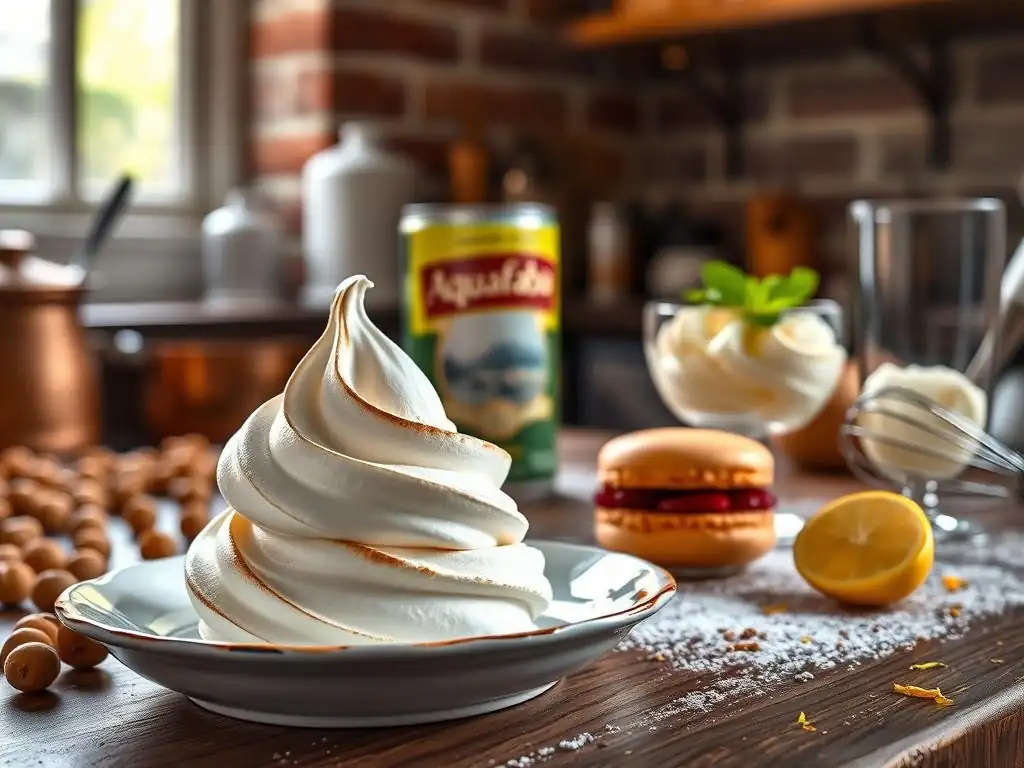
Welcome to BakeWithEase, your haven for all things baking! Ever dreamt of light, airy meringues and delicate macarons, but thought they were off-limits on a vegan diet? Prepare to be amazed! Discover the secrets behind aquafaba, the surprisingly versatile ingredient that's revolutionizing vegan baking. Intrigued? Our latest post unveils a game-changing vegan egg white substitute recipe using this humble liquid – read on to unlock a world of delicious possibilities and elevate your plant-based creations!
- Aquafaba: The Versatile Vegan Egg White Alternative
- Introduction to Aquafaba: Unlocking Plant-Based Baking Potential
- Understanding Aquafaba: Composition and Origins
- Making Aquafaba: From Cooking to Storing
- Using Aquafaba in Recipes: Baking and Beyond
- Aquafaba Conversion Guide: Substituting for Egg Whites
- Troubleshooting Aquafaba Baking: Addressing Common Challenges
- Aquafaba Recipes: Practical Applications
- Advantages of Using Aquafaba
- Conclusion: Mastering Aquafaba for Plant-Based Cuisine
- Frequently Asked Questions
- Final Reflection: Aquafaba's Enduring Power in the Vegan Kitchen
- Unlock the Power of Aquafaba!
Aquafaba: The Versatile Vegan Egg White Alternative
Introduction to Aquafaba: Unlocking Plant-Based Baking Potential
Exploring Aquafaba: A Sustainable Baking Ingredient
Aquafaba, the viscous liquid found in a can of chickpeas or other legumes, has revolutionized vegan baking. This humble ingredient, often discarded, is a powerful and sustainable vegan egg white alternative. Its discovery as a viable substitute has opened up a world of possibilities for plant-based desserts and savory dishes, allowing bakers to recreate textures previously thought impossible without animal products. Utilizing aquafaba reduces food waste by repurposing a byproduct, aligning with modern sustainability goals.
Before aquafaba gained prominence around 2015, vegan bakers struggled to replicate the airy, stable foam created by whipping egg whites. Common substitutes like flax eggs or chia eggs worked well as binders but couldn't achieve the volume and structure needed for meringues, macarons, or light mousses. Aquafaba provided a simple, accessible, and cost-effective solution, quickly becoming a staple in vegan kitchens globally. It's a prime example of how innovative thinking can transform everyday items into culinary powerhouses, making it easier than ever to find a functional vegan egg white substitute recipe.
Aquafaba's Impact on Vegan Baking: Texture and Flavor
The impact of aquafaba on vegan baking is profound, primarily due to its unique ability to mimic the functional properties of egg whites, particularly their capacity to foam, emulsify, and bind. When whipped, aquafaba can increase its volume by up to 8 times, forming stiff peaks similar to meringue. This allows for the creation of light, airy textures in everything from chocolate mousse to delicate cookies, offering a reliable vegan egg white substitute recipe foundation.
Beyond its whipping capabilities, aquafaba also acts as an excellent emulsifier, helping to bind oil and water-based ingredients together smoothly in dressings or mayonnaise. In cakes and other baked goods, it can contribute to structure and provide a degree of lift, although its primary strength lies in aeration for recipes requiring significant volume. While some may notice a faint bean flavor in concentrated aquafaba, this is often masked by other ingredients in a finished recipe, especially when using aquafaba from chickpeas or white beans, which tend to have a milder profile compared to kidney bean liquid, for instance.
Understanding Aquafaba: Composition and Origins
Defining Aquafaba: The Liquid from Cooked Legumes
Aquafaba is simply the cooking liquid from legumes, most commonly chickpeas, but also white beans, kidney beans, or even lentils. When legumes are cooked, starches, proteins, and other soluble solids leach into the water. As the water reduces, these compounds become concentrated, creating a viscous liquid with unique properties. This liquid contains a complex mix of carbohydrates (like starches and sugars), proteins, and saponins, among other substances.
The name "aquafaba" itself is a modern term coined by Goose Wohlt in 2015, combining the Latin words "aqua" (water) and "faba" (bean). While cooks likely noticed the properties of bean liquid for centuries, Wohlt's work, building on earlier experiments by others like Joël Roessel, popularized its use specifically as an egg white replacer, leading to its widespread adoption in the vegan community and its inclusion in numerous vegan egg white substitute recipes.
The Science Behind Aquafaba's Foaming Ability
The remarkable foaming ability of aquafaba is attributed primarily to the interaction of proteins and saponins present in the liquid. Legumes contain various proteins, and during cooking, some denature and become soluble in the water. These proteins, similar to egg white proteins like albumin, can unfold and create a network of air pockets when whipped, stabilizing the foam structure.
Saponins, natural compounds found in legumes, also play a crucial role. They are surfactants, meaning they can reduce the surface tension of water. This property helps to create and stabilize bubbles during whipping, contributing to the volume and stability of the aquafaba foam. The specific concentration and type of proteins and saponins vary depending on the type of legume, cooking method, and concentration of the liquid, which is why results can differ slightly between batches or sources. Understanding this science helps bakers troubleshoot when developing a vegan egg white substitute recipe.
Aquafaba Compared: Different Types and Their Properties
While chickpea aquafaba is the most popular and widely available, the liquid from other cooked legumes can also be used. Aquafaba from white beans (like cannellini or navy beans) is often recommended as it tends to be very clear and have a neutral flavor, making it ideal for delicate meringues or light-colored baked goods.
Conversely, aquafaba from darker beans like kidney beans or black beans is generally thicker and darker in color. While it can still whip, its stronger flavor and color make it less suitable for recipes where a neutral taste and pale appearance are desired, such as a classic lemon meringue pie filling.
For most vegan egg white substitute recipes, especially those aiming for a light texture and neutral base, chickpea or white bean aquafaba is the preferred choice. The consistency can also vary based on the canning process or home cooking method; a thicker, more viscous liquid generally yields better results.
Making Aquafaba: From Cooking to Storing
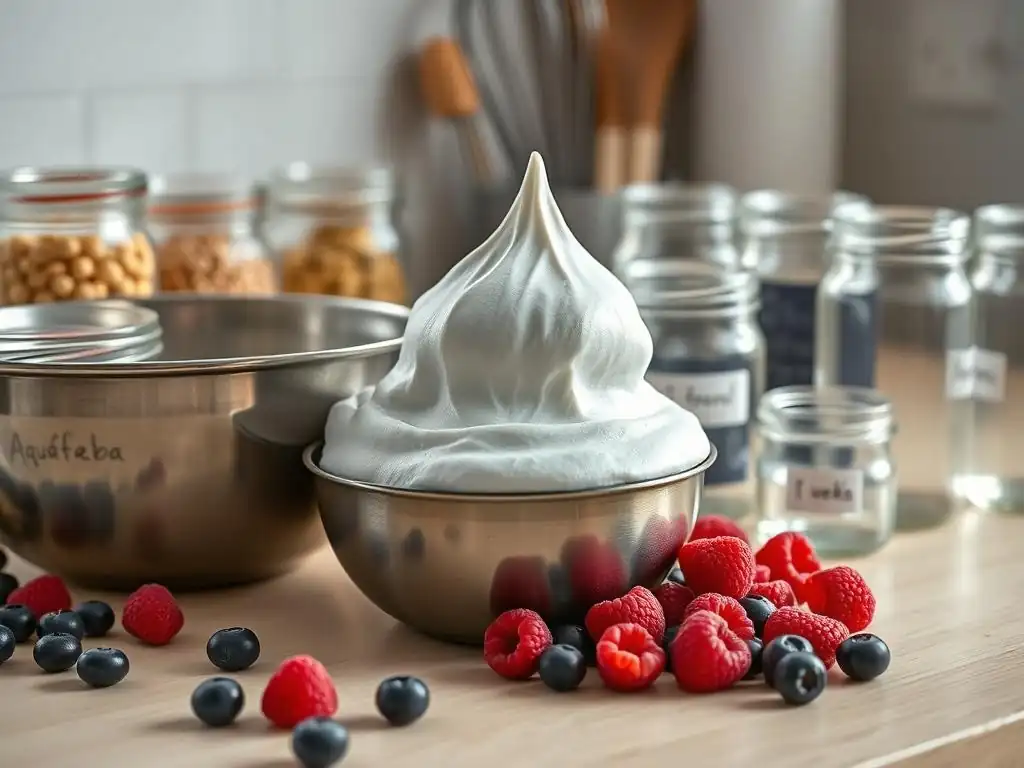
Creating Aquafaba: A Simple Process
The easiest way to obtain aquafaba is from canned legumes. Simply drain a can of chickpeas (or white beans) and reserve the liquid. This liquid is ready to use, though some recipes recommend reducing it slightly if it seems too thin. A standard 15-ounce can of chickpeas typically yields about 1/2 to 3/4 cup of aquafaba.
Alternatively, you can make aquafaba from scratch by cooking dried legumes. Soak dried chickpeas overnight, then drain and rinse. Cook them in fresh water until very tender, usually for 1.5 to 3 hours depending on the legume type and cooking method (stovetop, pressure cooker). Drain the cooked beans, reserving the cooking liquid. This liquid is your homemade aquafaba. It often needs to be reduced further by simmering it gently until it thickens slightly, resembling the consistency of egg whites. This homemade approach gives you control over the concentration, which is key for a successful vegan egg white substitute recipe.
Achieving Ideal Consistency: Factors Affecting Aquafaba Quality
The quality and consistency of aquafaba are crucial for its performance as a vegan egg white substitute. Ideal aquafaba should be slightly viscous, similar to raw egg white. Factors influencing this include the cooking time and water ratio when cooking dried beans, or the specific processing method for canned beans.
If your aquafaba is too thin, it may not whip properly or hold its structure. You can improve its quality by gently simmering it in a saucepan until it reduces and thickens slightly. Be careful not to over-reduce it, as it can become too syrupy. Conversely, if it's too thick (sometimes the case with specific canned brands), you can thin it slightly with a tiny amount of water, though this is less common. Consistency is key when attempting to create a stable foam for any vegan egg white substitute recipe calling for whipped aquafaba.
Storing Aquafaba: Maintaining Freshness
Proper storage is essential to keep your aquafaba fresh and ready for baking. Reserved aquafaba from a can or homemade aquafaba should be stored in an airtight container in the refrigerator. It typically lasts for 5 to 7 days in the fridge.
For longer storage, aquafaba freezes exceptionally well. You can freeze it in ice cube trays (approximately 1 to 2 tablespoons per cube, roughly equivalent to one egg white per cube) or in larger portions in freezer-safe bags or containers. Frozen aquafaba can last for several months, typically up to 6 months. Thaw it in the refrigerator before use. Freezing in pre-measured portions makes it convenient to grab just the amount you need for a specific vegan egg white substitute recipe.
Using Aquafaba in Recipes: Baking and Beyond
Aquafaba Meringues: Achieving Stable Peaks
Aquafaba is perhaps most famous for its ability to create stable, airy meringues, a classic vegan egg white substitute recipe. When whipped with sugar and a stabilizer like cream of tartar or lemon juice, aquafaba transforms into a glossy, stiff foam identical in appearance to traditional meringue.
To make aquafaba meringues, you typically whip the aquafaba on medium speed until soft peaks form, then gradually add granulated or superfine sugar (about 1/4 to 1/2 cup sugar per 1/2 cup aquafaba) while increasing the speed to high. Whip until stiff, glossy peaks are achieved and the sugar is dissolved. Baking these meringues at a low temperature (around 200°F or 90°C) for an extended period (often 1-2 hours) dries them out, resulting in a crisp, melt-in-your-mouth texture.
Aquafaba Macarons: Creating Delicate Shells
Creating delicate French macarons is considered an advanced baking technique, even with egg whites. Aquafaba has made vegan macarons possible, replicating the characteristic "foot" and crisp-chewy texture. This is one of the most challenging vegan egg white substitute recipes to master with aquafaba.
The process involves whipping aquafaba to stiff peaks, similar to meringues, then folding in a finely ground almond flour and powdered sugar mixture (often referred to as the "tante pour tante"). The technique, known as "macaronage," is critical for achieving the right batter consistency. The mixture is then piped onto baking sheets and allowed to rest to form a skin before baking. Successful aquafaba macarons rely heavily on the quality of the aquafaba, precise measurements, and careful technique, but the results can be stunningly close to their traditional counterparts.
Aquafaba in Cakes: Enhancing Moistness and Structure
While aquafaba's primary strength is aeration when whipped, it can also function as a binder and contribute to structure and moisture in cakes and other baked goods, serving as a component in a broader vegan egg white substitute recipe. Unwhipped aquafaba can be used in place of whole eggs or egg whites in recipes where their binding or liquid properties are needed.
Using aquafaba in cake batters can help create a tender crumb and add moisture without the need for dairy or egg. For instance, in a standard cake recipe calling for two eggs, you might substitute 4-6 tablespoons of unwhipped aquafaba. While it won't provide the same leavening as whipped aquafaba or chemical leaveners, it aids in emulsification and binding, contributing to the overall texture and stability of the finished cake.
Aquafaba in Dressings and Dips: Emulsifying Power
Beyond baking, aquafaba is an excellent emulsifier, making it perfect for creating creamy dressings, dips, and mayonnaise. Its ability to bind oil and water allows for the creation of stable emulsions that won't separate.
To make vegan mayonnaise using aquafaba, you typically blend aquafaba (about 2-3 tablespoons) with an acid like lemon juice or vinegar, mustard, salt, and then slowly drizzle in oil (like neutral vegetable oil or light olive oil, perhaps 1 to 1.5 cups) while blending continuously. The aquafaba helps to suspend the oil droplets evenly throughout the mixture, resulting in a thick, creamy condiment. This is a great example of how this versatile vegan egg white substitute works outside of sweet baking.
Aquafaba Conversion Guide: Substituting for Egg Whites
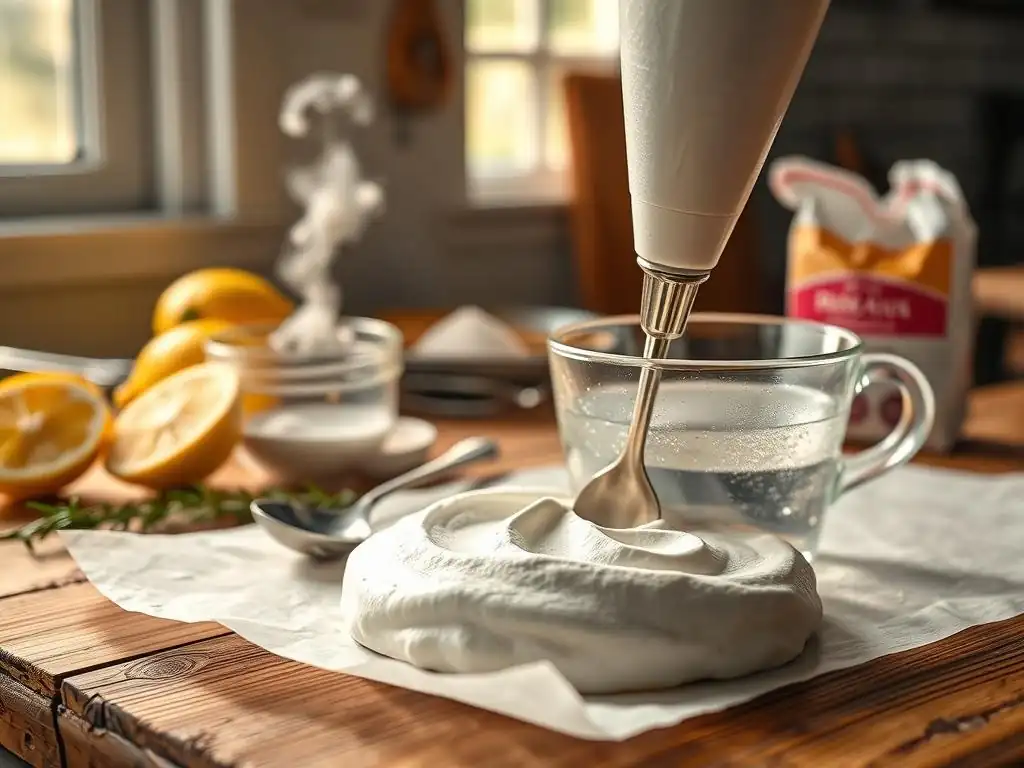
Aquafaba Ratios: Equivalent Volumes for Egg Whites
When adapting traditional recipes that call for egg whites, knowing the general conversion ratios for aquafaba is essential for developing an effective vegan egg white substitute recipe. While variations exist based on the aquafaba's concentration, common guidelines are:
- 1 large egg white: Approximately 2 to 3 tablespoons of unwhipped aquafaba. Use 2 tbsp for binding/moisture, 3 tbsp for recipes needing more structure or slight lift.
- 1 whole large egg: Approximately 3 tablespoons of unwhipped aquafaba (for binding/moisture) PLUS a leavener if lift is needed (like 1/4 tsp baking powder).
For recipes requiring whipped egg whites, the volume of whipped aquafaba needed will depend on how stiffly it's whipped and the desired final texture. However, the starting volume of liquid aquafaba is usually the key measurement. For example, for a meringue recipe calling for 4 egg whites, you would start with about 1/2 cup (approx. 8 tablespoons) of liquid aquafaba to whip.
Recipe Adjustments: Optimizing Aquafaba Performance
Successfully using aquafaba often requires slight adjustments to traditional recipes. Since aquafaba is primarily water, you might need to slightly reduce other liquid ingredients in the recipe. The amount of sugar and the method of adding it are also critical, especially in meringues, as sugar helps stabilize the foam but can also weigh it down.
Stabilizers like cream of tartar (about 1/8 teaspoon per 2-3 tablespoons aquafaba) or a few drops of lemon juice or vinegar are highly recommended when whipping aquafaba to help achieve and maintain stiff peaks. These acids lower the pH, which helps stabilize the protein structure. Patience is also key; aquafaba often takes longer to whip to stiff peaks than egg whites, sometimes 10-15 minutes or more, depending on the mixer and volume. Experimentation is often necessary to perfect a vegan egg white substitute recipe using aquafaba.
Troubleshooting Aquafaba Baking: Addressing Common Challenges
Whipping Issues: Identifying and Resolving Problems
One of the most common challenges when working with aquafaba is getting it to whip properly or achieve stable peaks. If your aquafaba isn't whipping, several factors could be at play. First, ensure your aquafaba is concentrated enough; if it's too watery, it won't hold air. Simmering it down can help.
Secondly, make sure your mixing bowl and whisk attachments are absolutely clean and grease-free. Any trace of oil or fat will prevent aquafaba (or egg whites) from whipping. Using a metal or glass bowl is often preferred over plastic, which can retain greasy residues. High humidity can also sometimes affect whipping stability. Adding a pinch of cream of tartar or a few drops of acid early in the whipping process can significantly improve results and is a standard tip for any vegan egg white substitute recipe that requires whipping.
Flavor Management: Reducing Bean Taste in Finished Products
While chickpea and white bean aquafaba are relatively neutral, some people can detect a faint bean flavor, especially in recipes with minimal other strong flavors, like plain meringues. To minimize this, ensure you are using good quality aquafaba, preferably from organic or low-sodium canned beans, or homemade from well-rinsed dried beans.
Adding flavorings like vanilla extract, almond extract, or a pinch of salt can help mask any residual bean taste in your finished product. In meringues, the amount of sugar typically overpowers any subtle flavor. For savory applications like mayonnaise, the lemon juice, mustard, and other seasonings usually completely hide the aquafaba flavor. Choosing the right type of bean aquafaba is often the first step in managing flavor for a successful vegan egg white substitute recipe.
Consistency Control: Achieving Desired Textures
Achieving the desired texture in baked goods using aquafaba sometimes requires careful consistency control. If a recipe using whipped aquafaba turns out flat or doesn't hold its shape, it could be due to under-whipping or over-mixing the batter after the whipped aquafaba is added. Ensure the aquafaba is whipped to the correct stage (soft, medium, or stiff peaks) as specified by the recipe.
When folding whipped aquafaba into other ingredients, be gentle to avoid deflating the foam. Over-mixing can collapse the airy structure you've built. For recipes using unwhipped aquafaba as a binder, the consistency of the aquafaba itself is important; using overly thin aquafaba might result in a wetter batter or less stable structure. Adjusting the reduction of homemade aquafaba or choosing a brand of canned beans known for producing thicker aquafaba can help ensure better results across various vegan egg white substitute recipes.
Aquafaba Recipes: Practical Applications
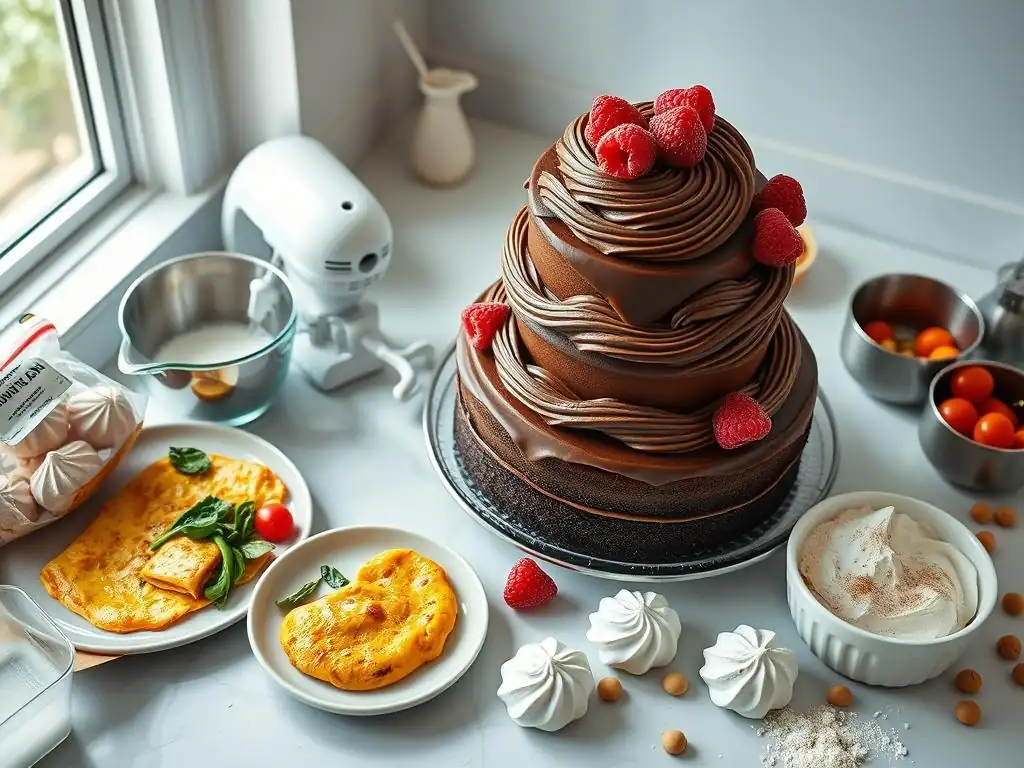
Vegan Aquafaba Meringue Kisses Recipe
Here is a simple vegan egg white substitute recipe for classic meringue kisses using aquafaba.
Ingredients:
- 1/2 cup aquafaba (from canned chickpeas, reduced slightly if very thin)
- 1/4 teaspoon cream of tartar
- 1/2 cup superfine (caster) sugar
- 1/2 teaspoon vanilla extract
- Optional: food coloring
Instructions:
- Preheat oven to 200°F (90°C). Line baking sheets with parchment paper.
- In a very clean, grease-free bowl, whip the aquafaba and cream of tartar on medium speed until soft peaks form, about 5-8 minutes.
- Gradually add the superfine sugar, 1 tablespoon at a time, while whipping on high speed. Scrape down the sides of the bowl as needed.
- Continue whipping until stiff, glossy peaks form and the sugar is completely dissolved (rub a little meringue between your fingers – it should feel smooth). This can take another 10-15 minutes or longer.
- Whip in the vanilla extract and food coloring (if using) briefly until just combined.
- Spoon or pipe the meringue onto the prepared baking sheets.
- Bake for 1 to 1.5 hours, or until the meringues are dry and lift easily from the parchment. Turn off the oven and let them cool inside the oven with the door slightly ajar for another hour.
Vegan Aquafaba Chocolate Mousse Recipe
A rich and airy vegan egg white substitute recipe for chocolate mousse.
Ingredients:
- 1/2 cup aquafaba (from canned chickpeas)
- 1/4 teaspoon cream of tartar
- 200g vegan dark chocolate, finely chopped
- 2 tablespoons plant-based milk (like almond or soy)
- 1-2 tablespoons powdered sugar (optional, adjust to chocolate sweetness)
- 1/2 teaspoon vanilla extract
Instructions:
- Gently melt the chopped chocolate with the plant-based milk in a heatproof bowl set over a saucepan of simmering water (bain-marie) or carefully in the microwave in 30-second intervals, stirring until smooth. Let it cool slightly but not set.
- In a very clean bowl, whip the aquafaba and cream of tartar on medium-high speed until stiff peaks form, about 10-15 minutes. Be patient!
- If using, whip in the powdered sugar and vanilla extract until just combined.
- Gently fold the cooled melted chocolate into the whipped aquafaba in two or three additions. Use a spatula and a gentle motion to preserve the airiness. Do not overmix.
- Pour the mousse into individual serving dishes or one large bowl.
- Chill in the refrigerator for at least 2-4 hours, or until set.
Vegan Aquafaba Vanilla Cake Recipe
Using unwhipped aquafaba as a binder in a classic vegan cake. This isn't a direct vegan egg white substitute recipe focusing on aeration, but demonstrates its use as a binder.
Ingredients:
- 1 3/4 cups all-purpose flour
- 1 teaspoon baking soda
- 1/2 teaspoon baking powder
- 1/4 teaspoon salt
- 1/2 cup granulated sugar
- 1/4 cup vegetable oil
- 1 teaspoon apple cider vinegar
- 1 teaspoon vanilla extract
- 1 cup plant-based milk (like soy or almond)
- 4 tablespoons unwhipped aquafaba (from canned chickpeas)
Instructions:
- Preheat oven to 350°F (175°C). Grease and flour an 8-inch cake pan.
- In a large bowl, whisk together the flour, baking soda, baking powder, salt, and sugar.
- In a separate medium bowl, whisk together the vegetable oil, apple cider vinegar, vanilla extract, plant-based milk, and aquafaba.
- Pour the wet ingredients into the dry ingredients and mix with a spatula or wooden spoon until just combined. Do not overmix. The batter may be slightly lumpy.
- Pour the batter into the prepared cake pan and spread evenly.
- Bake for 30-35 minutes, or until a toothpick inserted into the center comes out clean.
- Let the cake cool in the pan for 10 minutes before inverting it onto a wire rack to cool completely.
Advantages of Using Aquafaba
Nutritional Considerations: Understanding Aquafaba's Profile
Compared to egg whites, aquafaba has a significantly different nutritional profile. Egg whites are primarily protein (about 3.6 grams per large egg white) with minimal carbohydrates and fat. Aquafaba, on the other hand, contains very little protein (estimated to be less than 1 gram per 3 tablespoons) and consists mainly of carbohydrates, including starches and some sugars that have leached from the beans.
While it's not a significant source of macronutrients, aquafaba can contain trace amounts of minerals like folate and iron, depending on the beans and cooking method. It is naturally cholesterol-free and very low in calories (estimated 3-5 calories per tablespoon). For those seeking a low-calorie, fat-free vegan egg white substitute recipe component, aquafaba fits the bill, but it should not be relied upon as a protein source.
Cost Savings: Utilizing a Byproduct
One of the most practical advantages of using aquafaba, especially from canned beans, is the cost saving. When you buy canned chickpeas for a recipe, the liquid is often discarded. By utilizing this liquid, you are essentially getting a valuable baking ingredient for free.
Even when making aquafaba from dried beans, the cost is minimal compared to purchasing commercial egg replacers or specialty vegan ingredients. A pound of dried chickpeas is relatively inexpensive and yields a substantial amount of both beans and aquafaba. This makes aquafaba an incredibly economical choice for bakers looking for an affordable vegan egg white substitute recipe ingredient.
Environmental Impact: Reducing Food Waste
Using aquafaba directly contributes to reducing food waste. In commercial canning operations and home cooking alike, the liquid left after cooking legumes is often poured down the drain. By capturing and using this liquid, we prevent it from becoming waste.
This aligns with broader sustainability efforts to minimize food system waste. Choosing aquafaba over commercially produced egg replacers that require specific manufacturing processes can also be seen as a more environmentally conscious choice. It's a simple yet effective way to make your baking practices more sustainable, turning a potential waste product into the star of a vegan egg white substitute recipe.
Conclusion: Mastering Aquafaba for Plant-Based Cuisine
Aquafaba's Versatility: A Key Ingredient for Vegan Baking
Aquafaba has proven itself to be an incredibly versatile and invaluable ingredient in the world of plant-based cooking and baking. From creating light-as-air meringues and delicate macarons to acting as a powerful emulsifier in savory applications like mayonnaise and dressings, its capabilities are extensive. It successfully mimics many of the functional properties of egg whites, making it the go-to vegan egg white substitute for countless recipes.
Its ability to whip into a stable foam, bind ingredients, and emulsify fats has revolutionized what's possible in vegan kitchens. Whether you're a seasoned vegan baker or just starting to explore plant-based options, understanding how to use aquafaba is a fundamental step towards mastering a wide range of recipes. It offers a simple, accessible, and effective way to achieve textures and results previously thought to be exclusive to egg-based cooking.
Expanding Your Baking with Aquafaba: Resources and Further Exploration
Mastering aquafaba opens the door to a vast array of plant-based recipes. Once you're comfortable using it in basic applications like meringues or as a binder, you can explore more complex creations like pavlovas, lemon meringue pie fillings, nougat, and even certain types of bread or pasta where egg whites might traditionally be used. The internet is brimming with innovative vegan egg white substitute recipes featuring aquafaba.
Look for resources like dedicated vegan baking blogs, cookbooks focused on aquafaba, and online communities where bakers share tips and troubleshoot. Experiment with aquafaba from different types of beans to see how they perform. Try reducing homemade aquafaba to different consistencies to understand the impact on whipping. With a little practice and patience, aquafaba will become an indispensable tool in your baking arsenal, allowing you to confidently tackle almost any recipe that calls for egg whites and create delicious, impressive plant-based treats.
Frequently Asked Questions
How does aquafaba work as a vegan egg white substitute?
Aquafaba, the liquid from canned chickpeas, contains starches and proteins that mimic egg whites. When whipped, it forms stable peaks due to these properties, making it suitable for meringues and mousses.
What kind of recipes can I use aquafaba in?
Aquafaba works best in recipes that traditionally use egg whites for structure and aeration, such as meringues, macarons, mousses, and certain cakes. It can also be used as a binder in vegan baked goods.
Does aquafaba taste like chickpeas?
Surprisingly, aquafaba has a very neutral flavor when used in baking. The flavor of the recipe will generally mask any subtle chickpea taste, especially when combined with other ingredients.
How much aquafaba should I use to replace egg whites?
Generally, 3 tablespoons of aquafaba replace one whole egg, and 2 tablespoons of aquafaba replace one egg white. However, recipe-specific adjustments might be necessary for optimal results.
Can I use aquafaba from any type of bean?
While technically you can use the liquid from other beans, aquafaba from canned chickpeas is the most reliable and widely recommended. The protein and starch content is ideal for whipping and baking.
Final Reflection: Aquafaba's Enduring Power in the Vegan Kitchen
The humble chickpea brine, once discarded, has revolutionized vegan baking and cooking. Its transformation into a versatile egg white replacement, aquafaba, represents not just a culinary innovation but a powerful symbol of resourcefulness and sustainable living in the face of growing environmental concerns and dietary choices. This simple ingredient has opened doors to countless possibilities, proving that delicious and ethical food choices don't have to compromise on taste or texture.
Aquafaba's impact extends beyond simply providing a vegan egg white substitute; it has fostered a sense of community and creativity within the vegan culinary world. It's a testament to the power of ingenuity and the constant search for alternatives. The ease with which aquafaba can be incorporated into existing recipes, and the sheer number of innovative uses discovered by home cooks and chefs alike, is truly inspiring. Necessity is the mother of invention,
and in the quest for delicious vegan alternatives, aquafaba has proven itself a truly remarkable invention.
Consider the possibilities: You now hold the key to unlocking a world of light and airy meringues, fluffy omelets, and stable vegan mayonnaise, all without relying on animal products. Don't just read about aquafaba – experiment with it! Explore its potential, share your creations, and contribute to the ever-growing body of knowledge surrounding this incredible ingredient. Let aquafaba be your inspiration to explore more sustainable and compassionate food choices, one delicious recipe at a time.
Unlock the Power of Aquafaba!
Thanks for exploring the amazing world of aquafaba with us! You've just discovered a game-changing ingredient for vegan baking. Ready to put your newfound knowledge into action?
- Whip up a batch of vegan meringue: This is the ultimate aquafaba challenge – and the results are incredibly rewarding! Try making our famous lemon meringue pie recipe (you’ll find it on our website! ).
- Share your aquafaba creations: Show us your masterpieces on social media using #AquafabaAmazing! We love to see your innovative baking.
- Experiment with different recipes: Aquafaba isn't limited to meringues! Try using it in your favorite recipes as an egg white substitute—you might be surprised by the results.
What innovative aquafaba recipe will you conquer next?