
Beyond the Basic Blend: Advanced GF Flour Combination Secrets

Welcome to BakeWithEase, your partner in creating delicious baked goods! Ever wondered how to unlock the full potential of gluten-free baking? This article dives deep into the world of Glutenfree flour blend secrets, going beyond the basic recipes to reveal advanced techniques that will elevate your creations. Prepare to discover how to combine different flours for superior texture, taste, and structure. Are you ready to master the art of gluten-free baking? Let's explore the science and secrets together!
- Mastering Gluten-Free Flour Blends for Baking Excellence
- Introduction to Gluten-Free Flour Blending: Achieving Optimal Results
- Understanding Individual Gluten-Free Flours: A Baker's Essential Knowledge
- The Science of Gluten-Free Flour Blends: Achieving Optimal Texture and Structure
- Advanced Gluten-Free Flour Blend Recipes: Tailored for Specific Baked Goods
- Troubleshooting Common Gluten-Free Flour Blend Problems
- Tips for Storing and Maintaining Your Gluten-Free Flour Blends
- Conclusion: Unleash Your Baking Potential with Advanced Gluten-Free Flour Blends
-
Frequently Asked Questions
- What makes a gluten-free flour blend "advanced"?
- Why is it important to use a blend of flours instead of just one gluten-free flour?
- What are some common mistakes people make when creating gluten-free flour blends?
- How do I adjust a regular baking recipe to use a gluten-free flour blend?
- Where can I find reliable recipes and resources for gluten-free baking and flour blend combinations?
- Final Reflection: Unlocking the Potential of Gluten-Free Baking
- Unlock Your Gluten-Free Baking Potential!
Mastering Gluten-Free Flour Blends for Baking Excellence
Introduction to Gluten-Free Flour Blending: Achieving Optimal Results
Why Master Gluten-Free Flour Combinations?
Mastering gluten-free flour combinations is the key to unlocking truly exceptional baked goods without relying on gluten. Unlike wheat flour, which contains gluten proteins that provide structure, elasticity, and chewiness, individual gluten-free flours often lack these qualities on their own. Relying on a single gluten-free flour, like almond flour for instance, might result in a dense, greasy product, while using only a starch like tapioca starch could lead to a gummy texture.
The true secret to successful gluten-free baking lies in understanding how different flours interact and combining them strategically to mimic the properties of wheat flour. This involves balancing starches for tenderness, proteins for structure, and fibers for binding and texture.
Beyond just avoiding gluten, creating your own custom gluten-free flour blends allows for greater control over the final outcome of your baked goods. Pre-mixed gluten-free blends can be convenient, but they are often formulated as a "one-size-fits-all" solution, which rarely yields optimal results across all types of baking. A blend designed for light, airy cakes, for example, will differ significantly from one intended for chewy bread.
By understanding the unique characteristics of various gluten-free flours and how to combine them, you gain the ability to tailor your ingredients precisely to the demands of each recipe, leading to improved texture, flavor, and overall performance. This knowledge is fundamental to moving beyond basic substitutes and achieving baking excellence.
Understanding Gluten-Free Flour Properties
Each gluten-free flour possesses a unique set of properties that influences its behavior in baking. These properties include protein content, starch composition, fiber levels, fat content, and absorption rate. For example, flours like brown rice flour and sorghum flour provide structure and a slightly nutty flavor, but can sometimes result in a gritty texture if not finely milled.
Starches such as tapioca starch or potato starch are crucial for providing tenderness and binding, helping to prevent crumbling, but using too much can lead to a gummy or overly dense interior. A typical all-purpose gluten-free blend often contains a mix of grain flours (like rice flour), starches, and sometimes a binding agent like xanthan gum or psyllium husk powder.
The absorption rate of gluten-free flours varies dramatically. Coconut flour, for instance, is notoriously absorbent, often requiring significantly more liquid than other flours—sometimes absorbing liquid at a ratio of 1:1 or even more relative to its weight or volume. In contrast, a starch like cornstarch absorbs less liquid initially but swells considerably when heated.
Understanding these differences is vital when formulating a gluten-free flour blend. A blend that is too high in absorbent flours will result in dry baked goods, while one too low in starches or binders might crumble easily. Balancing these properties is the essence of creating effective gluten-free flour blend secrets for diverse baking needs.
Understanding Individual Gluten-Free Flours: A Baker's Essential Knowledge
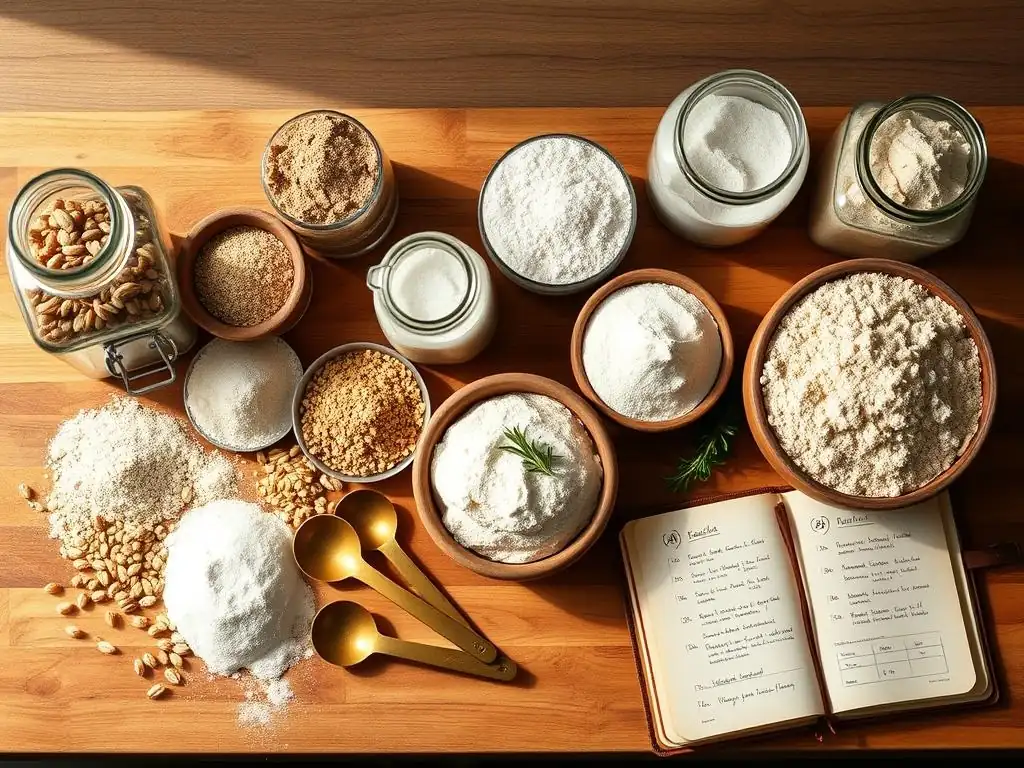
Starch-Based GF Flours: Tapioca Starch, Potato Starch, and Cornstarch
Starch-based gluten-free flours are derived from the starchy parts of plants and are essential for providing tenderness, binding, and a light texture in gluten-free baking. Tapioca starch, extracted from the cassava root, is known for creating a chewy texture and a slightly crisp crust. It also helps bind ingredients together and adds a desirable elasticity to doughs and batters.
Tapioca starch gelatinizes at a relatively low temperature, typically between 50-65°C (122-149°F), which contributes to its thickening properties in liquids and its role in creating a soft interior crumb. It's often used in combination with other starches and flours to improve the overall structure and mouthfeel of gluten-free baked goods, from breads to cookies.
Potato starch, derived from potatoes, is another key starch used in gluten-free flour blends. It provides a light, fluffy texture and helps create a tender crumb. Potato starch has a neutral flavor and a fine, powdery texture, making it versatile. It absorbs liquid well and contributes to moisture retention in baked goods. Like tapioca starch, it acts as a binder, reducing crumbling.
Cornstarch, extracted from corn, is widely available and functions similarly to potato starch, providing tenderness and acting as a thickener. It's particularly good at creating crisp textures, making it useful in cookies and pie crusts. While these starches are excellent for texture, they lack protein and fiber, which is why they must be combined with other flours to create a balanced gluten-free flour blend. Using too much starch without balancing it with other flours can lead to a gummy or rubbery result.
Grain-Based GF Flours: Brown Rice Flour, Oat Flour, and Sorghum Flour
Grain-based gluten-free flours form the backbone of many gluten-free flour blends, providing structure, flavor, and some nutritional value. Brown rice flour, made from grinding whole grain brown rice, is a popular choice due to its relatively neutral flavor and wide availability. It contributes structure and a slightly nutty taste. However, it can sometimes result in a slightly gritty texture if not very finely milled, and it can absorb a moderate amount of liquid. It's often used in combination with other rice flours (like white rice flour) and starches to create a balanced base for all-purpose gluten-free flour blends.
Oat flour, made from ground gluten-free oats, adds a pleasant, slightly sweet flavor and a tender texture to baked goods. It contains soluble fiber (beta-glucan), which can help with binding and moisture retention, contributing to a softer crumb. Using certified gluten-free oats is crucial to avoid cross-contamination.
Sorghum flour, milled from the ancient grain sorghum, offers a mild, slightly sweet flavor and a soft texture. It's a good source of fiber and protein compared to some other GF flours and provides structure without being overly heavy. Combining these grain flours with starches and other flours is part of the glutenfree flour blend secrets that lead to successful gluten-free baking outcomes.
Nut-Based GF Flours: Almond Flour and Coconut Flour
Nut-based gluten-free flours, such as almond flour and coconut flour, add richness, flavor, and moisture to baked goods, while also contributing protein and fiber. Almond flour, made from ground blanched almonds, is high in fat and protein (often around 20-25% protein), which contributes to a moist, tender crumb. It has a pleasant nutty flavor that works well in many sweet applications like cakes, muffins, and cookies.
Because of its higher fat content, it can sometimes lead to denser results if used in large quantities without balancing with lighter flours. It's important to use finely ground almond flour for best results, as coarser grinds can result in a grainy texture.
Coconut flour, made from dried, defatted coconut meat, is exceptionally high in fiber (often 40-60%) and protein. Its most notable characteristic is its extreme absorbency, requiring significantly more liquid than most other flours. This high absorbency means you typically use much less coconut flour in a blend compared to other flours. It imparts a subtle coconut flavor and can create a tender, moist crumb when used correctly.
However, using too much coconut flour can result in a very dry or crumbly texture. Due to its unique properties, coconut flour is often used in smaller proportions within a gluten-free flour blend or in recipes specifically formulated for it. Understanding this high absorbency is a key component of glutenfree flour blend secrets when incorporating it.
Legume-Based GF Flours: Chickpea Flour and Fava Bean Flour
Legume-based gluten-free flours, such as chickpea flour (also known as gram flour or besan) and fava bean flour, are higher in protein and fiber than many grain-based or starch-based flours. Chickpea flour, made from ground chickpeas, has a slightly earthy or beany flavor that works well in savory applications like flatbreads, fritters, and crackers. It can also be used in small amounts in sweet baking to add protein and structure, but its distinct flavor can be noticeable.
It acts as a good binder due to its protein content and can help create a denser, more structured crumb. It's a staple in many global cuisines beyond traditional baking.
Fava bean flour, made from ground fava beans, is often combined with chickpea flour (as in some traditional Italian blends). It also contributes protein and fiber, enhancing the nutritional profile and structure of gluten-free baked goods. Fava bean flour can also have a noticeable flavor, similar to chickpea flour, which needs to be considered when incorporating it into sweet recipes.
These legume flours are less common in standard all-purpose gluten-free blends aimed at mimicking wheat flour for cakes or cookies, but they are valuable components for specific recipes where their flavor and structural properties are desired, such as savory breads or protein-boosted baked goods. Experimenting with small amounts of these flours is part of exploring the full range of glutenfree flour blend secrets.
The Science of Gluten-Free Flour Blends: Achieving Optimal Texture and Structure
The Role of Starch in Gluten-Free Baking
Starch is a fundamental component in successful gluten-free flour blends, playing a critical role in texture, binding, and moisture retention. When heated in the presence of liquid, starch granules absorb water and swell, a process called gelatinization. This creates a network that helps to hold the baked good together, preventing crumbling and contributing to a tender crumb structure.
Different starches gelatinize at different temperatures and have varying thickening powers, which is why using a blend of starches like tapioca, potato, and cornstarch is often more effective than relying on just one. For example, tapioca starch's lower gelatinization temperature helps it start binding early in the baking process, while potato starch contributes to a light, fluffy texture upon cooling.
Beyond structural support, starches also help absorb excess moisture during baking and retain it as the baked good cools, contributing to a moist mouthfeel. Without sufficient starch, gluten-free baked goods can be dry, crumbly, or lack structural integrity. However, too much starch can lead to a gummy or dense texture, particularly if the balance with protein and fiber is off.
The optimal amount of starch in a gluten-free blend often falls within the range of 20-40% of the total flour weight, depending on the specific starches used and the desired outcome (e.g., cakes might use slightly more starch for tenderness than breads). Understanding these starch properties is one of the essential glutenfree flour blend secrets for achieving desired results.
Protein's Importance in Gluten-Free Flour Mixes
While gluten-free baking lacks the primary structural protein found in wheat (gluten), other proteins from gluten-free sources still play a significant role in providing structure, strength, and browning in baked goods. Flours like almond flour, sorghum flour, oat flour, and legume flours (chickpea, fava bean) contain varying amounts of protein. These proteins, when combined with starches and binders, contribute to the overall framework of the baked item. Protein coagulation during baking helps set the structure and prevents collapse. Higher protein flours also contribute to the Maillard reaction, which is responsible for desirable browning and flavor development on the crust.
A gluten-free flour blend needs sufficient protein to provide some internal structure and prevent excessive crumbling. While starches provide tenderness and binding, proteins offer a degree of rigidity and chewiness, particularly important in items like bread. A blend entirely composed of low-protein starches and white rice flour would likely be very fragile and lack depth of flavor.
Incorporating flours with higher protein content helps create a more robust crumb and better overall integrity. The ideal protein balance is part of the intricate glutenfree flour blend secrets that differentiate a successful blend from a mediocre one, ensuring baked goods hold together well and have appealing texture.
Balancing Moisture Absorption in Gluten-Free Flour Blends
Balancing moisture absorption is perhaps one of the trickiest aspects of creating effective gluten-free flour blends. Different gluten-free flours absorb liquid at vastly different rates, and this significantly impacts the hydration level of the dough or batter, which in turn affects texture, rise, and overall success. As mentioned, coconut flour is extremely absorbent, while white rice flour and starches are moderately absorbent, and almond flour's fat content affects how it interacts with liquid.
If a blend is too absorbent, the dough will be dry and crumbly, leading to dense or hard baked goods. If it's not absorbent enough, the dough will be sticky and difficult to handle, resulting in a gummy interior or poor structure.
A well-formulated gluten-free flour blend accounts for the combined absorption properties of its constituent flours. This often involves mixing highly absorbent flours (like coconut or certain whole-grain GF flours) with less absorbent ones (like white rice flour or starches) to achieve a predictable hydration level. The addition of binders like xanthan gum or psyllium husk powder also influences how the blend handles moisture, helping to create viscosity and elasticity similar to gluten.
Achieving the correct hydration balance is crucial for everything from developing a workable dough to ensuring a moist, tender crumb in the final product. Mastering this balance is a key part of unlocking advanced glutenfree flour blend secrets.
Advanced Gluten-Free Flour Blend Recipes: Tailored for Specific Baked Goods
Creating tailored gluten-free flour blends for specific types of baked goods is a game-changer, moving beyond the limitations of generic all-purpose mixes. The ideal blend for a light, airy cake is fundamentally different from the blend needed for a chewy, structured loaf of bread. Cakes require tenderness and a fine crumb, leaning more on starches and perhaps a lighter grain flour.
Breads need more structure and elasticity, benefiting from a blend of higher-protein flours, starches, and often a binder. Cookies require a balance of spread, crispness, and tenderness, which is achieved through a specific ratio of flours and starches, sometimes including higher-fat flours like almond flour. Pastries demand flakiness and delicacy, often relying on precise starch and fat ratios.
Understanding these differences and formulating blends accordingly is where the real glutenfree flour blend secrets lie. While an all-purpose blend can work for some recipes, optimizing the flour composition for the specific baking task at hand dramatically improves the outcome. Below are example recipes for tailored blends, illustrating the principles discussed earlier. These ratios are starting points and may require slight adjustments based on the specific brands of flour used, as particle size and moisture content can vary. Experimentation is encouraged to fine-tune these blends for your personal preferences and recipes.
Gluten-Free Flour Blend for Cakes: Achieving a Light and Tender Crumb
Achieving a light, tender, and moist crumb in gluten-free cakes requires a blend that prioritizes starches and fine-textured flours. This blend typically contains a higher proportion of starches compared to a bread blend, as starches contribute significantly to tenderness and a fine crumb structure by interfering with protein networks (even non-gluten ones) and promoting a soft interior.
A common approach is to combine a neutral-flavored grain flour base, like white rice flour or a mix of white and brown rice flour, with a substantial amount of starches such as tapioca starch and potato starch. The starches work together to create a delicate structure that doesn't become tough or gummy.
Adding a small amount of a slightly higher-protein or higher-fiber flour, like a finely ground sorghum flour or a touch of oat flour, can contribute a little structure and flavor without weighing the cake down. Binders like xanthan gum or psyllium husk are often included in the recipe itself (rather than the blend) to provide elasticity and prevent the cake from crumbling.
The goal is a blend that absorbs just enough liquid to create a moist batter but allows for proper rise and a tender, open crumb structure upon baking. This balance of softeners (starches) and mild structure providers is key to unlocking the glutenfree flour blend secrets for perfect cakes.
Recipe: Cake Flour Blend (Example)
- 1 cup White Rice Flour
- 3/4 cup Tapioca Starch
- 1/2 cup Potato Starch
- 1/4 cup Sorghum Flour
Note: This is an example ratio. Adjustments may be needed based on specific flour brands and desired results.
Gluten-Free Flour Blend for Breads: Developing Structure and Chewiness
Creating gluten-free bread with good structure, chewiness, and a satisfying crust is one of the more challenging aspects of GF baking, and it relies heavily on the right flour blend. Unlike cakes, bread requires a blend that can develop some internal structure to support the rise and provide a chewy texture reminiscent of wheat bread. This means incorporating flours that offer more protein and fiber than a cake blend, alongside starches for tenderness and binding.
A robust base often includes a mix of grain flours like brown rice flour, sorghum flour, and potentially some oat flour. These contribute flavor, structure, and fiber.
Starches are still necessary in bread blends, but often in slightly lower proportions than in cake blends. Tapioca starch is particularly useful for contributing chewiness, while potato starch can help with a lighter crumb. Crucially, gluten-free bread recipes almost always require a significant amount of a binder like xanthan gum or psyllium husk powder to mimic the elasticity and structure provided by gluten.
These binders create a gel-like matrix that traps gases produced by yeast or leaveners, allowing the bread to rise and hold its shape. The interplay between the various flours and the binder is a fundamental part of the glutenfree flour blend secrets for successful GF bread making.
Recipe: Bread Flour Blend (Example)
- 1 1/2 cups Brown Rice Flour
- 1 cup Sorghum Flour
- 3/4 cup Tapioca Starch
- 1/4 cup Potato Starch
Note: This blend is often used with added binders (like psyllium husk or xanthan gum) in the specific bread recipe.
The ideal gluten-free flour blend for cookies needs to strike a balance between promoting spread, achieving a desirable level of crispness (especially around the edges), and maintaining a soft or chewy center, depending on the cookie type. This blend often uses a combination of flours that contribute to structure and spread, along with starches for tenderness. A common base includes white rice flour or a mix of rice flours. Starches like tapioca starch and cornstarch are essential for providing tenderness and contributing to the desired texture – cornstarch can promote crispness, while tapioca starch adds a bit of chew.
Higher-fat flours like almond flour are often incorporated into cookie blends or recipes because the fat helps tenderize the cookie and contributes to spread. The ratio of flour to fat and sugar in the recipe itself is also critical for cookie texture.
A blend for a crisp cookie might use more starch and less liquid-absorbing flour, while a blend for a soft cookie might have a different balance. The glutenfree flour blend secrets for cookies involve finding the right combination that allows for sufficient spread without becoming too thin or too thick, and achieving the desired balance of crisp edges and a soft interior.
Recipe: Cookie Flour Blend (Example)
- 1 cup White Rice Flour
- 1/2 cup Brown Rice Flour
- 1/2 cup Tapioca Starch
- 1/4 cup Cornstarch
- 1/4 cup Almond Flour
Note: This blend aims for a balance; adjust ratios based on desired cookie texture (crisp vs. soft).
Gluten-Free Flour Blend for Pastries: Creating Flaky and Delicate Textures
Achieving flaky, delicate gluten-free pastries like pie crusts, scones, or biscuits is perhaps one of the most challenging gluten-free baking tasks, requiring a specific flour blend strategy. Flakiness in traditional pastries comes from layers of fat separated by thin layers of dough, which expand during baking. Mimicking this without gluten requires a blend that produces a tender, pliable dough that doesn't become tough when handled and allows fat layers to separate. This often involves a blend that is relatively lower in protein compared to bread blends and relies heavily on starches for tenderness and a fine crumb.
A blend for pastries often includes a significant proportion of starches like tapioca starch and potato starch, combined with fine-textured grain flours like white rice flour. Sometimes, a small amount of a slightly higher-fiber flour might be included for structure, but the emphasis is on tenderness. The key glutenfree flour blend secrets here involve minimizing the development of any tough structure and ensuring the dough remains tender and pliable. The technique of incorporating cold fat into the blend is just as critical as the blend itself for achieving flakiness.
Recipe: Pastry Flour Blend (Example)
- 1 1/4 cups White Rice Flour
- 3/4 cup Tapioca Starch
- 1/2 cup Potato Starch
Note: This simple blend focuses on tenderness; chilling dough and using cold fat are crucial for flakiness.
Troubleshooting Common Gluten-Free Flour Blend Problems
Dense and Gummy Gluten-Free Baked Goods
One of the most frustrating outcomes in gluten-free baking is ending up with dense and gummy results. This often happens when the flour blend has too much starch relative to other flours, or when the wrong type of starch is used in excess. For example, using too much tapioca starch without balancing it can lead to a distinctly gummy texture.
Another common cause is insufficient leavening; gluten-free doughs and batters often need slightly more leavening (baking powder, baking soda, or yeast) or a more effective leavening strategy to achieve a light texture, as there's no gluten network to trap gases efficiently. Overmixing the batter or dough can also contribute to a dense texture by developing starches too much before baking.
To troubleshoot dense and gummy results, first examine your flour blend. Is the starch content too high? Try adjusting the ratio to include more grain-based flours or a different mix of starches. Ensure you are using the correct amount and type of leavening specified in the recipe, or consider increasing it slightly if needed.
Be mindful of mixing; mix just until ingredients are combined, avoiding excessive beating. Finally, ensure your oven temperature is accurate; baking at too low a temperature can prevent proper setting and lead to a dense interior. Addressing these points is part of mastering the glutenfree flour blend secrets to lighter bakes.
Dry and Crumbly Gluten-Free Baked Goods
Conversely, dry and crumbly gluten-free baked goods are another common issue, often resulting from a blend that is too high in absorbent flours or has insufficient moisture or binders. Flours like coconut flour, or even certain brands of brown rice flour, can be very thirsty.
If the blend doesn't provide enough moisture-retaining components or the recipe doesn't add enough liquid to compensate for the blend's absorbency, the result will be dry and difficult to hold together. A lack of sufficient binder (like xanthan gum or psyllium husk) in the recipe can also lead to excessive crumbling, as there's nothing to help the disparate gluten-free flours adhere to each other.
To combat dryness and crumbling, evaluate your blend's absorbency. If it contains a high proportion of very absorbent flours, consider adjusting the ratio or increasing the liquid slightly in your recipes. Ensure you are adding the appropriate amount of binder specified in the recipe, as binders are crucial for providing structure and preventing crumbling in GF baking.
Adding ingredients like yogurt, applesauce, mashed banana, or extra egg yolks can also boost moisture and tenderness in recipes using your blend. Proper mixing and avoiding overbaking are also key; overbaking will dry out any baked good, especially gluten-free ones. Fine-tuning the hydration is crucial in applying glutenfree flour blend secrets.
Lack of Flavor in Gluten-Free Baking
Some gluten-free baked goods can taste flat or bland compared to their wheat counterparts. This can stem from using a blend composed solely of neutral-flavored flours and starches, or from the absence of the nutty, complex flavors that develop during the fermentation of wheat dough. While white rice flour and starches are necessary for texture, they contribute very little in terms of flavor. Relying too heavily on these can result in a lack of depth.
To enhance flavor, incorporate flours that offer more character into your blend, such as brown rice flour, sorghum flour, oat flour, or even a small amount of a nut flour like almond flour (if appropriate for the recipe and dietary needs). These flours bring more nuanced, often slightly nutty or sweet notes. Additionally, ensure your recipes include flavor enhancers like salt (which is crucial for balancing sweetness and bringing out other flavors), vanilla extract, spices (cinnamon, nutmeg, cardamom), citrus zest, or extracts.
Using browned butter or toasting nuts/seeds before adding them can also significantly boost flavor. Experimenting with different flavor-contributing flours is part of the glutenfree flour blend secrets for delicious results.
Gluten-Free Dough That Doesn't Rise
Gluten-free doughs, particularly yeast-leavened breads, can sometimes struggle to rise adequately compared to wheat doughs. This is primarily because there is no gluten network to trap the gases produced by yeast effectively. A blend that is too heavy, too low in starches, or improperly hydrated can exacerbate this issue. If the blend is too dense, the yeast has difficulty creating lift. If there aren't enough starches and binders, the structure collapses instead of holding the rise. Cold temperatures, inactive yeast, or insufficient proofing time are also common culprits unrelated to the blend itself but impacting rise.
To improve rise in gluten-free dough, ensure your flour blend is not overly dense; a balance of grain flours and starches is important. Make sure your yeast is fresh and active by proofing it in warm water with a pinch of sugar before adding it to the dough. Ensure your dough is adequately hydrated – too dry a dough will not rise well. Crucially, use the correct amount of binder (xanthan gum, psyllium husk) in your recipe, as this is essential for creating the structure needed to trap gas and support the rise.
Provide a warm, draft-free environment for proofing, and allow sufficient time for the dough to double in size. Sometimes, a second shorter proof after shaping can help. Mastering the use of binders alongside your custom glutenfree flour blend is key here.
Tips for Storing and Maintaining Your Gluten-Free Flour Blends
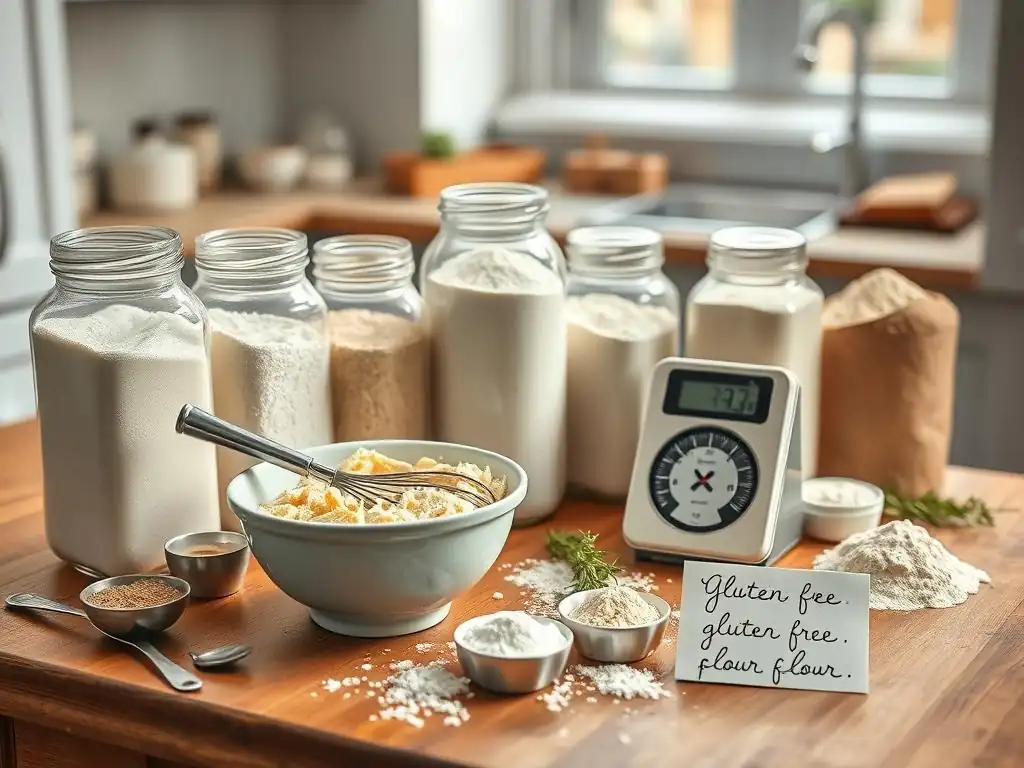
Proper Storage Techniques to Preserve Freshness
Proper storage is crucial for maintaining the freshness, flavor, and baking performance of your gluten-free flour blends. Gluten-free flours, especially those containing whole grains, nuts, or seeds, can become rancid more quickly than refined wheat flour due to their higher oil content. Exposure to air, light, heat, and moisture are the main culprits that degrade flour quality. The best way to store your custom gluten-free flour blends is in airtight containers. Glass jars with tight-fitting lids, high-quality plastic containers designed for food storage, or even heavy-duty freezer bags with the air squeezed out work well.
Store these airtight containers in a cool, dark, and dry place. A pantry shelf away from the oven or direct sunlight is ideal. For longer storage, especially if you make larger batches or live in a warm climate, the refrigerator or freezer is recommended. Refrigerated blends can last for several months, while freezing can extend their shelf life significantly, often up to a year or even longer.
When storing in the freezer, ensure the container is truly airtight to prevent freezer burn and condensation. Always bring refrigerated or frozen flour blends back to room temperature before measuring and using them in recipes, as cold flour can affect dough temperature and hydration. Proper storage ensures your glutenfree flour blend secrets stay effective.
Preventing Cross-Contamination in Your Baking Space
Preventing cross-contamination is paramount when baking gluten-free, especially if you share a kitchen with gluten-containing foods or have Celiac disease or severe gluten sensitivity. Even tiny particles of wheat flour can cause a reaction. Start by cleaning your baking surfaces thoroughly before you begin. Wipe down counters, tables, and any shared equipment with soap and hot water. Use dedicated gluten-free baking equipment whenever possible, including mixing bowls, measuring cups and spoons, sifters, and baking pans. If dedicated equipment isn't feasible, wash shared items meticulously, ideally in a dishwasher if available, to remove any residual gluten.
Store your gluten-free flours and blends separately from gluten-containing flours. Use clearly labeled containers and designate a specific shelf or area in your pantry or refrigerator for GF ingredients. Be mindful of airborne flour; if wheat flour has recently been used in the kitchen, allow time for dust to settle and clean surfaces again before starting your gluten-free baking.
Avoid using porous materials like wooden cutting boards or rolling pins that have been used with gluten, as gluten can be absorbed into the material. Taking these precautions is an essential step in ensuring your glutenfree flour blend secrets are truly gluten-free.
Scaling Gluten-Free Recipes
Scaling gluten-free recipes, whether increasing or decreasing the yield, requires careful attention, as the ratios of ingredients are often more sensitive than in wheat baking. Simply doubling or halving all ingredients may not always yield the best results. The binder (xanthan gum or psyllium husk) is particularly sensitive; you may not need to double the binder exactly when doubling a recipe, as too much can lead to a gummy texture. It's often recommended to scale the binder by a slightly smaller factor (e.g., multiplying by 1.5 or 1.75 instead of 2). Similarly, leavening agents might need slight adjustment.
When scaling, measure ingredients by weight whenever possible using a kitchen scale. This is far more accurate than volume measurements (cups), especially for flours and starches, whose density can vary. If scaling up, ensure your mixing bowl and baking pans are appropriately sized.
For major scaling changes (e.g., tripling or quadrupling a recipe), it might be better to make multiple smaller batches rather than one very large one, as mixing and baking times can change significantly. Keeping detailed notes on your scaled attempts will help you fine-tune the ratios for future baking, refining your glutenfree flour blend secrets for any batch size.
Conclusion: Unleash Your Baking Potential with Advanced Gluten-Free Flour Blends
Embrace Experimentation and Refine Your Gluten-Free Baking Skills
Embarking on the journey of creating and mastering your own gluten-free flour blends is incredibly rewarding. It transforms gluten-free baking from a frustrating exercise in substitution into a creative and precise culinary art. By understanding the unique properties of individual flours and starches, and how they interact, you gain the power to tailor your ingredients to achieve specific textures, flavors, and structures in your baked goods.
Moving beyond generic mixes allows for a level of control that can elevate your baking from simply "gluten-free" to genuinely delicious and satisfying. Don't be afraid to experiment with different ratios and combinations based on the principles discussed.
Refining your gluten-free baking skills takes practice and patience. Keep notes on your blends and how they perform in different recipes. Did a certain blend result in a perfect cake but a less-than-ideal cookie? Tweak the ratios for each application.
Pay attention to the nuances of hydration, mixing, and baking times, as these are just as critical as the flour blend itself. Every oven is different, and even humidity can play a role. Embrace the learning process, view every bake as an opportunity to refine your understanding, and celebrate your successes. With a solid grasp of glutenfree flour blend secrets and a willingness to experiment, you can truly unleash your baking potential and create amazing gluten-free treats.
Frequently Asked Questions
What makes a gluten-free flour blend "advanced"?
An advanced blend goes beyond simple rice flour combinations. It incorporates multiple flours and starches in specific ratios to mimic the properties of gluten in baking, improving texture and structure.
Why is it important to use a blend of flours instead of just one gluten-free flour?
Single gluten-free flours often lack the binding and elasticity of gluten. A blend combines flours with different properties to create a more balanced flour substitute, resulting in better baking results.
What are some common mistakes people make when creating gluten-free flour blends?
A common mistake is using too much of a single flour, like rice flour, which can lead to a gritty texture. Also, not understanding the ratio of flours to starches can negatively impact the final product.
How do I adjust a regular baking recipe to use a gluten-free flour blend?
Start by substituting the wheat flour with your gluten-free blend at a 1:1 ratio. You may need to add extra binding agents, like xanthan gum, and adjust the liquid content as gluten-free flours absorb moisture differently.
Where can I find reliable recipes and resources for gluten-free baking and flour blend combinations?
Websites like BakeWithEase.com are excellent resources, offering step-by-step guides and recipes. Experimentation and careful note-taking are also crucial for mastering gluten-free baking techniques.
Final Reflection: Unlocking the Potential of Gluten-Free Baking
The quest for the perfect gluten-free bake is far from over, but understanding the nuances of advanced flour blends is a crucial step forward. The rise in gluten-free diets necessitates a deeper exploration beyond simple pre-made mixes, demanding a more sophisticated approach to achieving desirable texture and taste. This journey into the secrets of advanced gluten-free flour combinations is not just a culinary pursuit; it's a testament to the power of innovation and adaptation in the face of dietary restrictions.
This exploration has highlighted the profound impact that careful flour selection and combination can have on the gluten-free baking experience. It's not simply about substituting ingredients; it's about understanding the unique properties of each flour – its protein content, starch type, and how it interacts with liquids and other ingredients. This understanding allows for a level of control and creativity previously unimaginable in gluten-free baking. The best baker is the one who understands the ingredients best.
– This anonymous quote perfectly encapsulates the core message of this article: mastery comes from knowledge.
Now, it's your turn to experiment. Don't be afraid to venture beyond the familiar, to try new combinations, and to embrace the challenges that come with mastering advanced gluten-free flour blends. Each successful loaf, each perfectly textured cookie, is a testament to your dedication and a delicious reward for your efforts. The world of gluten-free baking is vast and exciting; embrace the journey, and discover the secrets that await you in your kitchen.
Unlock Your Gluten-Free Baking Potential!
Thanks for taking the time to explore the world of advanced gluten-free flour blends! You've now got the knowledge to create truly amazing baked goods. Ready to put your newfound skills to the test?
- Bake your dream GF recipe: Choose your favorite recipe (even a previously failed one!) and try it with your new favorite flour blend. Document your results – you might discover your signature creation!
- Share your baking journey: Let us know on social media what you're baking using #BakeWithEaseGFBlends. We'd love to see your creations!
- Experiment with different GF flours: Don't be afraid to get creative! Try substituting a small amount of one flour for another to see how it affects the texture and flavor.
What unexpected flavor or texture combination are you most excited to try in your next gluten-free masterpiece?