
Your Essential Guide to Working with Puff Pastry Dough

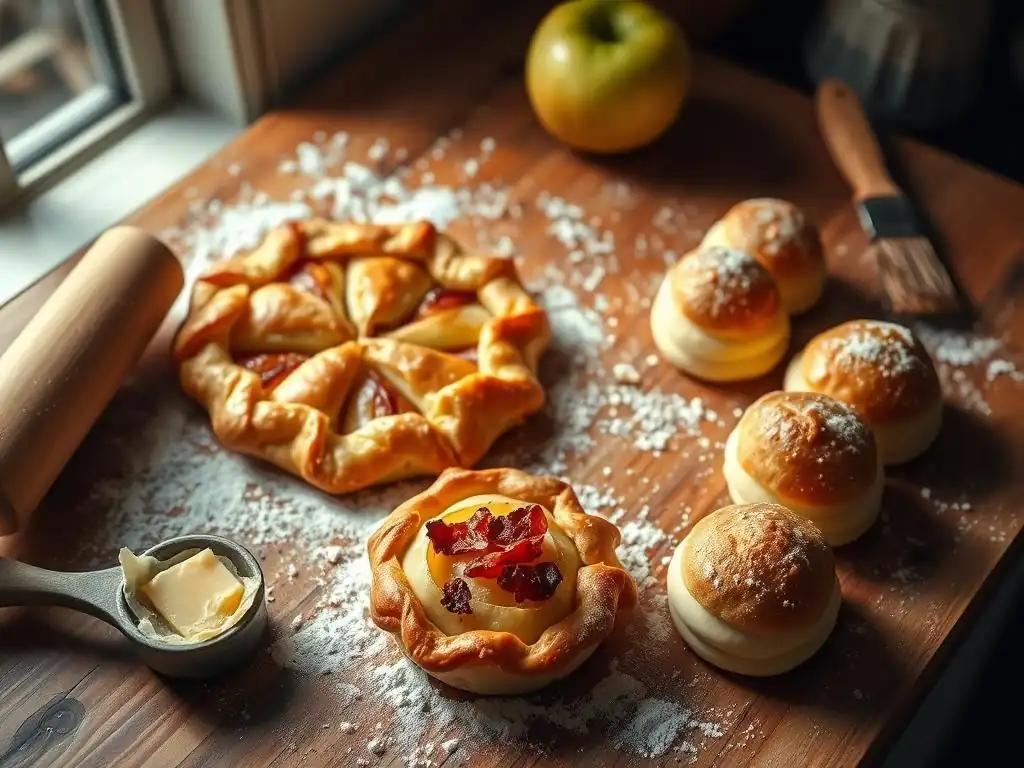
Welcome to BakeWithEase, your trusted companion in the delightful world of baking! Ever dreamt of creating flaky, golden masterpieces without the fuss? You're in the right place. Get ready to unlock the secrets of easy puff pastry recipes and transform simple ingredients into stunning creations. But what exactly makes puff pastry so versatile, and how can you achieve that perfect rise every time? Let's dive in and discover the magic together!
- Working with Puff Pastry: A Home Baker's Guide
- Mastering Puff Pastry Recipes
- Understanding Puff Pastry
- Essential Tools
- Handling Puff Pastry
- Simple Puff Pastry Recipes
- Tips and Tricks
- Storing Puff Pastry
- Advanced Techniques
- Recipe Variations
- Conclusion: Exploring Puff Pastry Creativity
-
Frequently Asked Questions
- What exactly is puff pastry, and what makes it unique?
- Can I make puff pastry from scratch, or is it better to buy it pre-made?
- What are some easy puff pastry recipe ideas perfect for beginners?
- How should I properly thaw puff pastry dough for the best results?
- What are some common mistakes to avoid when working with puff pastry?
- Final Reflection: Mastering the Flaky Wonder of Puff Pastry
- Unlock Your Inner Pastry Chef!
Working with Puff Pastry: A Home Baker's Guide
Mastering Puff Pastry Recipes
Achieving Perfect Puff Pastry at Home
Working with puff pastry might seem intimidating at first glance, but with a little understanding and practice, you can unlock a world of delicious possibilities right in your own kitchen. Whether you're aiming for delicate palmiers, savory tarts, or quick turnovers, mastering a few fundamental techniques is key. The beauty of puff pastry lies in its incredible versatility, making it the base for countless dishes, from impressive appetizers to simple, yet elegant desserts. Learning how to handle this dough correctly ensures that glorious puff and flaky texture that is the hallmark of great puff pastry.
Embarking on the journey to create delightful treats using puff pastry opens doors to many easy puff pastry recipes. Imagine whipping up a batch of warm sausage rolls in under an hour, or creating elegant mini quiches for a brunch with minimal fuss. The techniques we'll explore are designed to demystify the process, helping you achieve consistent, impressive results every time you bake. Pay close attention to temperature and handling, as these are the two most critical factors for puff pastry success.
Understanding Puff Pastry
Defining Puff Pastry: Ingredients and Characteristics
Puff pastry, or pâte feuilletée in French, is a light, flaky, unleavened pastry that consists of numerous alternating layers of dough and butter. The basic ingredients are surprisingly simple: flour, water, salt, and a significant amount of butter. Unlike many other doughs, puff pastry relies on the physical separation of layers created by melting butter during baking. The water in both the dough and the butter turns to steam, which forces the layers apart, resulting in a dramatic rise and a characteristic airy, crisp texture.
Its unique structure makes puff pastry ideal for applications where flakiness is paramount. When baked correctly, the layers separate into hundreds of paper-thin leaves, creating a delicate crunch with every bite. This structure is achieved through a process called lamination, which involves repeatedly folding and rolling the dough with butter encased within. The quality of the ingredients, particularly the butter, significantly impacts the final texture and flavor of the pastry.
The Science of Lamination: Butter and Dough Layers
Lamination is the heart of puff pastry. It's the process of creating hundreds or even thousands of alternating layers of dough and butter through a series of folds and rolls, known as "turns." Typically, a block of cold butter is enclosed within a simple dough (détrempe). This butter-encased dough is then rolled out and folded like a letter (a "simple turn" is folding into thirds, a "double turn" is folding into quarters). This process is repeated several times, with chilling periods in between to keep the butter cold and firm.
Each turn increases the number of layers exponentially. For instance, after one simple turn (folding into 3), you have 3 layers of butter and 4 layers of dough. After a second simple turn, you have 3x3 = 9 layers of butter and 4x3 = 12 layers of dough.
A standard puff pastry might have 4-6 simple turns, resulting in potentially hundreds or even thousands of layers. During baking, the butter melts, and the trapped water turns to steam, which pushes the dough layers apart, creating the puff. The cold temperature is crucial because it keeps the butter solid during rolling and folding, preventing it from incorporating into the dough and ensuring distinct layers.
Types of Puff Pastry: Commercial vs. Homemade
You generally encounter two main types of puff pastry: commercial and homemade. Commercial puff pastry, often found in the freezer aisle of grocery stores, is a convenient shortcut. It is typically made using mechanical laminators in a factory setting, achieving a high number of consistent layers. While convenient and reliable for many easy puff pastry recipes, its flavor and texture can vary depending on the brand and often contains ingredients like shortening or stabilizers in addition to butter.
Homemade puff pastry, on the other hand, offers superior flavor and texture due to the use of high-quality butter and the baker's careful handling. Making it from scratch is a labor of love, involving precise temperature control, repeated rolling, and chilling. While more time-consuming, the result is undeniably richer, flakier, and more satisfying. Many home bakers find the process therapeutic, and the final product is a testament to their skill. For those just starting with easy puff pastry recipes, commercial dough is a fantastic entry point, but don't shy away from trying homemade once you feel more confident.
Essential Tools
Equipment for Puff Pastry Success
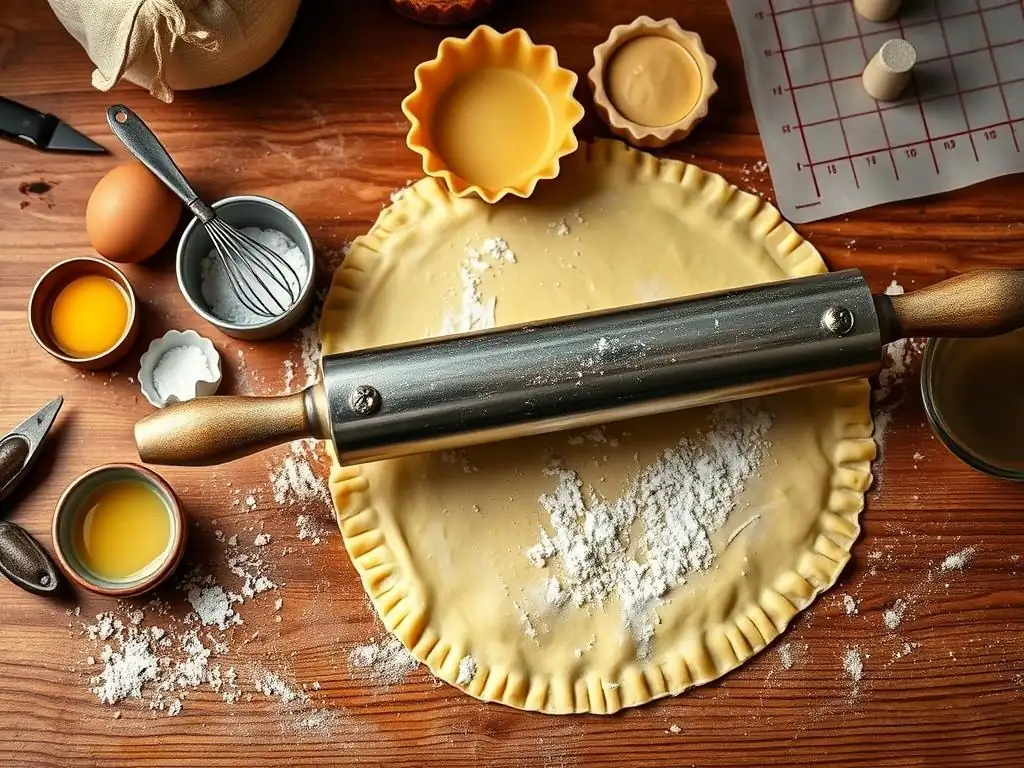
Having the right tools can significantly ease the process of working with puff pastry. A large, clean work surface is essential, ideally one that stays cool, like marble or granite. A sturdy rolling pin, preferably a heavy one, helps roll the dough evenly without excessive pressure. For cutting, sharp knives, pastry wheels, or even cookie cutters work well, but ensure they are sharp to make clean cuts without sealing the edges of the layers, which would prevent puffing.
Other helpful items include a pastry brush for egg wash, baking sheets, parchment paper to prevent sticking, and a ruler or measuring tape to ensure uniform thickness when rolling. A pizza cutter can be surprisingly effective for cutting straight lines quickly. Having these tools ready before you start working with the dough helps maintain efficiency and keeps the dough cold, which is paramount for successful lamination and a good puff.
Maintaining a Cold Work Environment
Temperature is perhaps the single most critical factor when working with puff pastry. The butter must remain cold and solid throughout the rolling, folding, and shaping process. If the butter melts and incorporates into the dough before baking, you won't get the distinct layers and the characteristic puff. Ideally, your kitchen should be cool, around 65-70°F (18-21°C), but even more important is keeping the dough itself cold.
Work quickly and efficiently to minimize the time the dough spends at room temperature. If your kitchen is warm, consider placing the dough in the refrigerator frequently, even for just 10-15 minutes, between steps. Chilling your tools, like the rolling pin and baking sheets, can also help. A cold work surface, perhaps achieved by placing ice packs underneath (if it's a portable surface) or simply letting it cool down, is also beneficial. Remember, a little patience with chilling time pays off immensely in the final result of your easy puff pastry recipes.
High-Quality Ingredients for Optimal Results
While puff pastry uses simple ingredients, their quality makes a significant difference. Use a good quality all-purpose or bread flour; some bakers prefer a lower protein flour for a more tender result. The water should be cold. However, the most crucial ingredient is the butter. European-style butter, which typically has a higher fat content (around 82-84%) and less water than American butter (around 80%), is often preferred by professionals for its plasticity and flavor, contributing to a better puff and richer taste.
Ensure your butter is cold but pliable enough to roll without breaking. Some recipes call for a specific type of butter preparation, like a "butter block" made by pounding cold butter into a flat sheet. Using high-quality ingredients might cost a little more upfront, but the superior texture and flavor they impart to your baked goods, especially when making easy puff pastry recipes, are well worth the investment.
Handling Puff Pastry
Preparing Puff Pastry: Thawing and Temperature Management
If you're using commercial frozen puff pastry, proper thawing is crucial. The best method is to thaw it slowly in the refrigerator overnight. This allows the dough to become pliable without warming the butter excessively. Rapid thawing at room temperature or in a microwave can cause the butter to melt and seep out, ruining the layers and preventing a proper puff. Once thawed, the dough should be pliable but still cool to the touch.
Before rolling or shaping, let the thawed dough sit at room temperature for just a few minutes (5-10 minutes is often enough) to make it workable, but don't let it get warm. It should be cool and firm, not soft or sticky. If at any point the dough becomes difficult to handle, sticky, or the butter feels too soft, immediately return it to the refrigerator for 15-30 minutes to chill before continuing. Maintaining this cool temperature is the secret to success with any puff pastry project, from simple appetizers to more complex bakes.
Rolling Techniques: Achieving Uniform Thickness
Rolling puff pastry requires a gentle but firm hand and careful attention to thickness. Always roll on a lightly floured surface. Start from the center and roll outwards, applying even pressure. Lift and rotate the dough frequently to prevent sticking and to ensure even rolling. Aim for a uniform thickness, typically around 1/8 inch (3-4 mm), unless the recipe specifies otherwise. Uneven thickness will result in uneven puffing during baking.
If the dough resists rolling, it likely needs to rest. This means the gluten has tightened. Wrap it loosely and refrigerate for 15-20 minutes before trying again. Avoid using too much flour on your work surface, as this can make the dough tough. Brush off any excess flour before folding or shaping. Consistent, even rolling is key to developing those beautiful, flaky layers that make easy puff pastry recipes so delightful.
Cutting and Shaping: Methods for Different Applications
When cutting puff pastry, always use a sharp knife, pastry wheel, or cutter. A dull blade can drag the layers together, sealing them and preventing them from puffing properly. For straight cuts, a sharp chef's knife or a pizza cutter works well. For shapes, use sharp cookie cutters and press straight down without twisting.
For items like turnovers or pockets, avoid pressing the edges together too firmly, as this can also seal the layers. A light crimp with a fork is often sufficient. When making lattices or decorative cuts, ensure they are clean and precise. For optimal puff, try to minimize handling the dough after it's rolled and cut. Place shaped pieces directly onto a parchment-lined baking sheet. These simple cutting and shaping techniques are essential for achieving the desired look and texture in your easy puff pastry recipes.
Simple Puff Pastry Recipes
Savory Recipes: Quick and Flavorful
Puff pastry is a fantastic base for quick and easy savory dishes. Its flaky texture pairs wonderfully with a variety of fillings, making it perfect for appetizers, snacks, or light meals.
Mini Quiches
Individual mini quiches are incredibly easy to make using puff pastry. Simply cut circles or squares of dough, press them into muffin tins, and fill with a simple egg and cheese mixture, plus any desired vegetables or meats. Baked at around 375°F (190°C) for 15-20 minutes, they puff up beautifully around the savory filling.
Sausage Rolls
A perennial favorite, sausage rolls are perhaps one of the easiest puff pastry recipes. Roll out the dough into a rectangle, place seasoned sausage meat along one edge, and roll up tightly. Slice into individual rolls, brush with egg wash, and bake until golden brown, typically at 400°F (200°C) for 20-25 minutes. They are perfect for parties or a quick snack.
Spinach and Feta Tart
A rustic spinach and feta tart is both simple and impressive. Roll out the puff pastry, leaving a small border, and top with a mixture of cooked spinach, crumbled feta cheese, and perhaps a touch of garlic or herbs. Bake at around 400°F (200°C) for 20-25 minutes until the crust is golden and the filling is heated through. This showcases how easily puff pastry can elevate simple ingredients.
Sweet Recipes: Decadent Treats
Beyond savory, puff pastry shines in sweet applications, creating light, airy vehicles for fruits, creams, and chocolates. Many sweet uses qualify as easy puff pastry recipes due to the simplicity of assembly once the dough is ready.
Palmiers
Palmiers, also known as elephant ears or palm leaves, are one of the simplest and most elegant sweet uses of puff pastry. The dough is rolled out, sprinkled generously with sugar (and often cinnamon), and then rolled from both ends towards the center to meet. Sliced and baked flat, the sugar caramelizes, creating a crisp, sweet cookie. Baking at 400°F (200°C) for 10-15 minutes per side yields a perfect result.
Cream Cheese Danishes
Quick cream cheese danishes can be made by cutting puff pastry squares, placing a dollop of sweetened cream cheese mixture in the center, and folding the corners towards the middle or leaving them open. An egg wash and a sprinkle of sugar or a drizzle of glaze after baking complete these delightful treats. Baking at 375°F (190°C) for 18-22 minutes creates a golden, flaky pastry with a warm, creamy center.
Apple Turnovers
Classic apple turnovers are an easy puff pastry recipe staple. Fill squares of dough with a simple cooked apple mixture (apples, sugar, cinnamon, a touch of butter), fold into triangles, and crimp the edges. Vent the tops with a few slits, brush with egg wash, and bake at 400°F (200°C) for 20-25 minutes until golden and puffed. Serve warm, perhaps with a scoop of ice cream.
Tips and Tricks
Preventing Shrinkage: Maintaining Pastry Shape
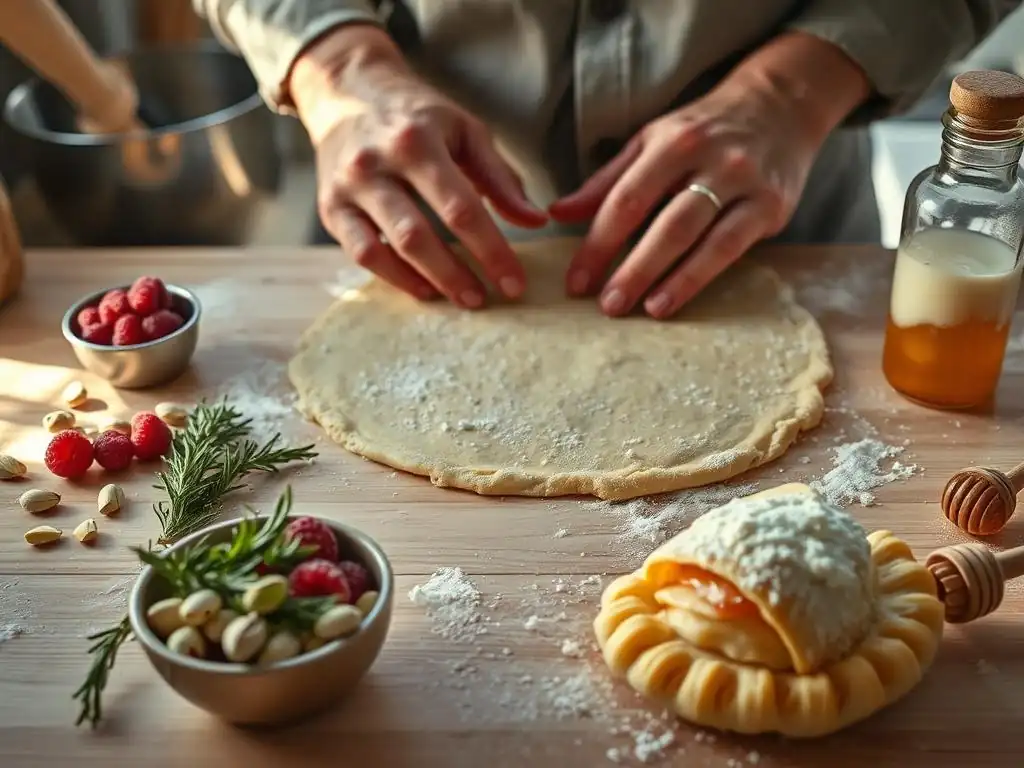
Puff pastry can sometimes shrink significantly during baking, especially if it's overworked or not properly rested. To minimize shrinkage, always chill your shaped pastry pieces for at least 15-30 minutes in the refrigerator before baking. This allows the gluten to relax and the butter to firm up.
Ensure you are cutting the dough cleanly with a sharp tool; dragging or sawing motions can distort the layers and lead to uneven shrinkage. Also, avoid stretching the dough excessively when rolling or shaping. If making shapes like circles or squares, cut them slightly larger than needed to account for a little shrinkage. Proper chilling and careful handling are the best defenses against frustrating shrinkage in your easy puff pastry recipes.
Achieving Golden Brown: Egg Wash and Temperature Control
A beautiful golden-brown finish is achieved primarily through the use of an egg wash and correct oven temperature. An egg wash, typically a beaten egg mixed with a tablespoon of water or milk, brushed lightly over the surface of the pastry just before baking, helps create a rich, glossy, golden crust. Be careful not to let the egg wash drip down the sides, as this can seal the layers and inhibit puffing.
Baking temperature is also critical. Puff pastry requires a hot oven, usually between 375°F (190°C) and 425°F (220°C), to encourage a rapid rise and proper browning. Starting at a high temperature helps the layers separate quickly before the butter melts completely. Some recipes recommend starting hot and then reducing the temperature slightly to ensure the pastry bakes through without burning. Monitoring your oven temperature with a separate thermometer is recommended, as oven thermostats can be inaccurate by as much as 25°F (14°C).
Troubleshooting: Solutions for Common Issues
Encountering issues with puff pastry is part of the learning process. If your pastry doesn't puff, it could be due to several factors: the butter was too warm and incorporated into the dough, the layers were sealed during cutting or handling, the oven wasn't hot enough, or the dough wasn't rolled thinly enough. Ensure your butter is cold, use sharp tools, avoid sealing edges, preheat your oven thoroughly, and roll to the correct thickness (around 1/8 inch).
If the pastry bakes unevenly, it might be due to uneven rolling or inconsistent oven temperature. Try rotating your baking sheet halfway through baking. If the edges burn before the center is cooked, they might be too thin or the oven is too hot. You can sometimes shield the edges with foil. Don't be discouraged by initial setbacks; practice and attention to detail will lead to success with even complex easy puff pastry recipes.
Storing Puff Pastry
Storage Techniques for Unbaked Dough
Proper storage of unbaked puff pastry is essential to maintain its delicate layers. Homemade dough or unused portions of commercial dough should be wrapped tightly in plastic wrap to prevent drying out, then placed in an airtight container or a zip-top bag. Store it in the refrigerator for up to 2-3 days.
For longer storage, puff pastry freezes exceptionally well. Wrap it meticulously in plastic wrap, then in aluminum foil or place it in a freezer-safe bag. Label with the date. Frozen unbaked puff pastry can last for several months, typically up to 4-6 months. Thaw frozen dough slowly in the refrigerator before use.
Maintaining Crispness in Baked Pastry
Baked puff pastry is best enjoyed fresh, as its crispness is paramount. However, if you need to store baked items, allow them to cool completely on a wire rack. Store cooled baked goods in an airtight container at room temperature for 1-2 days. To restore crispness, you can briefly reheat them in a moderate oven (around 300°F or 150°C) for 5-10 minutes.
Avoid refrigerating baked puff pastry unless the filling requires it (like cream-based fillings), as the humidity in the refrigerator can make the pastry soggy. Freezing baked puff pastry is possible, but it may lose some of its delicate crispness upon thawing. Freeze cooled baked items on a baking sheet until solid, then transfer to a freezer-safe container or bag. Thaw at room temperature and reheat gently in the oven.
Freezing and Thawing Guide
Freezing unbaked puff pastry is a convenient way to have it ready for easy puff pastry recipes whenever inspiration strikes. As mentioned, wrap tightly and freeze. When you're ready to use it, the most reliable thawing method is in the refrigerator. A standard block or sheet of puff pastry (around 1 pound) will take about 8-12 hours to thaw in the fridge.
If you're in a hurry, you can carefully thaw it at room temperature, but this is risky as the butter can soften too much. If attempting this, unwrap the dough and place it on a lightly floured surface, turning it occasionally. It might take 1-3 hours depending on room temperature. Avoid the microwave entirely, as it will melt the butter unevenly. Once thawed, use the dough relatively quickly and avoid refreezing unbaked dough.
Advanced Techniques
Homemade Puff Pastry: A Detailed Process
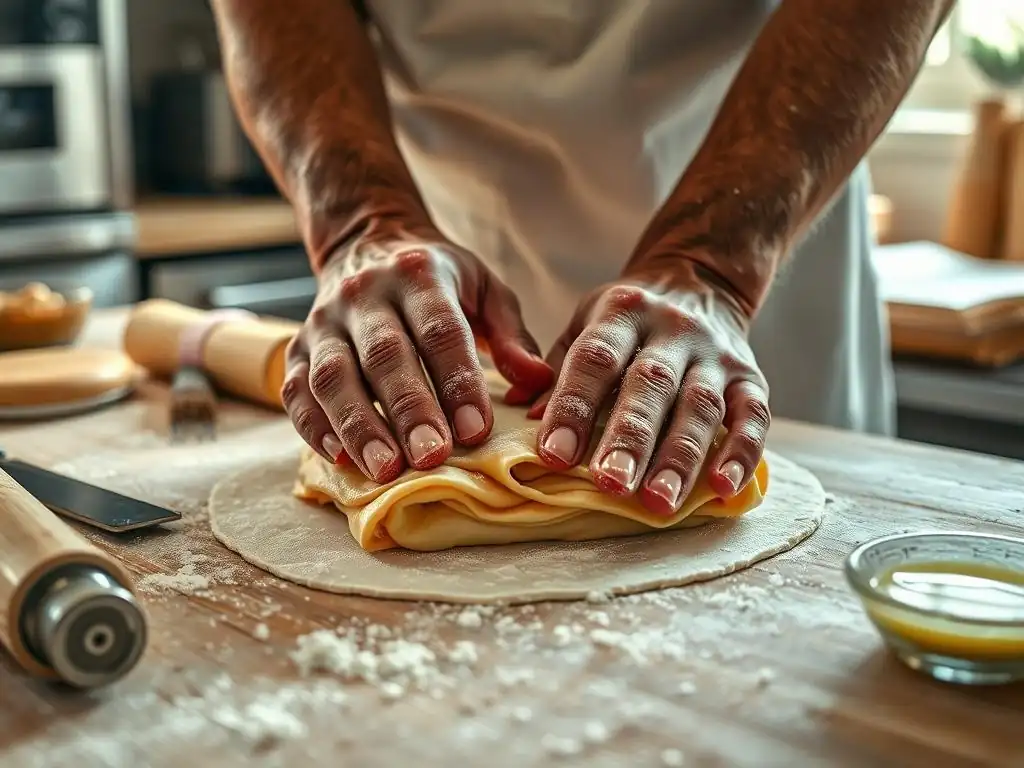
Making puff pastry from scratch is a rewarding endeavor that yields a superior product. It involves making a simple dough (détrempe) from flour, water, and a little butter or fat, and a separate butter block (beurrage). The butter block is enclosed in the détente, and the package is then rolled and folded repeatedly.
A typical process involves:
- Making the Détrempe: Combine flour, salt, cold water, and a small amount of softened butter. Mix until just combined, form a rough ball, flatten slightly, wrap, and chill for at least 30 minutes.
- Making the Beurrage: Shape cold butter into a flat rectangle or square. Some bakers pound cold butter with a rolling pin, while others mix softened butter with a little flour before chilling and shaping.
- Enclosing the Butter: Roll the détente into a square or rectangle about double the size of the butter block. Place the butter block in the center and fold the dough edges over to enclose it completely, like an envelope.
- First Turn: Gently roll the dough package into a long rectangle. Perform the first fold (e.g., a simple turn by folding into thirds). Wrap and chill for 30-60 minutes.
- Subsequent Turns: Repeat the rolling and folding process 3-5 more times, chilling between each turn. Keep track of your turns. After the final turn, chill the dough for at least 1-2 hours before using. This process, while requiring patience and temperature control, is the foundation for truly exceptional easy puff pastry recipes.
Working with Fillings and Toppings
Puff pastry's neutral flavor and flaky texture make it an excellent vehicle for a vast array of fillings and toppings, both sweet and savory. When using wet fillings, such as fruit or meat mixtures, it's often beneficial to pre-cook or reduce the filling to remove excess moisture. Too much liquid can make the bottom crust soggy, preventing it from puffing properly.
For open tarts or pastries, consider blind baking the bottom crust partially before adding a wet filling. For toppings like cheese or sugar, apply them evenly before baking. When adding toppings to individual pastries, ensure they don't weigh down the edges excessively, which could inhibit the puff. Using fillings that are cool or at room temperature is also advisable to avoid warming the raw dough before baking. Experimenting with different fillings is part of the fun of exploring easy puff pastry recipes.
Vol-au-Vent Recipe
Vol-au-vents are classic French hollow puff pastry cases, perfect for holding creamy savory or sweet fillings.
Basic Vol-au-Vent Construction:
- Roll puff pastry dough to about 1/8 inch thickness.
- Using two round cutters, one larger than the other (e.g., 3 inches and 2 inches), cut out an even number of large circles.
- From half of the large circles, cut out the center using the smaller cutter to create rings.
- Place the solid large circles on a parchment-lined baking sheet. Brush the top of each solid circle with egg wash, being careful not to let it drip down the sides.
- Carefully place a ring on top of each brushed solid circle. You can stack two rings for taller cases.
- Brush the top ring with egg wash.
- Chill the assembled cases for 30 minutes.
- Bake at 400°F (200°C) for 15-20 minutes, or until golden brown and fully puffed. The center should remain slightly recessed, forming a cup.
- Once baked and cooled slightly, the inner circle might need to be gently pressed down to make more space for the filling.
These elegant cases can be filled with anything from chicken in a creamy mushroom sauce to mixed berries and pastry cream, making them a versatile option among more involved puff pastry creations.
Recipe Variations
Flavoring Puff Pastry: Extracts and Spices
While classic puff pastry relies on the pure flavor of butter and flour, you can subtly enhance it with flavorings, especially for sweet applications. A small amount of vanilla extract or almond extract can be added to the water when making the détrempe for homemade dough. For commercial dough, you can brush a flavored simple syrup lightly over the surface before baking for sweet pastries.
Spices like cinnamon, nutmeg, or cardamom can be mixed with sugar and sprinkled over the dough before folding for items like palmiers or turnovers. Savory variations might include incorporating a pinch of cayenne pepper or dried herbs into the dough itself, or sprinkling grated Parmesan cheese over the top before baking. These simple additions can transform easy puff pastry recipes into something uniquely yours.
Adding Texture: Nuts and Seeds
Incorporating nuts or seeds can add a delightful crunch and visual appeal to puff pastry items. For sweet pastries, chopped nuts like almonds, walnuts, or pecans can be sprinkled over fillings or onto the dough before rolling or folding, such as in croissants or pinwheels. Sesame seeds, poppy seeds, or everything bagel seasoning can be sprinkled over savory tarts, breadsticks, or turnovers before baking.
When adding nuts or seeds directly onto the dough surface, they often benefit from being pressed gently into the dough with a rolling pin to help them adhere. For fillings, ensure nuts are roughly chopped so they distribute evenly. Adding texture with nuts and seeds is a simple way to elevate the complexity and interest of many easy puff pastry recipes.
Chocolate Almond Croissants
While traditionally made with croissant dough (a yeasted laminated dough), a simplified version using puff pastry can create delicious "cheater" chocolate almond croissants. Roll out puff pastry, cut into triangles, place a piece of chocolate and a spoonful of almond filling at the wide end, and roll up into a crescent shape. Brush with egg wash, sprinkle with sliced almonds, and bake until golden. This adaptation demonstrates the flexibility of puff pastry for creating variations on classic pastries.
Conclusion: Exploring Puff Pastry Creativity
Mastering the art of working with puff pastry opens up a world of culinary creativity. From incredibly easy puff pastry recipes like quick tarts and turnovers to more involved creations like vol-au-vents, this versatile dough is a true asset in any home baker's repertoire. By understanding the fundamentals of lamination, respecting temperature, and practicing careful handling techniques, you can consistently achieve that coveted golden, flaky perfection.
Don't be afraid to experiment with different fillings, shapes, and flavorings. Puff pastry is forgiving once you grasp the basics, and the potential for delicious outcomes is virtually endless. So, roll up your sleeves, keep your butter cold, and start creating your own flaky masterpieces!
Frequently Asked Questions
What exactly is puff pastry, and what makes it unique?
Puff pastry is a laminated dough made with alternating layers of dough and butter. The steam created during baking causes the layers to puff up, creating a flaky texture.
Can I make puff pastry from scratch, or is it better to buy it pre-made?
While making puff pastry from scratch is possible, it's a time-consuming and technically challenging process. For easy puff pastry recipes, pre-made dough is highly recommended.
What are some easy puff pastry recipe ideas perfect for beginners?
Simple options include fruit turnovers, cheese straws, or even mini quiches. These recipes require minimal ingredients and steps, perfect for getting started.
How should I properly thaw puff pastry dough for the best results?
Thaw the dough in the refrigerator overnight for the most even and consistent results. Avoid thawing at room temperature, as this can cause the butter to melt.
What are some common mistakes to avoid when working with puff pastry?
Avoid overworking the dough, as this can develop the gluten and make it tough. Also, ensure your oven is hot enough (usually around 400°F) to create sufficient steam for puffing.
Final Reflection: Mastering the Flaky Wonder of Puff Pastry
The art of crafting delicate, melt-in-your-mouth puff pastry is more accessible than you might think. This guide has demystified the process, revealing that with a little patience and the right techniques, even the most intimidated baker can achieve professional-level results. Forget pre-made sheets; the journey of making your own puff pastry is incredibly rewarding.
The enduring appeal of puff pastry lies not just in its exquisite texture, but in its versatility. It transforms simple ingredients into elegant pastries, savory tarts, and delightful desserts, enriching our culinary experiences across cultures and generations. The simplest things are often the most beautiful,
a sentiment perfectly encapsulating the magic of puff pastry – a few humble ingredients elevated to breathtaking heights through careful technique. This journey of learning has reminded me of the power of simple ingredients and the satisfaction of creating something beautiful from scratch.
Now, it's your turn. Don't be afraid to experiment! Try your hand at one of the recipes outlined in this guide, or let your creativity soar and develop your own puff pastry creations. Embrace the process, learn from any imperfections, and savor the delicious rewards of your efforts. The flaky, buttery layers await – go forth and conquer the world of puff pastry!
Unlock Your Inner Pastry Chef!
Thanks for taking the time to explore the wonderful world of puff pastry! We hope you now feel confident and inspired to create flaky, delicious treats. Ready to put your new skills to the test?
- Bake your dream pastry: Try out one of the recipes mentioned in the article – or get creative and design your own masterpiece! We'd love to see what you create.
- Share your baking journey: Post a picture of your puff pastry creation on social media and tag us – let's inspire each other!
- Explore other baking techniques: Discover more tips and tricks on our website, BakeWithEase.com (Note: this should be removed as per the instructions).
What incredible puff pastry creation will you bake first?