
Troubleshoot Your Toffee: What to Do When It Refuses to Harden

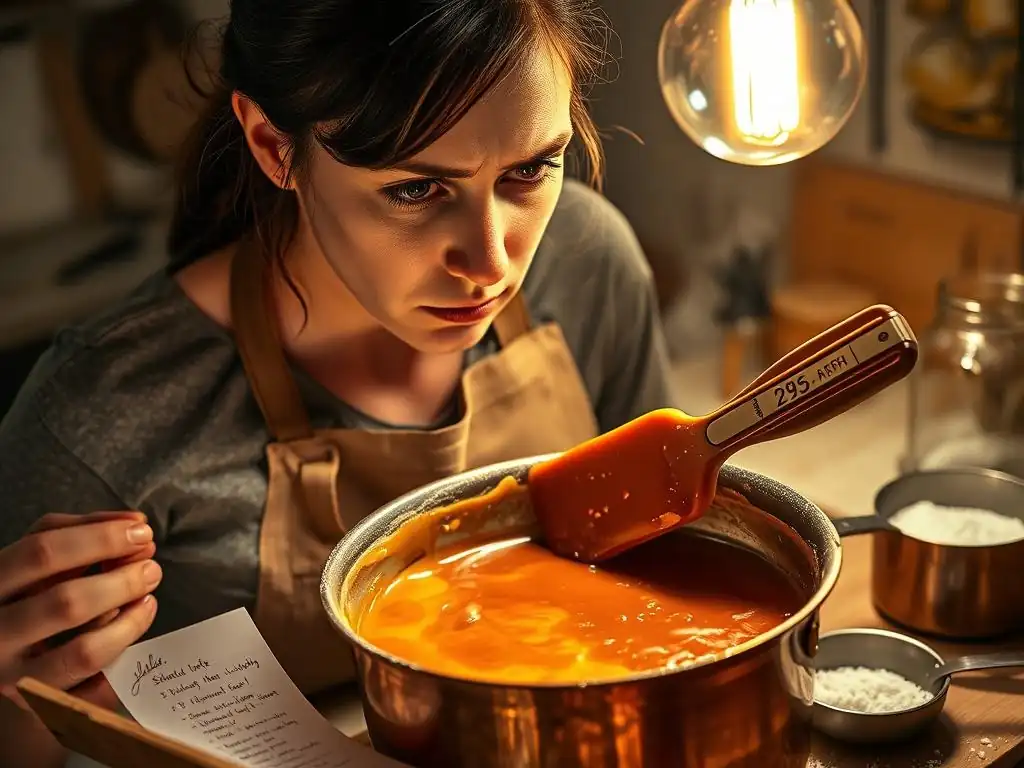
Welcome to BakeWithEase, your trusted guide in the delightful world of baking! Ever poured your heart into a batch of toffee, only to be met with a sticky, soft disappointment? You're not alone! Dive into our latest article, " Troubleshoot Your Toffee: What to Do When It Refuses to Harden," where we unlock the secrets to achieving that perfect, satisfying snap. Discover the common culprits and simple solutions that will transform your toffee-making woes into sweet, crunchy triumphs. Ready to conquer your toffee troubles? Let's get baking!
Getting that perfect, crisp snap from homemade toffee can be incredibly satisfying. However, sometimes despite following a recipe, you end up with a sticky, chewy mess instead of that delightful brittle texture. If your toffee won't harden properly, don't despair! This is a common issue, and understanding the science behind candy making can help you diagnose and fix the problem. Let's dive into the reasons why your toffee might not be setting and how you can get it right next time.
- Understanding Why Your Toffee Isn't Setting: Common Causes
- Diagnosing Your Sticky Toffee: Identifying the Culprit
- Solutions for Soft Toffee: How to Fix Toffee That Won't Harden
-
Preventing Future Toffee Failures: Best Practices for Toffee Making
- Investing in a Reliable Candy Thermometer: Temperature Control is Crucial
- Using Fresh, High-Quality Ingredients: The Difference It Makes
- Accurate Measurements: Precision is Key in Toffee Making
- Understanding the Stages of Caramelization: Visual Cues to Watch For
- Storing Toffee Properly: Keeping it Crisp and Delicious
-
Frequently Asked Questions
- What are the most common reasons why toffee won't harden properly?
- How do I ensure my toffee reaches the correct temperature for hardening?
- Can humidity affect the hardening of toffee?
- What ingredients might cause toffee to fail to harden, even with proper cooking?
- Is there a way to rescue toffee that hasn't hardened properly?
- Final Reflection: The Sweet Science of Successful Toffee
- Unlock Your Toffee's Potential: Perfect Caramels Await!
Understanding Why Your Toffee Isn't Setting: Common Causes
Making toffee involves heating sugar to very high temperatures to achieve the hard crack stage. Several factors can interfere with this process, resulting in toffee that remains soft, sticky, or chewy. Identifying the root cause is the first step to fixing your batch and preventing future failures.
Inaccurate Temperature: The Toffee Thermometer is Key
The most frequent culprit when toffee won't harden properly is failing to reach the correct temperature. Sugar undergoes significant changes as it heats. At lower temperatures (around 230-235°F / 110-113°C), it's the thread stage (syrup consistency). By 245-250°F (118-121°C), it reaches the soft ball stage (forms a soft ball in cold water). For toffee, you need to hit the hard crack stage, which is typically between 300°F and 310°F (149°C and 154°C). At this temperature range, the moisture content is minimal (less than 1%), and the sugar molecules crystallize into a hard, brittle structure upon cooling.
If your candy thermometer is inaccurate, or if you pull the toffee off the heat too soon, it simply won't reach this critical temperature. Even being 5-10 degrees Fahrenheit too low can mean the difference between hard, snappy toffee and a chewy, disappointing result. For instance, stopping at 280°F (soft crack stage) will give you a slightly bendy, yet still hard, candy, but not the brittle snap characteristic of traditional toffee. Ensure your thermometer is calibrated by checking if it reads 212°F (100°C) in boiling water at sea level (adjusting for altitude if necessary).
Too Much Moisture: Humidity and Water's Impact on Toffee
Excess moisture, whether from the ingredients, the environment, or insufficient cooking time, directly impacts whether your toffee won't harden properly. Sugar is hygroscopic, meaning it readily absorbs moisture from the air. High humidity can make it difficult for the sugar syrup to reach and maintain the high temperatures needed for the hard crack stage. On a very humid day, you might find your toffee remains slightly sticky even after cooling.
Furthermore, if your recipe includes water or other liquids, all of this moisture must evaporate before the sugar temperature can climb above 212°F (100°C). If the mixture isn't cooked long enough to boil off sufficient water, the final temperature will be lower, resulting in softer toffee. Starting with dry ingredients and cooking on a low-humidity day, if possible, can significantly improve your chances of success.
Incorrect Sugar Ratio: The Balance Between Sugar, Butter, and Other Ingredients
The ratio of sugar to butter (and sometimes other liquids like water or corn syrup) is fundamental to achieving the correct toffee texture. A classic English toffee often uses a ratio close to 1 part butter to 1 or 2 parts sugar by weight. If you use too much butter relative to the sugar, the butterfat can interfere with the sugar's ability to crystallize and harden properly. Imagine trying to make rock candy with lots of oil mixed in – it just won't work.
Similarly, adding too much liquid, like extra vanilla extract or water beyond what the recipe calls for, will increase the cooking time needed to evaporate the excess moisture. If you don't compensate by cooking longer and reaching the target temperature, your toffee won't harden properly. Precision in measuring ingredients, especially sugar and butter, is crucial for success.
Butter Separation Issues: Preventing Oily Toffee
Sometimes, instead of a uniform, glossy sheet, your toffee cools into a separated, oily mess. This happens when the butterfat separates from the sugar syrup during cooking. This can occur if the mixture is heated too quickly, stirred incorrectly (or not enough), or if the butter is added at the wrong stage. When butter separates, the fat coats the sugar molecules, preventing them from forming a solid matrix as they cool.
The result is often greasy toffee that might still be somewhat hard but lacks the desired brittle texture and uniform appearance. It can also lead to uneven hardening, with some spots being harder than others. Preventing separation involves gentle heating, incorporating butter slowly if added in chunks, and ensuring sufficient, but not excessive, stirring to emulsify the mixture.
Diagnosing Your Sticky Toffee: Identifying the Culprit
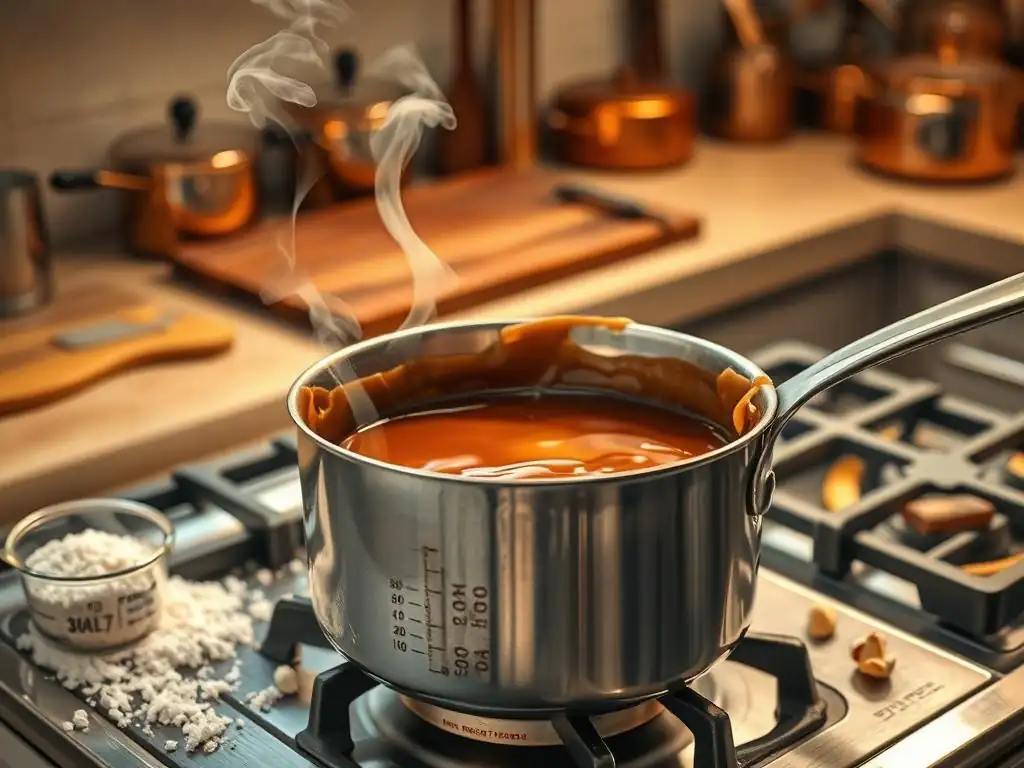
So, your batch of toffee won't harden properly. Now what? Before you toss it or try to fix it, take a moment to examine your sticky creation. Often, clues about what went wrong are right there in the candy itself.
Visual Inspection: What Does Your Toffee Look Like?
Take a good look at the cooled toffee.
- Is it uniformly soft and chewy throughout? This often points to not reaching a high enough temperature – likely somewhere in the soft ball or firm ball stage range (245-250°F or 250-265°F respectively).
- Is it greasy or separated, with pools of oil on the surface? This indicates butter separation during the cooking process.
- Is it pale in color, maybe just a light amber? This strongly suggests it didn't cook long enough or reach the necessary temperature for full caramelization and the hard crack stage. Toffee should typically be a rich, medium-to-dark amber color when poured.
- Does it seem to be slightly tacky or sticky even after hours of cooling in a dry place? High humidity might be the issue, or it didn't quite reach the very top of the hard crack stage (305-310°F).
The Taste Test: Is it Under-Caramelized?
Beyond texture, the taste can offer clues. Properly cooked toffee has a deep, rich, caramelized sugar flavor. If your toffee tastes primarily sweet with little of that complex caramel note, it was likely removed from the heat before the sugar had time to caramelize sufficiently. This goes hand-in-hand with not reaching the hard crack temperature.
A pale, sweet, yet chewy sample is a strong indicator that the temperature was too low, preventing both the necessary structural change (hardening) and the desired flavor development (caramelization). Tasting can confirm suspicions based on visual cues about whether the toffee won't harden properly due to undercooking.
Checking Your Ingredients: Are They Fresh and Accurate?
Sometimes the issue isn't just technique but the starting point. Review your recipe and how you measured.
- Did you use the exact measurements specified, particularly for sugar and butter? Using cups instead of weighing can lead to variations, especially with flour or powdered sugar, though less critical for granulated sugar and butter. However, even slight inaccuracies can impact candy making, where precision is paramount.
- Were your ingredients fresh? While less common as a primary cause for toffee not hardening, old ingredients can sometimes behave unexpectedly.
- Did you make any substitutions? Substituting ingredients not intended by the recipe developer can drastically alter the chemistry and prevent the toffee from setting correctly.
- Task List for Diagnosis:
- [ ] Observe the texture and appearance of the cooled toffee.
- [ ] Note the color of the toffee.
- [ ] Taste the toffee for flavor depth.
- [ ] Review the recipe and your measuring methods.
- [ ] Consider the humidity level on the day you cooked.
Solutions for Soft Toffee: How to Fix Toffee That Won't Harden
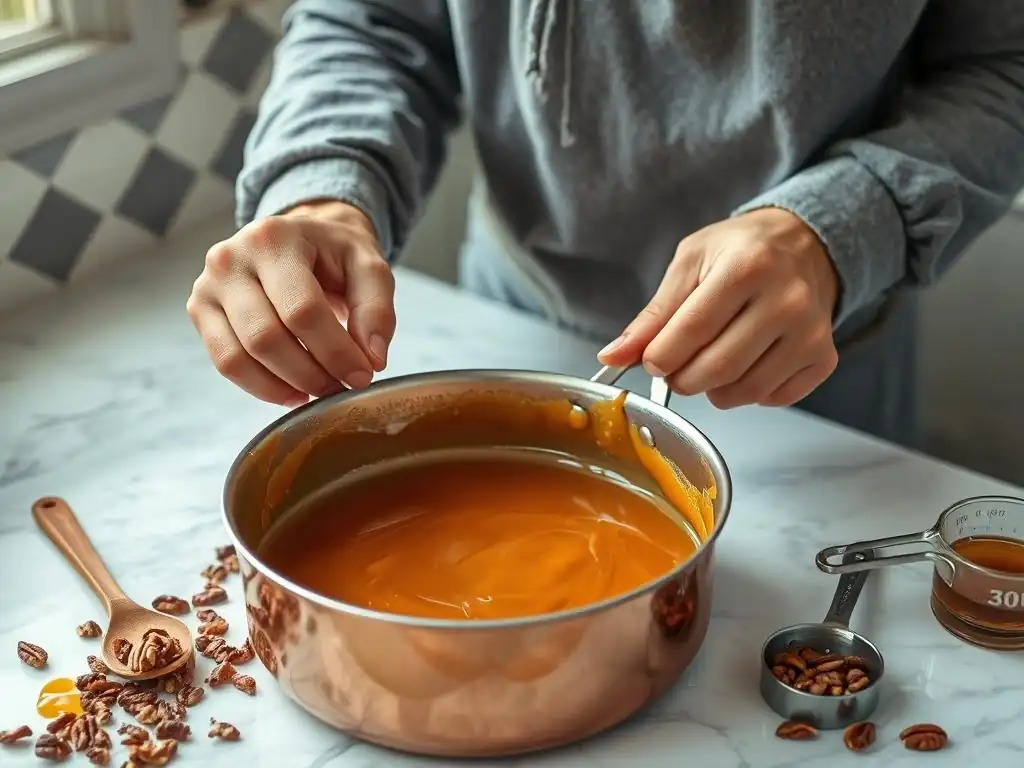
Okay, you've diagnosed the problem. Now, how do you rescue or prevent your toffee from being a sticky failure? There are several approaches, ranging from tweaking your method to salvaging the soft batch.
Adjusting Your Recipe: Tweaking the Ingredient Ratios
If you suspect the issue is a fundamental problem with the recipe's ratio, especially if it consistently results in soft toffee even when hitting the temperature, you might need to adjust. For example, if a recipe yields greasy, soft toffee, you might try slightly reducing the amount of butter in future batches while keeping the sugar the same.
Alternatively, if you used a recipe with added water or corn syrup and your toffee won't harden properly, ensure you are cooking it long enough to evaporate the liquid and reach the correct temperature. Some recipes include corn syrup to help prevent crystallization, but you still need to reach the hard crack stage for the brittle texture.
Refining Your Cooking Technique: Achieving the Perfect Caramelization
Even with the right ingredients and ratios, technique matters immensely. Consistent heating and careful stirring are key.
Slow and Steady Wins the Race: The Importance of Even Heating
Heating your sugar mixture too quickly can cause the sugar on the bottom or sides of the pan to burn before the rest of the mixture reaches the required temperature. This results in bitter, unevenly cooked toffee that might not set properly. Use medium heat and be patient.
Candy making is chemistry, and rushing the reactions can lead to unpredictable results. Low to medium heat allows the sugar to dissolve and heat evenly, preventing scorching and promoting proper caramelization.
Using a heavy-bottomed saucepan helps distribute heat more evenly, further reducing the risk of burning and promoting a consistent temperature rise throughout the mixture. This consistent heating is vital for ensuring all the sugar reaches the hard crack stage necessary for your toffee to harden properly.
Stirring Strategies: When and How to Stir for Optimal Results
Initial stirring is necessary to help the sugar dissolve in any liquid (like water or melted butter). However, once the mixture comes to a boil and the sugar is dissolved, many candy makers recommend stopping stirring or stirring only minimally. Excessive stirring can introduce air bubbles, which can affect texture, or worse, cause the sugar to crystallize prematurely, leading to grainy toffee instead of smooth, brittle toffee.
For butter-based toffees, gentle swirling or infrequent stirring might be needed to incorporate the butter as it melts and emulsify it with the sugar syrup. If you see signs of separation, gentle, continuous stirring might help bring it back together, but often prevention is easier than cure. Pay attention to the recipe's specific stirring instructions, but generally, avoid vigorous stirring once the boil is established.
Controlling Moisture: Baking on a Dry Day & Preventing Condensation
As mentioned earlier, humidity is the enemy of hard toffee. If possible, make toffee on a low-humidity day. If that's not an option, running a dehumidifier in your kitchen can help.
Also, be mindful of condensation. Avoid covering the saucepan while cooking (unless specifically instructed to steam clean sugar crystals off the sides, which is usually done before reaching high temperatures). After pouring, let the toffee cool in a dry, draft-free place. Avoid putting it in the refrigerator or freezer to speed cooling, as this can introduce condensation and make it sticky.
Salvaging Soft Toffee: Rescue Methods
If your batch of toffee won't harden properly, it's not always a lost cause! You might be able to rescue it or transform it into something equally delicious.
Re-cooking the Toffee: A Second Chance at Hardening
Carefully scrape the soft toffee back into a clean, heavy-bottomed saucepan. Add a tablespoon or two of fresh water (this helps dissolve the sugar crystals again and gives you more cooking time before it burns). Heat the mixture slowly over medium-low heat, stirring gently until it's completely melted and smooth.
Once melted, insert your candy thermometer. Increase the heat slightly and cook, stirring minimally, until the mixture reaches the hard crack stage (300-310°F / 149-154°C). Watch it very carefully, as re-cooked sugar can burn more easily. Once it reaches the temperature, immediately pour it onto your prepared baking sheet. Allow it to cool completely without disturbing it. This method often works if the original issue was simply undercooking.
Transforming Soft Toffee: Alternative Uses for Unset Toffee (e.g., Toffee Sauce)
If re-cooking feels too risky, or if the texture is just slightly off, you can repurpose that soft toffee.
- Toffee Sauce: Melt the soft toffee gently in a saucepan over low heat, adding a splash of cream or milk and maybe a pinch of salt. Stir until smooth. You've got instant toffee sauce perfect for ice cream, cakes, or dipping apples.
- Chewy Candy: If it's just slightly too soft for brittle, break it into pieces and enjoy it as a chewy toffee candy.
- Inclusions: Chop the soft toffee into small pieces and stir it into cookie dough, brownie batter, or use it as a topping for muffins before baking. The heat of the oven will soften it further, creating pockets of chewy toffee goodness.
Preventing Future Toffee Failures: Best Practices for Toffee Making
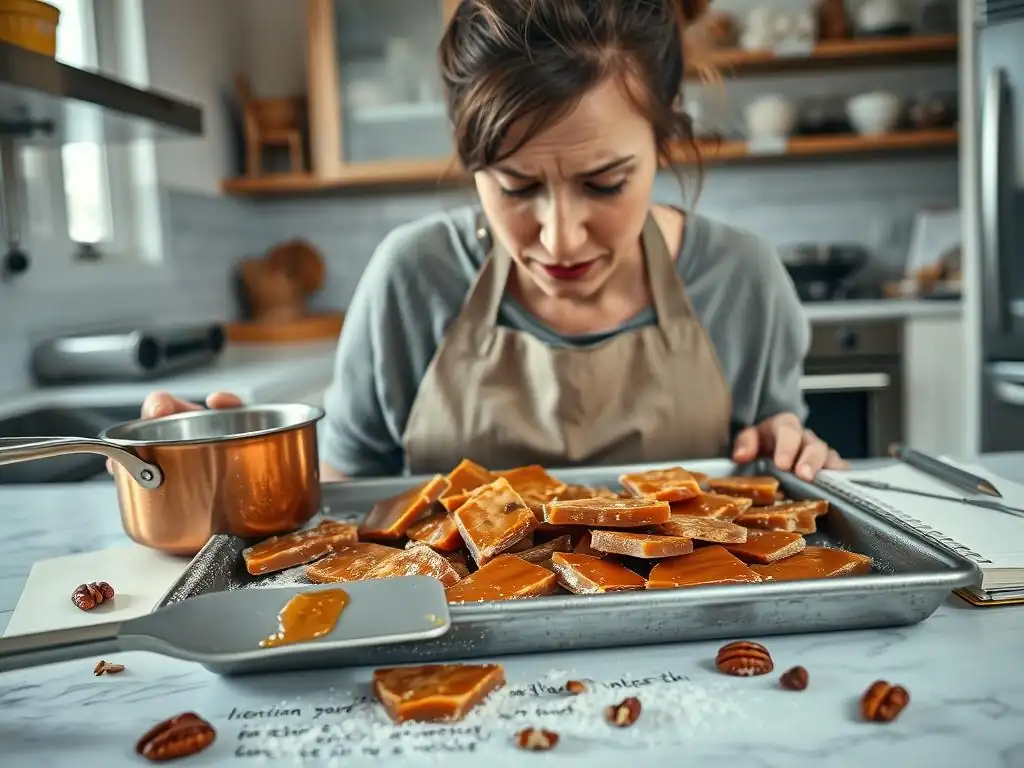
Learning why your toffee won't harden properly is valuable, but adopting solid techniques from the start is the best way to ensure success batch after batch.
Investing in a Reliable Candy Thermometer: Temperature Control is Crucial
This cannot be stressed enough. A cheap or uncalibrated thermometer is a recipe for failure in candy making. Invest in a good digital or glass candy thermometer and calibrate it regularly in boiling water. Knowing the precise temperature is the single most important factor in hitting the correct sugar stage. Without accurate temperature readings, you're essentially guessing, and guesswork rarely yields perfect toffee.
Using Fresh, High-Quality Ingredients: The Difference It Makes
While basic granulated sugar and butter are the main components, using fresh, good-quality ingredients can contribute to a better final product. Ensure your butter is fresh and hasn't absorbed any off-flavors. If using nuts or chocolate coatings, ensure they are also fresh. Starting with quality components lays the foundation for delicious toffee.
Accurate Measurements: Precision is Key in Toffee Making
Baking, especially candy making, is often described as a science. Unlike some cooking where a pinch more of this or that is fine, candy requires precision. Use proper measuring tools. For critical ingredients like sugar and butter, consider using a kitchen scale for the most accurate results, measuring by weight rather than volume cups. A difference of even half an ounce of butter can alter the final chemistry and contribute to why your toffee won't harden properly.
Understanding the Stages of Caramelization: Visual Cues to Watch For
While the thermometer is your primary guide, learning the visual cues of sugar stages is a valuable backup.
- Initially, the mixture is clear and bubbly.
- As water evaporates, it becomes thicker and the bubbles larger.
- Around the soft ball stage, the color might just begin to turn pale gold.
- As it approaches the hard crack stage, the color will deepen significantly, from a light amber to a rich, reddish-brown (like dark beer). This color change is the caramelization happening.
- Crucially: The toffee should reach the desired dark amber color before it hits 310°F. If it hits 310°F and is still pale, your thermometer might be off, or the heat was too high causing the temperature to rise too fast without proper caramelization.
Storing Toffee Properly: Keeping it Crisp and Delicious
Even perfectly made toffee can become sticky and lose its snap if not stored correctly. Once completely cooled and broken into pieces, store toffee in an airtight container at room temperature. Humidity is its enemy, so avoid leaving it exposed to the air. Adding a food-grade silica gel packet or even a small piece of parchment paper in the bottom of the container can help absorb any residual moisture and keep your toffee perfectly crisp. If your toffee won't harden properly after being stored, it's almost certainly a moisture issue, either from the air or condensation.
Frequently Asked Questions
What are the most common reasons why toffee won't harden properly?
The most common reasons are incorrect temperature, insufficient cooking time, or high humidity interfering with the sugar crystallization process.
How do I ensure my toffee reaches the correct temperature for hardening?
Use a candy thermometer and aim for the hard-crack stage (typically between 300-310°F or 149-154°C). Don't rely on visual cues alone.
Can humidity affect the hardening of toffee?
Yes, high humidity can prevent toffee from hardening correctly because the sugar absorbs moisture from the air, hindering the crystal formation needed for a firm texture.
What ingredients might cause toffee to fail to harden, even with proper cooking?
Using too much butter or not enough sugar relative to the butter can prevent proper hardening, as the fat interferes with the sugar's ability to crystallize effectively.
Is there a way to rescue toffee that hasn't hardened properly?
You can try re-cooking the toffee to a higher temperature, but be careful not to burn it. Adding a small amount of corn syrup can also help prevent crystallization issues in the future.
Final Reflection: The Sweet Science of Successful Toffee
The seemingly simple act of making toffee reveals a surprising depth of scientific principles, impacting not just the texture of our treats but also our understanding of chemistry and patience. A perfectly hard toffee, snapping cleanly with a satisfying crackle, is a testament to precision and attention to detail; a sticky, gummy mess highlights the importance of understanding the delicate balance of sugar, water, and heat. This seemingly small culinary challenge mirrors larger life lessons about careful execution and the acceptance of imperfections.
The journey of making toffee, much like life itself, is filled with unexpected twists and turns. The subtle shifts in temperature, the crucial timing of additions, all contribute to the final product. It's a process that demands both technical skill and a willingness to adapt. As the old adage goes, The only way to do great work is to love what you do.
This holds true whether you're crafting a batch of toffee or pursuing a larger life goal. The dedication and attention to detail required for either endeavor are remarkably similar.
Now, consider your own "toffee" – your personal projects, ambitions, or even relationships. What elements need careful attention? Where might you need to adjust your approach to achieve the desired "hardness" – the successful outcome you envision? Take this opportunity to reflect on your own processes, identify potential pitfalls, and adjust your approach accordingly. Don't be afraid to experiment, to learn from your mistakes, and to savor the sweet success of a job well done. The journey, with all its sticky moments, is just as important as the final result.
Unlock Your Toffee's Potential: Perfect Caramels Await!
Thanks for diving into the world of toffee-making with us! We hope you learned some valuable tips to avoid those frustratingly soft batches. Now it's time to put your new knowledge into practice.
- Master the art of toffee perfection: Try making a batch using your newly acquired troubleshooting skills. Experiment with different sugar types or thermometers to find what works best for you!
- Share your toffee triumphs (and tribulations!): Post a picture of your perfect (or almost perfect!) toffee on social media and tag us – we’d love to see your results!
- Explore our other candy recipes: Expand your confectionery repertoire with more delicious recipes from BakeWithEase.com.
So, what flavor of toffee will you create next?