
Flour Blends Explained: Creating Custom Mixes for Specific Bakes

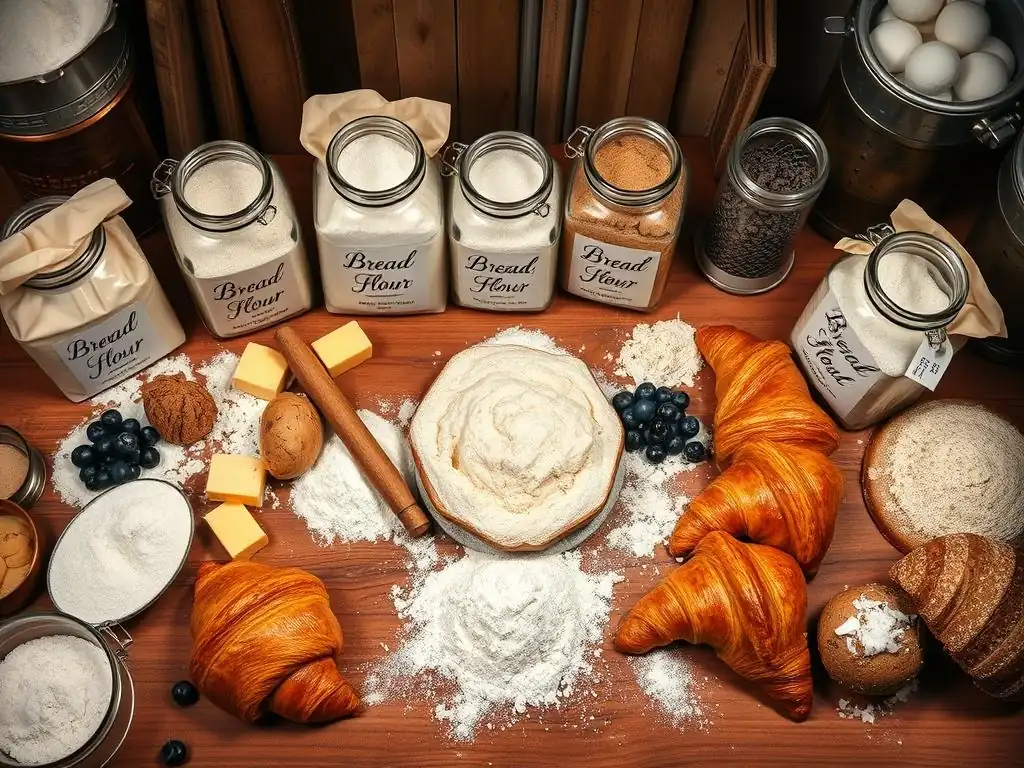
Welcome to BakeWithEase, your guide to unlocking the secrets of extraordinary baking! Ever wondered how professional bakers achieve that perfect texture and flavor? This week, we're diving deep into the world of best flour blend recipes, revealing how custom mixes can elevate your creations from good to absolutely unforgettable. Discover the power of blending and prepare to transform your baking forever! Intrigued? Keep reading to learn how to master the art of flour blending and achieve baking brilliance.
- Mastering Flour Blends: Crafting Custom Mixes for Specific Bakes
- Understanding Flour Blends: An Introduction
- The Building Blocks: Common Flour Types for Blends
- Best Flour Blend Recipes: Tailoring Mixes to Your Bake
- Creating Your Own Flour Blend Recipes: A Step-by-Step Guide
- Tips for Success with Flour Blends
- Troubleshooting Common Flour Blend Issues
- Advanced Flour Blending Techniques
- Conclusion: Elevate Your Baking Experience with Blending
-
Frequently Asked Questions
- What is a flour blend, and why should I use one?
- Can I substitute any flour in a blend with another type I have on hand?
- How do I determine the right ratio of flours in a blend for a specific recipe?
- What are some common flour blend combinations for different types of baked goods?
- Where can I find reliable recipes and resources for creating my own flour blends?
- Final Reflection: The Art and Science of Flour Blends
- Unleash Your Inner Baker: Craft Your Perfect Flour Blend!
Mastering Flour Blends: Crafting Custom Mixes for Specific Bakes
Understanding Flour Blends: An Introduction
Why Create Custom Flour Blends?
Creating custom flour blends is a rewarding practice for bakers seeking to optimize their results. It allows for precise control over the texture, structure, and flavor of baked goods in ways that a single flour type simply cannot provide. Instead of relying on a one-size-fits-all approach, tailoring your flour mix lets you match the flour's properties directly to the demands of the recipe, whether it's achieving a cloud-like cake crumb, a chewy loaf of bread, or a flaky pie crust. This level of customization is key to elevating your baking from good to exceptional.
Beyond optimizing texture, blending flours opens up a world of flavor possibilities and nutritional benefits. Combining different wheat types or incorporating alternative flours can introduce nutty, earthy, or sweet notes that enhance the overall taste profile. For instance, a touch of rye or spelt flour can add complexity to a standard wheat loaf. Furthermore, blending allows bakers to integrate whole grain or gluten-free flours while managing their unique absorption rates and structural challenges, making it easier to create delicious and nutritious baked goods that perform consistently.
The Benefits of Blending Different Flour Types
Blending different flour types offers significant advantages, primarily centered around manipulating gluten development and starch content. Soft wheat flours, like cake or pastry flour, are lower in protein (typically 6-9%) and thus produce less gluten, resulting in tender, delicate bakes.
Hard wheat flours, such as bread flour (12-14% protein) or high-gluten flour (14%+), are protein-rich and develop strong gluten networks essential for chewy breads with good rise. By blending, you can achieve a protein percentage that is precisely suited for a specific application, like creating a custom all-purpose flour substitute (which typically ranges from 10-12% protein) tailored to your needs.
Moreover, blending allows you to manage hydration and absorption. Different flours absorb liquids at varying rates; for example, whole wheat flour absorbs significantly more water than white all-purpose flour due to the presence of the bran and germ. When creating custom flour blends, understanding these absorption differences is crucial for achieving the correct dough or batter consistency. Experimenting with blends enables bakers to balance these properties, leading to more predictable results and the ability to replicate some of the best flour blend recipes found in professional kitchens or adapted for home use.
The Building Blocks: Common Flour Types for Blends
Soft Wheat Flours: A Foundation of Tenderness and Crumb
Soft wheat flours are the go-to choice when tenderness and a delicate crumb are the primary goals. These flours are milled from soft wheat varieties and are characterized by their low protein content, typically ranging from 6% to 9%. This lower protein level means less gluten development when mixed with liquid, resulting in baked goods that are light, tender, and crumbly rather than chewy or elastic. Cake flour, with its very low protein (around 6-8%) and often fine texture, is a prime example, perfect for airy cakes and delicate pastries.
Pastry flour is slightly higher in protein than cake flour (around 8-9%) but still falls firmly into the soft wheat category. It strikes a balance between tenderness and some minimal structure, making it ideal for flaky pie crusts, biscuits, scones, and certain cookies. When creating custom flour blends for these applications, starting with a base of soft wheat flour or using a significant proportion of it in a blend with all-purpose flour is essential to ensure the desired tender texture and fine crumb structure.
Hard Wheat Flours: Structure and Chewiness
Hard wheat flours are the backbone of baked goods requiring significant structure and chewiness, most notably breads. Milled from hard wheat varieties, these flours boast a higher protein content, typically ranging from 10% to 14% or even higher. This high protein level, particularly the gluten-forming proteins glutenin and gliadin, allows for the development of a strong, elastic gluten network when hydrated and kneaded. This network traps gases produced by leavening agents (like yeast), enabling dough to rise and creating the characteristic open crumb and chewy texture of artisan breads, bagels, and pizza crusts.
Bread flour is a common example of hard wheat flour, usually containing 12-14% protein. High-gluten flour can contain even more protein (14%+) and is used for items needing maximum chewiness and structure, like some types of bagels or rustic loaves. When developing flour blends for hearty breads or chewier baked goods, incorporating a substantial amount of hard wheat flour is non-negotiable. Blending it with other flours, like a portion of whole wheat or rye, can add flavor and nutrition while still maintaining the necessary structural integrity provided by the hard wheat base.
Alternative Flours: Adding Flavor, Texture, and Nutrition
Alternative flours encompass a wide range of options beyond standard wheat, offering unique flavors, textures, and nutritional profiles. These include flours milled from other grains like rye, spelt, oat, corn (cornmeal or masa harina), and rice, as well as flours from nuts (almond, hazelnut), seeds (sunflower, flax), legumes (chickpea, lentil), and tubers (tapioca, potato). Each alternative flour brings distinct properties to a blend; for example, rye flour imparts a tangy, earthy flavor and creates a dense crumb, while almond flour adds moisture, richness, and a slightly sweet, nutty taste.
Blending with alternative flours is a fantastic way to customize baked goods for specific dietary needs (like gluten-free baking, though this requires careful formulation) or simply to introduce new dimensions of flavor and texture. For instance, substituting 10-20% of the wheat flour in a cookie recipe with oat or almond flour can significantly alter the final texture and add pleasant background notes.
Developing best flour blend recipes often involves experimenting with these alternative flours to achieve desired characteristics that are impossible with wheat flour alone, such as the unique chew of a rye bread or the delicate crispness of a rice flour cookie.
Specialty Wheat Flours: Unique Characteristics for Specific Bakes
Specialty wheat flours, while still derived from wheat, possess unique characteristics due to specific wheat varieties, milling processes, or regional traditions. These flours are often tailored for very particular baking applications. Italian Tipo 00 flour, for example, is a finely ground wheat flour often used for pasta and pizza dough. While its protein content can vary (some are lower, around 10-11% for pasta, others higher, 12-13% for pizza), its extremely fine particle size results in a very smooth, elastic dough that handles beautifully and yields a tender crust or silky pasta.
Durum flour, milled from durum wheat, is another specialty flour known for its high protein and strong gluten. It's traditionally used for pasta due to its ability to hold shape when cooked and its rich, slightly nutty flavor.
Other specialty flours might include heritage wheat varieties like Einkorn or Kamut, which offer unique flavors and slightly different gluten structures compared to modern wheat. Incorporating these specialty flours into custom flour blends allows bakers to replicate traditional recipes authentically or to experiment with novel textures and flavors not achievable with standard flours, contributing to a broader range of best flour blend recipes.
Best Flour Blend Recipes: Tailoring Mixes to Your Bake
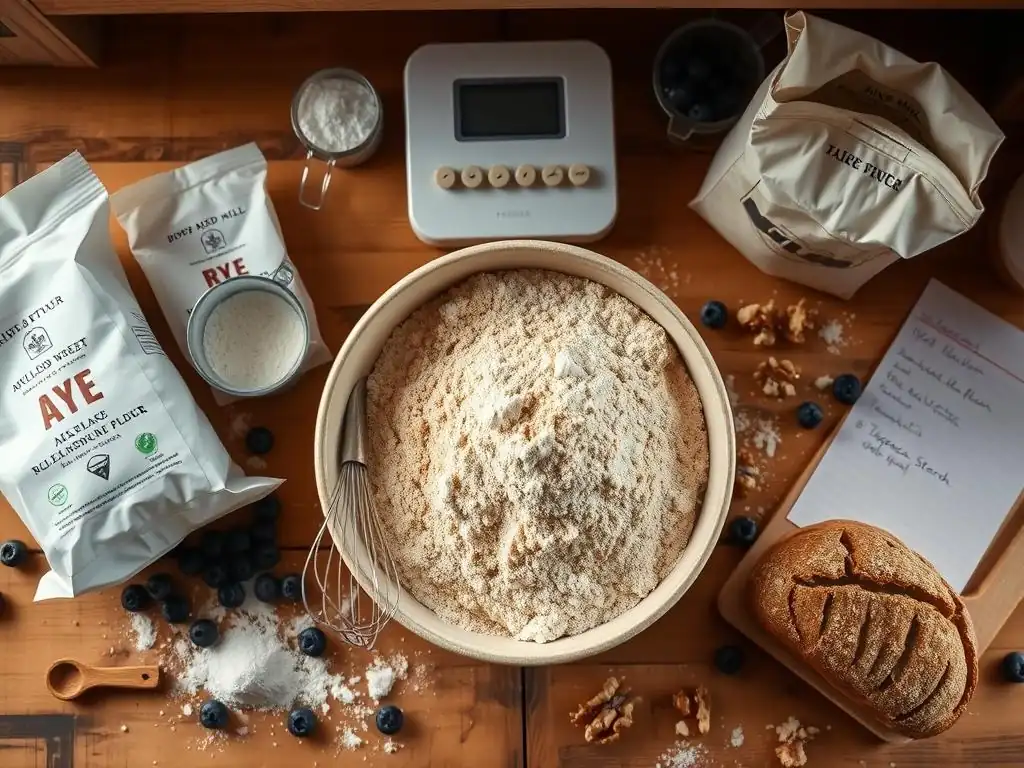
The Importance of Ratios in Flour Blends
The success of any flour blend recipe hinges significantly on the precise ratios of the different flours used. Each flour type contributes unique properties – protein content, starch composition, absorption rate, and flavor – and altering the proportion of even one component can dramatically change the outcome of a bake.
For instance, increasing the percentage of high-protein bread flour in a blend will lead to a chewier, more structured result, ideal for artisan bread, while increasing a low-protein soft wheat flour will yield a more tender, delicate crumb, perfect for cakes or pastries. Understanding how different flours interact and absorb liquid is paramount when formulating custom flour blends.
Consider a blend for whole wheat bread. A 100% whole wheat flour loaf can be dense and heavy due to the bran and germ interfering with gluten development and the high absorption requiring careful hydration. Blending 50% bread flour with 50% whole wheat flour creates a balance: the bread flour provides strong gluten structure for better rise and a lighter texture, while the whole wheat contributes flavor and nutrition.
The hydration level will also need adjustment compared to using either flour alone. Mastering these ratios through careful measurement (preferably by weight) and experimentation is key to unlocking the potential of best flour blend recipes.
Best Flour Blend Recipes for Cakes and Pastries
When aiming for tender cakes and flaky pastries, the goal is to minimize gluten development. The Best flour blend recipes for these applications prioritize flours low in protein.
Tender Cake Flour Blend
If you don't have cake flour on hand, you can create a serviceable substitute blend. A common ratio is to take 1 cup of all-purpose flour (which is typically around 10-12% protein), remove 2 tablespoons, and replace them with 2 tablespoons of cornstarch. This effectively lowers the overall protein percentage of the 'cup' to approximate that of true cake flour (closer to 8-9%) and adds starch, which further inhibits gluten formation and contributes to a finer, softer crumb. This blend works well for standard butter cakes, cupcakes, and some muffin recipes where a delicate texture is desired.
The cornstarch in this blend plays a crucial role beyond just lowering protein; it absorbs some liquid and helps create a tender structure that crumbles easily rather than stretching. While not identical to commercially milled cake flour, which is often chlorinated to alter starch properties for even better results, this DIY blend is a widely used and effective trick for achieving a more tender cake crumb than using straight all-purpose flour. For optimal results, ensure the cornstarch is thoroughly whisked or sifted into the flour to ensure even distribution.
Flaky Pastry Flour Blend
For flaky pastries like pie crusts, biscuits, or scones, a blend that provides some structure but prevents toughness is needed. While commercial pastry flour (around 8-9% protein) is ideal, you can create a blend using all-purpose flour. Since AP flour protein varies, knowing your flour helps, but a general approach is to use a flour on the lower end of the AP protein range (closer to 10%). Some bakers prefer a blend of AP and cake flour, perhaps a 50/50 mix, to achieve a protein level similar to pastry flour.
This blend aims for enough gluten to hold the structure when butter is layered and creates steam (the key to flakiness), but not so much that the dough becomes elastic and tough. The fat incorporation method (cutting in cold butter) is also critical for flakiness regardless of the blend. Using a blend that mimics pastry flour's protein content helps ensure tenderness while allowing for sufficient gluten development to handle rolling and shaping without excessive shrinkage or toughness, contributing to some of the best flour blend recipes for flaky goods.
Best Flour Blend Recipes for Breads
Achieving the perfect loaf requires flour blends that promote strong gluten development and good structure. Best flour blend recipes for bread often involve hard wheat flours.
Hearty Whole Wheat Bread Blend
A popular blend for a flavorful and nutritious loaf is combining white bread flour with whole wheat flour. A common ratio is 70% bread flour to 30% whole wheat flour by weight. Bread flour provides the necessary high protein (around 12-14%) for a robust gluten network, ensuring good oven spring and a relatively open crumb. The whole wheat flour adds distinctive nutty flavor, color, and fiber, but its bran particles can interfere with gluten development, potentially leading to a denser loaf if used alone or in too high a proportion without adjustments.
This blend allows bakers to incorporate the benefits of whole wheat while mitigating its drawbacks on texture. The hydration for this blend will typically be higher than for 100% white bread flour due to whole wheat's greater absorption. Experimenting with ratios (e.g., increasing whole wheat to 40% or 50%) requires careful handling and often higher hydration. The result is a loaf with appealing flavor, improved nutrition, and a satisfying, slightly denser but still airy crumb compared to a pure whole wheat loaf.
Classic Artisan Bread Blend
For classic artisan loaves like baguettes, pain de campagne, or focaccia, a blend focused on developing a strong, extensible gluten network for an open, irregular crumb is key. While some use pure bread flour, many best flour blend recipes incorporate a small percentage of other flours for flavor complexity. A blend of 90% high-quality bread flour (12.5-14% protein) and 10% rye flour or whole wheat flour is common.
The high percentage of bread flour ensures maximum gluten potential, crucial for long fermentation and achieving large, irregular holes in the crumb structure. The small addition of rye or whole wheat (often called the "flavor flour") adds subtle earthy or tangy notes without significantly hindering gluten development or requiring drastic hydration changes. This type of blend is versatile and forms the basis for many popular artisan bread styles, allowing for a chewy crust and an airy, flavorful interior with proper technique.
Cookies and biscuits benefit from blends that balance tenderness, spread, and structure depending on the desired outcome. Best flour blend recipes here cater to specific cookie styles.
Chewy Cookie Blend
For cookies that are chewy in the center with slightly crisp edges, a blend that provides moderate gluten development and good structure is desired. All-purpose flour is often the base (10-12% protein), but some bakers like to incorporate a small percentage of bread flour (around 5-10% of the total flour weight) to increase chewiness. The higher protein in the bread flour contributes to a stronger gluten network, which resists spreading slightly and creates that desirable chewy texture.
Another technique involves incorporating malted barley flour (often found in commercial bread flours or available separately) into an all-purpose base. Malted flour contains enzymes that break down starches into sugars, promoting better browning and contributing to a slightly softer, chewier texture over time. Using about 1-2% malted barley flour in an AP blend can enhance chewiness and browning in chocolate chip cookies and similar styles, making it part of some best flour blend recipes for this purpose.
Tender Biscuit Blend
Tender, flaky biscuits rely on low gluten development and the layering of fat. While commercial pastry flour is ideal, a blend using all-purpose flour can work well, especially if the AP flour is on the lower end of the protein spectrum (closer to 10%). Some recipes specifically call for a blend of AP and cake flour, perhaps a 50/50 mix by weight, to lower the overall protein content to mimic pastry flour.
This blend ensures that when the cold fat (butter or shortening) is cut into the flour, minimal gluten strands are formed. During baking, the melting fat creates steam pockets, and the low-gluten structure allows these pockets to separate the layers of dough, resulting in a flaky texture. The tenderness comes from the low protein content preventing a tough, elastic crumb. Using a blend specifically formulated for tenderness is crucial for achieving those classic, melt-in-your-mouth biscuits.
Creating Your Own Flour Blend Recipes: A Step-by-Step Guide
Determining Your Bake Goals: Texture, Structure, and Flavor
Before you start mixing flours, clearly define what you want your final baked good to be like. Are you aiming for an open, airy crumb with a chewy crust (like a sourdough loaf)? Or do you want a delicate, moist cake with a fine, tender crumb? Perhaps a rustic loaf with earthy flavor notes, or a cookie that spreads just right and is perfectly chewy? Identifying your desired texture (tender, chewy, flaky, dense), structure (open vs. closed crumb, height), and flavor profile is the crucial first step in formulating effective flour blend recipes.
Consider the role flour plays in the specific bake. For bread, structure and rise are paramount, demanding flours high in gluten-forming proteins. For cakes, limiting gluten and promoting tenderness is key, requiring low-protein flours or starch additions. For cookies, the balance of spread, chewiness, and crispness is influenced by protein and starch interactions, often requiring specific flour types or ratios. Having a clear vision of the end product helps you select the appropriate base flours and determine what other flours might be needed to achieve those specific characteristics.
Experimenting with Different Flour Combinations
Once you have your goals defined, it's time to experiment. Start simple by blending two flours – for instance, all-purpose and whole wheat for bread, or all-purpose and cake flour for biscuits. Begin with small batches and manageable ratios, like a 75/25 or 50/50 split by weight.
As you become more comfortable, you can introduce a third flour or adjust ratios in smaller increments (e.g., 5% changes). Keep all other variables in your recipe constant – use the same hydration percentage, mixing method, fermentation time (for yeast bakes), and baking temperature/time. This allows you to isolate the impact of the flour blend itself.
Pay close attention to how the dough or batter feels and behaves. Does it absorb liquid as expected? Is the gluten developing properly (for bread)? Does the batter have the right consistency? After baking, evaluate the results against your initial goals. Note the crumb structure, texture (chewiness, tenderness, flakiness), rise, and flavor. Don't be discouraged by initial failures; experimentation is iterative. Each test batch, successful or not, provides valuable data for refining your best flour blend recipes.
Recording Your Flour Blend Recipes: Essential for Consistency
To successfully recreate or further refine your custom flour blends, meticulous record-keeping is absolutely essential. For each experiment, document the precise type and brand of each flour used, the exact weight (not volume) of each flour in the blend, and the total weight of the blend. Note the hydration level (water weight relative to flour weight) and any other ingredients.
Beyond the blend itself, record the process details: mixing time and method, fermentation schedule (for yeast doughs), shaping technique, and baking temperature and duration. Finally, include detailed observations about the outcome – the dough's feel, the baked good's rise, crumb structure, texture, flavor, and any issues encountered (e.g., dense, gummy, dry, tough). This comprehensive record allows you to reproduce successful blends accurately and provides a roadmap for troubleshooting and adjusting ratios in future tests, helping you build a repertoire of best flour blend recipes tailored to your preferences.
Tips for Success with Flour Blends
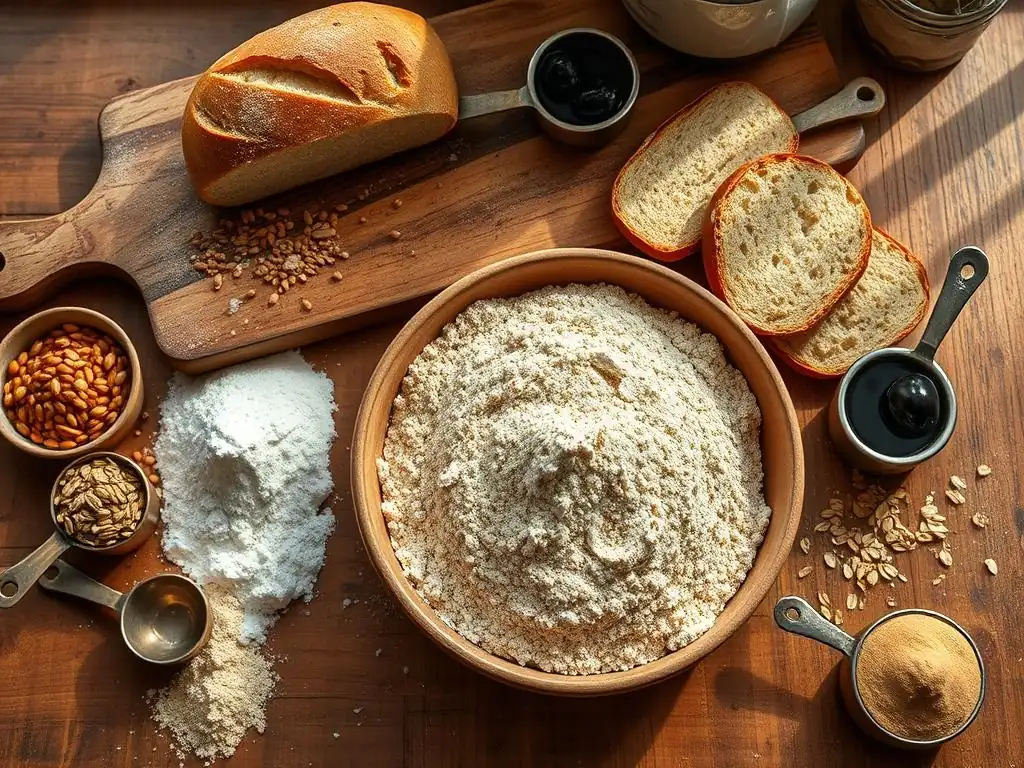
Properly Storing Your Flour
Proper storage is crucial for maintaining the quality and performance of your flour blends and the individual flours they comprise. Flour, especially whole grain or alternative flours containing oils (like almond or oat flour), can go rancid or absorb odors if not stored correctly. The best approach is to store flour in airtight containers, such as food-grade plastic bins or glass jars, to protect it from moisture, pests, and off-odors.
Keep your flour in a cool, dark place. A pantry shelf is suitable for all-purpose or bread flour for several months (typically up to a year), but whole wheat, rye, and alternative flours have a shorter shelf life due to their oil content (around 3-6 months at room temperature). For longer storage of these more perishable flours or large quantities, the refrigerator or freezer is recommended; just be sure to bring the flour back to room temperature before using it in a recipe to ensure proper hydration.
Understanding Flour Protein and Grind Size and Their Impact
Two critical factors influencing how a flour blend will perform are the protein content and the grind size of the individual flours. Protein content is directly related to gluten potential: higher protein flours (like bread flour, 12-14% protein) form strong gluten networks for structure and chewiness, while lower protein flours (like cake flour, 6-8% protein) result in tender bakes. Understanding the protein percentage of the flours you're blending is fundamental to predicting the outcome.
Grind size also matters. Finely ground flours (like Tipo 00) absorb liquids differently and can create smoother doughs compared to coarser grinds (like some whole wheat or cornmeal). The presence of bran and germ in whole grain flours (coarser particles) physically interferes with gluten development, which is why 100% whole wheat bread can be dense. When creating best flour blend recipes, consider how the protein levels and particle sizes of your chosen flours will interact to achieve the desired texture and structure.
Considering Hydration and Mixing for Different Flour Blends
Different flours absorb different amounts of water, and this is a key consideration when working with blends. Whole grain flours, for example, require significantly more hydration than white flours because the bran and germ absorb a large volume of water. A blend containing a percentage of whole wheat will need more liquid than a blend of pure white flours. Start with a baseline hydration from a similar recipe and be prepared to adjust by adding small amounts of liquid until the desired dough or batter consistency is reached.
Mixing technique is also crucial and depends on the blend's purpose. For high-gluten bread blends, sufficient kneading (by hand or mixer) is necessary to develop a strong gluten network. For low-gluten cake or pastry blends, minimal mixing is required once the wet and dry ingredients are combined to prevent toughness. Understanding the hydration needs and optimal mixing for your specific flour blend is vital for achieving the intended texture and structure in your baked goods.
Troubleshooting Common Flour Blend Issues
Dense or Heavy Bakes
A dense or heavy result, particularly in cakes, muffins, or quick breads, often indicates excessive gluten development for that specific type of bake or insufficient leavening for the blend used. If you're aiming for tenderness, your flour blend might have too high a proportion of high-protein flour. For instance, using a standard all-purpose flour (10-12% protein) straight in a delicate cake recipe might result in a tougher crumb than intended.
Alternatively, dense results can stem from over-mixing a low-gluten batter, which develops even the small amount of available gluten too much. In yeast breads, density can mean insufficient fermentation time for the blend to develop structure and trap gases, or not enough hydration for the flours used. Review your flour blend ratios, mixing technique, and leavening agent's freshness when troubleshooting dense bakes to refine your best flour blend recipes.
Flat or Poorly Risen Bakes
Flat or poorly risen baked goods, especially yeast breads, often point to issues with gluten development or leavening activity relative to the flour blend. If your blend includes a high percentage of non-wheat or whole grain flours, the gluten structure might not be strong enough to support the rise without adjustments like adding vital wheat gluten or using specific techniques.
Expired yeast or baking powder/soda is a common culprit, regardless of the flour blend. In yeast doughs, insufficient kneading can prevent the gluten network from forming properly, leading to a weak structure that collapses rather than rises. For quick breads or cakes made with blends, incorrect hydration – too much or too little liquid for the blend's absorption rate – can also negatively impact rise. Evaluate your blend's protein content and absorption, check your leavening agents, and assess your mixing process.
Crumbly or Dry Bakes
Crumbly or dry textures can occur when a flour blend requires more hydration than provided or when fat ratios are off for the specific blend's absorption. Flours absorb liquid differently; whole wheat absorbs more than white flour, and some alternative flours like coconut flour are extremely absorbent. If your blend includes these flours, you may need to significantly increase the liquid compared to a recipe designed for white all-purpose flour.
Over-baking is another frequent cause of dryness, regardless of the flour blend. However, some blends, particularly those high in whole grains or certain alternative flours, can dry out faster. Using too much low-protein flour in a recipe requiring some structure can also lead to excessive crumbling. Adjusting hydration, considering the fat content, and monitoring baking time are key steps in preventing dry or crumbly results when working with custom flour blend recipes.
Advanced Flour Blending Techniques
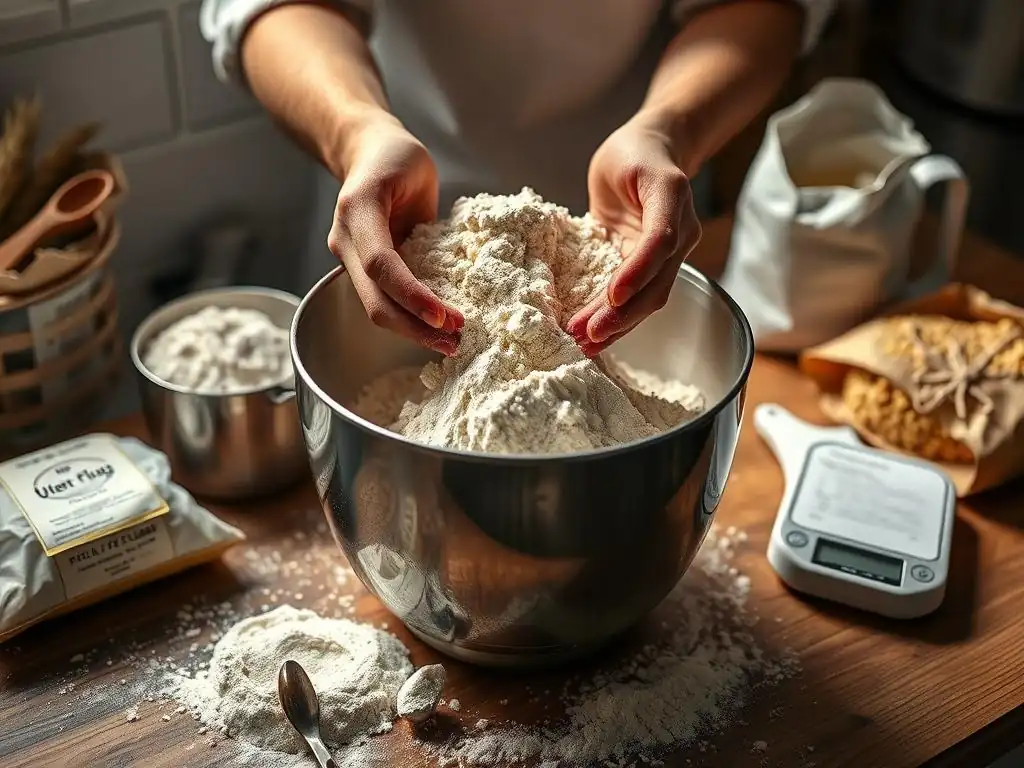
Blending by Weight vs. Volume
For precision and consistency in creating the best flour blend recipes, blending by weight is vastly superior to blending by volume. Flours vary significantly in density; a cup of cake flour weighs less than a cup of all-purpose flour, which in turn weighs less than a cup of whole wheat flour. Measuring by volume can lead to inconsistent ratios depending on how compacted the flour is in the cup.
Weighing flours ensures the ratio is accurate every time. For example, a blend of 70% bread flour and 30% whole wheat flour means that for every 100 grams of total flour, 70 grams are bread flour and 30 grams are whole wheat. This eliminates guesswork and ensures replicable results, which is essential when you're experimenting with small percentage changes or trying to master a specific blend for a complex bake.
Sifting and Aerating Flour Blends
Sifting a flour blend is a simple technique that can significantly improve the texture of delicate baked goods like cakes or pastries. Sifting removes any lumps, ensuring the flours and any added components (like cornstarch in a cake flour blend) are evenly distributed. This uniform mixture contributes to a more consistent texture throughout the final product.
Beyond removing lumps, sifting aerates the flour, incorporating air which helps lighten the blend. While less critical for dense breads, sifting is particularly beneficial for tender bakes where a fine, even crumb is desired. It can also help some flours absorb liquids more evenly. Incorporating sifting into your process for specific flour blend recipes can be a subtle but effective way to enhance the final outcome.
Incorporating Ancient Grains or Specialty Flours
Adding ancient grains or specialty flours to your blends is an advanced technique that introduces unique flavors, textures, and nutritional complexity. Flours like Einkorn, Emmer, Spelt, Kamut, Teff, or regional heritage wheat varieties offer distinct characteristics compared to modern wheat. Einkorn, for instance, has a simpler gluten structure and a slightly sweet flavor, while rye contributes earthiness and tang.
Incorporating these flours requires understanding their specific properties, such as absorption rates and gluten development. Often, they are blended with modern bread or all-purpose flour to provide structural support, as their gluten can be weaker or behave differently. Experimenting with small percentages (e.g., 5-20%) of these unique flours in your best flour blend recipes can lead to highly distinctive and flavorful baked goods that stand out.
Conclusion: Elevate Your Baking Experience with Blending
Mastering flour blends is a skill that truly elevates your baking. By understanding the unique properties of different flour types – from the tenderness provided by soft wheat to the structure of hard wheat and the distinct characteristics of alternative and specialty flours – you gain the power to customize your ingredients precisely for the bake at hand. Moving beyond a single flour type opens up a world of textural possibilities, allowing you to achieve the perfect crumb, chew, or flakiness you desire.
Creating your own best flour blend recipes involves setting clear goals, experimenting thoughtfully with ratios, and meticulously recording your results. It's an iterative process of learning how different flours interact and absorb liquid. By paying attention to storage, understanding the impact of protein and grind size, and adjusting hydration and mixing techniques, you can troubleshoot common issues and consistently produce superior baked goods. Incorporating advanced techniques like weighing precisely, sifting, and exploring ancient grains further expands your creative potential. Embrace the art of blending, and watch your baking reach new heights.
Frequently Asked Questions
What is a flour blend, and why should I use one?
A flour blend is a combination of different flours to achieve specific baking results. You should use one to customize the texture, flavor, and structure of your baked goods, going beyond what a single flour can offer.
Can I substitute any flour in a blend with another type I have on hand?
While some substitutions are possible, it's crucial to understand the properties of each flour. Substituting indiscriminately can drastically alter the final product, affecting its texture and rise.
How do I determine the right ratio of flours in a blend for a specific recipe?
Start by researching recipes that already use blends similar to what you want to achieve. Consider the gluten content and protein levels of each flour to determine the appropriate ratios.
What are some common flour blend combinations for different types of baked goods?
For cakes, try a blend of cake flour and all-purpose flour for a tender crumb. For breads, a mix of bread flour and whole wheat flour adds flavor and structure.
Where can I find reliable recipes and resources for creating my own flour blends?
BakeWithEase.com is your go-to resource! We offer simple recipes, techniques, and tips for bakers of all levels, including detailed guides on creating and using custom flour blends.
Final Reflection: The Art and Science of Flour Blends
The pursuit of the perfect loaf, cake, or pastry often hinges on the seemingly simple ingredient: flour. Understanding the nuances of different flour types and mastering the art of blending them unlocks a world of baking possibilities, directly impacting the texture, flavor, and overall success of your creations. This knowledge isn't just for professional bakers; it's a key to elevating your home baking to a new level.
The exploration of flour blends has profoundly impacted my own baking journey, shifting my perspective from simply following recipes to understanding the fundamental principles behind them. I've learned to appreciate the subtle interplay of protein content, starch characteristics, and the resulting impact on gluten development. This journey of experimentation has been incredibly rewarding, leading to consistent improvements in my baking. The best flour is the one that works best for your recipe and your desired outcome.
- This simple truth underscores the power of understanding flour blends.
Now, it's your turn. Don't be afraid to experiment! Start by understanding the properties of different flours – the strength of bread flour, the tenderness of cake flour, the nuttiness of whole wheat. Then, begin to craft your own custom blends, tailoring them to the specific needs of your recipe. The journey of discovery is as rewarding as the delicious results. Embrace the science, appreciate the art, and unlock the potential of flour blends to transform your baking.
Unleash Your Inner Baker: Craft Your Perfect Flour Blend!
Thanks for taking the time to explore the world of custom flour blends! You've now unlocked the secret to creating truly exceptional baked goods. Ready to put your new knowledge into practice?
- Experiment with your first custom blend! Start with a simple substitution, following the ratios we explored, and see the difference it makes in your next loaf or cake. Note the results for future reference.
- Share your baking triumph (or even your flour-powered failures!) We’d love to hear about your experiences and learn from your discoveries. Let's build a community of flour-blend enthusiasts!
- Consider exploring alternative grains and flours to expand your baking horizons. What unique flavour profiles can you create?
What unexpected ingredient are you most excited to add to your next flour blend?