
Baking with Different Cacao Percentages: What Changes?

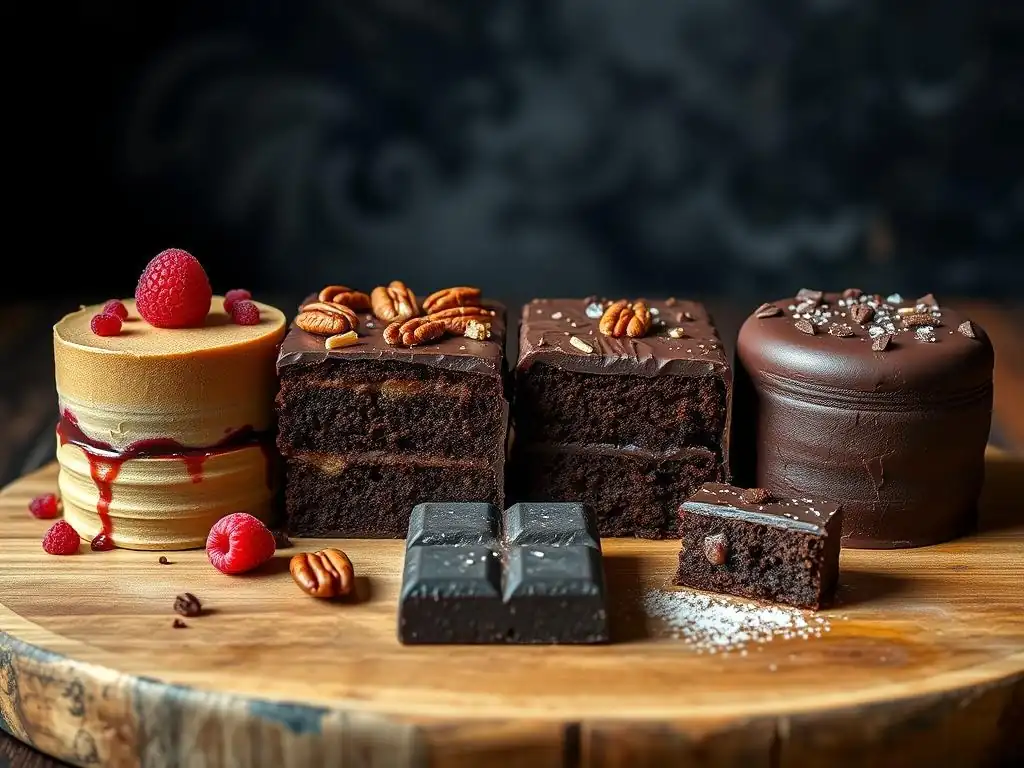
Welcome to BakeWithEase, your secret ingredient to baking brilliance! Ever wondered how a simple shift in cacao percentage can dramatically alter your baked creations? This week, we're diving deep into the fascinating world of cacao percentage baking differences, revealing how to unlock richer flavors and perfect textures in your favorite recipes. Prepare to transform your baking game – the secrets await!
- Understanding Cacao Percentages in Baking: An Introduction
- How Cacao Percentage Affects Flavor in Baked Goods
- Texture Variations: Cacao Percentage and Baking Results
- Recipe Adjustments for Different Cacao Percentages
- Cacao Percentage and Leavening: What You Need to Know
- Best Uses for Different Cacao Percentages in Baking
- Troubleshooting Baking Issues Related to Cacao Percentage
- Examples of Recipes Using Different Cacao Percentages
-
Exploring Different Types of Chocolate Based on Cacao Percentage
- Unsweetened Chocolate (100% Cacao): Characteristics and Uses
- Bittersweet Chocolate (70-85% Cacao): Flavor Profile and Applications
- Semisweet Chocolate (60-70% Cacao): A Versatile Baking Choice
- Milk Chocolate (10-40% Cacao): Sweet and Creamy Options
- White Chocolate (0% Cacao): Technically Not Chocolate, But Relevant in Baking
- Cacao Percentage and Meltability: Considerations for Chocolate Work
- Advanced Baking Techniques and Cacao Percentage
- Conclusion: Mastering Baking with Different Cacao Strengths
-
Frequently Asked Questions
- What exactly is cacao percentage in chocolate, and why does it matter for baking?
- How does using a 70% cacao chocolate differ from using a 50% cacao chocolate in a brownie recipe?
- If a recipe calls for unsweetened chocolate (100% cacao), but I only have 70% cacao, what adjustments should I make?
- Does the cacao percentage affect the texture of baked goods, and if so, how?
- Is it generally better to use a higher or lower cacao percentage for specific types of baked goods?
- Final Reflection: Unlocking the Secrets of Cacao Percentage
- Unlock Your Chocolate Baking Potential!
Understanding Cacao Percentages in Baking: An Introduction
When you're choosing chocolate for your baking projects, you've likely noticed a number on the packaging – this is the cacao percentage. It tells you the proportion of the chocolate bar that comes from the cacao bean itself, including both cacao solids (the dark, flavorful part) and cacao butter (the fat). This number is a crucial indicator of the chocolate's potential flavor profile, texture, and even how it behaves during baking. Understanding these percentages is key to predicting the outcome of your recipes and mastering the art of chocolate baking.
The cacao percentage is a fundamental concept when exploring cacao percentage baking differences. A higher percentage generally means more intense chocolate flavor and less added sugar or milk. For instance, a chocolate labeled 70% cacao contains 70% material derived from the cacao bean, with the remaining 30% typically being sugar, vanilla, and lecithin (an emulsifier). This contrasts sharply with milk chocolate, which might have as little as 10-40% cacao content, with the rest being sugar, milk solids, and other ingredients. Recognizing these distinctions is the first step in selecting the right chocolate for your desired results.
How Cacao Percentage Affects Flavor in Baked Goods
The most immediate effect of varying cacao percentages in baking is on the flavor intensity. A higher percentage chocolate will deliver a bolder, more complex, and often more bitter taste, while a lower percentage will result in a sweeter, milder, and creamier chocolate flavor. This is one of the primary cacao percentage baking differences you'll notice. The nuances within the cacao itself – influenced by bean origin, roasting, and processing – also contribute, but the overall percentage sets the stage for the dominant flavor profile.
The Impact of Cacao Percentage on Chocolate Intensity
The higher the cacao percentage, the more concentrated the flavor compounds from the cacao bean are. Chocolate with 70% cacao, for example, will have a significantly more pronounced chocolate taste than one with 50% cacao when used in the same quantity in a recipe. This intensity can range from deep, earthy notes to fruity or floral undertones, depending on the specific chocolate.
When baking a rich chocolate cake or a decadent ganache, opting for a higher percentage like 70-85% will yield a dramatically different, and often more sophisticated, flavor than using a standard 50% semisweet. For instance, a brownie recipe calling for 4 ounces of 60% chocolate will taste less intensely chocolatey than the same recipe using 4 ounces of 80% chocolate, highlighting a key cacao percentage baking difference.
This difference in intensity requires careful consideration. If a recipe was developed using a 50% semisweet chocolate and you substitute an 80% dark chocolate one-for-one, the resulting baked good will likely be much more bitter and less sweet than intended.
Conversely, substituting a lower percentage chocolate into a recipe designed for high-cacao can lead to an overly sweet and less distinctly chocolatey result. Professional bakers often keep several types of chocolate on hand to precisely control the flavor intensity, understanding that a 70% chocolate provides a strong backbone for a dessert, while a 55% might offer a sweeter, more approachable flavor.
Balancing Bitterness and Sweetness in Your Recipes
Cacao solids naturally contain bitter compounds. As the cacao percentage increases, so does the proportion of these bitter elements relative to sugar. This is a critical factor in cacao percentage baking differences. A 70% cacao chocolate typically contains around 30% sugar, while a 50% cacao chocolate contains roughly 50% sugar. This significant difference in sugar content means that simply swapping chocolates requires adjusting other ingredients to maintain balance.
When using high-cacao chocolate (70% or above), you might need to increase the amount of sugar in your recipe to counteract the inherent bitterness and achieve the desired sweetness level. For example, if a standard chocolate cookie recipe uses 6 ounces of 60% chocolate and calls for 1 cup of sugar, swapping to 6 ounces of 85% chocolate might necessitate adding an extra 1/4 to 1/2 cup of sugar, depending on taste preference and the other ingredients.
Conversely, using a lower percentage chocolate (like milk chocolate, 10-40%) will introduce substantially more sugar and milk solids, potentially requiring a reduction in added sugar and sometimes even other liquids or fats to maintain structure and flavor balance.
A classic chocolate chip cookie recipe often relies on the sweetness of semisweet chips (around 50-60% cacao) for balance; using 70% dark chocolate chips would drastically change the flavor profile towards less sweet and more intense.
Texture Variations: Cacao Percentage and Baking Results
Beyond flavor, cacao percentage has a significant impact on the texture of your baked goods. This is another vital aspect of understanding cacao percentage baking differences. The ratio of cacao solids to cacao butter, and the overall fat content, plays a crucial role in how chocolate melts, how it incorporates into batters and doughs, and the final mouthfeel of the finished product.
Fat Content and Its Role in Baking Texture
Chocolate's fat content is largely determined by the amount of cacao butter present, which is a component of the overall cacao percentage. Generally, higher cacao percentage chocolates (like 70% or 80%) tend to have a higher proportion of cacao butter compared to lower percentage chocolates (excluding specialized baking chocolates). This higher fat content contributes to a smoother melt, a richer mouthfeel, and can make baked goods more tender and moist. For instance, a dense chocolate cake made with 70% chocolate might have a silkier crumb than one made with 50% chocolate, assuming all other ingredients are equal.
However, it's not just the total fat; the type of fat matters. Cacao butter is a solid fat at room temperature but melts cleanly just below body temperature, contributing to that desirable melt-in-your-mouth sensation. When baking, this fat interacts with flour and other ingredients, affecting gluten development and moisture distribution.
Using a higher fat chocolate can sometimes require slight adjustments to flour or liquid to prevent the final product from being too delicate or greasy. For example, if a recipe calls for 4 ounces of 60% chocolate (which might have ~35% fat) and you use 4 ounces of 80% chocolate (which could have ~45% fat), the higher fat content in the 80% chocolate could lead to a slightly softer or more tender crumb in a cookie or brownie, requiring careful handling.
Cacao Solids and Their Influence on Moisture
While cacao butter adds fat, the cacao solids themselves are relatively dry and absorbent. As the cacao percentage increases, so does the proportion of these dry solids relative to sugar and other moist ingredients. This is a key factor in cacao percentage baking differences related to texture. High-cacao chocolates (say, 85% cacao) have a much larger proportion of dry cacao solids than milk chocolate (say, 30% cacao).
When melted and incorporated into a batter, these dry cacao solids can absorb moisture. If a recipe is designed for a lower percentage chocolate and you substitute a high-cacao variety without adjusting liquids, the final product can turn out dry, crumbly, or even tough.
For example, a chocolate muffin recipe using 50% chocolate might need an extra tablespoon or two of liquid (like milk or coffee) if you switch to 75% chocolate to compensate for the increased dry solids and prevent a dry texture. This absorption also affects how batters behave – a batter with high-cacao chocolate might seem thicker than one with lower-cacao chocolate, even if the total weight of chocolate is the same.
Recipe Adjustments for Different Cacao Percentages
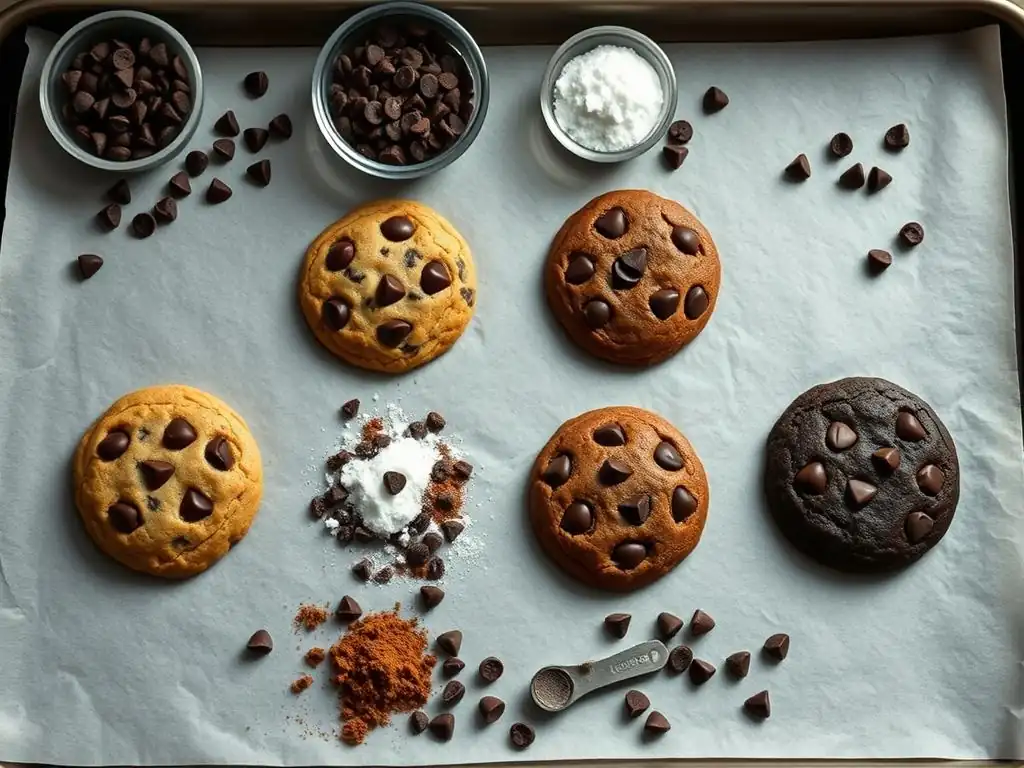
Understanding cacao percentage baking differences means knowing how to tweak your recipes. Simply swapping one chocolate for another without considering its percentage can lead to unexpected and often disappointing results in terms of flavor, texture, and even structure. Making smart adjustments to other ingredients is crucial for successful baking.
Adapting Sugar Levels Based on Cacao Content
As discussed earlier, higher cacao percentage means less sugar in the chocolate itself. Therefore, when using chocolate with a higher cacao content than specified in a recipe, you will almost certainly need to increase the amount of added sugar. This adjustment helps balance the bitterness and ensures the final baked good has the intended level of sweetness. A common approach is to start by adding sugar incrementally, perhaps 1-2 tablespoons per ounce difference in cacao percentage (e.g., if swapping 60% for 70%, consider adding 1-2 tablespoons of sugar per 4 ounces of chocolate used, then taste).
Conversely, if you are using a lower cacao percentage chocolate, such as milk chocolate in a recipe designed for semisweet, you will likely need to reduce the amount of added sugar significantly. Milk chocolate can contain 40-50% sugar by weight, whereas semisweet might contain 30-50%. Substituting 4 ounces of 35% milk chocolate (which is roughly 50% sugar) for 4 ounces of 60% semisweet (roughly 40% sugar) introduces an extra 0.4 ounces of sugar directly from the chocolate.
This, combined with the milk solids, means reducing added sugar is essential to prevent an overly sweet or even grainy texture. Taste your batter or dough if possible, or refer to recipes specifically designed for different percentages.
Liquid Adjustments to Counteract Dryness
The higher proportion of dry cacao solids in high-cacao chocolate can absorb more liquid from your batter or dough. This is a key cacao percentage baking difference that impacts moisture. To prevent dry or dense results, you may need to increase the liquid component of your recipe when using chocolate with a significantly higher cacao percentage than the original recipe calls for. This liquid could be milk, water, coffee, or even melted butter, depending on the recipe.
For example, if a standard chocolate cake recipe uses 8 ounces of 50% chocolate and calls for 1 cup of milk, swapping to 8 ounces of 75% chocolate might require adding an extra 1/4 cup of milk or strong coffee to maintain the correct batter consistency and ensure a moist cake. This is particularly important in recipes where moisture is critical, like fudgy brownies or moist cakes.
Monitoring the batter consistency as you mix is helpful; it should resemble the texture described in the original recipe, even after incorporating the melted chocolate. If it seems too thick or stiff after adding the higher-cacao chocolate, a small addition of liquid can often correct it.
Cacao Percentage and Leavening: What You Need to Know
The cacao percentage of the chocolate you use can subtly interact with leavening agents like baking powder and baking soda, affecting the final rise and texture of your baked goods. This is one of the less obvious cacao percentage baking differences but still important for achieving optimal results.
How Cacao Solids Interact with Baking Powder and Soda
Cacao solids are slightly acidic. This acidity can react with baking soda (sodium bicarbonate), which requires an acid to produce carbon dioxide gas for leavening. Recipes that use baking soda often pair it with an acidic ingredient like buttermilk, yogurt, brown sugar, or natural cocoa powder (which is acidic). Dutch-processed cocoa powder, on the other hand, has been neutralized and is not acidic. The cacao solids in melted chocolate, particularly darker chocolates, can contribute some acidity to the batter.
However, the acidity from melted chocolate is generally less potent than that from acidic cocoa powder or buttermilk. While the higher proportion of cacao solids in high-cacao chocolate might contribute slightly more acidity than lower percentage chocolate, the impact on baking soda reactions is usually minimal compared to other acidic ingredients in the recipe.
The more significant interaction is often related to the volume and weight of the cacao solids themselves, which can make a batter heavier or denser, potentially hindering leavening unless adjusted. For example, a very dense, high-cacao brownie recipe might rely more heavily on eggs or mechanical leavening (like creaming butter and sugar) than chemical leaveners.
Achieving the Perfect Rise with Varying Cacao Levels
The weight and density of the chocolate, influenced by its cacao percentage, can affect how easily a batter or dough rises. A higher percentage chocolate, having more cacao solids and potentially more fat, adds more substance to the mixture. This added weight can sometimes make it harder for leavening agents to lift the batter, potentially resulting in a denser baked good. This is a notable cacao percentage baking difference.
To counteract this, especially when using high-cacao chocolate in recipes designed for lighter chocolates, you might need to slightly increase the leavening agents or rely more on techniques that incorporate air, such as vigorously creaming butter and sugar or whipping egg whites. For instance, a chocolate cake recipe originally using 50% chocolate might achieve a good rise with a standard amount of baking powder.
If you switch to 80% chocolate, you might find the cake is slightly denser unless you increase the baking powder by a small amount (say, 1/4 to 1/2 teaspoon) or ensure your creaming step is extra thorough to build structure and incorporate more air bubbles initially.
Best Uses for Different Cacao Percentages in Baking
Choosing the right cacao percentage for your recipe is crucial for achieving the desired flavor profile and texture. Understanding the typical applications for various percentages is key to successful baking and appreciating cacao percentage baking differences.
High Cacao Percentage: Ideal Recipes and Applications (e.g., brownies, intense chocolate cakes)
Chocolates with a high cacao percentage, typically ranging from 70% to 85% (and sometimes even higher), are perfect for recipes where a deep, intense, and complex chocolate flavor is the star. Their lower sugar content allows the true flavor of the cacao bean to shine through.
- Intense Chocolate Cakes: A cake made with 70-85% chocolate will have a rich, sophisticated flavor that isn't overly sweet. Think of a classic French chocolate cake or a flourless chocolate torte. The higher fat content also contributes to a moist and tender crumb. A recipe using 8 ounces of 70% chocolate will yield a much more intensely flavored cake than one using 8 ounces of 50% chocolate.
- Fudgy Brownies: For incredibly fudgy, rich brownies with a crackly top, high-cacao chocolate is often preferred. The higher ratio of cacao solids and fat contributes to that dense, moist texture. Many popular brownie recipes call for 70% or 80% chocolate to achieve maximum depth of flavor and chewiness. Using 6 ounces of 75% chocolate in a brownie recipe compared to 6 ounces of 50% chocolate will result in a significantly less sweet and more intensely chocolatey brownie.
- Ganaches and Truffles: High-cacao chocolate makes for luxurious ganaches and truffles. The intense flavor pairs beautifully with cream, and the higher fat content helps create a smooth, stable emulsion. A standard ganache ratio for filling might be equal parts cream and 60% chocolate, but for a richer, less sweet truffle, you might use a 1:1 ratio of cream to 75% or 80% chocolate.
Medium cacao percentage chocolates, typically ranging from 50% to 65%, are incredibly versatile and widely used in baking. They offer a balanced flavor profile – distinctly chocolatey but with enough sweetness to be broadly appealing.
- Chocolate Chip Cookies: The classic chocolate chip cookie often relies on semisweet chocolate chips, which typically fall into the 50-60% range. This balance of chocolate flavor and sweetness is what makes them so popular. A recipe calling for 1 cup of semisweet chips (around 55% cacao) provides a reliable level of sweetness and chocolate punch that is comforting and familiar. Using 70% chips instead would make the cookies less sweet and more intense.
- Chocolate Muffins and Cupcakes: These baked goods benefit from a chocolate that provides good flavor without being overwhelmingly bitter. A 50-65% chocolate offers a pleasant chocolate taste that pairs well with other flavors like vanilla or fruit. A standard chocolate muffin recipe might incorporate melted 58% chocolate or use 60% chocolate chips for pockets of flavor.
- General Melted Chocolate Use: Many recipes for chocolate sauces, glazes, or general chocolate flavoring in batters (like in a marble cake) will specify semisweet or bittersweet chocolate, implying a medium cacao percentage. This range provides a good baseline flavor that can be adjusted with other ingredients.
Low Cacao Percentage: When to Opt for a Milder Chocolate Taste (e.g., chocolate chips, subtle desserts)
Low cacao percentage chocolates, primarily milk chocolate (10-40% cacao), are much sweeter and creamier due to the addition of milk solids and a higher proportion of sugar. They are used when a gentle, sweet chocolate flavor is desired, or when the texture provided by milk solids is beneficial.
- Milk Chocolate Chips: While less common than semisweet, milk chocolate chips (often around 20-30% cacao) are popular in cookies and other baked goods where a sweet, creamy chocolate bite is preferred. They melt differently than dark chocolate chips due to their composition. A cookie recipe using 1 cup of milk chocolate chips (say, 25% cacao) will be noticeably sweeter and have a milder chocolate flavor than one using semisweet chips.
- Subtle Chocolate Flavor: In delicate desserts where a strong chocolate flavor would overpower other components, milk chocolate or even white chocolate (which contains no cacao solids, only cacao butter, sugar, and milk solids) can be used. Think of a light chocolate mousse or a chocolate swirl in a cheesecake. A milk chocolate mousse (using perhaps 30% cacao chocolate) will be much lighter and sweeter than a dark chocolate mousse using 70% chocolate.
- Specific Candy Applications: Milk chocolate is the standard for many candies and coatings where sweetness and creaminess are paramount. While this is less about baking into a batter, it's a primary use case for lower cacao percentage chocolate.
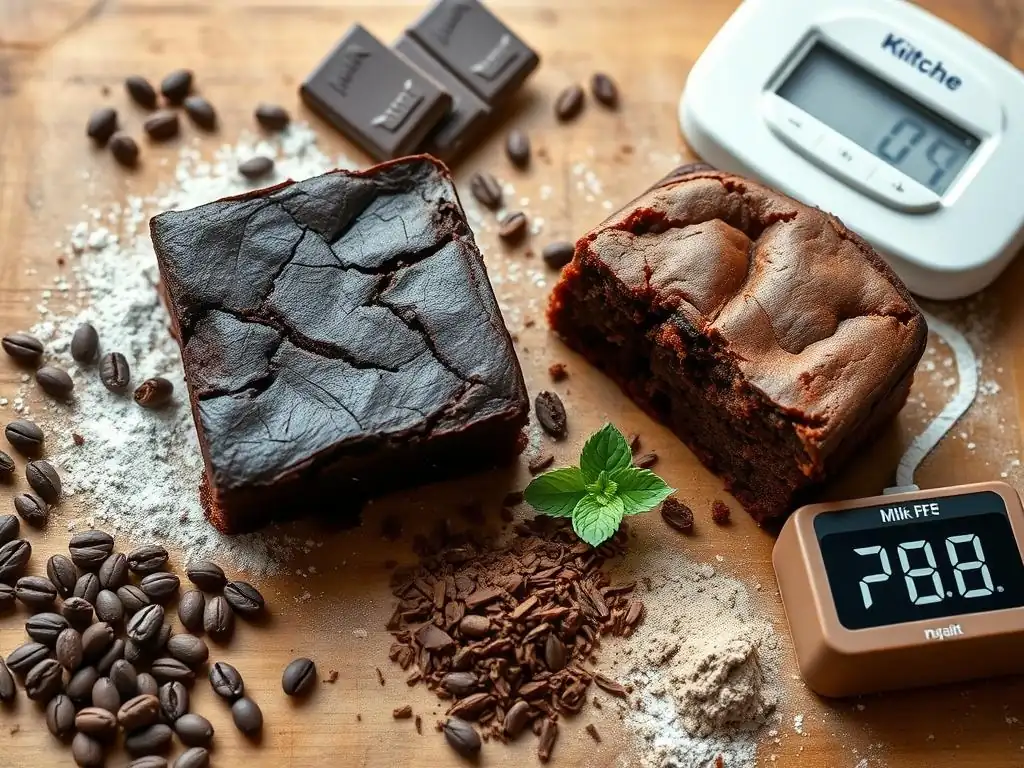
Working with different cacao percentages can sometimes present challenges. Knowing how to identify and fix common problems is part of mastering cacao percentage baking differences.
Dry Baked Goods: Solutions for High-Cacao Recipes
A common issue when using high-cacao chocolate is ending up with dry or crumbly baked goods. As mentioned, the higher proportion of dry cacao solids absorbs more moisture from the batter.
- Increase Liquid: The most direct solution is to increase the liquid in your recipe. If a recipe calls for milk, water, or coffee, add a tablespoon or two extra when using chocolate that's significantly higher in cacao percentage than specified. For example, if a recipe uses 6 ounces of 50% chocolate and 1 cup of milk, and you substitute 6 ounces of 80% chocolate, try adding an extra 2-4 tablespoons of milk.
- Increase Fat: Sometimes, adding a little extra fat, such as butter or oil, can also help. Fat contributes to moisture and tenderness. If your recipe allows, adding an extra tablespoon of melted butter or a neutral oil can improve texture. For instance, in a brownie recipe, adding an extra 1/4 cup of melted butter when using 80% chocolate instead of 60% can compensate for potential dryness.
- Adjust Baking Time: Over-baking is a major cause of dryness, regardless of chocolate type. High-cacao baked goods can sometimes appear less "done" visually due to the darker color, leading bakers to overcompensate. Start checking for doneness a few minutes earlier than the recipe suggests, using a toothpick test (it should come out with moist crumbs, not completely clean, for fudgy items).
Overly Bitter Treats: Balancing Flavors Effectively
If your baked goods turn out too bitter after swapping in a higher cacao percentage chocolate, the primary issue is the imbalance between the chocolate's bitterness and the recipe's sweetness.
- Increase Sugar: The simplest fix for excessive bitterness is to add more sugar. This can be done by increasing the sugar called for in the recipe or, in some cases, adding a glaze or frosting that provides sweetness. If you've already baked the item, a dusting of powdered sugar or a sweet ganache can help. When adjusting a recipe before baking, consider adding 1-2 tablespoons of sugar per ounce difference in cacao percentage per amount of chocolate used (e.g., if swapping 4 ounces of 60% for 4 ounces of 80%, add 2-4 tablespoons of sugar).
- Add Salt: A pinch of salt can work wonders in balancing sweetness and mitigating bitterness. Ensure your recipe has enough salt; sometimes, adding just a tiny bit more can make a significant difference in how the chocolate flavor is perceived.
- Introduce Complementary Flavors: Flavors like vanilla, coffee, or a hint of citrus zest can help mellow bitterness and enhance the chocolate's complexity. Adding an extra splash of vanilla extract or a teaspoon of instant espresso powder dissolved in liquid can often improve the flavor balance.
Examples of Recipes Using Different Cacao Percentages
Let's look at how different cacao percentages are specifically called for in various recipes, illustrating practical cacao percentage baking differences.
High-Cacao Dark Chocolate Brownie Recipe
A classic fudgy dark chocolate brownie recipe often specifies high-cacao chocolate to achieve that intense flavor and dense texture. For example, a recipe might call for 8 ounces of 70% or 80% bittersweet or unsweetened chocolate, melted with butter.
Recipe Snippet Example:
Ingredients:
- 1 cup (2 sticks) unsalted butter
- 8 oz high-quality dark chocolate (70-80% cacao), chopped
- 1 3/4 cups granulated sugar
- 3 large eggs
- 1 tsp vanilla extract
- 1 cup all-purpose flour
- 1/2 tsp salt
In this type of recipe, the high percentage chocolate provides the deep, complex chocolate base. The relatively high ratio of chocolate to flour and the use of melted butter contribute to the fudgy texture. Swapping this 70-80% chocolate for a 50% chocolate would result in a much sweeter, less intense brownie that might also be less fudgy.
The quintessential chocolate chip cookie typically uses semisweet chocolate chips, which fall into the medium cacao percentage range (around 50-60%). This provides a familiar, balanced sweetness and chocolate flavor.
Recipe Snippet Example:
Ingredients:
- 1 cup (2 sticks) unsalted butter, softened
- 3/4 cup granulated sugar
- 3/4 cup packed brown sugar
- 2 large eggs
- 1 tsp vanilla extract
- 2 1/4 cups all-purpose flour
- 1 tsp baking soda
- 1/2 tsp salt
- 2 cups (12 oz) semisweet chocolate chips (approx. 55% cacao)
The semisweet chips melt nicely and distribute pockets of classic chocolate flavor throughout the cookie. Using milk chocolate chips (lower percentage) would make the cookies significantly sweeter, while using dark chocolate chips (higher percentage) would make them less sweet and more intense, altering the expected flavor profile of a traditional chocolate chip cookie.
Low-Cacao Milk Chocolate Mousse Recipe
Milk chocolate, with its low cacao percentage and high sugar/milk content, is ideal for desserts where a light, sweet, and creamy chocolate flavor is desired, such as a delicate mousse.
Recipe Snippet Example:
Ingredients:
- 8 oz milk chocolate (approx. 30-40% cacao), chopped
- 1 1/2 cups heavy cream, divided
- 2 large egg yolks
- 1/4 cup granulated sugar
- 1 tsp vanilla extract
In this recipe, the milk chocolate provides sweetness and a gentle chocolate flavor that doesn't overwhelm the light, airy texture of the mousse. The milk solids in the chocolate also contribute to creaminess. Attempting this recipe with a high-cacao dark chocolate (like 70%) would require significant adjustments to sugar and potentially liquid, and would result in a much richer, less sweet, and denser mousse.
Exploring Different Types of Chocolate Based on Cacao Percentage
Chocolate is categorized based on its composition, with cacao percentage being a primary defining factor. Understanding these types is key to grasping cacao percentage baking differences.
Unsweetened Chocolate (100% Cacao): Characteristics and Uses
Unsweetened chocolate, also known as baking chocolate or bitter chocolate, contains 100% cacao – just ground cacao beans with no added sugar. It is intensely bitter and not meant for eating on its own.
- Characteristics: Extremely bitter, pure chocolate flavor, high in cacao solids and butter. It provides the most concentrated chocolate flavor.
- Uses: Primarily used in baking recipes where a large amount of sugar is added separately to balance the bitterness. It's often called for in rich cakes, brownies, or sauces where a deep, robust chocolate flavor is desired and the sugar level needs precise control independently of the chocolate. For example, a classic devil's food cake often uses unsweetened chocolate combined with a significant amount of sugar.
Bittersweet Chocolate (70-85% Cacao): Flavor Profile and Applications
Bittersweet chocolate contains a high percentage of cacao solids (typically 70-85%), cacao butter, and a smaller amount of sugar than semisweet. It offers a strong, complex chocolate flavor with noticeable bitterness.
- Flavor Profile: Intense, complex, with varying notes depending on the beans (fruity, earthy, floral). It has significant bitterness balanced by some sweetness.
- Applications: Excellent for intense chocolate desserts like molten lava cakes, rich tarts, ganaches, and high-quality brownies. It provides a deep, sophisticated flavor. Many recipes calling for "dark chocolate" are referring to this range. Using an 80% bittersweet in a ganache for truffles provides a much more intense and less sweet result than using a 60% semisweet.
Semisweet Chocolate (60-70% Cacao): A Versatile Baking Choice
Semisweet chocolate is a popular all-purpose baking chocolate. It contains a moderate to high percentage of cacao (typically 60-70%) with a balanced amount of sugar.
- Flavor Profile: Distinctly chocolatey, less bitter than bittersweet, with a good balance of sweetness. It's approachable and versatile.
- Applications: Widely used in cookies (chips), muffins, cakes, sauces, and glazes. It melts well and provides a reliable chocolate flavor that appeals to most palates. Many standard chocolate chip cookie recipes use semisweet chocolate chips, often around 60% cacao.
Milk Chocolate (10-40% Cacao): Sweet and Creamy Options
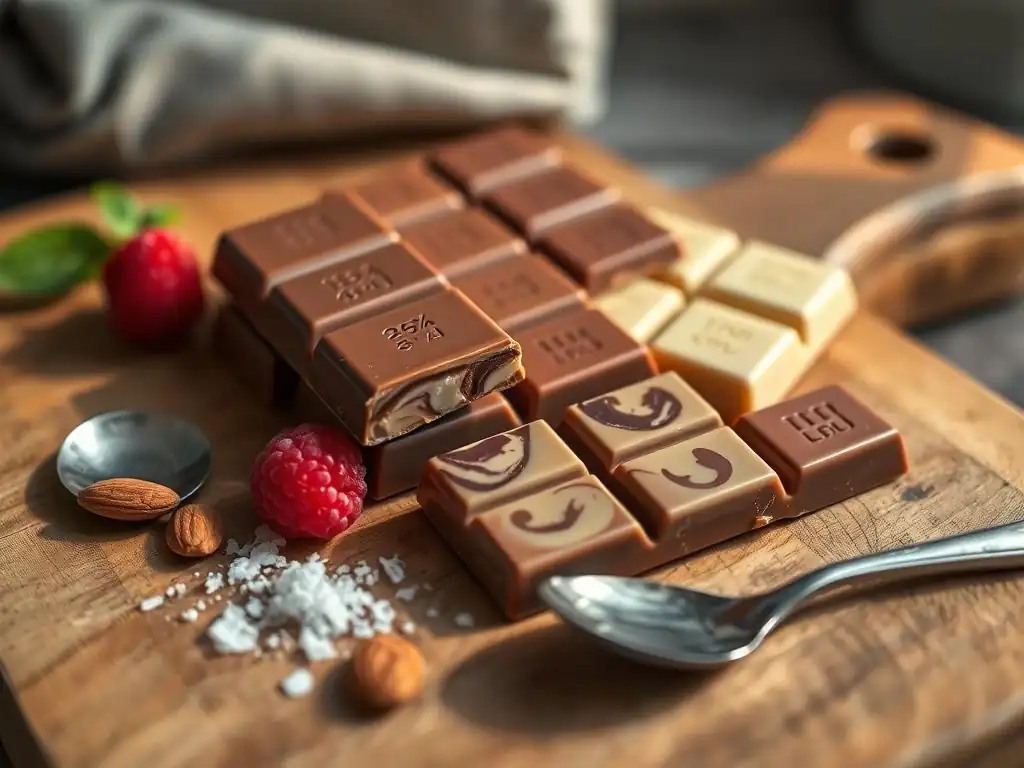
Milk chocolate contains a low percentage of cacao solids (typically 10-40%) along with cacao butter, sugar, and milk solids. It is the sweetest and creamiest type of chocolate.
- Flavor Profile: Sweet, creamy, with a mild, less intense chocolate flavor. The taste is heavily influenced by the milk solids.
- Applications: Used when a sweet, gentle chocolate flavor and creamy texture are desired. Popular in candies, some cookies (chips), and lighter desserts like mousse or puddings. A milk chocolate pudding using 30% cacao chocolate will be much sweeter and milder than one using 60% chocolate.
White Chocolate (0% Cacao): Technically Not Chocolate, But Relevant in Baking
White chocolate contains cacao butter, sugar, milk solids, and vanilla, but no cacao solids. While technically not chocolate in the traditional sense (lacking the dark cacao solids), it is derived from the cacao bean and is a common ingredient in baking.
- Characteristics: Sweet, creamy, vanilla-flavored, melts smoothly (if good quality). Its behavior in baking is primarily driven by its high fat (cacao butter) and sugar content.
- Uses: Used when a creamy texture and sweet, vanilla-like flavor are needed without the bitterness or dark color of cacao solids. Popular in cookies, blondies, cheesecakes, and as a coating or decoration. It pairs well with berries, citrus, and other bright flavors.
Cacao Percentage and Meltability: Considerations for Chocolate Work
The cacao percentage also influences how chocolate melts and behaves when tempered or used in fluid applications like ganaches and glazes. This is another practical aspect of cacao percentage baking differences.
Tempering Chocolate with Different Cacao Levels
Tempering is the process of heating and cooling chocolate to stabilize the cacao butter crystals, resulting in a shiny, snappy finish. Different cacao percentages have different melting points and crystallization temperatures.
- Tempering Temperatures: Higher cacao percentage chocolates (dark chocolate) have higher melting and working temperatures than lower percentage chocolates (milk or white chocolate). For example, dark chocolate (70%+) is typically melted to around 115°F (46°C), cooled to around 82-84°F (28-29°C), and then slightly reheated to a working temperature of 88-90°F (31-32°C). Milk chocolate (30-40%) melts lower, is cooled to 80-82°F (27-28°C), and worked at 86-88°F (30-31°C). White chocolate (0%) melts even lower, is cooled to 78-80°F (26-27°C), and worked at 84-86°F (29-30°C).
- Ease of Tempering: Chocolates with higher cacao butter content (often higher cacao percentages, but this can vary by manufacturer) can sometimes be easier to temper because there are more fat crystals to work with. However, the precise temperature control is critical for all types. Incorrectly tempering chocolate, especially high-cacao, can lead to bloom (streaky white or gray surface).
Ganache and Glaze Consistency Based on Cacao Content
Ganache, a mixture of chocolate and cream, and chocolate glazes rely heavily on the interaction between the chocolate's cacao solids/butter and the liquid. The cacao percentage directly impacts the final consistency.
- Consistency Ratio: For ganaches and glazes, the ratio of chocolate to cream (or other liquid) determines the consistency. Higher cacao percentage chocolate (more solids, potentially more fat) requires a higher ratio of cream to achieve a pourable or scoopable consistency compared to lower percentage chocolate. For example, a pourable glaze might use a 1:1 ratio of 60% chocolate to cream, but require a 1.5:1 or even 2:1 ratio of cream to 80% chocolate to achieve the same pourable texture.
- Setting Properties: High-cacao ganaches set more firmly than lower percentage ones due to the higher proportion of cacao solids and fat. A truffle ganache made with 75% chocolate will be much firmer and set faster than one made with 35% milk chocolate, requiring different chilling times before rolling. Understanding this cacao percentage baking difference is vital for achieving the correct texture for fillings, glazes, or frostings.
Advanced Baking Techniques and Cacao Percentage
For experienced bakers looking to refine their skills, understanding the nuances of cacao percentage in advanced techniques can elevate their chocolate creations.
Using Bloom to Enhance Flavor
Chocolate bloom, the appearance of grayish streaks or a dusty film on the surface, is usually a sign of improper tempering or storage. However, in some contexts, controlled "bloom" related to fat crystallization can subtly affect mouthfeel and flavor release.
- Fat Bloom: Occurs when cacao butter separates and recrystallizes on the surface, often due to temperature fluctuations. While generally undesirable visually (making chocolate look old or spoiled), it's harmless. Some chocolatiers believe that specific fat crystal formations can influence how the chocolate melts on the tongue, potentially affecting flavor perception. This is a complex area and less about intentionally creating bloom in baking ingredients, but rather understanding how the fat structure (influenced by cacao butter content) behaves. High-cacao chocolates, with potentially more cacao butter, might be more susceptible to fat bloom if not stored correctly.
- Sugar Bloom: Occurs when moisture causes sugar to dissolve and recrystallize on the surface, usually due to humidity. This is more about storage conditions than cacao percentage directly, though chocolates with higher sugar content (lower cacao percentage) might show sugar bloom more visibly.
Controlling Texture with Specific Cacao Varieties
Beyond just the percentage, the origin and processing of the cacao beans significantly impact the flavor and physical properties of the chocolate, which in turn affects baking results. For instance, chocolates made from different single-origin beans (like Peruvian vs. Ecuadorian cacao) will have distinct flavor profiles (e.g., fruitier vs. nuttier).
- Bean-to-Bar Differences: High-quality, single-origin chocolates offer unique flavor nuances that can dramatically alter a recipe. Using a 70% chocolate made from beans known for fruity notes in a cake will yield a different flavor experience than using a 70% chocolate with earthy notes. This level of detail goes beyond simple percentage but highlights how the cacao source contributes to the overall cacao percentage baking differences experienced by a baker.
- Particle Size: The fineness of the grind of the cacao solids and sugar also affects texture and meltability. Chocolates with a finer grind will feel smoother on the tongue. While not directly tied to percentage, manufacturers producing high-cacao chocolates for baking pay close attention to particle size to ensure smooth incorporation into batters and a pleasant final texture.
Conclusion: Mastering Baking with Different Cacao Strengths
Navigating the world of cacao percentages in baking can seem daunting at first, but it's a rewarding journey. Each percentage offers a unique set of characteristics that impact flavor, texture, and how a recipe behaves. From the intense depth of 80% dark chocolate in fudgy brownies to the sweet creaminess of 30% milk chocolate in a delicate mousse, understanding these cacao percentage baking differences empowers you to make informed choices.
By paying attention to the cacao percentage, making necessary adjustments to sugar and liquid, and considering the specific application, you can confidently substitute chocolates and tailor recipes to your desired taste and texture. Experimentation is key – try making the same recipe with different cacao percentages to truly appreciate the nuances. With a little knowledge and practice, you'll unlock a whole new level of delicious possibilities in your chocolate baking adventures.
Frequently Asked Questions
What exactly is cacao percentage in chocolate, and why does it matter for baking?
Cacao percentage refers to the proportion of cacao solids (cacao nibs and cacao butter) in the chocolate. A higher percentage means a more intense chocolate flavor and less sugar.
How does using a 70% cacao chocolate differ from using a 50% cacao chocolate in a brownie recipe?
70% cacao chocolate will result in a richer, more intense, and less sweet brownie compared to a 50% cacao chocolate. You might need to adjust sugar levels or add moisture.
If a recipe calls for unsweetened chocolate (100% cacao), but I only have 70% cacao, what adjustments should I make?
You'll need to reduce the sugar significantly and possibly add some unsweetened cacao powder to compensate for the missing cacao solids. Consider adding a bit of butter or oil too.
Does the cacao percentage affect the texture of baked goods, and if so, how?
Yes, the cacao percentage can affect texture. Higher cacao percentages have less sugar, which can result in a drier, more crumbly texture. You may need to add more liquid or fat.
Is it generally better to use a higher or lower cacao percentage for specific types of baked goods?
It depends on the desired outcome. Higher percentages are great for intense chocolate flavors in things like flourless chocolate cake. Lower percentages are better suited for sweeter, milder treats like chocolate chip cookies.
Final Reflection: Unlocking the Secrets of Cacao Percentage
The nuanced world of cacao percentage isn't just about bitterness; it's about unlocking a spectrum of flavor profiles and textures that dramatically impact the final product. Understanding these differences is crucial for any baker aiming to elevate their creations, from the subtle notes of a 70% dark chocolate cake to the intense richness of a 90% ganache. This knowledge empowers bakers to create truly unique and unforgettable experiences for their consumers.
The journey through varying cacao percentages has profoundly impacted my own baking, shifting my perspective from simply following recipes to actively understanding the ingredients' inherent properties. It's a journey of discovery, constantly revealing new layers of complexity. As the renowned pastry chef, Jacques Torres, once said, Chocolate is a magical ingredient. It can transform a simple dessert into something extraordinary.
This statement rings truer than ever when considering the vast potential unlocked by exploring different cacao percentages. The subtle shifts in flavor, the changes in texture, the way the chocolate interacts with other ingredients – it's a testament to the power of understanding your ingredients.
Now, it's your turn to embark on this delicious exploration. Don't be afraid to experiment! Try substituting different cacao percentages in your favorite recipes, observe the changes, and let your palate be your guide. The world of baking is vast and exciting, and mastering the art of cacao percentage is a key to unlocking its full potential. What new flavor combinations will you discover? What innovative recipes will you create? The possibilities are as limitless as your imagination.
Unlock Your Chocolate Baking Potential!
Thanks for exploring the delicious world of cacao percentages with us! You've now gained a deeper understanding of how different cacao levels impact the flavor and texture of your baked goods. Ready to put this knowledge into practice?
- Bake a Comparative Trio: Create three batches of your favorite chocolate chip cookies—one with dark chocolate (70%), one with bittersweet (60%), and one with semisweet (50%)—and taste the difference! This is the perfect way to experience the nuances firsthand.
- Share Your Creations: Post pictures of your baking experiments on social media and tag us @BakeWithEase! Let's build a community of chocolate lovers together. We love to see what you've made!
- Explore Beyond Cookies: Think about how you could use this new knowledge in other recipes – brownies, cakes, even your morning hot chocolate. What exciting possibilities can you discover?
What unique flavor profile are you most excited to experiment with in your next baking project?