
Unlock the Secrets of Vegan Baking Substitutions

Welcome to BakeWithEase, your haven for all things baking! Ever wondered how to achieve the perfect rise or delectable texture without relying on traditional ingredients? You're in the right place. Dive in to discover our ultimate guide to vegan baking ingredient substitutions, unlocking a world of flavor and possibilities while staying true to your dietary choices. Get ready to transform your baking and create mouthwatering treats that everyone will love!
- Understanding the Need for Vegan Ingredient Replacements in Baking
- Mastering the Art of Vegan Baking Ingredient Substitutions: A Comprehensive Guide
- Replacing Eggs in Vegan Baking: The Ultimate Guide
- Dairy-Free Baking: Milk and Butter Substitutions
- Replacing Honey in Vegan Baking: Sweetener Alternatives
- Gluten-Free Vegan Baking: Combining Dietary Needs
- Troubleshooting Common Vegan Baking Problems
- Advanced Vegan Baking Techniques and Tips
- Frequently Asked Questions
- Final Reflection: The Sweet Revolution of Vegan Baking
- Unleash Your Inner Vegan Baker!
Understanding the Need for Vegan Ingredient Replacements in Baking
Why Traditional Baking Ingredients Aren't Vegan
Traditional baking relies heavily on animal-derived products that are not suitable for a vegan diet. Eggs, for instance, are fundamental in many recipes, providing structure, binding ingredients, leavening, richness, and moisture. Their proteins coagulate when heated, helping cakes and cookies hold their shape, while the fat contributes to tenderness. Furthermore, eggs are often used to create emulsions, blending fats and liquids smoothly.
Dairy products are another cornerstone of conventional baking. Milk provides liquid for hydration, contributes to browning through lactose, and adds richness. Butter offers fat for tenderness, flakiness (in pastries), flavor, and helps with leavening when creamed with sugar, trapping air. Other dairy items like cream, yogurt, and cheese are also used in various baked goods, all stemming from animal sources, necessitating clever vegan baking ingredient substitutions to achieve similar results without them.
The Challenges and Rewards of Vegan Baking Substitutions
Embarking on vegan baking presents unique challenges because traditional ingredients serve multiple functions. Replacing eggs means finding alternatives that can replicate binding, leavening, and moisture simultaneously or using different substitutes for each function. Similarly, swapping dairy butter requires a fat source that behaves similarly in terms of melting point, ability to cream with sugar, and contribution to texture, which not all vegan fats do perfectly across all recipes. Honey, used as a sweetener, needs a plant-based liquid sweetener that offers comparable sweetness and moisture without the bee involvement.
Despite these initial hurdles, the rewards of mastering vegan baking ingredient substitutions are immense. It opens up a world of possibilities for those with dietary restrictions or ethical choices, allowing everyone to enjoy delicious baked goods. It also encourages culinary creativity, pushing bakers to experiment with new ingredients and techniques. Furthermore, the demand for vegan baked goods is growing significantly, with market reports indicating substantial expansion, showcasing a clear interest from consumers seeking plant-based options. Successfully navigating these substitutions not only satisfies dietary needs but also expands your baking repertoire and understanding of ingredient functions.
Mastering the Art of Vegan Baking Ingredient Substitutions: A Comprehensive Guide
Key Categories of Vegan Baking Replacements
When approaching vegan baking ingredient substitutions, it's helpful to categorize the main ingredients that need replacing. The primary culprits are eggs, dairy products (milk and butter), and honey. Each of these plays a crucial role in the structure, texture, flavor, and moisture of baked goods, meaning their substitutes must be chosen carefully to mimic their functions as closely as possible within the specific recipe context.
Understanding the function of the original ingredient is paramount to selecting the right vegan baking ingredient substitutions. For example, if an egg is primarily used for binding, a flax egg might be perfect. If it's for leavening and moisture in a light cake, a combination of applesauce and baking soda might be more effective. Similarly, replacing butter in flaky pastry requires a different approach than replacing it in a moist muffin. This guide will break down the most common and effective substitutes for each category, helping you make informed choices in your vegan baking adventures.
Replacing Eggs in Vegan Baking: The Ultimate Guide
Flaxseed Eggs: A Versatile Vegan Egg Replacement
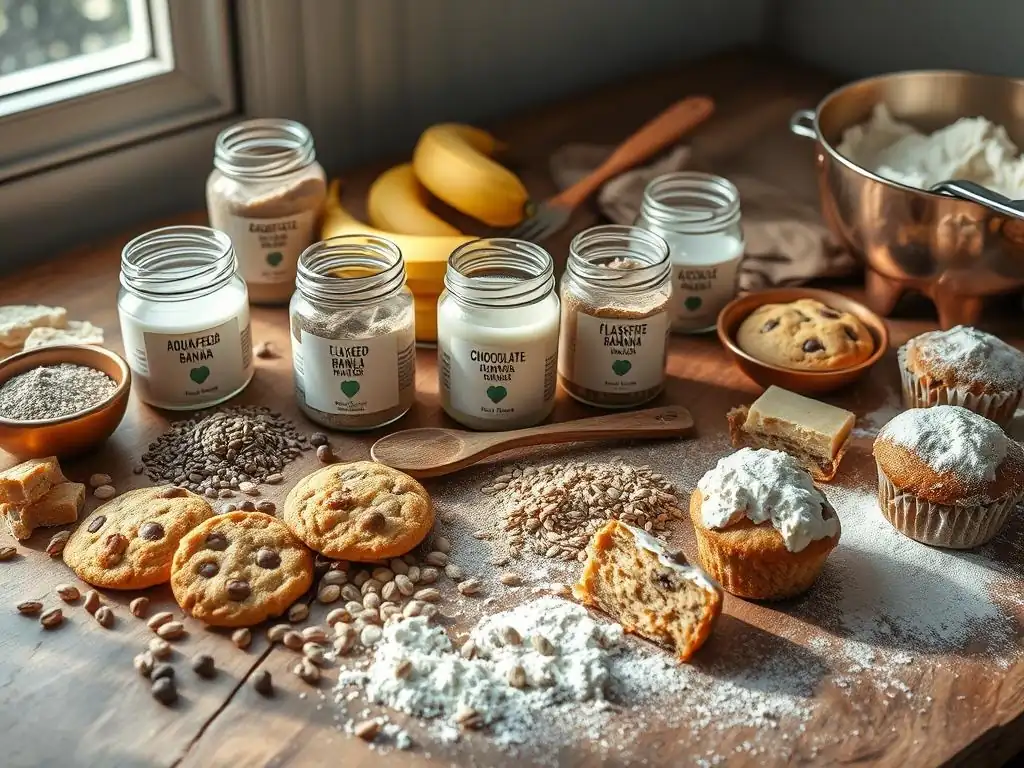
Flaxseed eggs, often simply called 'flax eggs', are one of the most popular and versatile vegan baking ingredient substitutions for eggs. They are made by combining ground flaxseed meal with water and letting the mixture sit until it forms a gelatinous consistency, similar to a raw egg white. This gel-like texture makes them excellent binders in many recipes, helping ingredients stick together.
The process of making a flax egg is straightforward, making it accessible for any baker. Typically, the ratio is 1 tablespoon of finely ground flaxseed meal mixed with 3 tablespoons of water to replace one large egg. It's important that the flaxseed is ground (meal) rather than whole seeds, as the grinding process releases the mucilage that creates the gel. Allow the mixture to rest for about 5 to 10 minutes before adding it to your recipe; it will thicken considerably during this time.
How to Make a Flaxseed Egg for Baking
To create one flaxseed egg for your vegan baking ingredient substitutions, you will need ground flaxseed (also known as flax meal) and water.
- Measure
1 tablespoonof ground flaxseed into a small bowl. - Add
3 tablespoonsof water to the bowl. - Stir the mixture well to combine the flaxseed meal and water thoroughly.
- Let the mixture sit undisturbed for 5 to 10 minutes. During this time, it will absorb the water and develop a thick, gelatinous texture, resembling a slightly lumpy egg.
- Once thickened, your flaxseed egg is ready to be used as a direct replacement for one large egg in your recipe.
Best Uses for Flaxseed Eggs in Vegan Baking
Flaxseed eggs are particularly effective as a binder in recipes where the egg's primary function is to hold things together. They work wonderfully in baked goods like muffins, quick breads, cookies, pancakes, and brownies. The slight nutty flavor of flaxseed is often masked by other ingredients, but it can be a pleasant addition in some cases.
However, flax eggs are not ideal for recipes that rely heavily on eggs for leavening or lightness, such as airy cakes, meringues, or custards. Because they don't provide the same lift as whipped egg whites, using them in such recipes can result in a denser texture. They are best employed in recipes where the structure is provided by flour, baking powder/soda, or other ingredients, and the egg is mainly needed to prevent crumbling. Consider flaxseed eggs as a reliable base for many vegan baking ingredient substitutions.
Chia Seed Eggs: Another Great Vegan Egg Substitute
Similar to flaxseed eggs, chia seed eggs are another excellent option for vegan baking ingredient substitutions, utilizing the gelling properties of chia seeds when combined with liquid. Chia seeds, like flax, form a mucilaginous coating when wet, creating a gel that can effectively bind ingredients in baked goods. They are often used interchangeably with flax eggs in many recipes.
Preparing a chia seed egg follows a very similar process to making a flax egg. The typical ratio is also 1 tablespoon of whole or ground chia seeds mixed with 3 tablespoons of water to substitute for one large egg. While both whole and ground seeds work, using whole seeds might result in visible specks in your final product, which might be undesirable aesthetically in some cases. Allow the mixture to sit for 5-10 minutes to thicken before use.
Preparing a Chia Seed Egg for Baked Goods
Creating a chia seed egg for your vegan baking ingredient substitutions is quick and easy, providing a reliable binder for many recipes.
- Combine
1 tablespoonof whole or ground chia seeds in a small bowl. - Add
3 tablespoonsof water to the bowl. - Stir the mixture thoroughly to ensure all seeds are in contact with water.
- Let the mixture rest for 5 to 10 minutes until it develops a gel-like consistency. Stir again before using if the seeds have settled.
- Use this thickened chia seed mixture as a direct replacement for one large egg in your recipe.
When to Use Chia Seed Eggs Instead of Flaxseed
Chia seed eggs function very similarly to flaxseed eggs and can often be used as direct substitutes for each other in vegan baking ingredient substitutions. They both provide excellent binding properties and are suitable for recipes like cookies, muffins, quick breads, and pancakes where structure is key. The choice between the two often comes down to personal preference regarding flavor (chia is milder) or texture (chia seeds can remain slightly crunchy if not ground).
One minor difference is that chia seeds can sometimes create a slightly stronger gel than flaxseeds. However, this difference is usually negligible in most baking applications. Like flax eggs, chia eggs are not suitable for recipes requiring significant leavening, such as sponge cakes or meringues. They are best used where their binding power is the main requirement, making them a versatile tool in your vegan baking ingredient substitutions toolkit.
Applesauce as an Egg Alternative in Vegan Baking
Applesauce is another popular and easy-to-use vegan baking ingredient substitution for eggs, particularly valued for its ability to add moisture and binding, though it provides little to no leavening. It's a fantastic option for reducing fat in recipes while keeping baked goods tender and moist. The natural pectin in applesauce acts as a binder, helping ingredients adhere.
When using applesauce to replace eggs, a common ratio is about 1/4 cup of applesauce per large egg. It's crucial to consider the moisture level of your recipe when using applesauce, as it introduces a significant amount of liquid. You might need to slightly reduce other liquids in the recipe or increase dry ingredients minimally if the batter seems too wet. Applesauce is particularly effective in recipes where moisture is desired, like muffins, cakes, and some cookie recipes.
Unsweetened vs. Sweetened Applesauce: Which to Choose?
When using applesauce for vegan baking ingredient substitutions, unsweetened applesauce is generally preferred. Sweetened applesauce contains added sugars, which can throw off the sugar balance of your recipe, potentially making the final product too sweet or affecting its texture and browning. Using unsweetened applesauce gives you more control over the overall sweetness of your baked goods.
If you only have sweetened applesauce on hand, you might need to slightly reduce the amount of other sweeteners (like sugar or maple syrup) in your recipe to compensate. However, this requires careful judgment and experimentation. For consistent and reliable results in vegan baking ingredient substitutions, opt for unsweetened applesauce whenever possible to maintain control over your recipe's flavor profile and texture.
Recipes Where Applesauce Works Best
Applesauce shines as a vegan baking ingredient substitution in recipes that benefit from added moisture and tenderness. Think of things like moist cakes, muffins, quick breads (like banana bread or zucchini bread), and certain types of cookies (like oatmeal cookies or soft drop cookies). It works well in these contexts because its primary function is binding and moisture, which these baked goods often require.
Conversely, applesauce is not a good substitute for eggs in recipes where the egg is needed for significant leavening (like meringues or soufflés), structure (like custards or quiches), or crispness (like some thin cookies). Its density and lack of leavening power make it unsuitable for lighter, airier baked goods. When considering vegan baking ingredient substitutions, remember that applesauce is best for adding moisture and a gentle bind rather than lift or strong structure.
Other Egg Replacement Options for Vegan Bakers
Beyond flax and chia eggs and applesauce, several other ingredients can serve as vegan baking ingredient substitutions for eggs, each with its own strengths and best uses. Exploring these options expands your versatility in creating a wide range of vegan baked goods. These alternatives offer different properties, from binding to leavening, allowing you to tackle more complex recipes.
Choosing the right substitute depends entirely on the function of the egg in the original recipe. For example, a recipe for chewy cookies might benefit from a different binder than a recipe for a light and fluffy cake. Understanding the properties of each alternative will help you make the best choice, ensuring successful vegan baking ingredient substitutions every time.
Tofu (Silken) as an Egg Substitute
Silken tofu is a fantastic vegan baking ingredient substitution for eggs in recipes where the egg provides moisture, richness, and binding without needing significant leavening. Its smooth, creamy texture blends seamlessly into batters and fillings. It's particularly effective in dense cakes, brownies, quiches, cheesecakes (vegan versions), and custards.
To use silken tofu as an egg substitute, blend it until completely smooth and creamy. Approximately 1/4 cup of pureed silken tofu can replace one large egg. It adds protein and moisture, contributing to a tender crumb. However, like applesauce, it doesn't provide leavening, so ensure your recipe has adequate baking powder or soda if needed for lift. Silken tofu is a great way to add a rich, moist texture to your vegan baked goods.
Aquafaba (Chickpea Brine) in Vegan Baking
Aquafaba, the liquid drained from canned chickpeas or other legumes, is a surprisingly versatile vegan baking ingredient substitution, especially for replicating the functions of egg whites. When whipped, it can form stiff peaks just like meringue, making it invaluable for recipes that require aeration and lightness.
This makes aquafaba perfect for creating vegan meringues, macarons, soufflés, mousses, and adding lightness to cakes. It can also act as a binder in some recipes, though its primary strength lies in its whipping capability. Approximately 3 tablespoons of aquafaba can replace one large egg, or 2 tablespoons can replace one egg white. Its ability to mimic egg white functions makes it a unique and powerful tool in vegan baking ingredient substitutions.
Dairy-Free Baking: Milk and Butter Substitutions
Vegan Milk Options: A Baker's Guide
Replacing dairy milk in vegan baking ingredient substitutions is relatively straightforward, thanks to the wide variety of plant-based milk alternatives available. Most plant milks can be used in a 1:1 ratio for dairy milk in recipes, providing the necessary liquid for hydration. However, different plant milks have varying fat content, flavor profiles, and protein levels, which can subtly affect the final texture and taste of your baked goods.
Understanding these differences can help you choose the best plant milk for a specific recipe. For instance, a richer plant milk might be better for a moist cake, while a lighter one could work for scones. Experimentation is key to finding your favorites for various vegan baking ingredient substitutions involving milk.
Almond Milk: A Popular Choice for Vegan Baking
Unsweetened almond milk is one of the most widely available and commonly used vegan baking ingredient substitutions for dairy milk. It has a neutral flavor that doesn't overpower other ingredients and a relatively thin consistency, similar to skim dairy milk.
It works well in most baking applications where milk is needed for hydration, such as cakes, muffins, pancakes, and quick breads. Its lower fat content compared to some other plant milks means it might not contribute as much richness, but it's a reliable, everyday option for vegan baking ingredient substitutions.
Soy Milk: A Reliable Dairy-Free Alternative
Soy milk is another excellent and widely available option for vegan baking ingredient substitutions. It has a slightly higher protein content than almond milk, which can contribute to better structure in some baked goods, similar to dairy milk. It also has a relatively neutral flavor, though some people detect a slight bean-like undertone.
Use unsweetened plain soy milk for best results in baking. It works well in a 1:1 ratio for dairy milk in most recipes, including cakes, cookies, breads, and custards. Its composition makes it a reliable and versatile choice among vegan milk substitutes.
Oat Milk: Creamy and Delicious in Vegan Recipes
Oat milk has gained immense popularity and is a fantastic option for vegan baking ingredient substitutions, especially for recipes that benefit from a creamier texture. It tends to be thicker and creamier than almond or soy milk, thanks to the beta-glucans present in oats.
This creamy texture makes oat milk particularly good in richer baked goods like scones, biscuits, and certain cakes where you want extra moisture and tenderness. Choose unsweetened varieties for baking. It can generally be used in a 1:1 swap for dairy milk.
Coconut Milk: Adding Flavor and Moisture
Coconut milk, particularly the canned full-fat variety, is a rich and flavorful option for vegan baking ingredient substitutions where high fat content and moisture are desired. It adds a distinct coconut flavor, which can be wonderful in tropical-themed baked goods or recipes where coconut complements other flavors (like chocolate).
Use the full-fat canned version for richness in things like ganaches, custards, or very moist cakes. The carton coconut milk (beverage) is much thinner and more akin to almond or soy milk, suitable for lighter applications. Be mindful of the coconut flavor; if you don't want it prominent, choose a different milk substitute.
Replacing Butter with Vegan Alternatives
Replacing dairy butter is a critical step in vegan baking ingredient substitutions, as butter provides fat for tenderness, flavor, flakiness, and aids in leavening. Fortunately, there are several effective vegan options available, each with different properties that make them suitable for various baking tasks.
The best vegan butter substitute depends on the recipe. For tasks like creaming with sugar to incorporate air, a solid vegan butter stick is usually necessary. For adding moisture to muffins, a liquid oil might work. Understanding the role of fat in your specific recipe will guide your choice of vegan baking ingredient substitutions for butter.
Vegan Butter Sticks: A Convenient Option
Vegan butter sticks, often found alongside dairy butter in the grocery store, are designed specifically to mimic the behavior of dairy butter in baking. They are typically made from a blend of vegetable oils (like palm, soy, or shea) and often contain emulsifiers to create a solid, stick-like consistency that is crucial for creaming with sugar.
These sticks are the best vegan baking ingredient substitutions for recipes that require creaming butter and sugar to incorporate air for leavening, such as cookies, cakes, and some frostings. They can usually be substituted in a 1:1 ratio by weight or volume for dairy butter. Look for brands formulated specifically for baking for the best results.
Coconut Oil: A Versatile Vegan Baking Fat
Coconut oil is another popular vegan baking ingredient substitution for butter, especially in recipes where the fat doesn't need to be creamed extensively or where a slightly firmer texture is desired. Refined coconut oil has a neutral flavor, while unrefined (virgin) coconut oil imparts a noticeable coconut taste.
Coconut oil is solid at room temperature (below around 76°F / 24°C) but melts easily. This makes it great for recipes where melted butter is used, like certain cookies or brownies. It can also be used to create flaky crusts in pies or tarts when kept cold and cut into dry ingredients. It can often be used in a 1:1 ratio for butter, but be mindful of its melting point and potential flavor contribution when making vegan baking ingredient substitutions.
Other Vegan Oil Options for Baking
Liquid vegetable oils like canola oil, sunflower oil, or grapeseed oil can also be used as vegan baking ingredient substitutions for melted butter or other fats in recipes. These oils add moisture and tenderness but do not solidify or cream in the same way as butter or solid shortenings.
They are best used in recipes where the fat is simply added as a liquid, such as muffins, quick breads, and some cakes. Because oils are 100% fat (whereas butter is about 80% fat and 20% water/solids), you might need to use slightly less oil than the amount of butter called for, typically around 3/4 cup of oil per 1 cup of butter, though this can vary. Using liquid oils is a simple way to add moisture in vegan baking ingredient substitutions.
Replacing Honey in Vegan Baking: Sweetener Alternatives
Maple Syrup: A Natural and Flavorful Substitute
Honey is an animal product (produced by bees) and therefore not vegan. Finding suitable vegan baking ingredient substitutions for honey means looking for plant-based liquid sweeteners that offer similar sweetness, moisture, and sometimes binding properties. Maple syrup is one of the most popular and effective alternatives.
Pure maple syrup (not pancake syrup) is a natural sweetener derived from maple tree sap. It has a distinct flavor that complements many baked goods and provides moisture. It can generally be substituted for honey in a 1:1 ratio, though you might need to slightly reduce other liquids in the recipe due to maple syrup's liquid form.
Agave Nectar: A Low-Glycemic Option
Agave nectar, derived from the agave plant, is another common vegan baking ingredient substitution for honey. It is often sweeter than sugar and has a thinner consistency than honey or maple syrup. Some people choose agave for its lower glycemic index compared to sugar, although it is still a concentrated sweetener.
When using agave nectar to replace honey, you might need to use slightly less due to its higher sweetness. A good starting point is to use about 3/4 cup of agave for every 1 cup of honey. Its neutral flavor profile makes it versatile, but its thin consistency means it doesn't offer the same binding properties as thicker honey.
Molasses: Adding Richness and Depth
Molasses, a byproduct of sugar refining, is a dark, viscous liquid that can serve as a vegan baking ingredient substitution for honey, particularly when a rich, deep flavor is desired. It's commonly used in gingerbread, dark cookies, and certain quick breads.
Molasses is less sweet than honey and has a strong, distinctive taste. When substituting molasses for honey, you might need to adjust the amount based on desired sweetness and flavor intensity. It also adds significant moisture and can react with baking soda to provide leavening, making it a functional substitute in specific recipes.
Other Vegan Sweeteners for Baking
Beyond maple syrup, agave, and molasses, other vegan sweeteners can be used in baking depending on the recipe and desired outcome. These include brown rice syrup, date syrup, and even simple granulated sugar (which is vegan, though some white sugars are processed with bone char, so look for certified vegan options or organic sugar).
Brown rice syrup is thick and less sweet than honey, good for chewy textures. Date syrup offers a rich, fruity flavor and is made from dates. The choice of liquid sweetener among these vegan baking ingredient substitutions will impact the final flavor, texture, and moisture of your baked goods.
Gluten-Free Vegan Baking: Combining Dietary Needs
Understanding Gluten-Free Flour Blends
Combining vegan baking ingredient substitutions with gluten-free requirements adds another layer of complexity, as gluten-free flours behave differently than wheat flour. Gluten provides structure and elasticity to baked goods. Without it, bakers must rely on blends of various flours (like rice flour, almond flour, oat flour, tapioca starch, potato starch, etc.) and often binders like xanthan gum or psyllium husk to mimic gluten's functions.
Pre-made gluten-free flour blends are convenient but vary significantly in composition and performance. Some are designed as 1:1 replacements for wheat flour in conventional recipes, while others require recipe adjustments. Understanding the properties of individual gluten-free flours and starches helps in creating custom blends or troubleshooting issues in gluten-free vegan baking.
Using Gluten-Free Flours with Vegan Substitutions
Successfully using gluten-free flours alongside vegan baking ingredient substitutions requires careful attention to the balance of ingredients. Vegan egg substitutes like flax or chia eggs provide binding, which is doubly important in gluten-free baking where gluten isn't present to hold things together. Adding extra binder, such as a small amount of xanthan gum (e.g., 1/4 to 1/2 teaspoon per cup of flour blend) or psyllium husk, is often necessary to provide structure and prevent crumbling.
The increased moisture from some vegan egg substitutes (like applesauce or pureed banana) can sometimes work well with drier gluten-free flours, but too much moisture can also lead to a gummy texture. It's a delicate balance. Start with recipes specifically designed for gluten-free vegan baking or be prepared to experiment and make small adjustments when combining vegan baking ingredient substitutions with gluten-free flours.
Troubleshooting Common Vegan Baking Problems

Dry Vegan Baked Goods: How to Add Moisture
One common issue encountered when first exploring vegan baking ingredient substitutions is ending up with dry or crumbly baked goods. This often happens when the moisture and fat provided by traditional eggs and dairy are not adequately replaced. Eggs contribute liquid and fat, while butter is a significant source of fat and moisture.
To combat dryness, ensure your vegan baking ingredient substitutions are providing sufficient moisture and fat. Use moist egg substitutes like applesauce, pureed banana, or silken tofu where appropriate. For fat, ensure you are using enough vegan butter, oil, or other fat sources. Adding ingredients known for moisture, like vegetable puree (zucchini, pumpkin), yogurt alternatives, or extra plant milk, can also help. Sometimes, slightly increasing the amount of liquid sweetener (like maple syrup) can also contribute to a moister crumb.
Dense Vegan Treats: Achieving a Light and Airy Texture
Another frequent challenge in vegan baking ingredient substitutions is achieving a light and airy texture, as eggs, particularly whipped egg whites, are powerful leaveners. Many vegan egg substitutes provide binding but no lift, leading to dense results in recipes that rely on eggs for aeration.
To create lighter vegan baked goods, focus on chemical leaveners like baking powder and baking soda. Ensure your leavening agents are fresh. Baking soda requires an acid (like vinegar, lemon juice, or buttermilk alternatives) to activate; make sure your recipe includes one if using baking soda.
Creaming vegan butter or solid fat with sugar can also incorporate air, contributing to lift. For recipes needing significant aeration, consider using aquafaba whipped into stiff peaks as a substitute for egg whites, or explore commercial egg replacers specifically designed for leavening. Sometimes, simply not overmixing the batter after adding the dry ingredients can prevent toughness and density.
Vegan Baking Ingredient Substitutions Chart: A Quick Reference
Navigating the world of vegan baking ingredient substitutions can feel overwhelming initially. This quick reference provides common swaps for key non-vegan ingredients. Remember that results can vary based on the specific recipe and brands used, so consider this a starting point for your experiments.
- 1 Large Egg:
1/4 cupapplesauce (for moisture/binding)1/4 cuppureed banana (for moisture/binding, adds banana flavor)1 tbspground flaxseed +3 tbspwater (for binding)1 tbspchia seeds +3 tbspwater (for binding)1/4 cuppureed silken tofu (for richness/moisture/binding)3 tbspaquafaba (for binding, or whipped for leavening)1/4 cupcommercial egg replacer mixed per package directions (varies by brand/purpose)
- 1 cup Dairy Milk:
1 cupunsweetened plant milk (almond, soy, oat, cashew, etc.)1 cuplight canned coconut milk
- 1 cup Dairy Butter:
1 cupvegan butter sticks (for creaming, flaky pastry)1 cuprefined coconut oil (solid or melted, depending on recipe)3/4 cupliquid vegetable oil (for moisture in quick breads/muffins)1 cupvegan shortening (for flaky pastry, crisp cookies)
- 1 cup Honey:
1 cupmaple syrup3/4 cupagave nectar1 cupbrown rice syrup1 cupdate syrup1 cupmolasses (adjust for flavor/sweetness)
Advanced Vegan Baking Techniques and Tips
Elevating Your Vegan Baking Skills
Once you've mastered the basic vegan baking ingredient substitutions, you can start exploring more advanced techniques to elevate your results. This includes understanding the nuances of how different fats interact with flours, how varying sugar types affect texture and browning, and how to create complex flavors using plant-based ingredients. Experimenting with ingredients like vital wheat gluten (for structure in some vegan bread or seitan recipes, though not typically combined with gluten-free vegan baking), specialized starches, or alternative leavening methods can take your vegan baking to the next level.
Consider techniques like chilling dough (especially for cookies using vegan butter or coconut oil) to improve texture and spread, or blind baking pie crusts made with vegan fats. Learning to make your own blends of gluten-free flours for specific purposes can also yield superior results compared to relying solely on commercial blends. Advanced vegan baking ingredient substitutions involve not just swapping ingredients but understanding the science behind how those swaps affect the final product, allowing for more precise and successful baking.
Let's consider a classic vegan chocolate chip cookie recipe to see how multiple vegan baking ingredient substitutions come into play. A traditional recipe might call for butter, eggs, and potentially a mix of white and brown sugar.
In a vegan version, the butter would typically be replaced with vegan butter sticks to allow for creaming with sugar, which helps create that characteristic cookie texture and slight lift. Eggs, which provide binding and contribute to chewiness, might be replaced with flax eggs or a combination of applesauce (for moisture) and a small amount of commercial egg replacer (for binding). If the recipe includes milk, it would be swapped for a plant-based milk like almond or soy milk.
The sugars remain vegan, but the ratios might be adjusted slightly depending on the moisture introduced by the egg substitute. This example shows how several vegan baking ingredient substitutions work together to recreate a beloved classic while adhering to vegan principles.
Frequently Asked Questions
What are some common egg substitutes in vegan baking?
Common egg substitutes include applesauce, mashed banana, and flax eggs (ground flaxseed mixed with water). These provide moisture and binding necessary for structure.
Can I substitute regular milk with any plant-based milk in vegan baking?
Yes, most plant-based milks such as almond milk, soy milk, or oat milk can be used as a direct substitute for dairy milk. However, note that some may slightly affect the flavor or texture of your baked goods.
What can I use instead of butter in vegan baking recipes?
Vegan butter, coconut oil, or vegetable oil are good alternatives to butter. The choice depends on the desired flavor profile and the specific recipe requirements.
How do I substitute honey in a vegan baking recipe?
Good substitutes for honey include maple syrup, agave nectar, or brown rice syrup. Consider their sweetness levels when adjusting the recipe's sugar content.
What can I use in place of gelatin in vegan desserts?
Agar-agar powder or carrageenan are commonly used vegan alternatives to gelatin for achieving a similar texture and setting ability in desserts. These are derived from seaweed.
Final Reflection: The Sweet Revolution of Vegan Baking
The accessibility and deliciousness of vegan baking are no longer niche interests; they are a burgeoning culinary movement transforming how we approach desserts and treats. This revolution is fueled by a growing awareness of ethical and environmental concerns, alongside a simple desire for delicious, plant-based alternatives. The ability to successfully substitute common baking ingredients opens up a world of creative possibilities for both seasoned bakers and enthusiastic beginners.
The impact of vegan baking extends far beyond the kitchen; it reflects a broader societal shift towards conscious consumption and a deeper understanding of our relationship with food. It's a testament to human ingenuity and our capacity to adapt and innovate. The best way to find yourself is to lose yourself in the service of others,
– Mahatma Gandhi. This quote, while not directly about baking, speaks to the underlying ethos of many who choose vegan baking – a desire to create something delicious while minimizing harm to others and the planet. The increasing availability of vegan substitutes and the growing community around vegan baking only amplify this positive impact.
You now hold the key to unlocking a world of flavour and creativity. Don't be afraid to experiment, to embrace the unexpected, and to discover your own signature vegan baking masterpieces. The journey of mastering vegan baking substitutions is a rewarding one, filled with delicious discoveries and the satisfaction of creating something both ethical and incredibly tasty. So, roll up your sleeves, gather your ingredients, and let the sweet revolution begin!
Unleash Your Inner Vegan Baker!
Thanks for taking the time to explore the wonderful world of vegan baking substitutions! You've now got the knowledge to create delicious, cruelty-free treats. Ready to put your newfound skills to the test?
- Bake your first vegan masterpiece! Try one of the recipes mentioned in the article – you might be surprised how easy it is!
- Share your creations with us on social media using #BakeWithEaseVegan – we'd love to see what you bake!
- Explore our other articles on vegan baking for even more tips and tricks.
What exciting vegan recipe will you tackle first? Let us know in the comments below!