
Revive Your Baked Goods: Bring Stale Bread and Pastries Back to Life

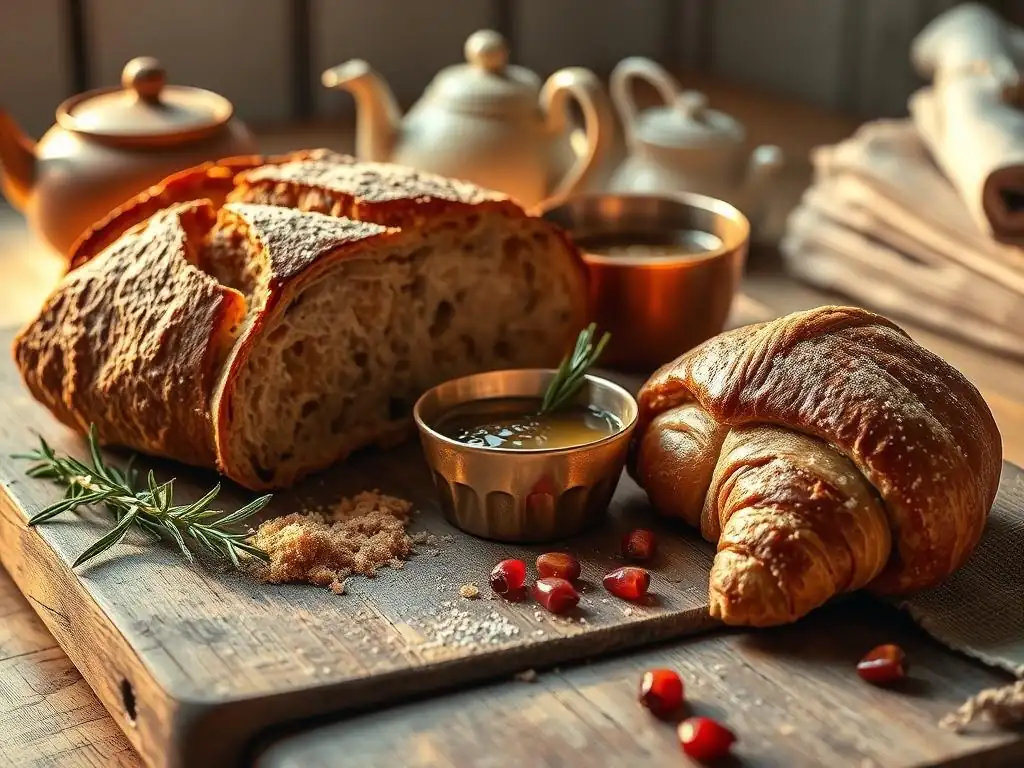
Welcome to BakeWithEase, your trusted companion in the delightful world of baking! Ever wondered how to breathe new life into those day-old treats? Our latest article, "Revive Your Baked Goods: Bring Stale Bread and Pastries Back to Life," unlocks the secrets to rescuing your forgotten loaves and pastries. Discover simple, effective techniques and prepare to be amazed – because no delicious crumb deserves to be wasted. Ready to learn how?
- Understanding Staling: Why Do Baked Goods Go Stale?
- Reviving Stale Bread: Simple Techniques for Freshness
- Bringing Stale Pastries Back to Life: Reclaiming Deliciousness
- Preventing Staling: Tips for Keeping Baked Goods Fresh Longer
- Creative Uses for Stale Bread and Pastries: Beyond Revival
- Troubleshooting: Common Issues When Reviving Baked Goods
-
Frequently Asked Questions
- How can I revive stale bread to make it edible again?
- What's the best way to revive stale pastries like croissants or danishes?
- Can stale bread be used for purposes other than simply reheating?
- Are there any specific techniques for reviving different types of bread or pastries?
- How can I prevent my bread and pastries from going stale so quickly in the first place?
- Final Reflection: Reviving the Joy of Freshness in Stale Baked Goods
- Rediscover the Deliciousness: Give Your Baked Goods a Second Chance!
Understanding Staling: Why Do Baked Goods Go Stale?
The Science Behind Bread Staling: Retrogradation Explained
Bread staling isn't just about drying out, although that plays a role. The primary culprit is a process called starch retrogradation. When bread is baked, the starch molecules in the flour absorb water and swell, a process called gelatinization. As the bread cools, these starch molecules begin to crystallize and realign themselves, forcing water out of the starch granules and into the surrounding gluten network. This movement of water is what makes the bread firm and dry, giving it that stale texture.
This retrogradation happens fastest at temperatures just above freezing, which is why storing bread in the refrigerator actually accelerates staling compared to storing it at room temperature. The structure of the starch changes, making the bread less palatable. While heating can temporarily reverse some of this crystallization by allowing the starch to reabsorb water, the process will begin again as the bread cools. Understanding this science helps us appreciate the methods used to effectively revive stale bread pastries.
Common Causes of Stale Pastries: Moisture Loss and Fat Oxidation
Pastries, like croissants, muffins, and cookies, go stale due to a combination of factors, chief among them being moisture loss. Their higher sugar and fat content compared to plain bread affects the staling process differently, but exposure to air allows moisture to evaporate, leading to a dry, crumbly texture. Think of a flaky croissant left on the counter – it loses its crispness and becomes brittle as moisture escapes.
Another significant factor in pastry staling, especially for items with high fat content, is fat oxidation. Over time, the fats in pastries can react with oxygen, leading to off-flavors and aromas, often described as rancid. This chemical change degrades the quality and taste of the pastry, making it unappealing even if the texture hasn't completely deteriorated. Preventing air exposure is key to slowing both moisture loss and oxidation, helping to preserve the deliciousness of your baked goods.
Reviving Stale Bread: Simple Techniques for Freshness
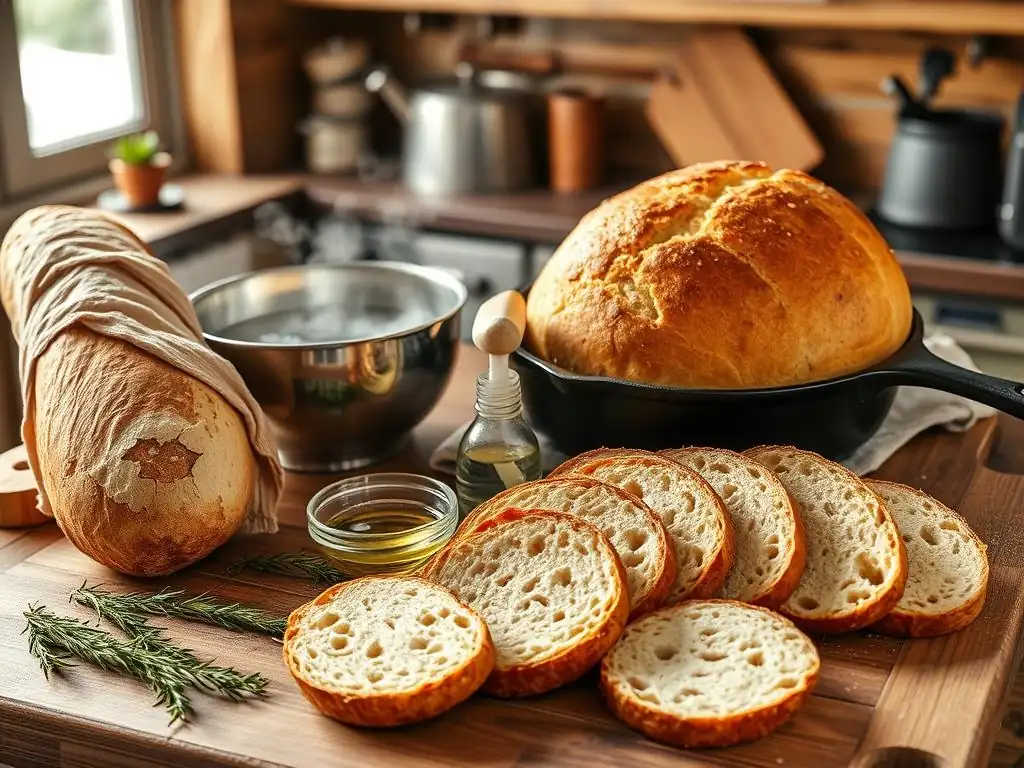
Rehydrating Stale Bread in the Oven: A Step-by-Step Guide
One of the most effective ways to revive stale bread is by reintroducing moisture and gently heating it in the oven. Start by preheating your oven to a moderate temperature, around 300-350°F (150-175°C). Lightly dampen the entire loaf or the individual slices you wish to revive with water. Don't soak it, just a light misting or quick dip in water will suffice to allow the crust to become pliable again.
Wrap the dampened bread loosely in aluminum foil. The foil helps create a steam pocket around the bread as it heats, allowing the moisture to reabsorb into the crumb and soften the crust without drying it out further. Place the foil-wrapped bread directly on the oven rack or on a baking sheet. Bake for about 10-20 minutes for a whole loaf, or 5-10 minutes for slices, depending on the size and how stale it is.
The goal is to warm it through and soften the texture. Carefully remove the bread from the foil and enjoy immediately for the best results; the effect is temporary, as the starch retrogradation will resume as it cools. This technique is excellent to revive stale bread pastries, particularly crusty loaves like baguettes or sourdough.
Steaming Stale Bread: A Quick and Easy Revival Method
Steaming is a rapid method to revive stale bread, especially smaller pieces or rolls. This technique works by surrounding the bread with hot, moist air, which quickly penetrates the crust and softens the interior. You can use a vegetable steamer basket set over a pot of simmering water, ensuring the water doesn't touch the bread. Place the bread in the basket, cover the pot, and let it steam for 5-10 minutes.
Alternatively, you can use a microwave with a bowl of water alongside the bread (though this can sometimes make bread chewy). For best results with steaming, the traditional stovetop method is preferred. The hot steam penetrates the bread, temporarily reversing some of the staling effects. Once steamed, the bread should be eaten right away, as it can quickly become hard again as it cools. This method is particularly good for softening the crumb of softer bread types.
Using a Damp Towel to Soften Crusty Bread
For crusty breads like baguettes or ciabatta that have only slightly hardened, a damp towel can offer a simple solution. Lightly dampen a clean kitchen towel with water – it should be moist, not dripping wet. Wrap the stale bread tightly in the damp towel.
Place the wrapped bread in a warm place, or even briefly in a low oven (turned off but still warm) or microwave (for just 30-60 seconds). The moisture from the towel will transfer to the bread's crust, softening it and slightly refreshing the interior. This method is less effective for severely stale bread but works well for minor staling and helps maintain a good crust texture.
Reviving Stale Bread on the Stovetop: When and How to Do It
Reviving stale bread on the stovetop is a handy method for slices or smaller pieces, especially when you only need a quick fix. This technique works well for bread destined for things like grilled cheese or toast, though it won't perfectly replicate fresh bread. You can lightly dampen slices and heat them in a dry pan over medium heat for a minute or two per side, just until they are warm and slightly softened.
Another stovetop method involves a covered pan with a tiny bit of water. Place a rack or trivet in a pan, add a small amount of water (just enough to create steam), place the bread on the rack, cover, and heat gently. The steam will soften the bread. This is particularly useful for rolls or thicker slices. Remember, stovetop methods are best for immediate consumption as the revived state is very temporary.
Bringing Stale Pastries Back to Life: Reclaiming Deliciousness
Refreshing Stale Croissants: The Oven Method
Stale croissants often lose their flaky texture and become dry and brittle. The best way to revive these delicate pastries is using the oven. Preheat your oven to a relatively low temperature, around 300-325°F (150-160°C). This gentle heat helps to warm the pastry through without burning the exterior.
Place the stale croissants directly on a baking sheet. Avoid overcrowding the sheet. Bake for about 5-8 minutes, or until the croissants feel warm to the touch and the layers appear slightly separated and flaky again. The heat helps to redistribute the fats and sugars within the pastry structure and crisp up the exterior. Serve immediately for the best texture and flavor, effectively helping to revive stale bread pastries like these.
Reviving Stale Muffins: Steaming for Softness
Muffins tend to become dry and crumbly when stale due to moisture loss. Steaming is an excellent method to restore their soft, moist texture. You can use a stovetop steamer setup or even the microwave. For the microwave, wrap the muffin loosely in a damp paper towel and microwave for 20-40 seconds, depending on the size. The steam from the towel will rehydrate the muffin.
For a slightly better result that avoids potential chewiness, use a stovetop steamer. Place muffins in a steamer basket over simmering water, cover, and steam for 5-10 minutes. This infuses moisture back into the crumb, making them tender and delicious again. This technique is very effective at helping to revive stale bread pastries in muffin form.
Reviving stale cookies depends largely on the type of cookie. Crispy cookies that have gone soft can often be re-crisped by baking them on a baking sheet in a low oven (around 300°F or 150°C) for 5-10 minutes. Keep a close eye on them to prevent burning. This drives out excess moisture.
Soft or chewy cookies that have gone hard benefit from a quick burst of moisture. Placing them in a container with a slice of fresh bread overnight can help transfer moisture, although this is slow. A quicker method is a very brief microwave (5-10 seconds) or a few minutes in a low oven (300°F/150°C), perhaps alongside a small cup of water to create steam. The goal is to soften them slightly without making them tough.
The Microwave Method for Reviving Single-Serving Pastries: Quick Fix
The microwave offers a very fast way to revive single servings of many stale pastries, though it can sometimes result in a slightly rubbery texture if not done carefully. This method is best for quick fixes when you need to revive stale bread pastries right away. Wrap the pastry (like a muffin, scone, or even a slice of cake) loosely in a damp paper towel.
Microwave on high for 10-30 seconds, checking frequently. The moisture from the paper towel creates steam, which rehydrates the pastry. While quick, this method doesn't work well for flaky pastries like croissants or puff pastry, as it destroys their delicate layers. It's most effective for denser items that primarily need moisture restoration.
Preventing Staling: Tips for Keeping Baked Goods Fresh Longer
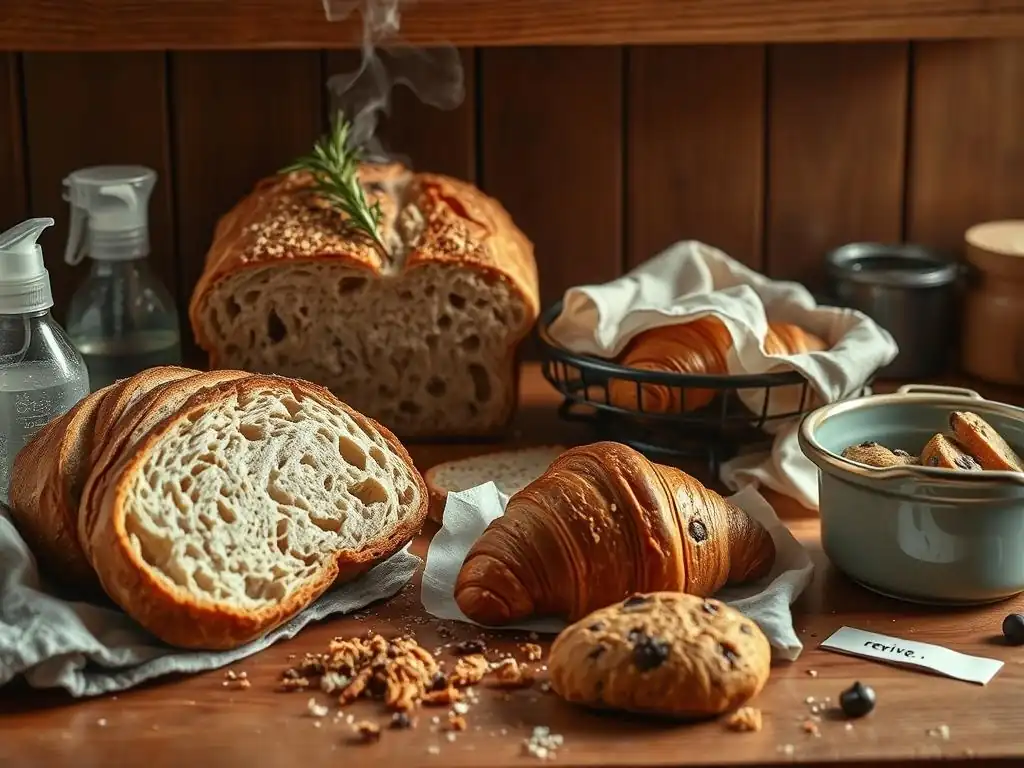
Proper Storage Techniques for Bread: Maintaining Moisture
Proper storage is the first line of defense against stale bread. For crusty loaves, store them at room temperature in a paper bag. This allows the crust to breathe, maintaining its crispness, while still offering some protection. Avoid plastic bags for crusty bread unless you want a soft crust, as plastic traps moisture and can make the crust soggy and accelerate staling of the interior.
For softer sandwich breads, storing them in a plastic bag or airtight container at room temperature is usually best. This helps retain the internal moisture, keeping the crumb soft. Avoid the refrigerator, as temperatures just above freezing accelerate starch retrogradation, making bread go stale faster than at room temperature. A bread box can also help regulate humidity and air circulation.
Best Storage Practices for Pastries: Preventing Oxidation
Storing pastries correctly helps preserve their texture and flavor and prevents them from going stale too quickly. Most pastries, especially those with creamy fillings or frostings, should be stored in an airtight container at room temperature for a few days or in the refrigerator if they contain perishable ingredients. An airtight container minimizes exposure to air, which slows down both moisture loss and fat oxidation.
Delicate pastries like croissants or Danishes are best stored at room temperature in a paper bag for a day or two to maintain some crispness, or in a loosely covered container. For longer storage, airtight is better, though it will soften the exterior. Cookies should be stored in airtight containers; for different types, store crispy and soft cookies separately to maintain their intended textures.
The Freezer: Your Ally Against Staling
Freezing is an excellent way to significantly extend the life of most baked goods and is arguably the best method to prevent staling long-term. Starch retrogradation is paused at freezing temperatures (0°F or -18°C and below). To freeze bread or pastries, ensure they are completely cooled first. Wrap them tightly in plastic wrap, then place them in a freezer bag or wrap again in aluminum foil. This double layer of protection minimizes freezer burn, which is essentially dehydration.
Properly wrapped bread can last in the freezer for up to 6 months, while most pastries will keep for 3-6 months. To thaw, remove from the freezer and let them sit at room temperature in their wrapping. Once thawed, they can often be refreshed using the techniques mentioned earlier, effectively allowing you to revive stale bread pastries from the freezer.
Creative Uses for Stale Bread and Pastries: Beyond Revival
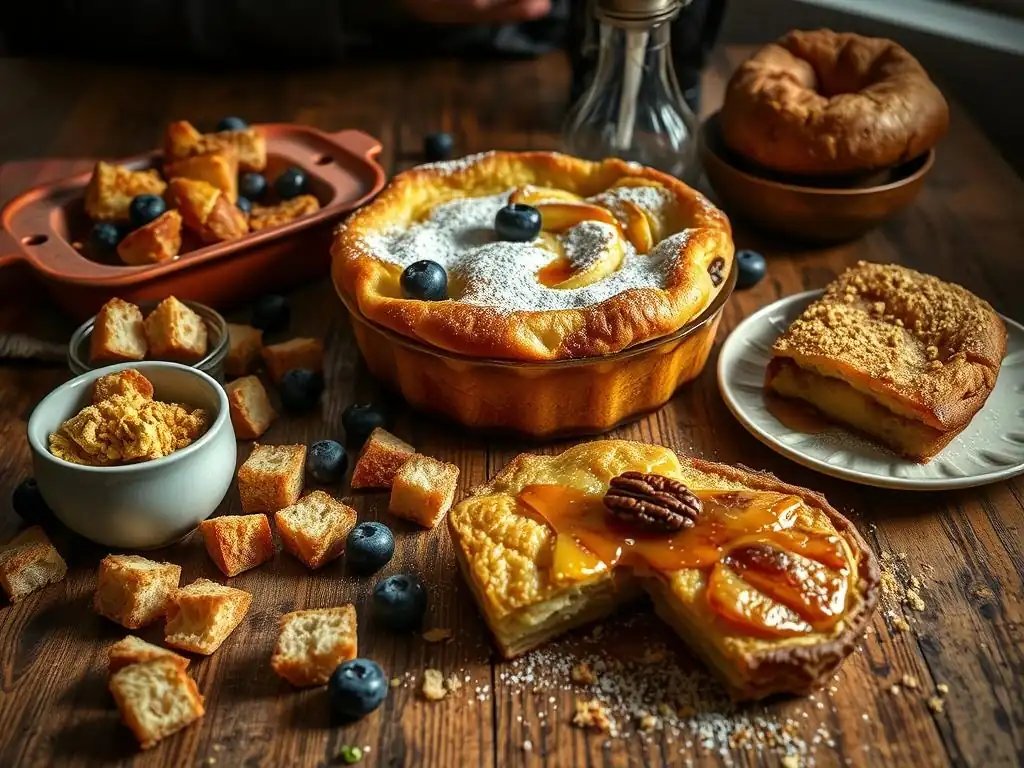
When bread is too stale to be effectively revived, it's perfect for making breadcrumbs. This is a fantastic way to reduce food waste. Simply tear or cut the stale bread into small pieces. You can then pulse these pieces in a food processor or blender until they reach your desired crumb size.
For dried breadcrumbs, spread the crumbs on a baking sheet and bake in a low oven (around 250°F or 120°C) for 15-20 minutes, stirring occasionally, until completely dry and crisp. Let them cool completely before storing in an airtight container. These homemade breadcrumbs are far superior to store-bought ones and can be used in countless recipes, from coating cutlets to topping casseroles.
Stale Bread Croutons: A Delicious Salad Topping
Another excellent use for stale bread is turning it into flavorful croutons. Stale bread is ideal because it holds its shape well during baking. Cut or tear the bread into bite-sized cubes. Toss the cubes with olive oil (or melted butter), salt, pepper, and any desired herbs or spices like garlic powder, dried oregano, or Italian seasoning.
Spread the seasoned bread cubes in a single layer on a baking sheet. Bake in a preheated oven at around 350°F (175°C) for 10-20 minutes, stirring halfway through, until they are golden brown and crispy. Let them cool completely before storing in an airtight container. Homemade croutons add wonderful texture and flavor to salads, soups, and stews.
Bread Pudding: Transforming Stale Bread into a Decadent Dessert
Bread pudding is a classic comfort dessert specifically designed to use up stale bread. The dry bread acts like a sponge, readily absorbing a rich custard mixture made from milk, cream, eggs, sugar, and flavorings like vanilla or cinnamon. Using stale bread is actually preferable to fresh bread, as fresh bread can result in a soggy pudding.
Simply tear or cube the stale bread, soak it in the custard mixture for a while to allow it to absorb fully, then bake until set and golden brown. You can add ingredients like raisins, chocolate chips, or fruit. This is a delicious and satisfying way to give stale bread a second, delightful life as a sweet treat.
Using Stale Pastries in Tiramisu or French Toast: Creative Ideas
Stale pastries, especially drier ones like brioche or even croissants that are past reviving, can be creatively repurposed in desserts. For example, stale croissants can be used in a variation of bread pudding or even cut into pieces and baked until very crisp to use as a base for a trifle.
Stale brioche or Challah bread, which are technically pastries due to their high egg and butter content, make exceptional French toast. Their slightly dry state helps them soak up the egg and milk mixture without falling apart. Similarly, drier cakes or ladyfingers can be used as the base layer in a tiramisu, absorbing the coffee and liqueur mixture beautifully. Don't let those delicious flavors go to waste; find new ways to enjoy them!
Troubleshooting: Common Issues When Reviving Baked Goods
Bread Too Hard After Reviving: Solutions and Adjustments
If your bread comes out too hard after attempting to revive it, it's likely due to insufficient moisture during the process or overheating. When using the oven method, ensure the bread was adequately dampened and fully wrapped in foil to create that crucial steam environment. If it still comes out hard, try re-wrapping it, adding a tiny bit more water if necessary, and baking for a few more minutes at a slightly lower temperature.
For steaming methods, make sure the water is actively simmering and the bread is fully exposed to the steam. If using the microwave with a damp towel, ensure the towel is moist enough and microwave in short bursts (10-15 seconds) to avoid overdoing it, which can make bread rubbery before it gets soft. Sometimes, severely stale bread simply won't fully recover its original softness.
Pastries Soggy After Reheating: Preventing Excess Moisture
Soggy pastries after reheating or reviving usually result from too much moisture or using the wrong method for the pastry type. For flaky pastries like croissants, avoid steaming or excessive dampening, as this will destroy the layers and make them heavy and wet. The oven method at a moderate temperature is generally best for these, focusing on re-crisping rather than rehydrating the crumb.
When using the microwave for denser pastries like muffins, ensure the paper towel is only damp, not soaking wet, and microwave for minimal time. Overheating in the microwave can also lead to a tough, sometimes soggy-chewy texture. For any pastry, allowing it to sit wrapped after heating can trap steam and make it soggy; it's best to unwrap and serve immediately after reviving.
When to Give Up: Recognizing When Revival Isn't Possible
While many stale baked goods can be improved, there comes a point when revival simply isn't feasible or desirable. If bread is rock hard and crumbles excessively when you try to handle it, it may be too far gone for simple rehydration methods to work effectively. The starch structure might be too rigidly set.
Similarly, pastries that have developed off-flavors due to significant fat oxidation are best repurposed rather than revived for eating as they were intended. Trust your senses: if it smells or tastes wrong, no amount of heating will fix that. In these cases, turning stale bread into breadcrumbs or croutons, or using pastries in recipes like bread pudding or tiramisu, is the best course of action. These methods embrace the dry texture rather than trying to reverse it completely.
Frequently Asked Questions
How can I revive stale bread to make it edible again?
The most common method is to lightly dampen the bread and reheat it in the oven. This helps to rehydrate the starch molecules and soften the crust.
What's the best way to revive stale pastries like croissants or danishes?
Similar to bread, you can lightly moisten them and reheat in a warm oven. Alternatively, a quick microwave zap can also work in a pinch, but be careful not to overdo it!
Can stale bread be used for purposes other than simply reheating?
Absolutely! Stale bread is excellent for making bread crumbs, croutons, or even ingredients in dishes like bread pudding or panzanella.
Are there any specific techniques for reviving different types of bread or pastries?
Dense breads like sourdough might require a longer reheating time at a lower temperature. Flakier pastries benefit from a quick, high-heat revival to maintain their crispness.
How can I prevent my bread and pastries from going stale so quickly in the first place?
Proper storage is key. Store baked goods in an airtight container or bag at room temperature. For longer storage, consider freezing them.
Final Reflection: Reviving the Joy of Freshness in Stale Baked Goods
The art of reviving stale bread and pastries is not just a culinary skill; it is a testament to our resourcefulness and respect for food. In a world where sustainability and waste reduction are becoming increasingly important, learning how to breathe new life into stale baked goods is more relevant than ever. The simple act of reviving stale bread and pastries not only saves money but also honors the effort that goes into creating these delicious treats. Every loaf and pastry has a story, and by reviving them, we keep that story alive.
Culturally, the practice of rejuvenating stale baked goods reflects a deeper understanding of our relationship with food and waste. In many communities, stale bread has been transformed into delightful dishes, showcasing creativity and innovation.
This practice not only reduces waste but also fosters a sense of community as families gather to share these revived treats. As the famous chef Julia Child once said, > “No one is born a great cook, one learns by doing.” This sentiment resonates deeply as we embrace the challenge of turning stale into sensational, reminding us that every culinary endeavor is an opportunity for growth and connection.
As you reflect on the lessons shared in this article, I invite you to take action in your own kitchen. Consider how you can incorporate the techniques of reviving stale bread and pastries into your daily life, transforming what might be discarded into something delightful. Embrace the challenge, experiment with flavors, and share your creations with others.
By doing so, you not only enhance your culinary skills but also contribute to a more sustainable future, one loaf at a time. Let us celebrate the revival of baked goods as a symbol of creativity, resourcefulness, and the joy of sharing good food with those we love.
Rediscover the Deliciousness: Give Your Baked Goods a Second Chance!
Thanks for taking the time to explore our tips on reviving stale bread and pastries! We hope you've gained some valuable techniques to reduce food waste and enjoy your baked goods to the fullest. Now, let's put that knowledge into action:
- Immediately try one of the revival methods described in the article – your taste buds will thank you! Which method are you most excited to try first?
- Share your results! Post a picture of your resurrected baked goods on social media using #BakeWithEaseRevival and inspire others.
- Explore our other articles on baking tips and tricks to keep your kitchen adventures delicious and efficient.
Ready to tackle that slightly stale loaf? What creative recipe will you use to showcase your revived baked goods?