
Mastering Confectioners' Sugar: Achieve Silky Smooth Frostings

Welcome to BakeWithEase, your guide to confident and delicious baking! Ever wondered how to achieve that perfect, silky-smooth frosting? This week, we're demystifying a baking staple: confectioners' sugar. Discover our simple method for creating this essential ingredient at home, and unlock a world of baking possibilities. Ready to elevate your frostings and dustings? Let's get started!
- Mastering Confectioners' Sugar: Achieve Silky Smooth Frostings with BakeWithEase
- Introduction: The Secret to Flawless Frosting - Confectioners' Sugar
- What is Confectioners' Sugar? A Baker's Essential Ingredient
- How to Make Confectioners' Sugar: A Step-by-Step Guide
- Storing Your Homemade Confectioners' Sugar: Keep it Fresh
- Using Confectioners' Sugar in Your Baking: Recipes and Tips
- Troubleshooting Common Issues with Confectioners' Sugar
- Exploring Variations of Confectioners' Sugar
- Confectioners' Sugar Substitutes: What to Use in a Pinch
- The Importance of High-Quality Confectioners' Sugar for Baking Success
- Conclusion: Bake With Ease - Unlock Your Baking Potential with Perfect Confectioners' Sugar
-
Frequently Asked Questions
- How is confectioners' sugar different from granulated sugar?
- Can I make confectioners' sugar at home if I don't have any?
- Why is cornstarch added to confectioners' sugar?
- What is the best way to store homemade confectioners' sugar?
- Can I use confectioners' sugar in place of granulated sugar in all recipes?
- Final Reflection: The Sweet Science of Smooth Frostings
- Unlock Your Frosting Potential: Silky Smooth Success Awaits!
Mastering Confectioners' Sugar: Achieve Silky Smooth Frostings with BakeWithEase
Introduction: The Secret to Flawless Frosting - Confectioners' Sugar
Why Confectioners' Sugar is Essential for Baking Perfection
Confectioners' sugar, also widely known as powdered sugar or icing sugar, is a cornerstone ingredient in the world of baking, particularly when it comes to achieving smooth, luscious frostings and delicate glazes. Unlike its granulated counterpart, confectioners' sugar is ground into an extremely fine powder.
This ultra-fine texture is critical because it dissolves instantly and completely, preventing the gritty or grainy mouthfeel that can ruin a perfectly baked treat. Imagine trying to make a classic buttercream frosting for a birthday cake or a simple glaze for lemon cookies; the smoothness you desire is only possible with the powdery consistency of confectioners' sugar.
Furthermore, confectioners' sugar typically contains a small amount of cornstarch, usually around 3% by weight. This addition serves a vital purpose: it acts as an anti-caking agent, preventing the sugar from clumping together and absorbing moisture from the air. This ensures that the sugar remains free-flowing and easy to work with, making it an ideal ingredient for dusting pastries or creating light, airy icings that hold their shape beautifully. Without the unique properties of confectioners' sugar, achieving professional-looking finishes and delightful textures in many baked goods would be incredibly challenging.
BakeWithEase's Guide to Understanding Confectioners' Sugar
At BakeWithEase, we believe that understanding your ingredients is the first step to baking success. Confectioners' sugar might seem simple, but knowing its composition and how to handle it can elevate your results dramatically. From learning how to properly sift it for lump-free results to discovering the perfect ratio for a pourable glaze versus a pipeable frosting, mastering this sweet powder opens up a world of possibilities in decorating and finishing your baked creations.
Our guide aims to demystify confectioners' sugar for bakers of all levels. We'll walk you through everything from what it is and how it differs from other sugars to, most importantly, how to make confectioners’ sugar right in your own kitchen if you're ever in a pinch. We'll also cover essential tips for storage, common troubleshooting issues, and even delve into fun variations like flavored powdered sugar. Get ready to achieve those silky smooth frostings and perfect dusty finishes you've always dreamed of!
What is Confectioners' Sugar? A Baker's Essential Ingredient
Defining Confectioners' Sugar: Composition and Purpose
Confectioners' sugar is essentially granulated sugar that has been mechanically ground into a very fine powder. The process breaks down the sugar crystals into microscopic particles, resulting in a substance with a much larger surface area compared to granulated sugar. This fineness is its defining characteristic and primary advantage in baking, allowing it to blend seamlessly into liquids and fats without leaving behind any crystalline texture.
As mentioned, commercially produced confectioners' sugar contains a small percentage of cornstarch, typically 2.5% to 3% by weight. This cornstarch addition is crucial for preventing the sugar from absorbing moisture and solidifying into hard lumps. It also contributes slightly to the structure and stability of frostings and glazes by thickening them. The purpose of this finely ground sugar is primarily for applications where a smooth, non-gritty texture is paramount, such as icings, frostings, glazes, and dusting finishes on desserts like brownies, cakes, and pastries.
The Difference Between Granulated Sugar and Confectioners' Sugar
The fundamental difference between granulated sugar and confectioners' sugar lies in their particle size and the addition of cornstarch. Granulated sugar, also known as table sugar, consists of relatively large, distinct crystals.
When used in recipes, these crystals need time and moisture to dissolve, contributing to structure (like in cookies) or creating a coarse texture if not fully dissolved. It measures differently by volume and weight compared to powdered sugar; for instance, 1 cup of granulated sugar weighs approximately 200 grams, while 1 cup of sifted confectioners' sugar weighs closer to 120 grams due to its fineness and the way it packs.
Confectioners' sugar, being a fine powder with added cornstarch, behaves very differently. It dissolves almost instantly, making it ideal for uncooked applications like frostings or for incorporating into delicate batters where large crystals would be undesirable. The cornstarch prevents clumping and provides a slight thickening effect. Using granulated sugar in place of confectioners' sugar in a frosting recipe, for example, would result in a gritty texture and a lack of the desired smooth consistency, highlighting why these two forms of sugar are not typically interchangeable without significant adjustments.
How to Make Confectioners' Sugar: A Step-by-Step Guide
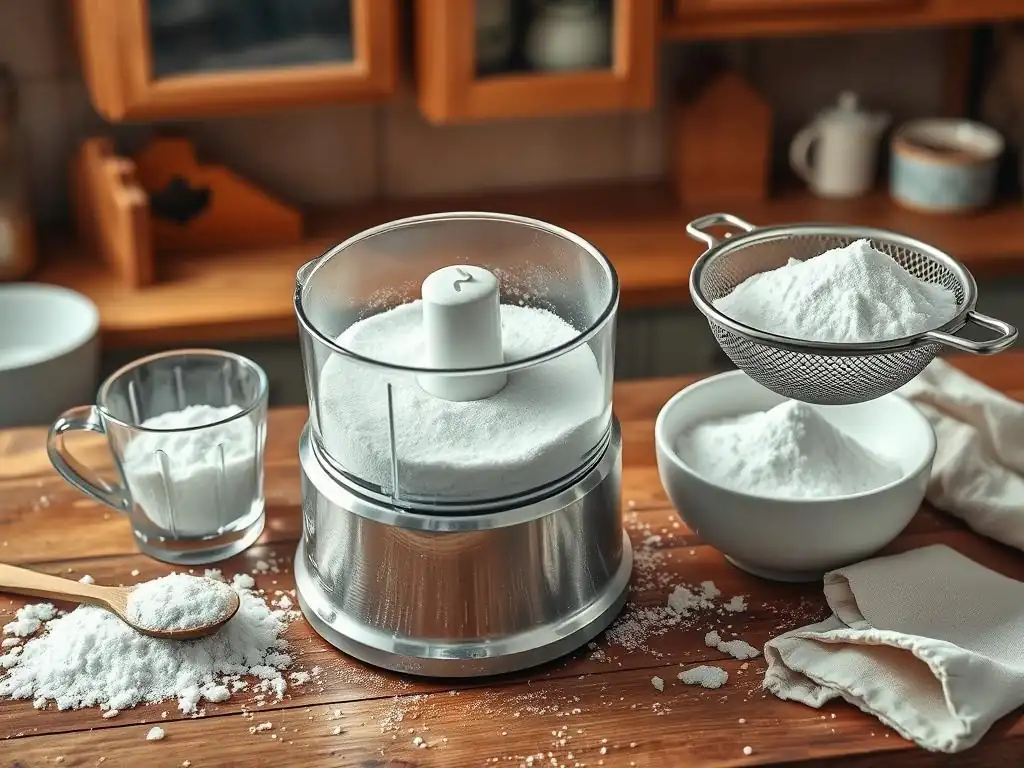
Sometimes you're in the middle of baking and realize you're out of confectioners' sugar. Don't fret! Learning how to make confectioners’ sugar at home is surprisingly simple and requires only two common pantry ingredients and a blender or food processor. This DIY method ensures you can continue your baking project without an extra trip to the store.
Gathering Your Supplies: What You'll Need
Making your own confectioners' sugar is straightforward and doesn't require specialized equipment. You will need:
- Granulated Sugar: This is the base ingredient. Standard white granulated sugar works perfectly.
- Cornstarch (Optional but Recommended): A small amount of cornstarch helps prevent clumping, just like in commercial versions.
- Blender or Food Processor: This is essential for grinding the granulated sugar into a fine powder. A powerful blender or food processor will yield the best results.
- Fine-Mesh Sieve: Crucial for sifting out any remaining larger sugar particles and ensuring a smooth powder.
- Airtight Container: For storing your freshly made confectioners' sugar.
Make sure your blender or food processor is completely dry before you begin, as any moisture can cause the sugar to clump immediately.
Step 1: Measuring Granulated Sugar for Homemade Confectioners' Sugar
The first step in making confectioners' sugar is accurately measuring your granulated sugar. The general rule of thumb is that 1 cup of granulated sugar will yield approximately 1 ¾ to 2 cups of confectioners' sugar once ground and fluffed.
However, for recipes that require a specific weight, it's better to measure the granulated sugar by weight. For example, if a recipe calls for 240 grams of confectioners' sugar, you would start with roughly 200 grams of granulated sugar, as grinding increases the volume but the weight of the sugar itself remains the same (plus the small addition of cornstarch).
Pour the measured granulated sugar into your blender or food processor. Avoid overfilling the container, as grinding works best with smaller batches. For most standard blenders, processing more than 1-2 cups of sugar at a time might not produce the finest powder evenly. Start with a manageable amount to ensure the blades can effectively grind all the crystals.
Step 2: Adding Cornstarch: The Key to Preventing Clumping
To replicate the anti-caking properties of commercial confectioners' sugar, add a small amount of cornstarch to your measured granulated sugar. A common ratio when you make confectioners’ sugar at home is to add about 1 tablespoon of cornstarch for every cup of granulated sugar you are using. So, if you measured 2 cups of granulated sugar, you would add 2 tablespoons of cornstarch.
The cornstarch doesn't significantly alter the sweetness or flavor profile in typical baking quantities, but its ability to absorb moisture is invaluable for keeping the powdered sugar free-flowing. Add the cornstarch directly into the blender or food processor along with the granulated sugar before you begin grinding.
Step 3: Blending the Mixture: Achieving the Perfect Consistency
Now comes the transformation! Secure the lid on your blender or food processor and begin processing the sugar and cornstarch mixture. Start on a low speed to break up larger crystals, then increase to high speed. You will need to process the mixture for approximately 30 seconds to 2 minutes, depending on the power of your appliance.
Periodically stop the machine, remove the lid (carefully! ), and scrape down the sides with a spatula to ensure all the sugar crystals are coming into contact with the blades. Continue blending until the mixture is a very fine, uniform powder with no discernible grit when you rub a small amount between your fingers. The longer you process, the finer the powder will become.
Step 4: Sifting for a Fine Powder: Ensuring Smoothness
Even after thorough blending, you might find a few tiny granules that didn't get perfectly pulverized. To ensure your homemade confectioners' sugar is silky smooth, just like the store-bought kind, sifting is a crucial final step. Place a fine-mesh sieve over a bowl or container.
Pour the blended sugar mixture into the sieve and gently tap or use a spoon to push the powder through. Any larger particles or clumps will remain in the sieve and should be discarded. This sifting process is essential for achieving lump-free frostings and glazes, guaranteeing the smooth texture that confectioners' sugar is known for. Your homemade confectioners' sugar is now ready to use!
Storing Your Homemade Confectioners' Sugar: Keep it Fresh
Proper storage is key to maintaining the quality of your homemade confectioners' sugar and preventing it from clumping. Since it's a fine powder, it's susceptible to absorbing moisture from the air, which can ruin its texture and usability for delicate applications like dusting or smooth icings. Taking a few simple steps will ensure your efforts in making confectioners’ sugar last.
Best Practices for Storing Confectioners' Sugar
The best way to store confectioners' sugar, whether homemade or store-bought, is in an airtight container. Materials like glass jars with tight-fitting lids, plastic containers with secure seals, or even heavy-duty resealable bags are excellent choices. The goal is to minimize exposure to humidity and air.
Store the container in a cool, dry pantry away from direct sunlight and sources of heat or moisture (like near the stove or dishwasher). Avoid storing it in the refrigerator, as this can actually introduce moisture through condensation. If you live in a particularly humid climate, you might consider adding a food-safe desiccant packet to the container, though for most home use, a truly airtight container in a dry spot is sufficient.
How Long Does Confectioners' Sugar Last?
Properly stored confectioners' sugar has a very long shelf life due to its low moisture content. While it doesn't technically "go bad" in the sense of spoiling like perishable foods, its quality can degrade over time, particularly if it's exposed to moisture and develops hard clumps.
Commercially produced confectioners' sugar often has a "best by" date, but it can typically remain usable for many months, even years, past that date if stored correctly. Homemade confectioners' sugar, made from granulated sugar and cornstarch, also has a very long pantry life when kept airtight. The primary issue you'll encounter is clumping.
If your sugar has hardened into a block, you can often break it up and re-sift it, but it might not be as fine as when freshly made. For best results in delicate applications like frosting, aim to use homemade confectioners' sugar within a few months, though it can be used for much longer if its texture is still acceptable after sifting.
Using Confectioners' Sugar in Your Baking: Recipes and Tips
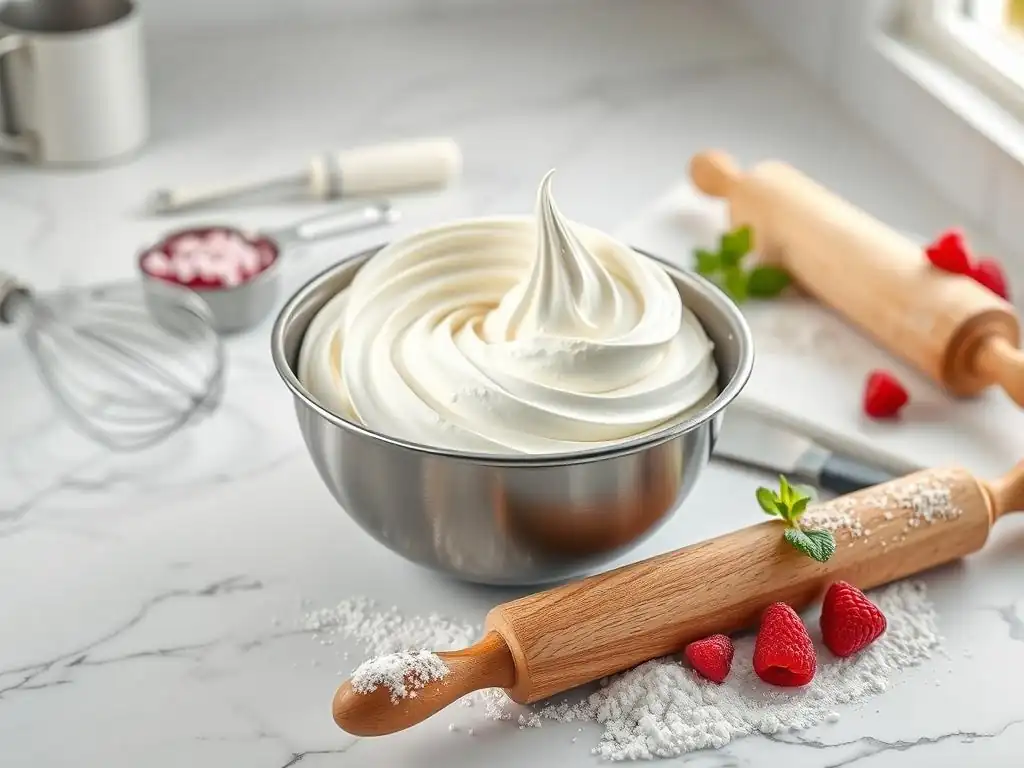
Confectioners' sugar is incredibly versatile, finding its way into countless sweet treats beyond just frosting. Its fine texture makes it indispensable for creating smooth, non-gritty finishes and sweet coatings. Let's explore some popular ways to use this essential ingredient.
Confectioners' Sugar Frosting Recipe: A BakeWithEase Classic
A simple buttercream or glaze made with confectioners' sugar is a fundamental skill for any baker. Here’s a basic recipe for a classic vanilla buttercream frosting that’s perfect for cakes and cupcakes:
- 1/2 cup (1 stick) unsalted butter, softened
- 2 cups (approx. 240g) sifted confectioners' sugar
- 2 tablespoons milk or cream
- 1 teaspoon vanilla extract
- Pinch of salt
Cream the softened butter in a bowl until light and fluffy. Gradually add the sifted confectioners' sugar, alternating with the milk or cream, mixing on low speed until just combined, then beat on medium speed until smooth and creamy. Stir in the vanilla extract and salt. If the frosting is too thick, add a tiny bit more milk; if too thin, add a little more sifted sugar. This ratio typically yields enough frosting for a 9x13 inch cake or 12 cupcakes. Sifting the confectioners' sugar before measuring is crucial for achieving the right consistency and smoothness.
Confectioners' Sugar Glaze: Adding a Touch of Sweetness
For a lighter, slightly translucent finish on cakes, cookies, or pastries, a simple glaze is perfect. Confectioners' sugar is the base for most glazes because it dissolves so readily into liquid. A basic glaze requires just confectioners' sugar and a liquid, like milk, water, or lemon juice.
Start with about 1 cup of sifted confectioners' sugar in a bowl. Add the liquid one teaspoon at a time, stirring until you reach the desired consistency. For a thick, opaque glaze that drizzles slowly, you might need only 2-3 tablespoons of liquid. For a thinner, more translucent glaze that sets quickly, you might need 4-5 tablespoons. Flavorings like vanilla extract or citrus zest can be added. This type of glaze is fantastic on pound cake, scones, or sugar cookies.
Other Applications of Confectioners' Sugar: Dusting, Decorations and More
Beyond frostings and glazes, confectioners' sugar has numerous other uses in baking and confectionery:
- Dusting: A light dusting over brownies, cakes, tarts, or pastries adds a simple elegance and touch of sweetness. Use a small sieve or a specialized sugar duster for an even coating.
- Shortbread and Cookies: It's often used in shortbread recipes to create a tender, melt-in-your-mouth texture.
- Candy Making: Essential for making fondant, fudge, and various types of candy where a smooth, non-crystalline texture is desired.
- Stabilizing Whipped Cream: A tablespoon or two can help stabilize whipped cream, preventing it from weeping, while also adding sweetness.
- Macarons: Confectioners' sugar (specifically pure powdered sugar without cornstarch for some recipes) is a key ingredient in macaron shells, providing structure and sweetness.
The possibilities are vast, making confectioners' sugar a true workhorse in the baker's pantry.
Troubleshooting Common Issues with Confectioners' Sugar
Even with the best ingredients and techniques, sometimes things don't go exactly as planned. Working with confectioners' sugar can present a few common challenges, particularly related to texture and consistency. Knowing how to troubleshoot these issues will save your baked goods.
Lumpy Confectioners' Sugar: Causes and Solutions
Lumps are the most frequent complaint when working with confectioners' sugar. This typically happens when the sugar has absorbed moisture from the air or wasn't properly sifted before use. Humidity is a major culprit, causing the fine particles to stick together and form hard clumps. If you make confectioners’ sugar at home without cornstarch, it will be even more prone to clumping.
To fix lumpy sugar, the simplest solution is to sift it. Pass the required amount of sugar through a fine-mesh sieve into your mixing bowl. For stubborn clumps, you might need to gently press them against the sieve with the back of a spoon. If the entire container of sugar has become a solid block, you can try breaking it up in a food processor or blender again, then sifting. Proper storage in an airtight container is the best way to prevent lumps from forming in the first place.
Adjusting Sweetness Levels with Confectioners' Sugar
While confectioners' sugar is primarily used for texture, it also provides sweetness. Adjusting the sweetness in frostings or glazes is often a matter of adding more or less sugar relative to the liquid or fat. Remember that 1 cup of sifted confectioners' sugar weighs less than 1 cup of granulated, so its sweetening power by volume is slightly different.
If your frosting is too sweet, you can try adding a pinch of salt (salt enhances other flavors and can balance sweetness) or a splash of acid, like lemon juice or cream of tartar, depending on the recipe. Adding more unsweetened liquid (like milk or cream) or fat (like butter) can also dilute the sweetness, but be mindful that this will also change the consistency. If your frosting isn't sweet enough, gradually whisk in more sifted confectioners' sugar until it reaches your desired taste, adding a tiny bit of liquid if it becomes too thick.
Achieving the Right Consistency in Frostings Using Confectioners' Sugar
The consistency of a confectioners' sugar-based frosting or glaze is crucial for its application, whether you need a stiff frosting for piping intricate designs or a thin glaze for dipping cookies. The ratio of confectioners' sugar to liquid/fat determines the consistency.
If your frosting is too thick for piping or spreading smoothly, add liquid (milk, cream, water, juice) one teaspoon at a time, mixing thoroughly after each addition, until the desired consistency is reached. A little liquid goes a long way! If your frosting is too thin and runny, gradually add more sifted confectioners' sugar, a tablespoon or two at a time, mixing until it thickens. Remember to sift the sugar first to avoid introducing lumps. Patience and gradual additions are key to getting the consistency just right.
Exploring Variations of Confectioners' Sugar
While plain confectioners' sugar is the standard, you can easily create exciting variations to add extra flavor dimensions to your baked goods. These simple tweaks can make a big difference in your finished product.
Flavored Confectioners' Sugar: Adding Extracts and Spices
Infusing confectioners' sugar with flavors is a fantastic way to add a subtle or prominent taste to frostings, glazes, or dustings. You can achieve this by adding dried ingredients or by blending with extracts.
For dried ingredients, simply add spices like cinnamon, ginger, or cocoa powder to your granulated sugar before grinding it into powder. For example, add 1-2 tablespoons of cocoa powder per cup of sugar before blending to make chocolate powdered sugar. You can also add dried citrus zest (ensure it's completely dry) or even freeze-dried fruit powder for vibrant colors and flavors.
If you are making confectioners’ sugar at home, this is the perfect time to blend in these additions. For liquid extracts, you typically add them after the sugar is powdered, usually when incorporating it into a frosting or glaze recipe. However, you can also add a few drops of a concentrated extract (like vanilla or almond) to your granulated sugar before blending; the grinding process helps distribute the flavor, though this method is less common.
Vegan Confectioners' Sugar: Cornstarch Alternatives
Standard commercial confectioners' sugar is vegan, as are granulated sugar and cornstarch. However, some specialty powdered sugars might contain additives derived from animal products, though this is rare. If you are making confectioners’ sugar at home and need a cornstarch alternative due to allergies or preferences, you have options.
Tapioca starch or arrowroot powder can be used as substitutes for cornstarch as an anti-caking agent. Use them in the same ratio: approximately 1 tablespoon per cup of granulated sugar before grinding. These starches perform similarly to cornstarch in preventing clumping. Ensure the tapioca starch or arrowroot powder you use is finely ground itself for the smoothest result. Always double-check ingredient labels on store-bought starches or sugars if adhering to strict dietary requirements.
Confectioners' Sugar Substitutes: What to Use in a Pinch
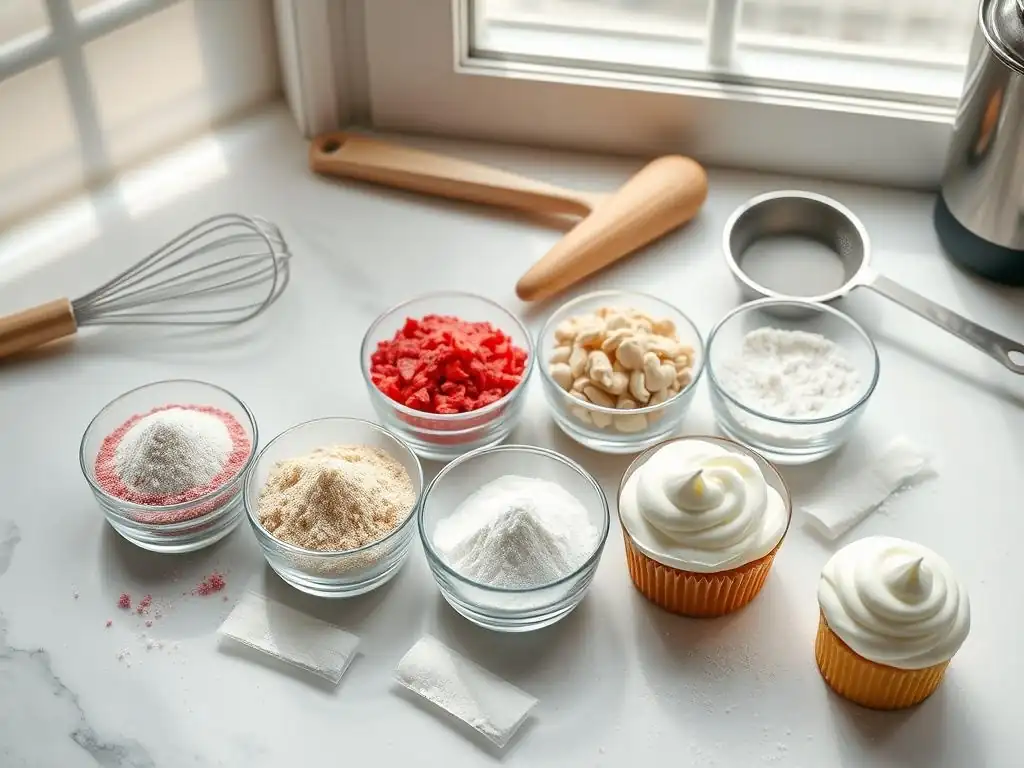
Ideally, you'll have confectioners' sugar on hand when a recipe calls for it, or you'll know how to make confectioners’ sugar yourself. However, if you're caught without it and don't have the means to make it, there might be alternative options, although they come with caveats.
When You Don't Have Confectioners' Sugar: Alternative Options
Using granulated sugar directly in place of confectioners' sugar is generally not recommended for applications where smoothness is key, like frostings or glazes, because it will result in a grainy texture. However, in some baked goods where the sugar melts during cooking (like certain cookie doughs or cakes), you might be able to substitute granulated sugar if texture isn't the primary concern, though this is a risky move for recipes specifically calling for powdered sugar for its unique properties.
A better alternative, if you have the ingredients and equipment, is to make your own using the steps outlined earlier in this guide. If that's not possible, and the recipe is for a cooked item where the sugar melts, you might consider if another sweetener like brown sugar or a liquid sweetener (like maple syrup or corn syrup) could work in that specific context, but this would require significant recipe adjustments and would likely change the flavor, color, and texture of the final product considerably.
For uncooked applications like frosting, there is truly no perfect substitute for the fine texture of confectioners' sugar.
Adjusting Recipes When Using Substitutes
Substituting granulated sugar for confectioners' sugar is tricky due to the difference in weight per volume and texture. Approximately 1 ¾ to 2 cups of sifted confectioners' sugar is equivalent to 1 cup of granulated sugar by sweetness, but the volume and texture differences remain.
If you were to attempt a substitution in a baked good where the sugar melts, you would generally use less volume of granulated sugar than the called-for volume of confectioners' sugar (e.g., use ¾ to 1 cup granulated for every 1 ¾ to 2 cups powdered), but the weight would be roughly similar (e.g., 200g granulated for 240g powdered).
However, as noted, this substitution is highly discouraged for recipes relying on the powdery texture, such as frostings, glazes, or shortbread. For these, learning how to make confectioners’ sugar is the most reliable "substitute" for store-bought. When using alternative starches like tapioca or arrowroot to make your own vegan version, no recipe adjustment is typically needed compared to using cornstarch, as their function as anti-caking agents is similar.
The Importance of High-Quality Confectioners' Sugar for Baking Success
Just like flour or butter, the quality of your confectioners' sugar can impact your baking results. While the difference might not always be immediately obvious, using a reliable, high-quality product ensures consistency and helps you achieve the best possible texture in your frostings and finishes.
Choosing the Right Confectioners' Sugar Brand
When buying confectioners' sugar, look for brands known for consistent quality. Reputable brands generally ensure a uniform, fine grind and reliable inclusion of the anti-caking agent (typically cornstarch). Cheaper brands might have a coarser grind or inconsistent amounts of cornstarch, leading to lumpier results or glazes that don't set properly.
Consider the application. For delicate recipes like French macarons, some bakers prefer "pure" powdered sugar (labeled as 100% sugar, without cornstarch) for specific textural reasons, though this is less common and not necessary for most everyday baking like buttercreams or glazes. For general use, a standard, widely available brand of confectioners' sugar containing cornstarch is perfectly suitable. Check the packaging for any signs of moisture damage or hardening before purchasing.
Making Your Own vs. Buying Pre-Made
There are pros and cons to making your own confectioners' sugar versus buying it. Buying pre-made is convenient and guarantees a consistent, professional-level fineness and the correct amount of anti-caking agent, provided you choose a good brand. A 1-pound box typically costs just a few dollars, making it very accessible.
Learning how to make confectioners’ sugar at home is incredibly useful when you're in a bind and can save you a trip to the store. It also allows you to control the ingredients, which is helpful if you need a cornstarch-free version or want to infuse flavors during the grinding process. However, homemade versions might not always achieve the absolute fineness of commercial products unless you have a high-powered grinder, and the texture can be slightly less consistent. For most home baking purposes, either option works well, but knowing the DIY method provides valuable flexibility.
Conclusion: Bake With Ease - Unlock Your Baking Potential with Perfect Confectioners' Sugar
Mastering the use of confectioners' sugar is a valuable skill that opens the door to creating beautifully finished baked goods, from elegantly frosted cakes to delicately dusted pastries. Understanding its unique properties, primarily its ultra-fine texture and the role of the anti-caking agent, is key to achieving smooth, non-gritty results. Whether you're whipping up a classic buttercream, drizzling a simple glaze, or adding a finishing touch with a dusting, confectioners' sugar is an indispensable tool in your baking arsenal.
We hope this guide has empowered you with the knowledge to confidently work with this versatile ingredient, including learning how to make confectioners’ sugar yourself whenever the need arises. Remember to always sift for the smoothest results and store it properly to prevent clumps. With a little practice and attention to detail, you'll be creating bakery-quality finishes with ease. Happy Baking from your friends at BakeWithEase!
Frequently Asked Questions
How is confectioners' sugar different from granulated sugar?
Confectioners' sugar, also known as powdered sugar, is granulated sugar that has been finely ground and mixed with a small amount of cornstarch to prevent caking. Granulated sugar has a coarser texture and lacks the added cornstarch.
Can I make confectioners' sugar at home if I don't have any?
Yes, you can! Simply use a high-speed blender or food processor to grind granulated sugar with cornstarch. A ratio of approximately 1 cup granulated sugar to 1 tablespoon cornstarch is recommended.
Why is cornstarch added to confectioners' sugar?
The addition of cornstarch is crucial because it acts as an anti-caking agent. It absorbs any moisture, preventing the sugar particles from clumping together and ensuring a smooth, powdery texture.
What is the best way to store homemade confectioners' sugar?
Store homemade confectioners' sugar in an airtight container in a cool, dry place. This will help prevent it from absorbing moisture and clumping. Proper storage is essential for maintaining its powdery consistency.
Can I use confectioners' sugar in place of granulated sugar in all recipes?
No, confectioners' sugar should not be substituted directly for granulated sugar in all recipes. The added cornstarch and finer texture will affect the recipe's outcome, especially in baked goods. Use it only where the recipe specifically calls for it.
Final Reflection: The Sweet Science of Smooth Frostings
The pursuit of the perfect frosting is more than just a culinary quest; it's a testament to the power of precision and understanding. Achieving that silky smooth, cloud-like consistency with confectioners' sugar isn't about luck; it's about mastering the subtle science behind its properties. This article has explored the various techniques and considerations crucial to transforming simple sugar into a confectionery masterpiece.
The impact of mastering confectioners' sugar extends far beyond the kitchen. It's a symbol of patience, attention to detail, and the rewarding feeling of creating something beautiful and delicious from humble ingredients. The best things in life are simple, but not easy.
This quote perfectly encapsulates the journey of mastering confectioners' sugar – the process may require effort, but the result is undeniably rewarding, enriching both our culinary skills and our appreciation for the simple pleasures.
Now, it's your turn. Consider the lessons learned today – the importance of sifting, the impact of moisture, and the subtle art of achieving the perfect consistency. Don't just bake; create. Experiment with different techniques, explore your own variations, and most importantly, enjoy the process of transforming simple ingredients into something truly special. The journey of mastering confectioners' sugar is a continuous one, filled with sweet discoveries and delicious possibilities. Embrace the challenge, and let your creativity flourish.
Unlock Your Frosting Potential: Silky Smooth Success Awaits!
Thanks for taking the time to explore the world of confectioners' sugar with us! We hope you now feel empowered to create flawlessly smooth frostings. Ready to put your new knowledge into practice?
- Whip up your dream frosting: Grab your mixer and try one of the recipes mentioned – or create your own masterpiece using your newfound expertise!
- Share your sugary creations: Post a photo of your frosting triumph on social media and tag us – we'd love to see your baking brilliance!
- Challenge a friend: Encourage a fellow baker to experiment with confectioners’ sugar and share their results. Let's build a community of frosting perfectionists!
What innovative frosting flavor will you create next?