
Gift of Sourdough: How to Share Your Active Starter

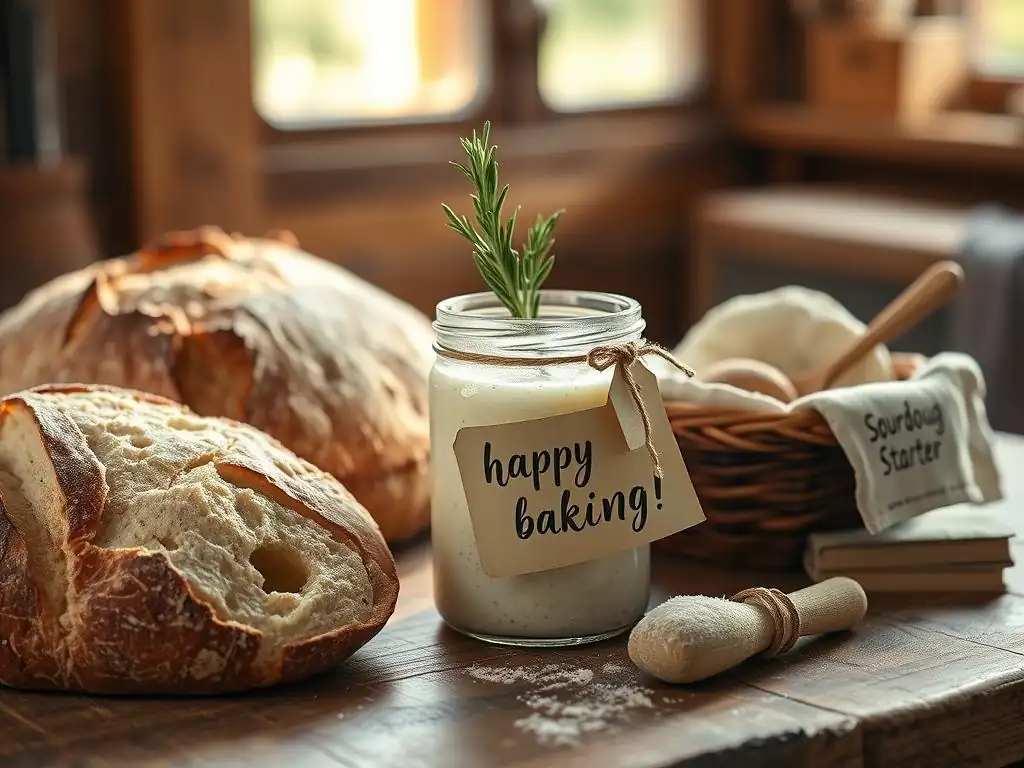
Welcome to BakeWithEase, your guide to unlocking baking brilliance! Ever wondered how to share the joy of sourdough with friends and family? Gifting a thriving sourdough starter is easier than you think, and it's a gift that keeps on giving. Discover our top Sourdough starter gifting tips below and learn how to package and present your active starter for a truly memorable and delicious present. Get ready to spread the love, one bubbly starter at a time!
- Gift of Sourdough: How to Share Your Active Starter - BakeWithEase
- Introduction: The Joy of Sharing Your Sourdough Starter
- Preparing Your Sourdough Starter for Gifting: A Step-by-Step Guide
- Sourdough Starter Gifting Tips: Ensuring Success for the Recipient
- Packaging Your Sourdough Starter Gift: Presentation Matters
- Safe Sourdough Starter Transportation Tips
- Troubleshooting: What to Do If the Starter Doesn't Activate
- Alternative Methods for Sharing Your Sourdough Starter
- Sourdough Starter Gifting Etiquette: Dos and Don'ts
- Conclusion: The Lasting Impact of Sharing Your Sourdough Starter
- Frequently Asked Questions
- Final Reflection: The Enduring Gift of Shared Yeast
- Unleash Your Sourdough Spirit: Share the Baking Joy!
Introduction: The Joy of Sharing Your Sourdough Starter
Sharing a piece of your thriving sourdough starter is more than just passing along ingredients; it's sharing a living legacy, a connection to ancient baking traditions, and the potential for countless delicious loaves. It's a tangible way to spread the joy and satisfaction that comes from baking with natural leavening. Think of it as gifting a perpetual source of baking magic, requiring only flour and water to keep the wonder alive.
This guide will walk you through the best practices for gifting your active sourdough starter, ensuring your recipient receives a healthy, vibrant culture ready to bake. We'll cover everything from preparing the starter to packaging and providing helpful tips for the new sourdough parent. Mastering the art of sourdough starter gifting tips means setting up your friends and family for success and welcoming them into the wonderful world of sourdough baking.
Why Gift a Sourdough Starter? Spreading the Baking Love
Gifting a sourdough starter is an incredibly thoughtful and practical present for anyone interested in baking. It bypasses the initial week or two required to start a new culture from scratch, offering an instant jumpstart into the sourdough journey. For many, the commitment of starting a starter from flour and water can feel daunting; receiving an already robust, active culture removes this barrier, making the transition into sourdough baking much smoother and more encouraging.
Beyond convenience, sharing your starter fosters a sense of community. You become a mentor, able to share your experiences, offer advice, and troubleshoot common issues. This shared experience strengthens bonds and creates baking buddies! Imagine swapping tips, comparing loaves, or even baking together. It transforms a solitary hobby into a shared passion, significantly enhancing the recipient's baking experience and confidence right from the start with these valuable sourdough starter gifting tips.
Understanding Your Active Sourdough Starter Before Gifting
Before you prepare your starter for sharing, it's crucial to ensure it is active, healthy, and robust. A healthy starter typically doubles or triples in size within 4-6 hours after feeding when kept at room temperature (around 70-78°F or 21-26°C). It should have a pleasant, slightly tangy aroma, free from off-putting or moldy smells. When you stir it, you should see bubbles throughout the mixture, indicating active fermentation by wild yeasts and bacteria.
An 'active' starter for gifting means it's recently been fed and is at or near its peak activity – usually 4-8 hours after feeding, depending on temperature and hydration. Gifting a starter that is past its peak or sluggish can lead to disappointment for the recipient, as it may take longer to become active again. A simple float test can be a quick indicator: drop a small dollop of starter into a glass of water; if it floats, it's likely active enough to share. Ensuring this vitality is key to successful sourdough starter gifting tips.
Preparing Your Sourdough Starter for Gifting: A Step-by-Step Guide
Preparing your starter correctly ensures it arrives at its new home in the best possible condition, ready to be nurtured and used. This process is straightforward but requires attention to detail to guarantee the starter's health and activity. Following these steps will set your recipient up for immediate success in their sourdough adventures.
The goal is to provide a portion of your starter that is vibrant, well-fed, and stable enough to survive the transfer. This involves a specific feeding routine leading up to the gifting day and careful handling. By taking these precautions, you maximize the chances that your sourdough starter gift will thrive in its new environment and quickly become a beloved part of their baking routine.
Step 1: Refreshing Your Starter for Optimal Gifting
To ensure your starter is at its peak activity for gifting, perform a refresh (feeding) 4-8 hours before you plan to portion it out. Use your standard feeding ratio – a common one is 1:1:1 by weight (e.g., 50g starter, 50g water, 50g flour). Discard or use some of your starter before feeding, leaving only the amount you need for the refresh (e.g., if you want 150g of fresh starter to gift, feed 50g starter with 50g water and 50g flour). Use the same type of flour you normally feed it with, ideally unbleached bread or all-purpose flour.
Feed your starter in a clean jar and let it rise at room temperature until it has roughly doubled in size and shows significant bubble activity. This indicates the yeast and bacteria are working vigorously. Avoid feeding right before gifting and immediately handing it over, as it might be too young and still building strength. Hitting that sweet spot of peak or slightly past peak activity ensures it has enough energy stored for the transition. This crucial preparation is one of the most important sourdough starter gifting tips.
Step 2: Measuring and Portioning the Sourdough Starter for Sharing
Determine how much starter you want to give. A common amount for a starter gift is between 50 grams and 100 grams. This amount is sufficient for the recipient to begin feeding it and building it up for baking without being overwhelming. Using a kitchen scale for accuracy ensures you are giving a precise amount, which is helpful for the recipient when they start feeding it themselves using ratios.
Carefully scoop the desired amount of the freshly fed, active starter into the clean container you've chosen for gifting. Avoid scraping the bottom vigorously if you notice a thick, less active layer there; aim for the vibrant, bubbly middle section. Portioning the starter while it's active means it's full of life and ready to go. Ensure the container is not filled to the brim, leaving plenty of headspace for potential expansion during transport, especially if it's warm.
Step 3: Choosing the Right Container for Your Sourdough Gift
Selecting the appropriate container is vital for the safety and health of the starter during transport and storage. Glass jars with secure lids are an excellent choice. Mason jars (like 8oz or 16oz sizes) are popular because they are durable, readily available, and easy to clean. Ensure the jar is thoroughly washed with hot, soapy water and rinsed well before adding the starter.
Avoid using metal containers for long-term storage, although brief contact during scooping is fine. Plastic containers can be used, but glass is generally preferred as it doesn't retain odors and is non-reactive. Crucially, choose a container with a lid that can be secured but isn't airtight for immediate gifting if the starter is still very active.
A lid that can be gently rested on top or a jar with a loose-fitting lid allows gases produced by fermentation to escape, preventing pressure buildup. If using a standard Mason jar lid, you might slightly loosen the ring or use a piece of cloth secured with the ring for transport if you're concerned about significant activity. Providing a suitable vessel is a key component of effective sourdough starter gifting tips.
Sourdough Starter Gifting Tips: Ensuring Success for the Recipient
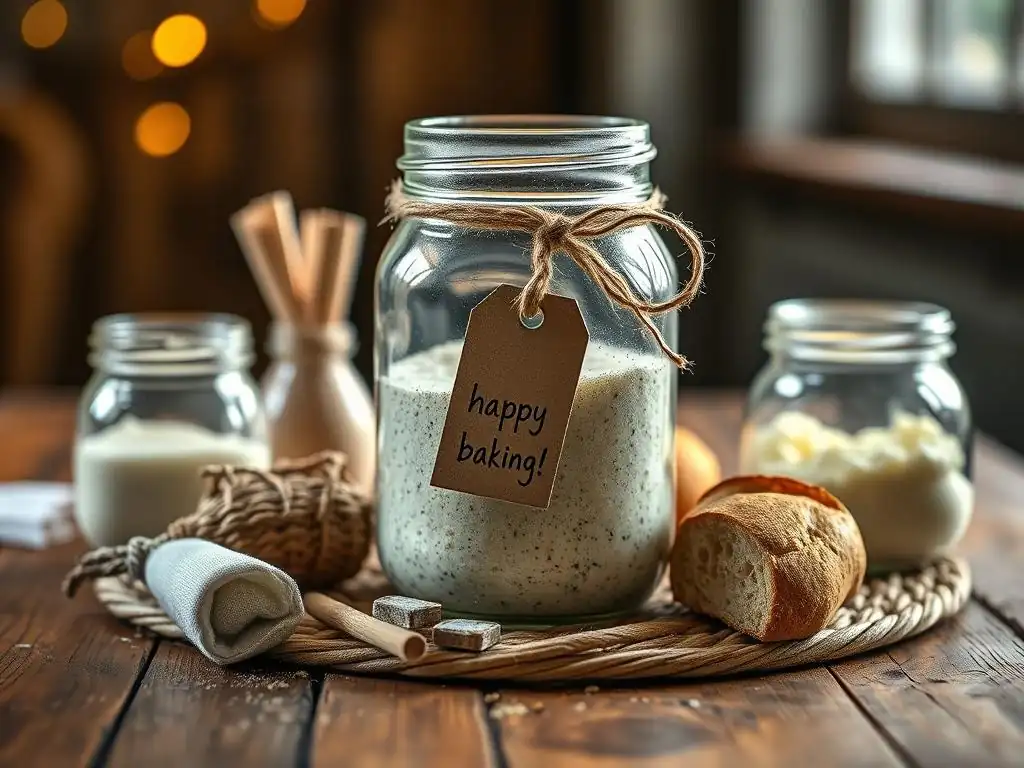
Giving someone a sourdough starter is just the first step; providing them with the knowledge and tools to keep it alive and thriving is equally important. This requires clear communication and helpful resources to guide them through the initial stages of caring for their new culture. Setting clear expectations and offering support makes a huge difference in their success and enjoyment.
Think about what you wish you had known when you first started your sourdough journey. Common pitfalls and questions often arise in the beginning. Addressing these proactively through well-prepared instructions and resources will empower the recipient and reduce frustration, ensuring they can enjoy the process of baking with their new sourdough starter gift.
Providing Detailed Instructions: Feeding Schedules and Maintenance
Include clear, written instructions on how to care for the starter. Specify the type of flour you used to feed it (e.g., "fed with unbleached all-purpose flour") and the feeding ratio you typically use (e.g., "I feed mine 1:1:1 by weight: 50g starter, 50g water, 50g flour"). Explain how often it needs to be fed if kept at room temperature (usually every 12 or 24 hours, depending on temperature) and how to store it in the refrigerator if they don't plan to bake frequently (feeding it once a week is a common practice for refrigerated starters).
Explain the signs of a healthy starter (doubling, bubbles, tangy smell) and what to do with the discard (use it in recipes or discard it). Provide a simple step-by-step guide on the feeding process: 1) Discard all but a small amount (e.g., 50g), 2) Add fresh water (e.g., 50g), 3) Mix until combined, 4) Add fresh flour (e.g., 50g), 5) Mix until smooth, 6) Cover loosely and leave at room temperature or refrigerate. These specific sourdough starter gifting tips are invaluable for beginners.
Including a Simple Sourdough Recipe for Beginners
Pairing the starter gift with an easy, beginner-friendly sourdough recipe can be incredibly motivating. A simple recipe, perhaps for discard crackers, pancakes, or even a basic no-knead loaf, gives the recipient an immediate way to use their new starter without the pressure of tackling a complex artisan bread recipe right away.
The recipe should ideally require minimal steps and common ingredients. For example, a simple discard pancake recipe only requires flour, milk, egg, sugar, baking soda, and the discard starter. Including such a recipe provides a tangible first project and demonstrates the versatility of the starter beyond just bread. This practical addition significantly enhances the value and usability of your sourdough starter gift.
Addressing Common Sourdough Starter Problems and Solutions
Anticipate common issues and provide simple solutions. Explain what "hooch" is (the liquid that separates on top) and that it's normal, suggesting they can either stir it in or pour it off before feeding. Describe what mold looks like (fuzzy, colored spots) and instruct them to discard the starter if mold appears, as it's not safe to use.
Briefly mention that starter activity can vary with temperature and flour type. Advise them not to worry if it seems sluggish initially after transport; a consistent feeding schedule should revive it. Providing this troubleshooting information upfront manages expectations and prevents panic when minor issues arise, making them feel more confident in caring for their sourdough starter gift.
Packaging Your Sourdough Starter Gift: Presentation Matters
While the health of the starter is paramount, presenting it nicely adds a special touch to your gift. Thoughtful packaging shows you've put care into the presentation, making the act of sharing even more joyful and memorable for the recipient. It elevates the simple act of giving a jar of starter into a truly special present.
Creative packaging can also serve a practical purpose, helping to protect the jar and its contents during transport. A well-packaged gift feels more substantial and exciting to receive, enhancing the overall gifting experience and highlighting the personal connection behind these sourdough starter gifting tips.
Creative Packaging Ideas for a Memorable Sourdough Gift
Beyond just handing over a jar, consider adding a few decorative elements. You could tie a ribbon or twine around the jar with a small tag. Placing the jar in a small basket or decorative box filled with crinkled paper shredding adds cushioning and visual appeal. Including a small wooden spoon or spatula specifically for the starter can also be a nice touch.
If you're feeling extra creative, you could even include a small bag of the specific flour you used for feeding, allowing them to continue with the same flour initially. Another idea is to include a small, inexpensive jar for their discard. These small additions turn the basic starter gift into a complete, thoughtful package.
Labeling and Personalizing Your Sourdough Starter Gift
A clear label is essential. Include the date you fed the starter before gifting and the type of flour used. You might also add the starter's name if you've given it one – many bakers affectionately name their starters! Personalizing the label with a handwritten note adds warmth.
Consider including a small card with your contact information, inviting them to reach out with questions. A personal message expressing your excitement for their baking journey makes the gift feel even more special. This simple act of labeling and personalization reinforces the friendly and educational tone of your sourdough starter gifting tips.
Safe Sourdough Starter Transportation Tips
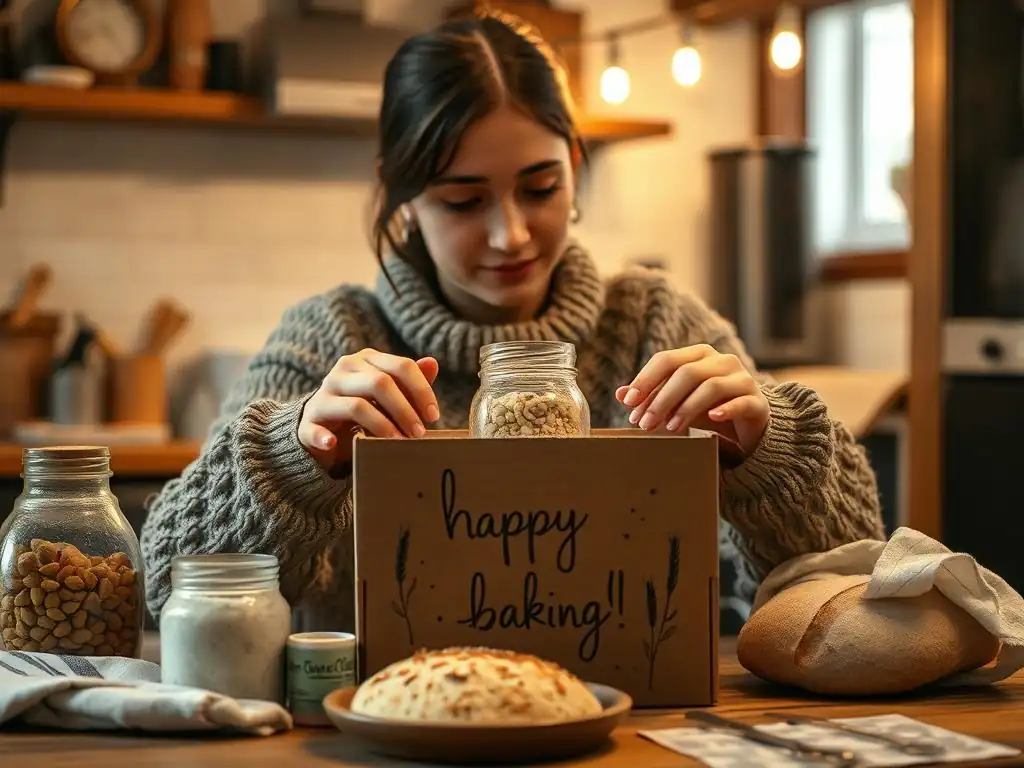
Transporting a living culture requires a little care to ensure it arrives safely and remains viable. Temperature fluctuations and physical jostling can stress the starter, so taking precautions is wise, especially if the journey is long or temperatures are extreme.
The key is to protect the jar from breakage, maintain a relatively stable temperature, and allow for potential gas expansion during the move. These simple steps can prevent messy accidents and ensure the starter arrives in good shape, ready to be welcomed into its new home.
Preventing Spills and Leaks During Transport
Even with a loosely fitted lid to allow gas exchange, spills can happen, especially with an active starter. Placing the jar inside a sealed plastic bag (like a zip-top bag) provides a secondary layer of protection against leaks. Choose a bag large enough to comfortably fit the jar without putting pressure on it.
Pack the bagged jar securely in a box or container, using packing material like bubble wrap, newspaper, or cloth to cushion it and prevent it from tipping over. Ensure it's packed snugly so it doesn't move around excessively during transport. This simple step can save a lot of cleanup and ensures the starter arrives intact.
Maintaining Starter Viability During Delivery
Extreme temperatures are the biggest threat during transport. Avoid leaving the starter in a hot car or exposed to direct sunlight for extended periods. Similarly, protect it from freezing temperatures in winter. If the journey is long and temperatures are warm, consider placing the bagged jar in an insulated lunch bag or small cooler pack (without direct contact with ice packs, which could shock the starter).
For very long journeys or shipping, dehydrating the starter is a safer option (discussed later). However, for typical hand-delivery or short trips, keeping it at a moderate temperature (ideally between 60-80°F or 15-27°C) is sufficient. Advise the recipient to unpackage the starter and feed it relatively soon after receiving it, especially if it was transported in warmer conditions.
Troubleshooting: What to Do If the Starter Doesn't Activate
Despite the best preparation and sourdough starter gifting tips, sometimes a starter might seem sluggish or inactive upon arrival. This can be concerning for a new baker, but it's often easily remedied with consistent care. Providing reassurance and guidance is crucial at this stage.
The initial period in a new environment, with different flour and water, can sometimes cause a temporary slowdown in activity. Patience and consistent feeding are usually the keys to reviving a sleepy starter. Empowering the recipient with troubleshooting knowledge prevents discouragement.
Common Issues and Solutions for New Sourdough Bakers
The most common issue is slow activity. Explain that factors like temperature, the type of flour used by the recipient (different protein levels or treatments), and the change in environment can all affect the starter. Advise them to feed it consistently at the recommended ratio (e.g., 1:1:1) every 12-24 hours at room temperature.
Suggest ensuring their feeding environment is warm enough (above 70°F is ideal for activity). If their kitchen is cool, suggest placing the starter in a warmer spot, like inside a microwave (turned off!) or oven (turned off!) with the light on. Reassure them that it might take a few days of regular feeding for the starter to bounce back and become consistently active, showing significant rise and bubbles.
Providing Ongoing Support and Guidance
Offer yourself as a resource. Let the recipient know they can contact you with questions. Encourage them to share photos of their starter or baking attempts. This ongoing support is invaluable for a beginner navigating the nuances of sourdough.
Consider setting up a quick call or video chat a few days after they receive the starter to see how it's doing and answer any initial questions. Sharing your own experiences, including times when your starter was less cooperative, can normalize their struggles and build confidence. Your willingness to help is perhaps the most valuable of all sourdough starter gifting tips.
Alternative Methods for Sharing Your Sourdough Starter
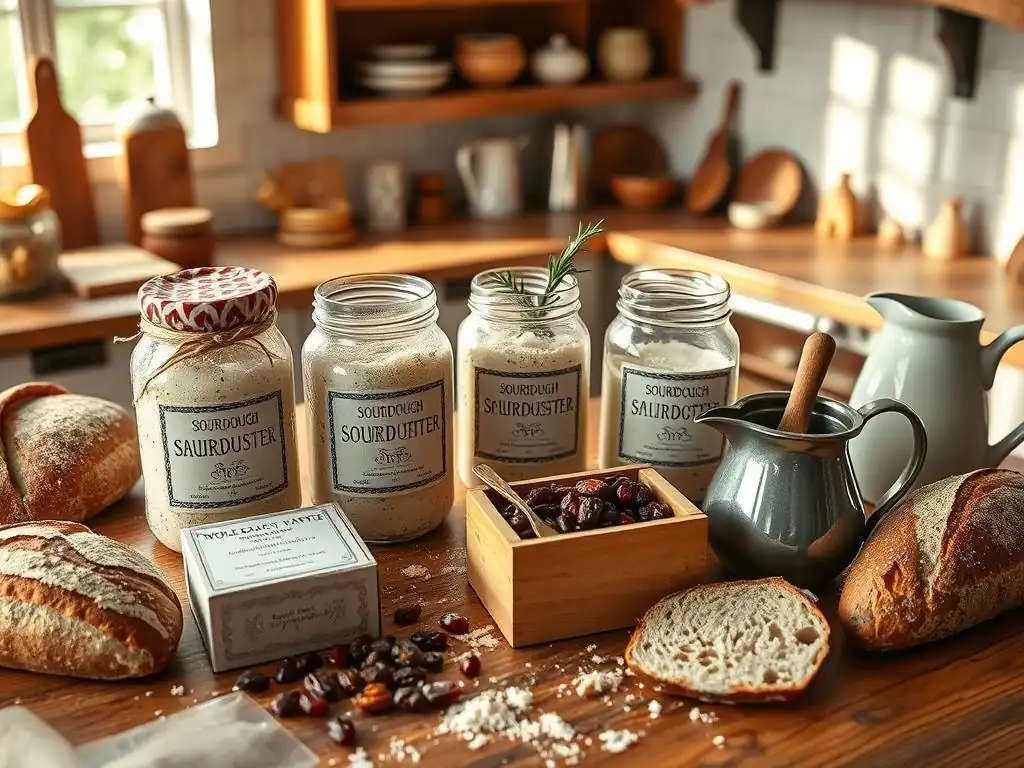
While gifting a portion of active starter is popular, there are other ways to share the sourdough love, particularly if the recipient lives far away or isn't ready to commit to immediate, regular feeding. These methods offer convenience and longevity.
Dehydrating or creating a full kit provides flexibility and ensures the starter remains viable for longer periods, making it suitable for mailing or gifting ahead of time. These alternatives expand the possibilities for sourdough starter gifting tips.
Dehydrating sourdough starter creates a dormant, shelf-stable version that can last for months or even years. To dehydrate, spread a thin layer of active starter onto parchment paper or a silicone mat and let it dry completely at room temperature until brittle (this can take 1-2 days). Once dry, break it into flakes or grind it into a powder.
Pack the dried starter in an airtight container or bag. To reactivate, the recipient simply mixes a small amount of the dried flakes with equal parts warm water and flour, feeding it daily until it becomes active and bubbly again. This method is perfect for mailing or gifting to someone who isn't ready to start baking immediately.
Creating a Sourdough Starter Kit: A Complete Baking Package
Elevate your gift by assembling a sourdough starter kit. Include the active (or dehydrated) starter, a suitable jar, the flour you feed it with, a small scale, a rubber spatula or wooden spoon, and a small thermometer strip for the jar.
Include your detailed care instructions, troubleshooting tips, and a beginner recipe. You could also add a small guide to essential sourdough tools or terms. A complete kit provides the recipient with everything they need to get started, making it an incredibly thoughtful and practical gift package centered around sourdough starter gifting tips.
Sourdough Starter Gifting Etiquette: Dos and Don'ts
Sharing a starter is a generous act, but a little etiquette goes a long way in ensuring a positive experience for both giver and receiver. Clear communication and managing expectations are key to a successful starter adoption.
Understanding the responsibilities involved for the recipient and being prepared to offer support respectfully are crucial aspects of sharing this living gift. These guidelines help foster a smooth transition and ongoing baking relationship.
Communicating Expectations and Responsibilities
Be upfront about what caring for a starter entails. Explain that it's a living thing that requires regular feeding if kept at room temperature. Mention the need for discarding a portion regularly (unless they plan to bake frequently or use discard recipes).
Ensure the recipient is genuinely interested and understands the commitment involved. Gifting a starter to someone who isn't prepared for the responsibility can lead to the starter's demise and potentially make the recipient feel guilty. A brief conversation beforehand can prevent this and ensure the gift is truly wanted and appreciated.
Following Up and Offering Assistance
Don't just hand over the jar and disappear! Follow up with the recipient after a few days to see how the starter is doing and if they have any questions. Be available to answer texts or calls about feeding, activity, or troubleshooting.
Offer to share your favorite recipes or tips as they get more comfortable. Your ongoing support is a valuable part of the gift. This continued connection reinforces the community aspect of sourdough baking and solidifies your role as a helpful mentor in their journey, embodying the best sourdough starter gifting tips.
Conclusion: The Lasting Impact of Sharing Your Sourdough Starter
Sharing your sourdough starter is a beautiful way to spread the passion for natural baking. It's a gift that keeps on giving, providing the recipient with the means to bake delicious, wholesome bread and pastries for years to come. This simple act connects people through a shared craft and the joy of homemade food.
By following these sourdough starter gifting tips – from preparing the starter correctly to providing comprehensive instructions and ongoing support – you ensure your gift is not only successful but also inspires a new baker to embrace the wonderful world of sourdough. It's a legacy of flour, water, and community.
Fostering a Community of Sourdough Bakers
Every time you share a piece of your starter, you're helping to grow the community of sourdough enthusiasts. You create new baking partners, people with whom you can swap stories, share successes (and failures! ), and exchange tips. This shared interest enriches the baking experience for everyone involved.
Imagine a network of friends and family, all baking with starters that originated from yours! It's a tangible connection, a reminder of the gift and the shared journey into the art and science of sourdough.
Celebrating the Art of Homemade Bread
In a world of mass-produced food, baking with sourdough is a celebration of patience, natural processes, and the incredible transformation of simple ingredients into something truly spectacular. By gifting a starter, you're inviting someone to experience this magic firsthand.
You're sharing the satisfaction of pulling a perfectly risen loaf from the oven, the joy of the first slice, and the pride of creating something nourishing from scratch. It's a gift that nourishes the body and feeds the soul, a true testament to the lasting impact of thoughtful sourdough starter gifting tips.
Frequently Asked Questions
How do I know if my sourdough starter is ready to be gifted?
A starter is ready when it's actively rising and bubbly, typically doubling in size within 4-8 hours after feeding. This indicates a healthy culture ready to be shared. Check for a pleasant, slightly tangy aroma.
What's the best way to package a sourdough starter for gifting?
Use a clean, food-safe jar with a loose-fitting lid to allow for expansion. Consider a small, airtight container if shipping, but burp it regularly. Include instructions for feeding and care.
Should I gift a wet or dry sourdough starter?
Either works! A wet starter (equal parts flour and water) is ready to use, but a dried starter is more shelf-stable for shipping. Include instructions on rehydrating the dried starter.
What information should I include with the sourdough starter gift?
Include clear feeding instructions, your starter's feeding ratio, and tips for maintaining a healthy culture. Mention any special flours you use and a favorite recipe to get them started.
How long can a sourdough starter survive without being fed?
An unfed starter can survive for several days at room temperature, or up to a week in the refrigerator. After that, it needs feeding. Longer periods require reviving from dormancy.
The act of sharing a sourdough starter is more than just gifting a bit of bubbly dough; it's sharing a living legacy, a connection to centuries of baking tradition, and a tangible symbol of community. In a world increasingly focused on instant gratification, the slow, patient process of nurturing a sourdough starter mirrors the importance of cultivating meaningful relationships and appreciating the enduring power of shared knowledge.
The impact of sourdough's resurgence extends far beyond the kitchen. It represents a return to simpler times, a focus on craftsmanship, and a celebration of the natural world. The act of sharing this living culture fosters a sense of connection and shared experience, reminding us of the importance of passing down traditions and skills. Bread is the staff of life,
they say, and in sharing our sourdough starters, we share a piece of that life, a piece of ourselves.
Consider the implications of this simple act. You are not just giving away a starter; you are gifting patience, persistence, and the joy of creation. You are fostering a connection with another baker, building a community around a shared passion. Take a moment to reflect on the gifts you've received and the gifts you can give. What living legacy will you leave behind? Perhaps it's time to share your starter, and in doing so, share a piece of yourself with the world.
Thanks for taking the time to explore the wonderful world of sourdough sharing! You've now learned how easy it is to pass on the gift of a bubbly, active starter. Let's keep the sourdough love flowing!
- Gift a Starter: The most impactful action is to share a portion of your thriving starter with a friend, family member, or fellow baking enthusiast. Imagine the joy of watching them create their own sourdough magic!
- Document Your Journey: Share your starter gifting experience on social media using #BakeWithEaseStarterShare. Let's build a community of sourdough enthusiasts!
- Explore New Recipes: Now that you know how to share, why not try a new sourdough recipe using your extra starter?
Ready to spread the sourdough love? What creative ways will you share your active starter?