
Stop Your Snickerdoodles from Going Flat and Losing Cinnamon Flavor

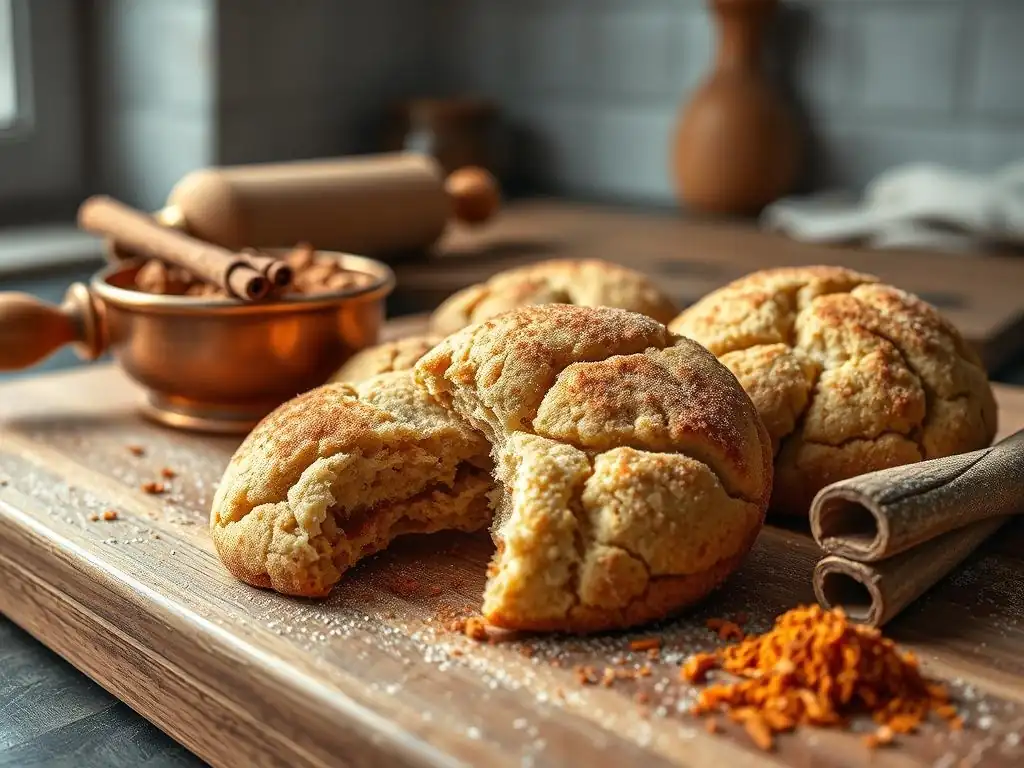
Welcome to BakeWithEase, your baking sanctuary! Ever wondered why your Snickerdoodles spread like pancakes and lose that delightful cinnamon kick? We're diving deep into the secrets of perfect Snickerdoodles, sharing crucial baking tips to ensure your next batch is a triumph. Prepare to unlock the secrets to fluffy, flavorful cookies that will have everyone begging for more – let's get baking!
- Understanding Snickerdoodle Spread: Common Baking Problems
- Preventing Excessive Snickerdoodle Spread: Baking Tips & Tricks
- Achieving Optimal Snickerdoodle Texture
- Enhancing Cinnamon Flavor in Snickerdoodles
- Troubleshooting Specific Issues in Snickerdoodle Baking
- Perfecting Your Snickerdoodle Recipe: A Summary of Baking Tips
-
Frequently Asked Questions
- What's the most common reason Snickerdoodles spread too thin during baking?
- How can I prevent the cinnamon sugar coating from disappearing during baking?
- Does the type of flour I use affect the texture and rise of my Snickerdoodles?
- What role does cream of tartar play in achieving the signature Snickerdoodle tang and texture?
- Can chilling the dough before baking improve the Snickerdoodle's shape and flavor?
- Final Reflection: The Enduring Allure of the Perfect Snickerdoodle
- Unlock the Secret to Perfectly Puffy Snickerdoodles!
Understanding Snickerdoodle Spread: Common Baking Problems
Why Are My Snickerdoodles Spreading Too Thin?
Excessive spread is a common frustration in cookie baking, and Snickerdoodles are no exception. When Snickerdoodles spread too much, they become thin, crispy discs rather than the desired soft, chewy cookies with slightly crackled tops. This often happens because the fat in the dough melts too quickly in the oven before the cookie's structure has a chance to set. Factors like butter temperature, flour amount, and even the specific leavening agents (baking soda and cream of tartar) unique to Snickerdoodles play significant roles.
If your Snickerdoodles are consistently spreading more than 3-4 inches in diameter from a standard dough ball size (around 1-2 tablespoons), you likely have a spread issue. This not only ruins the texture but also makes it harder for that signature cinnamon-sugar coating to adhere properly, potentially leading to a loss of that essential Snickerdoodle baking tips cinnamon flavor profile. Identifying the root cause is the first step to baking better cookies.
The Role of Butter Temperature in Snickerdoodle Spread
The state of your butter is perhaps the most critical factor influencing cookie spread. Most Snickerdoodle recipes call for softened butter, which means it should be pliable enough to indent easily when pressed, but not greasy or melted in any way. Properly softened butter (around 65-68°F or 18-20°C) creams beautifully with sugar, creating tiny air pockets that provide lift and structure during baking.
Using butter that is too warm or partially melted will cause the fat to spread rapidly as soon as it hits the heat of the oven. This results in cookies that flatten out excessively before the flour and egg proteins can coagulate and hold the shape. Conversely, butter that is too cold won't cream correctly, leading to a dense dough and potentially less spread, but a tougher texture. Ensuring your butter is at the perfect room temperature is a fundamental of good Snickerdoodle baking tips cinnamon success.
The Impact of Sugar and Cream of Tartar on Snickerdoodle Shape
Sugar doesn't just add sweetness; it also affects cookie spread and texture. Granulated sugar, the standard for Snickerdoodles, contributes to spread because it melts at oven temperatures. Using too much sugar relative to the amount of flour can create a dough that lacks the structural integrity to hold its shape as the sugar melts.
Cream of tartar, a key ingredient in classic Snickerdoodle baking tips cinnamon recipes, plays a unique role in both texture and shape. It's an acidic salt that reacts with baking soda to produce carbon dioxide, giving the cookies their characteristic puff and helping to create that tender, chewy interior. Cream of tartar also inhibits sugar crystallization, contributing to the soft texture. An incorrect balance of cream of tartar to baking soda, or omitting cream of tartar entirely, can lead to less lift and potentially more spread.
Preventing Excessive Snickerdoodle Spread: Baking Tips & Tricks
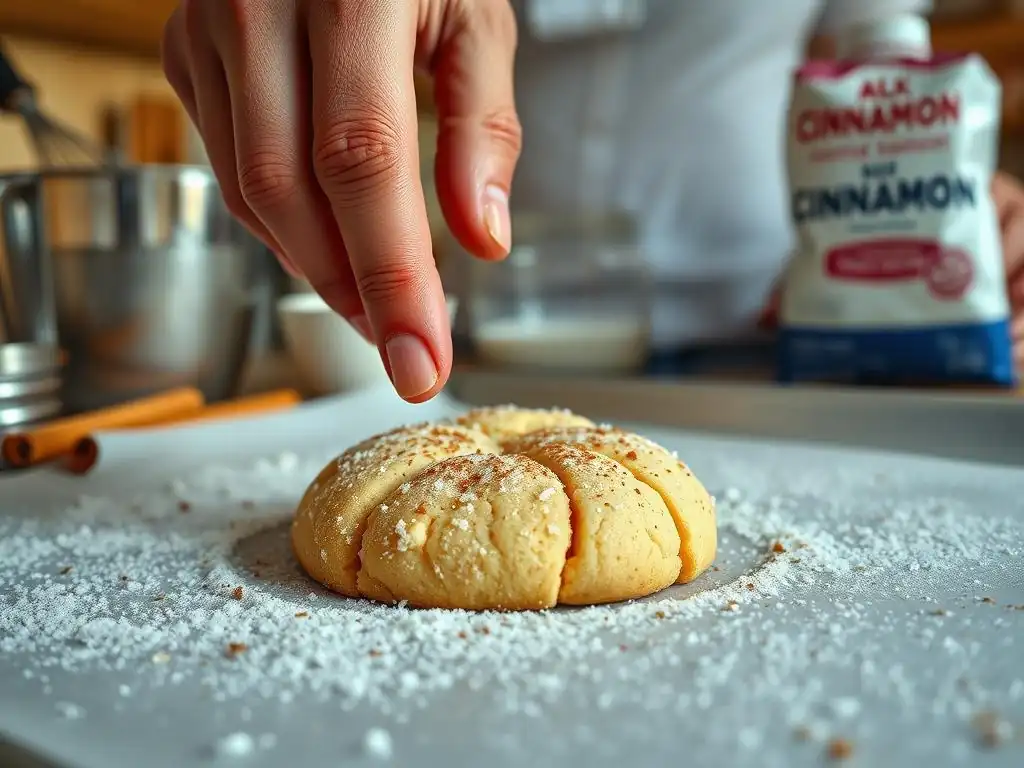
Chill the Dough: Controlling Snickerdoodle Spread Through Temperature
Chilling cookie dough is one of the simplest yet most effective ways to control spread. When the dough is cold, the fat (butter) is firm. As the cold dough enters the hot oven, the butter takes longer to melt compared to room-temperature dough. This delay allows the cookie's structure to set around the edges before the entire cookie flattens out, resulting in thicker, chewier cookies.
For Snickerdoodles, chilling the dough for at least 30-60 minutes in the refrigerator is highly recommended. For even better results and enhanced flavor, chilling the dough overnight can make a significant difference in reducing spread and deepening the taste. Make sure to roll the dough balls in the cinnamon-sugar coating after chilling for best adhesion and crackle. This is a key Snickerdoodle baking tips cinnamon strategy for perfect texture.
Accurate Measurement: The Importance of Precise Ingredient Ratios for Snickerdoodles
Baking is often described as a science because the ratios of ingredients are crucial for the chemical reactions and structural outcomes. Using too much of a liquid or fat ingredient, or too little of a dry ingredient like flour, will inevitably lead to increased spread. Flour provides structure, fat promotes tenderness and spread, and the balance is delicate.
For consistent Snickerdoodle baking tips cinnamon results, measure your ingredients accurately. Use dry measuring cups and spoons for dry ingredients, leveling off the excess. For flour, the most accurate method is often weighing it using a kitchen scale (1 cup of all-purpose flour is typically 120-125 grams). Avoid scooping flour directly from the bag with your measuring cup, as this compacts it and can add significantly more flour than intended.
Avoiding Overmixing: Gluten Development and Snickerdoodle Texture
Flour contains proteins that form gluten when mixed with liquid. Gluten provides structure, which is necessary, but overmixing after adding the flour develops too much gluten. This can lead to tough, dense, or cakey cookies rather than the desired soft and chewy Snickerdoodle texture.
Once you add the dry ingredients to the wet, mix only until the flour streaks have just disappeared. This usually takes only a few seconds, especially if using a stand mixer. The dough might still look a little shaggy, and that's okay. Gentle mixing ensures minimal gluten development, contributing to a tender crumb, which is essential for the proper look and feel of classic Snickerdoodles.
Baking Sheet Matters: Choosing the Right Surface for Even Snickerdoodle Baking
The type of baking sheet you use can impact how your cookies bake and spread. Dark-colored baking sheets absorb more heat than light-colored ones, which can cause the bottoms of your cookies to brown or even burn before the tops are fully cooked. This uneven heating can also affect spread.
Light-colored, heavy-gauge aluminum baking sheets are generally recommended for even heat distribution and consistent baking results with cookies. Lining your baking sheet with parchment paper or a silicone baking mat not only prevents sticking but also provides a consistent surface that promotes even browning and helps control spread. Avoid greasing the pan directly with butter or oil, as this can cause the cookies to spread more.
Achieving Optimal Snickerdoodle Texture
Why Are My Snickerdoodles Too Cakey or Hard?
A cakey Snickerdoodle lacks the signature chewiness and soft interior. This texture often results from too much flour, overmixing the dough (developing excess gluten), or using incorrect leavening agents or ratios (e.g., substituting baking powder for cream of tartar and baking soda). Hard cookies are typically a sign of overbaking, insufficient fat, or an incorrect ratio of sugar to flour.
Review your ingredient measurements carefully, particularly the flour. Ensure you are using the correct amount of cream of tartar and baking soda specified in your recipe, as this combination is vital for the Snickerdoodle's unique lift and tenderness. Pay close attention to baking time; Snickerdoodles should look set around the edges but still appear slightly soft or even underbaked in the very center when removed from the oven. They will continue to cook on the hot baking sheet.
Balancing Flour and Fat: Achieving Chewy vs. Crispy Snickerdoodles
The ratio of flour to fat is a primary determinant of cookie texture. A higher proportion of flour leads to a sturdier, more structured cookie that can lean towards cakey or crispy depending on other factors. A higher proportion of fat promotes spread and contributes to a more tender and chewy texture.
Classic Snickerdoodle recipes aim for a balance that yields a cookie with slightly crisp edges and a soft, chewy center. Using softened butter, as opposed to melted butter, helps achieve this balance by allowing for proper creaming and structure before the fat fully melts. If your cookies are consistently too cakey, you might need slightly less flour or more fat. If they are too crispy (and not just due to overbaking), the fat content might be too low relative to the flour, or you might be using butter that is too warm, leading to excessive spread and thinness.
The Impact of Egg Size and Quantity on Snickerdoodle Texture
Eggs contribute structure, moisture, and richness to cookies. The size and quantity of eggs specified in a recipe are important for achieving the intended texture. Most standard recipes call for large eggs, which weigh approximately 50-55 grams each.
Using an egg size different from what the recipe intended can alter the moisture and protein balance. A jumbo egg adds more liquid and protein, which could potentially lead to a slightly tougher or more cakey texture. A medium egg adds less, potentially resulting in a drier cookie. The yolk provides fat and richness for tenderness, while the white provides protein for structure. Stick to the specified egg size and quantity in your trusted Snickerdoodle baking tips cinnamon recipes to ensure the correct texture.
Enhancing Cinnamon Flavor in Snickerdoodles
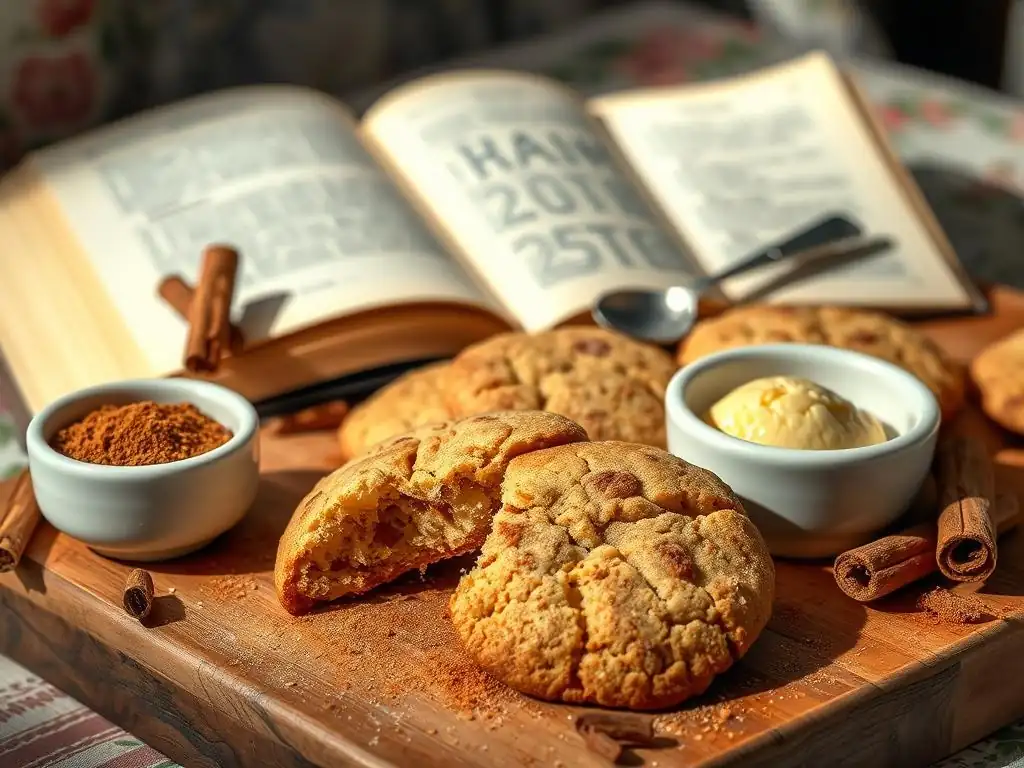
Why Is My Snickerdoodle Cinnamon Flavor Weak?
The signature flavor of a Snickerdoodle comes primarily from the generous coating of cinnamon sugar applied to the dough before baking. If your cookies lack that distinct, warm spice punch, several factors could be at play. The most common culprit is using old or low-quality cinnamon, which loses its potent aromatic oils over time.
Ground spices, including cinnamon, have a limited shelf life. While they don't spoil in a harmful way, they do lose their flavor and aroma, often significantly after 6-12 months. If your cinnamon has been sitting in the pantry for years, it's likely past its prime. Additionally, the ratio of cinnamon to sugar in your coating mixture is critical. A too-low cinnamon-to-sugar ratio will result in a less intense flavor.
Choosing High-Quality Cinnamon: The Foundation of Flavor
Just like any other ingredient, the quality of your cinnamon matters. There are different types of cinnamon available. Cassia cinnamon is the most common type sold in North America and has a strong, pungent flavor. Ceylon cinnamon, sometimes called "true cinnamon," is milder, sweeter, and more complex. For the classic, bold Snickerdoodle baking tips cinnamon flavor most people expect, a good quality Cassia cinnamon is usually the best choice.
Look for freshly ground cinnamon from a reputable spice purveyor. Store your cinnamon in an airtight container in a cool, dark place to help preserve its volatile oils and flavor. Buying spices in smaller quantities that you'll use within a year is a good strategy to ensure freshness and potency. Using fresh, vibrant cinnamon is fundamental to achieving that perfect Snickerdoodle taste.
The Art of the Cinnamon-Sugar Coating: Key to Snickerdoodle Flavor
The step of rolling the cookie dough balls in cinnamon sugar is what makes a Snickerdoodle a Snickerdoodle. This coating is not just for appearance; it's the primary source of the characteristic flavor and contributes to the slightly crackled surface as it bakes and caramelizes.
Ensure you are using a sufficient amount of cinnamon in your sugar mixture. A common ratio is 1 to 2 tablespoons of cinnamon per half cup of granulated sugar. Don't be afraid to coat the dough balls generously, ensuring they are fully covered. An even and thick coating guarantees that every bite has that delightful burst of cinnamon flavor, a hallmark of excellent Snickerdoodle baking tips cinnamon execution.
Toasting Cinnamon: A Technique for Intensifying Spice Flavor
For an extra layer of depth and intensity in your cinnamon flavor, you can try gently toasting the ground cinnamon before mixing it with the sugar for the coating. This process helps to release the aromatic oils within the spice, enhancing its fragrance and taste.
To toast cinnamon, heat a dry skillet over medium-low heat. Add the measured ground cinnamon and stir it constantly for about 30 to 60 seconds, or until you can clearly smell its fragrant aroma. Be careful not to burn it. Immediately transfer the toasted cinnamon to a cool bowl to stop the cooking process and let it cool completely before combining it with your sugar. This technique is one of the advanced Snickerdoodle baking tips cinnamon enthusiasts use to elevate their cookies.
Troubleshooting Specific Issues in Snickerdoodle Baking
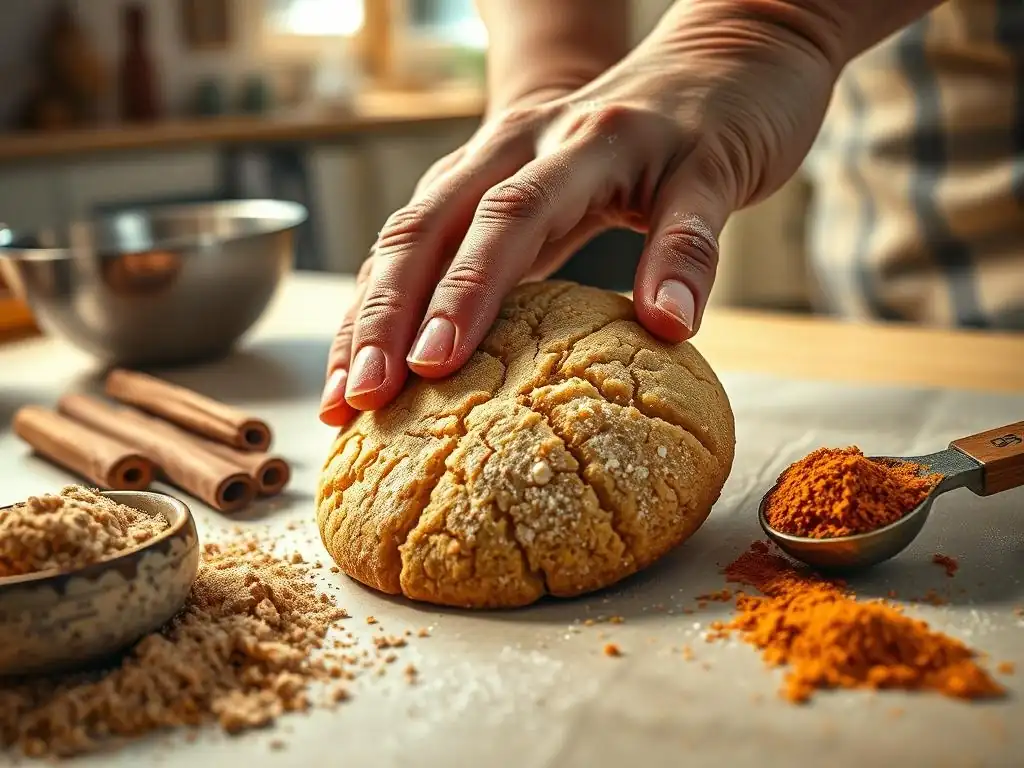
Snickerdoodles Are Flat AND Pale: Addressing Common Problems
If your Snickerdoodles are coming out both excessively flat and lacking in color, it suggests a combination of issues preventing both proper structure development and browning. Flatness, as discussed, often stems from warm butter, incorrect ingredient ratios (too much fat/sugar, too little flour), or insufficient chilling. Paleness can indicate underbaking, an oven that's not reaching the correct temperature, or using insulated baking sheets that hinder bottom browning.
When flatness and paleness occur together, the primary problem is likely the dough spreading too much, too quickly, coupled with insufficient baking time or heat. Double-check that your butter is properly softened (not melted), measure your flour precisely, and ensure you are chilling the dough for at least an hour. Confirm your oven temperature with a separate thermometer and consider increasing the bake time slightly, watching closely, or switching to a light-colored, non-insulated baking sheet.
Snickerdoodles Are Too Dark on the Bottom: Preventing Burning
Cookies burning on the bottom while the tops remain pale is a common problem, especially with sugary cookies like Snickerdoodles. This is often caused by using dark-colored baking sheets, which absorb more radiant heat, or by hot spots in your oven. The sugar in the dough and the coating caramelizes and then burns when exposed to excessive heat on the bottom surface.
To prevent dark bottoms, switch to light-colored, reflective aluminum baking sheets. If you must use a dark pan, consider reducing your oven temperature by 25°F (about 15°C) and increasing the bake time slightly. Always line your baking sheets with parchment paper or a silicone baking mat, which provides a protective layer. Rotating your baking sheet halfway through the baking time can also help ensure even heating and prevent burning on the bottom.
Snickerdoodles Are Dry and Crumbly: Adding Moisture and Fat
Dry and crumbly Snickerdoodles lack the desired tender, chewy texture. This issue is frequently caused by overbaking, using too much flour, insufficient fat, or not properly creaming the butter and sugar. Overbaking is the most common culprit, as it evaporates too much moisture from the cookies.
Ensure you are measuring your flour accurately using the spoon-and-level method or a kitchen scale to avoid adding excess. Cream the butter and sugar together thoroughly until the mixture is light and fluffy; this process incorporates air and ensures the fat and sugar are well distributed, contributing to tenderness. Most importantly, watch your baking time carefully. Snickerdoodles should be removed from the oven when the edges are set but the center still looks slightly soft. Let them finish setting up on the hot baking sheet for a few minutes before transferring them.
Perfecting Your Snickerdoodle Recipe: A Summary of Baking Tips
Key Takeaways: Controlling Spread, Texture, and Cinnamon Flavor
Mastering Snickerdoodles involves understanding a few critical factors. Controlling spread relies on using properly softened butter, accurate ingredient measurements, and sufficient chilling time. Achieving the perfect soft and chewy texture depends on the correct flour-to-fat ratio, avoiding overmixing, using the right leavening (cream of tartar and baking soda), and not overbaking. Ensuring vibrant cinnamon flavor requires using fresh, high-quality cinnamon and applying a generous, well-proportioned cinnamon-sugar coating.
Paying attention to these details makes a significant difference. From the temperature of your butter to the freshness of your spice, each step contributes to the final outcome. By focusing on these core Snickerdoodle baking tips cinnamon enthusiasts swear by, you can consistently produce delicious cookies.
Recipe Adjustment Guide: Tweaking Your Snickerdoodle Recipe for Success
If your Snickerdoodles aren't turning out quite right, don't despair! Minor adjustments to your recipe can often fix the issue. If they spread too much, try adding 1-2 extra tablespoons of flour per cup listed in the recipe, or increase the chilling time. If they are too cakey or hard, reduce the flour slightly or ensure you aren't overmixing.
For weak cinnamon flavor, increase the amount of cinnamon in your sugar coating or try the toasting technique mentioned earlier. If they are dry, reduce the baking time or ensure you are creaming the butter and sugar long enough. Experiment with one variable at a time in small batches and keep notes on your results. This iterative process is how many bakers fine-tune their favorite Snickerdoodle baking tips cinnamon recipes.
Snickerdoodle Baking Checklist: A Quick Reference Guide
Before you start baking, running through a quick checklist can help prevent common Snickerdoodle problems.
- ✅ Ensure butter is properly softened, not melted.
- ✅ Measure all ingredients accurately, especially flour (ideally by weight).
- ✅ Verify you have both cream of tartar and baking soda in the correct ratio.
- ✅ Cream butter and sugar until light and fluffy (3-5 minutes).
- ✅ Mix in dry ingredients just until combined.
- ✅ Chill dough for at least 30-60 minutes.
- ✅ Use fresh, high-quality cinnamon for the coating.
- ✅ Roll dough balls generously and evenly in the cinnamon-sugar mixture.
- ✅ Use light-colored aluminum baking sheets.
- ✅ Bake until edges are set but the center looks slightly soft.
- ✅ Allow cookies to cool on the baking sheet for 2-3 minutes before transferring to a wire rack.
Following this checklist incorporates essential Snickerdoodle baking tips cinnamon lovers rely on for consistent, perfect cookies every time.
Frequently Asked Questions
What's the most common reason Snickerdoodles spread too thin during baking?
The most frequent culprit is using too much butter or butter that is too soft. Ensure your butter is softened, but still slightly firm, and measure accurately.
How can I prevent the cinnamon sugar coating from disappearing during baking?
To help the cinnamon sugar adhere, lightly brush the cookie dough balls with milk or egg white before coating. This creates a sticky surface for better adhesion.
Does the type of flour I use affect the texture and rise of my Snickerdoodles?
Yes, using the correct flour is crucial. All-purpose flour is generally recommended, but ensure it's measured correctly. Too much flour can lead to dry cookies, while too little can cause spreading.
What role does cream of tartar play in achieving the signature Snickerdoodle tang and texture?
Cream of tartar is essential for the signature tangy flavor and chewy texture of Snickerdoodles. It also helps to prevent sugar crystallization and contributes to a softer cookie.
Can chilling the dough before baking improve the Snickerdoodle's shape and flavor?
Absolutely! Chilling the dough for at least 30 minutes allows the gluten to relax, preventing excessive spreading and allowing the flavors to meld and intensify.
Final Reflection: The Enduring Allure of the Perfect Snickerdoodle
The quest for the ideal snickerdoodle—crisp edges, chewy centers, and a robust cinnamon flavor—is more than just a baking challenge; it's a reflection of our desire for perfection in the everyday. This seemingly simple cookie embodies a larger truth: attention to detail and a deep understanding of ingredients yield extraordinary results, far surpassing the sum of their parts. Mastering the snickerdoodle isn't just about following a recipe; it's about understanding the science behind the bake.
The journey to the perfect snickerdoodle, for me, has been a journey of discovery. It's about more than just the delicious outcome; it's about the process, the experimentation, and the joy of sharing the results with loved ones. Baking is at once child's play and adult joy. And cooking is all that and a whole lot more.
- Alma Flor Ada. This quote perfectly encapsulates the feeling of creating something beautiful and delicious, a feeling that transcends the simple act of baking a cookie. The impact of a perfectly executed snickerdoodle extends beyond the individual, fostering connection and shared experiences through the simple pleasure of a warm, spiced cookie.
Now, I invite you to take what you've learned here and apply it to your own baking adventures. Don't be afraid to experiment, to tweak the recipe, to find your perfect snickerdoodle. Remember the importance of precise measurements, the subtle nuances of chilling the dough, and the power of high-quality cinnamon. The journey to baking mastery is a rewarding one, filled with delicious discoveries and the satisfaction of creating something truly special. So, go forth, and bake!
Unlock the Secret to Perfectly Puffy Snickerdoodles!
Thanks for taking the time to explore the world of perfectly spiced, delightfully puffy snickerdoodles! You've just learned some valuable tips to elevate your baking game. Now, let's put that knowledge into action:
- Master the perfect snickerdoodle: Try out the recipe adjustments we discussed and share your baking triumph (or even your baking mishaps!) with us in the comments. We love hearing from you!
- Experiment with spices: Go beyond cinnamon! Explore nutmeg, ginger, or even cardamom for a unique snickerdoodle experience. Share your spice combinations in the comments.
- Tag us on social media: Post a picture of your perfectly puffed snickerdoodles using #BakeWithEaseSnickerdoodles and show off your baking skills!
What unexpected spice blend will you try in your next batch of snickerdoodles?