
Overly Crisp Cookies Breaking in Mouth? Introduce Soft Chewiness

Welcome to BakeWithEase, your personal baking sanctuary! Ever wondered what the secret is to achieving that perfectly soft and chewy cookie texture? Stop settling for overly crisp cookies that crumble at the first bite. Dive into our latest article where we unravel the mysteries behind a truly delightful soft chewy cookie recipe, packed with essential tips and hacks that will transform your baking forever. Ready to unlock the secrets? Let's get baking!
- Achieving Perfectly Chewy Chocolate Chip Cookies: A Guide to Softness
- Understanding Cookie Texture: The Science of Chewiness
- Mastering the Art of Chewy Chocolate Chip Cookies
- Troubleshooting Hard Chocolate Chip Cookies: Solutions and Adjustments
- The Ultimate Chewy Chocolate Chip Cookie Recipe
- Enhancing Chewiness: Advanced Techniques
-
Frequently Asked Questions
- What causes cookies to be overly crisp instead of soft and chewy?
- What are some key ingredients that contribute to a soft and chewy cookie texture?
- How does baking time and temperature affect the chewiness of cookies?
- Can resting cookie dough in the refrigerator improve the final texture of the cookies?
- What are some common mistakes to avoid when trying to achieve soft and chewy cookies?
- Final Reflection: Embracing the Art of Soft Chewy Cookies
- Unlock Your Cookie's Chewy Secret!
Are your chocolate chip cookies turning out more like brittle crackers than the delightfully soft, bendy treats you crave? You're not alone! Achieving that ideal soft and chewy texture is a common goal for many home bakers. It involves understanding a bit of baking science and mastering a few key techniques. Forget those overly crisp cookies breaking apart in your mouth; let's introduce some wonderful soft chewiness. This guide will provide you with essential soft chewy cookie recipe tips to transform your baking results.
Cookie texture isn't just magic; it's a result of chemical reactions and physical processes that occur during mixing and baking. The ratio of ingredients, how they are mixed, and the temperature and time they are baked all play critical roles in determining whether a cookie is crisp, cakey, or wonderfully soft and chewy. Sugar crystallization, protein coagulation, and moisture evaporation are all part of the equation. Understanding these basics is the first step toward mastering soft chewy cookie recipe tips.
Moisture content is arguably the most significant factor in achieving a soft texture. Cookies that retain more moisture after baking will naturally be softer and chewier. Ingredients like brown sugar, molasses, and even the type of fat used contribute to moisture retention. For instance, brown sugar, especially dark brown sugar, contains molasses, which is hygroscopic, meaning it attracts and holds onto water molecules, keeping cookies moist and soft long after they cool. Using strategies that maximize moisture retention is key to soft chewy cookie recipe tips.
Gluten development also plays a role, albeit a less dominant one than in bread. Gluten is a protein network formed when flour is mixed with liquid and agitated. In cookies, too much gluten development can lead to a tougher, less tender texture. Using lower-protein flours (like cake flour mixed with all-purpose), minimizing mixing after adding flour, and chilling the dough can all help control gluten formation, contributing to a more tender crumb and desirable chewiness. Striking the right balance between moisture and controlled gluten is a core principle for soft chewy cookie recipe tips.
The most frequent culprit behind crunchy, hard cookies is simply baking them for too long or at too high a temperature. When cookies bake, moisture evaporates. The longer they are in the oven, the more moisture is lost, leading to a drier, crispier cookie. Even a minute or two extra can turn a perfectly chewy cookie into a crunchy one. Learning to recognize the signs of doneness before they look fully baked is crucial for maintaining softness.
Ingredient ratios also heavily influence crispness. A higher ratio of white sugar to brown sugar, or a higher ratio of fat to flour, can lead to crispier cookies. White sugar promotes spread and crispness as it melts and recrystallizes. Using melted butter instead of softened butter can also contribute to spread and a crispier edge, though it can sometimes yield a chewy center depending on the recipe. Adjusting these ratios is a fundamental aspect of effective soft chewy cookie recipe tips.
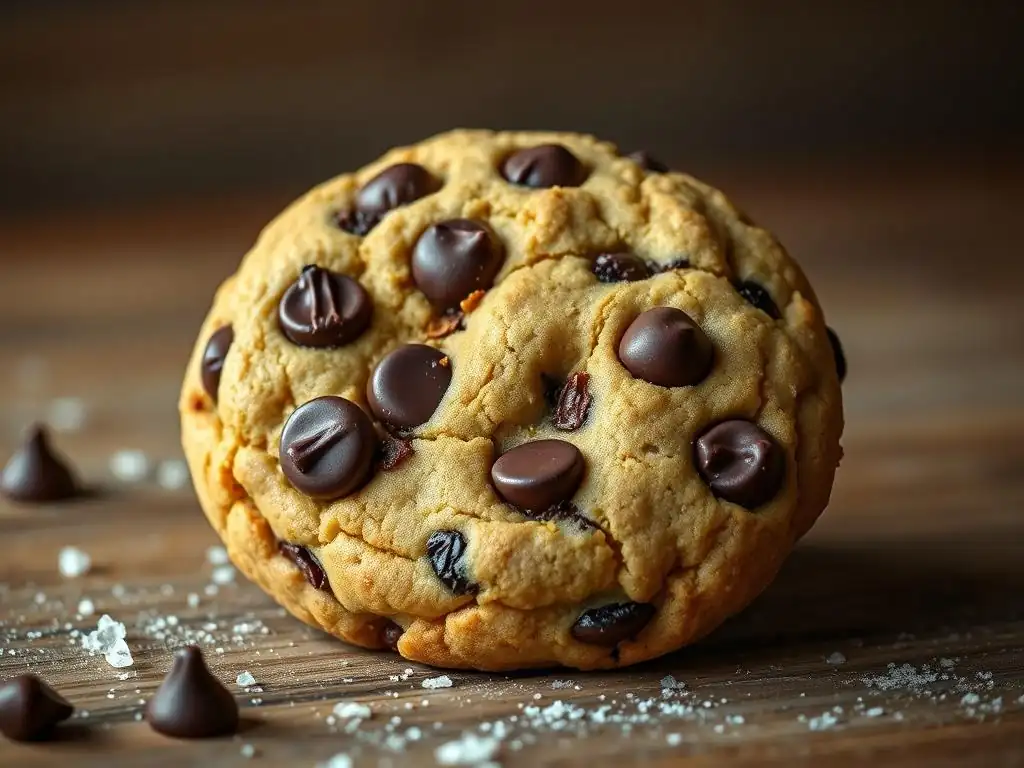
Achieving that coveted soft and chewy texture requires attention to detail from ingredient selection to baking technique. It's not just about finding a recipe; it's about understanding why certain ingredients and methods work. By focusing on a few key areas, you can consistently bake cookies that are delightfully soft and yielding.
Key Ingredients for Softness: The Baker's Pantry
The ingredients you choose have a profound impact on the final texture of your cookies. Selecting the right type of sugar, fat, and even leavening can make the difference between a crunchy cookie and a wonderfully chewy one. Mastering these ingredient choices is paramount for successful soft chewy cookie recipe tips.
The Impact of Brown Sugar on Moisture and Chewiness
Brown sugar is the secret weapon for many soft and chewy cookie recipes. Unlike white granulated sugar, brown sugar contains molasses, which contributes moisture and a slightly acidic component. This moisture helps keep the cookies soft, while the acidity can interact with baking soda to promote spread and a tender crumb.
Recipes aiming for chewiness often call for a higher proportion of brown sugar to white sugar, sometimes even exclusively using brown sugar. For example, a classic chewy cookie recipe might use 1 cup of packed brown sugar and only 1/2 cup of white sugar, a significant shift from recipes designed for crispness which might reverse these amounts.
The type of brown sugar also matters. Light brown sugar contains about 3.5% molasses by weight, while dark brown sugar contains about 6.5% molasses. Using dark brown sugar will introduce more moisture and a richer, deeper flavor, resulting in an even softer and chewier cookie texture. Experimenting with the ratio of light to dark brown sugar can fine-tune your soft chewy cookie recipe tips.
The Role of Molasses in Dark Brown Sugar
As mentioned, molasses is the key differentiator between white and brown sugar. Molasses is a viscous syrup produced during the refining of sugar cane or sugar beets. Its hygroscopic nature means it readily absorbs and retains moisture from the atmosphere and during baking.
This retention directly translates to a cookie that stays softer for longer. Furthermore, molasses adds a slight chewiness due to its complex sugar profile and contributes to the signature caramel-like flavor often associated with classic chewy chocolate chip cookies. Incorporating ingredients like molasses, often found within brown sugar, is a core technique in many soft chewy cookie recipe tips.
Some recipes even call for adding a tablespoon or two of extra molasses to the dough for an even more pronounced chew and deeper color. This can be an effective technique, but be mindful that too much can alter the flavor significantly and make the dough stickier to handle. It's a powerful tool for enhancing the chewiness aspect of soft chewy cookie recipe tips.
Butter vs. Oil: Choosing the Right Fat for Texture
Fat plays a crucial role in cookie texture by shortening gluten strands (making cookies tender) and contributing to spread. Butter is the most common fat used in chocolate chip cookies, and its state (softened, melted, or browned) significantly impacts the outcome. Using softened butter, creamed with sugar, incorporates air, leading to a slightly lighter texture, but still allowing for good spread and chewiness when combined with other techniques.
Melted butter, on the other hand, results in less air incorporation during creaming but can lead to more spread and a denser, chewier cookie, especially around the edges, while potentially keeping the center gooey if underbaked. Some bakers prefer the chewiness achieved with melted butter.
Oil tends to produce cookies that are more uniformly soft and cakey rather than chewy, as it coats flour particles more thoroughly and doesn't solidify in the same way butter does at room temperature. For classic chewy chocolate chip cookies, butter (either softened or melted) is generally preferred over oil, making the choice of fat a key consideration in soft chewy cookie recipe tips.
Baking Techniques for Optimal Chewiness
Beyond ingredients, the methods you use to mix and bake your dough are equally important. Small adjustments in technique can drastically alter the final texture of your cookies. Employing specific baking techniques is fundamental to successfully implementing soft chewy cookie recipe tips.
The Importance of Proper Creaming for Air Incorporation
Creaming is the process of beating softened butter and sugar together until light and fluffy. This step incorporates air bubbles into the dough. While excessive creaming can sometimes lead to a more cake-like texture, proper creaming for 2-3 minutes on medium speed is essential for creating a tender base and contributing to the cookie's structure.
The air pockets created help the cookie rise slightly before spreading, contributing to a desirable texture. Stopping when the mixture is just lightened and fluffy, not overly aerated, is the goal for chewy cookies. For instance, creaming for 7-10 minutes as you might for a cake is generally too long for a chewy cookie dough.
If using melted butter, the creaming step is usually skipped or done very briefly with the sugar, as melted butter cannot hold air in the same way softened butter does. This is why cookies made with melted butter often have a denser, chewier texture from the start. Understanding the role of creaming based on the fat used is a vital part of soft chewy cookie recipe tips.
Underbaking: The Key to a Soft, Gooey Center
This might sound counter-intuitive, but one of the most effective soft chewy cookie recipe tips is to slightly underbake your cookies. Cookies continue to cook for a few minutes on the hot baking sheet after they are removed from the oven. If you wait until the edges are deeply golden brown and the centers look fully set in the oven, they will likely be overcooked and hard once cooled.
Instead, pull the cookies out when the edges are just beginning to turn golden and the centers still look slightly pale, glossy, and maybe even a little underdone. They might look too soft to handle, but trust the process. Let them cool on the baking sheet for 5-10 minutes before transferring them to a wire rack. During this time, they will finish baking from the residual heat of the pan and set up into that perfect soft and chewy texture. A common indicator is removing them when the edges are set but the very center still looks slightly raw.
Chilling Dough: Enhancing Flavor and Preventing Spreading
Chilling cookie dough for at least 30 minutes, but preferably several hours or even overnight, is another excellent technique for enhancing chewiness and flavor. As the dough chills, the fats solidify, which helps the cookies spread less in the oven, resulting in a thicker cookie. Thicker cookies retain moisture better and are more likely to have a soft, chewy center.
Beyond texture, chilling allows the flavors in the dough to meld and deepen. The sugars and flour hydrate more fully, leading to a more complex taste. Many experienced bakers consider chilling dough an indispensable step for achieving superior soft chewy cookie recipe tips, noting a significant improvement in both texture and flavor after a 24-hour chill compared to immediate baking.
Even with the right ingredients and techniques, small errors can derail your efforts. Paying attention to details like measurement, oven temperature, and cooling methods is crucial for consistent results. Avoiding common pitfalls is key to mastering soft chewy cookie recipe tips.
Accurate Measurement: Ensuring Consistent Results
Baking is a science, and precise measurements are critical. Using too much flour, for example, is a common mistake that leads to dry, cakey, or hard cookies. Flour should ideally be measured by weight using a kitchen scale for maximum accuracy (1 cup of all-purpose flour is typically around 120-130 grams). If using volume measurements, spoon the flour lightly into the measuring cup and level it off with a straight edge; do not scoop directly from the bag, as this compacts the flour and results in too much.
Similarly, accurately measuring sugars and fats ensures the correct ratio, which is vital for texture control. A few extra tablespoons of flour or a little less brown sugar can significantly alter the outcome. Precision in measurement is a foundational element of successful soft chewy cookie recipe tips.
Oven Temperature and Baking Time: Precision is Key
An improperly calibrated oven can ruin a batch of cookies. An oven running too hot will cause cookies to spread too quickly and brown too fast on the outside while potentially remaining raw inside, or worse, becoming uniformly hard. An external oven thermometer is a worthwhile investment to ensure your oven is heating accurately. Most chewy chocolate chip cookie recipes call for a temperature between 350°F (175°C) and 375°F (190°C).
Baking time is equally critical and ties directly into the underbaking technique. Start checking your cookies at the minimum time specified in the recipe, e.g., if a recipe says bake for 9-11 minutes, check at 9 minutes. Look for the visual cues of slightly golden edges and still-pale centers. Remember that baking time can vary based on cookie size, dough temperature, baking sheet color, and your specific oven. Timing and temperature work hand-in-hand for effective soft chewy cookie recipe tips.
Cooling Techniques: Preserving Softness After Baking
How you cool your cookies after baking is just as important as how you bake them. As mentioned, leaving cookies on the hot baking sheet for 5-10 minutes allows them to finish setting up without drying out excessively in the direct oven heat. Transferring them too quickly to a wire rack can cause them to break apart if they are very soft.
Once they've firmed up slightly on the baking sheet, move them to a wire cooling rack to cool completely. Cooling on a wire rack allows air circulation around the entire cookie, preventing the bottoms from becoming soggy from residual heat. Allowing cookies to cool fully before storing also prevents condensation, which can affect texture over time. Proper cooling is the final step in preserving the desired texture achieved through soft chewy cookie recipe tips.
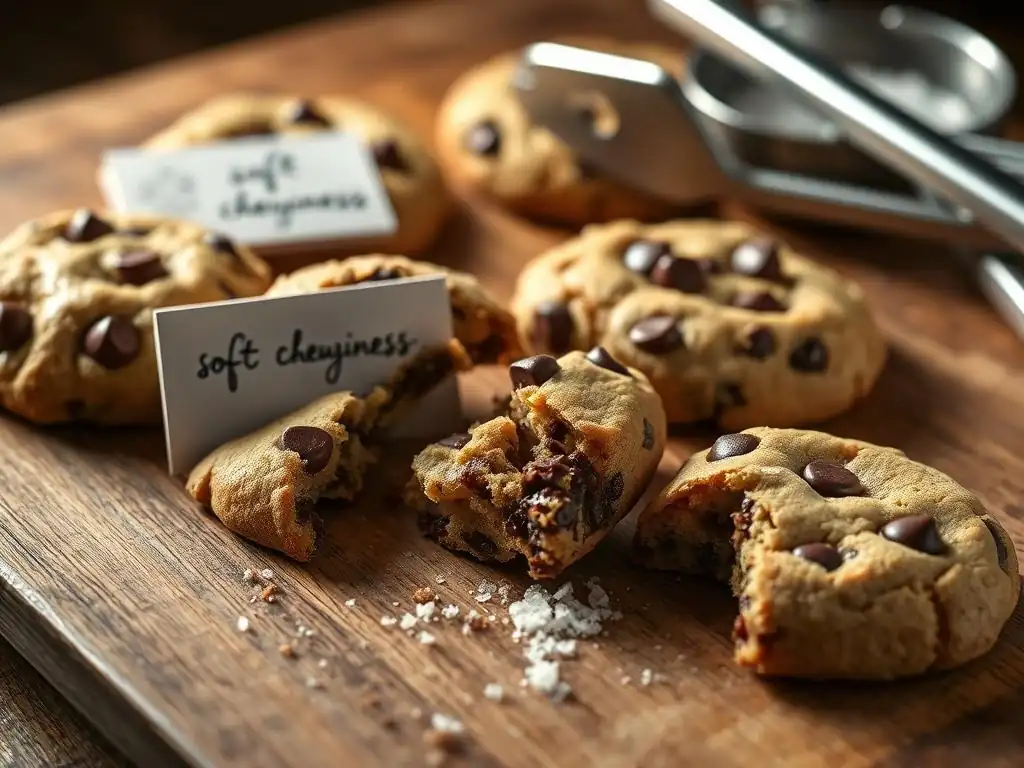
Despite your best efforts, sometimes cookies still turn out harder than you'd like. Don't despair! Understanding why they became hard allows you to make targeted adjustments to your recipe or technique for the next batch. Troubleshooting is part of the learning process for mastering soft chewy cookie recipe tips.
If your cookies consistently turn out too crunchy or hard, it's likely an issue with moisture content, sugar ratio, or baking time/temperature. The most common culprits are overbaking or using too much white sugar relative to brown sugar. Let's look at specific adjustments you can make.
Adjusting Sugar Ratios: More Brown Sugar, Less White Sugar
Review your recipe's sugar ratio. If it calls for equal parts white and brown sugar, or more white than brown, try increasing the proportion of brown sugar. For instance, if your recipe uses 1 cup white and 1 cup brown sugar, try using 1/2 cup white and 1 1/2 cups packed brown sugar. The extra molasses and moisture in the increased brown sugar will significantly contribute to a softer, chewier texture. This simple adjustment is one of the most effective soft chewy cookie recipe tips for combating crispness.
If your recipe already uses mostly brown sugar, ensure you are packing the brown sugar firmly into your measuring cup; loose brown sugar won't provide the same amount of moisture or sugar content by volume. Using dark brown sugar instead of light brown sugar is another way to introduce more molasses and moisture, enhancing chewiness.
Increasing Moisture: Adding Liquid or Using Brown Butter
Beyond adjusting sugar, you can sometimes introduce extra moisture directly into the dough. A common technique is to add an extra egg yolk (not a whole egg, as the white can make cookies cakey) or a tablespoon or two of milk or cream to the dough. The extra fat in the yolk and the liquid will help keep the cookies moist during baking.
Another popular method is using brown butter instead of softened or melted butter. Browning butter involves gently heating it until the milk solids turn golden brown and nutty. This process evaporates some of the water content from the butter, but the nutty solids add flavor and, importantly for chewiness, browning butter slightly caramelizes some sugars and can contribute to a denser, chewier texture when properly incorporated and combined with other chewy-promoting ingredients and techniques. However, be mindful that browning butter removes some moisture, so you might need to compensate elsewhere if your base recipe is already dry.
Lowering Oven Temperature: Preventing Over-Baking
If your cookies are spreading too much and getting thin and crispy, or if they are browning too quickly before the center sets, your oven temperature might be too high. Try lowering your oven temperature by 15-25°F (about 10-15°C). This allows the cookies to bake more slowly and evenly, giving the centers time to set without the edges becoming overly crisp.
Also, ensure you are not overcrowding the baking sheet, as this can affect heat circulation and lead to uneven baking. Bake one sheet at a time in the center rack position if possible. Remember to check for doneness based on visual cues (slightly golden edges, pale center) rather than relying solely on the time specified in the recipe, as ovens vary. Adjusting temperature and relying on visual cues are essential soft chewy cookie recipe tips for preventing hardness.
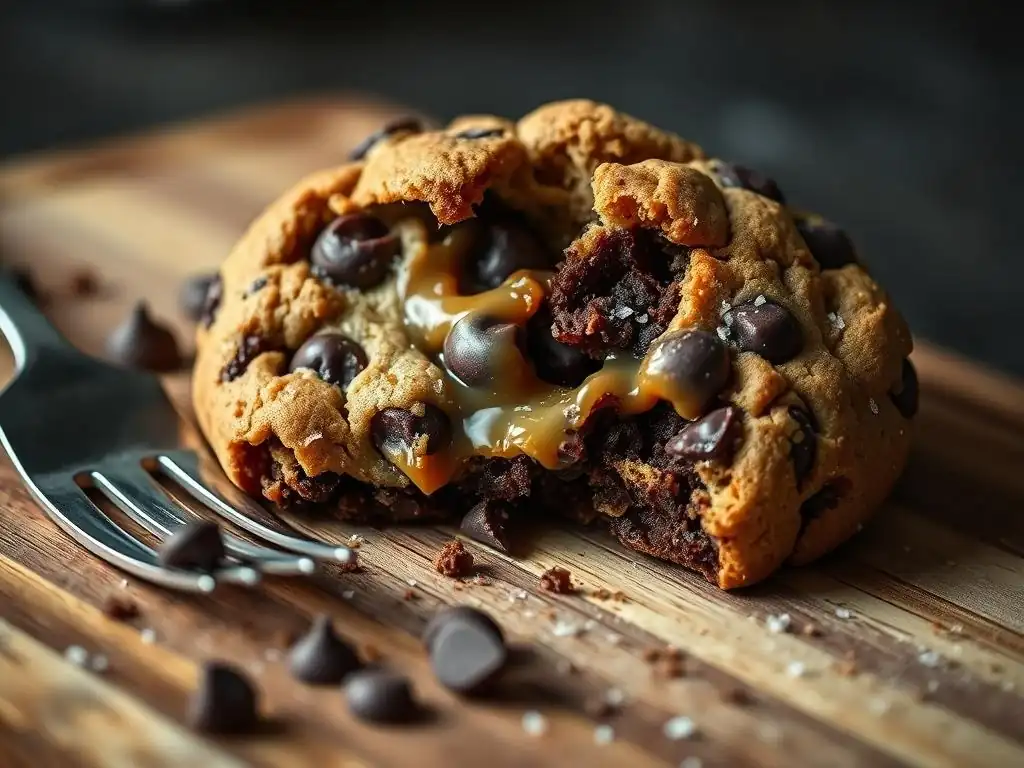
While many recipes promise chewiness, some are specifically formulated to maximize that desirable texture. A recipe that incorporates brown butter, a high ratio of brown sugar, and requires chilling often yields exceptional results. Let's explore a recipe designed with soft, chewy perfection in mind, combining several of the soft chewy cookie recipe tips we've discussed.
This recipe leverages the flavor of brown butter and the moisture-retaining properties of brown sugar to create cookies that are reliably soft and chewy. The chilling step is non-negotiable for the best texture and depth of flavor. This is a prime example of applying soft chewy cookie recipe tips for optimal results.
Ingredients List: Precise Measurements for Optimal Results
For about 2 dozen chewy cookies:
- 1 cup (227g) unsalted butter
- 2 cups (400g) packed light brown sugar
- 1/2 cup (100g) granulated white sugar
- 2 large eggs, plus 1 extra egg yolk
- 2 teaspoons vanilla extract
- 2 1/4 cups (270g) all-purpose flour
- 1 teaspoon baking soda
- 1/2 teaspoon salt
- 1 1/2 cups (approx. 250-300g) chocolate chips (a mix of milk and semi-sweet is great for flavor)
Note the higher ratio of brown sugar to white sugar and the addition of an extra egg yolk for richness and moisture – key elements among soft chewy cookie recipe tips.
Instructions: Step-by-Step Guide to Baking Success
- Brown the butter: Melt the butter in a saucepan over medium heat. Continue cooking, swirling occasionally, until the butter turns golden brown and smells nutty, about 5-8 minutes. Be careful not to burn the milk solids. Pour the brown butter into a heatproof bowl and let it cool for about 15-20 minutes until it's no longer hot but still liquid.
- Combine sugars and butter: In a large bowl, whisk together the cooled brown butter, packed light brown sugar, and granulated white sugar until well combined. The mixture will be grainy.
- Add wet ingredients: Whisk in the 2 large eggs and the extra egg yolk one at a time, ensuring each is fully incorporated before adding the next. Stir in the vanilla extract.
- Combine dry ingredients: In a separate medium bowl, whisk together the all-purpose flour, baking soda, and salt.
- Combine wet and dry: Gradually add the dry ingredients to the wet ingredients, mixing on low speed or with a wooden spoon until just combined. Do not overmix once the flour is added.
- Stir in chocolate chips: Gently fold in the chocolate chips using a spoon or spatula.
- Chill the dough: Cover the dough tightly with plastic wrap and refrigerate for at least 2 hours, preferably 24-72 hours. This chilling step is crucial for texture and flavor, embodying a key soft chewy cookie recipe tip.
- Preheat oven and prep sheets: When ready to bake, preheat your oven to 350°F (175°C). Line baking sheets with parchment paper.
- Scoop and bake: Scoop rounded tablespoons of dough (about 1.5 to 2 inches in diameter) onto the prepared baking sheets, leaving about 2 inches between cookies. Bake for 9-12 minutes, or until the edges are set and lightly golden, but the centers still look slightly soft and pale.
- Cool: Let the cookies cool on the baking sheets for 5-10 minutes before carefully transferring them to a wire rack to cool completely.
- Task: Ensure brown butter is cooled slightly before adding sugars.
- Task: Do not overmix dough after adding flour.
- Task: Chill dough for the recommended time.
- Task: Underbake slightly for chewiness.
- Task: Cool on the baking sheet before transferring.
Enhancing Chewiness: Advanced Techniques
For those looking to take their chewy cookies to the next level, a few additional tricks can further enhance softness and prolong chewiness. These techniques build upon the foundational soft chewy cookie recipe tips already discussed.
Secret Ingredients for Extra Softness: Cornstarch and Honey
Some bakers incorporate small amounts of ingredients like cornstarch or honey to boost cookie softness and chewiness. Adding 1 to 2 teaspoons of cornstarch to the dry ingredients can contribute to a tender, slightly soft texture by interfering with gluten development and moisture absorption. It's a trick often used in cake recipes for a softer crumb.
Honey is another hygroscopic ingredient, similar to molasses. Substituting a tablespoon or two of the sugar with honey (adjusting other liquids slightly if needed) can add moisture and a unique chewiness. However, honey adds a distinct flavor and browns faster than sugar, so use it judiciously and monitor baking time closely. These are more advanced soft chewy cookie recipe tips for texture enthusiasts.
Proper storage is crucial for keeping cookies soft after baking. Once completely cooled, store cookies in an airtight container at room temperature. Exposure to air will cause them to dry out and become hard quickly.
For an extra measure to maintain softness, especially with cookies that seem prone to drying, place a slice of fresh bread (like sandwich bread) in the airtight container with the cookies. The cookies will absorb moisture from the bread, helping them stay soft and chewy for several days. This is a classic trick among soft chewy cookie recipe tips for extending freshness. Replace the bread slice every day or two as it dries out.
Experimenting with Different Flours: Bread Flour vs. All-Purpose
While most chocolate chip cookie recipes call for all-purpose flour, experimenting with different flour types can influence texture. All-purpose flour typically has a protein content around 10-12%. Bread flour has a higher protein content (around 12-14%), which promotes more gluten development. Using a small amount of bread flour (e.g., substituting 1/4 or 1/2 cup of all-purpose flour with bread flour) can sometimes increase chewiness by creating a slightly stronger gluten structure, similar to what gives bread its chew.
Conversely, using a lower-protein flour like cake flour (around 7-9% protein) mixed with all-purpose flour will reduce gluten development, resulting in a more tender, softer, and potentially more cakey cookie. For classic soft chewiness, all-purpose flour is usually the standard, but understanding how different flours affect gluten can help you fine-tune your desired texture using advanced soft chewy cookie recipe tips.
Frequently Asked Questions
Cookies can become overly crisp due to factors like overbaking, using too much butter in relation to sugar, or not having enough moisture in the dough.
Key ingredients for soft and chewy cookies include brown sugar (due to its molasses content), cornstarch (which helps bind the dough), and melted butter instead of cold butter.
Underbaking cookies slightly can keep them soft and chewy. Also, baking at a slightly lower temperature can help prevent them from becoming too crisp.
Yes, chilling cookie dough for at least 30 minutes (or even overnight) allows the flour to fully hydrate, resulting in a chewier cookie and more concentrated flavors.
Avoid overmixing the dough, using inaccurate measurements of ingredients, and skipping steps like chilling the dough. These can all lead to a less desirable texture.
In a world where culinary perfection often leans towards the overly crisp and crunchy, the quest for the ideal soft chewy cookie remains profoundly relevant. The desire for that perfect bite—a cookie that melts in your mouth yet holds its shape—speaks to our collective yearning for comfort and nostalgia. As we navigate through our busy lives, these simple pleasures remind us of the warmth of home and the joy of shared moments around the kitchen table.
The journey to mastering the soft chewy cookie is not just about baking; it reflects a deeper cultural appreciation for the balance of texture and flavor. Each recipe we explore and each tip we implement serves as a reminder of the importance of patience and creativity in our culinary endeavors. As the renowned chef Julia Child once said, No one is born a great cook, one learns by doing.
This sentiment resonates deeply as we experiment with ingredients and techniques, forging connections with our past and with one another through the universal language of food.
As you reflect on your own baking adventures, I invite you to embrace the lessons shared in this article. Consider how you can infuse your own personality into your cookie creations, transforming them into a canvas for your unique tastes and memories.
Whether you’re baking for yourself or for loved ones, let each batch be a celebration of softness, chewiness, and the joy that comes from sharing something made with love. The next time you reach for that mixing bowl, remember: the art of the soft chewy cookie is not just a recipe; it’s an invitation to create lasting memories.
Thanks for joining us on this delicious journey to perfectly chewy cookies! We hope you gained valuable insights into achieving that irresistible texture. Ready to put your new skills to the test?
- Bake a batch of chewy delights today! Experiment with the techniques we discussed and let us know how it turns out. This is your chance to master the art of the chewy cookie.
- Share your baking triumphs (and even your flops!) with our community on social media using #BakeWithEaseChewyCookies. Let's inspire each other!
- Consider trying a variation - perhaps a different flour or even a new flavor profile. What's the next chewy cookie adventure you'll embark on?
What's your secret ingredient for ultimate cookie chewiness? Let's discuss!