
Your Cake Troubleshooting Cheat Sheet

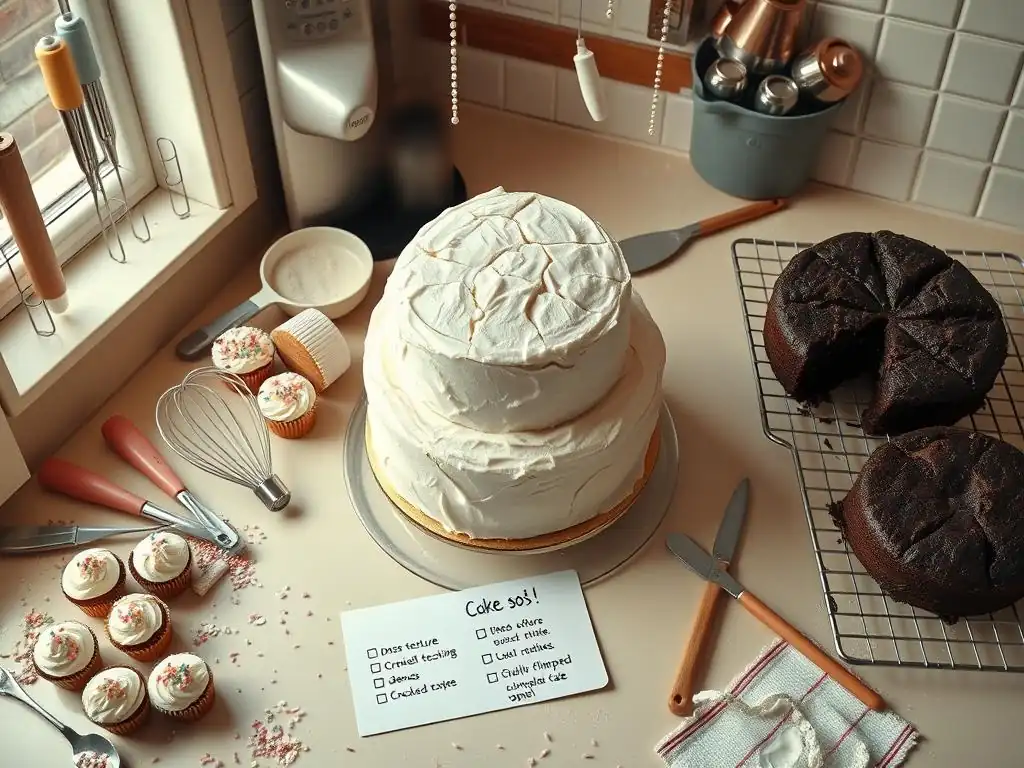
Welcome to BakeWithEase, where we believe everyone can bake with confidence! Are you tired of your cakes falling flat, being too dry, or just not turning out quite right? You're not alone! Dive into our comprehensive guide to Cake Troubleshooting Common Problems and discover the secrets to baking perfect cakes every time. Let's unlock those baking mysteries together and transform your kitchen into a sweet success story. Curious about how to rescue a sunken cake? Read on!
- Cake Troubleshooting Guide: Solving Common Baking Issues
- Introduction to Cake Troubleshooting: Common Problems and Solutions
-
Common Cake Baking Problems and Their Solutions
- 1. Cake Sinking in the Middle: Troubleshooting Flat Cakes
- Causes of a Sunken Cake Center
- Solutions for Preventing Sunken Cakes
- 2. Dry Cake: Fixing Moisture Issues in Baking
- Reasons for a Dry Cake Texture
- How to Avoid Dry Cake: Tips and Tricks
- 3. Dense Cake: Troubleshooting Heavy Cake Textures
- Understanding Why Cakes Become Dense
- Solutions for Achieving a Light and Airy Cake
- 4. Uneven Cake Layers: Achieving Level Cake Tops
- Causes of Uneven Cake Baking
- Tips for Baking Even Cake Layers
- 5. Crumbly Cake: Solutions for Cake Crumbles
- Why Cakes Crumble Easily
- How to Prevent Crumbly Cakes
- 6. Cake Sticking to the Pan: Preventing Cake Adhesion
- Reasons for Cakes Sticking to the Pan
- Solutions for Easy Cake Release
- Advanced Cake Troubleshooting: Addressing More Complex Issues
- Cake Baking Problem Prevention: Proactive Baking Tips
- Frequently Asked Questions
- Final Reflection: The Sweet Science of Cake Rescue
- Unlock Your Baking Brilliance!
Cake Troubleshooting Guide: Solving Common Baking Issues
Introduction to Cake Troubleshooting: Common Problems and Solutions
Baking a cake should be a joyful experience, but sometimes, despite following a recipe to the letter, things just don't turn out as planned. From sunken centers to dry textures, various issues can arise that leave you wondering where you went wrong. Learning how to identify and fix these common cake problems is a crucial step in becoming a confident baker. This guide provides a comprehensive cheat sheet to help you navigate the bumps in the road, turning baking frustrations into successful sweet treats.
Understanding the science behind baking is key to effective cake troubleshooting. Each ingredient plays a specific role, and the interaction between them under heat determines the final outcome. Whether you're dealing with a cake that's too dense, too crumbly, or simply won't release from the pan, knowing the potential causes allows you to make informed adjustments. This guide will walk you through the most frequent challenges, offering practical solutions and tips to prevent them from happening again, ensuring your next baking attempt is a triumph.
Common Cake Baking Problems and Their Solutions
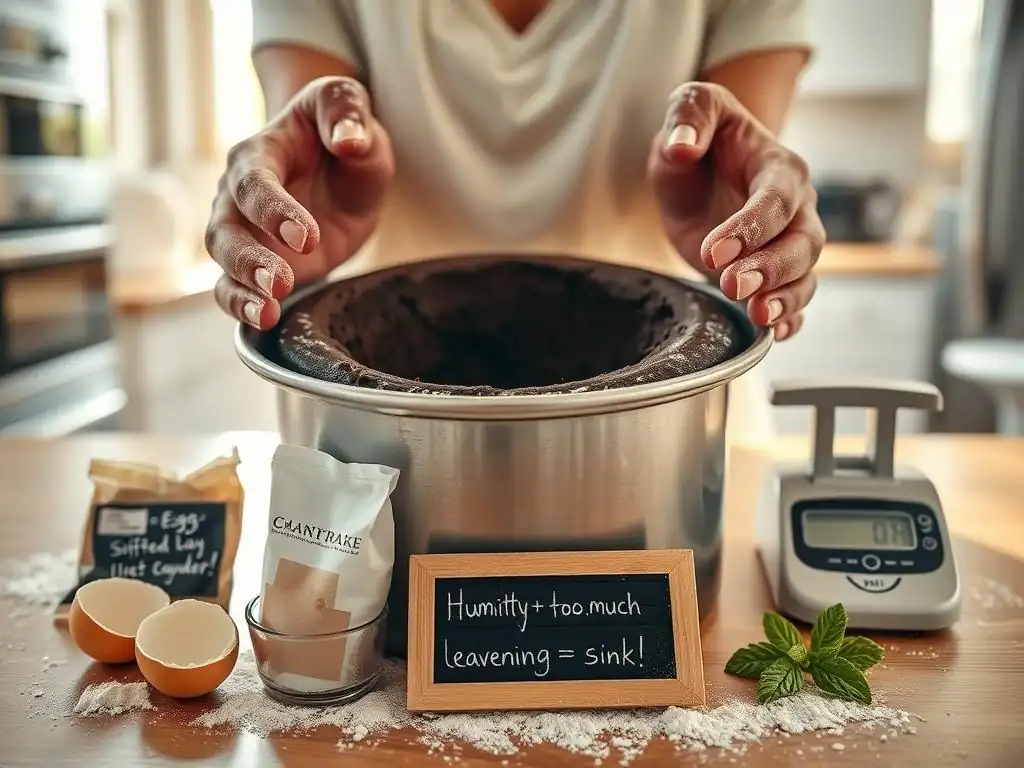
1. Cake Sinking in the Middle: Troubleshooting Flat Cakes
A cake that sinks in the middle is one of the most disappointing baking outcomes. This common cake troubleshooting issue often results in a dense, undercooked center while the edges might be perfectly baked. The visual impact is significant, and it often means the cake isn't suitable for stacking or decorating easily. Identifying the specific cause is the first step to preventing this frustrating problem in the future.
Troubleshooting cake issues like a sunken center requires examining several potential culprits, ranging from ingredient measurement to oven performance. For instance, using too much baking soda or powder can create an initial burst of gas that the cake's structure can't support, leading to collapse. Similarly, an oven that's too cool or opening the door too early interrupts the crucial setting phase of the cake, causing the fragile structure to deflate before it's fully set.
-
Causes of a Sunken Cake Center
- Too much leavening agent
- Oven temperature too low
- Undercooking
- Opening the oven door too early
- Improper ingredient ratios
-
Solutions for Preventing Sunken Cakes
- Measure leavening agents accurately.
- Verify oven temperature with an oven thermometer.
- Bake until a toothpick inserted in the center comes out clean.
- Avoid opening the oven door until the cake is mostly baked.
- Follow the recipe closely.
2. Dry Cake: Fixing Moisture Issues in Baking
Nobody wants a dry, crumbly cake that requires a gallon of milk to swallow. A lack of moisture is a frequent problem encountered during cake troubleshooting, resulting in a less enjoyable texture and flavor. This issue often stems from imbalances in the recipe or errors during the baking process itself, making the cake dense and brittle instead of tender and moist.
Fixing cake mistakes that lead to dryness involves understanding the role of key ingredients like flour, fat, and liquids, as well as the impact of baking time. Overbaking is a primary cause, as extended heat evaporates too much moisture. Using too much flour, especially if packed tightly during measurement, or not enough fat (butter, oil) which provides tenderness and moisture, can also lead to a parched crumb.
-
Reasons for a Dry Cake Texture
- Overbaking
- Too much flour
- Not enough fat
- Using the wrong type of flour
-
How to Avoid Dry Cake: Tips and Tricks
- Reduce baking time slightly.
- Measure flour accurately; avoid packing it.
- Ensure adequate fat content in the recipe.
- Use cake flour for a softer texture.
3. Dense Cake: Troubleshooting Heavy Cake Textures
A dense cake lacks that desirable light, airy crumb, feeling heavy and sometimes gummy. This is another common cake troubleshooting scenario that can turn a celebratory dessert into a disappointing brick. While some cakes are meant to be dense (like a pound cake), if your standard vanilla or chocolate cake turns out heavy, there's likely an issue with technique or ingredients.
Troubleshooting cake issues related to density often points to problems with how the batter was mixed or the state of the ingredients. Overmixing is a major culprit; it develops too much gluten, resulting in a tough, dense texture. Not properly creaming butter and sugar, which incorporates essential air bubbles, or using cold ingredients that don't emulsify correctly can also prevent the cake from rising properly and developing a light structure.
-
Understanding Why Cakes Become Dense
- Overmixing the batter
- Not creaming butter and sugar properly
- Using cold ingredients
- Insufficient leavening
-
Solutions for Achieving a Light and Airy Cake
- Mix batter until just combined.
- Cream butter and sugar until light and fluffy.
- Use room temperature ingredients.
- Ensure leavening agents are fresh.
4. Uneven Cake Layers: Achieving Level Cake Tops
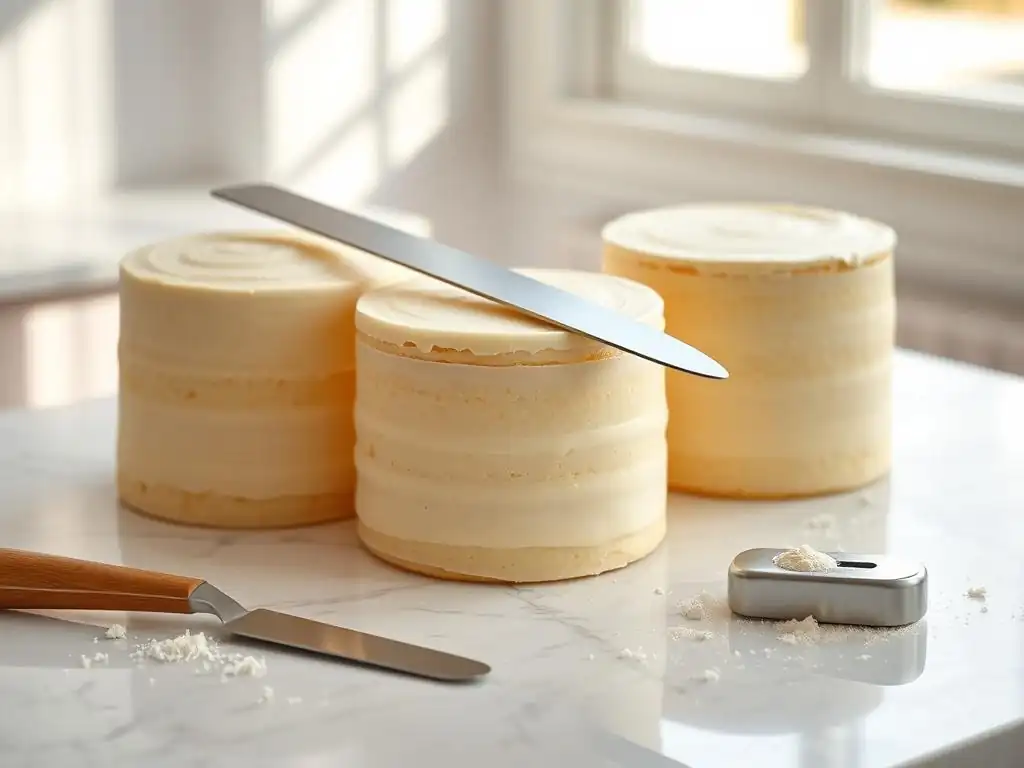
Uneven cake layers can make stacking and decorating a challenge, often requiring trimming that wastes cake. This common cake troubleshooting problem results in tops that are domed on one side and flat on the other, or simply have a significant peak in the center. While a slight dome is normal for many cakes, extreme unevenness indicates a specific issue.
Fixing cake mistakes that lead to uneven layers often relates to how heat is distributed during baking. Hot spots in the oven can cause one part of the cake to bake and rise faster than another. Pans that aren't level on the oven rack or inconsistent distribution of batter between pans can also contribute to this problem. Even something as simple as placing pans too close together in the oven can impede air circulation and cause uneven baking.
-
Causes of Uneven Cake Baking
- Uneven oven temperature
- Pans not level
- Inconsistent batter distribution
-
Tips for Baking Even Cake Layers
- Rotate pans halfway through baking.
- Use a level to ensure pans are even.
- Weigh batter for each pan to ensure equal distribution.
- Use cake strips to promote even baking.
5. Crumbly Cake: Solutions for Cake Crumbles
A cake that falls apart when you try to slice it is frustrating and messy. Crumbly texture is another frequent cake troubleshooting issue that indicates the cake lacks sufficient structure or moisture to hold together. This problem makes serving difficult and frosting nearly impossible without creating a mountain of crumbs.
Troubleshooting cake issues like excessive crumbling often comes back to the balance of ingredients, particularly the ratio of dry to wet components. Too much flour relative to liquid can make the batter dry and the baked cake brittle. Similarly, not enough fat can reduce the tenderness and binding properties. Overbaking, as with dryness, also removes moisture and makes the cake more prone to crumbling.
-
Why Cakes Crumble Easily
- Too much flour
- Not enough liquid
- Overbaking
-
How to Prevent Crumbly Cakes
- Measure flour accurately.
- Ensure proper liquid-to-dry ingredient ratio.
- Avoid overbaking.
6. Cake Sticking to the Pan: Preventing Cake Adhesion
Few things are more disheartening than a perfectly baked cake that refuses to release from the pan, leaving chunks behind. Cake sticking is a common cake troubleshooting problem that can ruin the shape and appearance of your creation. This issue is almost always related to the preparation of the cake pan before the batter even goes in.
Fixing cake mistakes like sticking is usually straightforward and preventative. Insufficiently greasing or flouring the pan allows the cake batter to adhere directly to the metal as it bakes and expands. Skipping parchment paper on the bottom of the pan removes a crucial barrier. Additionally, trying to remove the cake too soon after baking, before it has slightly cooled and firmed up in the pan, can cause it to break apart and stick.
-
Reasons for Cakes Sticking to the Pan
- Insufficient pan preparation
- Cooling the cake for too short a time
-
Solutions for Easy Cake Release
- Grease and flour the pan thoroughly.
- Use parchment paper on the bottom of the pan.
- Allow the cake to cool in the pan for at least 10 minutes before inverting.
Advanced Cake Troubleshooting: Addressing More Complex Issues
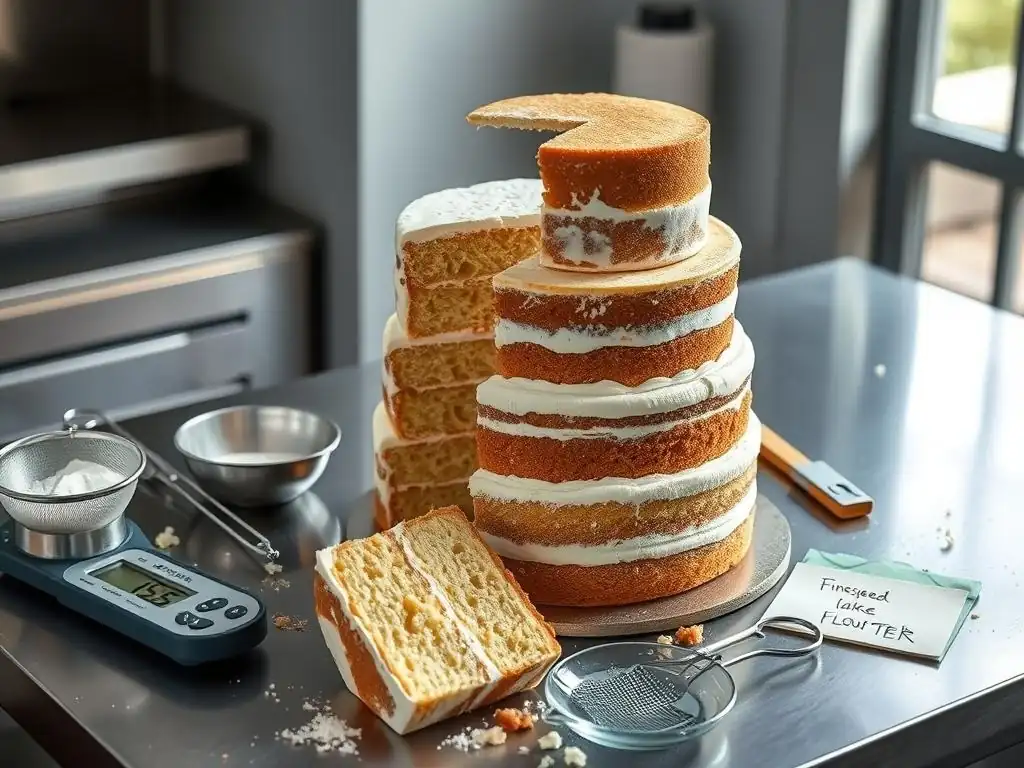
Beyond the standard layer cake woes, some specific types of cakes present their own unique set of challenges. Troubleshooting cake issues in delicate recipes like cheesecakes or soufflés requires understanding their particular structures and sensitivities. These desserts often rely on specific techniques and precise conditions to achieve their signature textures, making troubleshooting these common problems slightly different from basic cake baking.
Addressing more advanced cake troubleshooting scenarios involves mastering techniques like using a water bath or understanding how quickly delicate structures can collapse. For example, a cheesecake's smooth, crack-free surface is highly susceptible to sudden temperature changes or overbaking. A soufflé's impressive rise depends entirely on the stability of whipped egg whites and gentle, consistent heat. Learning the specific pitfalls of these recipes is key to success.
1. Cheesecake Cracking: Troubleshooting and Prevention
A crack across the top of a cheesecake is a common frustration for bakers. While the cheesecake is often still delicious, the crack mars its smooth, elegant appearance. This specific cake troubleshooting problem is primarily related to the delicate custard structure of the cheesecake and how it reacts to heat and cooling.
Troubleshooting cheesecake cracks involves recognizing that cheesecakes are essentially baked custards, very different from standard cakes. Their structure is fragile and easily disturbed by rapid temperature changes, which cause the surface to contract and split. Overbaking also dries out the edges before the center is set, leading to tension and cracking. Introducing too much air into the batter during mixing can also weaken the structure.
-
Causes of Cheesecake Cracking
- Sudden temperature changes
- Overbaking
- Too much air in the batter
-
Solutions for Preventing Cheesecake Cracks
- Use a water bath.
- Avoid overbaking; check for a slight wobble in the center.
- Tap the bowl to release air bubbles after mixing.
- Cool slowly in the oven with the door ajar.
2. Soufflé Collapsing: Troubleshooting and Prevention
The dramatic rise of a soufflé is its defining characteristic, and a collapsed soufflé is perhaps the most visible baking failure. This advanced cake troubleshooting issue occurs when the delicate, air-filled structure cannot support itself. Soufflés are notoriously finicky and require precise timing and temperature control.
Troubleshooting soufflé collapse centers on the instability of the whipped egg whites that provide its lift. Opening the oven door during baking exposes the soufflé to cooler air, causing it to deflate instantly. Underbaking means the internal structure hasn't set enough to hold its shape once removed from the oven. Insufficiently whipped egg whites won't provide enough lift or stability in the first place, making collapse inevitable.
-
Causes of Soufflé Collapsing
- Opening the oven door too early
- Underbaking
- Insufficiently stiff egg whites
-
Solutions for Preventing Soufflé Collapse
- Do not open the oven door during baking.
- Bake until the soufflé is puffed and golden brown.
- Whip egg whites to stiff, glossy peaks.
- Serve immediately after baking.
Cake Baking Problem Prevention: Proactive Baking Tips
Preventing cake troubleshooting issues before they even arise is the best approach to successful baking. By adopting consistent practices and paying attention to details, you can significantly reduce the likelihood of encountering common cake problems. Proactive baking involves more than just following a recipe; it's about understanding ingredients, techniques, and your equipment.
Implementing general cake baking tips can lead to more consistent and reliable results. For instance, always using ingredients at room temperature ensures they emulsify properly, creating a smooth batter that bakes evenly. Accurate measurement, especially for flour and leavening agents, is critical – using a kitchen scale is highly recommended for dry ingredients. Preheating your oven properly and using an oven thermometer confirms the internal temperature is correct, preventing issues related to under or overbaking and uneven heat.
General Cake Baking Tips for Consistent Results
Frequently Asked Questions
Why did my cake sink in the middle?
A sunken cake is often caused by too much liquid, underbaking, or opening the oven door too early. Ensure accurate measurements and bake thoroughly.
My cake is dry, what went wrong?
A dry cake might be due to overbaking, too much flour, or not enough fat. Check your oven temperature and recipe proportions carefully.
How do I prevent my cake from sticking to the pan?
Properly greasing and flouring your pan is crucial. You can also use parchment paper to line the bottom for extra protection against sticking.
My cake is dense and heavy, not light and fluffy. What happened?
This could indicate overmixing the batter, which develops too much gluten. Gently fold ingredients until just combined to maintain a light texture.
What can I do if my cake cracks on top?
Cracking often results from baking at too high a temperature. Reduce the oven temperature by 25 degrees and monitor your cake's progress during baking.
Final Reflection: The Sweet Science of Cake Rescue
The seemingly simple act of baking a cake can quickly turn into a frustrating ordeal, but understanding the common pitfalls is the first step towards consistent success. Mastering the art of cake baking isn't just about following a recipe; it's about developing a problem-solving mindset that allows you to troubleshoot and adapt. This cheat sheet provides a foundation for that journey, empowering bakers of all levels to confidently navigate the challenges that arise.
The impact of a perfectly baked cake extends far beyond the simple pleasure of eating it. It's a symbol of celebration, a testament to patience and precision, and a tangible expression of care. Baking is at once child's play and adult joy. And cooking is all that and art.
– Julia Child. This quote perfectly encapsulates the emotional connection we have with baking, and the frustration that can arise when things don't go as planned. This article aims to bridge that gap, transforming potential setbacks into opportunities for learning and growth.
Now, consider your own baking experiences. Have you faced a collapsed cake, a dry crumb, or a stubbornly unyielding batter? Remember the feeling of disappointment, and then remember the satisfaction of overcoming those challenges.
I invite you to approach your next baking project with a renewed sense of confidence and resourcefulness. Use this cheat sheet as a guide, but more importantly, use it as a springboard for your own experimentation and discovery. The journey of becoming a truly skilled baker is a continuous one, filled with both triumphs and lessons learned – and every perfectly baked cake is a testament to that journey.
Unlock Your Baking Brilliance!
Thanks for joining us on this delicious journey into cake troubleshooting! We hope you’ve gained some valuable insights and newfound confidence in your baking skills. Now it’s time to put your knowledge into action.
- Master that tricky recipe: Identify one area where you previously struggled (e.g., cake layers collapsing, frosting not setting) and try baking that cake again, using the tips and tricks you learned today. This time, you'll nail it!
- Share your baking triumphs (or even your hilarious fails!) on social media using #BakeWithEase. Let's build a supportive baking community together!
- Dive deeper into our other resources on bakewithease.com – explore our advanced techniques and find inspiration for your next baking adventure.
Ready to transform your baking game? What cake will you conquer first?