
MultiAgent Leavening: Combining Baking Soda and Yeast for Texture

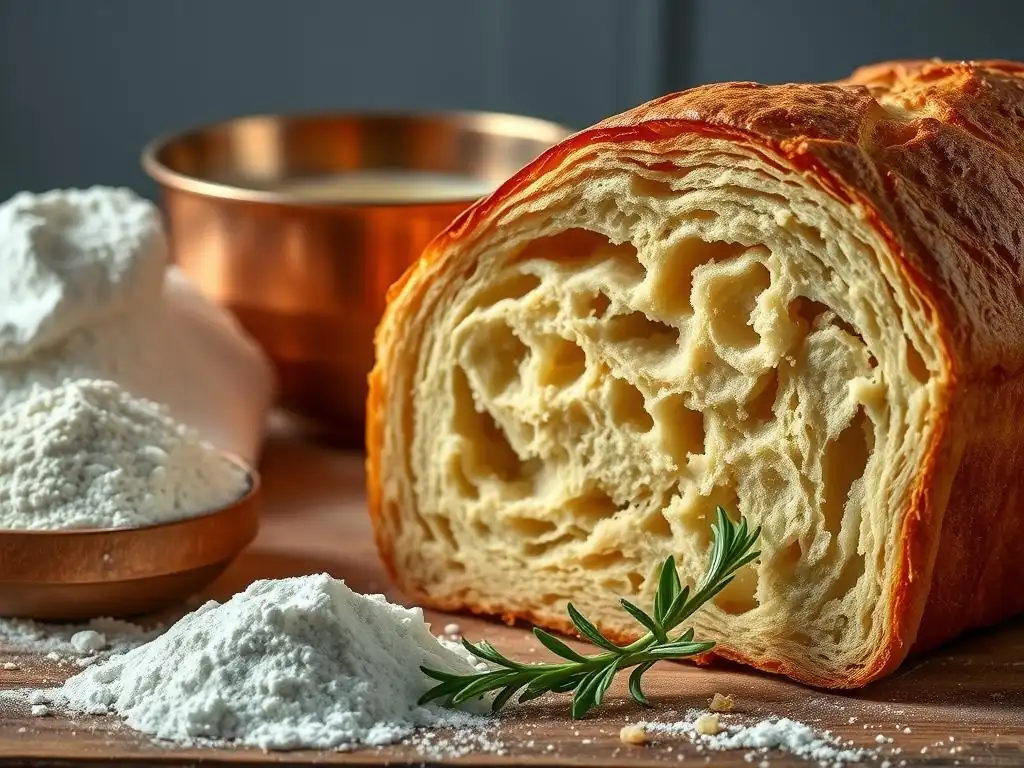
Welcome to BakeWithEase, your trusted companion on your baking journey! Ever wondered how to achieve that perfect crumb structure in your baked goods? This week, we're diving deep into the fascinating world of leavening agents, exploring the synergistic effects of baking soda and yeast texture. Discover how combining these powerhouses can unlock a whole new level of lightness and airiness in your pastries. Curious to learn the secrets? Let's get baking!
- MultiAgent Leavening: Combining Baking Soda and Yeast for Superior Texture
- Understanding Leavening Agents for Baking
- Exploring the Science Behind Baking Soda and Yeast
- Baking Soda vs. Yeast: A Comparison
- MultiAgent Leavening: The Synergistic Power
- Benefits of Using Baking Soda and Yeast Together
- Recipes that Benefit from Combined Leavening
- Tips and Tricks for Successful MultiAgent Leavening
- Troubleshooting Common Issues
- Advanced Techniques
- Conclusion: Mastering Texture with Baking Soda and Yeast
-
Frequently Asked Questions
- What is multiagent leavening and how does it relate to baking?
- Why would someone use both baking soda and yeast in the same recipe?
- How does baking soda impact the texture of baked goods when used with yeast?
- What are some potential problems when combining baking soda and yeast?
- Can I substitute baking powder for the baking soda and yeast combination?
- Final Reflection: The Unexpected Alchemy of Baking Soda and Yeast
- Unlock Extraordinary Textures: Elevate Your Baking Today!
MultiAgent Leavening: Combining Baking Soda and Yeast for Superior Texture
Understanding Leavening Agents for Baking
The Importance of Leavening in Baked Goods
Leavening agents are the unsung heroes of the baking world, responsible for creating the light, airy, and tender textures we crave in everything from a rustic loaf of bread to a delicate cupcake. Without them, baked goods would be dense, flat, and unappetizing bricks. The process of leavening involves producing gases within the dough or batter, which then expand when heated in the oven, causing the mixture to rise. This expansion stretches the gluten structure (in doughs) or the protein network (in batters), setting the final, desirable texture.
Achieving the perfect texture in baked goods relies heavily on selecting the right leavening agent or combination of agents and understanding how they interact with other ingredients. Different leaveners produce different types and rates of gas production, leading to varying crumb structures, volumes, and even flavors. Mastering the art of leavening is fundamental to successful baking, transforming simple ingredients into delightful treats with appealing height and a pleasant mouthfeel.
Introduction to Baking Soda and Yeast
Baking soda (sodium bicarbonate) and yeast are two of the most common leavening agents used in baking, yet they operate through fundamentally different mechanisms. Baking soda is a chemical leavener, reacting rapidly with an acid to produce carbon dioxide gas almost instantly upon mixing. It's typically used in quick breads, cookies, and cakes where a fast rise is needed and the structure sets quickly.
Yeast, on the other hand, is a biological leavener – a living microorganism. It works by consuming sugars in the dough and producing carbon dioxide and alcohol as byproducts through fermentation. This process is much slower than chemical leavening, often taking hours, and contributes significantly to the flavor profile of the baked good, particularly in breads and enriched doughs. While distinct, understanding how these two agents produce gas is the first step to appreciating how combining baking soda and yeast can influence baking soda yeast texture.
Exploring the Science Behind Baking Soda and Yeast
How Baking Soda Works: Chemical Leavening
Baking soda, scientifically known as sodium bicarbonate (NaHCO₃), is a base. When it comes into contact with an acid and a liquid, a chemical reaction occurs, producing carbon dioxide gas (CO₂), water (H₂O), and a salt. The general formula for this reaction is: NaHCO₃ + Acid → Salt + H₂O + CO₂. Common acidic ingredients in baking include buttermilk, yogurt, vinegar, lemon juice, molasses, honey, brown sugar, cocoa powder (natural, not Dutch-processed), and cream of tartar. The speed and completeness of the reaction depend on the strength and amount of the acid present.
This reaction begins as soon as the wet and dry ingredients containing baking soda and acid are combined. About half of the gas is produced during mixing, and the remaining gas is generated when the mixture is heated in the oven. Because the reaction is so quick, batters and doughs leavened primarily with baking soda need to be baked relatively soon after mixing to capture the maximum amount of gas before it dissipates. This rapid gas production is key to achieving a tender, open texture in items like muffins and scones.
How Yeast Works: Biological Leavening
Yeast is a single-celled fungus, primarily Saccharomyces cerevisiae for most baking applications. When provided with moisture, warmth (typically between 70°F and 95°F or 21°C and 35°C), and food (simple sugars), yeast becomes active and begins to metabolize the sugars through a process called fermentation. This anaerobic respiration produces ethanol (alcohol) and carbon dioxide gas (CO₂). The CO₂ gas gets trapped within the gluten network of doughs, causing them to rise.
The fermentation process is much slower and more complex than the chemical reaction of baking soda. It takes time for the yeast population to grow and produce enough gas to significantly leaven the dough. Beyond providing lift, fermentation also produces a wide range of flavorful compounds, contributing to the characteristic aroma and taste of yeasted bread. The duration of fermentation directly impacts both the rise and the flavor development, leading to varying levels of complexity in the final baked product.
Baking Soda vs. Yeast: A Comparison
Baking Soda: Pros and Cons
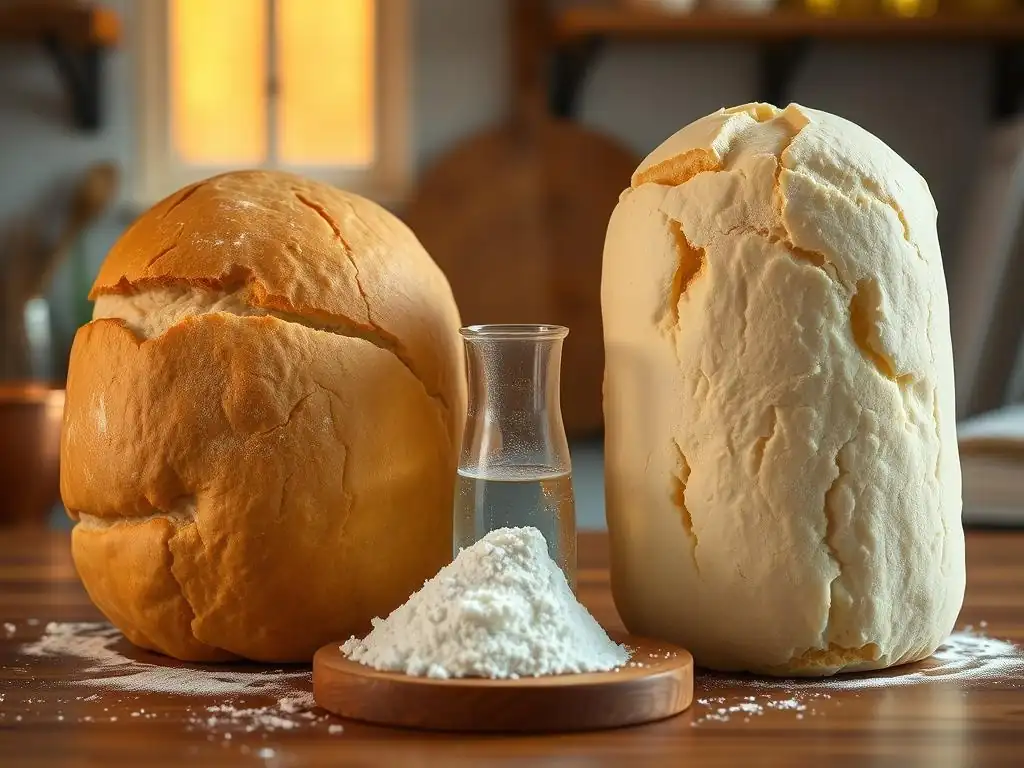
Baking soda offers several advantages in baking. Its primary benefit is speed; it provides rapid leavening as soon as it's activated by an acid, making it ideal for quick breads, cookies, and cakes that don't require a long rising time. It's also relatively inexpensive and has a long shelf life when stored properly. Baked goods leavened solely with baking soda tend to have a finer, more uniform crumb structure compared to those leavened with yeast.
However, baking soda also has limitations. It requires an acidic ingredient to react completely. If there isn't enough acid, leftover unreacted baking soda can impart a soapy or bitter aftertaste and may leave yellow spots in the baked good. It also doesn't contribute flavor in the way yeast fermentation does. Furthermore, baking soda provides a quick burst of lift but doesn't offer the sustained rise and structure development that yeast provides over time, which is essential for many types of bread.
Yeast: Advantages and Disadvantages
Yeast's main advantage lies in its ability to produce a sustained, gradual rise over a longer period, which is crucial for developing the structure and volume of traditional breads and rolls. As yeast ferments, it not only produces CO₂ for lift but also complex flavor compounds, adding depth and character to the baked item that chemical leaveners cannot replicate. The slow fermentation process also allows for the development of gluten, contributing to the chewy texture often desired in bread.
On the downside, yeast requires time, specific temperatures, and careful handling to be effective. Proofing can take anywhere from 30 minutes to several hours, or even days for cold fermentation. Yeast is also sensitive to temperature; too hot and it dies, too cold and it becomes inactive. Recipes using yeast often require more precise measurements and techniques (like kneading) to develop the necessary gluten structure to hold the gas. Unlike baking soda, yeast doesn't provide the instant lift needed for very delicate batters or recipes baked immediately.
MultiAgent Leavening: The Synergistic Power
What is MultiAgent Leavening?
MultiAgent Leavening refers to the technique of using more than one type of leavening agent in a single recipe. While this can involve combining baking powder (which contains both baking soda and acid) with other agents, a particularly interesting and effective approach is combining baking soda and yeast. This method leverages the unique strengths of both chemical and biological leavening to achieve results that neither agent could accomplish on its own.
By using both baking soda and yeast, bakers can achieve a faster initial rise from the baking soda while simultaneously developing the flavor and structure provided by the slower yeast fermentation. This combination is not suitable for all recipes, but in specific contexts, it can yield baked goods with exceptional volume, a unique texture, and a complex flavor profile, demonstrating the power of combining baking soda and yeast for texture.
Achieving Optimal Texture
The goal when combining baking soda and yeast is often to optimize the final texture. Yeast provides the primary, sustained lift that develops the overall structure and contributes to an open, airy crumb with larger, irregular holes, characteristic of many breads. Baking soda, when activated by an acid, provides a rapid burst of gas early in the baking process. This quick lift can help doughs overcome their initial inertia, especially heavier or enriched doughs, giving them an extra boost.
Furthermore, baking soda can influence the fineness of the crumb. While yeast creates larger air pockets, the rapid, widespread gas production from baking soda can create smaller, more uniform bubbles throughout the mixture. When used together, the yeast establishes the overall structure and larger voids, while the baking soda can help fill in the gaps with finer bubbles, resulting in a complex and desirable baking soda yeast texture that is both open and tender. This synergy allows for a balance between the chewy structure of yeast-leavened goods and the tender crumb of chemically leavened ones.
Benefits of Using Baking Soda and Yeast Together
Enhanced Rise and Volume
One of the most significant benefits of combining baking soda and yeast is the potential for enhanced rise and overall volume. Yeast provides the steady, long-term gas production that builds the dough's structure and leads to substantial expansion during proofing and oven spring. However, adding baking soda (and an acid) provides an immediate influx of carbon dioxide.
This initial boost from the baking soda can help lift heavier batters or doughs more effectively at the start, giving the yeast a head start or supplementing its lifting power. The combined effect can result in a higher final volume compared to using either agent alone, especially in recipes designed to capitalize on this synergy, contributing to a more impressive baking soda yeast texture.
Improved Flavor Development
While yeast is primarily responsible for the complex, fermented flavors in baked goods, baking soda can also play a role in flavor, albeit indirectly in this context. The primary flavor contribution comes from the yeast fermentation, which produces alcohols, organic acids, and other aromatic compounds over time. Recipes using both agents typically still involve a fermentation period, allowing the yeast to develop these desirable flavors.
The baking soda's influence on flavor is more about balancing or enhancing the flavors already present. For example, in sourdough pancakes where both are often used, the baking soda reacts with the acidic sourdough starter to provide lift, while the starter provides the characteristic tangy flavor developed by its wild yeast and bacteria. The baking soda neutralizes some of the acid, which can soften the tanginess slightly while ensuring a tender texture without an overwhelming sourness.
Achieving a Desirable Crumb Structure
The unique baking soda yeast texture achieved by combining these leaveners is often a primary reason for their joint use. Yeast fermentation creates an open, irregular crumb with varying sizes of air pockets due to the stretching of gluten over time. Baking soda, with its rapid, widespread gas release, tends to create a finer, more uniform network of smaller bubbles.
When combined, particularly in doughs with a well-developed gluten structure from yeast, the baking soda's rapid action can help to create a more evenly distributed system of smaller pores within the larger structure established by the yeast. This can result in a crumb that is both open and tender, not too dense but also not excessively holey, offering a pleasant mouthfeel and a desirable balance in baking soda yeast texture.
Recipes that Benefit from Combined Leavening
Sourdough Pancakes: Achieving Lightness and Tang
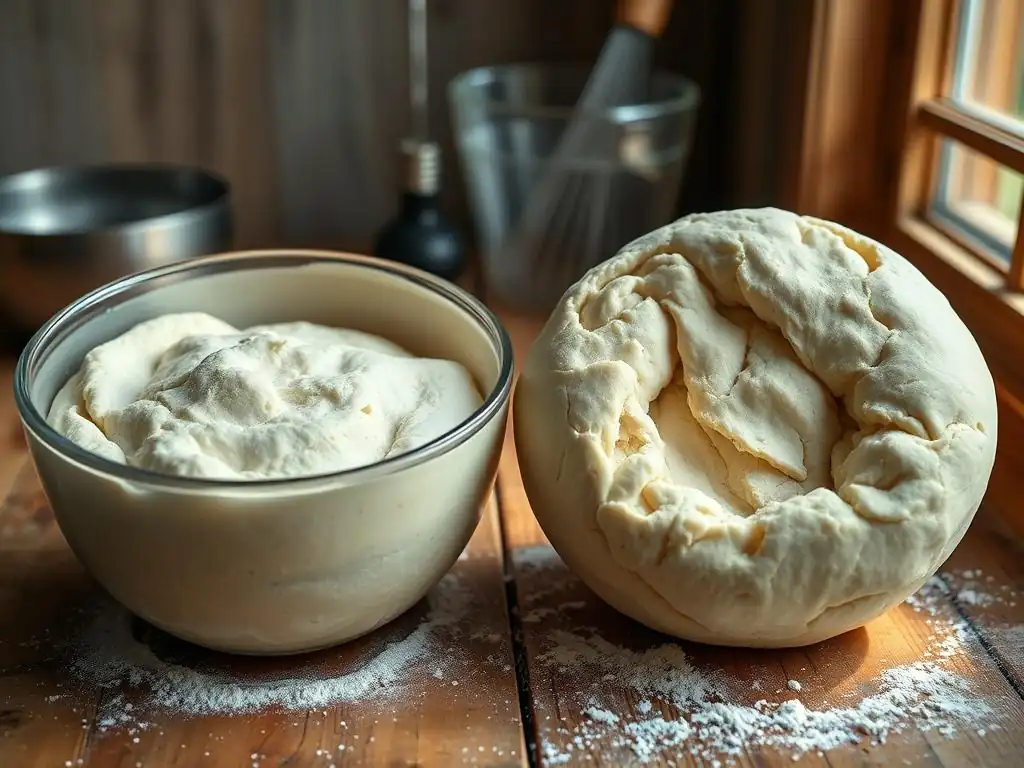
Sourdough pancakes are a classic example where combining baking soda and yeast (specifically, the wild yeast and bacteria in a sourdough starter) is highly effective. A typical sourdough starter is acidic due to the metabolic activity of lactic acid bacteria. While the wild yeast in the starter provides some leavening over time, the starter alone often doesn't provide enough lift for a light, fluffy pancake batter, and its acidity can lead to a dense texture if not counteracted.
Adding baking soda to sourdough pancake batter provides an immediate chemical reaction with the starter's acid, creating a rapid release of CO₂ just before cooking. This results in pancakes that are significantly lighter and fluffier than those made with starter alone. The combination leverages the complex tangy flavor from the sourdough fermentation while ensuring a desirable, airy baking soda yeast texture. Approximately 1/2 teaspoon of baking soda per cup of sourdough starter is a common starting point, but this can vary based on the starter's acidity.
Hybrid Rolls: Combining Quick Rise and Fermented Flavor
Certain types of rolls or quick breads can benefit from the combined power of baking soda and yeast. While traditional bread relies solely on yeast, some recipes aim for a faster proofing time or a specific tenderness that yeast alone might not provide optimally.
For instance, a recipe for a slightly enriched roll might use a moderate amount of yeast for flavor development over a shorter proofing period (perhaps 1-2 hours instead of 3-4), and then incorporate a small amount of baking soda and an acid (like buttermilk or yogurt) to give an extra boost of lift during the final proof or initial oven spring.
This approach allows the baker to achieve some of the desirable flavor characteristics associated with yeast fermentation without the extensive time commitment of traditional bread making. The baking soda provides rapid gas production that supplements the yeast's slower action, helping the rolls achieve good volume and a tender baking soda yeast texture more quickly. The acid in the recipe activates the baking soda, and the yeast continues its work, resulting in a roll that is lighter than a pure quick bread but faster to make than a pure yeast bread.
Tips and Tricks for Successful MultiAgent Leavening
Balancing Baking Soda and Yeast
Successfully combining baking soda and yeast requires careful balancing of the two agents and the acidic ingredients. Too much baking soda without enough acid will leave a soapy flavor. Too much acid without enough baking soda means the chemical reaction won't fully occur. The ratio of baking soda to acid is crucial, often around 1:1 or 1:1.25 (baking soda to acid, by weight), but this varies depending on the strength of the acid. For example, 1 teaspoon of baking soda typically reacts with 1 cup of buttermilk or 1 teaspoon of vinegar.
The amount of yeast used will depend on the desired fermentation time and flavor development. A typical recipe might use a standard amount of yeast for flavor, and then add baking soda and acid primarily for texture and supplemental lift. Experimentation is key to finding the right balance for a specific recipe and desired baking soda yeast texture.
Understanding the Role of Acidity
Acidity is paramount when incorporating baking soda into a recipe that also uses yeast. Yeast thrives in a slightly acidic environment (pH 4-6), which can help with gluten development and enzyme activity. However, baking soda requires a more significantly acidic component to react fully. Common acids like buttermilk, yogurt, sour cream, molasses, or brown sugar are frequently used.
The acid not only activates the baking soda but can also interact with the yeast environment. While yeast tolerates a range of acidity, excessive acid can inhibit yeast activity. Therefore, the recipe must carefully manage the amount and type of acid to ensure both the baking soda reaction occurs effectively and the yeast remains active for its fermentation process. This delicate balance directly impacts both the rise and the complex baking soda yeast texture.
Adjusting Recipe Ratios
When adapting a recipe to use both baking soda and yeast, or creating a new one, adjusting the ratios is critical. If starting with a yeast-only recipe, you might reduce the yeast slightly (especially if aiming for a faster proof) and introduce baking soda along with an acidic ingredient. If starting with a baking-soda-only recipe (like some quick breads), adding yeast means incorporating sufficient liquid and sugar for the yeast to feed on, and allowing adequate time for proofing.
Consider the function of each agent: Yeast for structure, primary rise, and flavor over time; Baking soda for rapid initial lift and influencing crumb fineness when acid is present. A recipe might use a standard amount of yeast (e.g., 2.25 tsp active dry yeast for a loaf) but then add a smaller amount of baking soda (e.g., 1/2 to 1 tsp) alongside an acidic liquid (e.g., substituting some liquid with buttermilk) to achieve a specific baking soda yeast texture or faster rise.
Troubleshooting Common Issues
Over-Proofing and Collapse
Over-proofing can occur when using yeast, especially in recipes that also include baking soda. Yeast fermentation produces gases over time, and if the dough proofs for too long, the gluten structure can become overstretched and weak, unable to hold the gas. When baking soda is also present, the rapid initial gas production might accelerate the overall leavening, making it easier to over-proof if not monitored closely.
To avoid this, watch the dough carefully during the proofing stage. It should double in size (or as specified in the recipe) and pass the "poke test" – gently pressing a finger into the dough should leave an indentation that springs back slowly, not completely. If the dough springs back immediately, it needs more time; if it stays indented, it's ready or possibly slightly over-proofed. Baking promptly once ready is crucial to capture the gases for the best baking soda yeast texture.
Bitter Aftertaste from Baking Soda
A bitter, soapy, or metallic aftertaste is a telltale sign of unreacted baking soda. This happens when there isn't enough acidic ingredient in the recipe to neutralize all the sodium bicarbonate. While yeast fermentation does produce some acids, it's typically not enough to react with a significant amount of baking soda.
Ensure your recipe includes sufficient acid to match the amount of baking soda used. Common ratios are important guidelines, but the acidity of ingredients can vary. If adapting a recipe, be precise with measurements of both baking soda and the acidic component. Using fresh baking soda is also important, as old soda can develop off-flavors. Correcting the acid-base balance is key to avoiding this issue and achieving a clean baking soda yeast texture.
Inconsistent Texture
Inconsistent baking soda yeast texture, such as dense spots or uneven holes, can result from several factors. Insufficient mixing can lead to uneven distribution of leavening agents, causing some areas to rise more than others. Uneven temperatures during proofing can also affect yeast activity, leading to variations in rise.
When using both agents, ensure they are thoroughly distributed within the dry ingredients before combining with liquids. For baking soda, ensure the acidic liquid is evenly incorporated. For yeast, consistent dough temperature during proofing is important. Overworking or underworking the dough (affecting gluten development) can also impact texture; a well-developed gluten network is necessary to trap the gases produced by both leaveners for a uniform baking soda yeast texture.
Advanced Techniques
Using Different Types of Yeast
The type of yeast used can influence the timing and flavor development in multi-agent leavening. Active dry yeast and instant yeast are the most common. Instant yeast is more vigorous and can often be mixed directly with dry ingredients, leading to a faster initial rise compared to active dry yeast, which typically needs to be proofed in liquid first. Using instant yeast might require adjusting proofing times when combined with the rapid action of baking soda.
Sourdough starter, containing wild yeast and lactic acid bacteria, offers the most complex flavor development. Combining baking soda with sourdough relies on the starter's inherent acidity and the relatively slower activity of wild yeast. Experimenting with different yeast types allows bakers to fine-tune the fermentation time, flavor profile, and the resulting baking soda yeast texture. For example, using less instant yeast but adding baking soda could significantly shorten proofing while still achieving good lift.
Experimenting with Various Flours
The type of flour used significantly impacts the gluten structure, which in turn affects how well gases from leavening agents are trapped, influencing the final baking soda yeast texture. High-protein bread flour develops strong gluten, ideal for trapping the copious gas produced by yeast over long fermentation, leading to an open, chewy crumb. All-purpose flour has moderate protein, suitable for a wide range of baked goods. Cake flour, with low protein, results in a tender, fine crumb.
When combining baking soda and yeast, the flour choice should align with the desired outcome. For a light, airy bread-like texture, a higher protein flour might be suitable. For a tender, cake-like crumb with some yeast flavor, a lower protein flour could be better. The acid in the recipe (needed for the baking soda reaction) can also affect gluten development; some acids can weaken gluten if fermentation is too long. Understanding how different flours interact with both leavening processes is key to mastering the baking soda yeast texture in hybrid recipes.
Conclusion: Mastering Texture with Baking Soda and Yeast
Recap of the Benefits
Combining baking soda and yeast in baking offers a powerful synergy, providing unique advantages that neither agent can achieve alone. This "multi-agent leavening" technique allows bakers to leverage the rapid lift and crumb-tenderizing effects of baking soda alongside the sustained rise, structure-building, and complex flavor development of yeast.
The result is often a superior baking soda yeast texture – one that is both light and airy from the yeast's sustained fermentation, and tender with a finer crumb structure thanks to the baking soda's rapid action. This approach can enhance volume, improve flavor complexity through controlled acidity, and create a highly desirable crumb structure.
Encouragement to Experiment
Mastering the combination of baking soda and yeast for texture requires understanding the science behind each agent and how they interact. It's not a one-size-fits-all solution, but rather a technique best applied to specific recipes where its unique benefits can shine, such as sourdough pancakes or certain hybrid quick breads and rolls. We encourage you to experiment in your own kitchen!
Start with proven recipes that successfully employ this technique, pay close attention to the balance of baking soda, acid, and yeast, and observe how variations in ratios and proofing times affect the final baking soda yeast texture. With practice, you'll discover new possibilities for creating baked goods with truly exceptional texture and flavor.
Frequently Asked Questions
What is multiagent leavening and how does it relate to baking?
Multiagent leavening refers to using multiple leavening agents, such as baking soda and yeast, in a single recipe. This technique aims to achieve a specific texture and rise that neither agent could produce alone. It's about leveraging the synergistic effects for optimized results.
Why would someone use both baking soda and yeast in the same recipe?
Combining baking soda and yeast allows bakers to control both the speed and flavor of the leavening process. Yeast provides a slow, gradual rise and develops flavor, while baking soda provides a quick boost and helps with browning.
How does baking soda impact the texture of baked goods when used with yeast?
Baking soda, an alkaline ingredient, reacts with acidic ingredients to produce carbon dioxide, creating a lighter, more airy texture. When used with yeast, it can enhance the overall rise and improve the crumb structure.
What are some potential problems when combining baking soda and yeast?
Overuse of baking soda can lead to a metallic taste in the final product. Balancing the amount of each leavening agent is crucial to avoid off flavors or undesirable textures. Follow the recipe carefully.
Can I substitute baking powder for the baking soda and yeast combination?
While baking powder contains baking soda and an acid, it is not a direct substitute. Baking powder is designed to provide a single, predictable rise. Yeast offers a more complex flavor development, which baking powder cannot replicate.
Final Reflection: The Unexpected Alchemy of Baking Soda and Yeast
The synergistic power of baking soda and yeast in baking isn't just a culinary trick; it's a testament to the transformative potential of combining seemingly disparate elements. Understanding this interaction unlocks a world of texture possibilities, allowing bakers of all levels to achieve unprecedented lightness and complexity in their creations. This knowledge, once confined to professional kitchens, is now readily accessible, empowering home bakers to elevate their skills and experiment with exciting new techniques.
The exploration of this seemingly simple combination has revealed a deeper understanding of the fundamental principles of baking chemistry. It highlights the importance of precise measurements and careful observation, reminding us that even the smallest adjustments can yield dramatically different results. This resonates deeply with my own baking journey, where countless experiments have taught me the value of patience and attention to detail. The best bakers are those who are not afraid to fail, for it is through failure that we learn and grow.
This quote, though not directly related to baking soda and yeast, perfectly encapsulates the spirit of experimentation and learning that this article aims to inspire.
Now, it's your turn. Consider the seemingly simple ingredients in your own kitchen – what unexpected combinations might await discovery? Don't be afraid to experiment, to push boundaries, and to embrace the occasional "failed" batch as a valuable learning experience. The journey of culinary exploration, much like the perfect rise of a sourdough loaf, is a process of growth, discovery, and ultimately, delicious reward. So, gather your ingredients, embrace the alchemy, and unlock the textures waiting to be unveiled in your next baking adventure.
Unlock Extraordinary Textures: Elevate Your Baking Today!
Thanks for joining us on this baking adventure! We hope you now understand the power of combining baking soda and yeast for truly unique textures in your bread and baked goods. Ready to put this knowledge into practice?
- Try a new recipe: Experiment with the multi-agent leavening technique in your favorite bread recipe – the results might surprise you! Consider substituting a portion of your usual yeast with baking soda to see how the texture changes.
- Share your creations: Show us your baking triumphs (or even your experiments!) on social media using #MultiAgentLeavening and #BakeWithEase. We’d love to see what you create!
- Explore advanced techniques: Dive deeper into the world of sourdough and other advanced baking methods. Understanding different leavening agents unlocks a whole new level of baking creativity.
What unique texture will you create with this new baking knowledge?