
The Science of Sweet: Why Sugar is Key to Moisture and Browning

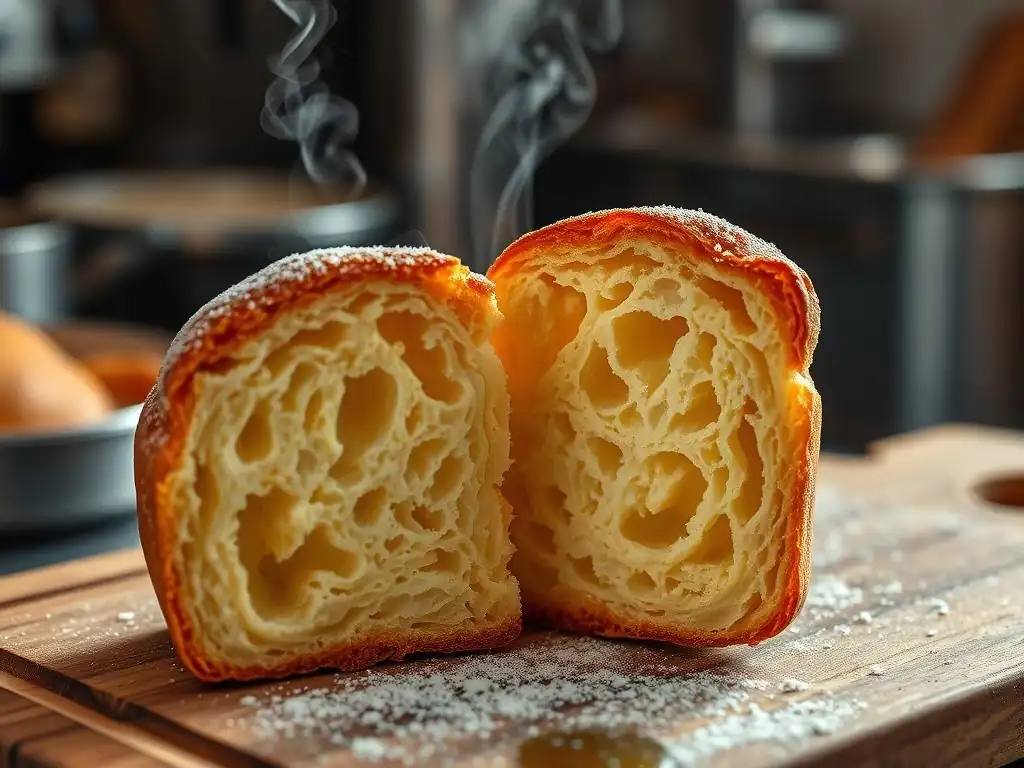
Welcome to BakeWithEase, your partner in creating delicious baked goods! Ever wondered why some cookies are perfectly chewy while others crumble? Or how to achieve that perfect golden-brown crust? Uncover the captivating secrets behind sugar baking moisture browning in our latest article, where we delve into the science of sweet to help you elevate your baking game. Prepare to unlock the secrets that professional bakers use to ensure consistently moist and beautifully browned results, and discover how this humble ingredient can transform your creations. Intrigued? Let's get baking!
- The Science of Sweet: Why Sugar is Key to Moisture and Browning in Baking
- Understanding the Role of Sugar in Baking
- Sugar and Moisture: The Secret to Soft Baked Goods
- Sugar and Browning: Achieving the Perfect Golden Crust
- Sugar's Other Baking Benefits: Texture and Structure
- Troubleshooting Baking Issues Related to Sugar
- Mastering the Art of Baking with Sugar: Key Takeaways
-
Frequently Asked Questions
- What role does sugar play in maintaining moisture in baked goods?
- How does sugar contribute to the browning of baked goods?
- What types of sugar are best for achieving specific browning effects?
- Can I reduce the amount of sugar in a recipe without significantly affecting the texture and browning?
- What are some "secrets" to using sugar effectively for baking?
- Final Reflection: Unlocking the Sweet Science of Baking
- Unlock Your Baking Potential: Master the Sweet Science!
The Science of Sweet: Why Sugar is Key to Moisture and Browning in Baking
Understanding the Role of Sugar in Baking
Sugar's Impact on Baked Goods: Beyond Sweetness
Sugar is often thought of purely as a sweetener, the ingredient that satisfies our craving for something sugary. While its primary role is undoubtedly to impart sweetness, sugar plays a far more complex and crucial role in the world of baking. It influences everything from the texture and structure of your baked goods to their color, flavor development, and even how long they stay fresh. Understanding these non-sweetening functions is key to mastering the art of baking and unlocking the full potential of your recipes.
Beyond taste, sugar tenderizes doughs and batters by interfering with gluten development, creates a desirable crispness in cookies, and contributes to the overall volume and crumb structure of cakes. It's not just about making things sweet; it's a foundational ingredient that performs multiple jobs simultaneously. Think of sugar as a multi-talented performer in your baking orchestra, each role contributing to the final harmonious result. The sugar baking moisture browning secrets lie in appreciating these diverse functions.
Exploring the Chemistry of Sugar in Baking
At a chemical level, sugar is a carbohydrate, typically sucrose (table sugar), but also includes glucose, fructose, lactose, and others depending on the source (like honey or molasses). When heated, sugar undergoes fascinating chemical transformations. Two of the most significant are the Maillard reaction and caramelization, both vital for developing rich flavors and appealing colors in baked goods. These reactions don't just happen; they require specific conditions, including the presence of sugar, heat, and sometimes other ingredients like proteins (for Maillard).
Furthermore, sugar interacts with other ingredients like water, fats, and proteins on a molecular level. Its ability to dissolve in water affects the hydration of flours and starches, influencing dough consistency. Sugar also inhibits the coagulation of proteins (like egg proteins) and the gelatinization of starches, contributing to a softer, more delicate texture. These subtle chemical interactions are fundamental to achieving the desired outcome in countless baking recipes, from a fluffy sponge cake to a chewy cookie.
Sugar and Moisture: The Secret to Soft Baked Goods
Hygroscopicity Explained: How Sugar Attracts Water
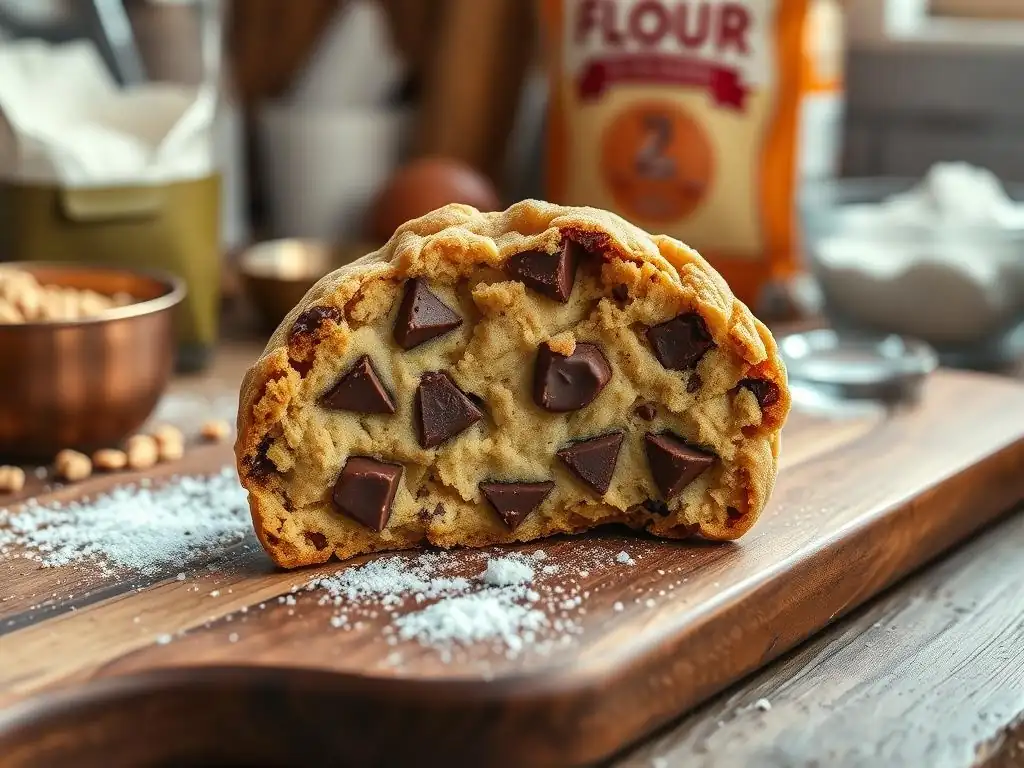
One of sugar's most valuable properties in baking is its hygroscopicity – its ability to attract and hold onto water molecules from its surroundings. Sugar acts like a tiny sponge within your baked goods, drawing moisture from the air and from other ingredients. This property is critical for keeping cakes, muffins, and breads soft and moist over time, significantly extending their shelf life. Without sufficient sugar, baked goods tend to dry out and become stale much faster.
Consider a cookie: a cookie with a higher sugar content will typically remain chewy longer than one with less sugar, which might become hard and crisp more quickly. This is a direct result of sugar's hygroscopic nature, which locks in moisture and prevents it from evaporating as readily. This moisture-retaining capability is one of the key sugar baking moisture browning secrets that professional bakers utilize to ensure their products stay fresh and appealing.
Types of Sugar and Their Moisture-Retaining Abilities
Different types of sugar have varying degrees of hygroscopicity, which is why swapping sugars in a recipe without adjustment can sometimes lead to unexpected results regarding moisture. Granulated sugar is less hygroscopic than brown sugar or liquid sugars like honey and syrup. This difference is primarily due to the chemical composition and the presence of other compounds, like molasses in brown sugar, which are also highly hygroscopic.
Understanding these differences allows you to strategically choose the right sugar for the desired moisture level.
Granulated Sugar: Moisture Retention Properties
Granulated sugar, or standard table sugar (sucrose), is moderately hygroscopic. It does attract and retain moisture, contributing to softness and extending shelf life in baked goods like cakes and muffins. However, its crystalline structure also promotes spread in cookies and helps create a crisp exterior when used in sufficient quantities and baked appropriately.
While less potent than brown sugar or liquid sweeteners in moisture retention, granulated sugar is still a vital player. Its consistent crystal size and purity make it reliable for structure and creaming with butter, which also impacts moisture distribution. A typical cake recipe might rely heavily on granulated sugar for its tenderizing effect and moderate moisture contribution.
Brown Sugar: The Molasses Advantage for Enhanced Moisture
Brown sugar, which is essentially granulated sugar with added molasses, is significantly more hygroscopic than white granulated sugar. The molasses contains fructose and glucose, which are more effective at attracting and holding water than sucrose. This makes brown sugar an excellent choice for baked goods where a soft, moist, and chewy texture is desired, such as chocolate chip cookies, gingerbread, and certain types of cakes.
The presence of molasses not only boosts moisture retention but also adds a distinct flavor profile and contributes more readily to browning. Recipes specifically calling for brown sugar often leverage this enhanced moisture property. For instance, a standard chocolate chip cookie recipe often uses a mix of granulated and brown sugar, with the brown sugar providing chewiness and moisture thanks to its molasses content.
Honey and Syrup: Natural Humectants in Baking
Liquid sugars like honey, maple syrup, corn syrup, and golden syrup are powerful humectants – substances that attract and retain moisture. They contain high levels of fructose and glucose (in honey and corn syrup) or sucrose and invert sugars (in maple and golden syrup), which are highly effective at binding water. Using these in part or whole can dramatically increase the moisture and chewiness of baked goods.
These liquid sweeteners are often used in recipes like sticky buns, certain types of bread, and chewy granola bars precisely for their moisture-retaining capabilities and unique flavors. However, because they are liquids, substituting them for granulated sugar requires careful adjustment of other liquid ingredients in the recipe to maintain the correct balance. They are prime examples of how sugar baking moisture browning secrets involve understanding different sugar types.
Baking Techniques for Maximizing Moisture with Sugar
Beyond just the type of sugar, how you incorporate it into your recipe can also impact moisture distribution and retention. Techniques like creaming butter and sugar or controlling dough hydration levels work in tandem with sugar's properties to achieve the desired moist outcome. It's a combination of ingredient science and proper execution.
Mastering these techniques helps ensure that the moisture sugar attracts is evenly distributed throughout the batter or dough, leading to a consistently soft texture.
Sugar Content and Dough Hydration
The amount of sugar relative to other ingredients, particularly flour and liquids, significantly affects dough or batter hydration. Sugar competes with flour proteins (gluten) and starches for water. In high-sugar recipes, sugar absorbs a considerable amount of the available liquid, which can paradoxically make a batter seem less "wet" initially. However, this absorbed water is then held by the sugar during baking, preventing it from evaporating.
A higher sugar ratio often correlates with a softer, more tender crumb because there is less water available for gluten development. For example, a rich pound cake with a high sugar-to-flour ratio will be incredibly tender and moist compared to a lean bread dough with very little sugar. Balancing sugar content with other liquids is crucial for controlling both texture and moisture.
The Importance of Creaming Sugar and Butter
The creaming method, where sugar and softened butter are beaten together until light and fluffy, is a fundamental technique for many cakes and cookies. During this process, the sharp sugar crystals cut into the fat, creating tiny air pockets. These air pockets expand during baking, contributing to the rise and structure of the baked good.
Simultaneously, the sugar dissolves slightly into the moisture present in the butter (butter contains about 15-18% water), beginning the process of attracting and holding moisture even before baking begins. Proper creaming ensures even distribution of sugar and fat, leading to a more uniform texture and consistent moisture throughout the final product. This step is vital for achieving a tender crumb and preventing dryness.
Sugar and Browning: Achieving the Perfect Golden Crust
The Maillard Reaction: Sugar's Role in Browning
The Maillard reaction is a complex series of chemical reactions that occur between amino acids (from proteins) and reducing sugars (like glucose and fructose, which are often present in, or formed from, other sugars during heating) when heated. This reaction is responsible for the rich brown color and hundreds of distinct flavor compounds found in everything from seared steaks to toasted bread and, critically, many baked goods. Sugar is a necessary component for this reaction to occur.
In baking, the Maillard reaction contributes to the golden-brown crust of breads, cakes, and cookies. It starts happening at temperatures around 300°F (150°C) and accelerates as the temperature increases. The presence of sugar, even in small amounts, alongside proteins from flour, eggs, or milk, is what drives this reaction, creating those desirable complex flavors and appealing colors that signify a well-baked item. Understanding this is a key aspect of sugar baking moisture browning secrets.
Caramelization: Sugar's Transformation into Flavor and Color
Caramelization is another crucial browning process driven by sugar, but it's different from the Maillard reaction. Caramelization occurs when sugars themselves are heated to high temperatures, typically starting around 320°F (160°C) for sucrose, without the presence of proteins. As sugar melts and breaks down under heat, it forms new compounds that are brown in color and have distinct nutty, buttery, and slightly bitter flavors.
Think of the rich, deep flavor of caramel sauce or the slightly bitter notes in the dark crust of a well-baked loaf of bread or the edges of a cookie. That's caramelization at work. While the Maillard reaction involves proteins and reducing sugars, caramelization is purely the thermal decomposition of sugars. Both reactions often occur simultaneously in the crust of baked goods, contributing to the overall color and flavor complexity.
Factors Affecting Browning: Sugar Type, Temperature, and pH
Several factors influence how and when browning occurs in baked goods, with sugar playing a central role alongside heat and the acidity or alkalinity of the batter or dough (pH). Manipulating these factors allows bakers to control the intensity and speed of browning.
The Influence of Sugar Type on Browning Speed
Different types of sugar brown at different rates and through different mechanisms. Reducing sugars like fructose and glucose participate readily in the Maillard reaction at lower temperatures than sucrose requires for caramelization. This is why recipes using honey or brown sugar (which contain fructose and glucose from molasses) tend to brown faster and more intensely than those relying solely on granulated sucrose.
For example, a cookie made with only granulated sugar might take longer to achieve a deep golden brown than one made with a significant portion of brown sugar, even if baked at the same temperature. This difference in browning potential is another layer of the sugar baking moisture browning secrets that helps predict and control the final appearance and flavor of baked goods.
Controlling Oven Temperature for Optimal Browning
Oven temperature is a critical factor in both the Maillard reaction and caramelization. Lower temperatures (e.g., 300-325°F / 150-160°C) promote the Maillard reaction more slowly, allowing the interior of the baked good to cook through before the crust burns. Higher temperatures (e.g., 375-400°F / 190-200°C) accelerate both reactions, leading to faster and more intense browning.
If a recipe has a high sugar content, a slightly lower oven temperature or shorter baking time might be needed to prevent the exterior from browning excessively before the inside is cooked. Conversely, lean doughs with little sugar might require higher temperatures or longer baking times to achieve sufficient crust color and flavor development through the Maillard reaction.
The Role of pH in Sugar-Driven Browning
The pH level of a dough or batter significantly impacts the speed of the Maillard reaction. Alkaline conditions (higher pH) accelerate the Maillard reaction, while acidic conditions (lower pH) slow it down. Ingredients like baking soda (alkaline) promote faster browning, while acidic ingredients like buttermilk, yogurt, or cream of tartar inhibit it.
Consider pretzels, which are often dipped in an alkaline solution before baking. This high pH environment causes them to brown very rapidly and deeply in the oven, a direct result of the accelerated Maillard reaction involving the sugars and proteins on the surface. Understanding how pH interacts with sugar and heat provides another tool for controlling browning in your baking.
Sugar's Other Baking Benefits: Texture and Structure
Sugar's Impact on Gluten Development
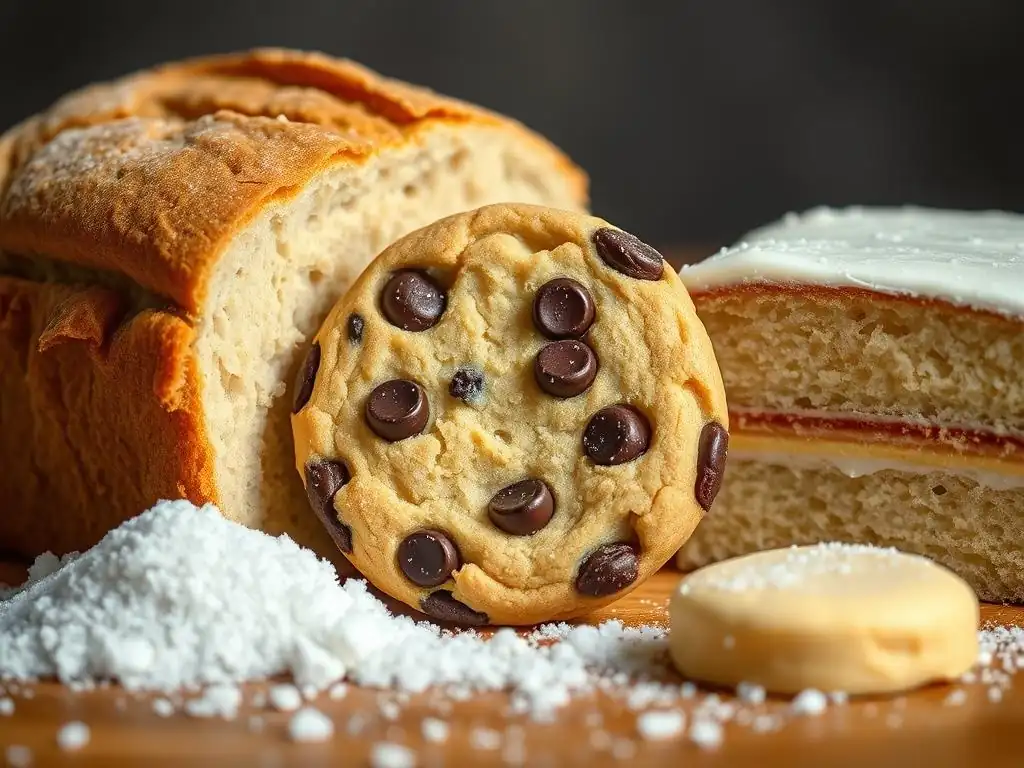
Sugar plays a significant role in controlling gluten development in baked goods. Gluten forms when proteins in flour (glutenin and gliadin) combine with water and are agitated (like kneading). Sugar is hydrophilic, meaning it loves water. In a dough or batter, sugar competes with the flour proteins for the available water.
When sugar is present in sufficient quantities, it absorbs a portion of the water, leaving less available for gluten to form. This inhibition of gluten development leads to a more tender crumb in cakes, muffins, and cookies. Recipes with low sugar content, like lean bread doughs, allow for extensive gluten development, resulting in a chewy, elastic texture. This is why adding sugar to a bread dough (sweet dough) makes it softer and less chewy than a basic lean dough.
Sugar's Contribution to Tenderness in Baked Goods
As mentioned, sugar tenderizes baked goods primarily by limiting gluten development. However, it also contributes to tenderness by interfering with the coagulation of proteins, particularly egg proteins, and the gelatinization of starches. By raising the temperature at which these processes occur, sugar allows the batter or dough to expand more before the structure sets, resulting in a more delicate and fine crumb.
Furthermore, sugar's hygroscopic nature keeps the crumb moist, which is perceived as tenderness. A dry cake feels tough, while a moist cake feels soft and tender. So, sugar contributes to tenderness through both chemical interactions that affect structure formation and its physical ability to retain moisture.
Sugar as a Stabilizer: Helping to Maintain Structure
While sugar can interfere with gluten development, it also acts as a stabilizer in certain contexts, particularly in meringues and some custards. In meringues, sugar stabilizes the whipped egg whites, helping them hold their structure and preventing weeping. The sugar dissolves in the moisture of the egg whites and forms a stable matrix.
In batters, sugar helps to stabilize the emulsion of fats and liquids, preventing separation. Its presence can also slightly delay the setting of the batter during baking, allowing leavening agents more time to work and contribute to rise. This structural support, combined with its tenderizing and moisture-retaining roles, highlights sugar's multifaceted importance in achieving the desired texture and structure in baking.
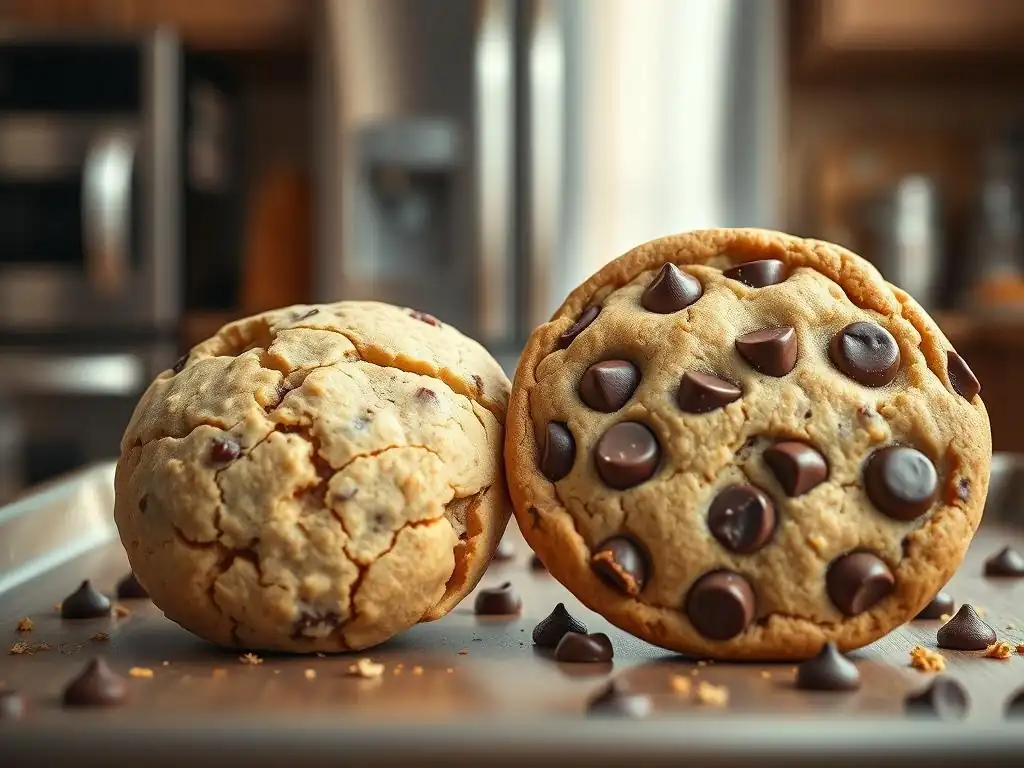
Sugar is powerful, and using too much or too little, or the wrong type, can lead to common baking problems. Understanding the sugar baking moisture browning secrets helps diagnose and fix these issues.
Dry Baked Goods: Sugar Imbalance and Solutions
One common issue is dry baked goods. This can often be linked to insufficient sugar or using a sugar type that is less hygroscopic than ideal for the recipe. If a cake or muffin recipe results in a dry crumb, it might be due to a low sugar-to-flour ratio or perhaps substituting granulated sugar for brown sugar without accounting for the moisture difference.
- Task: Check the sugar ratio in the recipe.
- Task: Consider if a more hygroscopic sugar (like brown sugar or adding a touch of honey/syrup) could be incorporated in future attempts.
- Task: Ensure accurate measurement of all ingredients, especially sugar and liquids.
Solutions include slightly increasing the sugar content (if appropriate for the recipe type), using a portion of brown sugar or liquid sugar for increased moisture retention, or ensuring proper mixing techniques that allow sugar to dissolve and distribute moisture effectively. For instance, adding a tablespoon or two of brown sugar to a dry-prone muffin recipe can make a noticeable difference.
Overly Browned or Burnt Surfaces: Addressing Sugar Content
Excessive browning or burning of the crust is often a sign of too much sugar, particularly reducing sugars or liquid sugars, or the oven temperature being too high for the sugar content. Since sugar promotes browning through Maillard and caramelization, high concentrations accelerate these reactions.
- Task: Evaluate the sugar concentration relative to the total weight of the batter/dough.
- Task: Consider the type of sugar used; liquid sugars and brown sugar brown faster.
- Task: Check the oven temperature calibration.
To mitigate this, you can try slightly reducing the sugar in the recipe (if it's excessively high), tenting the baked good loosely with foil partway through baking to shield the top, or slightly lowering the oven temperature and extending the baking time. Using a less reactive sugar like pure granulated sugar might also help slow down surface browning.
While sugar helps stabilize batters, an imbalance can also lead to structural issues like collapsed cakes or cookies that spread too much. Too much sugar can weaken the structure by interfering excessively with gluten development and protein coagulation. It can also contribute to excessive spread in cookies because it melts during baking.
- Task: Verify the sugar ratio against standard recipes of the same type.
- Task: Ensure other structural components (flour, eggs) are correctly measured.
- Task: Check if the fat is too soft or if creaming was done correctly (over-creaming can incorporate too much air, leading to collapse).
If a cake collapses, it might have too much sugar relative to flour and eggs. If cookies spread into flat puddles, too much sugar or using too much butter (or butter that is too soft) are common culprits, as sugar promotes spread. Adjusting the sugar content, ensuring accurate measurement of all ingredients, and chilling cookie dough before baking can help improve structure.
Mastering the Art of Baking with Sugar: Key Takeaways
Understanding the science behind sugar's functions is truly one of the most important sugar baking moisture browning secrets. It's not just a sweetener; it's a vital structural, textural, and flavor-enhancing ingredient. By appreciating its hygroscopic nature and its role in the Maillard reaction and caramelization, you gain greater control over your baking results.
Optimizing Sugar Use for Perfect Baking Results
Achieving perfect baking results with sugar involves balancing its multiple roles. Consider the desired outcome: do you want a chewy cookie (more brown sugar for moisture and spread), a tender cake (sugar for tenderness and crumb), or a crusty bread (minimal sugar for structure but enough for Maillard browning)? The type and amount of sugar are powerful levers you can adjust.
Experimentation, guided by understanding these principles, is key. Try slightly adjusting the sugar level or swapping a portion of granulated sugar for brown sugar in a familiar recipe and observe the changes in moisture, texture, and browning. Keep notes on what works. Remember that sugar content also impacts the freezing point, affecting ice cream texture, and acts as a preservative, extending shelf life.
Tips for Adjusting Sugar Levels Based on Altitude
Baking at high altitude presents unique challenges, primarily due to lower atmospheric pressure. Water boils at a lower temperature (around 203°F / 95°C at 5,000 feet vs. 212°F / 100°C at sea level), and gases expand more rapidly. This can lead to excessive leavening, dryness, and structural collapse. Sugar adjustments are often necessary.
Because sugar tenderizes and inhibits gluten, and moisture evaporates faster at altitude, reducing sugar slightly is a common high-altitude adjustment. A typical recommendation is to reduce sugar by 1-2 tablespoons per cup in recipes containing one cup or more of sugar. This helps strengthen the structure and compensates for the increased tendency to dry out. However, excessive reduction can impact moisture and browning, so it requires careful testing to find the right balance for your specific location and recipe.
Frequently Asked Questions
What role does sugar play in maintaining moisture in baked goods?
Sugar is hygroscopic, meaning it attracts and retains moisture from the air. This prevents the baked good from drying out quickly, resulting in a softer texture.
How does sugar contribute to the browning of baked goods?
Sugar caramelizes when heated, leading to browning and development of complex flavors. This process, known as the Maillard reaction, also involves amino acids and contributes significantly to color and taste.
What types of sugar are best for achieving specific browning effects?
Different sugars caramelize at different rates. For example, brown sugar contains molasses, which enhances browning and adds a richer flavor. White sugar provides a more even, golden-brown color.
Can I reduce the amount of sugar in a recipe without significantly affecting the texture and browning?
Reducing sugar can impact both texture and browning. You can try substitutes, but be aware that they may alter the moisture content and browning capabilities of the final product. Adjustments may be needed to other ingredients.
What are some "secrets" to using sugar effectively for baking?
One secret is to cream sugar and butter properly for a light and airy texture. Another is to avoid over-baking, as this can dry out the sugar and lead to a hard or brittle texture and poor browning.
Final Reflection: Unlocking the Sweet Science of Baking
The intricate dance between sugar, moisture, and browning isn't just a culinary curiosity; it's the very foundation of successful baking. Understanding this relationship unlocks a world of possibilities, allowing bakers of all levels to achieve consistently delicious results, from perfectly moist cakes to deeply caramelized crusts. This knowledge isn't just about following recipes; it's about mastering the fundamental science that transforms simple ingredients into culinary masterpieces.
The impact of sugar extends far beyond the simple sweetness it provides. It's a crucial element in the texture and appearance of countless baked goods, influencing everything from the soft crumb of a cupcake to the crispness of a cookie. Its role in the Maillard reaction, that beautiful browning process, is a testament to its transformative power. As renowned pastry chef, Jacques Torres, once said, Baking is a science, but it's also an art. Understanding the science allows you to truly express your artistry.
This quote perfectly encapsulates the importance of understanding the science behind sugar's role in baking.
Now, it's your turn to experiment! Don't be afraid to adjust sugar levels in your recipes, observing how subtle changes impact the final product. Embrace the scientific principles discussed here, and use them as a springboard for your own culinary explorations. The next time you bake, remember the power of sugar – not just as a sweetener, but as a key ingredient in unlocking the secrets of moisture and browning, and creating truly exceptional baked goods.
Unlock Your Baking Potential: Master the Sweet Science!
Thanks for diving into the fascinating world of sugar and its impact on baking! We hope you gained valuable insights into how this simple ingredient can elevate your creations. Now it's time to put your new knowledge to the test!
- Experiment with different sugars: Try substituting granulated sugar with brown sugar, honey, or maple syrup in your favorite recipe and observe the differences in texture and flavor. This is your chance to become a true sugar alchemist!
- Share your baking triumphs (and challenges!): Post your results – photos, comments, or even recipes – on our social media channels and inspire other bakers! Let's build a supportive community of baking enthusiasts!
- Dive deeper into baking science: Explore our other articles on BakeWithEase.com to uncover more secrets to baking perfection. We're continuously adding fresh content to help you master your craft.
What surprising flavor combinations will you create with your newfound sugar mastery?