
Vanilla Bean vs. Extract: Solving Your Substitution Puzzles with Confidence

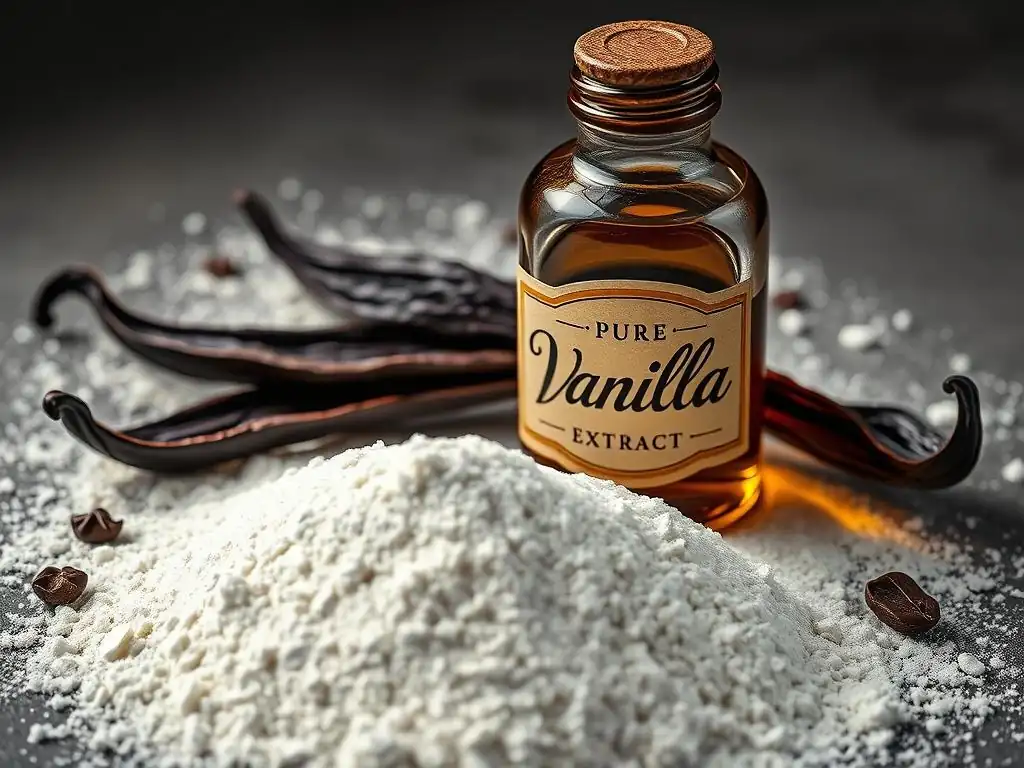
Welcome to BakeWithEase, your trusted guide in the delicious world of baking! Ever found yourself staring at a recipe calling for vanilla bean and wondering about a suitable substitute? Unlock the secrets of our "Vanilla Bean vs. Extract" deep dive, and confidently navigate your baking adventures with our expert advice and practical tips. Discover how to achieve the perfect flavor profile, even when faced with substitutions, and elevate your baking to the next level. Ready to solve your substitution puzzles? Let's get baking!
- Understanding Vanilla: A Baker's Essential Guide
- Deciphering Vanilla Bean Flavor Profiles
- Demystifying Vanilla Extract: Types and Quality
- The "Vanilla Bean Substitution Recipe" Dilemma: When and How?
- Mastering the Vanilla Bean Substitution Ratio
- Step-by-Step Guide: Substituting Vanilla Bean in Recipes
- Vanilla Bean Substitution Recipe: Specific Examples
- Troubleshooting Common Vanilla Substitution Issues
- Tips for Maximizing Vanilla Flavor in Your Baking
- Storing Vanilla Beans and Extracts Properly
- Conclusion: BakeWithEase with Vanilla Confidence
-
Frequently Asked Questions
- What are some common reasons someone might need a vanilla bean substitution recipe?
- What is the typical ratio when substituting vanilla extract for a vanilla bean?
- Can I substitute vanilla bean paste for vanilla extract, and if so, what's the conversion?
- What are some non-vanilla alternatives I could use in a pinch?
- Does the type of recipe influence which vanilla bean substitution I should choose?
- Final Reflection: The Enduring Allure of Vanilla, Bean or Extract?
- Unlock Your Baking Potential: Master Vanilla Substitutions!
Understanding Vanilla: A Baker's Essential Guide
The Allure of Vanilla in Baking
Vanilla, often considered a simple background flavor, is actually one of the most complex and crucial ingredients in baking. Its subtle presence has the power to elevate and harmonize other flavors, preventing baked goods from tasting flat or one-dimensional. From classic sugar cookies to delicate custards, vanilla adds warmth, depth, and a comforting aroma that is universally loved. It's not just about sweetness; vanilla enhances the perception of sweetness while also balancing richness and acidity.
The historical significance of vanilla in confectionery is profound. Originating from orchids in Mexico, vanilla became a prized commodity, integral to European desserts starting in the 17th century. Its labor-intensive cultivation process – requiring hand-pollination and a months-long curing process – contributes to its cost and perceived luxury. For many bakers, the quality of vanilla used can make a noticeable difference in the final product, turning a good recipe into a truly memorable one.
Vanilla Bean vs. Extract: A Head-to-Head Comparison
When you dive into the world of vanilla, the primary distinction you encounter is between using the whole vanilla bean and using vanilla extract. A vanilla bean is the cured fruit pod of the vanilla orchid, containing thousands of tiny seeds (often called 'caviar') and oils rich in flavor compounds. Using a whole bean, or its seeds and scraped pod, imparts a pure, intense, and multi-layered vanilla flavor, often visible as speckles in the finished product.
Vanilla extract, on the other hand, is made by macerating chopped vanilla beans in a solution of alcohol and water to draw out the flavor compounds, primarily vanillin. While vanillin is a major component of vanilla's flavor, the whole bean contains hundreds of other aromatic compounds that contribute to its complex profile. Extract is convenient, easy to measure, and widely available, making it a staple in most kitchens. The choice between the two often comes down to the desired intensity, complexity, visual appeal (those lovely speckles! ), and budget, factors that heavily influence any vanilla bean substitution recipe.
Deciphering Vanilla Bean Flavor Profiles
Exploring the Nuances of Vanilla Bean Varieties
Not all vanilla beans are created equal; their origin significantly impacts their flavor profile. Madagascar Bourbon vanilla beans, perhaps the most common, are known for their classic, creamy, sweet, and slightly floral notes, making them incredibly versatile. Mexican vanilla beans tend to be smoky, spicy, and rich, often with hints of clove or nutmeg, pairing wonderfully with chocolate and cinnamon.
Tahitian vanilla beans are distinctively floral and fruity, sometimes described as having cherry or licorice undertones. These are often favored in pastries, creams, and fruit-based desserts where their unique aroma can shine. Ugandan vanilla beans, a rising star, are bold and intense, with notes of chocolate and fig. Exploring these different varieties allows bakers to fine-tune their vanilla bean substitution recipe for specific flavor goals, moving beyond a generic "vanilla" taste to something more specific and exciting.
How Vanilla Bean Flavor Differs from Vanilla Extract
The flavor of a whole vanilla bean is inherently more complex and nuanced than that of most vanilla extracts. This is because the bean contains the full spectrum of flavor compounds developed during its curing process, not just the vanillin that is predominantly extracted into liquid form. When you use the seeds and scraped pod from a bean, you introduce these subtle secondary notes – the creamy, floral, smoky, or fruity undertones specific to the bean's origin – directly into your dish.
Vanilla extract, while convenient and effective, primarily delivers the potent, recognizable 'vanilla' note, which is largely vanillin. High-quality extracts capture more of the bean's complexity, but often lack the depth and the visual appeal of the tiny black seeds. When developing a vanilla bean substitution recipe, understanding this difference is key; you're not just swapping a measurement, but potentially altering the sophistication of the final flavor profile.
Demystifying Vanilla Extract: Types and Quality
Understanding Single-Fold and Double-Fold Extracts
Vanilla extract is classified by its "fold" strength, which indicates the concentration of vanilla flavor compounds. Standard, or single-fold, vanilla extract is the most common type found in grocery stores. According to U.S. FDA regulations, it must contain the extractable matter of 13.35 ounces of vanilla beans per gallon of alcohol solution (35% alcohol by volume). This concentration provides a balanced vanilla flavor suitable for most everyday baking applications.
Double-fold vanilla extract, also known as vanilla essence (though this term is sometimes used generically), is twice the concentration of single-fold extract. It's made using roughly 26.7 ounces of vanilla beans per gallon of alcohol. This results in a much more intense vanilla flavor, requiring less liquid volume to achieve the same impact.
Double-fold extract is often preferred by professional bakers or for recipes where a strong, pure vanilla flavor is desired without adding excess liquid, like in frostings, candies, or ice cream bases. When working on a vanilla bean substitution recipe, especially aiming for potency, considering double-fold extract might be necessary.
The Impact of Extract Quality on Your Baked Goods
The quality of vanilla extract can significantly influence the outcome of your baking. Pure vanilla extract, made solely from vanilla beans, alcohol, and water, offers the most authentic flavor. Imitation vanilla extract, on the other hand, is typically made from synthetic vanillin derived from sources like wood pulp or petrochemicals. While imitation vanilla is much cheaper and stable at high temperatures, its flavor is generally perceived as one-dimensional and sometimes harsh compared to pure extract.
Beyond pure vs. imitation, the source and quality of the beans used to make pure extract also matter. Extracts made from premium beans or specific origins (like Madagascar or Tahitian) will carry those beans' characteristic flavor nuances. Using a high-quality pure vanilla extract ensures a cleaner, more complex vanilla presence in your baked goods, contributing positively to any vanilla bean substitution recipe outcome. A low-quality or imitation extract might leave your bakes tasting artificial or lacking that essential vanilla warmth.
The "Vanilla Bean Substitution Recipe" Dilemma: When and How?
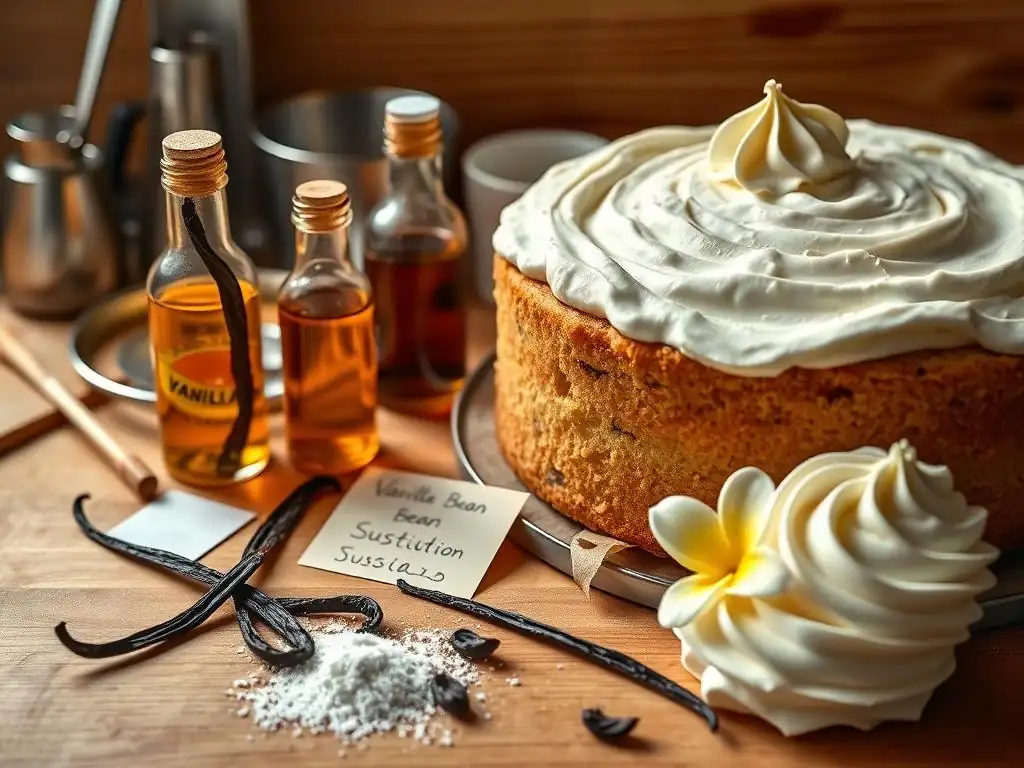
When to Consider Substituting Vanilla Bean for Extract
You might consider substituting vanilla bean for extract when you want a more intense, complex, and authentic vanilla flavor. This is particularly desirable in recipes where vanilla is a primary flavor component and isn't masked by other strong ingredients. Think about delicate dishes like crème brûlée, panna cotta, vanilla ice cream, or a simple vanilla cake where the purity of the vanilla truly shines.
Another reason is the visual appeal. The tiny black speckles from vanilla bean seeds are a hallmark of quality and artisanal preparation, instantly signaling to anyone that real vanilla bean was used. If you're aiming for that signature look, especially in white or light-colored desserts like vanilla bean cheesecake or sugar cookies, incorporating vanilla bean (or paste) is the way to go. This aesthetic consideration is a key driver behind many bakers exploring a vanilla bean substitution recipe.
When to Consider Substituting Vanilla Extract for Vanilla Bean
Substituting vanilla extract for vanilla bean is a far more common scenario, often driven by practicality, cost, or availability. Vanilla beans are significantly more expensive than extract, sometimes costing $5-$10 or more per bean depending on the variety and market fluctuations. For large-batch baking or everyday recipes, the cost difference can be substantial.
Convenience is another major factor. Measuring and incorporating liquid extract is quicker and easier than splitting and scraping a vanilla bean. If you're short on time or working on a recipe where vanilla is a background note rather than the star (like in a heavily spiced gingerbread or chocolate cake), extract provides sufficient flavor without the extra effort or expense. When tackling a vanilla bean substitution recipe from the perspective of using extract instead of a bean, these practical considerations are often the primary motivation.
Mastering the Vanilla Bean Substitution Ratio
Precise Measurements for Vanilla Bean to Extract Conversion
Converting between vanilla bean and extract requires understanding their relative strengths. A commonly accepted guideline for a vanilla bean substitution recipe is that one whole vanilla bean (about 6-8 inches long) is roughly equivalent to 1 to 2 teaspoons of single-fold pure vanilla extract. The variation depends on the size and freshness of the bean and the desired intensity. A plump, moist bean will yield more flavor than a dry one.
If using double-fold extract, you would use half the amount of single-fold, meaning one vanilla bean equals approximately 0.5 to 1 teaspoon of double-fold extract. It's often better to start with the lower end of the range (e.g., 1 teaspoon single-fold per bean) and taste the batter or mixture if possible, adjusting if needed. Using a block quote can highlight this crucial ratio:
A good starting point for a vanilla bean substitution recipe is:
- 1 whole vanilla bean ≈ 1-2 teaspoons single-fold vanilla extract
- 1 whole vanilla bean ≈ 0.5-1 teaspoon double-fold vanilla extract
Adjusting Recipes for Optimal Vanilla Flavor
Simply swapping the equivalent amount of extract for a bean might not always yield the exact same result, especially in terms of complexity. While the measurements provide a baseline for your vanilla bean substitution recipe, consider the context. In recipes where vanilla is paramount, using a high-quality pure extract (or even a specific origin extract) can help compensate for some of the depth lost by not using the whole bean.
Also, remember that adding extract introduces liquid. While typically a small amount, in very sensitive recipes like macaron shells or certain candies, this extra liquid could potentially impact texture. Conversely, removing the bean (or paste) means removing a tiny bit of bulk and moisture. These are subtle effects, usually negligible in most standard baking, but worth considering in delicate preparations when perfecting a vanilla bean substitution recipe.
Step-by-Step Guide: Substituting Vanilla Bean in Recipes
Preparing Vanilla Bean Paste for Substitution
Vanilla bean paste is an excellent alternative when you want the flavor and speckles of a bean but desire the convenience of extract. It's typically made from vanilla bean seeds suspended in a thick, syrupy base, often containing sugar, vanilla extract, and a thickener. For a vanilla bean substitution recipe using paste, the general rule is that 1 teaspoon of vanilla bean paste is equivalent to 1 whole vanilla bean.
To use paste, simply measure the required amount and stir it directly into your wet ingredients as you would with extract. It disperses easily and provides both the flavor and the characteristic black speckles without the need to scrape a bean. This makes vanilla bean paste a fantastic shortcut for achieving the "real vanilla" look and taste in cakes, cookies, frostings, and more.
Incorporating Vanilla Bean Seeds Effectively
If you're using a whole vanilla bean, the most common method is to scrape out the seeds. To do this:
- Lay the vanilla bean flat on a cutting board.
- Using a sharp paring knife, split the bean lengthwise down the middle, being careful not to cut all the way through the back.
- Open the bean pod like a book.
- Hold one end of the bean firmly with one hand.
- Using the back of your knife (or a small spoon), scrape along the inside of each half from one end to the other, gathering the paste-like seeds.
These scraped seeds ("vanilla caviar") are packed with flavor. Add them directly to your wet ingredients (milk, cream, batter, etc.) and whisk or stir well to distribute the tiny seeds evenly. The scraped pod still contains flavor! You can steep the empty pod in liquids like milk or cream for custards or sauces, or bury it in sugar to make vanilla sugar. This maximizes the flavor extraction when working on a vanilla bean substitution recipe that calls for the pure source.
Choosing the Right Extract for Your Recipe
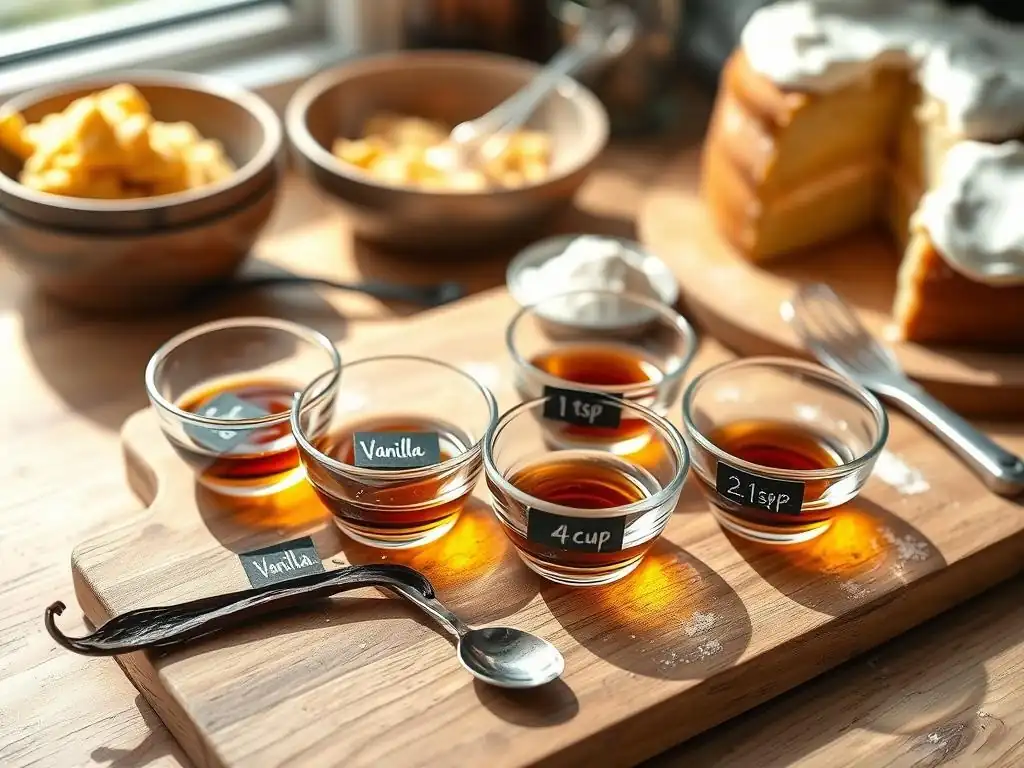
When a recipe calls for vanilla bean and you're making a vanilla bean substitution recipe using extract, selecting the right type of extract is the first step. For most standard baking like cakes, cookies, muffins, or brownies, a good quality pure single-fold Madagascar vanilla extract is a reliable choice. Its balanced, classic profile works well with a wide range of flavors.
If your recipe is something where vanilla is the absolute star, like a simple vanilla pudding or a delicate white cake, consider investing in a premium pure extract, perhaps from a specific origin like Tahitian for floral notes or Mexican for a spicier depth. For professional results or situations where minimizing liquid is crucial (like chocolate work or firm frostings), a double-fold extract offers concentrated flavor. Avoid imitation vanilla if the recipe relies heavily on vanilla's quality.
Extract Dosage: Achieving the Perfect Vanilla Balance
Once you've chosen your extract, measuring the correct dosage for your vanilla bean substitution recipe is critical. Based on the conversion ratio (1 bean ≈ 1-2 tsp single-fold, or 0.5-1 tsp double-fold), measure the corresponding amount of extract. For example, if the original recipe calls for 1 vanilla bean, start with 1 teaspoon of single-fold extract.
Add the extract to the wet ingredients as specified in the recipe, typically along with eggs or liquids. Ensure it is thoroughly mixed to distribute the flavor evenly throughout the batter or mixture. Remember that some flavor compounds in extract can be volatile and diminish slightly with long baking times or high heat. For recipes baked for a long time, some bakers add a small portion of the extract at the beginning and the rest towards the end of mixing.
Vanilla Bean Substitution Recipe: Specific Examples
Swapping Vanilla in Cakes and Cupcakes
Let's consider a classic vanilla cake recipe that calls for 2 whole vanilla beans. If you're performing a vanilla bean substitution recipe using extract, you would typically substitute with 2 to 4 teaspoons of pure single-fold vanilla extract, or 1 to 2 teaspoons of double-fold extract. Add the extract when you add the other wet ingredients, like the milk or buttermilk, ensuring it's well incorporated into the batter.
For cupcakes, the same ratio applies. If the recipe calls for 1 bean for a batch, use 1-2 teaspoons of single-fold extract. While you'll miss the visual speckles, the flavor from good quality extract will still provide that essential vanilla note that complements the cake's sweetness and richness. The texture impact of the small amount of liquid is usually negligible in standard cake batters.
In cookies and brownies, vanilla plays a crucial role in enhancing the chocolate or butter flavors. If a vanilla bean substitution recipe for cookies calls for 1 vanilla bean, you would substitute with approximately 1 to 2 teaspoons of single-fold extract. For brownies, which often have a more intense chocolate flavor, you might lean towards the higher end of that range (2 teaspoons) or use a Mexican vanilla extract for its complementary spicy notes.
Vanilla extract is perhaps the most common form used in cookie and brownie recipes due to its ease of use and cost-effectiveness. The slightly higher baking temperatures and shorter baking times for cookies compared to cakes mean that the vanilla flavor from extract holds up quite well. While vanilla bean speckles are lovely in shortbread or sugar cookies, extract is perfectly adequate for most chocolate chip or oatmeal cookies.
Applying the Substitution in Custards and Creams
Custards, panna cotta, ice cream bases, and pastry cream are recipes where the quality and form of vanilla truly shine, making the vanilla bean substitution recipe choice more impactful. If a recipe calls for steeping a split vanilla bean in milk or cream, this process infuses the liquid deeply with the bean's full flavor profile. To substitute with extract, you'd typically add the extract after the cooking process is complete or as the mixture cools.
For a recipe requiring 1 vanilla bean steeped in milk, you would substitute with 1 to 2 teaspoons of high-quality single-fold extract, stirred in off the heat. For richer, more intense results often desired in ice cream or crème brûlée, consider using double-fold extract (0.5-1 teaspoon per bean) or adding the scraped seeds and steeping the pod before removing it and adding the extract. The goal here is to replicate the deep infusion achieved by steeping the bean itself.
Troubleshooting Common Vanilla Substitution Issues
Dealing with Texture Changes in Baked Goods
While substituting extract for bean rarely causes significant texture issues in most recipes, adding extra liquid can theoretically affect delicate items. For instance, in a very stiff cookie dough or a sensitive meringue, adding 1-2 teaspoons of liquid extract might slightly alter the consistency.
If you suspect the added liquid is an issue in your vanilla bean substitution recipe, you can try slightly reducing another liquid component in the recipe by an equivalent amount (e.g., reduce milk by 1-2 teaspoons). However, for the small volumes typically involved, this adjustment is often unnecessary in standard cake, cookie, or brownie recipes. Conversely, removing the bean (or paste) doesn't usually remove enough bulk to impact texture noticeably.
Addressing Flavor Imbalances After Substitution
Sometimes, despite using the correct ratio in your vanilla bean substitution recipe, the final flavor might seem weaker or less complex than when using the bean. This is often due to the inherent difference in flavor profiles – the extract lacks the full spectrum of compounds found in the bean.
To mitigate this, ensure you are using a high-quality pure vanilla extract. If the vanilla flavor still seems subdued, you can try slightly increasing the amount of extract in future attempts (e.g., using 2 teaspoons instead of 1.5 teaspoons per bean). Another strategy is to add a tiny pinch of salt or a complementary flavor enhancer (like a touch of almond extract or a sprinkle of cinnamon, depending on the recipe) to help make the vanilla notes pop, though this deviates slightly from a direct substitution.
Tips for Maximizing Vanilla Flavor in Your Baking
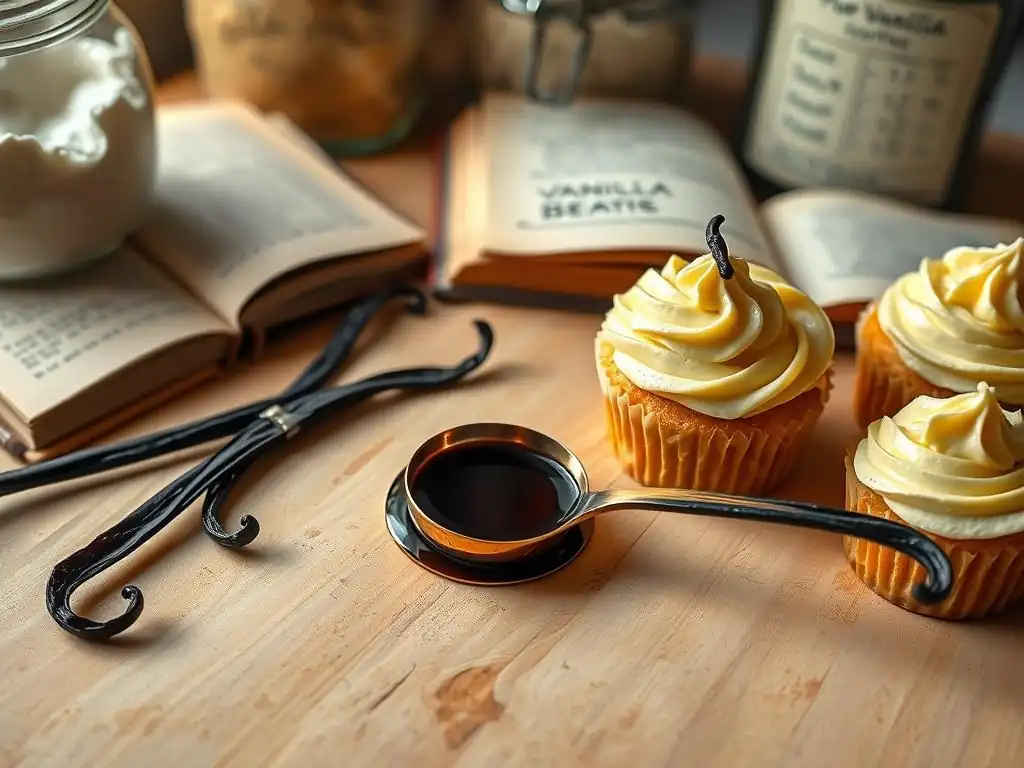
Enhancing Vanilla's Aroma and Taste
To truly make vanilla shine in your baking, start with the best quality vanilla you can afford, whether it's beans, paste, or extract. Pure extracts, especially from specific origins, offer superior flavor compared to imitation versions. If using beans, ensure they are plump, moist, and fragrant – a sign of freshness and high quality.
Consider when you add the vanilla. In cooked mixtures like custards, steeping the bean or adding extract towards the end preserves more volatile flavor compounds. In batters, ensure it's thoroughly mixed. For frostings or no-bake items, vanilla's flavor is very prominent, so use a high-quality source. A pinch of salt in sweet recipes also helps to amplify flavors, including vanilla. Don't be afraid to use the right amount; too little vanilla can make a recipe taste bland.
Complementary Flavors That Pair Well with Vanilla
Vanilla is a team player, enhancing a vast array of other flavors. It famously pairs well with:
- Chocolate: Vanilla deepens and rounds out chocolate's richness.
- Fruit: Berries, stone fruits, and citrus all benefit from vanilla's sweet, aromatic lift.
- Spices: Cinnamon, nutmeg, cardamom, and clove are classic companions, adding warmth and complexity.
- Nuts: Almonds, pecans, and walnuts are often paired with vanilla in baked goods.
- Dairy: Cream, milk, butter, and cheese are natural partners, as vanilla's creamy notes complement their richness.
Understanding these pairings can help you decide which type of vanilla (e.g., smoky Mexican with chocolate, floral Tahitian with fruit) to use or substitute in your vanilla bean substitution recipe to achieve the best flavor harmony.
Storing Vanilla Beans and Extracts Properly
Maintaining Freshness and Potency
Proper storage is key to preserving the flavor and potency of your vanilla products. Vanilla beans should be stored in an airtight container (like a glass tube or a tightly sealed plastic bag) in a cool, dark place, away from direct sunlight and heat. Do not refrigerate, as this can dry them out and lead to mold.
Properly stored beans can last for several months, even up to a year, though their aroma may diminish over time. If they seem a bit dry, you can try rehydrating them slightly by placing them in a sealed container with a damp paper towel for a day, but avoid excessive moisture.
Vanilla extract, being alcohol-based, has a much longer shelf life. It should also be stored in a cool, dark place, away from heat and light, ideally in its original dark glass bottle. Ensure the cap is tightly sealed to prevent the alcohol (which carries the flavor) from evaporating.
Shelf Life Considerations for Both Vanilla Forms
High-quality pure vanilla extract, if stored correctly, can last for several years, even improving slightly in flavor over the first year as the flavors meld. While it doesn't necessarily "go bad" in a way that makes it unsafe, its flavor can weaken over time, becoming less potent after 2-3 years. Imitation vanilla extract is less complex and might lose its flavor quality faster.
Vanilla beans have a shorter optimal shelf life. While they won't necessarily spoil if kept dry, they can dry out and lose their aromatic oils, significantly reducing their flavor potency within 6-12 months. Using fresh, pliable beans is crucial for achieving the best results in any recipe, especially when considering the impact on a vanilla bean substitution recipe where the bean is the star. If your beans are dry and brittle, they are best used for making vanilla sugar or steeping in liquids for extended periods to extract flavor, rather than relying on scraping the seeds for intense flavor.
Conclusion: BakeWithEase with Vanilla Confidence
Embracing Vanilla Bean and Extract in Your Baking Journey
Navigating the choices between vanilla bean and extract doesn't have to be daunting. Both forms of vanilla have their place in the baker's pantry, offering distinct advantages. Vanilla beans provide unparalleled depth, complexity, and visual appeal, perfect for showcasing vanilla in star roles. Vanilla extract offers convenience, consistency, and affordability, making it ideal for everyday baking and recipes where vanilla plays a supporting role.
Understanding the nuances of each, the different varieties of beans and types of extract, and most importantly, the conversion ratios for a vanilla bean substitution recipe, empowers you to make informed decisions based on your recipe's needs, your budget, and your desired outcome. Don't be afraid to experiment and taste your way to finding your preferred vanilla sources and applications.
Final Thoughts on Vanilla Bean Substitution Recipes
Ultimately, mastering the vanilla bean substitution recipe is about flexibility and flavor intelligence. While precise measurements provide a solid starting point, remember that the quality of your vanilla ingredient is paramount. A high-quality extract will always yield better results than a poor-quality bean, and vice versa.
By understanding the differences in flavor profiles, potency, and application, you can confidently swap between vanilla bean, paste, and extract, ensuring your baked goods always have that essential touch of vanilla magic. Whether you're chasing those beautiful vanilla bean speckles or simply adding a splash of extract, approach your baking with confidence and enjoy the delicious results.
Frequently Asked Questions
What are some common reasons someone might need a vanilla bean substitution recipe?
People often look for substitutions when vanilla beans are unavailable or too expensive. Other times, a recipe might call for extract, and they only have beans.
What is the typical ratio when substituting vanilla extract for a vanilla bean?
Generally, one vanilla bean is equivalent to about one tablespoon of vanilla extract. This can vary slightly based on quality.
Can I substitute vanilla bean paste for vanilla extract, and if so, what's the conversion?
Yes, vanilla bean paste can be substituted. A 1:1 ratio is usually effective; 1 teaspoon of extract for 1 teaspoon of paste.
What are some non-vanilla alternatives I could use in a pinch?
While not the same, maple syrup, almond extract, or even a little bit of bourbon can add flavor. Adjust the amount carefully to avoid overpowering the recipe.
Does the type of recipe influence which vanilla bean substitution I should choose?
Absolutely! For recipes where vanilla is prominent, like frosting, using vanilla bean paste is often preferable. For subtle flavor, extract is sufficient.
Final Reflection: The Enduring Allure of Vanilla, Bean or Extract?
The quest for the perfect vanilla flavor is a timeless pursuit, and understanding the nuances between vanilla bean and extract is crucial for achieving culinary excellence. The subtle differences in taste and aroma, as explored throughout this article, significantly impact the final product, whether it's a delicate pastry or a robust ice cream. This isn't just about substitution; it's about unlocking the full potential of vanilla in your recipes.
The enduring popularity of vanilla, in all its forms, speaks volumes about its versatility and its ability to elevate even the simplest dishes. Its comforting aroma and rich flavor have woven themselves into the fabric of countless cultures and culinary traditions. Vanilla is the queen of flavors, and its subtle complexity is what makes it so captivating.
This quote, though not directly sourced, perfectly encapsulates the feeling of discovering the unique character of both bean and extract, and choosing the right one for the task at hand. The ongoing exploration of vanilla's potential, from sustainable sourcing to innovative applications, ensures its continued reign in the culinary world.
Now, consider your own kitchen. Think about your next baking project, your next dessert creation. Will you embrace the intense, complex notes of the vanilla bean, or opt for the convenience and consistent flavor of the extract? The choice, ultimately, is yours. But armed with the knowledge gained from this article, you can approach that choice with confidence, knowing you're making a deliberate decision that will enhance your culinary journey. Experiment, explore, and discover the magic of vanilla—in all its forms.
Unlock Your Baking Potential: Master Vanilla Substitutions!
Thanks for diving into the world of vanilla with us! We hope you now feel confident tackling any recipe, regardless of which vanilla you have on hand. Ready to put your new knowledge into practice?
- Bake a batch of your favorite vanilla-infused treats! Try substituting the vanilla you've learned about and see how it impacts the flavor profile. Share your results below!
- Experiment with different vanilla varieties in your next baking project to further refine your palatte and find your personal preferences.
- Challenge a friend to a vanilla-themed bake-off—let's see who creates the most delicious creation!
What's your go-to vanilla for baking, and why? Let's chat in the comments!