
Troubleshooting Cakes with Fruit or Addins (Sinking Fruit!)

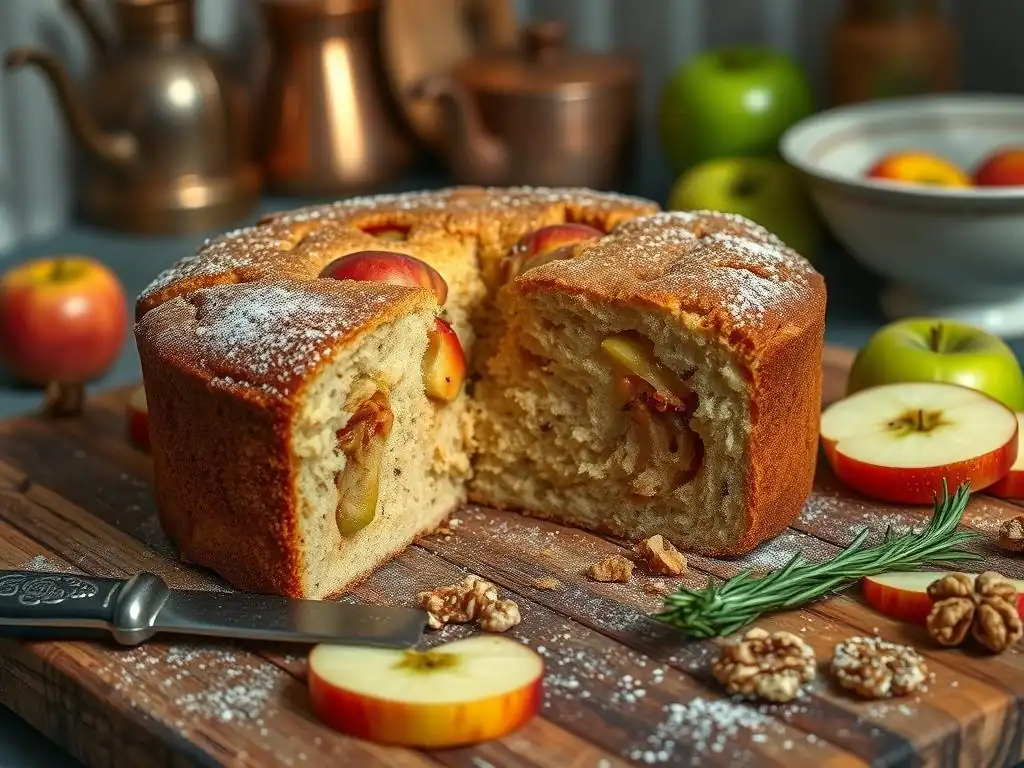
Welcome to BakeWithEase, your haven for conquering the baking world! Ever wondered why your beautiful fruit cake ends up with all the fruit tragically sunk to the bottom? You're not alone! Dive into our latest article, Troubleshooting Cakes with Fruit or Add-ins (Sinking Fruit!), and discover the secrets to achieving perfectly distributed fruit in every slice. Ready to say goodbye to sunken fruit forever? Let's get baking!
- Troubleshooting Sinking Fruit in Cakes: A BakeWithEase Guide
- Why is My Fruit Sinking in My Cake? Understanding the Problem
- Prepping Fruit to Prevent Sinking in Cakes
- Adjusting Your Cake Batter to Prevent Fruit Sinking
- Techniques for Evenly Distributing Fruit and Add-ins
- Specific Troubleshooting for Different Types of Fruit Cakes
- Baking Temperatures and Sinking Fruit: Finding the Sweet Spot
- Recipe Adjustments for Better Fruit Distribution in Cakes
- Saving a Sinking Fruit Cake: Rescue Techniques
- Mastering the Art of Baking Fruit Cakes: Tips and Tricks
- Frequently Asked Questions
- Final Reflection: The Sweet Science of a Perfect Cake
- Unlock Your Perfect Fruitcake Secrets!
Troubleshooting Sinking Fruit in Cakes: A BakeWithEase Guide
Why is My Fruit Sinking in My Cake? Understanding the Problem
The Science Behind Sinking Fruit and Add-ins in Cakes
The phenomenon of fruit sinking in cakes is primarily governed by principles of density and gravity. Cake batter, especially before it sets during baking, behaves like a viscous liquid. Any add-in, such as fruit, chocolate chips, or nuts, that is denser than the surrounding batter will naturally tend to sink to the bottom due to the force of gravity.
Think of dropping a stone into water – it sinks because it's denser. In baking, the batter provides some resistance (viscosity), but if the density difference is significant and the batter structure isn't strong enough to suspend the add-ins, they will inevitably migrate downwards.
Furthermore, the initial structure of the batter plays a crucial role. A well-structured batter, often achieved through proper creaming of butter and sugar or the development of gluten (though minimal is desired in cakes), creates a network that can help hold lighter add-ins in place. However, this structure is fragile before baking.
As the cake bakes, the batter heats up, its viscosity initially decreases slightly, and then it begins to set as proteins coagulate and starches gelatinize. If the fruit sinks before this setting process is complete, it will remain at the bottom of the finished cake. The specific gravity of various fruits can range widely; for example, dried cranberries might have a specific gravity around 1.1, while a typical cake batter might be closer to 0.8-0.9, leading to a clear tendency for the fruit to sink.
Common Causes of Fruit Sinking in Cake Batter
Several factors contribute to fruit and other add-ins sinking. The most common culprit is often the density of the add-in relative to the batter, as discussed above. Heavy fruits like cherries or blueberries, especially fresh ones full of water, are inherently denser than a light, airy cake batter. Another significant factor is the consistency of the batter itself. A batter that is too thin or wet lacks the internal structure and viscosity needed to suspend heavier items. This can be due to incorrect ingredient ratios, insufficient flour, or too much liquid.
Overmixing the batter can also contribute to sinking. While mixing develops some structure, excessive mixing can break down the emulsification, reduce viscosity, and incorporate too much air initially, leading to a less stable structure before baking. Additionally, improperly prepared fruit is a major cause. Fruit that is wet, sticky, or coated in syrup (like drained canned fruit) is heavier and more prone to clumping, which increases its density and makes it sink faster. Failing to coat fruit in flour before adding it to the batter is a classic error in many a sinking fruit cakes recipe attempt.
Prepping Fruit to Prevent Sinking in Cakes
How to Prepare Fruit for Baking: A Step-by-Step Guide
Proper preparation of fruit is a critical first step in preventing it from sinking in your cake. Begin by selecting ripe but firm fruit. Wash the fruit thoroughly and then dry it meticulously. For fruits like berries or cherries, gently pat them dry with paper towels. If using larger fruits like apples or pears, peel, core, and chop them into appropriately sized pieces (usually no larger than 1/2 to 3/4 inch cubes for cakes). Ensure the pieces are uniform in size for even distribution and baking.
Once the fruit is clean and dry, the next vital step is often to lightly coat it in a small amount of flour from the recipe's total measurement. For a typical cake using 2-3 cups of fruit, you might reserve 1-2 tablespoons of the measured flour. Place the dried fruit in a bowl, add the reserved flour, and gently toss until each piece is lightly coated.
This thin layer of flour helps the fruit cling to the batter and prevents it from slipping through the structure as easily. This simple technique is often the difference between a successful fruit cake and a disappointing sinking fruit cakes recipe outcome.
The Importance of Draining and Drying Fruit
Water is heavy, and excess moisture from fruit adds weight and can also thin out the surrounding batter, both of which encourage sinking. Therefore, draining and thoroughly drying fruit is paramount. Canned fruits, like pie cherries or pineapple chunks, must be drained exceptionally well. Rinsing them briefly can also help remove excess syrup, which is dense and sticky. After draining, spread the fruit on paper towels and pat it dry. You might even let it sit for 10-15 minutes on fresh paper towels to draw out more moisture.
Fresh fruit, especially juicy varieties like berries or sliced peaches, also needs careful drying. Washing fresh fruit is necessary, but leaving it wet is detrimental. After washing, spread berries on a clean kitchen towel or paper towels and let them air dry for a while, or gently pat them completely dry. For larger fruits, ensure the chopped pieces are not sitting in their own juices before adding them to the batter. This diligence in removing excess moisture significantly reduces the weight and density of the fruit pieces, making them less likely to sink through the batter during baking.
Choosing the Right Type of Fruit for Your Cake Recipe
Selecting the appropriate type and form of fruit for your cake is another layer of strategy. Generally, fruits that are less dense or have less inherent moisture are easier to incorporate without sinking. Dried fruits, like raisins, cranberries, or chopped apricots, are often easier to manage than fresh fruit because their water content is significantly reduced, making them lighter relative to their size, although their overall density is still higher than batter. However, even dried fruit benefits from coating in flour.
When using fresh fruit, consider the water content and texture. Firmer fruits like chopped apple (certain varieties), pears, or cranberries tend to hold their shape and distribute better than very soft or juicy fruits like raspberries or sliced strawberries. If using very juicy fresh fruit, chopping it into smaller pieces can help, as can slightly pre-cooking some fruits (like rhubarb) to reduce moisture, though this changes texture.
Ultimately, some fruits are simply more challenging to keep suspended than others, and choosing a recipe designed for a specific fruit type is often best. For instance, a sinking fruit cakes recipe specifically developed for blueberries will likely have batter adjustments already incorporated.
Adjusting Your Cake Batter to Prevent Fruit Sinking
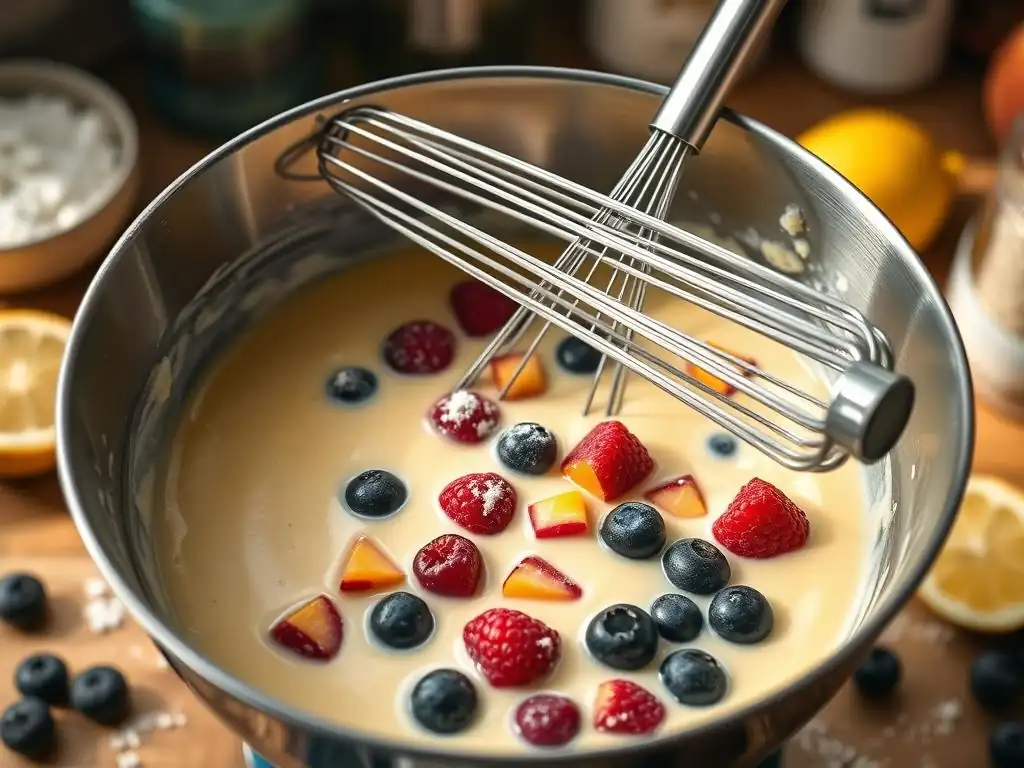
The Role of Cake Batter Consistency
The consistency of your cake batter is perhaps the most critical factor in preventing fruit from sinking. A batter that is too thin or runny provides little resistance to the downward pull of gravity on the fruit. It needs to be thick enough to help suspend the fruit pieces within its matrix before it sets in the oven. If your batter seems unusually thin after mixing, it could be due to incorrect liquid-to-dry ingredient ratios, using eggs that are too large, or adding liquid ingredients that are too cold.
A good cake batter for fruit inclusion should typically be on the thicker side for a standard cake batter, without being overly stiff like a scone dough. It should hold its shape somewhat when dolloped from a spoon. If you suspect your batter is too thin, you might need to slightly increase the dry ingredients, particularly the flour. However, this requires careful adjustment to avoid a dry or heavy cake. Understanding the right consistency is key to improving any sinking fruit cakes recipe.
Flour Power: Using Enough Flour in Fruit Cakes
Flour provides structure to cake batter, primarily through gluten development (though minimized in cakes) and starch gelatinization during baking. A common cause of sinking fruit is simply not having enough flour in the recipe to create a batter robust enough to hold the fruit. While you shouldn't drastically alter a recipe without understanding the balance, some recipes designed for plain cakes might need a slight increase in flour when adding substantial amounts of fruit.
Beyond the total amount of flour in the batter, the technique of coating the fruit in flour before adding it is incredibly effective. As mentioned earlier, reserving 1-2 tablespoons of the recipe's measured flour to toss with the dried fruit or small fresh fruit pieces creates a dry barrier. This flour coating absorbs some surface moisture from the fruit and, more importantly, helps the fruit pieces grip the surrounding batter, preventing them from sliding down. This simple "flour power" hack is essential for anyone troubleshooting a sinking fruit cakes recipe.
Binding Agents: Adding Ingredients to Stabilize the Batter
Sometimes, enhancing the binding power or viscosity of the batter can help. Ingredients like cornstarch, tapioca starch, or even a small amount of pudding mix (which contains starches and thickeners) can be incorporated into the dry ingredients. These starches increase the batter's viscosity and contribute to a more stable structure as the cake bakes, helping to suspend the fruit. For instance, replacing a small percentage of the flour (say, 1-2 tablespoons per cup of flour) with cornstarch can make a noticeable difference in batter stability without negatively impacting texture if done correctly.
Another binding agent is egg, particularly egg white, which provides structure as it coagulates during baking. Ensuring the recipe calls for the correct number and size of eggs is important. Some recipes for dense fruit cakes might even incorporate additional egg yolks or whole eggs to add richness and structure. However, adding extra eggs indiscriminately can also make the cake heavy or rubbery. Using a recipe specifically formulated as a sinking fruit cakes recipe solution often incorporates these binding strategies effectively.
Techniques for Evenly Distributing Fruit and Add-ins
Layering Fruit in the Cake Pan: A Proven Method
One highly effective technique to ensure fruit is distributed throughout the cake, not just at the bottom, is layering it into the pan rather than mixing it all into the batter at once. Pour about one-third of the cake batter into the prepared pan. Sprinkle half of the prepared (drained, dried, floured) fruit evenly over this layer of batter.
Carefully spoon the next third of the batter over the fruit layer, trying not to disturb the fruit too much. Sprinkle the remaining half of the fruit over the second batter layer. Finally, gently spoon the last third of the batter over the top, covering the fruit as much as possible.
This method works particularly well for heavier fruits like cherries, blueberries, or chopped apples. By encasing the fruit within layers of batter, you provide multiple points of support. As the cake bakes and the batter sets, the fruit is more likely to be caught and held in place at different levels. This technique is especially useful when adapting a standard cake recipe into a fruit cake, as it bypasses the need for complex batter consistency adjustments found in some sinking fruit cakes recipe variations.
Gently Folding Fruit into the Cake Batter
If you prefer to mix the fruit directly into the batter, the method of incorporation is crucial. The key word is gently. Once your batter is mixed and ready, add the prepared (drained, dried, floured) fruit. Use a spatula or a large spoon to gently fold the fruit into the batter. The goal is to distribute the fruit relatively evenly with minimal stirring or beating. Overmixing at this stage is detrimental because it can deflate the batter, reduce its viscosity, and encourage the fruit to sink.
Folding involves cutting down through the center of the batter with the spatula, sweeping it under the mixture, and bringing it up the side of the bowl, turning the batter over onto itself. Rotate the bowl and repeat until the fruit is just incorporated. Avoid vigorous stirring or using an electric mixer. This gentle handling preserves the structure and air pockets in the batter, giving it the best chance to suspend the fruit during baking. This step is critical in any sinking fruit cakes recipe where the fruit is mixed in.
Avoiding Overmixing: A Key to Preventing Sinking
Overmixing is a common pitfall in cake baking, and it's particularly problematic when including fruit or other add-ins. Mixing develops gluten in the flour, which is desirable in bread but can make cakes tough. More relevant to sinking, overmixing can break the emulsion of fats and liquids, reduce the batter's viscosity, and knock out air bubbles that contribute to the cake's lift and structure. A dense, less viscous batter is less able to support the weight of fruit.
Beyond mixing the main batter components, it's crucial not to overmix after adding the fruit. As mentioned above, gentle folding is key. Mix just until the fruit is distributed. You might still see some patches of batter without fruit, and that's okay – don't keep mixing just to achieve perfect visual distribution in the bowl. The goal is a well-baked cake with fruit throughout, and preserving batter structure is vital for this. Many sinking fruit cakes recipe failures can be traced back to excessive mixing after the fruit goes in.
Specific Troubleshooting for Different Types of Fruit Cakes
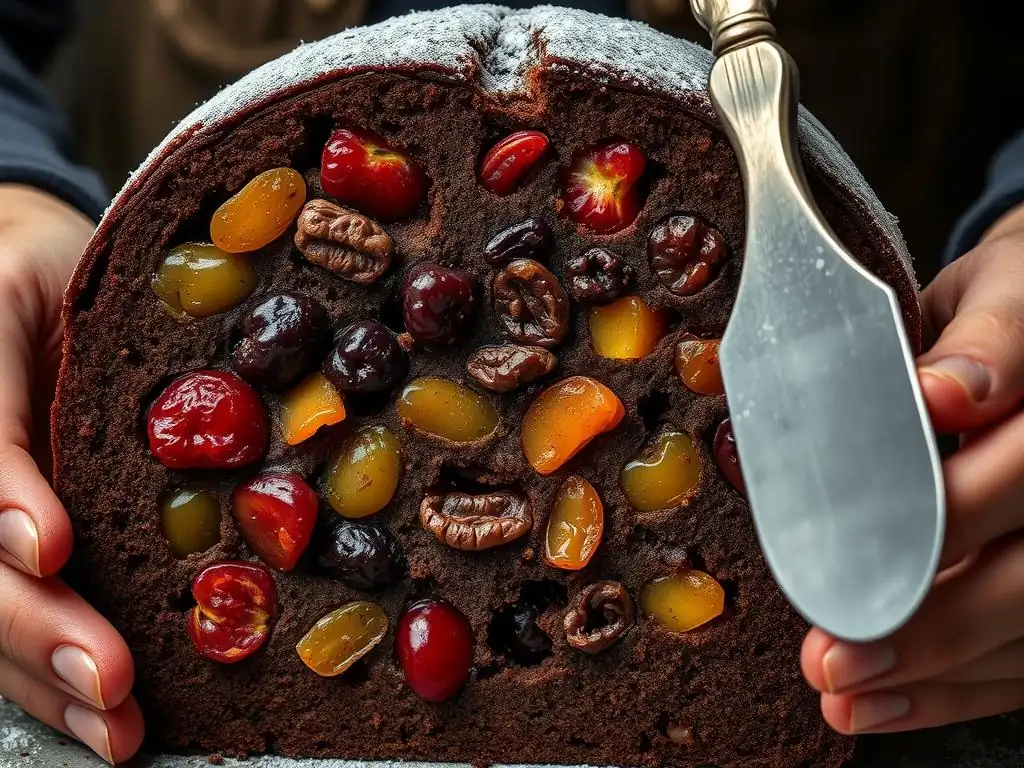
Troubleshooting Sinking Cherries in Cakes
Cherries, especially fresh or frozen ones, are notoriously heavy and prone to sinking due to their density and high water content. To combat sinking cherries, always start with properly prepared fruit. If using fresh cherries, pit them and pat them very dry. If using frozen cherries, thaw them completely and drain them very well, then pat them dry. Coating them generously in flour (reserved from the recipe's flour) is non-negotiable. Use 2-3 tablespoons of flour per cup of cherries.
Consider using the layering technique described earlier, alternating layers of batter and floured cherries in the pan. This provides physical support. Ensure your batter is adequately thick; if adapting a recipe, you might need a slightly stiffer batter than usual. Baking at a slightly lower temperature for a longer time can also help the batter set more gradually, giving it more time to firm up around the cherries before they sink completely.
Preventing Raisins and Dried Fruit from Sinking
Dried fruits like raisins, cranberries, and chopped apricots are less prone to sinking than fresh fruit because they are lighter relative to their size (due to water removal), but they can still clump and sink, especially if they are sticky. The most important step for dried fruit is coating it thoroughly in flour. This separates the sticky pieces and helps them adhere to the batter.
Some bakers recommend plumping dried fruit by soaking it in hot water or juice for 10-15 minutes, then draining very well and patting dry before flouring. While this can improve texture, it also adds moisture and weight, potentially increasing the risk of sinking. For a standard sinking fruit cakes recipe using dried fruit, simply ensuring the fruit is not overly dry and sticky (a quick rinse and thorough drying can help if they seem very hard) and then flouring them well is usually sufficient. Again, gentle folding into a batter of appropriate consistency is key.
Addressing Sinking Issues with Fresh Fruit in Cakes
Fresh fruit presents the biggest challenge due to its weight, water content, and potential to release juices during baking, which can weaken the surrounding batter. As with cherries, proper preparation is vital: wash, dry, and chop into uniform pieces. Coating in flour is essential for most fresh fruits. For very juicy fruits like berries, consider using slightly less fruit than you might think or choosing a recipe specifically formulated for that fruit.
Using firmer fresh fruits like chopped apples (e.g., Granny Smith or Honeycrisp) or pears often yields better results than soft berries. If using berries, mixing them into a slightly thicker batter or using the layering method works best. Some recipes for very wet fruits like rhubarb involve pre-cooking the fruit slightly to reduce moisture before adding it to the batter. When adapting a general sinking fruit cakes recipe to use fresh fruit, increasing the batter's viscosity or flour content slightly might be necessary, but test these adjustments carefully.
Baking Temperatures and Sinking Fruit: Finding the Sweet Spot
The Impact of Oven Temperature on Cake Texture
Oven temperature significantly impacts how quickly a cake bakes and sets. If the oven temperature is too high, the outside of the cake can set rapidly, potentially forming a crust while the inside remains liquid. This can trap steam but doesn't necessarily help suspend fruit if it has already started to sink in the still-liquid center. Conversely, if the temperature is too low, the cake may take too long to set, giving heavy fruit more time to sink through the batter before it solidifies.
For cakes with fruit, a moderate oven temperature is usually recommended, typically between 325°F (160°C) and 350°F (175°C). This range allows the cake to bake more evenly from the edges to the center, giving the batter time to build structure throughout the pan. A slightly lower temperature might be beneficial for very dense cakes or those packed with heavy fruit, as it promotes slower, more even setting. Always ensure your oven thermostat is accurate, perhaps using an oven thermometer, as inaccurate temperatures are a common baking issue.
Adjusting Baking Time for Fruit Cakes
Cakes containing fruit often require a slightly longer baking time than plain cakes of the same size. This is due to the added moisture and density from the fruit, which slows down the heat penetration and setting process. If a recipe gives a time range, err towards the longer end when baking a fruit cake. For example, if a plain cake bakes in 30-35 minutes, a similar cake with substantial fruit might need 35-45 minutes.
Starting the baking process at a slightly higher temperature for the first 10-15 minutes (e.g., 350°F) to help the edges set, then reducing it to a lower temperature (e.g., 325°F) for the remainder of the time can also be effective. This helps build some initial structure quickly. Regardless of the suggested time in your sinking fruit cakes recipe, always rely on visual cues and doneness tests to determine when the cake is truly ready.
Checking for Doneness: Ensuring a Perfectly Baked Cake
Properly checking for doneness is vital for any cake, but especially for fruit cakes, as underbaking can exacerbate sinking issues (the center hasn't set) and overbaking can lead to a dry cake. The classic test is inserting a wooden skewer or toothpick into the center of the cake. For a plain cake, it should come out clean. However, with fruit cakes, the skewer might hit a piece of fruit, which will make it appear wet even if the batter is baked.
Instead of just checking for a clean skewer, look for small, moist crumbs attached to the skewer, not wet batter. Also, check the cake's edges – they should be pulling slightly away from the sides of the pan. The top of the cake should be golden brown and spring back lightly when gently pressed. If the skewer comes out with wet batter, the cake needs more time. If it comes out completely clean and dry, it might be slightly overbaked, but this is preferable to an underbaked cake with sunken fruit. Trust your judgment based on these multiple cues.
Recipe Adjustments for Better Fruit Distribution in Cakes
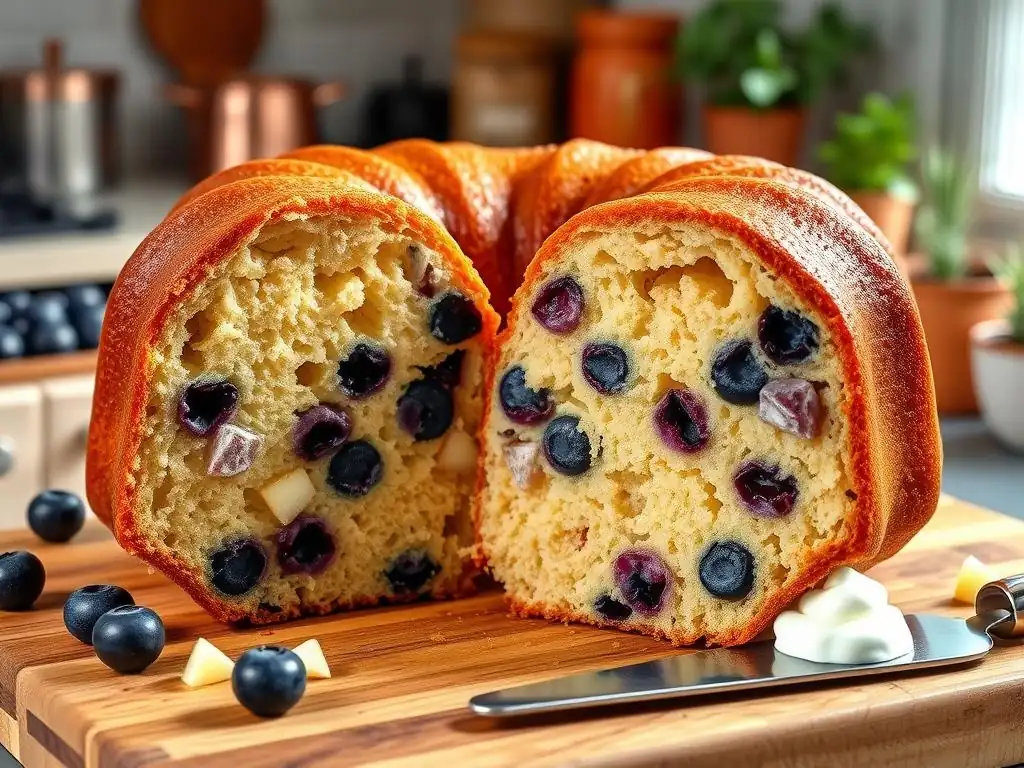
Modifying Your Sinking Fruit Cakes Recipe for Success
If you have a favorite sinking fruit cakes recipe that consistently results in sunken fruit, it's time for some strategic modifications. First, evaluate the batter consistency. Is it very thin? You might need to slightly increase the flour amount (e.g., by 1-2 tablespoons per cup of flour) or reduce the liquid slightly. Ensure you are using the correct size eggs and that dairy ingredients are at room temperature as specified.
Next, consider the fruit-to-batter ratio. Is there simply too much fruit for the amount of batter? A good starting point is often no more than 1 to 1.5 cups of fruit per cup of flour in the recipe, but this varies. Reduce the amount of fruit slightly if it seems excessive. Finally, always implement the preparation steps: drain, dry, and flour the fruit meticulously. These combined adjustments can significantly improve the outcome of your sinking fruit cakes recipe.
Experimenting with Different Ratios of Fruit to Batter
The amount of fruit relative to the volume of batter is a direct factor in how likely the fruit is to sink. If the batter is overloaded with heavy fruit, no amount of preparation or technique will prevent some sinking. A common guideline is that the volume of fruit should not exceed the volume of batter, and often it should be less. For instance, if your recipe yields roughly 4 cups of batter, you might aim for 2-3 cups of prepared fruit.
If you're adapting a plain cake recipe, start by adding a moderate amount of fruit (e.g., 1 cup per 1.5 cups of flour) and see how it performs. If the fruit still sinks, you can either increase the batter's viscosity (more flour/starch) or reduce the fruit amount in subsequent attempts. Finding the right ratio is key to achieving even distribution and perfecting your specific sinking fruit cakes recipe.
Considering the Density of Your Add-ins
Not all add-ins are created equal when it comes to density. Chocolate chips, especially standard semi-sweet ones, are quite dense and will sink readily in a thin batter. Nuts, depending on the type and whether they are chopped or whole, can also be heavy. Lighter add-ins like shredded coconut or small sprinkles are less likely to sink. When using a mix of add-ins, consider their combined weight and density.
For dense add-ins like chocolate chips or heavier nuts, the same principles apply as with fruit: coating them in a tablespoon or two of flour from the recipe total helps them adhere to the batter. Using a slightly thicker batter and employing the layering technique can also be very effective for these heavier items, just as they are for troubleshooting a sinking fruit cakes recipe.
Saving a Sinking Fruit Cake: Rescue Techniques
What to Do If Your Fruit Cake is Sinking During Baking
If you notice your fruit cake is sinking while it's baking, particularly in the center, it's likely due to underbaking. The center hasn't set, and the weight of the fruit (or just the structure failing) is causing it to collapse. If you catch it early enough (the edges are set, but the center is still quite soft and dipping), you might be able to save it by reducing the oven temperature slightly (e.g., to 300-325°F or 150-160°C) and continuing to bake it for a longer period.
Covering the top loosely with foil can prevent the surface from over-browning while the inside finishes baking. Avoid opening the oven door frequently, as sudden temperature drops can worsen sinking. If the cake has already sunk significantly, it may be difficult to fully "save" its structure, but continued baking at a lower temperature can at least ensure it is cooked through and edible, even if not aesthetically perfect. This is a tough situation for any sinking fruit cakes recipe attempt.
Salvaging Strategies for a Finished Cake with Sunken Fruit
A finished cake with sunken fruit might not look ideal, but it is usually still perfectly delicious. If the fruit is all at the bottom, you can embrace it! Consider serving the cake upside down, perhaps with a glaze or topping on the new "top" (which was originally the bottom). For example, a cake with sunken cherries could be served with the cherry-rich layer on top, perhaps with a dusting of powdered sugar or a dollop of whipped cream.
Alternatively, a cake with unevenly distributed or sunken fruit can be repurposed. Cut it into cubes and use it in a trifle layered with custard, whipped cream, and fresh fruit. It can be crumbled and used as a base for individual dessert parfaits. If the texture is good but the distribution is poor, it makes excellent cake pops or cake balls when mixed with frosting. Don't discard a sunken fruit cakes recipe outcome; get creative with how you present or use it!
Mastering the Art of Baking Fruit Cakes: Tips and Tricks
Expert Advice for Baking Perfect Fruit Cakes Every Time
Mastering fruit cakes requires attention to detail at every stage. Start with a reliable recipe, ideally one specifically designed for the type and quantity of fruit you plan to use, as these sinking fruit cakes recipe formulations often account for the challenges of fruit inclusion. Always read the recipe thoroughly before you begin.
- Measure ingredients accurately, especially flour and liquids. Using a kitchen scale is highly recommended for consistent results.
- Ensure all cold ingredients (like butter, eggs, and milk) are at room temperature unless the recipe specifically states otherwise, as temperature affects emulsion and batter consistency.
- Prepare your fruit meticulously: wash, drain, thoroughly dry, and coat in flour taken from the measured amount for the batter.
- Do not overmix the batter, either during the main mixing phase or after adding the fruit. Fold gently.
- Consider using the layering technique for heavier fruits.
- Bake at the correct temperature and check for doneness carefully using multiple cues.
Avoiding Common Mistakes When Baking with Fruit
Beyond the primary issue of sinking, several other mistakes can plague fruit cakes. Using fruit that is too wet is a major one, not only causing sinking but also leading to a gummy layer around the fruit or making the cake soggy. Adding too much fruit for the amount of batter is another common error. Using fruit pieces that are too large or unevenly sized can also lead to problems with distribution and baking consistency.
Forgetting to preheat the oven properly or opening the oven door too frequently during baking can also negatively impact the cake's structure and contribute to sinking or uneven texture. Finally, not allowing the cake to cool properly in the pan before attempting to remove it can cause it to break or collapse. Avoiding these pitfalls, combined with preventing sinking, will significantly improve your sinking fruit cakes recipe results.
Achieving a Beautiful and Evenly Fruited Cake
Achieving that bakery-perfect look with fruit distributed throughout the slice requires consistent practice and attention to the techniques discussed. A perfectly baked fruit cake should have pieces of fruit suspended throughout the crumb, not just in a layer at the bottom. This is the hallmark of a successfully handled sinking fruit cakes recipe.
Remember that even with the best techniques, some very heavy fruits in a very light batter might still show a slight tendency to settle, but the goal is to minimize this dramatically. By focusing on proper fruit preparation, adjusting batter consistency where necessary, using gentle mixing and strategic layering, and baking correctly, you can transform your sinking fruit cakes recipe attempts into consistently beautiful, evenly fruited successes. Happy baking!
Frequently Asked Questions
What causes fruit to sink to the bottom of my fruitcake?
Fruit sinking is typically caused by the fruit being too heavy and the batter being too thin to support it. Another reason can be uneven distribution of the fruit.
How can I prevent fruit from sinking in my cake batter?
One solution is to lightly flour the fruit before adding it to the batter. You can also try using a thicker batter that can better suspend the fruit.
Does the type of fruit used affect whether it sinks?
Yes, heavier and denser fruits like dried apricots and dates are more prone to sinking. Using a mix of lighter and heavier fruits can help balance the weight distribution.
What role does the oven temperature play in preventing fruit sinking?
Maintaining a consistent oven temperature is crucial. A fluctuating temperature can cause the batter to rise unevenly, leading to fruit displacement and sinking.
Can overmixing the batter contribute to sinking fruit?
Yes, overmixing can develop too much gluten, resulting in a tougher batter that struggles to hold the fruit in place. Gentle mixing is key.
Final Reflection: The Sweet Science of a Perfect Cake
The battle against sinking fruit in cakes is far from over, but armed with the right knowledge, we can win this delicious war. This article explored the common culprits behind that dreaded sunken fruit phenomenon – from improper ingredient ratios to inadequate baking techniques – and offered practical solutions to achieve a perfectly risen, evenly textured cake bursting with juicy fruit. The fight for the perfect bake continues, but understanding the science behind it empowers us to create consistently stunning results.
The journey of perfecting a fruit cake is a microcosm of the larger culinary journey itself. It's a testament to the patience, precision, and understanding required to transform simple ingredients into something truly special. The best things in life are worth waiting for,
and a perfectly risen fruit cake, free from sunken treasures, is certainly one of them. This pursuit of perfection, however, extends beyond the kitchen; it reflects our own desire for mastery and the satisfaction derived from overcoming challenges. The lessons learned in troubleshooting sinking fruit cakes can be applied to countless other endeavors, reminding us that even seemingly small setbacks can lead to significant growth and understanding.
Now, it's your turn. Take what you've learned here, experiment with different fruits and techniques, and don't be afraid to embrace the occasional baking mishap as a learning opportunity. The next time you face a sinking fruit challenge, remember the strategies outlined in this article and approach it with confidence. The reward? A cake so delicious and visually stunning, it will be the star of any celebration. Go forth, bake bravely, and conquer those sinking fruits!
Unlock Your Perfect Fruitcake Secrets!
Thanks for joining us on this baking adventure! We hope you gained valuable insights into preventing those pesky sinking fruit issues. Ready to put your newfound knowledge into practice?
- Bake your dream fruitcake: Try the techniques discussed today – you might be surprised by the results! Remember, even small adjustments can make a big difference.
- Share your successes (or challenges!): We'd love to hear about your baking experience – post a photo of your masterpiece on social media and tag us!
- Explore more baking tips: Dive into our recipe archives for even more delicious inspiration and troubleshooting advice.
Ready to create a cake that's both stunning and delicious? What's your favorite fruit or add-in to bake with? Let us know in the comments below!