
How Steam Leavens: The Hidden Power of HighMoisture Baking

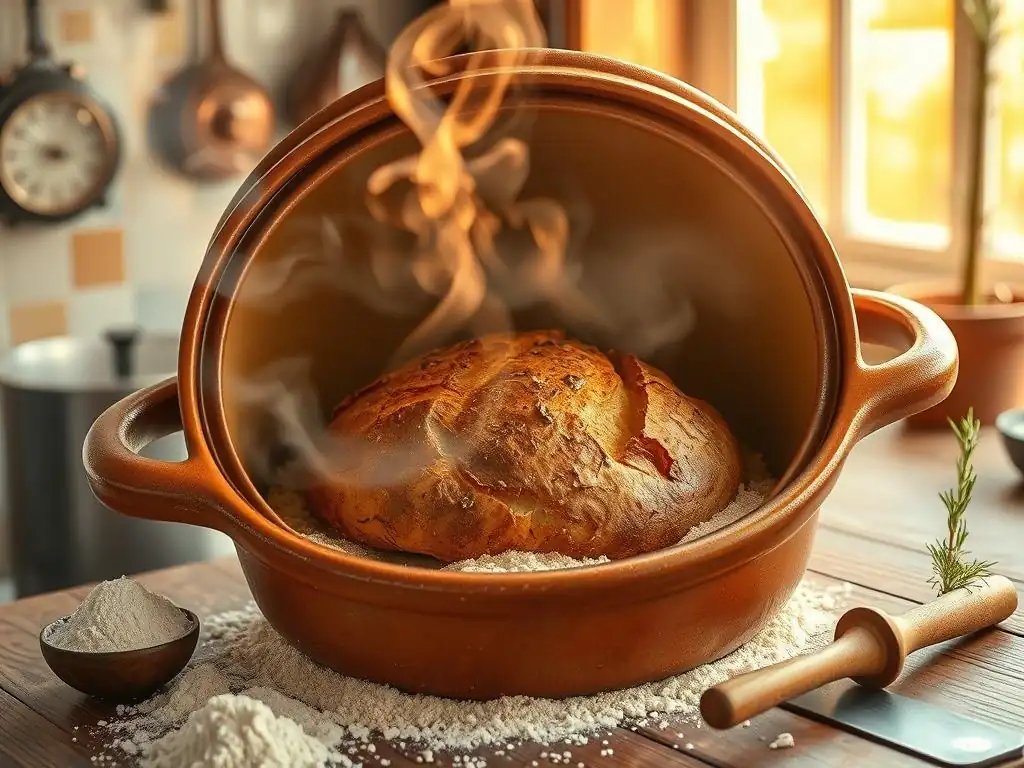
Welcome to BakeWithEase, your trusted guide to unlocking the secrets of baking! Ever wondered how professional bakers achieve that perfectly crusty loaf or airy crumb? This week, we're diving deep into a fascinating technique: how steam leavens bread. Discover the hidden power of high-moisture baking and learn how to harness its potential to elevate your breads to new heights. Intrigued? Let's get started and uncover the magic behind this essential baking hack!
- Understanding Steam Leavening in Baking
- The Science Behind Steam-Leavened Breads
- Steam Leavens Bread Recipe: Mastering the Technique
- Examples of Steam-Leavened Breads Around the World
- Tips and Tricks for Perfect Steam-Leavened Breads
- Elevating Your Baking with Steam Leavening: Beyond the Basics
- Why Steam Leavening is a Valuable Baking Skill
- Frequently Asked Questions
- Final Reflection: The Transformative Power of Steam in Baking
- Unlock Your Baking Potential: Discover the Magic of High-Moisture Doughs!
Understanding Steam Leavening in Baking
What is Steam Leavening and How Does it Work?
Steam leavening is a fascinating process in baking where water, present naturally in dough or batter, is rapidly converted into steam when exposed to high heat. This steam occupies a much larger volume than the water it originated from – roughly 1,600 times the volume at boiling point. This dramatic expansion creates lift and structure within the baked good, forming air pockets and contributing to a light and airy texture. It's the sole leavening force in some classic recipes and works in conjunction with other agents in others.
The magic happens when the heat penetrates the dough or batter quickly. As the internal temperature rises above 100°C (212°F), the water flashes into steam. This steam pushes outwards against the surrounding structure, which is typically made elastic by gluten development or reinforced by eggs and gelatinized starch. If the structure is strong enough to hold this pressure before it sets, the steam creates cavities, causing the baked good to puff up dramatically.
Steam Leavening vs. Chemical and Biological Leavening Agents
Unlike chemical leavening agents suchs as baking soda and baking powder, which produce carbon dioxide gas through chemical reactions, or biological agents like yeast, which produce carbon dioxide through fermentation, steam leavening relies purely on the physical transformation of water into gas. Chemical leaveners react relatively quickly upon contact with moisture and/or heat, while yeast works over a longer period as it consumes sugars.
Steam leavening requires a high moisture content in the dough or batter and intense heat to work effectively. The expansion is explosive and rapid, creating large, often irregular cavities, as seen in popovers or choux pastry. Chemical and biological leavening typically produce smaller, more uniform gas bubbles, resulting in a finer crumb structure characteristic of cakes, cookies, or standard bread loaves. While many baked goods benefit from some steam expansion during baking, it's the primary or sole leavening force that defines steam-leavened items.
The Science Behind Steam-Leavened Breads
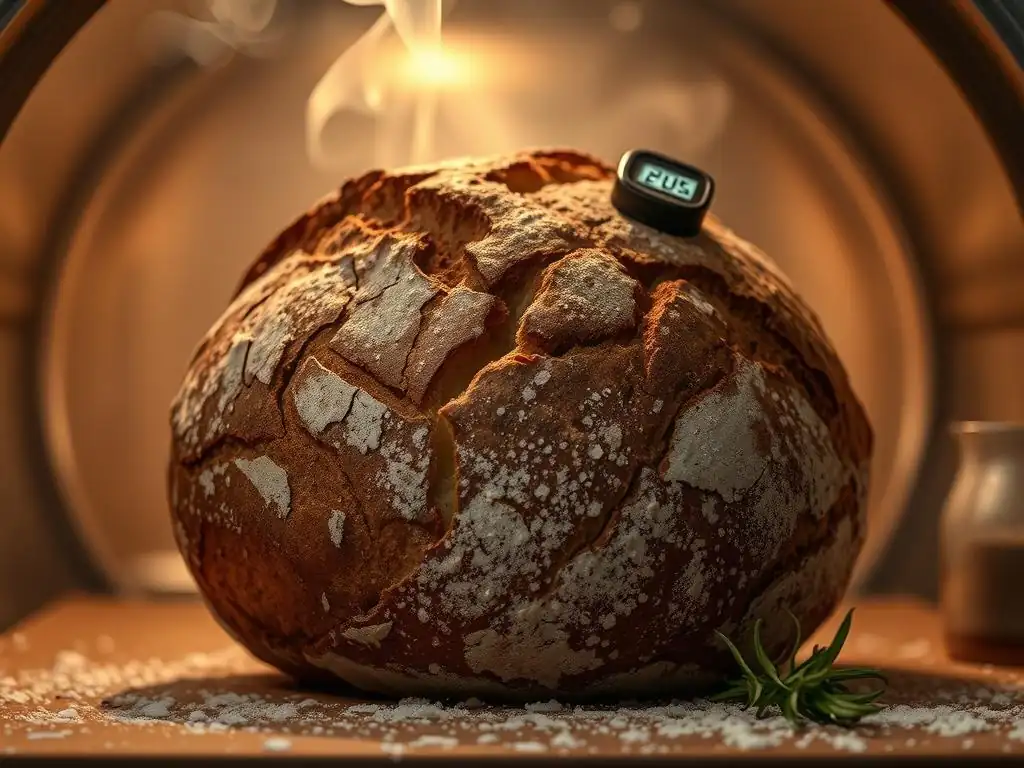
The Role of Moisture in Steam Leavening
Moisture is the absolute cornerstone of steam leavening. Without sufficient water content within the dough or batter, there is simply no medium to convert into steam. Recipes that rely heavily on this technique, such as those for popovers or choux pastry (used for cream puffs and gougères), typically have a relatively high ratio of liquid (like milk or water) to flour compared to standard bread doughs or cake batters. This high hydration ensures there's plenty of water ready to turn into steam when subjected to heat.
The moisture isn't just about quantity; its distribution and interaction with other ingredients are also important. Water hydrates the flour, allowing gluten to develop, and helps dissolve sugars and salts. In batters, the water, often combined with milk and eggs, creates a fluid mixture. As the heat hits, this internal water turns to steam, seeking to escape and pushing outwards with significant force, creating the signature hollow or airy structures.
How High Heat Contributes to Steam Expansion
High oven temperatures are critical for successful steam leavening. The goal is to convert the water into steam rapidly before the exterior structure of the dough or batter sets too firmly. If the oven temperature is too low, the outer crust might set before the internal water reaches its boiling point, preventing significant steam expansion. Temperatures often range from 200°C to 230°C (about 400°F to 450°F) or even higher initially for items like popovers.
This intense heat causes the surface to set quickly, creating a sort of flexible shell. Inside, the rapid production of steam exerts pressure against this shell. As long as the shell is elastic enough and hasn't fully hardened, it will stretch and expand under the force of the steam. Once the steam has done its work and the internal structure begins to set, the temperature can sometimes be reduced to allow the inside to cook through without burning the exterior.
Gluten Development and Steam Leavening: A Perfect Partnership
Gluten, the protein network formed when flour is mixed with liquid, plays a vital supporting role in steam leavened items, particularly those made with wheat flour. While steam provides the lifting power, the developed gluten structure provides the elastic framework that traps the expanding steam. Imagine the steam as a balloon and the gluten network as the rubber of the balloon; the stronger and more elastic the rubber, the larger the balloon can expand before popping or the air escaping.
Proper mixing techniques are often employed to encourage sufficient gluten development in these high-moisture mixtures. For example, whisking a popover batter helps align gluten strands. This elasticity allows the dough or batter to stretch dramatically as the steam expands, creating large internal cavities. Once the temperature rises further, the gluten and other proteins (especially from eggs) coagulate and set, solidifying the expanded structure created by the steam.
Steam Leavens Bread Recipe: Mastering the Technique
Key Ingredients for Successful Steam Leavening
The ingredients in steam-leavened recipes are typically simple but play specific roles crucial for success. Flour, usually all-purpose, provides the structure through gluten development. Eggs are fundamental, adding richness, contributing moisture, and most importantly, providing protein that coagulates and sets the structure once the steam has expanded it. They act as a binder and strengthen the dough or batter.
Liquid, commonly milk or water, is the source of the steam. The quantity of liquid is deliberately high to ensure significant steam production. A typical popover batter might have roughly equal parts liquid and flour by volume, or even slightly more liquid. Fat, like butter or oil, is often included to tenderize the structure and prevent sticking. Salt and sometimes sugar are added for flavor, but they don't directly contribute to the leavening process itself.
Step-by-Step Guide to Creating a Steam-Leavened Bread Recipe: Dutch Baby Pancake
Let's walk through making a Dutch Baby, a fantastic example of how steam leavens a simple batter to create a dramatic, puffy result.
Preparing the Batter for Optimal Steam Leavening
Start with your ingredients at room temperature; this helps them combine smoothly. You'll typically need flour, milk, eggs, a pinch of salt, and maybe a touch of sugar for sweetness. Begin by whisking the eggs vigorously until frothy – this incorporates some air and helps with structure. Gradually whisk in the milk until fully combined.
Next, whisk in the flour and salt (and sugar, if using). Whisk until the batter is smooth and lump-free. The consistency should be like thin pancake batter or thick cream. Avoid overmixing, which can develop too much tough gluten, but ensure all the flour is hydrated. Letting the batter rest for 10-15 minutes at room temperature is an optional step that allows the flour to fully hydrate, leading to a slightly better texture.
Baking Techniques for Maximum Steam Expansion
Preheat your oven to a high temperature, around 220°C (425°F). Crucially, place your baking vessel – a cast iron skillet or heavy oven-safe pan works best – into the oven while it preheats. Getting the pan scorching hot is vital for the immediate creation of steam when the batter is added. Once the oven and pan are fully preheated (give it at least 15-20 minutes), carefully remove the hot pan and add a tablespoon or two of butter, swirling it to coat the bottom and sides. The butter should melt and sizzle instantly.
Immediately pour the prepared batter into the center of the hot, buttered pan. Carefully place the pan back into the preheated oven. Do not open the oven door for at least the first 10-12 minutes of baking. The sudden drop in temperature can cause the rising structure to collapse. Bake for approximately 15-20 minutes, or until the edges are dramatically puffed and deep golden brown, and the center is set.
Examples of Steam-Leavened Breads Around the World
Popovers and Yorkshire Puddings: Classic Steam-Leavened Delights
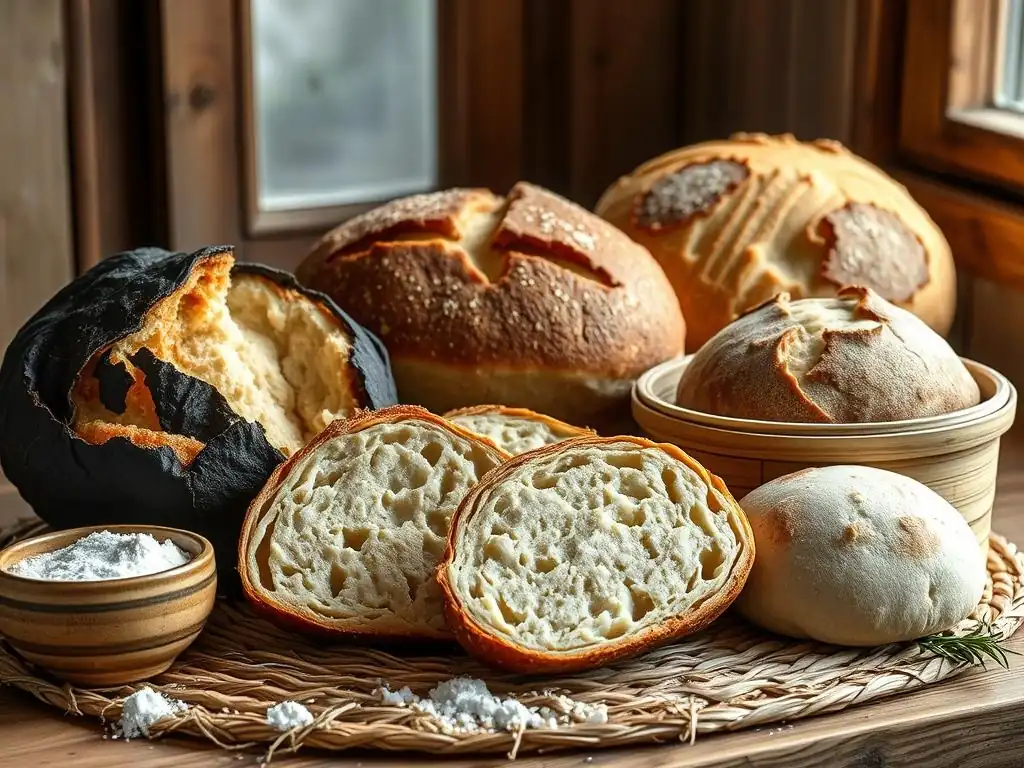
Popovers and Yorkshire Puddings are perhaps the most iconic examples of recipes where steam is the almost exclusive leavening agent. Their simple batter, typically composed of flour, eggs, milk (or water), and salt, contains a high percentage of moisture. When baked in very hot muffin tins or roasting pans (often preheated with fat), the water in the batter rapidly turns to steam.
This steam pushes against the developing gluten and egg structure, causing the batter to dramatically puff up and over the edges of the tin, creating large, hollow interiors. The initial high heat quickly sets the outer shell, allowing the internal steam pressure to build and expand the structure before it solidifies. The result is a crispy exterior and a moist, sometimes slightly eggy interior base.
Gougères: The Savory Side of Steam Leavening
Gougères are delightful savory cheese puffs made from choux pastry (pâte à choux). While the baking process relies on steam for leavening, the preparation of choux pastry includes a unique stovetop cooking step. Flour is added to boiling water and butter and stirred vigorously to form a thick paste. This process gelatinizes the starch in the flour.
Eggs are then beaten into this cooled paste, adding moisture and protein. When scoops of this dough are baked at high heat, the water within the dough turns to steam. The gelatinized starch and egg proteins create a strong yet elastic structure that traps this steam, causing the puffs to expand dramatically and form a large internal cavity. The cheese added to gougères contributes flavor but the rise is purely from steam.
Other Examples of Steam-Leavened Doughs: Cream Puffs and Profiteroles
Cream puffs (éclairs) and profiteroles are sweet applications of the same choux pastry dough used for gougères. Like their savory counterparts, their characteristic hollow interior, perfect for filling with pastry cream or ice cream, is achieved through the power of steam leavening. The process begins with cooking the flour, water, and butter mixture on the stovetop, followed by incorporating eggs.
When baked in a hot oven, the intense heat converts the internal moisture into steam. This steam inflates the dough, creating a large bubble inside. The structure, reinforced by the gelatinized starch and coagulated egg proteins, sets as it bakes, preserving the hollow shape. The success of cream puffs and profiteroles hinges entirely on this dramatic steam expansion.
Tips and Tricks for Perfect Steam-Leavened Breads
Achieving the Right Dough/Batter Consistency for Steam Leavening
The consistency of your dough or batter is paramount for successful steam leavening. It needs to be wet enough to contain sufficient moisture for steam production, but also have enough structure to capture that steam. For batters like popovers or Dutch Babies, think thin enough to pour easily, but not watery. Too thick, and the steam won't be able to expand it effectively; too thin, and the structure might be too weak to hold the steam.
For doughs like choux pastry, the consistency after adding the eggs should be smooth and glossy, stiff enough to hold its shape when piped but soft enough that it falls slowly from a spoon in a "v" shape. Getting this consistency right, often through careful addition of eggs, ensures there's enough moisture and structural integrity for optimal puff during baking.
Oven Temperature and Humidity Control for Optimal Results
Maintaining a high, consistent oven temperature is non-negotiable for maximizing steam expansion. Ensure your oven is fully preheated, ideally verified with an oven thermometer, as many home ovens can be inaccurate. Starting with a high temperature (often 200-230°C / 400-450°F) ensures the rapid conversion of water to steam before the crust sets.
For some recipes, especially those relying on external steam (like certain crusty bread loaves), adding a pan of water to the oven or using a Dutch oven can create a humid environment that delays crust formation, allowing the dough to expand more freely. However, for the classic steam-leavened items discussed (popovers, choux, Dutch Baby), the focus is more on the internal steam and the rapid setting of the outer shell by high heat. Using a preheated heavy pan is a key technique here for transferring heat efficiently and promoting that initial burst of steam.
Troubleshooting Common Steam Leavening Problems: Bread not rising, Soggy texture, Collapsing after baking
If your steam-leavened items aren't rising, the most common culprits are insufficient moisture in the batter/dough, an oven that wasn't hot enough, or opening the oven door too early. Ensure your liquid measurements are accurate and that your oven is fully preheated to the specified high temperature. Avoid peeking during the crucial initial rise period (often the first two-thirds of the baking time).
A soggy texture usually indicates underbaking. The internal structure hasn't fully set. This can happen if the temperature wasn't high enough initially, or if the baking time was too short. Continue baking until they are deeply golden and feel light and hollow when tapped.
If they collapse after baking, it's often because the structure wasn't fully set before being removed from the oven. They need sufficient time in the heat for the gluten and proteins to coagulate and solidify the expanded form. Some recipes benefit from a few minutes in the turned-off oven with the door slightly ajar to cool gradually.
Elevating Your Baking with Steam Leavening: Beyond the Basics
Experimenting with Flavors and Additions in Steam-Leavened Recipes
Once you've mastered the basic technique, steam-leavened recipes offer a fantastic canvas for flavor experimentation. For savory choux-based items like gougères, try incorporating different cheeses such as Gruyère, Parmesan, or even a sharp cheddar. Herbs like chives, thyme, or rosemary can be finely chopped and folded into the dough. Spices like black pepper or a pinch of nutmeg also work well.
For sweet applications like cream puffs or a Dutch Baby, consider adding vanilla extract, almond extract, or even a touch of citrus zest to the batter. Spices like cinnamon or cardamom can be added. While large solid additions aren't ideal as they can hinder the rise, small amounts of finely chopped ingredients or extracts can infuse wonderful flavor without compromising the steam leavening process.
Advanced Techniques for Steam Leavening: Using a Dutch Oven
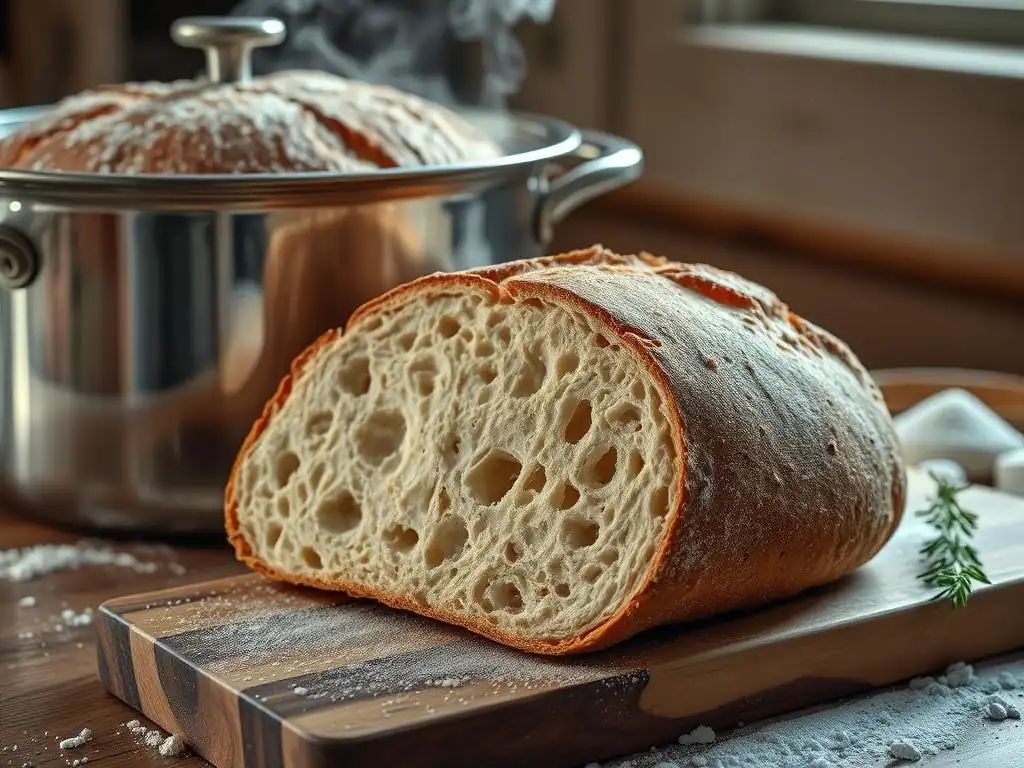
For larger format steam-leavened items, or simply to achieve a more uniform puff and crust, using a preheated Dutch oven can be an advanced technique worth exploring. When making a large Dutch Baby, for instance, preheating the entire Dutch oven in the hot oven before adding the butter and batter ensures incredible heat retention and even cooking from all sides.
Placing the lid on the Dutch oven for the initial part of the bake traps the steam released by the batter, creating a super-heated, humid environment within the pot. This can help the structure stay pliable slightly longer while expanding, potentially leading to a more dramatic and even rise. After the initial puff is achieved (often 10-15 minutes), the lid is removed to allow the crust to brown and crisp up beautifully. This method leverages both the internal steam and the controlled environment of the Dutch oven.
Why Steam Leavening is a Valuable Baking Skill
Expanding Your Baking Repertoire with Steam-Leavened Breads
Understanding how steam leavens opens up a whole new world of baking possibilities. Mastering the techniques behind popovers, Yorkshire puddings, choux pastry (for cream puffs, eclairs, and gougères), and Dutch Babies allows you to create unique textures and shapes that simply aren't achievable with yeast or chemical leaveners alone. These recipes add dramatic flair to your baking repertoire, whether you're making elegant pastries or comforting savory sides.
This skill set is not just about specific recipes; it's about understanding the fundamental role of moisture and heat in creating structure. This knowledge can even inform how you bake other items, appreciating how the initial burst of steam contributes to the oven spring in a yeast bread or the lift in a high-hydration cake batter before other leavening agents fully take over.
Mastering the Art of High-Moisture Baking
Working with batters and doughs that have a high liquid content can sometimes be intimidating. They behave differently from standard bread doughs or cake batters. However, the principles of steam leavening are directly tied to successfully handling these high-moisture mixtures. Learning how to develop structure (through gluten or eggs) in a wet environment and understanding how heat interacts with that moisture are crucial skills.
Recipes that rely on steam often require precise temperature control and timing. Mastering these elements through practice builds confidence in handling wetter doughs and batters, a skill that translates well to other challenging baking projects, such as high-hydration sourdoughs where steam also plays a significant role in oven spring and crust development.
The Satisfaction of Creating Light and Airy Breads with Steam
There's a unique satisfaction in pulling a perfectly puffed popover, a dramatically risen Dutch Baby, or beautifully hollow cream puffs from the oven. The transformation from a simple liquid batter or seemingly dense dough to a light, airy, and often dramatically shaped baked good feels almost magical. It's a direct visual representation of the power of basic physics applied to baking.
Achieving that perfect puff, crispy exterior, and tender interior using primarily steam is a rewarding accomplishment. It highlights the elegance of simple ingredients and techniques when executed correctly. Embracing steam leavening not only expands your baking skills but also brings the joy of creating these impressive and delicious treats from scratch.
Frequently Asked Questions
How does steam actually help leaven bread?
Steam creates rapid expansion within the dough. The water molecules turn to steam, pushing the dough upwards before the crust sets, resulting in a lighter, airier texture.
What types of bread recipes benefit most from steam?
Recipes for crusty breads like baguettes and artisan loaves benefit greatly. Steam allows for a crisp, shiny crust and an open crumb structure.
Can I use steam in my home oven, and if so, how?
Yes! You can create steam by placing a hot pan of water on the oven rack during baking. Alternatively, you can spray water into the oven immediately after putting the bread in.
What happens if I use too much or too little steam?
Too little steam can lead to a dull crust and dense crumb. Too much can cause the crust to be too thick and potentially collapse if it sets late in baking.
What other factors besides steam are important for a successful "steam leavens bread recipe"?
Besides steam, proper gluten development and oven temperature are crucial. The type of flour and hydration levels also play a significant role in the final result.
Final Reflection: The Transformative Power of Steam in Baking
The subtle art of steam injection in baking isn't just a technique; it's a revelation. Understanding how steam interacts with gluten development and starch gelatinization unlocks a world of superior texture and flavor in bread, a truth increasingly appreciated by both home bakers and professionals alike. This knowledge, once a closely guarded secret, is now readily available, empowering a new generation of bakers to achieve truly exceptional results.
The impact of steam on the baking landscape is undeniable. It's moved beyond a niche technique to become a key element in achieving that coveted airy crumb and deeply flavorful crust. The crust is the soul of the bread,
a wise baker once said, and steam plays a crucial role in shaping that soul. I've personally witnessed the transformative power of steam, moving from dense, disappointing loaves to light, airy creations that practically sing with flavor. This journey of discovery has been both rewarding and humbling, highlighting the often-overlooked details that can elevate baking from a simple process to a true art form.
Now, it's your turn. Consider the seemingly small details in your own baking process. Experiment with steam injection, even in small ways. Observe the changes in texture and taste. Don't be afraid to fail; every failed loaf is a lesson learned. Embrace the journey, and discover the hidden power of steam to elevate your baking to new heights. The reward? Bread so delicious, it will leave you breathless.
Unlock Your Baking Potential: Discover the Magic of High-Moisture Doughs!
Thanks for taking the time to explore the fascinating world of high-moisture baking! We hope you gained valuable insights into how this technique can elevate your baked goods. Now it's time to put your new knowledge into practice!
- Try a high-moisture recipe today: Start small with a simple bread or roll recipe and experience the difference firsthand. The results will surprise you!
- Share your baking triumphs (and challenges!): Join our BakeWithEase community on social media and share your high-moisture baking journey – we'd love to see your creations!
- Experiment with different flours and hydration levels: Once you've mastered the basics, challenge yourself to explore the diverse possibilities of high-moisture baking.
What unique flavor or texture will you create with your newfound high-moisture baking skills?