
Rice Flour Varieties: Choosing the Right Type for Your Bakes

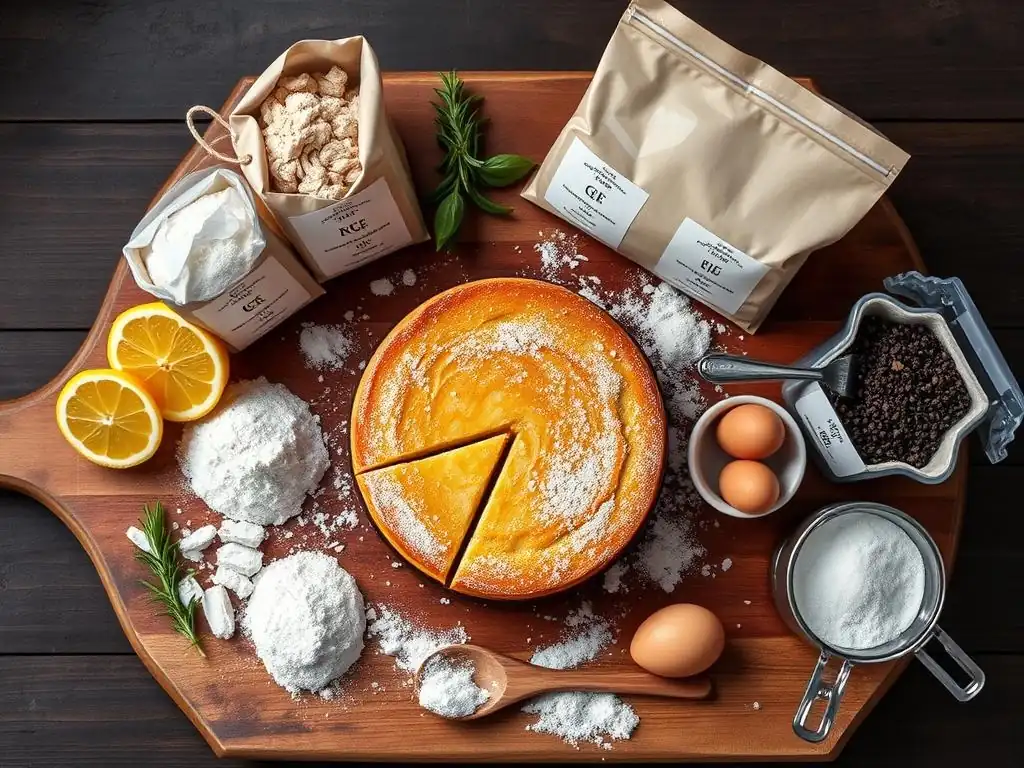
Welcome to BakeWithEase, your trusted companion in the baking journey! Ever wondered how to achieve that perfect, delicate crumb in your cakes? The secret might just lie in your flour choice. Dive into our latest article as we unravel the nuances of the best rice flour for cakes, exploring different varieties and revealing which one will elevate your baking to a whole new level. Prepare to discover the key to light, airy, and utterly delicious treats – let's get baking!
- Introduction to Rice Flour in Baking
- Understanding Rice Flour: A Baker's Essential
- Varieties of Rice Flour: A Comprehensive Overview
- Choosing the Right Rice Flour: Matching Flour to Recipe
- Tips for Baking with Rice Flour: Mastering the Technique
- Storing Rice Flour: Maintaining Freshness and Quality
- Troubleshooting Rice Flour Baking: Common Problems and Solutions
- Conclusion: Elevating Your Baking with the Perfect Rice Flour
-
Frequently Asked Questions
- What is rice flour, and why is it used in baking?
- What are the different types of rice flour, and which is best for cakes?
- How does rice flour affect the texture of cakes compared to wheat flour?
- Can I substitute rice flour 1:1 for wheat flour in cake recipes?
- Where can I buy good quality rice flour for baking cakes?
- Final Reflection: The Sweet Science of Rice Flour Selection
- Unlock Your Baking Potential: Mastering Rice Flour
Introduction to Rice Flour in Baking
Rice flour has long been a staple in kitchens around the world, particularly in Asian cuisines, but its versatility is increasingly appreciated by bakers everywhere. As the demand for gluten-free options grows, rice flour stands out as a fantastic alternative to traditional wheat flour. It offers unique textural properties that can enhance a wide range of baked goods, from delicate cakes to chewy mochi. Understanding the different types of rice flour and how they behave is key to unlocking their full potential in your baking adventures.
Whether you're exploring gluten-free recipes or simply curious about experimenting with new ingredients, incorporating rice flour into your baking can lead to delightful discoveries. Its neutral flavor profile makes it a flexible base, allowing other ingredients to shine. While it behaves differently than wheat flour due to the absence of gluten, mastering these differences opens up a world of new textures and possibilities. This guide will walk you through the various types of rice flour and help you choose the best one for your specific baking needs, ensuring your creations turn out perfectly every time.
Understanding Rice Flour: A Baker's Essential
What is Rice Flour? Exploring its Origins and Uses
Rice flour is a fine powder made from ground rice. Unlike wheat flour, which is milled from wheat grains containing gluten, rice flour is naturally gluten-free, making it a fundamental ingredient for those with coeliac disease or gluten sensitivities. Its origins are deeply rooted in Asian culinary traditions, where it has been used for centuries in everything from noodles and dumplings to pastries and sweets. The process involves simply grinding raw rice grains into a fine consistency, although the type of rice used determines the resulting flour's characteristics.
Historically, rice flour has been essential for creating textures and structures that are difficult to achieve with wheat flour alone. For instance, it's crucial for making light, crispy coatings or tender, yet firm, steamed buns. Today, its use has expanded globally, becoming a foundational component in many gluten-free baking blends. Its neutral taste means it doesn't overpower other flavors, making it an excellent base for sweet and savory baked goods alike. Understanding its basic composition and how it's produced is the first step in successfully incorporating it into your baking repertoire.
Rice Flour vs. Wheat Flour: Key Differences for Baking
The primary difference between rice flour and wheat flour lies in their protein content, specifically the presence or absence of gluten. Wheat flour contains gluten-forming proteins (gliadin and glutenin) that, when hydrated and mixed, create an elastic network. This network provides structure, elasticity, and helps trap gases, allowing baked goods to rise and hold their shape. Rice flour, conversely, contains very little protein (typically ranging from 7% to 12% depending on the type) and no gluten. This lack of gluten means rice flour doesn't develop elasticity or provide the same structural support as wheat flour on its own.
Because rice flour lacks gluten, doughs made solely with it tend to be less elastic and more crumbly. This requires bakers to often use binding agents like xanthan gum, guar gum, or psyllium husk to mimic the structural properties of gluten. Furthermore, rice flour tends to absorb less liquid initially but can become gritty if not properly hydrated or if the particles are too coarse.
Unlike wheat flour, which develops chewiness through gluten development, rice flour contributes more to crispness or tenderness depending on how it's used. These fundamental differences necessitate adjustments in hydration, mixing techniques, and often the addition of other ingredients when substituting rice flour for wheat flour in recipes.
Varieties of Rice Flour: A Comprehensive Overview
White Rice Flour: Best for Delicate Textures
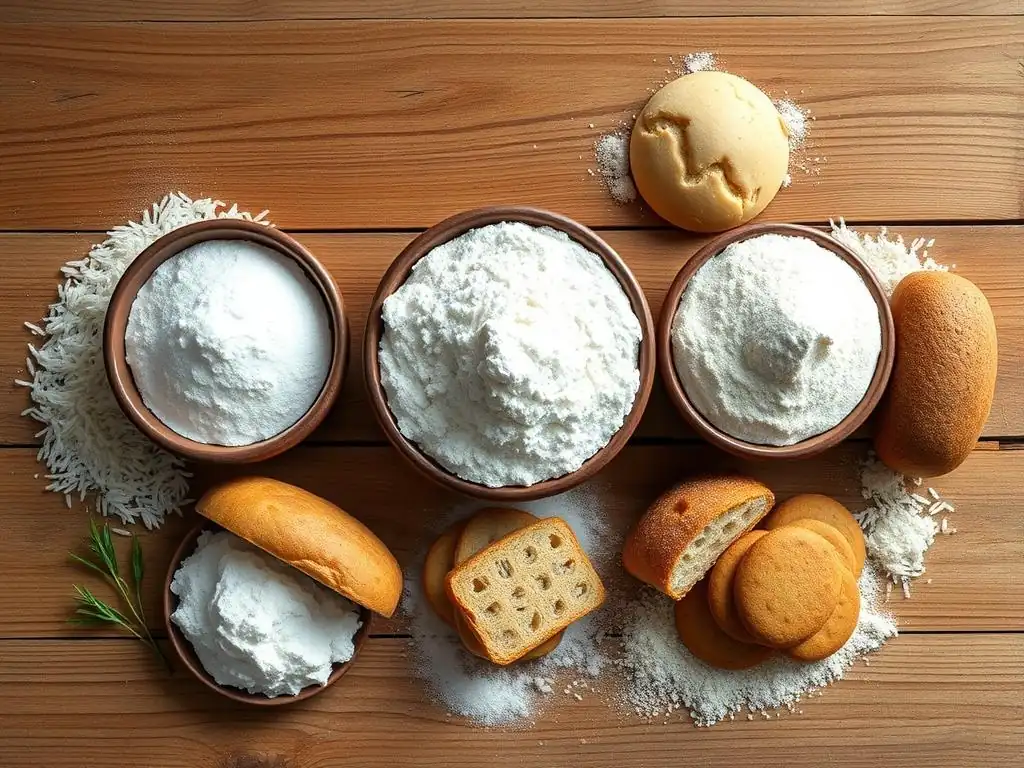
White rice flour is arguably the most common type of rice flour available and is milled from polished white rice grains. The milling process removes the husk, bran, and germ, leaving behind the starchy endosperm. This results in a flour that is finer, lighter in color, and has a very neutral, almost imperceptible flavor compared to brown rice flour. Its fine texture makes it suitable for achieving delicate crumbs and smooth batters, which is why it's often a key component in gluten-free flour blends aimed at replicating the texture of wheat-based baked goods.
Due to its fine particle size and neutral flavor, white rice flour is excellent for thickening sauces, coating foods for frying (providing a crisp exterior), and in baking where a tender, fine crumb is desired. While it doesn't provide structure on its own, its lightness helps prevent baked goods from becoming too dense when combined with other ingredients. It's a versatile flour that forms the base for many gluten-free recipes, including pancakes, waffles, and certain types of cakes where a light texture is paramount.
Characteristics of White Rice Flour: Texture, Taste, and Uses
White rice flour is characterized by its fine, powdery texture, which feels silky to the touch. When properly milled, it lacks the grittiness that can sometimes be associated with less refined rice flours. Its taste is remarkably neutral, making it a blank canvas that allows the flavors of other ingredients, such as vanilla, chocolate, or fruit, to dominate. This neutrality is a significant advantage in baking delicate pastries and cakes where a strong flour flavor would be undesirable.
Common uses in baking include contributing to the structure of gluten-free cakes, cookies, and muffins when combined with other flours and binders. It helps create a tender crumb in baked goods like shortbread or certain types of biscuits. It's also frequently used as a dusting flour or for thickening pie fillings and gravies. Its ability to absorb liquid is relatively low compared to wheat flour, requiring careful recipe adjustments, but its fine particle size helps it integrate smoothly into batters and doughs, contributing to a uniform texture.
Baking with White Rice Flour: Tips and Tricks for Success
When baking with white rice flour, hydration is crucial. Because it doesn't absorb liquid as readily or as much as wheat flour, you might need to slightly increase the liquid in your recipe or allow batters/doughs to rest for a period (often 15-30 minutes) to allow the flour particles to fully hydrate. This resting period helps prevent a gritty texture in the final product. Using warm liquids can also improve hydration and result in a smoother batter.
To provide structure in gluten-free baking, white rice flour is almost always used in combination with other flours (like tapioca starch, potato starch, or brown rice flour) and binding agents such as xanthan gum. A common ratio in gluten-free flour blends might include white rice flour as the largest component, perhaps around 40-60%, combined with starches and other flours.
Experimenting with these blends is key to finding the best rice flour for cakes and other specific baked goods, as the ideal blend depends on the desired texture. For instance, a lighter cake might use a higher proportion of white rice flour and starch, while a cookie might incorporate other flours for structure and chew.
Brown Rice Flour: A Nutritious and Flavorful Alternative
Brown rice flour is made from whole grain brown rice, meaning it includes the bran, germ, and endosperm. This inclusion of the outer layers gives brown rice flour a slightly coarser texture, a darker color, and a distinct, nutty flavor compared to white rice flour. Nutritionally, it's superior to white rice flour as it retains more fiber, vitamins (like B vitamins), and minerals. Its presence in a gluten-free blend adds not only nutritional value but also depth of flavor and a slightly denser texture to baked goods.
While brown rice flour contributes nutritional benefits, its coarser texture and higher fiber content mean it can result in denser, sometimes slightly drier baked goods if used exclusively or in very high proportions. However, when used in combination with other flours and starches, it adds pleasant chewiness and a richer flavor profile. Its earthy notes pair particularly well with ingredients like chocolate, nuts, and spices, making it an excellent choice for muffins, cookies, and certain types of bread.
Benefits of Brown Rice Flour: Health and Baking Properties
The main health benefit of brown rice flour over white rice flour is its higher fiber content, which aids digestion and can contribute to a feeling of fullness. It also contains more antioxidants and essential nutrients found in the rice bran and germ. From a baking perspective, brown rice flour brings more character to baked goods. Its nutty flavor can enhance the overall taste profile, moving away from the neutral base provided by white rice flour.
In terms of baking properties, brown rice flour absorbs more liquid than white rice flour, though it still doesn't absorb as much as wheat flour. Its coarser grind can sometimes lead to a slightly gritty texture if not properly hydrated, but resting the batter or dough can help mitigate this. When used in blends, it contributes to the structure and helps prevent baked goods from becoming overly fragile. It's often used in heartier gluten-free recipes, such as rustic bread, dense muffins, and chewy cookies, where its texture and flavor are desirable.
Using Brown Rice Flour in Baking: Achieving Optimal Results
To achieve optimal results when using brown rice flour, it's best utilized as part of a gluten-free flour blend rather than as a standalone flour. A typical blend might include brown rice flour contributing 20-40% of the total flour weight, combined with white rice flour, starches (like tapioca or potato), and potentially other flours like sorghum or millet. This balance helps leverage the nutritional benefits and flavor of brown rice flour while counteracting its potential to create density or grittiness.
Hydration is also key with brown rice flour. Similar to white rice flour, allowing batters to rest helps the coarser particles absorb liquid, leading to a smoother texture. In recipes like gluten-free bread, brown rice flour can provide structure and a pleasant crumb when combined with binders and other flours. For cookies, it can contribute to a satisfying chewiness. Experimentation is often necessary to find the perfect ratio for specific recipes, but starting with established gluten-free flour blend recipes is a good approach.
Sweet Rice Flour (Mochiko/Glutinous Rice Flour): For Chewy Textures
Sweet rice flour, also known as glutinous rice flour or Mochiko (a Japanese brand name), is made from short-grain glutinous rice. Despite the name "glutinous," this flour is entirely gluten-free. The term refers to the rice's sticky, glue-like texture when cooked, which is due to its high amylopectin starch content and very low amylose content, not the presence of gluten proteins. This unique starch composition is what gives sweet rice flour its characteristic chewy, elastic texture when heated.
Unlike white or brown rice flour, which are primarily used for structure or tenderness, sweet rice flour is used specifically for its binding and chewy properties. It's the essential ingredient in traditional Asian sweets like mochi, dango, and some types of rice cakes. While it's not typically used as a primary flour in Western-style cakes or bread (unless a very specific chewy texture is desired), it's invaluable as a thickener or binder in gluten-free baking or for creating unique textures in desserts.
Understanding Sweet Rice Flour: Properties and Applications
The defining property of sweet rice flour is its ability to become incredibly sticky and chewy when cooked. This is due to its high amylopectin starch content, which gelatinizes readily in hot liquid. The resulting texture is elastic and slightly translucent. The flour itself is a fine, white powder, similar in appearance to white rice flour, but it behaves very differently when heated. It has a mild, slightly sweet flavor, though its texture is its most notable feature.
Applications for sweet rice flour are primarily in dishes where a chewy or sticky consistency is desired. This includes traditional Asian desserts like mochi (steamed and pounded rice cake), dango (sweet rice dumplings), and certain fillings or coatings. In gluten-free baking, a small amount of sweet rice flour can sometimes be added to blends to improve binding and create a slightly chewier crumb in items like cookies or muffins, though it's used sparingly compared to white or brown rice flour. It can also be used as a gluten-free thickener for sauces or puddings, creating a smooth, slightly elastic consistency.
Sweet Rice Flour Recipes: Mochi and Other Chewy Treats
Sweet rice flour is the star ingredient in many beloved chewy treats. Mochi, perhaps the most famous, is made by steaming sweet rice flour with water and sugar, then pounding or kneading the mixture until it becomes smooth and elastic. It can be filled with sweet bean paste or ice cream. Dango are small, round dumplings made from sweet rice flour and water, often served on skewers with a sweet glaze.
- Basic Mochi: Combine sweet rice flour with water and sugar. Steam or microwave until a sticky, translucent dough forms. Knead briefly when cool enough to handle.
- Dango: Mix sweet rice flour with water to form a dough. Roll into small balls and boil until they float. Serve with a sauce like mitarashi (soy sauce and sugar glaze).
- Chewy Cookies: Some gluten-free cookie recipes add a small amount (perhaps 10-15% of the total flour blend) of sweet rice flour to improve texture and create a pleasant chewiness.
These examples highlight how sweet rice flour's unique properties are leveraged to create textures that are distinct from those achieved with other rice flour varieties.
Choosing the Right Rice Flour: Matching Flour to Recipe
Considerations When Selecting Rice Flour for Baking
Selecting the appropriate rice flour for your baking project depends entirely on the desired outcome: texture, flavor, and structure. If you're aiming for a light, delicate crumb, white rice flour is usually the best starting point, often combined with starches. For a richer flavor, added fiber, and a slightly denser, chewier result, brown rice flour is a better choice, again typically as part of a blend. If your goal is a distinctly chewy or sticky texture, particularly for specific types of desserts, sweet rice flour is the essential ingredient.
Beyond the type of rice flour, consider the grind size. Finer ground flours generally produce smoother textures and are less likely to feel gritty in the final product. While most commercially available rice flours are finely ground, some brown rice flours can be coarser. Also, consider the recipe's overall structure requirements; since rice flour lacks gluten, you'll almost certainly need to incorporate binding agents and potentially other gluten-free flours to achieve the desired structure and prevent crumbling. The best approach is often to use rice flour as part of a carefully formulated blend tailored to the specific baked good.
Best Rice Flour for Cakes: A Detailed Breakdown
Choosing the best rice flour for cakes depends heavily on the type of cake you're making and the texture you wish to achieve. For light, airy cakes, white rice flour is generally preferred. For denser, moister cakes, a blend incorporating brown rice flour can work well. The primary goal when selecting the best rice flour for cakes is to contribute to a tender, moist crumb without resulting in a gritty or dense texture. This is often achieved through careful blending with starches and other flours.
For gluten-free cakes, white rice flour is frequently the base of the flour blend because its neutral flavor doesn't interfere with other ingredients, and its fine texture contributes to a smooth batter and tender crumb. When aiming for the best rice flour for cakes that are light and fluffy, like a vanilla sponge or cupcakes, a blend heavy on white rice flour and starches like tapioca or cornstarch is ideal. For richer cakes, like chocolate or spice cakes, incorporating some brown rice flour can add depth of flavor and moisture.
Angel Food Cake - Recommended Rice Flour Type and Why
For an Angel Food Cake, which relies on whipped egg whites for its signature airy, delicate structure, the best rice flour is finely ground white rice flour, used as part of a very light, starch-heavy gluten-free blend.
Angel Food Cake requires a flour that is exceptionally light and doesn't weigh down the delicate foam structure created by the egg whites. White rice flour, being neutral in flavor and relatively light, is the ideal choice for the flour component. It should be sifted multiple times with powdered sugar and starch (like cornstarch or tapioca starch) to ensure maximum aeration and a super-fine consistency.
Brown rice flour would be too heavy and its flavor too pronounced for this type of cake, while sweet rice flour would introduce an undesirable chewiness. The goal is a melt-in-your-mouth texture, which white rice flour helps facilitate when used in the correct, small proportion within the blend.
Gluten-Free Chocolate Cake - Recommended Rice Flour Type and Why
For a Gluten-Free Chocolate Cake, which is typically richer and can handle a bit more structure and flavor variation than an Angel Food Cake, a blend containing white rice flour and potentially some brown rice flour is often the best rice flour combination.
Chocolate cakes benefit from a flour blend that provides moisture and a tender crumb while supporting the weight of cocoa powder, sugar, and fat. White rice flour provides a good base for tenderness and a smooth texture. Including some brown rice flour (perhaps 20-30% of the total flour blend) can add moisture, a pleasant chewiness, and a subtle nutty undertone that complements the chocolate flavor beautifully. This combination helps achieve a moist, flavorful chocolate cake that doesn't crumble excessively, making it an excellent choice for the best rice flour for cakes that are rich and indulgent.
The best rice flour for cookies depends on the desired texture. For crispy cookies, white rice flour is often a primary component in a blend, as its fine texture contributes to snap. For chewy cookies, a blend incorporating brown rice flour, or even a small amount of sweet rice flour, can help achieve that desirable bend and chew.
White rice flour is excellent for shortbread-style cookies where tenderness and a delicate crumb are key. Its neutrality allows the butter and sugar flavors to shine. For drop cookies like chocolate chip, a mix of white and brown rice flour provides a balance of crisp edges and a slightly chewy center. Using roughly equal parts white and brown rice flour alongside starches and a binder can yield fantastic results. Experimentation is key to finding the best rice flour ratio for your favorite cookie recipe.
Best Rice Flour for Bread: Challenges and Solutions
Baking gluten-free bread with rice flour presents challenges primarily because rice flour lacks the gluten network needed for structure and rise. While rice flour is a common component in gluten-free bread blends, it's rarely used alone. The best rice flour for bread is typically a combination of white rice flour and brown rice flour, used alongside other gluten-free flours (like sorghum, millet, or teff), starches (tapioca, potato), and essential binding agents (xanthan gum, psyllium husk).
White rice flour contributes lightness and helps create a finer crumb structure, while brown rice flour adds nutrition, flavor, and some structural support. Psyllium husk is particularly effective in rice flour-based bread recipes as it forms a gel that mimics gluten's ability to create elasticity and trap gases, leading to a better rise and less crumbly loaf. Hydration levels are also crucial, often requiring more liquid than wheat bread dough and a longer rest period to allow the flours to absorb moisture fully. Achieving a well-risen, non-crumbly loaf with rice flour requires a carefully balanced blend and precise technique.
Tips for Baking with Rice Flour: Mastering the Technique
Hydration is Key: Adjusting Liquid Ratios in Rice Flour Recipes
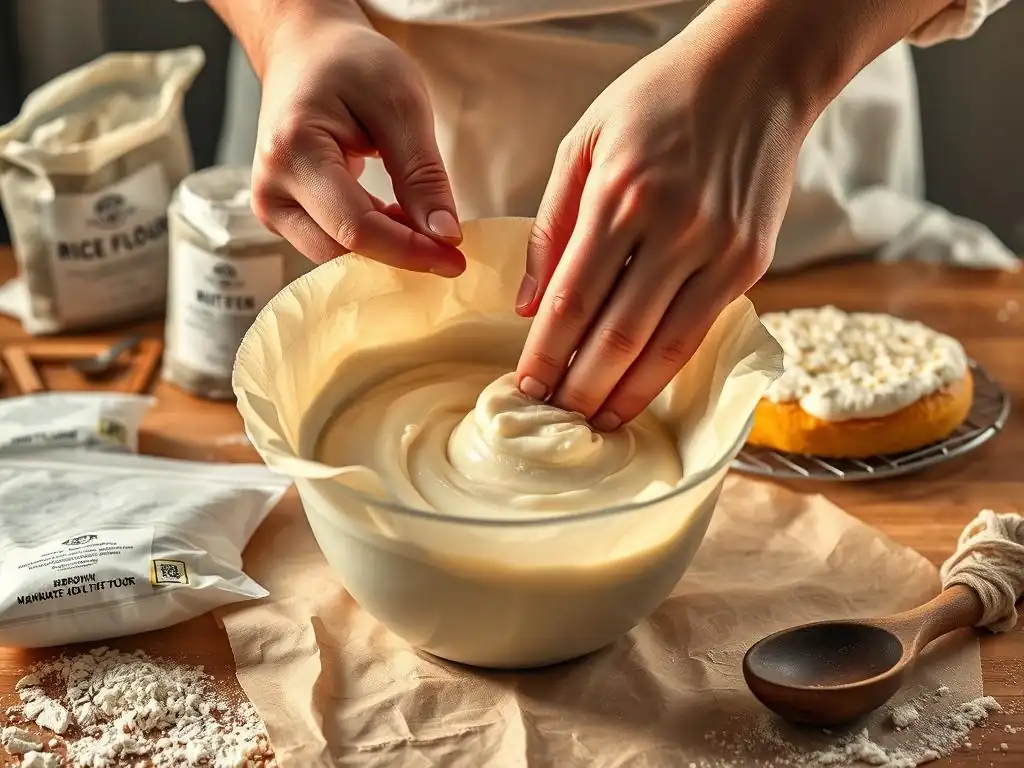
One of the most critical aspects of baking with rice flour is managing hydration. Rice flour absorbs liquid differently than wheat flour – often more slowly and sometimes requiring slightly more liquid overall to prevent dryness and grittiness. However, too much liquid can lead to a gummy texture. It's a balance that often requires observation and slight adjustments.
When adapting a recipe that calls for wheat flour, you might start by increasing the liquid by 10-20% when using a rice flour blend. Even more importantly, allowing the batter or dough to rest for 15-30 minutes after mixing gives the rice flour particles time to fully absorb the liquid, resulting in a smoother, less gritty texture in the final bake. This resting period is particularly beneficial when using brown rice flour or blends containing it.
Binding Agents: Using Starches and Gums for Structure
Because rice flour lacks gluten, it cannot form the elastic network needed for structure in most baked goods. This is where binding agents come in. Common binders in gluten-free baking include xanthan gum, guar gum, and psyllium husk. These ingredients help to hold the ingredients together, prevent crumbling, and provide some elasticity, mimicking the function of gluten.
The type and amount of binder needed depend on the recipe. Cakes and muffins often use a smaller amount of xanthan or guar gum (e.g., 1/4 to 1/2 teaspoon per cup of flour blend). Bread recipes typically require more binder, with psyllium husk often being preferred for its ability to create a gel-like consistency that improves rise and structure. Understanding how different binders interact with rice flour blends is crucial for successful gluten-free baking.
Preventing Grittiness: Achieving a Smooth Texture with Rice Flour
Grittiness is a common complaint when baking with rice flour, particularly brown rice flour. This is usually due to the rice flour particles not being fully hydrated. The most effective way to prevent grittiness is by ensuring adequate hydration and allowing sufficient resting time for the batter or dough.
Using finely ground rice flour also helps. If a recipe seems gritty, try increasing the liquid slightly in subsequent attempts or extending the resting period. Using warm liquids instead of cold can also aid faster and more complete hydration. Sifting the rice flour before use can also help break up any clumps and ensure it incorporates more smoothly into the batter.
Storing Rice Flour: Maintaining Freshness and Quality
Proper Storage Techniques for Rice Flour
Proper storage is essential to keep rice flour fresh and prevent it from going rancid or absorbing moisture and odors. Like other flours, rice flour should be stored in an airtight container. Glass, plastic, or metal containers with tight-fitting lids work well. This protects the flour from moisture, pests, and exposure to air, which can cause oxidation, especially in brown rice flour due due to its higher oil content from the bran and germ.
Store the airtight container in a cool, dark place, such as a pantry or cupboard away from heat sources like ovens or stoves. For longer-term storage, or if you live in a warm or humid climate, storing rice flour in the refrigerator or freezer is highly recommended. This significantly extends its shelf life and preserves its quality.
Shelf Life of Different Rice Flour Varieties
The shelf life of rice flour varies depending on the type and how it is stored. White rice flour, being more refined and having less oil, has a longer shelf life than brown rice flour. Stored properly in a cool, dark pantry, white rice flour can last for about 6-12 months. In the refrigerator, its shelf life can extend to 1-2 years, and in the freezer, it can last even longer, potentially 2-3 years.
Brown rice flour, containing the more perishable oils from the bran and germ, has a shorter shelf life. In a cool pantry, it might only last 3-6 months before potentially becoming rancid, which you'll notice by an off smell or taste. Refrigerating brown rice flour extends its life to about 6-12 months, and freezing it can keep it fresh for 1-2 years. Sweet rice flour generally has a shelf life similar to white rice flour, around 6-12 months in the pantry and longer when refrigerated or frozen. Always check for any off smells before using stored rice flour.
Troubleshooting Rice Flour Baking: Common Problems and Solutions
Dry and Crumbly Baked Goods: Identifying and Correcting the Issue
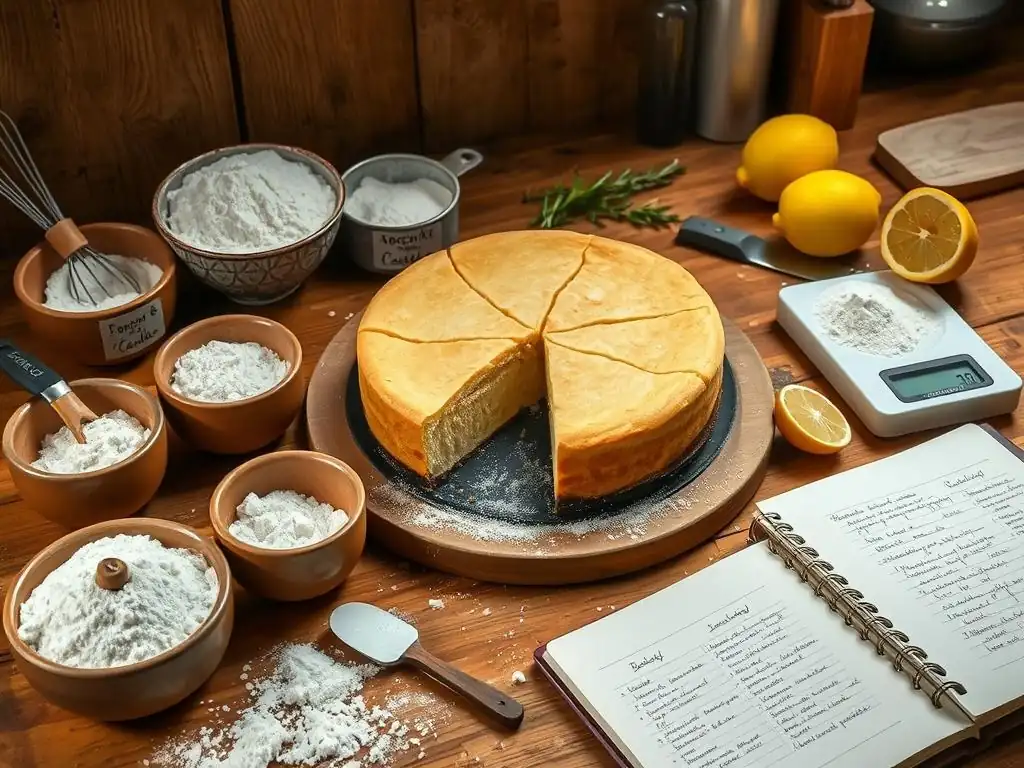
A common problem when baking with rice flour is ending up with baked goods that are dry and excessively crumbly. This is almost always a hydration issue – either not enough liquid was used, or the flour didn't have enough time to absorb the liquid properly. The lack of gluten also contributes to crumbling, as there's no elastic network to hold things together.
To correct this, ensure you are using enough liquid in your recipe. If adapting a wheat flour recipe, you might need to slightly increase the liquid content. Crucially, allow batters and doughs to rest for 15-30 minutes before baking; this gives the rice flour time to hydrate fully, reducing dryness and grittiness. Ensure you are using an appropriate binder (like xanthan gum or psyllium husk) in the correct amount for the recipe type, as this provides essential structure and prevents excessive crumbling.
Dense and Gummy Textures: Avoiding Common Mistakes
Conversely, baked goods made with rice flour can sometimes turn out dense or gummy. This can happen for several reasons: using too much liquid, using too much binder, overmixing the batter (though less critical than with gluten development in wheat flour, excessive mixing can still negatively impact texture), or using too high a proportion of sweet rice flour in a recipe not intended for chewiness.
To avoid density, ensure you are not adding excessive liquid. While more liquid than wheat flour might be needed, there's a limit. Be precise with your binder measurements; too much xanthan gum, for instance, can lead to a gummy texture. Avoid overmixing; mix just until ingredients are combined. If a recipe using a blend feels dense, try adjusting the blend to include more white rice flour or starch relative to brown rice flour. For achieving the best rice flour results in cakes, a proper balance is key.
Flavor Issues: Balancing Rice Flour's Flavor Profile
While white rice flour is quite neutral, brown rice flour has a distinct nutty flavor that might not be desirable in all recipes. If your baked goods have an unwanted "ricey" or slightly bitter flavor, it could be due to a few factors: using too much brown rice flour in a delicate recipe, using rancid brown rice flour, or simply the natural flavor of the brown rice flour being too prominent for the other ingredients.
To balance flavor, ensure your brown rice flour is fresh; if it smells even slightly off, discard it. In recipes where a neutral flavor is preferred (like vanilla cakes or sugar cookies), rely more heavily on white rice flour and starches in your blend. If using brown rice flour, pair it with flavors that complement its nuttiness, such as chocolate, spices (cinnamon, nutmeg), nuts, or dried fruits. For the best rice flour results in various cakes, consider if the cake's flavor profile will benefit from or be detracted from by the nutty notes of brown rice flour.
Conclusion: Elevating Your Baking with the Perfect Rice Flour
Mastering the use of rice flour in baking is a rewarding journey that opens up a world of possibilities, especially for those seeking gluten-free options. By understanding the unique characteristics of white rice flour, brown rice flour, and sweet rice flour, you can make informed choices that lead to successful and delicious results. White rice flour is your go-to for light, delicate textures, brown rice flour adds nutrition and a pleasant nuttiness, and sweet rice flour is essential for achieving wonderful chewiness.
Choosing the best rice flour for cakes, cookies, bread, and other treats involves considering the desired texture and flavor, and often requires using rice flour as part of a carefully balanced gluten-free blend alongside starches and binders. Don't be afraid to experiment with different combinations and techniques, such as adjusting hydration and allowing batters to rest. With practice and attention to these details, you'll confidently incorporate rice flour into your baking, creating delicious, perfectly textured baked goods that everyone can enjoy.
Frequently Asked Questions
What is rice flour, and why is it used in baking?
Rice flour is a type of flour made from ground rice. It's used in baking because it's gluten-free, making it suitable for those with celiac disease or gluten sensitivities.
What are the different types of rice flour, and which is best for cakes?
There are generally two main types: white rice flour and brown rice flour. White rice flour is usually preferred for cakes due to its lighter color and milder flavor.
How does rice flour affect the texture of cakes compared to wheat flour?
Rice flour often results in a more delicate and slightly crumbly texture compared to cakes made with wheat flour. It can also contribute to a slightly chewy texture.
Can I substitute rice flour 1:1 for wheat flour in cake recipes?
It's generally not recommended to substitute rice flour 1:1 for wheat flour without adjustments. Rice flour lacks gluten, which provides structure. You may need to add a binding agent like xanthan gum or adjust other ingredients.
Where can I buy good quality rice flour for baking cakes?
Good quality rice flour can be found at most grocery stores, health food stores, and online retailers. Look for options that are finely ground for the best results in cake baking.
Final Reflection: The Sweet Science of Rice Flour Selection
The quest for the perfect cake begins with the perfect flour, and in the world of gluten-free baking, that often means mastering the nuances of rice flour. Choosing the right variety significantly impacts texture, moisture, and overall success, making this seemingly simple ingredient a key player in achieving delightful results. The subtle differences between sweet rice flour, glutinous rice flour, and brown rice flour, as explored in this article, highlight the importance of understanding ingredient properties for optimal baking.
This exploration into the world of rice flours has not only broadened my own baking knowledge but also underscored the growing demand for inclusive and adaptable recipes. The rise of gluten-free diets and the increasing awareness of dietary needs have propelled rice flour into the spotlight, demanding a deeper understanding of its diverse applications. The best flour is the one that works best for your recipe and your taste,
a wise baker once told me, and this rings especially true when navigating the varied landscape of rice flour options.
Now, it's your turn to embark on your own rice flour journey. Experiment with the different varieties discussed, noting the subtle changes in texture and taste. Don't be afraid to adapt recipes, to tweak measurements, and to discover your own perfect combination for that dream cake. The path to baking mastery is paved with experimentation and a willingness to learn, and the rewards – a delicious, perfectly textured cake – are well worth the effort.
Unlock Your Baking Potential: Mastering Rice Flour
Thanks for taking the time to explore the wonderful world of rice flour with us! We hope you now feel confident in choosing the perfect variety for your next baking adventure. Ready to put your newfound knowledge into practice?
- Bake something amazing! Experiment with a recipe using your chosen rice flour – a simple cake or even some crispy cookies. Let your creativity shine!
- Share your creations! Show us your rice flour masterpieces on social media using #BakeWithEaseRiceFlour – we’d love to see what you bake!
- Consider exploring different recipes that utilize the specific rice flour type you've learned about. Each one offers unique baking properties.
What delicious rice flour recipe will you try first?