
Vegan Baking: Replacing Egg Yolks vs. Egg Whites

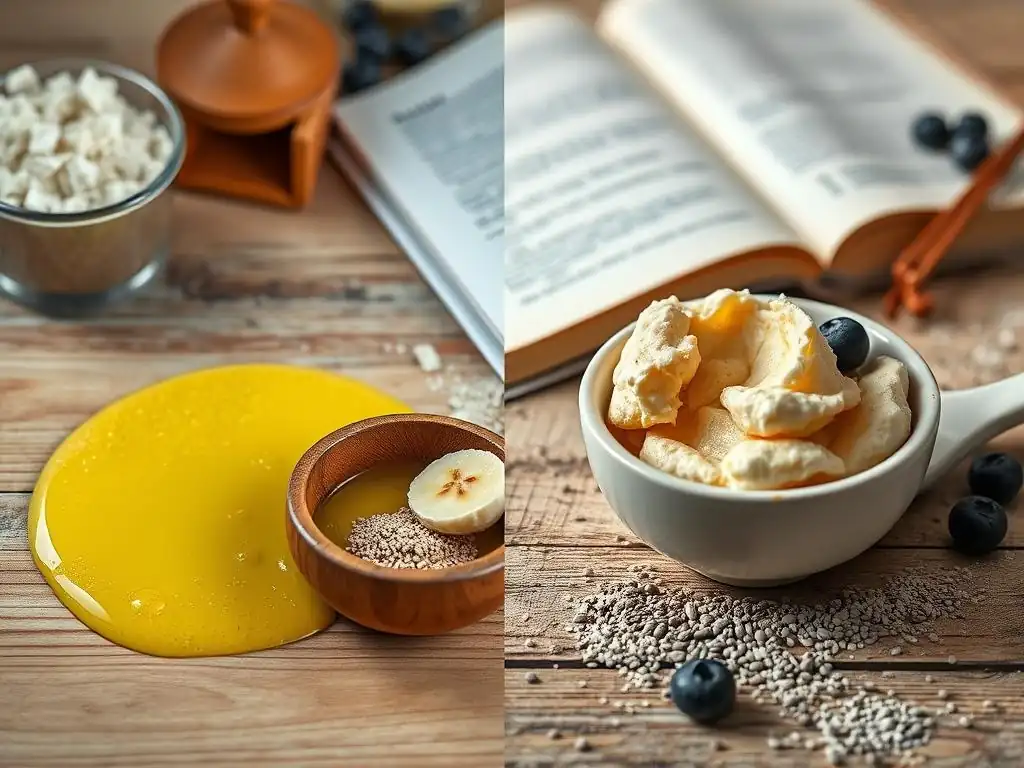
Welcome to BakeWithEase, where simplifying delicious baking is our passion! Ever wondered how to achieve that perfect golden hue and rich texture in your vegan baked goods? This article dives deep into the fascinating world of vegan egg yolk substitutes, comparing them to replacements for egg whites. Discover the secrets to successful egg-free baking and unlock a whole new level of culinary creativity. Ready to explore the surprising options that will revolutionize your vegan recipes?
- Vegan Baking: Replacing Egg Yolks vs. Egg Whites for BakeWithEase.com
- Understanding the Role of Eggs in Baking
- Replacing Egg Yolks in Vegan Baking: A Comprehensive Guide
- Replacing Egg Whites in Vegan Baking: Challenges and Solutions
- Vegan Egg Yolk Substitutes vs. Vegan Egg White Substitutes: A Side-by-Side Comparison
- Vegan Baking Recipes: Mastering Egg Replacement Techniques
- Troubleshooting Common Issues with Vegan Egg Substitutions
-
Frequently Asked Questions
- What are some common vegan egg yolk substitutes that BakeWithEase recommends?
- How does replacing egg yolks differ from replacing egg whites in vegan baking, according to BakeWithEase?
- What types of recipes does BakeWithEase suggest are best suited for using vegan egg yolk substitutes?
- Can I use the same vegan egg yolk substitute in every baking recipe, according to BakeWithEase's guidelines?
- Where can I find more detailed information and specific recipes using vegan egg yolk substitutes on BakeWithEase.com?
- Final Reflection: The Yolky Truth and the White Lie of Vegan Baking
- Unlock Your Vegan Baking Potential!
Vegan Baking: Replacing Egg Yolks vs. Egg Whites for BakeWithEase.com
Understanding the Role of Eggs in Baking
The Multifaceted Functions of Eggs in Baking
Eggs are foundational in many traditional baking recipes, performing a variety of crucial tasks that contribute to the final texture, structure, flavor, and appearance of baked goods. They act as binders, holding ingredients together to prevent crumbling. Eggs also provide moisture and richness, especially through the fat content in the yolk, leading to tender and moist results. Furthermore, the proteins in eggs coagulate when heated, providing essential structure that helps baked goods hold their shape.
Beyond structure and moisture, eggs contribute significantly to leavening, particularly when egg whites are whipped into a foam, trapping air that expands during baking. This gives lift and lightness to things like cakes and meringues. They also enhance flavor and color; the natural yellow pigment in yolks contributes to the golden hue of many pastries, and the proteins contribute to browning through the Maillard reaction. Understanding these varied roles is the first step in successful vegan baking substitutions.
Why Substitute Eggs in Vegan Baking?
The primary reason for substituting eggs in baking is to create recipes suitable for a vegan diet, which excludes all animal products. This caters to individuals who choose veganism for ethical, environmental, or health reasons. Crafting delicious baked goods without eggs requires finding ingredients that can replicate the specific functions that eggs provide, whether it's binding, leavening, moisture, or richness.
Successfully replacing eggs opens up a world of baking possibilities for vegans, ensuring they can enjoy everything from fluffy pancakes and moist cakes to delicate cookies and airy meringues. It involves understanding why a recipe uses eggs and then selecting the appropriate vegan egg yolk substitutes or egg white alternatives to fulfill those specific roles. This thoughtful approach is key to achieving excellent results in vegan baking.
Replacing Egg Yolks in Vegan Baking: A Comprehensive Guide
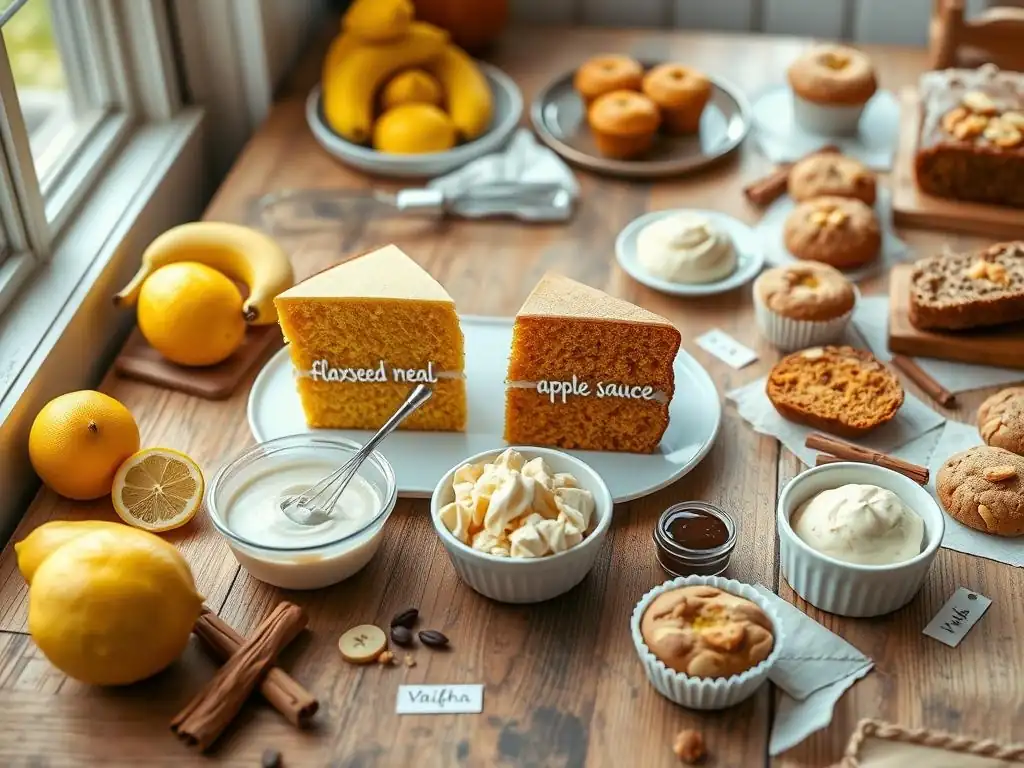
What Does Egg Yolk Contribute to Baked Goods?
Moisture and Richness from Egg Yolks
The egg yolk is rich in fat, containing approximately 5 grams of fat per large yolk (about 18g total weight). This fat content is crucial for adding moisture, tenderness, and richness to baked goods. In recipes like brioche, challah, or pound cake, a higher proportion of yolks leads to a soft, delicate crumb and a luxurious mouthfeel. The fats also help to shorten gluten strands, preventing toughness, and contribute to a moist product that stays fresh longer.
When developing vegan egg yolk substitutes, replicating this moisture and richness is a primary goal. Ingredients high in fat or moisture content are often used. For instance, replacing the fat from a single yolk might require adding a small amount of oil (perhaps 1-2 teaspoons) or a fatty ingredient like mashed avocado or certain plant-based yogurts, depending on the desired outcome.
Binding Power of Egg Yolks
While both yolks and whites contribute to binding, the yolk's proteins (like livetin and phosvitin) work alongside its fat content to help emulsify mixtures and hold ingredients together. This binding action is vital in recipes where structure is needed without excessive leavening, such as in custards, quiches, or dense cake batters. The coagulation of yolk proteins during baking sets the structure.
Finding effective vegan egg yolk substitutes for binding is essential to prevent baked goods from crumbling. Ingredients that become gelatinous or sticky when combined with liquid or heat are often employed. Examples include flaxseed meal mixed with water (forming a gel) or starches like cornstarch or potato starch, which thicken mixtures and provide structure upon heating.
Color and Flavor Enhancement with Egg Yolks
Egg yolks provide a natural golden or yellow hue to batters and doughs, thanks to pigments like lutein and zeaxanthin. This contributes to the visual appeal of cakes, pastries, and pasta. Additionally, the fat and protein in yolks carry and enhance flavors, adding a subtle richness and depth that is characteristic of many traditional baked goods.
When seeking vegan egg yolk substitutes, some alternatives are chosen specifically to replicate this color and flavor. A small amount of turmeric can add a yellow tint (use sparingly to avoid flavor impact), while ingredients like nutritional yeast can offer a savory, slightly cheesy depth that mimics some of the umami notes contributed by egg protein. Plant-based milks with a slightly yellow tint or a touch of melted vegan butter can also help replicate color and richness.
Best Vegan Egg Yolk Substitutes: Options and Applications
Silken Tofu as a Vegan Egg Yolk Replacement
Silken tofu is an excellent vegan egg yolk substitute, particularly in recipes requiring moisture and a creamy texture, like cheesecakes, quiches, or dense cakes. Its high water content and smooth consistency mimic the richness and binding properties of yolks without adding a strong flavor. Approximately 1/4 cup (about 60g) of blended silken tofu can often replace one egg yolk.
To use, simply blend the silken tofu until completely smooth and lump-free before incorporating it into your batter. It works well in recipes where the primary function of the yolk is binding and adding moisture, though it won't provide significant leavening or browning. It's less suitable for light, airy baked goods.
Nutritional Yeast for Egg Yolk Flavor and Color
Nutritional yeast, often used for its cheesy flavor, can also serve as a vegan egg yolk substitute to contribute a savory depth and a slightly yellow color. While it doesn't offer the same binding or moisture, a small amount (perhaps 1-2 teaspoons per yolk replaced) can help replicate the subtle umami and color notes of the yolk, especially in savory applications like vegan quiches or frittatas.
It's typically used in combination with other substitutes that provide binding and moisture. For example, you might combine nutritional yeast with silken tofu or a starch-based binder to get both the functional properties and a hint of the eggy flavor and color. Its unique flavor profile should be considered in the overall recipe.
Plant-Based Yogurt: A Moisture-Rich Egg Yolk Alternative
Unsweetened plant-based yogurt (like soy, almond, or coconut yogurt) can be a fantastic vegan egg yolk substitute for adding moisture and richness to cakes, muffins, and quick breads. Its creamy texture and slight acidity can also contribute to tenderness and work with leavening agents like baking soda. About 1/4 cup (approx. 60g) can often replace one egg yolk.
Choose a plain, unsweetened variety to avoid unwanted flavors or sweetness. Thicker yogurts tend to work better for adding richness. Yogurt primarily adds moisture and a little binding; it won't replicate the emulsifying power or significant binding of a yolk, so it's best in recipes where the yolk's main role is moisture.
Vegan Butter or Oil as an Egg Yolk Substitute for Richness
Since egg yolks are a source of fat, adding a small amount of extra vegan butter or liquid oil can help compensate for the richness lost when replacing them. This is particularly useful in recipes like cookies or pie crusts where tenderness from fat is crucial. A tablespoon or two of melted vegan butter or neutral oil per replaced yolk might be sufficient, depending on the recipe's original fat content.
This substitution specifically targets the fat component of the yolk and doesn't provide binding, moisture (beyond the oil itself), or leavening. It should be used in conjunction with other vegan egg yolk substitutes that handle those functions, or in recipes where the yolk's primary role is fat contribution.
Potato Starch or Cornstarch: Binding Alternatives to Egg Yolks
Starches like potato starch, cornstarch, or tapioca starch are excellent vegan egg yolk substitutes for their binding and thickening properties. When mixed with liquid and heated, they form a gel-like structure that helps hold ingredients together, similar to how egg yolk proteins coagulate. A common ratio is 1-2 tablespoons of starch mixed with 2-3 tablespoons of cold water or plant milk per egg yolk replaced.
This slurry is then added to the batter. Starch binders are very effective at preventing crumbling, making them ideal for things like vegan meatballs, burgers, or certain cookie recipes. However, they provide little to no moisture, richness, or leavening, so they are best used when the yolk's main function is binding.
Tips for Successfully Replacing Egg Yolks in Vegan Recipes
Adjusting Liquid Ratios When Using Vegan Egg Yolk Substitutes
Many common vegan egg yolk substitutes, such as mashed fruits (like banana or apple sauce) or plant-based yogurts, add significant moisture to a recipe. When using these alternatives, you may need to slightly reduce the amount of other liquids in the recipe (like plant milk or water) to maintain the correct batter consistency. Start by reducing the liquid by about 1-2 tablespoons per yolk replaced and adjust as needed.
Conversely, if using drier binders like starch slurries or commercial vegan egg yolk substitutes, you might need to ensure the recipe has enough overall moisture from other ingredients. Pay close attention to the batter's thickness – it should generally resemble the consistency of the traditional recipe's batter.
Considering the Flavor Profile of Your Chosen Egg Yolk Replacement
Different vegan egg yolk substitutes bring their own flavors to the table. While silken tofu is relatively neutral, mashed banana or apple sauce will impart fruity notes, and nutritional yeast adds a savory, slightly cheesy taste. Consider how the substitute's flavor will interact with the other ingredients in your recipe.
For delicate flavors like vanilla cake, a neutral substitute like silken tofu or a starch slurry might be preferable. For spiced muffins, a small amount of apple sauce could complement the flavors. Always taste your substitute (if applicable) and consider its potential impact on the final baked good's taste profile.
Replacing Egg Whites in Vegan Baking: Challenges and Solutions
The Unique Properties of Egg Whites in Baking
Structure and Volume Provided by Egg Whites
Egg whites are primarily composed of water (about 90%) and protein (about 10%), with almost no fat. When whipped, the proteins (like albumin) denature and form a stable network that traps air bubbles. This creates a foam that provides structure and significant volume to baked goods like meringues, soufflés, angel food cake, and macarons. The protein network sets during baking, creating a light yet stable structure.
Replicating this ability to create and hold a stable foam is one of the biggest challenges in vegan baking. Unlike yolks, which are often replaced for moisture and binding, egg white substitutes must primarily contribute lift and structure through aeration.
Leavening Power of Whipped Egg Whites
The air trapped in whipped egg whites acts as a powerful leavening agent. As the baked good heats up, the trapped air expands, causing the product to rise significantly. This is crucial for achieving the characteristic airy texture of dishes like mousses or chiffon cakes. The stability of the protein foam ensures that this rise is maintained during baking.
Finding vegan egg white substitutes that can be whipped to a stable foam and provide similar leavening is key to creating light and airy vegan baked goods. While chemical leaveners like baking powder and baking soda can provide some lift, they cannot replicate the unique volume and delicate structure achieved with properly whipped egg whites.
Top Vegan Egg White Substitutes: Achieving Lightness and Lift
Aquafaba (Chickpea Brine): The Vegan Egg White Superstar
Aquafaba, the liquid drained from canned chickpeas or other legumes, is arguably the most revolutionary vegan egg white substitute. Due to its unique composition of proteins and starches leached from the beans, it can be whipped into a stable foam remarkably similar to egg whites. It can be used to make vegan meringues, macarons, mousses, and airy cakes. Approximately 2-3 tablespoons (about 30-45g) of aquafaba can replace one egg white.
To use aquafaba, simply drain it from a can of unsalted chickpeas and whip it using an electric mixer, starting on low speed and gradually increasing to high. Add sugar or stabilizers (like cream of tartar) as you would with egg whites to achieve different consistencies, from soft peaks to stiff peaks.
Flaxseed Meal or Chia Seed Gel as Egg White Binders
While primarily used as vegan egg yolk substitutes for binding and moisture, flaxseed meal or chia seeds mixed with water can also function as a binder similar to egg whites in some recipes, though they won't provide significant leavening. Mixing 1 tablespoon of ground flaxseed meal or chia seeds with 3 tablespoons of water and letting it sit for 5-10 minutes forms a gel that can replace one egg white (or one whole egg) for binding purposes in denser baked goods like cookies, brownies, or muffins.
This "flax egg" or "chia egg" works well to hold ingredients together but will result in a denser product compared to using a leavening substitute like aquafaba. It's ideal for recipes where the egg white's role is primarily binding rather than aeration.
Vegan Egg White Powder: A Convenient Option for Volume
Commercial vegan egg white powders are becoming more available and offer a convenient way to replace egg whites, often specifically formulated to replicate their whipping and binding properties. These powders are typically made from plant proteins like pea, potato, or fava bean protein isolates. Follow the package instructions for reconstitution and usage, as ratios vary by brand.
Vegan egg white powders can often be whipped into a foam and used in recipes requiring aeration, though their performance may vary compared to aquafaba. They offer consistency and a longer shelf life compared to aquafaba.
Apple Sauce or Banana as an Alternative for Replacing Egg Whites
Mashed fruits like apple sauce or ripe banana can serve as vegan egg white substitutes primarily for adding moisture and some binding in recipes where the egg white's role isn't aeration. About 1/4 cup (approx. 60g) of unsweetened apple sauce or mashed banana can replace one egg white in muffins, quick breads, or some cookie recipes.
These fruit purées add sweetness and flavor, which must be considered. They will also result in a denser, moister product and will not provide the lift or structure that whipped egg whites or aquafaba offer. They are best used when the recipe already has other leavening agents and the egg white is mainly for moisture and minimal binding.
Techniques for Using Vegan Egg White Substitutes Effectively
Whipping Aquafaba to Achieve Stiff Peaks
Mastering the technique of whipping aquafaba is crucial for recipes like vegan meringues or macarons. Start with chilled aquafaba for best results. Use a clean, grease-free bowl and whisk attachment, as any fat residue can prevent the aquafaba from whipping properly, just like with egg whites. Begin whipping on low speed until it becomes frothy, then gradually increase speed to medium-high.
As the aquafaba whips, it will become opaque and form soft peaks, then gradually stiff peaks. Adding a pinch of cream of tartar (about 1/8 teaspoon per 1/2 cup aquafaba) can help stabilize the foam and achieve stiffer peaks faster. If adding sugar, do so gradually once soft peaks form, whipping until dissolved between additions, similar to making traditional meringue.
Adjusting Baking Time and Temperature with Vegan Egg White Replacements
Vegan baked goods using egg white substitutes, especially those relying on aquafaba for lift, may require slight adjustments to baking time and temperature. Meringues made with aquafaba, for example, often benefit from a lower oven temperature and longer baking time to dry out properly without burning, similar to traditional meringues but sometimes needing a bit more patience.
Cakes or muffins using fruit purées or flax eggs for binding might bake slightly faster or slower depending on the added moisture level. Always monitor your baked goods closely, using visual cues and the toothpick test to determine doneness rather than relying solely on the recipe's original timing. Small adjustments can make a significant difference in texture.
Vegan Egg Yolk Substitutes vs. Vegan Egg White Substitutes: A Side-by-Side Comparison
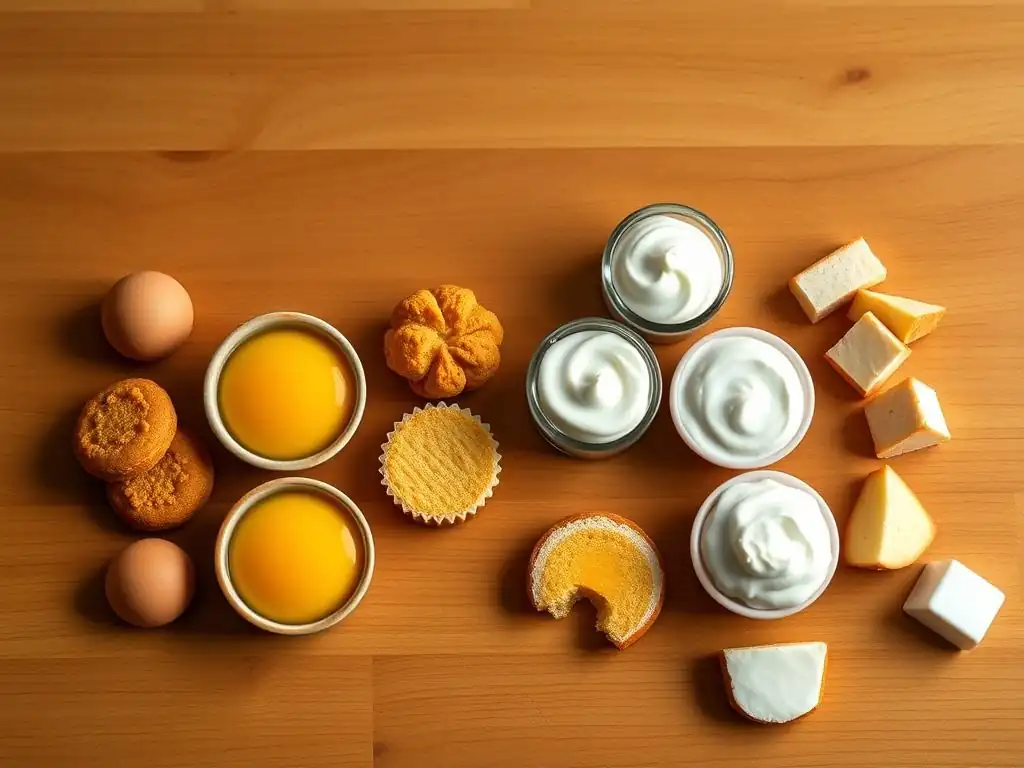
Functionality Comparison: Yolk vs. White Replacements
The key distinction between vegan egg yolk substitutes and vegan egg white substitutes lies in the specific functions they aim to replace. Vegan egg yolk substitutes are primarily chosen to replicate the moisture, richness, fat content, and binding properties of the yolk. Examples include silken tofu, mashed avocado, plant-based yogurt, or starch slurries. These are ideal for recipes where the yolk prevents crumbling, adds tenderness, or provides a creamy texture.
In contrast, vegan egg white substitutes focus on replicating the binding, structure, and especially the leavening power of the white. Aquafaba is the standout for aeration, capable of being whipped into a foam for meringues and light cakes. Other white substitutes like flax eggs or fruit purées are used more for simple binding or moisture where aeration isn't critical. Understanding the specific role of the egg part in the original recipe is paramount to choosing the correct vegan alternative.
Flavor Impact: Comparing the Taste of Different Substitutes
Both vegan egg yolk substitutes and egg white substitutes can introduce their own flavors into a recipe. Some vegan egg yolk alternatives, like mashed banana or apple sauce, have distinct sweet and fruity flavors that will influence the final taste. Nutritional yeast adds a savory, umami note. Even neutral-sounding options like silken tofu can subtly alter flavor if not fully blended or if used in large quantities.
Vegan egg white substitutes are often more neutral in flavor, especially aquafaba, which has very little taste once whipped and baked. However, some commercial powders might have a slight protein flavor. Flax or chia eggs can add a slightly nutty or earthy undertone. When selecting a substitute, consider how its inherent flavor profile will complement or detract from the intended taste of your baked good.
Texture and Structure: Achieving the Desired Results
The texture and structure of the final product are heavily influenced by the choice of vegan egg yolk substitutes and egg white replacements. Using substitutes primarily for moisture and richness (like plant-based yogurt or vegan butter) will contribute to a tender, moist crumb, typical of cakes or muffins. Substitutes focused on binding (like starch slurries or flax eggs) will help prevent crumbling and provide density, suitable for cookies or burgers.
For recipes requiring lightness and volume, such as meringues or airy cakes, a substitute capable of aeration like whipped aquafaba is essential. Using a binder like a flax egg instead of aquafaba in such recipes would result in a flat, dense outcome. Successfully achieving the desired texture means carefully matching the substitute's properties to the original function of the egg component.
Vegan Baking Recipes: Mastering Egg Replacement Techniques
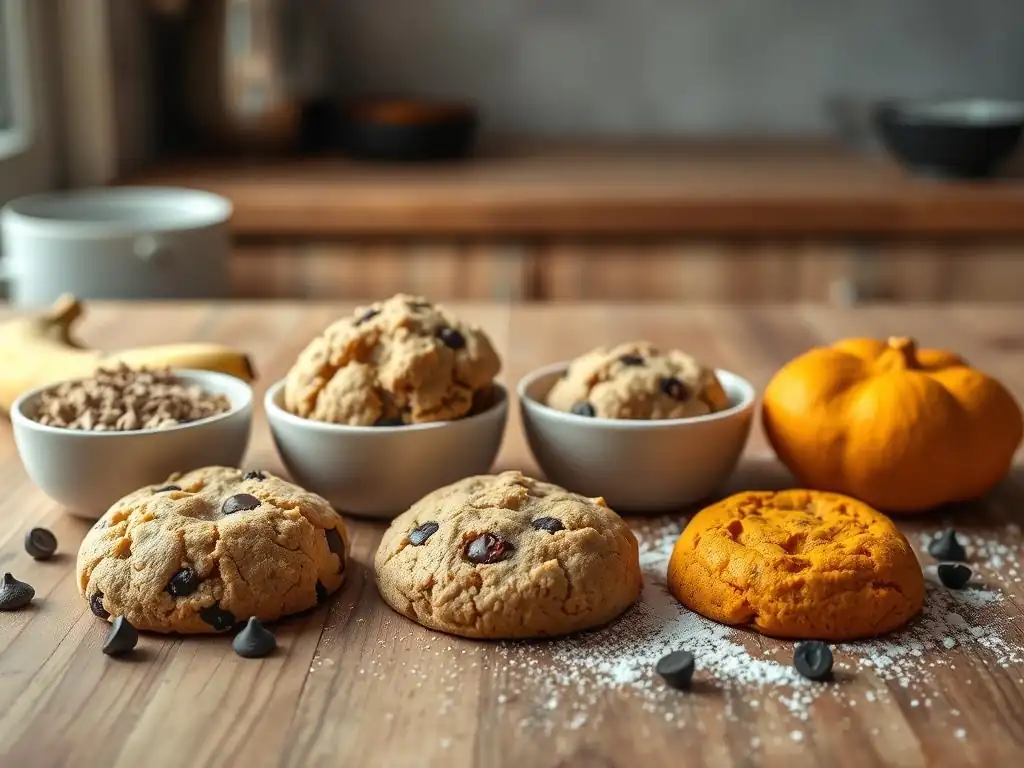
Recipe Examples: Using Vegan Egg Yolk Substitutes in Cakes
Many vegan cake recipes effectively use vegan egg yolk substitutes to achieve moisture and tenderness. A common approach is using mashed banana or apple sauce. For example, in a simple vegan banana bread, 1/4 cup of mashed ripe banana can replace one egg yolk, contributing moisture and binding while enhancing the banana flavor.
Another example is using a combination of plant-based yogurt and a small amount of oil in a vegan vanilla cake. Here, 1/4 cup of unsweetened soy yogurt plus 1 tablespoon of neutral oil can mimic the moisture and richness of a yolk, resulting in a tender crumb. These vegan egg yolk substitutes are integrated directly into the wet ingredients.
Recipe Examples: Utilizing Vegan Egg White Substitutes in Meringues
Aquafaba is the star player when it comes to utilizing vegan egg white substitutes for aeration. Vegan meringues are a classic example. To make them, you typically whip 1/2 cup of aquafaba with 1/4 teaspoon of cream of tartar until stiff peaks form, then gradually whip in 1/2 cup of superfine sugar. This mixture can then be piped and baked at a low temperature (around 200-225°F or 90-100°C) for 1.5 to 2 hours until dry and crisp.
Another application is using whipped aquafaba in a vegan chocolate mousse. Whipped aquafaba is gently folded into melted chocolate and other ingredients, providing a light, airy texture similar to a mousse made with whipped egg whites. These examples showcase the power of aquafaba to replicate the leavening and structural properties of egg whites.
Troubleshooting Common Issues with Vegan Egg Substitutions
Dense or Gummy Textures: Identifying the Causes and Solutions
One common issue when replacing eggs, especially with certain vegan egg yolk substitutes or binders, is ending up with a dense or gummy texture. This often happens when using too much of a heavy binder like flaxseed or chia seed gel, or when relying solely on puréed fruits without considering the overall liquid balance. Excessive moisture from substitutes like apple sauce or yogurt can also contribute to gumminess if other liquids aren't adjusted.
To troubleshoot, check the amount of binder used – less is often more. Ensure you've balanced the moisture by potentially reducing other liquids in the recipe. If the original recipe relied on egg whites for leavening, ensure your substitute provides adequate lift (e.g., use baking powder or aquafaba where appropriate). Sometimes, slightly increasing the amount of flour can also help absorb excess moisture.
Lack of Binding: Preventing Crumbling in Vegan Baked Goods
Conversely, a lack of binding can result in baked goods that crumble apart. This occurs when the vegan egg yolk substitutes or overall egg replacement doesn't provide enough adhesive power. It might happen if you've used a substitute primarily for moisture (like oil) without including a proper binder, or if the ratio of binder to dry ingredients is incorrect.
To fix this, re-evaluate the role of the egg(s) in the original recipe. If binding was key (common for cookies, burgers, or loaves), ensure you're using an effective binder like a starch slurry (cornstarch, potato starch), flax egg, chia egg, or commercial vegan egg. Increase the amount of binder slightly if the issue persists, or try combining two different types of binders for a more robust structure.
Inconsistent Results: Ensuring Predictable Outcomes with Vegan Egg Replacements
Achieving consistent results in vegan baking, especially when experimenting with vegan egg yolk substitutes and white replacements, can be challenging due to variations in substitute ingredients. The consistency of aquafaba can vary between chickpea brands, and the ripeness of mashed banana or the thickness of plant-based yogurt also differs.
To improve consistency, measure your substitutes precisely (using weights is often more reliable than volume, e.g., 45g aquafaba vs. 3 tbsp). Use consistent brands for ingredients like aquafaba or plant milk. Keep detailed notes of your substitutions and results. If a recipe calls for a specific substitute (like flax egg), stick to that rather than making multiple substitutions at once until you understand how each one behaves in that particular recipe. Practice and careful observation are key to mastering vegan egg replacement techniques.
Frequently Asked Questions
What are some common vegan egg yolk substitutes that BakeWithEase recommends?
Several options work well. These include aquafaba (chickpea brine), nut butters for richness, and plant-based yogurts for moisture and binding. The best choice depends on the recipe.
How does replacing egg yolks differ from replacing egg whites in vegan baking, according to BakeWithEase?
Egg yolks primarily add richness and moisture, while egg whites contribute to structure and lift. Therefore, substitutes need to mimic these functions differently.
What types of recipes does BakeWithEase suggest are best suited for using vegan egg yolk substitutes?
Recipes where richness and binding are more important than strong structure, such as custards, sauces, and some cakes, are ideal for vegan yolk replacements.
Can I use the same vegan egg yolk substitute in every baking recipe, according to BakeWithEase's guidelines?
No, the effectiveness of each substitute varies. BakeWithEase recommends considering the recipe's specific needs and choosing a substitute that best mimics the desired texture and flavor.
Where can I find more detailed information and specific recipes using vegan egg yolk substitutes on BakeWithEase.com?
Explore the "Vegan Baking" section or search for specific recipes like "vegan custard" or "vegan cake" to find articles and guides with step-by-step instructions and ingredient suggestions.
Final Reflection: The Yolky Truth and the White Lie of Vegan Baking
The quest for the perfect vegan egg replacement isn't just a culinary challenge; it's a testament to the growing demand for ethical and inclusive food choices. Finding suitable substitutes for both egg yolks and egg whites, with their distinct functionalities, presents a fascinating puzzle that continues to drive innovation in the vegan baking world. The subtle differences in texture, richness, and binding properties demand careful consideration, as we've explored throughout this article.
The journey of replacing animal products in baking has profoundly impacted the culinary landscape, fostering creativity and pushing the boundaries of what's possible. It's a reflection of a broader societal shift towards conscious consumption, where ethical considerations are increasingly intertwined with our daily choices. The future of food is plant-based,
a statement often heard, is not merely a prediction but a reflection of the growing awareness of the environmental and ethical implications of our dietary habits. This shift has opened doors for countless innovative recipes and products, proving that delicious and compassionate baking is entirely achievable.
Now, it's your turn. Consider the recipes and techniques discussed in this article, and experiment with different vegan egg yolk substitutes in your own kitchen. Don't be afraid to get creative, to adapt, and to discover your own perfect blend of ingredients. The world of vegan baking is vast and exciting, and your culinary journey is just beginning. Embrace the challenge, and let your passion for delicious, ethical food guide you.
Unlock Your Vegan Baking Potential!
Thanks for exploring the world of vegan baking with us! We hope you gained valuable insights into the differences between replacing egg yolks and egg whites in your recipes. Now it's time to put your newfound knowledge into practice.
- Bake your first vegan masterpiece: Choose one of the recipes mentioned (or a favorite from your collection!) and try substituting egg yolks and whites with the methods we discussed. Document your experience – even a simple photo is great!
- Share your creation (and your experience!) with our community on social media using #BakeWithEaseVegan. Let's inspire each other!
- Explore our other vegan baking guides to uncover even more delicious possibilities. We have lots of tips and tricks to help you along the way!
What exciting vegan bake will you tackle first?