
Vegan Butter vs. Oil: Which Substitute is Right for Your Recipe?

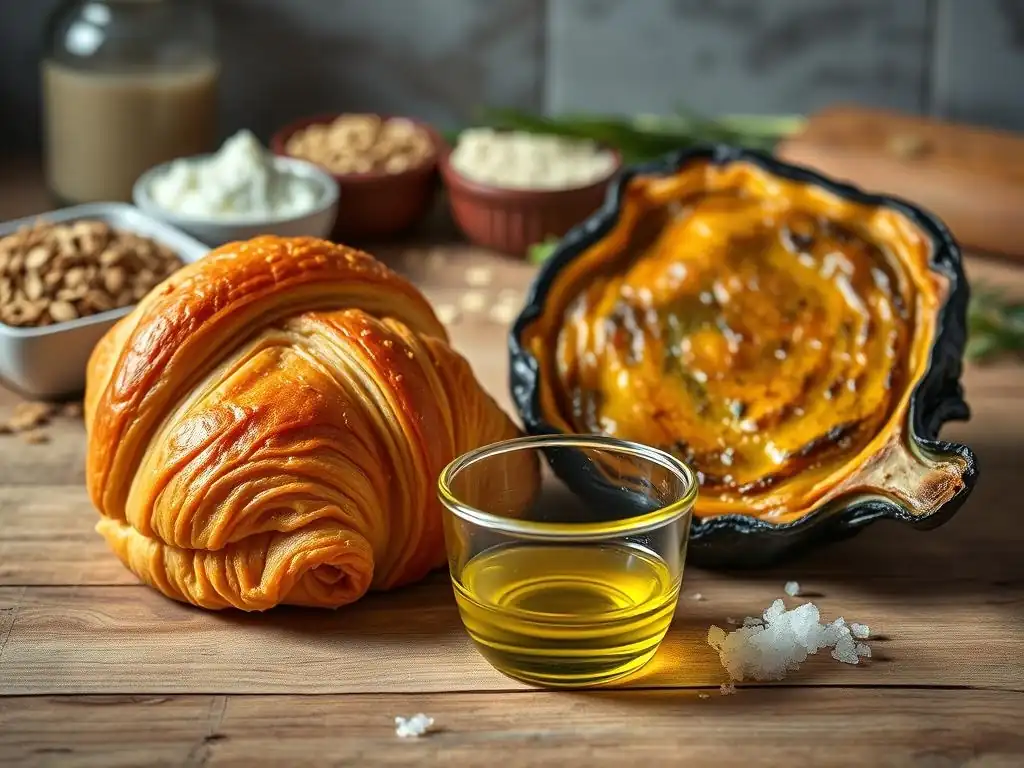
Welcome to BakeWithEase, your trusted companion in the delightful world of baking! Ever wondered if vegan butter truly holds up against oil in your favorite recipes? Uncover the secrets in our in-depth Vegan Butter vs. Oil Comparison, where we break down the pros and cons of each substitute, ensuring your next creation is a resounding success. Ready to bake with confidence? Let's get started!
- Introduction: Navigating Vegan Baking Substitutions
- Vegan Butter: A Closer Look
- Oil in Vegan Baking: A Versatile Alternative
- Vegan Butter Oil Comparison: Side-by-Side Analysis
- Choosing the Right Substitute: Recipe-Specific Recommendations
- Expert Tips for Baking with Vegan Butter and Oil
- Conclusion: Mastering Vegan Baking with Confidence
-
Frequently Asked Questions
- What are the main differences between using vegan butter and oil in baking?
- How does vegan butter affect the texture of baked goods compared to oil?
- Can I substitute vegan butter and oil interchangeably in any recipe?
- What types of vegan butter and oils are best suited for baking?
- How does the choice between vegan butter and oil impact the overall flavor profile of my baked goods?
- Final Reflection: Choosing the Right Fat for a Flavorful Future
- Unlock the Secrets of Vegan Baking!
Baking Vegan: Understanding the Role of Fat
Fat plays a crucial and multifaceted role in traditional baking, contributing significantly to texture, flavor, moisture, and leavening. In recipes like flaky pie crusts or tender scones, solid fats like butter help create layers by trapping steam, resulting in that desirable airy texture. For cakes and muffins, fat coats flour particles, preventing excessive gluten development, which leads to a soft and tender crumb. It also carries flavors and helps extend shelf life by retaining moisture.
When transitioning to vegan baking, finding suitable substitutes for dairy butter becomes essential. These substitutes must perform similar functions to achieve comparable results. Understanding how different fats interact with other ingredients is key to successful vegan baking. For instance, a recipe relying heavily on the creaming method (beating fat and sugar together) will require a solid or semi-solid fat, while one that simply mixes wet and dry ingredients might be more forgiving with a liquid fat like oil. The choice of substitute directly impacts the final product's structure, moisture level, and overall eating experience.
Vegan Butter and Oil: Two Key Players in Vegan Baking
Vegan butter and various types of oil are the two most common and versatile fat substitutes in the vegan baker's pantry. Each offers distinct properties and yields different results in baked goods. Vegan butter, often formulated to mimic dairy butter's consistency, is excellent for recipes where a solid or semi-solid fat is needed for structure or flakiness, such as cookies, pie crusts, or frostings. It allows for techniques like creaming and cutting into flour.
Oil, on the other hand, is a liquid fat that excels at adding moisture and tenderness. It's frequently used in cakes, muffins, and quick breads where a soft, moist crumb is desired. The type of oil chosen can also influence the flavor profile of the final product, from the richness of coconut oil to the neutrality of vegetable oil. A successful vegan butter oil comparison reveals that neither is inherently 'better' but rather suited to different applications, making both indispensable tools for mastering vegan baked goods.
Vegan Butter: A Closer Look
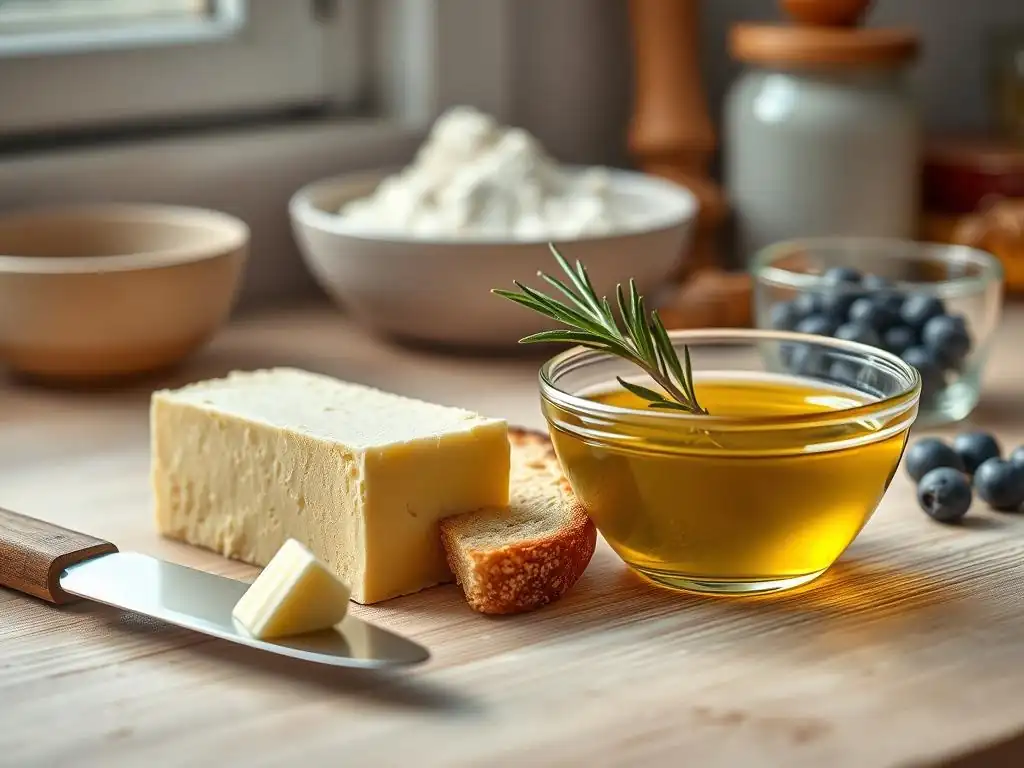
What is Vegan Butter Made Of? (Palm Oil, Shea Butter, Coconut Oil, Sunflower Oil)
Vegan butter is typically a blend of plant-based oils and fats designed to solidify at room temperature and behave similarly to dairy butter. Common ingredients include a mix of palm oil, shea butter, coconut oil, and sunflower oil, often combined with water, salt, and emulsifiers like lecithin to create a stable, spreadable texture. The specific blend varies significantly between brands, influencing the melting point, flavor, and performance in baking. For example, a brand relying heavily on coconut oil might be firmer and have a slight coconut flavor, while one using more sunflower oil might be softer.
Many manufacturers are now exploring alternatives to palm oil due to sustainability concerns, incorporating ingredients like shea butter, cocoa butter, or even avocado oil into their formulations. Some brands also include starches or plant-based milks to improve texture and mouthfeel. It's important for bakers to check the ingredient list of their chosen vegan butter, as the dominant fat will dictate how it performs in specific recipes, particularly in terms of how it creams with sugar or melts.
The Benefits of Using Vegan Butter in Baking
Mimicking Traditional Butter's Texture and Flavor
One of the primary advantages of using vegan butter is its ability to closely replicate the texture and flavor profile of traditional dairy butter in many applications. Its semi-solid state at room temperature allows it to be creamed with sugar, a crucial step in many cookie and cake recipes that incorporates air for leavening and creates a tender texture. When chilled and cut into flour, as in pie crusts or biscuits, vegan butter creates pockets of fat that melt during baking, resulting in desirable flakiness.
Furthermore, many vegan butter formulations are designed to have a rich, slightly nutty flavor similar to dairy butter. This makes it an excellent substitute in recipes where butter is a prominent flavor component, such as shortbread, butter cookies, or simple vanilla cakes. While flavors can vary by brand, the better quality vegan butters offer a richness and depth that liquid oils simply cannot provide, making them ideal for achieving that classic buttery taste and texture.
Vegan Butter for Cake Baking: Adding Richness and Moisture
In cake baking, vegan butter excels at providing both richness and structure, especially in recipes that rely on the creaming method. When creamed with sugar, it incorporates air, which helps the cake rise and contributes to a finer crumb structure. The solid fat also helps distribute other ingredients evenly and contributes to a moist texture without making the cake overly dense.
For instance, a classic vanilla or pound cake recipe often calls for creaming butter and sugar until light and fluffy. Using a good quality vegan butter allows bakers to follow this method, resulting in a cake with a tender, velvety crumb and a rich flavor. While oil can provide moisture, it doesn't offer the same structural support or contribute to leavening through aeration in the same way that creamed vegan butter does, making vegan butter often the preferred choice for achieving a traditional cake texture.
Vegan Butter for Cookie Baking: Achieving the Perfect Spread
Vegan butter is arguably the best substitute for achieving the desired texture and spread in many cookie recipes, particularly those like classic chocolate chip cookies or sugar cookies. The solid fat melts more slowly than liquid oil during baking, which controls the cookie's spread. This allows the edges to set while the center remains slightly soft, resulting in that perfect balance of crispness and chewiness.
Consider a batch of vegan sugar cookies designed for rolling and cutting. Using vegan butter chilled and then potentially softened slightly is essential for creating a dough that is pliable enough to roll but firm enough to hold its shape. As the cookies bake, the vegan butter melts gradually, allowing them to spread just enough to flatten slightly without becoming thin and brittle. This controlled spread is difficult to achieve with liquid oil, which tends to cause cookies to spread out too much and become uniformly thin.
Potential Drawbacks of Vegan Butter
Varying Qualities and Flavors Across Brands
One significant challenge when using vegan butter is the wide variation in quality, composition, and flavor profiles across different brands. Unlike dairy butter, which has a relatively standard composition (around 80% fat, 18% water, 2% milk solids), vegan butters can contain vastly different ratios of oils, emulsifiers, and water. This means that substituting one brand for another in a recipe might yield unpredictable results in terms of texture, spread, and even baking time.
For example, a vegan butter with a higher melting point might require more creaming time or result in a denser cake, while one with a lower melting point might cause cookies to spread excessively. Some brands also have noticeable off-flavors from their oil blend or added flavorings. Bakers often need to experiment with several brands to find one that performs consistently well in their preferred recipes and has a flavor they enjoy, adding a layer of complexity compared to using traditional butter.
Higher Cost Compared to Oil
Generally, vegan butter tends to be significantly more expensive per pound or stick than common baking oils like vegetable or canola oil. This cost difference can add up, especially for bakers who produce large quantities of baked goods. While prices vary depending on the brand, location, and specific ingredients used (e.g., organic or specialty oil blends), a typical stick of vegan butter can cost anywhere from $3 to $6, whereas a similar amount of vegetable oil is often much less.
This higher price point can be a barrier for some, making oil a more budget-friendly option for everyday baking. While the premium price of vegan butter is often justified by the complex manufacturing process required to emulsify and solidify plant oils into a butter-like consistency, it remains a practical consideration for many home bakers deciding between a vegan butter oil comparison for their next recipe.
Oil in Vegan Baking: A Versatile Alternative
Different Types of Oil for Baking: A Comprehensive Overview
Coconut Oil: Adds Flavor and Moisture
Coconut oil is a popular choice in vegan baking due to its unique properties. It is solid at room temperature but melts readily when heated, behaving somewhat like a solid fat in certain applications while providing the moisture benefits of a liquid oil once melted. Refined coconut oil has a neutral flavor, making it versatile, while unrefined (virgin) coconut oil imparts a distinct coconut aroma and taste, which can be delightful in tropical-inspired bakes like piña colada muffins or coconut-lime cakes.
When used in recipes like muffins or quick breads, melted coconut oil contributes to a very tender and moist crumb. It can sometimes be creamed with sugar if it's softened, but it behaves differently than butter or vegan butter. Its saturated fat content gives it structure when cool, which can be useful in no-bake recipes or certain types of cookies.
Olive Oil: A Savory Option for Certain Bakes
While often associated with savory cooking, olive oil can be a fantastic ingredient in certain vegan baked goods, particularly those with a more rustic or savory profile. Extra virgin olive oil has a robust, sometimes peppery flavor that pairs wonderfully with citrus (like lemon or orange olive oil cakes), herbs, or even chocolate. Lighter olive oils have a milder flavor and can be used in a wider range of recipes without overpowering other ingredients.
Using olive oil adds significant moisture and richness. It's commonly found in Mediterranean-style cakes or rustic loaves. For example, a vegan olive oil cake is known for its incredibly moist and tender crumb and subtle, sophisticated flavor profile that is distinctly different from a butter-based cake. While not suitable for every recipe, it offers a unique flavor dimension that other oils or vegan butter cannot replicate.
Vegetable Oil: A Neutral Choice for Versatility
Vegetable oil, which often refers to a blend of oils like soybean, corn, or sunflower oil, is perhaps the most common and neutral liquid fat used in baking. Its neutral flavor makes it incredibly versatile, as it doesn't compete with or alter the primary flavors of the baked good. It remains liquid at room temperature, which means it's typically whisked or stirred into batter rather than creamed.
This type of oil is a workhorse in many simple vegan cake, muffin, and quick bread recipes. It's exceptionally good at preventing dryness and ensuring a consistently moist and tender crumb. Because it's liquid, it coats flour particles very effectively, inhibiting gluten development and resulting in a soft texture. It's also generally the most cost-effective option among baking fats, making it a pantry staple for many bakers.
Avocado Oil: Healthy Fats and Mild Flavor
Avocado oil is gaining popularity in baking due to its high smoke point and beneficial monounsaturated fats. It has a very mild, almost buttery flavor profile that is less pronounced than olive oil but richer than vegetable oil. This makes it a good choice for recipes where you want to add healthy fats without introducing a strong flavor.
Similar to other liquid oils, avocado oil contributes significantly to moisture and tenderness in baked goods. It can be used as a direct substitute for vegetable or canola oil in most cake, muffin, or quick bread recipes. Its slightly richer mouthfeel can enhance the perception of richness, making it a good alternative in health-conscious baking without compromising too much on texture.
The Advantages of Using Oil in Baking
Cost-Effective and Readily Available
One of the most compelling advantages of using oil in vegan baking is its affordability and widespread availability. Common baking oils like vegetable, canola, or sunflower oil are typically much less expensive per volume than vegan butter. A large bottle of vegetable oil might cost around $5-8 and last for many baking sessions, whereas the same amount of fat in the form of vegan butter sticks could cost $15 or more.
Furthermore, various types of baking oil are readily available in virtually any grocery store worldwide. This accessibility makes oil a convenient and budget-friendly choice for everyday baking needs. For bakers looking to minimize expenses or who need a reliable, easy-to-find fat source, oil often wins the vegan butter oil comparison on cost and convenience.
Enhances Moisture and Creates a Tender Crumb
Liquid oils are exceptionally effective at adding moisture to baked goods and creating a very tender crumb. Because oil remains liquid at room temperature, it coats flour particles more completely than solid fats, which inhibits gluten development. Less gluten development results in a softer, more delicate texture.
This property makes oil an ideal choice for recipes where moisture is paramount, such as dense chocolate cakes, moist muffins, or quick breads like banana bread. Cakes made with oil often have a longer shelf life and retain their moisture better over time compared to those made with solid fats alone. For instance, an oil-based vegan chocolate cake recipe is almost guaranteed to yield a rich, fudgy, and incredibly moist result.
Oil for Bread Baking: Achieving a Soft Texture
While butter is sometimes used in enriched bread doughs, oil is frequently incorporated into vegan bread recipes, particularly for loaves where a soft, tender crumb is desired rather than a chewy, rustic texture. Adding a few tablespoons of oil to bread dough helps to tenderize it by interfering with gluten formation and lubrication.
In recipes for sandwich bread, dinner rolls, or soft buns, oil contributes to a softer texture that stays fresh longer. For example, a recipe for soft vegan dinner rolls might call for 1/4 cup (approximately 60ml) of vegetable or olive oil per loaf, resulting in a crumb that is less dense and more pliable than one made without added fat. This makes oil a valuable ingredient for achieving certain bread textures in vegan baking.
Potential Drawbacks of Using Oil
Can Impact the Texture Differently Than Butter
While oil excels at adding moisture, it cannot replicate the textural contributions of solid fats like vegan butter in all recipes. Oil does not cream with sugar in the same way, meaning it cannot incorporate air for leavening or contribute to the light, airy texture achieved by creaming butter. This limits its use in recipes heavily reliant on this technique, such as classic butter cookies or pound cakes.
Furthermore, oil does not solidify when chilled or at room temperature in the same way as vegan butter. This makes it unsuitable for recipes where the fat needs to be cut into flour to create layers (like pie crusts or biscuits) or for making stable frostings like buttercream, which require a solid fat for structure. The texture of a cookie made with oil versus vegan butter will also differ significantly – oil-based cookies tend to spread more and be uniformly chewy or crisp, lacking the distinct textural zones of a butter-based cookie.
May Not Provide the Same Richness or Flavor
Liquid oils, particularly neutral ones like vegetable or canola oil, do not offer the same rich, complex flavor profile that vegan butter often provides. Vegan butters are formulated to mimic the taste of dairy butter, offering a depth and "buttery" note that is simply absent in most oils. While flavored oils like olive or coconut oil add their own distinct tastes, they don't replicate the classic butter flavor.
In recipes where butter is a primary flavor component, such as shortbread, simple cakes, or frostings, substituting oil will result in a product that lacks that characteristic richness. The flavor might be fine, but it won't have that familiar "buttery" depth. This is a key consideration in the vegan butter oil comparison, as flavor is often as important as texture in the final enjoyment of a baked good.
Vegan Butter Oil Comparison: Side-by-Side Analysis
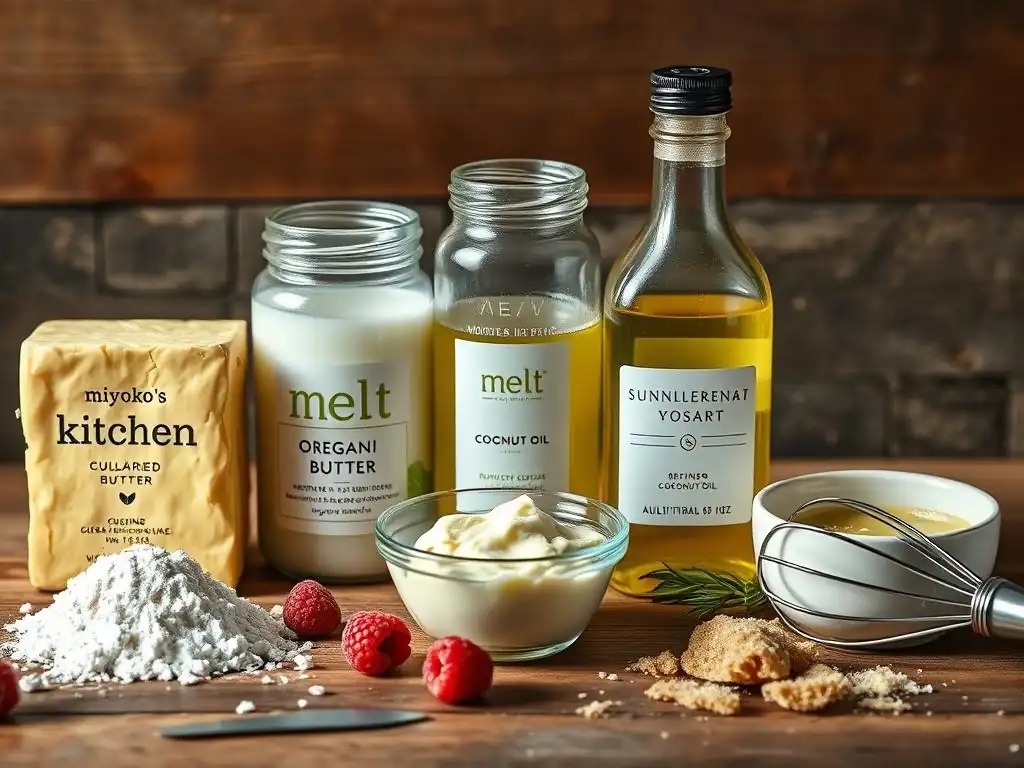
Texture and Mouthfeel: Vegan Butter vs. Oil
When comparing vegan butter and oil side-by-side in baking, the most significant difference lies in texture and mouthfeel. Vegan butter, being a solid or semi-solid fat, contributes structure and flakiness. When creamed, it incorporates air, leading to lighter, more tender cakes and cookies with a distinct rise. In pastries, its ability to be cut into flour creates layers, resulting in a flaky texture. Baked goods made with vegan butter often have a richer, more luxurious mouthfeel due to the way the solid fat melts in the mouth.
Oil, as a liquid fat, excels at adding moisture and creating a soft, tender crumb. It coats flour particles effectively, minimizing gluten development and resulting in very moist cakes, muffins, and quick breads. However, it doesn't contribute structure or flakiness in the same way as solid fat. Baked goods made with oil tend to be denser than creamed butter-based ones, though exceptionally moist. The mouthfeel is often perceived as moist and tender rather than rich and flaky.
Flavor Profiles: Exploring the Differences
The flavor contribution of vegan butter and oil is another critical point in the vegan butter oil comparison. Many vegan butters are specifically formulated to mimic the rich, slightly nutty, and creamy flavor of dairy butter. While the intensity and quality of this flavor vary by brand, a good vegan butter can impart that familiar "buttery" taste to baked goods, making it ideal for recipes where butter flavor is key, like shortbread or simple vanilla cakes.
Liquid oils, on the other hand, range from completely neutral (like vegetable or canola oil) to distinctly flavored (like coconut or olive oil). Neutral oils contribute little to no flavor, allowing the other ingredients to shine. Flavored oils add their specific notes, which can be desirable in certain recipes (e.g., coconut flavor in tropical bakes, olive oil's fruitiness in rustic cakes). However, they do not replicate the classic buttery taste. Choosing between vegan butter and oil based on flavor depends entirely on the desired outcome for the specific recipe.
Baking Performance: Which Performs Better in Different Recipes?
The performance of vegan butter versus oil varies significantly depending on the type of baked good. Understanding these differences is crucial for successful vegan baking conversions and choosing the right substitute. A detailed vegan butter oil comparison highlights that each fat has its strengths and weaknesses across different categories of recipes.
| Baked Good Type | Best Fit (Generally) | Performance Notes |
|---|---|---|
| Cakes & Cupcakes | Oil or Vegan Butter | Oil provides maximum moisture and tenderness; Vegan butter (creamed) provides richness, structure, and a finer crumb. |
| Cookies & Brownies | Vegan Butter | Vegan butter controls spread, provides structure, and contributes to classic chewy/crisp textures. Oil can lead to excessive spread or uniform chewiness. |
| Breads & Muffins | Oil | Oil adds significant moisture and tenderness, resulting in a soft crumb. Vegan butter can also be used in enriched doughs but oil is more common for simple loaves. |
| Pie Crusts/Pastries | Vegan Butter | Solid vegan butter is essential for cutting into flour to create flaky layers. Oil cannot achieve this texture. |
| Frostings | Vegan Butter | Solid vegan butter is required to create a stable, scoopable frosting like buttercream. Oil is unsuitable. |
Cakes and Cupcakes: Vegan Butter vs. Oil
For cakes and cupcakes, both vegan butter and oil can yield excellent results, but they lead to slightly different outcomes. Oil-based cakes are renowned for their exceptional moisture and tender crumb. Recipes using oil often involve a simple whisking method, making them quick and easy. They tend to stay moist for longer. For example, many simple vegan chocolate or carrot cake recipes use oil for its ability to create a dense, fudgy, and incredibly moist texture.
Cakes made with vegan butter, particularly those using the creaming method (beating softened vegan butter with sugar), tend to have a slightly lighter, more structured crumb due to the air incorporated during creaming. They offer a richer flavor and can achieve that classic fine-crumbed texture often associated with traditional butter cakes. While potentially slightly less moist than oil-based cakes, they offer a distinct richness and structure. The choice here often depends on whether maximum moisture (oil) or a classic, richer crumb (vegan butter) is the priority.
Cookies and Brownies: Vegan Butter vs. Oil
In cookie and brownie baking, vegan butter is typically the preferred choice for achieving classic textures. For cookies like sugar cookies or chocolate chip cookies, the solid state of vegan butter is crucial for controlling spread during baking. As it melts gradually, it allows the edges to set before the center collapses, resulting in that desirable combination of crisp edges and chewy centers. Creaming vegan butter and sugar also adds air, contributing to a lighter texture in some cookie types.
Oil-based cookies tend to spread more significantly and can result in a uniformly thin or chewy texture, lacking the textural contrast that vegan butter provides. For brownies, while some recipes use oil for fudginess and moisture, vegan butter can contribute to chewier edges and a richer flavor. A vegan butter oil comparison for cookies heavily favors vegan butter for achieving traditional results, while for brownies, both can work depending on the desired outcome (fudgy with oil, richer and chewier with vegan butter).
Breads and Muffins: Vegan Butter vs. Oil
When it comes to breads and muffins, oil is frequently the go-to vegan fat substitute due to its ability to enhance moisture and tenderness. In quick breads and muffins, a few tablespoons of oil per batch are highly effective at creating a soft, moist crumb that doesn't dry out quickly. Oil is simply whisked into the wet ingredients, making it easy to incorporate.
For yeast breads, oil can be added to the dough to tenderize the crumb, resulting in softer sandwich loaves or rolls compared to lean doughs made without fat. While vegan butter can be used in enriched vegan bread doughs (like brioche or challah), oil is often preferred for its ease of use and consistent tenderizing effect in simpler bread recipes. Muffins made with oil are almost always reliably moist and tender, which is a key characteristic of a good muffin.
Choosing the Right Substitute: Recipe-Specific Recommendations
Based on the vegan butter oil comparison, vegan butter is the superior choice for recipes where the fat's solid state, creaming ability, or buttery flavor are essential for the final texture and taste. Use vegan butter when you need to:
- Cream fat and sugar: For cakes, cookies, or cupcakes that rely on this method for structure and leavening.
- Cut fat into flour: For flaky pastries like pie crusts, biscuits, or scones.
- Make stable frostings: Vegan buttercream requires a solid, scoopable fat.
- Control spread in cookies: Especially for recipes like sugar cookies, shortbread, or cutout cookies where shape retention is important.
- Achieve a rich, buttery flavor: In recipes where butter is a prominent flavor component.
Examples of recipes where vegan butter is highly recommended include classic vegan sugar cookies (for shape and texture), vegan buttercream frosting (for stability), vegan pie crusts (for flakiness), and vegan shortbread (for rich flavor and crumbly texture).
When to Use Oil: (Chocolate Cake, Banana Bread)
Oil is the ideal vegan fat substitute for recipes where maximum moisture and tenderness are desired and where the fat doesn't need to be solid or creamed. Use oil when you want to:
- Maximize moisture: For very moist cakes, muffins, or quick breads.
- Create a tender crumb: By effectively coating flour particles and limiting gluten development.
- Use a simple mixing method: Oil is easily whisked into wet ingredients.
- Achieve a soft texture in breads: For sandwich loaves or rolls.
- Use a cost-effective fat: For everyday baking.
- Introduce specific flavors: Using coconut or olive oil.
Examples of recipes where oil is an excellent choice include moist vegan chocolate cake (for fudginess), vegan banana bread (for tenderness), vegan muffins (for a soft crumb), and simple vegan quick breads.
Considerations for Vegan Baking Conversions: Adjusting Recipes
Converting traditional recipes to vegan versions, especially when substituting fat, often requires more than a simple 1:1 replacement. A vegan butter oil comparison highlights that these fats behave differently. If a recipe calls for melted butter and you use oil, it's usually a straightforward substitution (often 1:1 by volume). However, if a recipe calls for solid or softened butter that is creamed or cut in, using oil will drastically change the outcome.
- Volume vs. Weight: When substituting, it's often more accurate to substitute by weight, especially for solid fats. 1 cup of butter is approximately 227g. Check packaging for vegan butter weight equivalents.
- Moisture Content: Vegan butter typically contains some water (like dairy butter), while oil is 100% fat. Substituting oil for vegan butter might require a slight adjustment in the liquid components of the recipe to compensate, though this is often negligible in many recipes.
- Recipe Type: Assess the recipe's reliance on the fat's physical state and function (creaming, flakiness). If it relies on solid fat properties, vegan butter is likely necessary. If it's a simple mix-and-bake for moisture, oil is probably suitable.
For example, converting a classic butter cookie recipe (creamed butter) to use oil would fail. However, converting a simple oil-based muffin recipe to use melted vegan butter might work, but might result in a slightly less moist muffin. Experimentation and understanding the role of fat are key to successful conversions.
Expert Tips for Baking with Vegan Butter and Oil
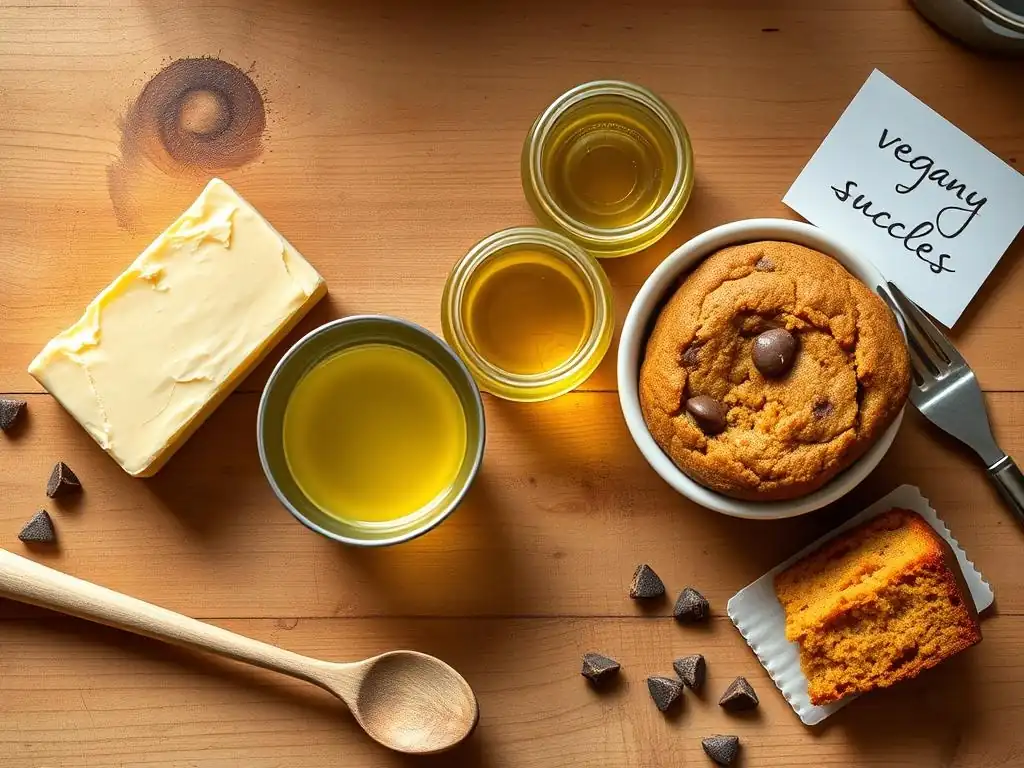
Measuring and Incorporating Vegan Butter Correctly
Accurate measurement is crucial when using vegan butter, just as it is with dairy butter. Most vegan butters come in sticks marked with tablespoon measurements, similar to traditional butter. When a recipe calls for "softened" vegan butter for creaming, ensure it's at the right temperature – it should be pliable enough to indent easily but not melted or greasy. Cold vegan butter won't cream properly, and overly soft or melted vegan butter will result in a dense texture.
For recipes requiring "cold" vegan butter (like pie crusts), keep it well-chilled until you are ready to cut it into the flour. Using a pastry blender or your fingertips (working quickly to avoid melting) helps create pea-sized pieces necessary for flakiness. When melting vegan butter, do so gently over low heat or in a microwave in short bursts to prevent scorching or separating.
Preventing Greasiness When Using Oil
While oil is excellent for moisture, using too much can result in a greasy texture in baked goods. Stick strictly to the amount specified in the recipe. If you are converting a recipe that uses a solid fat and are attempting to substitute oil (which is generally ill-advised for recipes requiring creaming or cutting in), be aware that the texture will change, and the result might be heavier or greasier than the original.
When incorporating oil, whisk it thoroughly into the wet ingredients before combining with the dry. This helps ensure even distribution. If a recipe uses a significant amount of oil, allowing the baked good to cool completely before slicing or serving can help the texture set and reduce the perception of greasiness. For recipes specifically developed for oil, the ratios of wet to dry ingredients are balanced to accommodate the liquid fat, minimizing greasiness.
Adjusting Baking Times and Temperatures
Substituting fats can sometimes necessitate slight adjustments to baking times and temperatures, although this is more often the case when substituting between solid and liquid fats in recipes not designed for the substitute. For example, cookies made with oil might spread faster and require a slightly shorter baking time or a slightly higher temperature to set properly compared to those made with vegan butter.
Conversely, a dense cake made with oil might take slightly longer to bake through than a lighter cake made with creamed vegan butter. Always start checking for doneness at the minimum time specified in the recipe. Look for visual cues like golden-brown edges, a toothpick inserted coming out clean, or the top springing back when gently pressed. Trust your oven and the visual/physical indicators of doneness over strict adherence to time when making substitutions.
Conclusion: Mastering Vegan Baking with Confidence
Embrace Experimentation with Vegan Butter and Oil
Mastering vegan baking, much like any culinary skill, involves understanding your ingredients and how they behave. The vegan butter oil comparison reveals that these two primary fat substitutes are not interchangeable in all recipes but rather possess unique strengths suited to different applications. Don't be afraid to experiment! Try baking the same muffin recipe using oil and then using melted vegan butter to observe the textural differences. Bake a batch of cookies with your favorite vegan butter and compare them to a batch made with a different brand.
Keep notes on which substitutes work best in which types of recipes and which brands you prefer. Vegan baking is a journey of discovery, and becoming comfortable with the nuances of vegan butter and various oils will significantly expand your repertoire and improve your results.
Find the Best Vegan Baking Substitute for Your Needs
Ultimately, the "best" vegan baking substitute depends on the specific recipe you are making and your desired outcome. For flaky pastries, structured cookies, or rich frostings, vegan butter is typically the clear winner. For moist cakes, tender muffins, or quick breads where ease and moisture are key, oil is often the preferred choice. Consider the role the fat plays in the traditional recipe – is it for structure, flavor, moisture, or leavening? – and choose the vegan substitute that best fulfills that function.
By understanding the properties of vegan butter and oil, performing your own vegan butter oil comparison in your kitchen, and selecting the appropriate fat for each recipe, you can confidently create delicious vegan baked goods that rival their traditional counterparts. Happy baking!
Frequently Asked Questions
What are the main differences between using vegan butter and oil in baking?
Vegan butter aims to mimic dairy butter, offering a similar richness and texture. Oil, on the other hand, provides moisture and can impact the final crumb structure of the baked good. The specific recipe will dictate which is more suitable.
How does vegan butter affect the texture of baked goods compared to oil?
Vegan butter typically results in a denser, chewier texture due to its fat content solidifying at room temperature. Oil tends to create a softer, more tender crumb and a moister end product.
Can I substitute vegan butter and oil interchangeably in any recipe?
While possible in some cases, it's not always a direct one-to-one swap. Consider the recipe's purpose and the desired outcome. Some recipes rely on the solid fat content of vegan butter for structure.
What types of vegan butter and oils are best suited for baking?
For vegan butter, look for varieties specifically designed for baking, with a high fat content. For oils, neutral-flavored options like canola, vegetable, or light olive oil are generally preferred to avoid overpowering the flavor.
How does the choice between vegan butter and oil impact the overall flavor profile of my baked goods?
Vegan butter can impart a slightly buttery flavor, depending on the brand. Oil, especially neutral-flavored ones, generally has a minimal impact on flavor, allowing other ingredients to shine through.
Final Reflection: Choosing the Right Fat for a Flavorful Future
The choice between vegan butter and oil isn't just about swapping ingredients; it's about understanding the nuanced impact of fat on flavor, texture, and overall culinary success. This seemingly simple decision, as explored throughout this article, reveals a surprisingly complex world of culinary possibilities, impacting everything from the delicate crumb of a cake to the richness of a savory sauce. The right choice significantly elevates the final product, proving that even seemingly small substitutions can have a profound effect.
The ongoing exploration of vegan alternatives reflects a growing awareness of ethical and environmental concerns within the food industry. This shift towards plant-based cooking isn't just a trend; it's a fundamental change in how we approach food production and consumption. The careful consideration of ingredients, as highlighted in our comparison of vegan butter and oil, underscores this evolving consciousness. The future of food is plant-based,
a statement often heard, is not merely a prediction, but a reflection of our collective responsibility to create a more sustainable and compassionate food system.
Consider the impact of your next cooking decision. Will you opt for the creamy richness of vegan butter, or the lighter touch of oil? This article serves as a guide, but the ultimate choice rests with you. By understanding the unique properties of each fat, you can consciously select the ingredient that best complements your recipe, enhancing both its taste and your culinary journey. Embrace the power of informed choices, and discover the delicious possibilities that await in the world of plant-based cooking.
Unlock the Secrets of Vegan Baking!
Thanks for exploring the world of vegan baking with us! You've now armed yourself with the knowledge to choose the perfect vegan butter or oil for your next culinary creation. Ready to put your newfound expertise to the test?
- Bake your best vegan treat yet! Experiment with a recipe using your chosen vegan fat and share your results with us in the comments below. We can't wait to see what you create!
- Share your baking journey with fellow vegan bakers on social media – use #BakeWithEaseVegan to connect with our community.
- Consider the texture: Now that you know the differences between vegan butter and oil, think about how you can experiment with these to achieve different textures in your baking. What will you try next?
What exciting vegan recipe are you going to tackle first?