
Lactic Acid Bacteria vs. Yeast: How Each Shapes Sourdough Rise

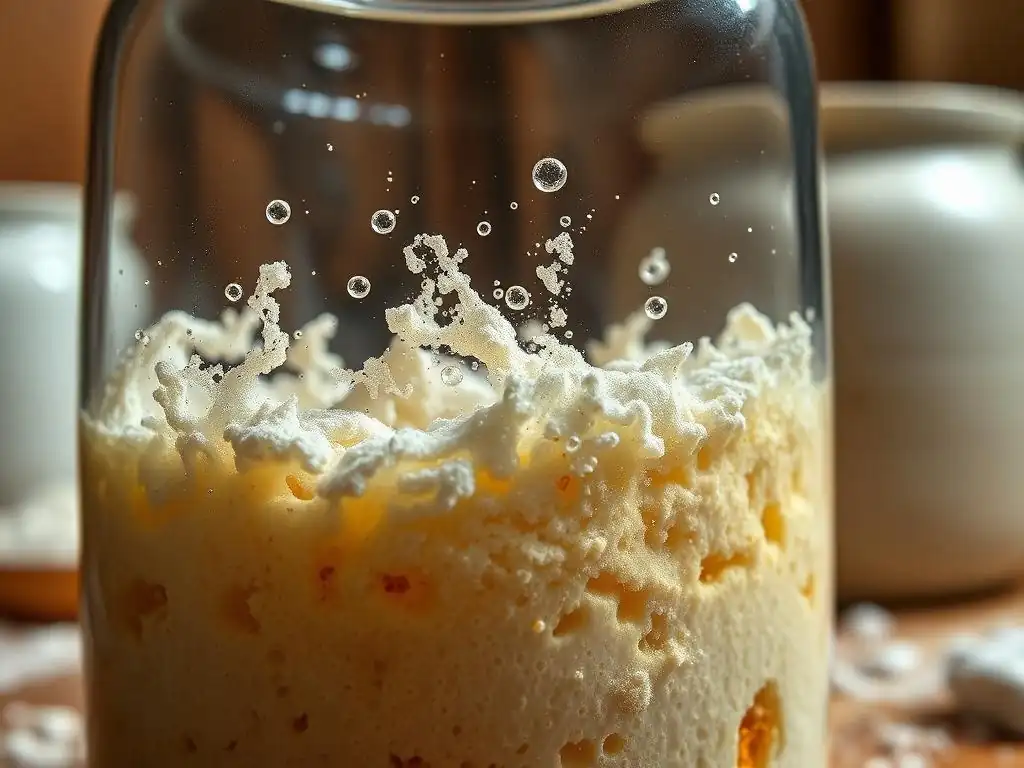
Welcome to BakeWithEase, where we unlock the secrets to baking brilliance! Ever wondered what really makes sourdough so special? Dive into the fascinating world of your sourdough starter fermentation process and discover how the delicate dance between lactic acid bacteria and wild yeast shapes that perfect rise. Ready to unravel the mysteries behind the bubbles? Let's get baking!
- Understanding Sourdough Starter Fermentation: The Key to Flavor Development and Rise
- The Dynamic Duo: Lactic Acid Bacteria (LAB) and Yeast in Sourdough
- The Sourdough Starter Fermentation Process: A Closer Look
- Lactic Acid Bacteria vs. Yeast: A Detailed Comparison of Their Impact on Sourdough
- Optimizing Sourdough Starter Activity: Balancing LAB and Yeast
- Troubleshooting Sourdough: Identifying Issues Related to LAB and Yeast Imbalance
- Enhancing Your Sourdough Baking: Mastering the LAB and Yeast Relationship
- Conclusion: The Symbiotic Relationship at the Heart of Sourdough
-
Frequently Asked Questions
- What is the role of lactic acid bacteria in sourdough starter fermentation?
- How does yeast contribute to the rise of sourdough bread?
- What is the difference between using commercial yeast and sourdough starter?
- How does the fermentation process impact the nutritional value of sourdough?
- What factors can affect the fermentation process of a sourdough starter?
- Final Reflection: The Symbiotic Dance of Sourdough
- Unleash Your Inner Sourdough Master!
Understanding Sourdough Starter Fermentation: The Key to Flavor Development and Rise
Creating a vibrant sourdough starter is like cultivating a miniature ecosystem right in your kitchen. This living culture, a simple mixture of flour and water, undergoes a fascinating transformation driven by microscopic organisms. Understanding the sourdough starter fermentation process is fundamental to successful sourdough baking. This process isn't just about making your bread rise; it's where the magic happens, developing those complex flavors and unique textures that define true sourdough. It's a journey of balancing biological activity, where the right conditions lead to a thriving starter ready to leaven your loaves.
The activity within your starter is a continuous cycle of feeding and fermentation. When you feed your starter, you're providing fresh fuel (flour) for the microorganisms to consume. As they eat, they produce various byproducts, including carbon dioxide gas (which causes rise) and organic acids (which contribute to flavor and help structure the dough). Monitoring this activity – seeing the bubbles, noting the rise and fall, and even smelling the changing aromas – gives you clues about the health and balance of your starter's microbial population, directly impacting the success of the sourdough starter fermentation process.
The Dynamic Duo: Lactic Acid Bacteria (LAB) and Yeast in Sourdough
At the heart of the sourdough starter fermentation process is a symbiotic relationship between two primary types of microorganisms: Lactic Acid Bacteria (LAB) and wild yeasts. While commercial bread relies almost entirely on cultivated yeast for leavening, sourdough harnesses the power of naturally occurring microbes present in flour and the environment. This diverse community works together, each playing a crucial role in breaking down the flour and producing the compounds necessary for both leavening and flavor development. It's this partnership that makes sourdough unique.
Think of LAB and yeast as co-workers in your starter, each with a specific job. The bacteria are primarily responsible for acid production, while the yeasts are the main gas producers. However, their roles overlap and influence each other significantly. The acids produced by LAB create an environment that is favorable for the wild yeasts found in sourdough starters and also contributes directly to the distinctive tangy taste. Meanwhile, the yeast's activity can also influence the growth of certain LAB strains. This intricate interplay is what makes the sourdough starter fermentation process so complex and rewarding to master.
What are Lactic Acid Bacteria (LAB) in Sourdough Starters?
Lactic Acid Bacteria, often shortened to LAB, are a diverse group of microorganisms found naturally in flour, water, and the environment. In sourdough starters, species from genera like Lactobacillus and Pediococcus are particularly common. These bacteria are anaerobic or facultatively anaerobic, meaning they can thrive with little or no oxygen. Their primary metabolic activity involves fermenting carbohydrates (sugars) in the flour, producing organic acids, mainly lactic acid and acetic acid, as byproducts. It is these acids that give sourdough its characteristic tangy or sour flavor profile and lower the pH of the starter significantly.
The lower pH created by LAB (often dropping from around 5.5 initially to between 3.5 and 4.5 in an active starter) serves several critical functions. Firstly, it inhibits the growth of undesirable mold and bacteria, acting as a natural preservative for the starter itself.
Secondly, the acidic environment helps to break down proteins in the flour, including gluten, which can impact the dough's extensibility and the final crumb structure. Different strains of LAB produce varying ratios of lactic acid (which provides a milder, yogurt-like tang) to acetic acid (which contributes a sharper, vinegary tang), directly influencing the final taste of your bread during the sourdough starter fermentation process.
The Role of Yeast in Sourdough Fermentation
While LAB are the flavor architects, wild yeasts are the primary leavening engineers in a sourdough starter. The most common yeast found in sourdough is Saccharomyces cerevisiae, the same species used in commercial baking, but wild strains adapted to the sourdough environment are also present. These yeasts consume sugars in the flour and produce carbon dioxide gas (CO₂) and ethanol (alcohol) through alcoholic fermentation. The CO₂ gas gets trapped within the gluten network of the dough, causing it to rise. Without sufficient yeast activity, your sourdough bread simply wouldn't achieve its volume and airy texture.
Yeast activity is often the most visible sign of a healthy starter, as their CO₂ production creates the bubbles and causes the starter to double or even triple in volume shortly after feeding. While their main job is leavening, yeasts also contribute secondary flavor compounds, though their impact is generally less pronounced than that of LAB.
The optimal temperature range for yeast activity in sourdough starters is typically between 70°F and 80°F (21°C to 27°C), though they can be active outside this range at slower rates. Maintaining this optimal temperature helps ensure robust yeast activity throughout the sourdough starter fermentation process.
The Sourdough Starter Fermentation Process: A Closer Look
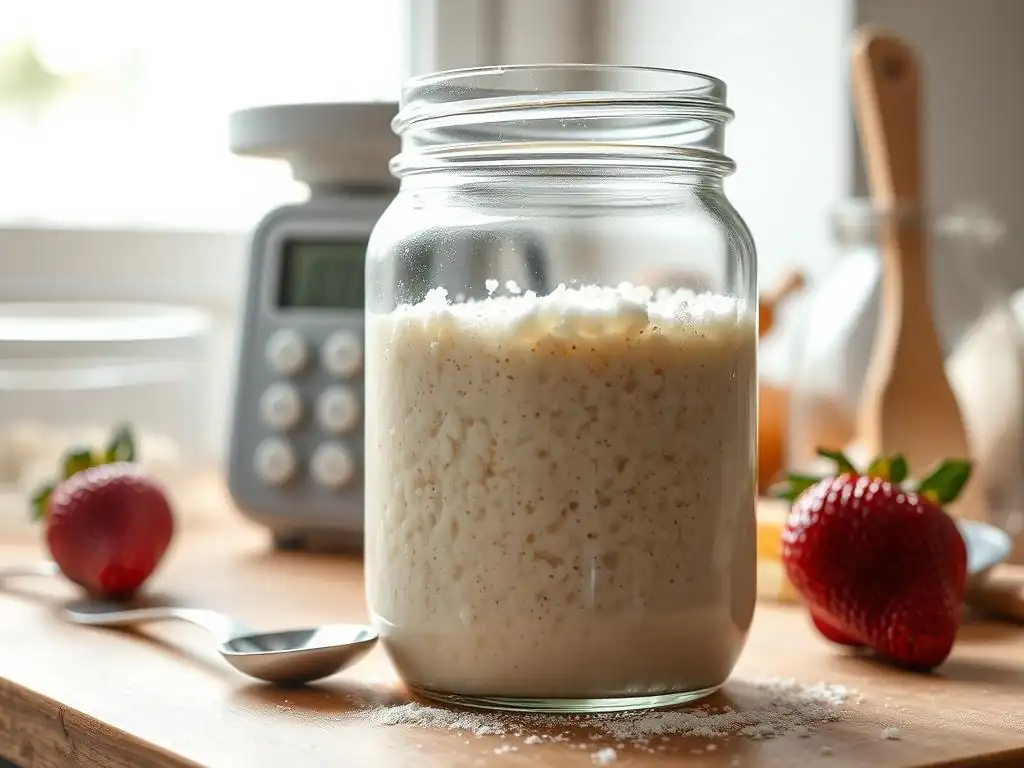
The sourdough starter fermentation process is a continuous cycle of microbial activity. When you feed your starter, you introduce fresh flour and water, providing new food for the existing LAB and yeast populations. Initially, a wide variety of microbes might be present, but over time, the acidic environment created by the growing LAB population favors the survival and proliferation of acid-tolerant LAB and wild yeasts adapted to this specific niche. This ecological selection results in the stable, unique microbial community characteristic of a mature sourdough starter.
As fermentation progresses, the LAB begin consuming sugars and producing acids, causing the pH to drop. Simultaneously, the yeasts consume sugars and produce CO₂ gas and ethanol. The rate and balance of these activities are influenced by factors like temperature, hydration level, and the type of flour used.
For example, warmer temperatures (like 78°F or 26°C) tend to favor yeast activity and lactic acid production, while cooler temperatures (like 65°F or 18°C) might slow yeast but encourage acetic acid production by some LAB strains. Understanding this dynamic interplay is key to managing the sourdough starter fermentation process for desired results.
How LAB Contributes to Sourdough Flavor Profiles
The complex and varied flavors of sourdough bread are largely thanks to the metabolic activities of Lactic Acid Bacteria. As LAB ferment carbohydrates, they produce a range of organic acids, primarily lactic acid and acetic acid. Lactic acid contributes a milder, more rounded tang, often described as milky or yogurt-like.
Acetic acid, on the other hand, provides a sharper, more pungent, vinegary note. The ratio of these two acids significantly impacts the final flavor of the bread. For instance, a starter fermented at cooler temperatures or with less frequent feeding might develop more acetic acid, leading to a more pronounced sourness.
Beyond lactic and acetic acids, LAB also produce other volatile organic compounds, albeit in smaller quantities, which contribute to the overall aroma and flavor complexity of sourdough. These compounds can include diacetyl (buttery notes) and various esters. The specific strains of LAB present in your starter, influenced by the flour you use, your local environment, and how you maintain the starter, will dictate the precise mix of acids and other flavor compounds produced during the sourdough starter fermentation process. This is why different starters can yield sourdoughs with distinct flavor profiles, even when using the same basic recipe.
How Yeast Affects Sourdough Volume and Texture
While LAB contribute significantly to flavor, it is primarily the wild yeasts in your starter that are responsible for the dough's ability to rise. As yeasts ferment sugars in the flour, they release carbon dioxide gas. This gas gets trapped within the elastic network of gluten that develops as you mix and knead the dough. The accumulation of this gas causes the dough to expand, resulting in the characteristic volume and open, airy crumb structure desired in many sourdough breads. Without sufficient yeast activity, your dough would remain dense and flat.
The rate of yeast activity directly influences the speed of the bulk fermentation and proofing stages. A highly active starter, bubbling vigorously and doubling in volume predictably, indicates a healthy yeast population capable of leavening your dough effectively.
The texture of the final crumb – whether it has large, open holes or a more uniform, smaller crumb – is a direct result of how efficiently the yeast produced gas and how well that gas was retained by the gluten structure during the sourdough starter fermentation process and subsequent handling. Managing yeast activity through temperature and feeding is crucial for achieving your desired loaf volume and texture.
Lactic Acid Bacteria vs. Yeast: A Detailed Comparison of Their Impact on Sourdough
Understanding the distinct roles of LAB and yeast, as well as their interactions, is crucial for controlling the sourdough starter fermentation process and achieving predictable results in your baking. While both are essential, they contribute in different primary ways – LAB focusing on flavor and preservation through acid production, and yeast focusing on leavening through gas production. Their relative populations and activity levels, which fluctuate based on environmental conditions and feeding practices, directly determine the characteristics of your starter and, consequently, your final bread.
Consider a scenario where your starter is very active but lacks tang; this might indicate a dominant yeast population with insufficient LAB activity. Conversely, a starter that smells strongly of vinegar but doesn't rise well suggests a thriving LAB population, particularly those producing acetic acid, but a less vigorous yeast population. Learning to read these signs in your starter allows you to make adjustments to encourage one population over the other, fine-tuning the sourdough starter fermentation process to match your baking goals, whether that's a mildly tangy loaf or a distinctly sour one with great volume.
Flavor Development: LAB's Tangy and Complex Influence
Lactic Acid Bacteria are the primary architects of sourdough's distinctive flavor. Their production of lactic acid and acetic acid introduces the characteristic tang that differentiates sourdough from commercially leavened bread. The ratio of these acids, which can vary based on fermentation temperature and time, significantly impacts the flavor profile. For instance, fermentation at temperatures around 70-75°F (21-24°C) often favors lactic acid production, resulting in a milder, creamy sourness.
Conversely, cooler fermentation temperatures, say 60-65°F (15-18°C), can encourage heterofermentative LAB strains that produce both lactic acid and acetic acid, leading to a sharper, more pronounced vinegary tang. The total amount of acid produced also contributes to the intensity of the sourness; a starter allowed to ferment for longer periods between feedings will typically develop higher acidity and thus a more sour flavor. This direct link between LAB activity and flavor is a key aspect of the sourdough starter fermentation process.
Rise and Texture: Yeast's Role in Sourdough Structure and Open Crumb
The rise of your sourdough bread is predominantly the work of the wild yeasts in your starter. As they consume sugars, they produce carbon dioxide gas, which inflates the dough. The strength and elasticity of the gluten network, developed during mixing and folding, are essential for trapping this gas and creating volume. A starter with a robust and active yeast population will typically cause the dough to double in size during bulk fermentation within a predictable timeframe, often 4-8 hours depending on temperature and hydration.
Beyond just volume, yeast activity also influences the texture of the crumb. Vigorous gas production during fermentation and proofing, combined with proper shaping and baking techniques, contributes to the development of an open, airy crumb structure with desirable irregular holes. If yeast activity is sluggish, perhaps due to cold temperatures or an imbalance in the starter, the dough may not rise sufficiently, resulting in a dense crumb. Optimizing yeast activity is paramount for achieving a good rise and the desired crumb texture in the sourdough starter fermentation process.
Metabolic Byproducts: How LAB and Yeast Influence Sourdough's Characteristics
The fermentation process in sourdough is characterized by the production of various metabolic byproducts by LAB and yeast, each contributing to the final bread's characteristics. LAB primarily produce organic acids (lactic and acetic) and to a lesser extent, CO₂ and ethanol. The acids lower the pH, inhibiting spoilage organisms, enhancing dough extensibility by partially breaking down proteins, and, most notably, creating the sour flavor. They also contribute to the bread's shelf life.
Yeast primarily produce CO₂ gas and ethanol. The CO₂ is responsible for leavening. The ethanol evaporates during baking but contributes to the starter's aroma and can slightly influence the growth of certain LAB strains. Both LAB and yeast also produce trace amounts of other volatile organic compounds that contribute to the complex aroma and flavor profile of sourdough. The balance of these byproducts, dictated by the health and activity of your starter's microbial community, is the essence of the sourdough starter fermentation process.
Optimizing Sourdough Starter Activity: Balancing LAB and Yeast
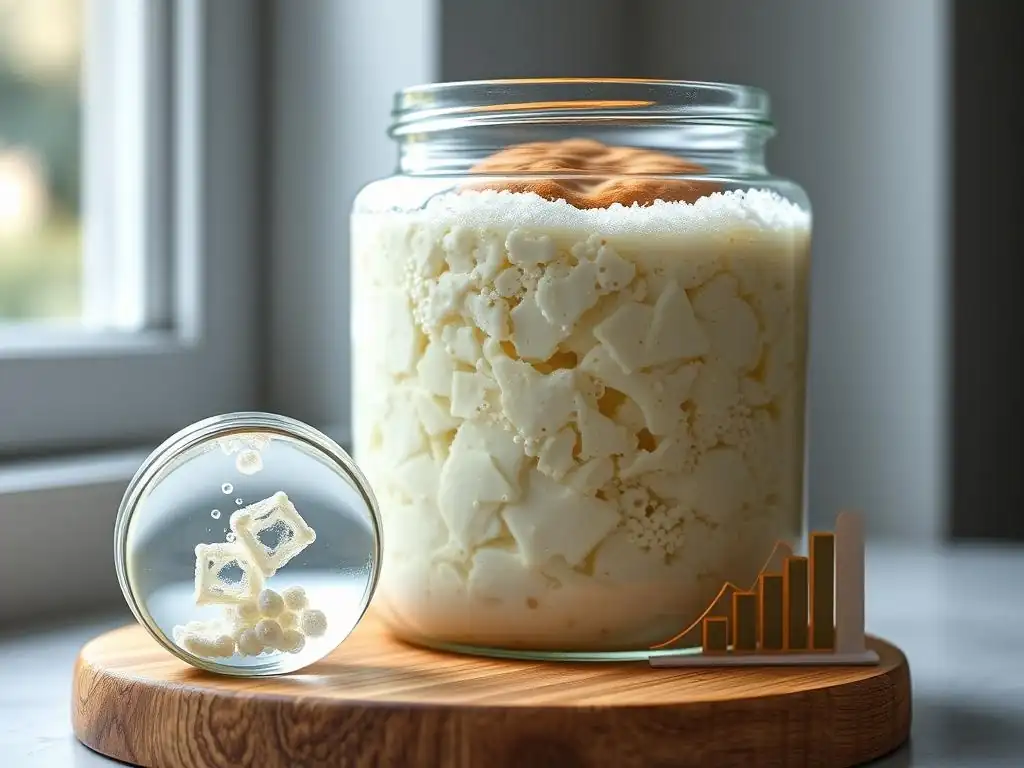
Achieving consistently great sourdough bread relies heavily on maintaining a healthy and balanced starter, which means fostering a harmonious relationship between your LAB and yeast populations. This balance isn't static; it's a dynamic equilibrium influenced by how you care for your starter. Small adjustments in your feeding routine, the temperature at which you store and ferment your starter, and even the type of flour you use can shift the balance, favoring one group of microbes over the other and directly impacting the sourdough starter fermentation process.
Think of it as tending a garden – providing the right nutrients, environment, and care allows the desired plants (your LAB and yeast) to flourish while discouraging weeds (undesirable microbes). A well-maintained starter will show predictable activity: bubbling, rising, and developing a pleasant, tangy aroma within a consistent timeframe after feeding. When the balance is off, you might see signs like sluggish activity, separation into liquid layers quickly, or an overly pungent, unpleasant smell, indicating it's time to adjust your approach to optimize the sourdough starter fermentation process.
Maintaining a Healthy Sourdough Starter Environment
Providing the right environment is fundamental to keeping your LAB and yeast happy and productive. This involves consistent feeding with good quality flour and water, storing the starter at an appropriate temperature, and ensuring it has enough space to expand. Using unchlorinated water is often recommended, as chlorine can potentially inhibit microbial activity. The type of flour also matters; whole grain flours generally contain more diverse microbial life and nutrients than refined flours, which can help establish a robust starter initially, though many bakers transition to using a mix or primarily white flour for maintenance.
Regular feeding is perhaps the most crucial aspect of maintenance. A starter that is fed regularly (e.g., daily if stored at room temperature) ensures a continuous supply of food, preventing the microbes from exhausting their resources and becoming dormant or producing excessive waste products that can harm the culture. Discarding a portion of the starter before feeding helps manage the volume and ensures that the fresh flour and water are added to a concentrated, active microbial population. This consistent care promotes a stable and healthy sourdough starter fermentation process.
Feeding Schedules and Their Impact on LAB and Yeast Populations
The frequency and ratio of feeding significantly influence the balance between LAB and yeast. More frequent feedings (e.g., every 12 hours at room temperature) tend to favor yeast activity and lactic acid production, as the starter is kept in a less acidic state for longer periods. This can result in a starter that is very active in terms of rise but might be less intensely sour. A common feeding ratio for a regularly used starter might be 1:1:1 (starter:water:flour) by weight.
Less frequent feedings, or using higher ratios of fresh flour/water to starter (e.g., 1:3:3 or 1:5:5), mean the starter spends more time in a highly acidic environment before being fed again. This can favor certain acid-tolerant LAB strains that produce more acetic acid, potentially leading to a more sour starter. However, if left too long between feedings, the microbes can consume all available food, leading to a crash in activity and a build-up of undesirable metabolic byproducts. Finding the right feeding schedule for your environment and baking frequency is key to managing the sourdough starter fermentation process.
Temperature's Role in Sourdough Fermentation: Controlling LAB and Yeast Activity
Temperature is one of the most powerful levers you have for controlling the sourdough starter fermentation process and influencing the balance of LAB and yeast. Both groups are thermophilic to an extent, meaning their activity increases with warmth, but they have slightly different optimal ranges. Wild yeasts tend to be most active between 70°F and 80°F (21°C to 27°C), rapidly producing CO₂. Lactic acid bacteria are also very active in this range, often favoring lactic acid production.
At cooler temperatures, say 60-65°F (15-18°C), yeast activity slows down considerably. However, some heterofermentative LAB strains, which produce more acetic acid, remain relatively active or become more dominant compared to yeast. Fermenting or storing your starter at cooler temperatures (like in a refrigerator) drastically slows down both populations, allowing you to feed less frequently (e.g., once a week) but can also shift the flavor profile towards more acetic acid. Warmer temperatures accelerate the sourdough starter fermentation process, requiring more frequent feeding but promoting faster rise and often a milder tang.
Even with careful maintenance, you might occasionally encounter issues with your sourdough starter or dough that stem from an imbalance between the LAB and yeast populations. Recognizing the signs of these imbalances is the first step towards correcting them and getting your sourdough starter fermentation process back on track. Common problems include a starter that doesn't rise well, dough that takes too long to proof, or bread that is excessively sour or lacks tang.
These issues are often a direct reflection of which microbial group is thriving and which is struggling. For example, if your starter consistently smells strongly of vinegar and doesn't double predictably, you likely have an abundance of acetic acid-producing LAB but insufficient yeast activity. Conversely, if your starter rises vigorously but the resulting bread lacks depth of flavor and tang, the yeast might be dominating the LAB. Learning to interpret these clues is vital for successful sourdough baking.
Diagnosing a Slow-Rising Sourdough: Yeast Deficiency?
A common frustration for sourdough bakers is a starter or dough that is sluggish and doesn't rise as expected. This is often a primary indicator of insufficient yeast activity. Possible causes include storing the starter at too cold a temperature, feeding too infrequently, using chlorinated water that inhibits yeast, or the starter simply hasn't matured enough to build a robust yeast population. If your starter bubbles but doesn't visibly increase in volume, it suggests the LAB are active (producing some CO₂, but primarily acids) but the yeasts aren't producing enough gas for significant expansion.
To address a slow-rising starter potentially suffering from yeast deficiency, try increasing the feeding frequency to every 12 hours (if at room temp), ensuring you are using unchlorinated water, and storing the starter in a warmer spot, ideally between 75-80°F (24-27°C). Feeding with a higher ratio of fresh flour and water (e.g., 1:2:2 or 1:3:3) can also help dilute the acidity and provide more food, potentially stimulating yeast activity. Patience is key; it might take several consistent feedings to revitalize the yeast population and improve the sourdough starter fermentation process.
Addressing Overly Sour Sourdough: LAB Overgrowth?
While some tang is desirable, sourdough can become excessively sour, sometimes with a strong, unpleasant vinegary smell. This typically points to an imbalance where the LAB, particularly those producing acetic acid, are overly dominant compared to the yeast. This often happens when a starter is left unfed for too long at room temperature, allowing acidity to build up significantly, or if it's consistently stored at cooler temperatures that favor acetic acid production. A starter that separates quickly into a layer of liquid (hooch) on top is also a sign of high acidity and potential LAB dominance or starvation.
To reduce excessive sourness and potentially rebalance towards yeast and lactic acid, try feeding your starter more frequently (every 12 hours) using a lower ratio of starter (e.g., 1:1:1 or even 1:0.5:0.5 if very acidic initially) and storing it at a slightly warmer temperature (75-80°F or 24-27°C). Discarding a larger portion before feeding can also help reduce the overall acid load in the culture.
These adjustments aim to keep the starter in a less acidic state for longer, which can favor lactic acid production over acetic acid and give the yeast a better chance to thrive alongside the LAB, improving the overall sourdough starter fermentation process.
Enhancing Your Sourdough Baking: Mastering the LAB and Yeast Relationship

Beyond just maintaining a healthy starter, understanding the interplay between LAB and yeast allows you to make informed decisions during the dough-making process itself. The conditions you create during bulk fermentation and proofing – particularly temperature, hydration, and time – continue to influence the activity of these microbes, shaping the final flavor and texture of your bread. This is where you truly leverage the power of your sourdough starter fermentation process cultivated in your jar.
By consciously manipulating variables like fermentation temperature or the length of the proofing period, you can subtly steer the balance of microbial activity in your dough. For instance, a longer, cooler bulk fermentation (e.g., 12-16 hours at 65°F or 18°C) will allow more time for acid development and complex flavors, while a shorter, warmer fermentation (e.g., 4-6 hours at 78°F or 26°C) will favor faster rise and a milder flavor. Mastering these techniques allows you to produce a wider range of sourdough styles, all originating from the same starter culture and its unique sourdough starter fermentation process.
Choosing Flour Types and Their Impact on Fermentation
The type of flour you use to feed your starter and bake your bread has a significant impact on the sourdough starter fermentation process. Different flours contain varying levels of sugars, proteins, and minerals, as well as different initial microbial populations. Whole grain flours, for example, contain more diverse nutrients and microbes than refined white flours, which can contribute to a more complex flavor profile and sometimes a faster initial fermentation due to higher sugar availability.
Using a mix of flours, such as combining rye or whole wheat with white bread flour, can provide a broader spectrum of nutrients for both LAB and yeast, potentially leading to a more vigorous and balanced fermentation. The protein content of the flour (which affects gluten development) also indirectly impacts fermentation by influencing how well the dough can trap the CO₂ produced by yeast. Experimenting with different flour combinations is a great way to explore how this variable affects the sourdough starter fermentation process and the final characteristics of your bread.
Adjusting Hydration Levels for Improved LAB and Yeast Activity
Hydration, the ratio of water to flour, is another critical factor influencing the sourdough starter fermentation process. A higher hydration starter (e.g., 100% hydration, meaning equal weights of water and flour) generally ferments faster than a lower hydration starter (e.g., 50% hydration). In a wetter environment, the microbes have easier access to the sugars and nutrients dissolved in the water, facilitating their metabolic processes and speeding up fermentation.
Similarly, higher hydration doughs tend to ferment more quickly than lower hydration doughs. While high hydration can lead to a more open crumb, it can also make the dough harder to handle. Adjusting hydration levels in your starter and dough allows you to control the pace of fermentation. A slightly wetter starter might be beneficial if you need a faster rise, while a stiffer starter (lower hydration) can be more stable and develop more acetic acid, influencing the sourdough starter fermentation process and flavor in distinct ways.
Shaping Techniques to Maximize Volume and Crumb Structure
While shaping techniques don't directly influence the microbial activity of LAB and yeast, they are crucial for capturing and retaining the CO₂ gas produced during the sourdough starter fermentation process. Proper shaping builds tension in the dough's outer layer, creating a 'skin' that helps the loaf hold its shape and encourages vertical expansion in the oven. Techniques like folding and pre-shaping help develop gluten strength, which is essential for trapping the gas and creating an open crumb.
The final shaping before baking is particularly important. Creating a tight surface tension ensures that the gas produced during the final proof and oven spring is directed upwards and outwards, resulting in a well-risen loaf with a good structure. If the dough is not shaped properly, the gas can escape, leading to a flatter loaf with a dense crumb, despite a successful sourdough starter fermentation process in the starter and bulk dough. Mastering shaping is the final step in translating microbial activity into a beautiful loaf.
Conclusion: The Symbiotic Relationship at the Heart of Sourdough
The journey of sourdough baking is a fascinating exploration of microbiology in action. The intricate and symbiotic relationship between Lactic Acid Bacteria and wild yeasts is the engine driving the entire sourdough starter fermentation process. These two groups of microbes, each with distinct roles in acid and gas production, work together to transform simple flour and water into a vibrant culture capable of leavening bread and infusing it with complex, desirable flavors. Understanding their individual contributions and how they interact is key to cultivating a healthy, active starter.
By learning to read the signs your starter gives you – its smell, its activity level, how it rises and falls – and by consciously managing factors like temperature, feeding frequency, and hydration, you gain control over the sourdough starter fermentation process. This control allows you to troubleshoot issues and fine-tune your starter's characteristics to achieve the specific flavor profiles and textures you desire in your baked goods. Ultimately, mastering sourdough is about nurturing this incredible microbial ecosystem, appreciating the balance between tang and rise, and celebrating the living culture that brings your bread to life.
Frequently Asked Questions
What is the role of lactic acid bacteria in sourdough starter fermentation?
Lactic acid bacteria (LAB) are crucial for sourdough's distinctive flavor and aroma. They produce lactic acid, contributing to the tangy taste and helping to inhibit mold growth.
How does yeast contribute to the rise of sourdough bread?
Yeast consumes sugars in the dough, producing carbon dioxide (CO2) which causes the dough to rise. Different yeast strains contribute to varying texture and flavor profiles.
What is the difference between using commercial yeast and sourdough starter?
Commercial yeast provides a more predictable and rapid rise. Sourdough starter relies on a complex ecosystem of wild yeast and bacteria, resulting in a more complex flavor.
How does the fermentation process impact the nutritional value of sourdough?
The fermentation process in sourdough can improve digestibility by breaking down gluten. It also increases the availability of certain vitamins and minerals.
What factors can affect the fermentation process of a sourdough starter?
Temperature, hydration levels (water to flour ratio), and feeding schedule all significantly influence the fermentation activity and balance of bacteria and yeast in a starter.
Final Reflection: The Symbiotic Dance of Sourdough
The intricate interplay between lactic acid bacteria and yeast in sourdough starter is not merely a scientific curiosity; it's the very foundation of this ancient baking tradition's unique flavor and texture. Understanding this dynamic process, as we've explored, is crucial for anyone seeking to master the art of sourdough baking, from novice to expert. The subtle shifts in pH, the complex interplay of metabolic byproducts, and the resulting impact on gluten development all contribute to the final product's character.
The enduring appeal of sourdough lies not just in its delicious taste, but in the tangible connection it fosters with a living, breathing ecosystem. This starter, passed down through generations, represents a continuous biological process, a testament to the power of symbiotic relationships. The sourdough starter is a living thing, a microcosm of the natural world, and its care reflects our respect for the natural processes that give us food.
This quote, though hypothetical, captures the essence of the profound connection many bakers feel with their starters. The careful nurturing, the watchful observation of its activity – these are acts that transcend mere baking and become a meditative practice.
Now, consider your own sourdough starter. What have you learned about its unique personality? What adjustments can you make to your feeding schedule or environment to better support the flourishing of both your lactic acid bacteria and yeast populations? Embrace the challenge of understanding this fascinating process; experiment, observe, and learn from your starter's responses. The journey of mastering sourdough is a continuous one, filled with discovery and the satisfaction of creating something truly special, something alive and vibrant with the history of human ingenuity.
Unleash Your Inner Sourdough Master!
Thanks for diving deep into the fascinating world of sourdough fermentation! You've now got a clearer understanding of the dynamic duo behind that perfect loaf – lactic acid bacteria and yeast. Ready to put your newfound knowledge to the test?
- Craft Your Own Starter: This is the heart of sourdough baking. Try experimenting with different flours or feeding schedules to see how it affects your starter's activity.
- Share Your Sourdough Journey: We'd love to see your baking triumphs (and even your challenges! ). Post a photo of your sourdough creation on social media and tag us!
- Explore Advanced Techniques: Ready to level up your sourdough game? Research the impact of temperature and hydration on your rise. What unexpected techniques are you excited to try next?