
Storing Muffins and Cupcakes: Keep Them Moist and Tender

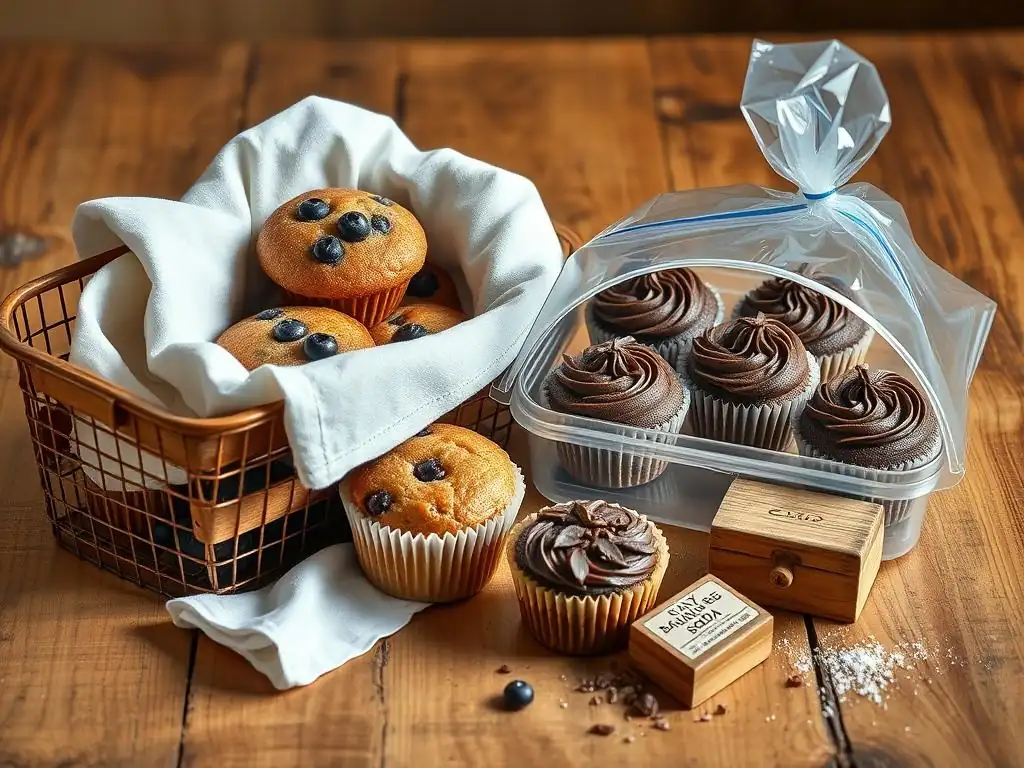
Welcome to BakeWithEase, your guide to effortless baking! Ever wondered how to keep your freshly baked treats tasting as delightful as the moment they came out of the oven? Dive in as we uncover the secrets to storing muffins and cupcakes perfectly. Unlock the key to lasting freshness and say goodbye to dry, crumbly disappointments – your baking journey starts now!
- How to Store Muffins and Cupcakes: Keep Them Moist and Tender
- Introduction: Preserving the Freshness of Your Baked Delights
- Understanding the Importance of Proper Muffin and Cupcake Storage
- Best Methods for Storing Muffins and Cupcakes
- Tips for Keeping Muffins and Cupcakes Moist and Tender During Storage
- Specific Storage Considerations for Different Types of Muffins and Cupcakes
- Troubleshooting Common Muffin and Cupcake Storage Problems
- Conclusion: Mastering Muffin and Cupcake Storage for Baking Success.
- Frequently Asked Questions
- Final Reflection: The Enduring Delight of Perfectly Preserved Pastries
- Unlock Your Muffin & Cupcake Mastery!
How to Store Muffins and Cupcakes: Keep Them Moist and Tender
Introduction: Preserving the Freshness of Your Baked Delights
You've just pulled a batch of beautiful muffins or perfectly frosted cupcakes from the oven. They smell amazing and look incredible! But what happens after the initial enjoyment? Without proper care, those delightful treats can quickly go from moist and tender to dry and crumbly. Learning how to store muffins and cupcakes correctly is key to extending their freshness and enjoying them for as long as possible.
Storing baked goods isn't just about preventing spoilage; it's about maintaining their texture and flavor. Whether you're baking for a special occasion, meal prepping breakfast muffins, or simply enjoying a sweet treat, knowing the best techniques for storing muffins and cupcakes will save you from disappointment and wasted effort. This guide will walk you through the ins and outs of keeping your baked goods tasting their best, covering everything from room temperature storage to freezing.
Understanding the Importance of Proper Muffin and Cupcake Storage
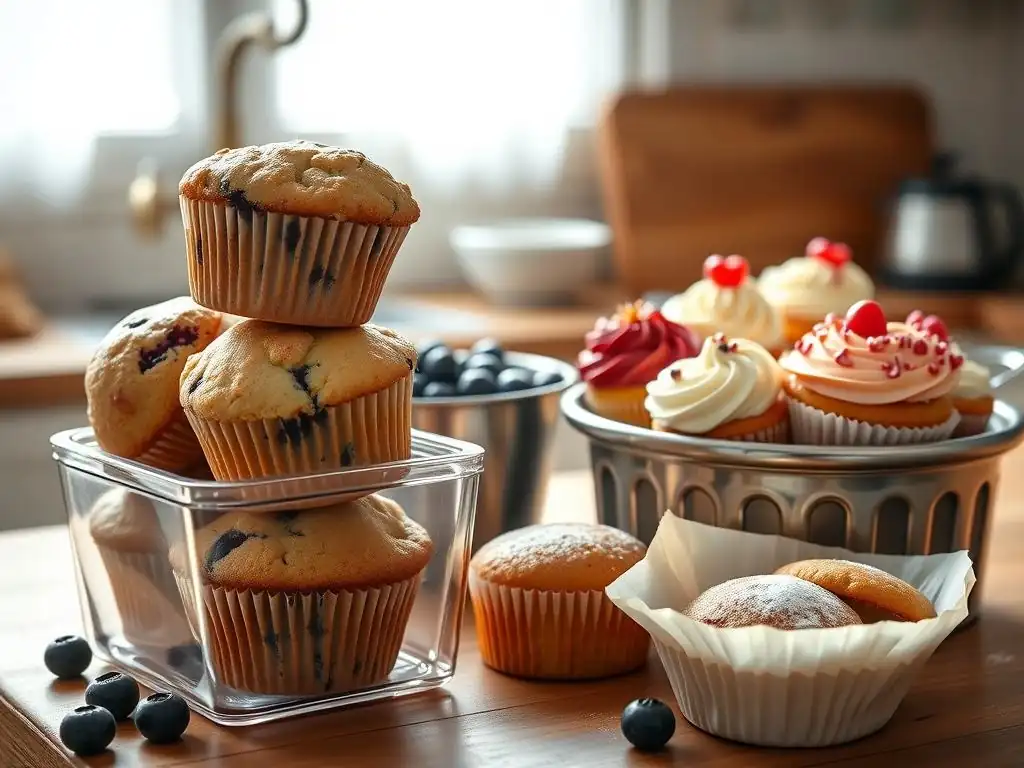
Proper storage is crucial for preserving the quality of your baked goods. Muffins and cupcakes, with their relatively high moisture content and often delicate structure, are particularly susceptible to drying out or becoming stale if not stored correctly. This section delves into the science behind why these treats lose their freshness and the factors that influence how long they stay delicious.
Ignoring proper storage methods can lead to a significant decline in the quality of your muffins and cupcakes within just a day or two. A muffin that was soft and fluffy on day one can become tough and dry, while a cupcake's delicate crumb can turn crumbly. Understanding the underlying reasons for this degradation helps you implement the right strategies to keep them in peak condition.
Why Muffins and Cupcakes Dry Out So Quickly
The primary reason muffins and cupcakes dry out is moisture loss. As soon as they begin to cool, water molecules within the baked goods start to evaporate into the surrounding air. This process is accelerated by exposure to air circulation, which carries away the moisture-laden air around the surface, allowing more water to escape from the interior. The starch molecules in the flour also play a role; a process called retrogradation occurs as the starch recrystallizes, pushing water out and contributing to a stale texture.
Furthermore, the fats in muffins and cupcakes can oxidize over time when exposed to air, leading to off-flavors or rancidity. While not the primary cause of drying, this oxidation can also contribute to a decline in overall freshness. Controlling air exposure is paramount to slowing down both moisture loss and fat oxidation, thereby keeping your muffins and cupcakes moist and delicious for longer.
Factors Affecting the Shelf Life of Muffins and Cupcakes
Several factors influence how long muffins and cupcakes will stay fresh. The ingredients used are a major determinant; recipes with more fat (like butter or oil) and moisture (like buttermilk, yogurt, or fruit puree) tend to stay moist longer than leaner recipes. For example, a blueberry muffin made with oil might retain moisture better than a low-fat bran muffin. The type of sugar also matters; brown sugar, which contains molasses, can contribute more moisture than granulated white sugar.
The baking process itself also plays a role. Overbaking will remove too much moisture from the start, resulting in a drier product right out of the oven that will stale even faster. The storage environment is equally critical. Humidity levels, temperature fluctuations, and exposure to air all impact shelf life. A warm, dry environment will cause baked goods to dry out much quicker than a cool, moderately humid one. Understanding these variables helps you choose the best method for how to store muffins cupcakes based on their composition and your local conditions.
Best Methods for Storing Muffins and Cupcakes
Choosing the right storage method is the most impactful step in preserving the freshness of your muffins and cupcakes. The best approach depends on how soon you plan to eat them and whether they have perishable frosting. Here, we explore the most effective ways to store these treats, from short-term room temperature solutions to long-term freezing.
Implementing these methods correctly can make a significant difference in extending the lifespan of your baked goods. Whether you're dealing with a small batch for immediate consumption or a large batch intended for future enjoyment, having a clear strategy for how to store muffins cupcakes will ensure they remain delightful whenever you're ready to eat them.
Storing Muffins and Cupcakes at Room Temperature: A Step-by-Step Guide
For most muffins and unfrosted cupcakes, room temperature storage is ideal for a few days. This method helps maintain their soft texture better than refrigeration, which can sometimes toughen the crumb. However, it's crucial to follow specific steps to prevent them from drying out or becoming soggy.
Mastering room temperature storage is the most common way to handle everyday muffins and plain cupcakes. By controlling moisture and air exposure, you can keep them tasting fresh and tender for several days, perfect for breakfast on the go or a simple snack.
Cooling Muffins and Cupcakes Completely Before Storage
This is perhaps the single most important step before storing any baked good. Muffins and cupcakes must be cooled completely on a wire rack before being placed in a container. Warm baked goods release steam, and if sealed in a container while still warm, this steam will condense on the inside of the container. This creates a humid environment that can lead to a soggy texture on the surface and can also promote mold growth.
Cooling allows the internal structure to set fully and ensures that excess moisture dissipates before storage. Depending on their size, this process can take anywhere from 30 minutes to over an hour. Be patient; rushing this step will undermine all subsequent storage efforts and result in a less-than-ideal texture.
Choosing the Right Container for Room Temperature Storage
The type of container you use significantly impacts how well your muffins and cupcakes store at room temperature. The goal is to minimize air exposure while allowing just enough breathability to prevent excessive moisture buildup.
Airtight Containers: The Best Option
For most muffins and unfrosted cupcakes, an airtight container is generally the preferred choice. Plastic or glass containers with tight-fitting lids work well. These containers create a barrier against the dry air outside, significantly slowing down the rate of moisture loss. This helps keep the interior of the muffin or cupcake moist and tender for longer periods.
When using an airtight container, make sure the baked goods are completely cool, as mentioned earlier. Place them in a single layer if possible, or stack them carefully with parchment paper in between if necessary. The snug seal is key to preventing staleness caused by air circulation.
Using Paper Towels to Absorb Moisture
While airtight is generally good, sometimes too much moisture can build up, especially if there's a slight variation in temperature or humidity. Placing a layer of paper towels in the bottom of the container, and potentially another one on top of the muffins or cupcakes before sealing the lid, can help.
The paper towels absorb any excess moisture that might condense inside the container. This is particularly useful for muffins with high moisture content, like those made with fruit. The goal is a balance: keep air out to prevent drying, but manage internal moisture to prevent sogginess.
How Long Do Muffins and Cupcakes Last at Room Temperature?
Properly stored at room temperature in an airtight container, most muffins and unfrosted cupcakes will stay fresh for about 2 to 4 days. Their peak quality is usually within the first 24-48 hours. After this period, they may start to gradually lose moisture and become drier.
While they might still be safe to eat for a few days beyond that (assuming no mold growth), their texture and flavor will likely have diminished. Always check for any signs of spoilage, such as mold or an off smell, before consuming baked goods stored at room temperature for more than a few days.
Refrigerating Muffins and Cupcakes: When and How
Refrigeration is not typically recommended for plain muffins or unfrosted cupcakes because the cold air can actually accelerate the staling process by promoting starch retrogradation. However, there are specific instances where the refrigerator is the best, or only, option.
Knowing when and how to refrigerate is essential for certain types of baked goods, especially those with perishable components. While it might slightly impact the texture of the cake itself, it's necessary for food safety.
When Refrigeration is Necessary (e.g., Cream Cheese Frosting)
Refrigeration is absolutely necessary for muffins or cupcakes that contain perishable ingredients or toppings. This includes items with:
- Cream cheese frosting
- Buttercream made with real butter that could melt at room temperature
- Whipped cream or meringue toppings
- Fresh fruit fillings or toppings (beyond baked-in berries)
- Custard or pastry cream fillings
These ingredients can spoil relatively quickly at room temperature, potentially leading to foodborne illness. Cupcakes with these components should be refrigerated as soon as they have cooled completely and the frosting has set slightly, typically within 1-2 hours of baking and decorating.
Preventing Dryness in the Refrigerator
Since the refrigerator environment is typically very dry, extra precautions are needed to prevent muffins and cupcakes from drying out when stored there. The best approach is to store them in an airtight container. This barrier helps protect them from the cold, dry air circulating inside the fridge.
If the cupcakes are frosted, especially with sticky frosting, it might be challenging to place them directly into an airtight container without damage. Specialized cupcake carriers with individual molds or compartments are excellent for this. Alternatively, individual cupcakes can be placed in cupcake boxes or wrapped loosely in plastic wrap before being placed inside a larger airtight container. The goal is maximum protection from the dry air.
How Long Do Refrigerated Muffins and Cupcakes Last?
When stored properly in the refrigerator, muffins and cupcakes with perishable components typically last for about 3 to 5 days. The cold temperature slows down the growth of bacteria and mold, keeping the perishable ingredients safe.
However, the texture of the cake or muffin base might start to become firmer or slightly drier over this time due to the refrigeration. It's always best to consume them within the first few days for the best quality, but they should remain safe to eat within this timeframe if kept consistently chilled below 40°F (4°C).
Freezing Muffins and Cupcakes for Long-Term Storage
Freezing is an excellent option if you need to store muffins or cupcakes for more than a few days or weeks. It effectively pauses the staling process and preserves the quality for up to several months. This is particularly useful for batch baking or saving leftovers.
Learning how to properly freeze muffins and cupcakes allows you to enjoy your baked goods weeks or even months after baking them. It's a fantastic way to save time and reduce waste, ensuring a delicious treat is always on hand.
Preparing Muffins and Cupcakes for Freezing
Proper preparation is key to successful freezing and preventing freezer burn. Ensure the muffins or cupcakes are completely cooled to room temperature before you begin the freezing process. Freezing them while still warm will trap moisture and can lead to ice crystals and a soggy texture upon thawing.
If you are freezing frosted cupcakes, it's a good idea to flash freeze them first. Place the cupcakes on a baking sheet lined with parchment paper and put the entire sheet in the freezer for 1-2 hours, or until the frosting is firm to the touch. This prevents the frosting from sticking to the wrapping material.
Wrapping Individually for Optimal Freezing
For the best results and convenience, wrap each muffin or cupcake individually before placing them in a larger container or bag. This provides an extra layer of protection against freezer burn and allows you to thaw only the exact number you need.
Use plastic wrap, aluminum foil, or a combination of both. Tightly wrap each item, ensuring as little air as possible is trapped against the surface. For unfrosted items, plastic wrap followed by a layer of foil provides excellent protection. For frosted items (after flash freezing), plastic wrap is usually sufficient before placing in a rigid container.
Best Freezing Containers and Bags
Once individually wrapped, place the muffins or cupcakes into a freezer-safe container or bag. Freezer bags are convenient and take up less space, but ensure they are specifically designed for freezing (thicker material than standard storage bags). Squeeze out as much air as possible before sealing the bag.
Rigid plastic containers with tight-fitting lids also work well, especially for protecting frosted cupcakes from getting crushed. Choose a container that is appropriately sized for the number of items you are freezing to minimize empty space, which can contribute to freezer burn. Label the container or bag with the contents and the date of freezing.
Thawing Frozen Muffins and Cupcakes Properly
Proper thawing is crucial to restoring the best possible texture. The best method is to thaw them slowly at room temperature. Remove the desired number of individually wrapped muffins or cupcakes from the freezer bag or container and place them on a plate or wire rack.
Allow them to thaw at room temperature for several hours (typically 1-3 hours, depending on size and density). Keep them wrapped while thawing to trap the moisture that is released, which helps rehydrate the crumb. Once thawed, they can be unwrapped and enjoyed. Avoid thawing in the microwave unless you plan to eat them immediately, as it can sometimes lead to a tough texture.
How Long Can Muffins and Cupcakes Be Stored in the Freezer?
When properly wrapped and stored in a freezer-safe container or bag at a consistent 0°F (-18°C) or below, muffins and cupcakes can maintain good quality for about 2 to 3 months. Beyond this time, they may still be safe to eat, but their quality, particularly texture and flavor, may start to decline.
Freezer burn, which appears as dry, discolored spots, is a sign that the item has been exposed to air and has lost moisture. While not harmful, it negatively impacts the texture. Proper wrapping is the best defense against freezer burn during long-term storage.
Tips for Keeping Muffins and Cupcakes Moist and Tender During Storage
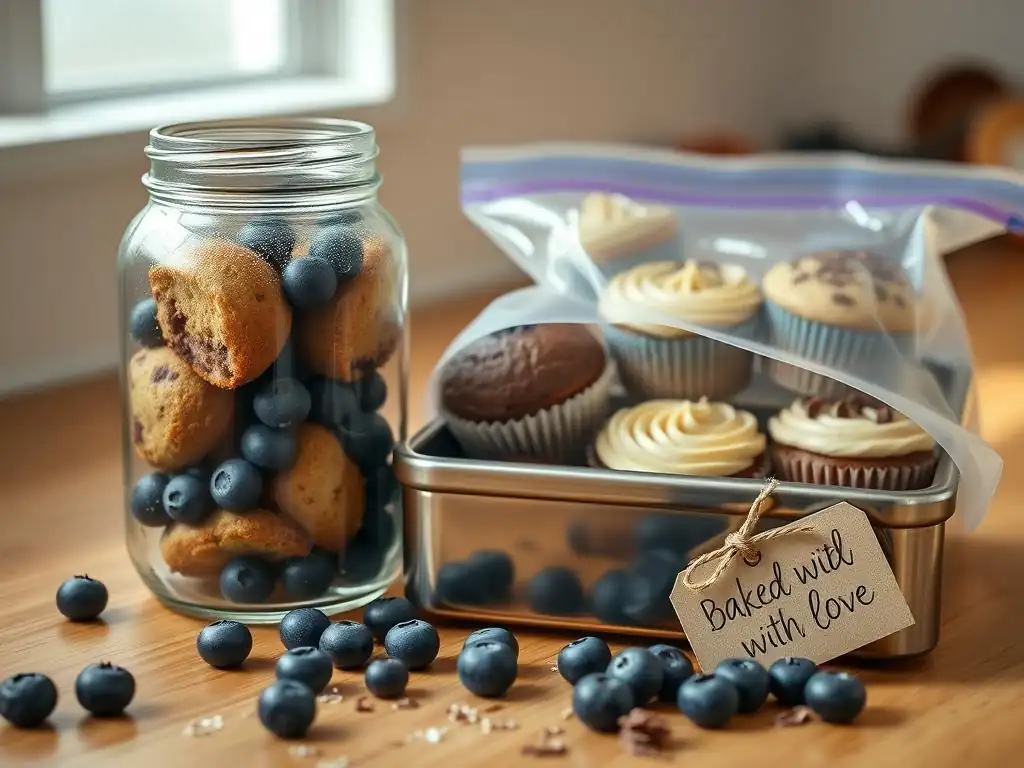
Beyond the basic storage methods, there are a few clever tricks you can employ to help ensure your muffins and cupcakes stay as moist and tender as possible, regardless of how you store them. These tips focus on either adding moisture or preventing its loss.
Incorporating these simple techniques can significantly improve the outcome of your stored baked goods. They are easy additions to your storage routine and can make a noticeable difference in texture days after baking, further enhancing how to store muffins cupcakes effectively.
Adding Moisture-Boosting Ingredients: Using Buttermilk or Yogurt
The ingredients you use in your recipe can significantly impact the final moisture level and how well the baked goods retain it. Ingredients like buttermilk, yogurt, sour cream, mashed banana, applesauce, or pumpkin puree not only add flavor but also contribute moisture and acidity. Acidity helps tenderize the crumb by breaking down proteins.
Using these types of ingredients in your batter from the start results in a moister muffin or cupcake that is inherently more resistant to drying out during storage. For example, swapping some milk for buttermilk in a recipe can yield a noticeably more tender and longer-lasting result.
Storing with a Slice of Bread
This is an old-fashioned but often effective trick, particularly for muffins or unfrosted cakes stored in a container at room temperature. Place a fresh slice of plain bread (like sandwich bread) in the container with the muffins or cupcakes.
The idea is that the bread will lose its moisture to the drier air inside the container before the muffins or cupcakes do, effectively sacrificing itself to keep the baked goods moist. Replace the slice of bread every day or two as it becomes dry and hard. This method works best in a relatively airtight container.
Reviving Stale Muffins and Cupcakes
Even with the best storage practices, muffins and unfroted cupcakes can sometimes become a bit dry or stale, especially after a few days. Don't despair! There are ways to bring them back to life and restore some of their moisture and tenderness.
Reviving stale baked goods is a great way to prevent food waste and enjoy your treats even if they're past their prime freshness. A little bit of heat can work wonders in softening the crumb and making them enjoyable again.
Reheating in the Oven
Reheating in a conventional oven is an excellent way to revive slightly stale muffins or cupcakes, especially if you have a few. Preheat your oven to a low temperature, around 300°F (150°C). Place the muffins or cupcakes on a baking sheet.
Warm them for about 5-10 minutes, or until they are heated through and feel soft to the touch. The gentle heat helps redistribute the moisture within the crumb, making them soft and tender again. Be careful not to overheat, as this can dry them out further.
Microwaving for a Quick Fix
For a single muffin or cupcake, the microwave offers the quickest way to revive it. Place the item on a microwave-safe plate. You can add a small cup of water next to it in the microwave to help create a steamy environment, which aids in rehydrating the baked good.
Microwave on high power for short intervals, typically 10-30 seconds, depending on your microwave's wattage and the size of the item. Check for softness after each interval. Microwave reheating can sometimes make the texture a bit chewy if overdone, so heat just until warmed through and soft.
Specific Storage Considerations for Different Types of Muffins and Cupcakes
While general principles apply, certain types of muffins and cupcakes require slightly different approaches to storage due to their specific ingredients or toppings. Considering these variations ensures optimal freshness and quality for every kind of baked treat.
Tailoring your storage method to the specific characteristics of the muffin or cupcake is a sign of a true baking pro. Whether it's dealing with juicy berries or delicate frosting, knowing the nuances of how to store muffins cupcakes ensures the best results.
Storing Blueberry Muffins
Blueberry muffins, and other muffins containing fresh or frozen fruit baked into the batter, have a higher moisture content than plain muffins. While this helps them stay moist longer initially, the extra moisture can also potentially lead to faster mold growth, especially in humid conditions or if not cooled properly.
Store blueberry muffins at room temperature in an airtight container for 2-3 days, using the paper towel trick mentioned earlier to absorb excess moisture. If you won't eat them within this timeframe, or if your environment is very humid, consider refrigerating them in an airtight container (they may dry slightly, but will be safe) or freezing them for longer storage. Always ensure they are completely cool before storing.
Storing Chocolate Chip Muffins and Cupcakes
Chocolate chip muffins and cupcakes generally store very well at room temperature due to the fat content in the chocolate chips and the typical recipe structure. They don't usually have the same high moisture concerns as fruit muffins unless the recipe also includes other moist ingredients.
Store chocolate chip muffins and unfrosted chocolate chip cupcakes in an airtight container at room temperature for up to 4 days. Follow the standard room temperature storage guidelines. If they are frosted, follow the guidance for storing frosted cupcakes below, which may involve refrigeration depending on the frosting type.
Storing Frosted Cupcakes: Protecting the Frosting
Storing frosted cupcakes presents a unique challenge: you need to protect the delicate frosting from getting smudged or sticking to the container or wrapping, while also preserving the freshness of the cake base and potentially refrigerating perishable frosting.
Always let frosted cupcakes sit out for a bit after frosting to allow the frosting to set slightly before attempting to store them. This helps prevent smudging. The storage method (room temperature vs. refrigeration) depends entirely on the type of frosting used. Buttercream made purely of butter and sugar might be okay at room temperature for a day or two in a cool environment, but frostings containing dairy like cream cheese, milk, or cream must be refrigerated.
Preventing Frosting from Sticking
To prevent frosting from sticking, especially when stacking or using an airtight container without individual molds, flash freezing is highly recommended (as detailed in the freezing section). For short-term storage in the fridge or at room temperature, if you must stack, place a layer of parchment or wax paper between layers of cupcakes, being careful not to press down.
Another effective method is to use a container that is tall enough that the lid doesn't touch the frosting, or to use individual cupcake boxes or carriers that keep each cupcake separate.
Using Cupcake Carriers
Specialized cupcake carriers are incredibly useful for storing and transporting frosted cupcakes. These carriers typically have trays with indentations that hold each cupcake securely in place, preventing them from shifting or touching each other.
Cupcake carriers usually have a lid that seals, offering protection from air exposure. Many are designed to be airtight. They are available in various sizes, holding anywhere from a few to several dozen cupcakes. Using a cupcake carrier is often the best way to store frosted cupcakes, whether at room temperature (for non-perishable frosting) or in the refrigerator, as they protect the frosting while minimizing air exposure.
Troubleshooting Common Muffin and Cupcake Storage Problems
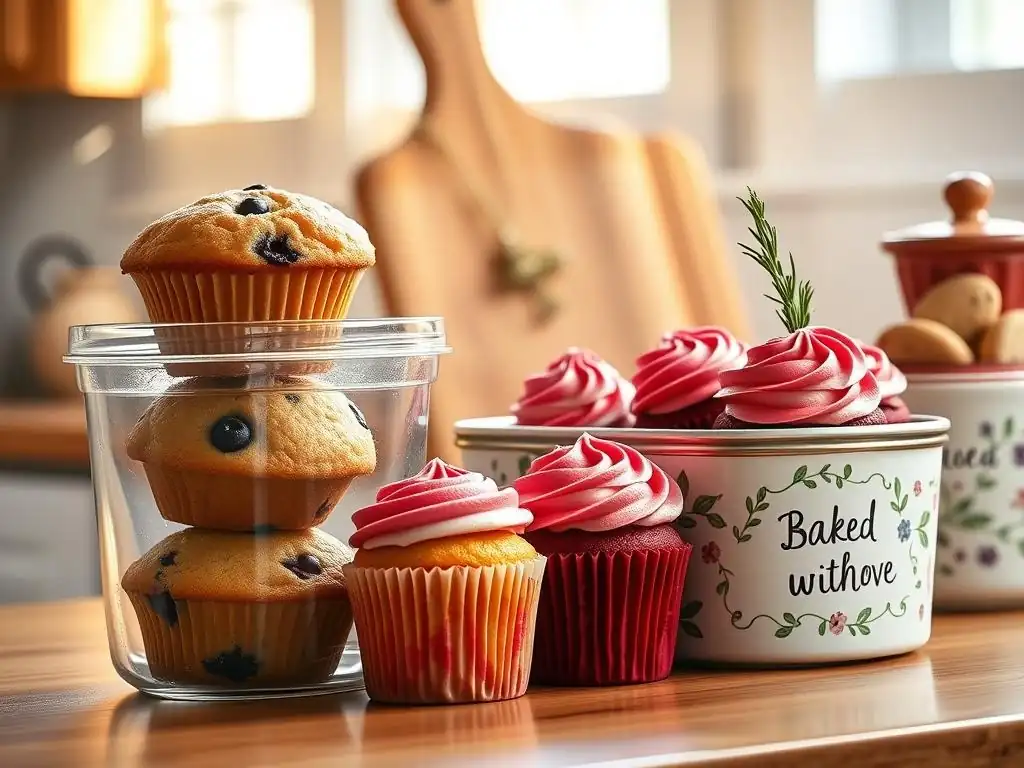
Even when following best practices, you might occasionally encounter issues with stored muffins and cupcakes. Understanding the common problems and their causes can help you adjust your storage techniques for better results in the future.
Addressing these issues head-on ensures you learn from experience and refine your approach to how to store muffins cupcakes effectively, leading to consistently better outcomes.
Soggy Muffins and Cupcakes
Sogginess is usually a result of excess moisture trapped in the storage container. The most common cause is sealing the muffins or cupcakes before they have completely cooled. Warm baked goods release steam, which condenses inside a sealed container, making the surfaces wet and potentially leading to a gummy or soggy texture.
Another cause can be storing high-moisture muffins (like those with lots of fruit) in a completely airtight container without using a paper towel to absorb excess condensation, especially in a humid environment. To prevent this, ensure complete cooling and consider using paper towels in the container.
Dry and Crumbly Muffins and Cupcakes
Dryness is typically caused by moisture loss due to air exposure. This happens when muffins or cupcakes are left uncovered, stored in a container that is not airtight, or stored for too long, especially in a dry environment like a refrigerator.
Overbaking initially can also result in a dry product that will only get drier with storage. To combat dryness, always store in an airtight container or wrap well, and avoid storing plain baked goods in the refrigerator unless absolutely necessary. Reviving stale items with gentle heating can help restore some moisture.
Freezer Burn
Freezer burn occurs when the surface of a frozen item is exposed to air, causing moisture to sublimate (turn directly from ice to vapor) and leading to dehydration and discoloration. It appears as dry, often lighter-colored patches on the surface.
The primary cause of freezer burn is inadequate wrapping or a container that is not truly airtight or is too large, allowing air pockets. To prevent freezer burn, wrap each muffin or cupcake tightly in plastic wrap or foil, pressing out as much air as possible, and then place them in a high-quality freezer bag (squeezing out air) or a rigid, airtight freezer container.
Conclusion: Mastering Muffin and Cupcake Storage for Baking Success.
Mastering the art of storing muffins and cupcakes is just as important as perfecting your baking technique. By understanding the factors that affect freshness and implementing the right storage methods, you can significantly extend the life and maintain the delicious quality of your homemade treats.
Remember the key principles: complete cooling before storage, using airtight containers or effective wrapping to minimize air exposure, knowing when refrigeration is necessary for perishable ingredients, and freezing for long-term preservation. Whether you're storing a simple batch of blueberry muffins or elaborately frosted cupcakes, applying these techniques for how to store muffins cupcakes will ensure every bite is as delightful as the first. Happy baking and storing!
Frequently Asked Questions
How do I best store muffins and cupcakes to keep them from drying out?
The key is to prevent air exposure. Store them in an airtight container at room temperature for up to 2-3 days.
Should I refrigerate muffins and cupcakes?
Generally, no. Refrigeration can actually dry them out faster. Only refrigerate if they have a perishable frosting, like cream cheese.
What is the best way to store frosted cupcakes?
If the frosting is stable, store frosted cupcakes uncovered in a single layer in an airtight container. Avoid stacking them to prevent damage.
Can I freeze muffins and cupcakes?
Yes! Wrap them individually in plastic wrap, then place them in a freezer-safe bag or container. They can last for 2-3 months.
How do I thaw frozen muffins and cupcakes?
Thaw them at room temperature for a few hours. You can also warm them briefly in a low-temperature oven for a freshly baked taste.
Final Reflection: The Enduring Delight of Perfectly Preserved Pastries
The art of storing muffins and cupcakes isn't just about extending their shelf life; it's about preserving the joy of that first, perfect bite. From the tender crumb to the delicate frosting, these treats deserve the care that ensures their deliciousness endures. This article has explored various methods, highlighting the importance of understanding the enemy – dryness – and employing strategies to combat it. But the real victory lies not just in the techniques, but in the appreciation of the effort.
The impact of a perfectly preserved muffin or cupcake extends beyond mere sustenance; it's a small act of love, a gesture of care, whether for oneself or others. The simple act of thoughtfully storing these treats speaks to a deeper appreciation for the craft of baking and the pleasure of sharing. The best things in life are the simple things,
a sentiment perfectly encapsulated in the satisfaction of biting into a moist, flavorful cupcake days after it was baked. This simple truth resonates deeply, reminding us of the importance of savoring the small moments and the effort put into creating them.
Now, consider your own baking journey. What methods have you found most successful in keeping your muffins and cupcakes fresh? What small changes could you implement to elevate your storage game? I urge you to experiment, to find the techniques that best suit your needs and preferences, and to embrace the joy of perfectly preserved pastries. The next time you bake, remember the power of proper storage – it's not just about extending shelf life, it's about extending the joy.
Unlock Your Muffin & Cupcake Mastery!
Thanks for taking the time to explore the secrets to keeping your baked goods perfectly moist and delicious! You've gained valuable tips to avoid dry, crumbly disappointments. Now it's time to put that knowledge into action.
- Embrace the Power of Proper Storage: Immediately cool your muffins and cupcakes completely before storing them in an airtight container at room temperature (for up to 3 days) or in the freezer (for longer storage). This is the single most impactful step to maintain freshness.
- Share Your Baking Triumphs: Snap a picture of your perfectly preserved treats and share them on social media – tag us if you feel like it! Let's inspire others with your baking prowess.
- Experiment and Discover: Try different storage methods and share your results in the comments below! What surprising techniques did you find worked best for you?
Ready to take your baking game to the next level? What's your favorite tip for keeping muffins and cupcakes fresh?