
HighFat Butter Explained: Is It Worth the Splurge for Your Bakes?

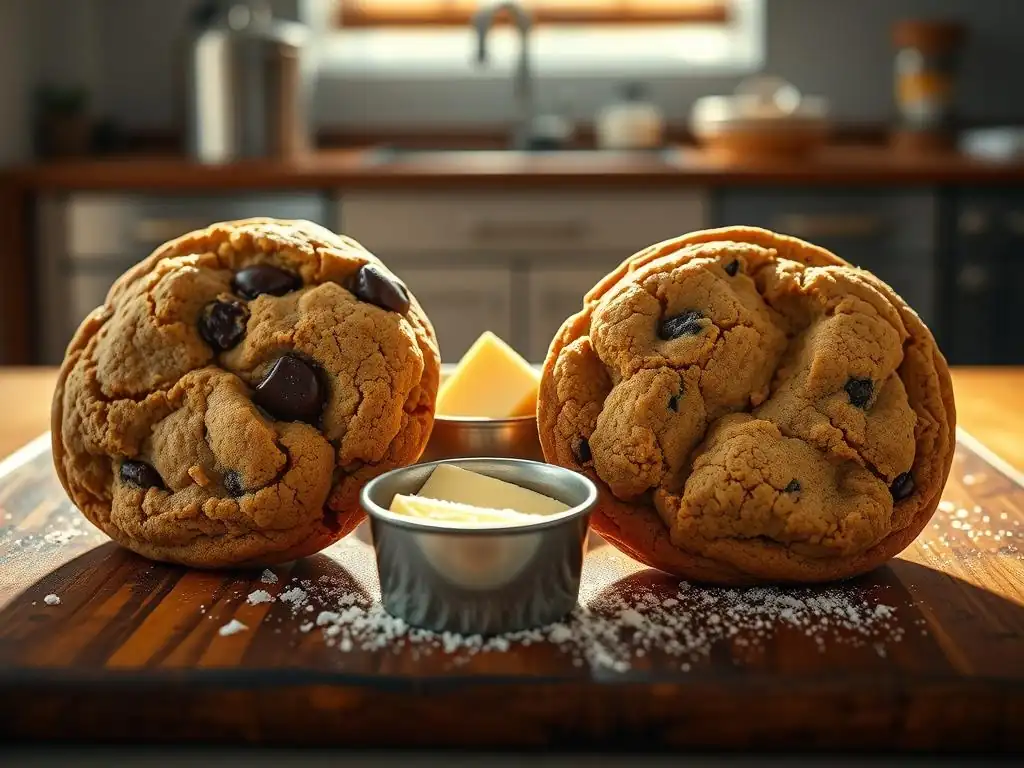
Welcome to BakeWithEase, your kitchen companion for unlocking baking brilliance! Ever wondered if that extra-rich butter is the secret ingredient to truly exceptional treats? Get ready to dive deep into the world of high fat butter baking and discover whether it's worth the splurge. We'll unravel the science behind its decadent flavor and superior texture, leaving you eager to experiment with this premium ingredient. Intrigued? Let's get baking!
- Understanding High-Fat Butter for Baking
- The Impact of High-Fat Butter on Your Baking Results
- High-Fat Butter vs. Regular Butter: A Side-by-Side Baking Comparison
- Best High-Fat Butter Brands for Baking
- Using High-Fat Butter Effectively: Tips and Techniques
- High-Fat Butter and Baking Costs: Is the Investment Worth It?
- Delicious Recipes Using High-Fat Butter
- Conclusion: Elevate Your Baking with High-Fat Butter
-
Frequently Asked Questions
- What exactly is high-fat butter, and how does it differ from regular butter?
- How does using high-fat butter impact the final texture of baked goods?
- Is high-fat butter readily available, or is it a specialty ingredient?
- Does using high-fat butter require any adjustments to baking recipes?
- Is the extra cost of high-fat butter justified, and what are the key benefits?
- Final Reflection: The Golden Ratio of Butter and Bake
- Unlock the Secrets of High-Fat Butter Baking!
Understanding High-Fat Butter for Baking
What is High-Fat Butter, and Why Does Fat Content Matter?
High-fat butter, often labeled as "European-style," is distinguished by having a higher butterfat content than standard American butter. While regular butter typically contains around 80% butterfat, high-fat varieties boast 82% butterfat or even higher, sometimes reaching 85% or 86%. The remaining percentage consists mostly of water and milk solids. This seemingly small difference in composition—just a few percentage points of fat swapped for water—has a significant impact on its physical properties and, consequently, on your baking results.
The higher fat content is crucial because fat is a key ingredient in creating desired textures in baked goods. Fat shortens gluten strands in doughs, leading to tenderness. It also creates layers in pastries by separating dough sheets.
In cookies and cakes, fat contributes to moisture, richness, and proper spread. With more fat and less water, high-fat butter melts differently, incorporates into doughs and batters distinctly, and reacts to heat in ways that can dramatically improve the structure, flakiness, tenderness, and overall richness of your baked creations. Understanding this fundamental difference is the first step in leveraging high fat butter baking to its full potential.
Exploring the Fat Content in Different Butter Types
Butterfat content varies depending on the region and style of butter. Standard American butter is legally required to contain at least 80% butterfat. This is the most common butter found in U.S. supermarkets and is suitable for most everyday baking tasks. However, when aiming for professional-level results, especially in pastries, bakers often turn to European-style butters.
European butters, like those from France or Ireland, are celebrated for their richer flavor and higher fat content, typically 82% or more. Some premium European-style butters produced in the U.S. also meet or exceed this threshold. Cultured butters, whether American or European-style, also often have a higher fat content and undergo a fermentation process before churning, which adds a tangy complexity to the flavor profile.
For instance, Kerrygold Irish Butter is known for its 82% butterfat, while Plugrá, a popular European-style butter made in the U.S., also maintains an 82% minimum. Vermont Creamery's cultured butter often features around 82% butterfat as well. This higher fat content is a key characteristic that sets these butters apart for specific high fat butter baking applications.
The Impact of High-Fat Butter on Your Baking Results
Achieving Superior Texture: Flakier Pastries and Tender Cakes
The higher butterfat content in high-fat butter plays a pivotal role in achieving superior textures, particularly in laminated doughs and delicate cakes. In pastries like croissants, puff pastry, and pie crusts, cold, solid butter is essential for creating layers. As the dough bakes, the water in the butter turns to steam, which helps to puff up the layers of dough, while the melting fat keeps those layers separate and tender.
With high-fat butter, there is less water to create steam, but the increased amount of fat contributes to even more distinct and stable layers, resulting in exceptional flakiness. The fat coats the flour particles more effectively, inhibiting gluten development and ensuring a tender crumb.
For cakes, muffins, and other quick breads, the higher fat content contributes to a moister and more tender crumb. Fat shortens gluten strands, leading to a soft texture. Additionally, the way high-fat butter emulsifies into the batter can affect the cake's structure and moisture retention. Cakes made with high-fat butter often feel richer and stay moist for longer compared to those made with standard 80% butter. The difference in texture is often subtle in simpler recipes but becomes quite pronounced in recipes where butter is a primary component, showcasing the benefits of high fat butter baking.
Flavor Enhancement: Richer Taste in Baked Goods?
Beyond texture, many bakers argue that high-fat butter imparts a richer, more pronounced butter flavor to baked goods. This is partly due to the higher concentration of butterfat, which carries flavor compounds more effectively than water. European-style butters, especially cultured varieties, also often have a more complex flavor profile due to the fermentation process they undergo before churning. This can add subtle nutty or tangy notes that enhance the overall taste of the finished product.
While the flavor difference might be less noticeable in recipes with many strong competing flavors, like a heavily spiced gingerbread or a cake loaded with chocolate and nuts, it can truly shine in simpler recipes where the butter flavor is meant to be front and center. Think of a classic shortbread cookie, a simple pound cake, or a basic butter cookie. In these instances, the quality and flavor of the butter are paramount, and high-fat butter can elevate the taste significantly, making the investment worthwhile for discerning palates and highlighting the benefits of high fat butter baking.
Browning and Caramelization: Achieving Golden-Brown Perfection
High-fat butter also influences how baked goods brown, contributing to that coveted golden-brown crust and delicious caramelized flavor. The milk solids present in butter are responsible for the Maillard reaction, the chemical process that causes browning and the development of complex flavors when heated. Since high-fat butter has a slightly lower percentage of water and a relatively higher proportion of milk solids compared to standard butter (when viewed as a ratio to the total non-fat content), and because the higher fat content affects heat distribution, it can influence the browning process.
The way the fat melts and interacts with sugars and milk solids on the surface of baked goods like cookies, tarts, or even roasted vegetables (if using it for savory applications) promotes more even and sometimes deeper caramelization. This leads to a more aesthetically pleasing appearance and a richer, more complex flavor profile on the exterior of the bake. Achieving that perfect golden hue and slightly crisp, caramelized edge is a hallmark of successful high fat butter baking.
High-Fat Butter vs. Regular Butter: A Side-by-Side Baking Comparison
The Scone Showdown: Rise and Crumb
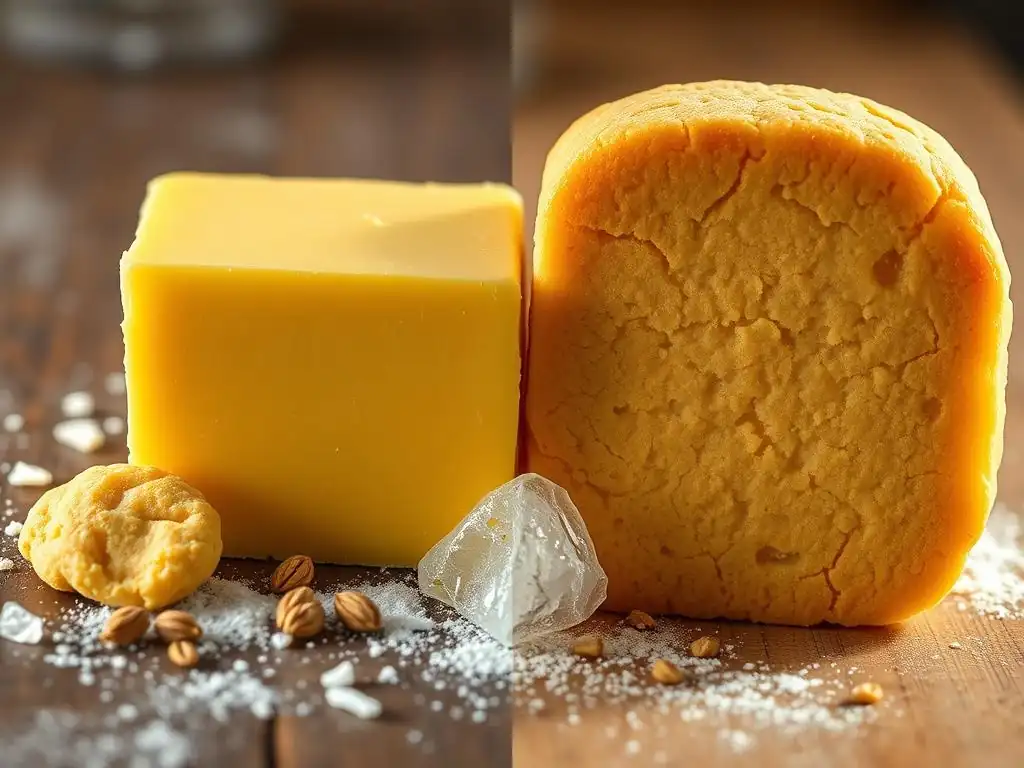
Let's imagine a side-by-side test baking scones, one batch with standard 80% butter and the other with 82% high-fat butter, keeping all other ingredients and techniques identical. When comparing the two, you would likely observe a difference in both rise and crumb structure. The scones made with high-fat butter often exhibit a slightly higher rise.
This isn't necessarily because of more steam (as high-fat butter has less water), but rather because the higher fat content helps create more distinct layers within the scone dough. As the fat melts, it leaves tiny pockets, contributing to a more open and tender crumb structure.
The crumb of the high-fat butter scones would likely appear flakier and more delicate. The fat coats the flour more effectively, inhibiting gluten development and resulting in a tender bite that almost melts in your mouth. In contrast, the standard butter scones might have a slightly tighter crumb and less pronounced layering. This hypothetical comparison illustrates how the subtle difference in fat content directly translates to tangible textural improvements in high fat butter baking applications like scones.
Now, consider baking two batches of classic chocolate chip cookies: one with standard butter and one with high-fat butter. The differences here can be quite noticeable. Cookies made with high-fat butter tend to spread slightly less during baking because there is less water to turn into steam and force the cookie outwards. This often results in a thicker cookie with a chewier center, which is a desirable trait for many cookie lovers. The higher fat content also contributes to a richer, more decadent mouthfeel.
Texture-wise, the high-fat butter cookies often have a crispier edge due to better browning and caramelization facilitated by the higher fat and milk solids ratio. The interior remains soft and chewy. Flavor-wise, the butter taste can be more pronounced and richer, especially if using a high-quality, perhaps cultured, high-fat butter. The standard butter cookies might spread more, resulting in thinner cookies, and the butter flavor might be less intense. This side-by-side test highlights how the choice of butter significantly impacts the final characteristics in high fat butter baking, particularly for cookies.
Cake Creation: Moisture, Tenderness, and Overall Quality
When baking cakes, the impact of high-fat butter can be more subtle but still significant, especially in recipes that rely heavily on the creaming method (beating butter and sugar together). Let's compare two vanilla pound cakes, one with standard butter and one with high-fat butter. The cake made with high-fat butter would likely have a finer, more velvety crumb structure. The higher fat content helps to tenderize the cake and contributes to a moist texture that lasts longer.
The flavor of the high-fat butter cake would also likely be richer and more nuanced, especially if the butter itself has a distinct flavor profile. The overall quality of the cake, including its structure, moisture, and taste, tends to be elevated when using butter with a higher fat content. While a standard butter will certainly produce a delicious cake, using high-fat butter can take it from great to exceptional, demonstrating its value in various high fat butter baking scenarios.
Best High-Fat Butter Brands for Baking
Kerrygold Irish Butter: A Classic Choice
Kerrygold Irish Butter is perhaps one of the most widely recognized and accessible high-fat butters available. Made from the milk of grass-fed cows in Ireland, it boasts an 82% butterfat content and a vibrant golden color. Its flavor is often described as rich and slightly sweet, attributed to the cows' grass-based diet.
This butter is a favorite among bakers for its performance in pastries, yielding flaky layers, and in cookies, contributing to excellent texture and flavor. Its availability in many standard grocery stores makes it an easy upgrade for those looking to experiment with high fat butter baking without seeking out specialty shops. Many home bakers find Kerrygold to be a reliable and effective choice for improving their baked goods.
Plugrá European-Style Butter: High Butterfat Content
Plugrá is a popular American-made butter marketed as "European-Style," specifically highlighting its higher butterfat content, typically 82%. It is known for its smooth texture and clean, creamy flavor. Plugrá is often churned longer than standard butter, which helps achieve its higher fat percentage and pliable consistency.
This butter is particularly well-suited for laminated doughs like croissants and puff pastry due to its workability and high fat that creates distinct layers. It also performs beautifully in cakes and cookies, contributing richness and desirable texture. Plugrá is often found alongside standard butters in major supermarkets, making it another convenient option for exploring the benefits of high fat butter baking.
Vermont Creamery Cultured Butter: Tangy and Complex Flavor
Vermont Creamery offers a cultured butter that stands out for its tangy flavor profile, a result of adding live bacterial cultures to the cream before churning. This process not only develops a unique taste but also often results in a higher butterfat content, typically around 82%. Their butter is made from local cream and has a beautiful golden hue and creamy texture.
The slightly acidic tang of cultured butter can add a wonderful depth of flavor to baked goods, particularly those where butter is a prominent ingredient, like shortbread or pound cake. It also performs well in pastries due to its high fat content. Using Vermont Creamery's cultured butter is a way to add both superior texture and a complex flavor dimension to your high fat butter baking projects.
Using High-Fat Butter Effectively: Tips and Techniques
Mastering the Cold Butter Technique
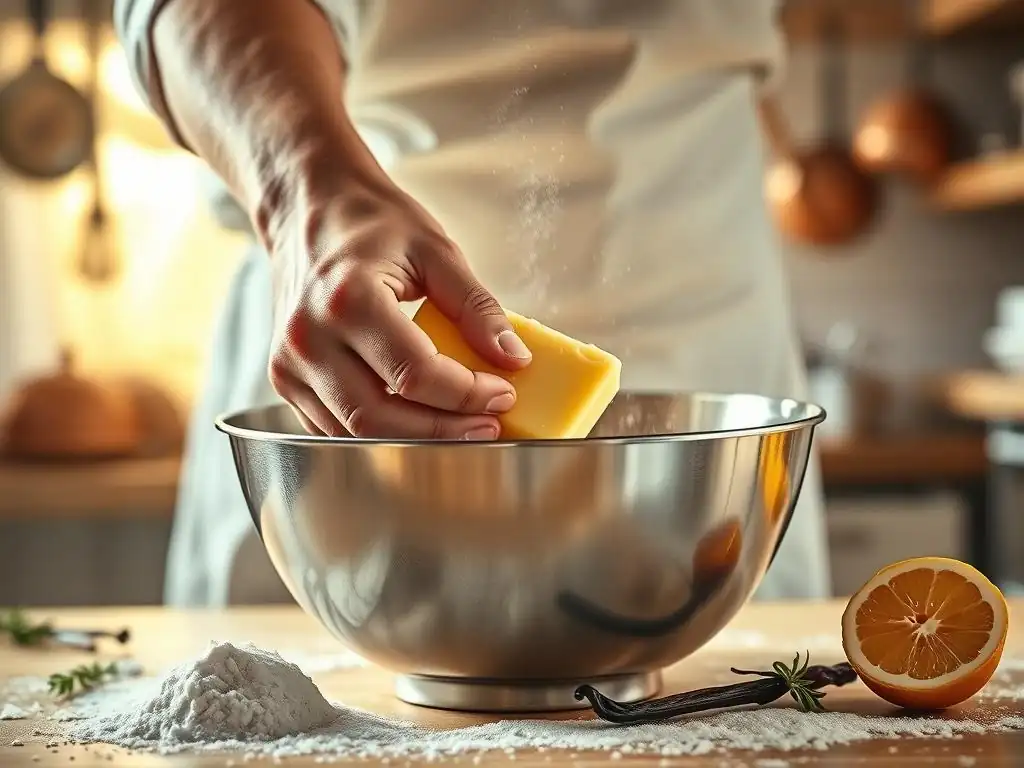
Using cold, firm butter is absolutely essential for successful flaky pastries like pie crusts, biscuits, and puff pastry, and high-fat butter excels here. The goal is to cut or rub cold butter pieces into the dry ingredients (flour, salt, etc.) until they are about the size of peas or even smaller for some applications. As the dough bakes, these cold pockets of butter melt slowly, creating steam that lifts layers and leaving behind spaces that result in flakiness.
Because high-fat butter has less water, it stays firmer for longer at room temperature compared to standard butter, making it easier to work with when keeping ingredients cold is crucial. Ensure your high-fat butter is straight from the refrigerator, or even briefly chilled in the freezer, before cutting or grating it into the dry ingredients. Work quickly to prevent the butter from softening too much from the heat of your hands or the room. This mastery of the cold butter technique is key to leveraging high fat butter baking for flaky results.
Softening High-Fat Butter Properly
While cold butter is vital for pastries, many recipes, especially cakes and cookies using the creaming method, require softened butter. Softened butter should be pliable enough to easily indent with your finger but still cool to the touch, not greasy or melted. High-fat butter, being firmer, takes a bit longer to soften at room temperature than standard butter.
To properly soften high-fat butter, take it out of the refrigerator 1-2 hours before you plan to bake, depending on your room temperature. If you're in a hurry, you can cut it into smaller pieces to speed up the process, or gently warm it using methods like placing it near a warm oven (but not on top!) or microwaving it in very short bursts (5-10 seconds at a time), being careful not to melt it.
Over-softened or melted butter will not cream properly with sugar, leading to a dense or greasy texture in your baked goods. Achieving the correct softened state is crucial for maximizing the benefits of high fat butter baking in creamed recipes.
Adjusting Recipes for High-Fat Butter
In most standard recipes, you can substitute high-fat butter for regular butter cup-for-cup or gram-for-gram without any issues, and often with improved results. The difference in water content (typically 2-4%) is usually negligible enough not to throw off the overall moisture balance in most standard cake, cookie, or bread recipes.
However, in highly sensitive recipes, particularly those with very precise liquid ratios like certain custards, sauces, or some bread recipes, you might theoretically need to make a minor adjustment. For example, if a recipe calls for 1 cup (about 227g) of standard butter (approx. 182g fat, 41g water) and you use high-fat butter (approx. 186g fat, 37g water), you are introducing about 4g less water. This difference is minuscule in most baking contexts. For simplicity and generally better results in typical home high fat butter baking, a direct substitution is usually recommended and effective.
High-Fat Butter and Baking Costs: Is the Investment Worth It?
Analyzing the Price Difference
One of the most significant considerations when deciding whether to use high-fat butter for baking is the cost. High-fat butters, especially imported European varieties or premium American-made versions, are almost always more expensive than standard 80% butter. The price difference can vary widely depending on the brand, location, and current market conditions, but it's not uncommon for high-fat butter to cost anywhere from 20% to 50% more per pound than conventional butter.
For example, if a pound of standard butter costs approximately $4-5, a pound of a popular high-fat butter brand might range from $6 to $8 or more. This price premium reflects factors like sourcing higher-quality cream, different production processes (like longer churning or culturing), and sometimes import costs. This increased expense is a valid point to consider when budgeting for your high fat butter baking projects.
The Value Proposition
Despite the higher price tag, many bakers find that the value proposition of high-fat butter makes the investment worthwhile, especially for specific applications or special occasions. The improved texture (flakier pastries, more tender cakes) and enhanced flavor profile can significantly elevate the quality of your baked goods, bringing them closer to professional standards.
For recipes where butter is a primary ingredient and its quality truly shines, like a classic croissant, a delicate shortbread, or a rich brioche, the difference in the final product can easily justify the extra cost. If you're baking for a special event, trying to impress, or simply seeking the best possible results, the enhanced performance of high-fat butter offers tangible value that goes beyond the initial price difference, making high fat butter baking a worthwhile upgrade for certain items.
Optimizing Usage
You don't necessarily need to use high-fat butter for all your baking. To optimize your usage and manage costs, consider reserving high-fat butter for recipes where its unique properties will make the most significant difference. Use it for laminated pastries like puff pastry and croissants, for flaky pie crusts, or for simple butter-forward cookies and cakes where the flavor and texture of the butter are key.
For recipes where butter plays a less central role or is masked by many other strong flavors (e.g., dense fruitcakes, heavily spiced muffins, brownies with lots of chocolate), standard butter will likely perform adequately, and you can save the high-fat butter for when it truly counts. By strategically choosing when to use high-fat butter, you can elevate specific bakes without significantly increasing your overall baking budget, making high fat butter baking a targeted investment.
Delicious Recipes Using High-Fat Butter
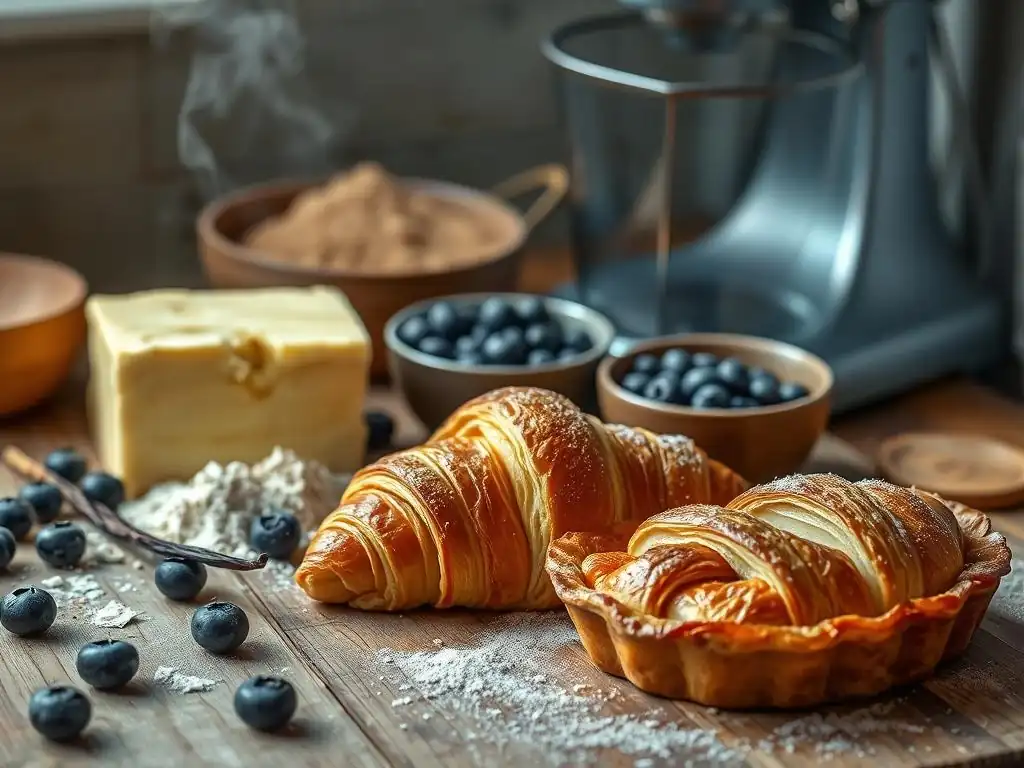
Using Kerrygold Irish Butter in your favorite chocolate chip cookie recipe can transform the outcome. The higher butterfat content contributes to less spread during baking, resulting in cookies that are thicker with a satisfyingly chewy center. The rich flavor of the grass-fed butter also permeates the cookie dough, enhancing the taste of the chocolate and adding a layer of depth that standard butter might not provide. The milk solids brown beautifully, helping to create those coveted slightly crispy, golden-brown edges. This is a prime example where high fat butter baking elevates a classic treat.
Flaky Pie Crust Recipe Using Plugrá European-Style Butter
For a truly flaky, tender pie crust, Plugrá European-Style Butter is an excellent choice. Its 82% butterfat content and pliable texture when cold make it ideal for cutting into the flour to create those essential pockets of fat.
As the crust bakes, the higher ratio of fat to water in Plugrá ensures that the layers separate distinctly, resulting in a crust that is both incredibly flaky and tender, melting in your mouth. The richness of the butter also provides a wonderful flavor foundation for any sweet or savory pie filling, showcasing the power of high fat butter baking in pastry.
Brown Butter Madeleines Using Vermont Creamery Cultured Butter
Making brown butter with Vermont Creamery's Cultured Butter adds an incredible depth of nutty, caramelized flavor to delicate Madeleines. The higher fat content means there's proportionally more butterfat to brown, contributing to a more intense brown butter flavor. The culturing process adds a subtle tang that complements the sweetness and richness of the brown butter beautifully. The high fat also helps create a tender crumb and contributes to the lovely golden edges of the Madeleines, making this recipe a perfect demonstration of how high fat butter baking can enhance both flavor and texture.
Conclusion: Elevate Your Baking with High-Fat Butter
Frequently Asked Questions
What exactly is high-fat butter, and how does it differ from regular butter?
High-fat butter typically contains a higher percentage of butterfat than standard butter. This increased fat content often results in a richer flavor and a creamier texture in your baked goods.
How does using high-fat butter impact the final texture of baked goods?
Using high-fat butter can lead to a more tender and flaky texture in pastries and other baked items. The higher fat content interferes with gluten development, preventing a tough or chewy result.
Is high-fat butter readily available, or is it a specialty ingredient?
While not as common as regular butter, high-fat butter is becoming increasingly available. You can often find it in specialty grocery stores or baking supply shops, and sometimes even in larger supermarkets.
Does using high-fat butter require any adjustments to baking recipes?
Generally, you can substitute high-fat butter for regular butter in most recipes without making significant adjustments. However, be mindful of potential changes in texture and adjust baking time slightly if needed.
Is the extra cost of high-fat butter justified, and what are the key benefits?
Whether it's worth the splurge depends on your priorities. The key benefits include a superior flavor, improved texture, and an overall enhanced baking experience, especially for delicate pastries.
Final Reflection: The Golden Ratio of Butter and Bake
The quest for the perfect bake often hinges on a single, seemingly simple ingredient: butter. High-fat butter, with its richer flavor and superior texture, has emerged as a key player in elevating baking from good to exceptional. This exploration into its properties and impact reveals a truth far beyond mere culinary indulgence; it's a testament to the power of quality ingredients in achieving truly remarkable results.
The influence of high-fat butter extends beyond the individual kitchen; it reflects a broader cultural shift towards appreciating artisanal ingredients and the artistry of baking. We've seen a resurgence in home baking, fueled by a desire for connection and comfort, and high-fat butter plays a crucial role in this movement. It's more than just an ingredient; it's a symbol of intentionality and a commitment to excellence. The best things in life are worth waiting for, and the same is true for a perfectly baked good.
This sentiment resonates deeply, highlighting the patience and care required to achieve baking mastery, a process often enhanced by the use of high-fat butter.
Now, consider your own baking journey. Will you continue to embrace the convenience of standard butter, or will you embark on a culinary adventure with high-fat butter, unlocking a world of richer flavors and textures? The choice is yours, but remember this: the ingredients you choose are a reflection of the care and passion you bring to your craft. Embrace the opportunity to elevate your baking, one delicious, buttery bite at a time.
Unlock the Secrets of High-Fat Butter Baking!
Thanks for taking the time to explore the world of high-fat butter with us! We hope you now feel confident in understanding its unique properties and potential in your baking. Ready to elevate your baking game?
- Bake something amazing! Put your newfound knowledge to the test by trying a recipe that specifically benefits from high-fat butter. Think croissants, cookies, or even a rich pound cake.
- Share your baking journey! Tell us about your experience with high-fat butter – what did you bake, and what were the results? We love seeing your creations!
- Explore further: Dive deeper into butter types and their applications by checking out our other articles on BakeWithEase.com (Note: This last bullet point should be removed per instructions to avoid links)
What delicious high-fat butter creation will you whip up first?