
Easy Vegan Swaps for Your Favorite Cookie Recipes


Welcome to BakeWithEase, your haven for effortless baking! Ever wondered if you could easily transform your go-to cookie recipe into a delicious, plant-based treat? This week, we're unlocking the secrets to vegan cookie recipe substitutions that will revolutionize your baking. Discover simple swaps that maintain flavor and texture, proving that everyone can enjoy incredible cookies, regardless of dietary restrictions. Intrigued? Let's get baking!
- Easy Vegan Swaps for Your Favorite Cookie Recipes: Bake With Ease
- Introduction: Level Up Your Baking with Vegan Cookie Recipe Substitutions
- Understanding Common Cookie Ingredients and Their Vegan Alternatives
- Key Vegan Cookie Recipe Substitutions for Classic Cookies
- Advanced Vegan Cookie Baking Techniques
- Troubleshooting Common Vegan Cookie Baking Issues
- Beyond Substitutions: Creating Your Own Vegan Cookie Recipes
- Conclusion: Embracing Vegan Cookie Baking with Confidence
-
Frequently Asked Questions
- How can I replace eggs in a vegan cookie recipe?
- What can I use instead of butter in vegan cookies?
- What are the best vegan milk alternatives for baking cookies?
- How do I substitute honey or maple syrup in a vegan cookie recipe?
- Where can I find reliable vegan cookie recipes and substitution guides?
- Final Reflection: Baking a Better Future, One Vegan Cookie at a Time
- Unleash Your Inner Vegan Baker!
Vegan baking has experienced a significant surge in popularity over the past decade, moving from a niche trend to a mainstream culinary practice. This growth is driven by various factors, including increased awareness of environmental concerns, health benefits associated with plant-based diets, ethical considerations regarding animal welfare, and a growing number of people managing dairy or egg allergies.
As more individuals adopt vegan or plant-curious lifestyles, the demand for delicious, accessible vegan versions of classic treats like cookies has skyrocketed. This trend isn't just about dietary restrictions; it's also about exploring new ingredients and techniques that can result in equally satisfying, and sometimes even superior, baked goods.
This rise has fueled innovation in the market for vegan ingredients, making it easier than ever to find plant-based alternatives for traditional baking staples like butter, eggs, and milk. Supermarket shelves are now stocked with a wide variety of vegan butters derived from oils like shea, coconut, and sunflower, alongside diverse plant milks and commercial egg replacers.
This accessibility empowers home bakers to confidently tackle vegan cookie recipe substitutions, transforming beloved family recipes into plant-based delights without compromising on taste or texture. The shift reflects a broader culinary evolution towards more inclusive and sustainable food practices, making mastering vegan cookie recipe substitutions a valuable skill for any modern baker.
At Bake With Ease, we believe that baking should be an enjoyable and straightforward process for everyone, regardless of dietary preferences. Navigating the world of vegan cookie recipe substitutions might seem daunting at first glance, especially when you're used to the predictable behavior of traditional ingredients. However, with the right guidance and understanding of how plant-based alternatives function, you can achieve fantastic results. Our goal is to demystify vegan baking, providing you with the knowledge and confidence to successfully adapt your favorite cookie recipes.
This guide will walk you through the essential vegan cookie recipe substitutions, explaining the purpose of common ingredients and how their vegan counterparts perform differently. We'll cover everything from replacing butter and eggs to choosing the best dairy-free milk options. Whether you're aiming for a chewy chocolate chip cookie, a crisp sugar cookie, or a hearty oatmeal cookie, understanding these core swaps is the foundation. We'll also share tips for troubleshooting common issues and even touch upon advanced techniques, ensuring that your journey into vegan cookie baking is smooth, successful, and utterly delicious.
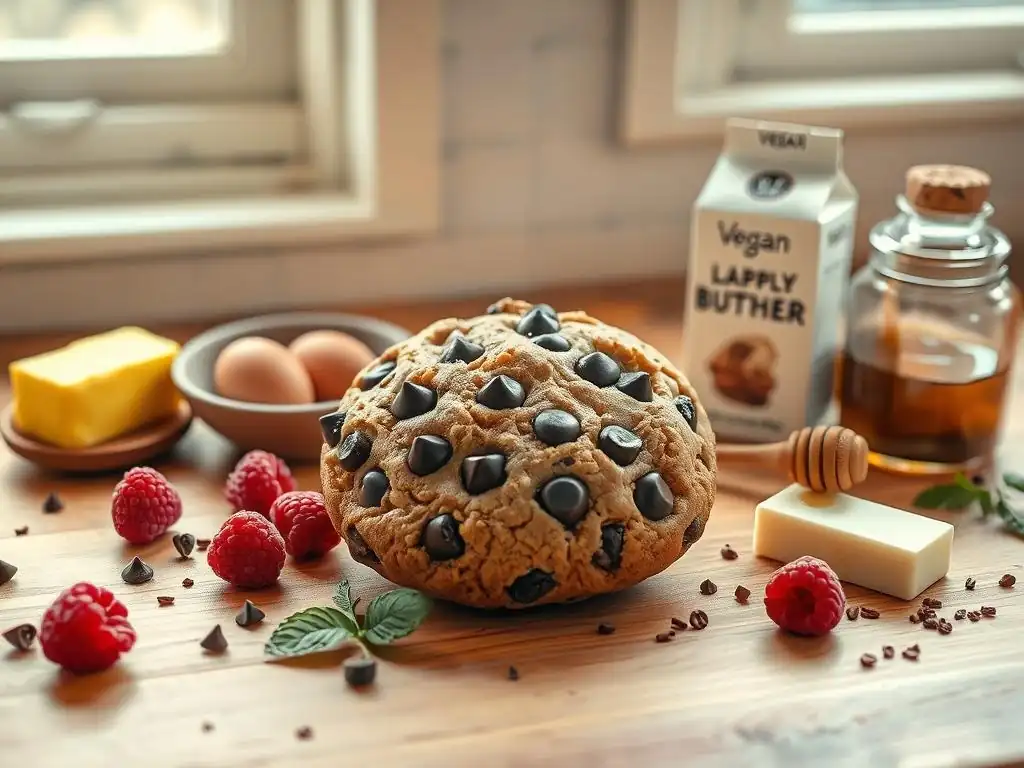
Butter plays a crucial multifaceted role in cookie recipes. It provides richness and flavor, contributes to the tender crumb structure by coating flour particles, and significantly impacts spread and texture depending on its state (cold, softened, or melted) and fat content (typically around 80-82% fat). The creaming process with sugar incorporates air, which provides lift during baking. Melted butter, on the other hand, results in denser, chewier cookies. Finding an effective vegan cookie recipe substitution for butter is arguably the most critical step in converting a traditional recipe.
Fortunately, the market offers excellent vegan butter substitutes. Look for vegan butter sticks, which are formulated to mimic the fat content and texture of dairy butter sticks, often containing a blend of plant oils like palm, shea, coconut, or sunflower. These work best in recipes that call for creaming butter and sugar, providing structure and facilitating air incorporation.
Tub margarines, while often vegan, typically have a higher water content (sometimes as low as 60% fat) and can lead to less spread and a tougher texture in cookies. For recipes using melted butter, melted coconut oil (refined if you don't want a coconut flavor) or a neutral-flavored vegetable oil like canola or sunflower can work, though they won't provide the same depth of flavor as butter. Experimentation is key, but vegan butter sticks are generally the most reliable vegan cookie recipe substitution for butter in classic cookie recipes.
Eggs serve several vital functions in cookies: they act as a binder, helping to hold ingredients together; contribute to leavening, providing lift and lightness (especially the yolks); add moisture and richness; and aid in browning. The specific role of the egg depends on the recipe and how many eggs are used. A recipe with one egg might rely more on its binding and moisture properties, while a recipe with multiple eggs will see more impact on structure and leavening. Effective vegan cookie recipe substitutions for eggs often require understanding which function the egg primarily serves in the original recipe.
There are numerous options for vegan cookie recipe substitutions for eggs, each with slightly different properties. A "flax egg" (1 tablespoon ground flaxseed mixed with 3 tablespoons water, left to gel for 5-10 minutes) is excellent for binding and adds a slightly nutty flavor, often working well in heartier cookies like oatmeal or chocolate chip. A "chia egg" works similarly.
Mashed banana or applesauce (about 1/4 cup per egg) adds moisture and binding but can impart flavor and result in a softer, cakeier texture, making them better suited for recipes where those characteristics are desired. Commercial egg replacers, often made from starches or gums, are designed specifically for baking and can mimic the binding and leavening properties of eggs more closely, offering a neutral flavor profile.
For recipes requiring significant lift or structure, such as meringue-style cookies, aquafaba (the liquid from a can of chickpeas) is an incredible vegan cookie recipe substitution that can be whipped into stiff peaks. Choosing the right replacer is crucial for achieving the desired cookie texture.
While not always a primary ingredient, milk is often used in cookie dough to adjust consistency and add moisture. In traditional recipes, dairy milk contributes fat and protein, influencing texture and browning. When making vegan cookie recipe substitutions, replacing dairy milk with a plant-based alternative is straightforward, but the type of plant milk chosen can subtly affect the outcome.
Most unsweetened, plain plant milks work perfectly as a 1:1 vegan cookie recipe substitution for dairy milk. Common options include almond milk, soy milk, oat milk, and cashew milk. Soy milk is often recommended by professional vegan bakers because its protein and fat content are relatively similar to dairy milk, contributing well to structure and browning. Oat milk is creamy and widely available.
Almond milk is lighter and has a neutral flavor. Coconut milk (from a carton, not canned) is also a good option. Avoid sweetened or flavored plant milks unless those flavors are desired, as added sugars can affect spread and sweetness balance. The key is to use unsweetened varieties to maintain control over the sugar content in your cookie recipe substitutions.
Transforming the beloved chocolate chip cookie into a vegan treat is one of the most common uses for vegan cookie recipe substitutions. The goal is typically to achieve that perfect balance of a slightly crisp edge, a chewy center, and melty chocolate chips. The primary swaps involve butter, eggs, and chocolate chips, alongside ensuring the right leavening.
Using a high-quality vegan butter stick is crucial for achieving the correct spread and texture, as it creams with sugar much like dairy butter, incorporating air for a lighter crumb compared to using liquid oils. The egg replacement needs to provide binding and some moisture without making the cookie too cakey; a flax egg or a good commercial egg replacer often works well here.
Beyond the core substitutions, paying attention to baking temperature and time is vital. Vegan dough can sometimes spread a bit more or less than its dairy counterpart depending on the specific substitutes used. Chilling the dough for at least 30 minutes before baking can help control spread and deepen flavors. Using baking soda in conjunction with a touch of acid (like apple cider vinegar or lemon juice added to the milk substitute) can enhance leavening and contribute to chewiness, a common technique in many vegan cookie recipe substitutions.
Best Vegan Chocolate Options for Chocolate Chip Cookies
Finding delicious vegan chocolate chips is easier than ever. Many brands now offer chips made without dairy, using cocoa mass, sugar, and often soy lecithin or sunflower lecithin as an emulsifier. Look for labels clearly stating "vegan" or checking the ingredient list for milk derivatives.
Popular choices include chips from brands like Enjoy Life (allergy-friendly and widely available), Pascha (often organic and higher cocoa content options), or even store-brand versions. The type of chocolate matters too; semi-sweet and dark chocolate chips are most commonly vegan by nature, while "milk" chocolate chips will require a specific vegan formulation. Consider using chopped vegan chocolate bars for larger pockets of melted chocolate in your cookies.
Achieving the Perfect Texture in Vegan Chocolate Chip Cookies
The desired texture – whether chewy, crisp, or soft – heavily depends on the ratio of ingredients and the specific vegan cookie recipe substitutions used. For chewiness, using a mix of granulated sugar and brown sugar is beneficial; the molasses in brown sugar adds moisture. Using a binding agent like a flax egg helps keep the cookie together without making it too cakey.
Over-mixing the dough after adding flour can develop gluten, leading to tougher cookies. Mix just until the flour is incorporated. Baking time is also key; under-baking slightly and letting the cookies cool on the baking sheet allows them to set up into a chewier texture. Conversely, baking longer at a slightly lower temperature can result in crispier edges.
Vegan sugar cookies are a fantastic canvas for simple vegan cookie recipe substitutions, perfect for cutting into festive shapes and decorating. The core of a great sugar cookie lies in its buttery flavor and ability to hold its shape while baking. The main swaps here are butter, egg, and milk.
A high-quality vegan butter stick is paramount for achieving the correct dough consistency that can be rolled out and cut without excessive sticking or crumbling. The egg replacement typically serves as a binder and provides a little richness; a flax egg or commercial replacer works well, or sometimes even a small amount of plant-based yogurt.
The simplicity of sugar cookies means that the quality of your vegan cookie recipe substitutions is quite noticeable. Using a vegan butter that tastes good and has a similar fat content to dairy butter ensures the cookies have that classic rich flavor. The amount of flour used is also critical for rollable dough; adding too much can make them dry and crumbly, while too little makes them sticky. Chilling the dough is absolutely essential for preventing excessive spread and maintaining sharp edges on cut shapes.
Using Vegan Butter for Sugar Cookie Success
As mentioned, vegan butter sticks are the go-to for sugar cookies that require rolling and cutting. Creaming softened vegan butter with sugar is the first step, incorporating air for a tender crumb. Ensure the butter is truly softened (press it, and your finger should leave an indentation easily, but it shouldn't be greasy or melted).
If your vegan butter seems to have more water than dairy butter, you might need to add a tablespoon or two more flour to achieve a non-sticky, rollable dough. Some bakers find that chilling the dough for a longer period, perhaps 1-2 hours, or even briefly freezing the cut shapes before baking, further improves shape retention when using vegan cookie recipe substitutions for butter.
Vegan Icing and Decorations for Festive Sugar Cookies
Decorating vegan sugar cookies is just as fun and easy as decorating traditional ones. Simple vegan icing can be made by whisking powdered sugar with a small amount of plant milk (like almond or oat milk) and a splash of vanilla extract until smooth. For a thicker, pipeable consistency, use less liquid.
For colored icing, use natural food colorings derived from vegetables. Vegan sprinkles and sanding sugars are widely available, but always check labels to ensure they don't contain confectioner's glaze (which often contains shellac) or carmine. Many popular sprinkle brands are accidentally vegan, but it's always safest to verify.
Peanut butter cookies are inherently well-suited for vegan cookie recipe substitutions because peanut butter itself provides much of the fat and binding needed. Often, traditional recipes use minimal eggs and butter, making the swap relatively straightforward. The key to a great vegan peanut butter cookie is maintaining its characteristic chewy-yet-crumbly texture and prominent peanut flavor. The main substitutions typically involve replacing egg(s) and a small amount of butter or shortening if used.
Replacing the egg with a flax egg or a commercial binder usually works perfectly, providing enough structure without making the cookies tough. If the original recipe uses butter, a vegan butter stick can be used, or sometimes even just increasing the amount of peanut butter slightly (if the original used very little butter) can suffice, though this might change the texture slightly. Many simple peanut butter cookie recipes only require peanut butter, sugar, and an egg, making the vegan swap incredibly easy – just replace the egg!
Choosing the Right Vegan Peanut Butter
The type of peanut butter significantly impacts the cookie's texture and flavor. Natural peanut butter (the kind that separates, with just peanuts and salt) is often less consistent and can lead to drier, crumblier cookies.
For best results in vegan cookie recipe substitutions for peanut butter cookies, use a no-stir, processed peanut butter (like Jif or Skippy, checking their vegan status) which contains stabilizers. The added oils and sugar in these types contribute to a more consistent texture and richer flavor that works reliably in baking.
Achieving the Perfect Crumbly Texture in Vegan Peanut Butter Cookies
The signature crosshatch pattern pressed with a fork isn't just for looks; it helps flatten the cookies, ensuring they bake evenly and achieve that desirable slightly crumbly, slightly chewy texture. Vegan peanut butter dough can sometimes be a bit softer than traditional dough.
If your dough is too sticky to form balls and press, chill it for 20-30 minutes. If it's too dry and crumbly, add a tiny splash (a teaspoon at a time) of plant milk until it comes together. Baking time is also crucial; bake just until the edges are set but the center still looks slightly soft for maximum chewiness.
Oatmeal cookies are a comforting classic, and making them vegan is quite simple using standard vegan cookie recipe substitutions. The oats themselves provide structure and texture, making the role of traditional binders less critical than in some other cookie types. The primary swaps are butter, eggs, and potentially milk if used in the recipe. The goal is a cookie that is soft and chewy in the center with slightly crisp edges, full of hearty oat flavor.
Using a vegan butter stick is recommended for its ability to cream and provide richness. For the egg, a flax egg is an excellent choice as it binds well with the oats and its slightly rustic nature complements the oatmeal flavor. Mashed banana or applesauce can also work, adding moisture and sweetness, but be mindful of the flavor impact. Ensure you use rolled oats (old-fashioned oats) rather than instant oats for the best texture; instant oats can turn mushy.
Replacing Eggs and Dairy in Oatmeal Cookies
As highlighted, a flax egg (1 tbsp ground flaxseed + 3 tbsp water) is a very effective vegan cookie recipe substitution for the egg in most oatmeal cookie recipes. It provides the necessary binding without significantly altering the texture or flavor profile, especially when compared to fruit purées.
If your recipe calls for milk, simply swap it 1:1 with your preferred unsweetened plant milk, such as soy or oat milk. The amount of milk is usually small, so the type has less impact here than when replacing larger quantities of liquid. Ensure your chocolate chips or other mix-ins (like raisins) are vegan.
Enhancing Flavor with Vegan-Friendly Add-Ins
Oatmeal cookies are perfect for incorporating various flavor boosters. Cinnamon, nutmeg, and vanilla extract are standard additions that are inherently vegan. For extra richness and moisture, consider adding a tablespoon or two of applesauce or mashed banana, even if you are using a flax egg for primary binding – just be aware this will make the cookies softer.
Vegan chocolate chips, raisins, dried cranberries, chopped nuts (like walnuts or pecans), or even shredded coconut are all excellent vegan-friendly add-ins. A pinch of sea salt sprinkled on top before baking can enhance all the sweet flavors. Don't be afraid to experiment with combinations like oats, vegan white chocolate chips, and macadamia nuts for a gourmet twist using your vegan cookie recipe substitutions.
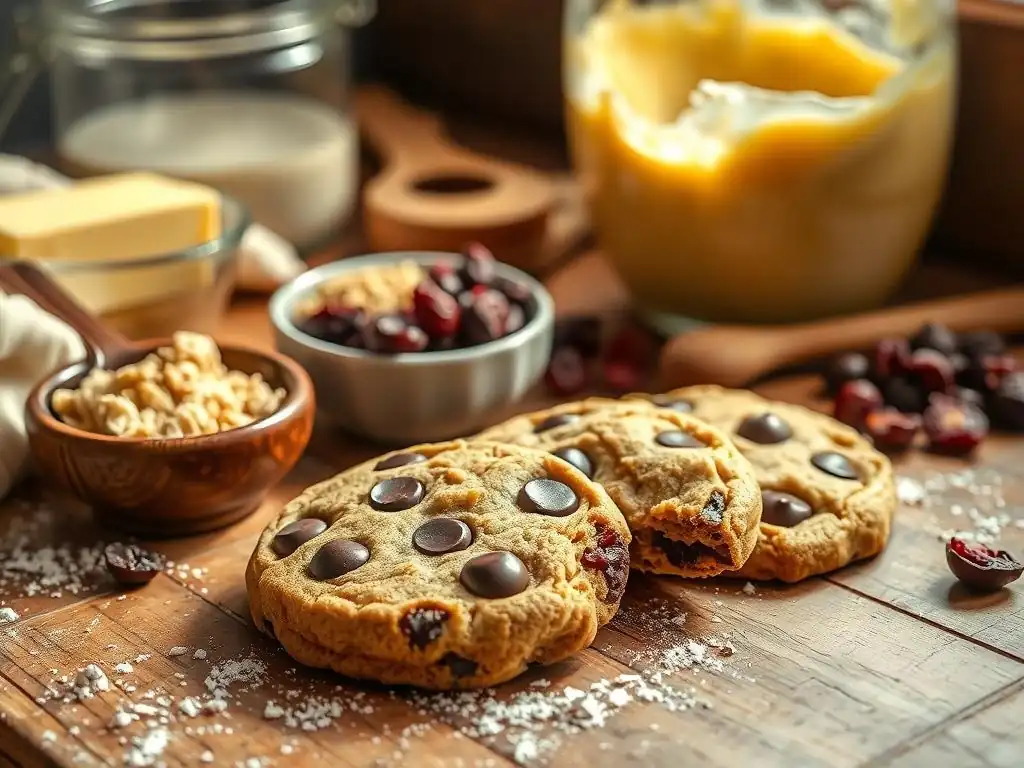
Aquafaba, the viscous liquid found in a can of chickpeas, is a truly remarkable vegan cookie recipe substitution, particularly for recipes that rely on whipped egg whites. It can be whipped into a stable foam that mimics meringue, making it possible to create delicate, airy vegan meringue cookies that were once considered impossible without eggs. The ratio of aquafaba to sugar is similar to that used in traditional meringues, typically around 1/2 cup of aquafaba to 1 cup of sugar, plus a stabilizer like cream of tartar (about 1/4 teaspoon per 1/2 cup aquafaba).
To use aquafaba, drain a can of unsalted chickpeas, reserving the liquid. Reduce the liquid slightly over low heat on the stovetop for about 5-10 minutes to concentrate it (this is optional but can improve stability), then chill it thoroughly. Whip the chilled aquafaba using an electric mixer on high speed until it forms soft peaks.
Gradually add superfine sugar (caster sugar) a tablespoon at a time, continuing to whip until stiff, glossy peaks form and the sugar is dissolved – this can take 10-15 minutes or longer. Pipe onto baking sheets and bake at a very low temperature (around 200-225°F or 90-110°C) for a long time (1-2 hours) until dry and crisp. This technique showcases the versatility of vegan cookie recipe substitutions beyond simple swaps.
Combining vegan requirements with gluten-free needs adds another layer of complexity to vegan cookie recipe substitutions, primarily focusing on the flour. Standard all-purpose flour provides structure through gluten development. In gluten-free vegan baking, you need a blend of flours and starches that mimic gluten's binding and structural properties. Using a single gluten-free flour like almond or oat flour often results in cookies that are too crumbly or dense.
The most reliable approach is to use a commercial all-purpose gluten-free flour blend designed for baking, which typically contains a mix of rice flour, potato starch, tapioca starch, and often a binder like xanthan gum. These blends can often be substituted 1:1 for wheat flour in many cookie recipes.
Alternatively, you can create your own blend; a common ratio might be 60% whole grain gluten-free flour (like brown rice or oat flour), 30% starch (tapioca or potato), and 10% binder (like almond flour or a small amount of xanthan gum – start with 1/4 teaspoon per cup of flour blend). Adjusting liquid might be necessary as gluten-free flours absorb moisture differently.
Vegan cookie dough can sometimes be prone to dryness depending on the vegan cookie recipe substitutions used, especially with certain egg replacers or low-fat vegan butters. Adding extra moisture is key to achieving a tender crumb. A tablespoon or two of applesauce, mashed banana, pumpkin puree, or even a neutral-flavored vegetable oil can significantly improve moisture content.
For added flavor complexity, incorporate ingredients like vanilla bean paste, almond extract, citrus zest, or spices like cardamom or ginger. Using brown sugar instead of all granulated sugar adds moisture and a caramel note. Toasting nuts or oats before adding them to the dough enhances their flavor. A pinch of salt is essential to balance sweetness. Don't forget the power of chilling the dough; it not only helps with shape but also allows flavors to meld.
Dry and crumbly vegan cookies are a common issue, often stemming from too much flour, insufficient fat, or using the wrong type of vegan cookie recipe substitutions for eggs or butter. Flour measurement is critical; always spoon flour into your measuring cup and level it off, rather than scooping directly from the bag, which can pack too much flour in.
If your dough looks dry before baking, you can try kneading it gently a few times to see if the fat distributes better, or add a teaspoon of plant milk, melted vegan butter, or even a neutral oil like canola or sunflower oil, mixing just until the dough comes together. If the cookies are already baked and dry, they can sometimes be salvaged by storing them in an airtight container with a slice of bread (the cookies will absorb moisture from the bread) or briefly warming them before serving.
Next time, consider slightly reducing the flour or increasing a liquid/fat component in your vegan cookie recipe substitutions.
Cookies that spread too much and end up thin and flat can be disappointing. This is often caused by vegan butter that is too soft or has a lower fat content, insufficient flour, too much sugar, or baking on a warm baking sheet. Vegan butter sticks often have a lower melting point than dairy butter, contributing to spread.
To combat excessive spread when using vegan cookie recipe substitutions:
- Ensure your vegan butter is properly softened, not melted.
- Chill the dough thoroughly for at least 30 minutes, or even several hours. Baking cold dough helps the structure set before the fat melts.
- Use a baking sheet lined with parchment paper or a silicone mat, rather than greasing the sheet, which can encourage spread.
- Bake on cool baking sheets; use multiple sheets or let them cool completely between batches.
- Consider adding a tablespoon or two more flour to the dough.
- Ensure your leavening agents (baking soda/powder) are fresh.
Many people desire a chewy texture in their cookies. Achieving this with vegan cookie recipe substitutions involves a combination of ingredient choices and baking technique. Using a mix of granulated sugar and brown sugar is key; the molasses in brown sugar retains moisture.
Using a binder like a flax egg or commercial egg replacer helps create that slightly dense, chewy interior. Over-mixing should be avoided as it can develop gluten (even with vegan cookie recipe substitutions, if using wheat flour), leading to toughness rather than chewiness. Baking time is also crucial: bake just until the edges are lightly golden and set, but the center still looks slightly soft. They will continue to cook and set as they cool on the baking sheet, resulting in a perfectly chewy texture.

While mastering vegan cookie recipe substitutions is a great starting point, understanding the fundamental ratios of cookie dough ingredients empowers you to create your own recipes. A basic traditional cookie dough might follow approximate weight ratios like:
- Fat (Butter/Shortening): 1 part
- Sugar: 1 part
- Flour: 2-3 parts
- Egg: 1 per ~1-2 parts fat/sugar combined
- Leavening/Flavor: Small amounts
When developing a vegan recipe, you need to consider how your vegan cookie recipe substitutions will affect these ratios. Vegan butter sticks often have a similar fat ratio to dairy butter, but their behavior can differ. Egg replacers provide binding but not necessarily the same volume or richness as eggs. You might need to adjust the amount of liquid (plant milk) slightly depending on the moisture content of your egg and butter substitutes.
For example, if using applesauce as an egg replacer, you're adding significant moisture, so you might need slightly less plant milk or a touch more flour. If using a commercial binder, you might need to add a bit more fat or a splash of milk for richness. Experimentation and careful observation are crucial. Start with a basic ratio using your chosen vegan cookie recipe substitutions and make small adjustments (e.g., add 1-2 tablespoons more flour if too sticky, or a teaspoon of milk if too dry) until the dough has the desired consistency.
Experimenting with Flavors and Textures in Vegan Baking
Once you're comfortable with basic vegan cookie recipe substitutions, the fun of experimentation begins! Vegan baking opens up possibilities for unique flavor combinations and textures. Consider incorporating ingredients like:
- Nut and seed butters (almond, cashew, sunflower seed) for distinct flavors and textures.
- Various plant milks (coconut, cashew, macadamia) for subtle flavor notes.
- Different oils (olive oil for a fruity note, toasted sesame oil for savory cookies).
- Sweeteners beyond sugar (maple syrup, agave, date paste – note these are liquids and will affect texture).
- Flavored extracts and zests.
- Spices and herbs (rosemary in a shortbread, chili in chocolate cookies).
- Vegan cream cheese or plant-based yogurt for tang and moisture.
You can also play with leavening agents to control texture. More baking soda tends to lead to spread and chewiness, while more baking powder results in puffier, cakeier cookies. Combining both is common. Adjusting baking temperature and time also impacts texture, as discussed in the troubleshooting section. Documenting your experiments with vegan cookie recipe substitutions and new ingredients is helpful for replicating successes.
We love seeing what our community bakes! Once you've successfully used vegan cookie recipe substitutions to create delicious treats or even developed your own unique vegan cookie recipes, share your experiences. What swaps worked best for you? Did you discover a clever trick for perfect texture?
Your insights help others on their vegan baking journey. Sharing your creations and tips contributes to the collective knowledge of the Bake With Ease community, making it easier for everyone to enjoy the delights of vegan cookies. Embrace the process, learn from each batch, and celebrate your successes!
Mastering vegan cookie recipe substitutions is an accessible skill that unlocks a world of delicious plant-based baking. We've explored the essential swaps: high-quality vegan butter sticks for richness and structure, various egg replacers like flax eggs or commercial binders for binding and texture, and unsweetened plant milks for moisture. Each substitution plays a specific role, and understanding these functions is key to successful adaptation. For classic cookies like chocolate chip, sugar, peanut butter, and oatmeal, specific combinations of these swaps yield the best results, often requiring minor adjustments in technique like chilling the dough or adjusting bake time.
We also touched upon more advanced techniques, like using aquafaba for delicate meringues and navigating gluten-free flour blends alongside vegan cookie recipe substitutions. Troubleshooting common issues like dryness or excessive spread often involves fine-tuning ratios or adjusting baking methods. The journey culminates in the ability to confidently adapt existing recipes and even invent your own, leveraging a deeper understanding of how ingredients interact in a vegan context. Embracing these vegan cookie recipe substitutions allows you to enjoy your favorite treats while aligning with plant-based preferences.
Bake With Ease: Your Partner in Vegan Baking Success
At Bake With Ease, we are committed to making baking enjoyable and successful for everyone, regardless of experience level or dietary choices. Our resources, including guides like this one on vegan cookie recipe substitutions, are designed to provide clear, actionable information to help you navigate new techniques and ingredients. We believe that vegan baking doesn't have to be complicated; it simply requires a little knowledge and willingness to experiment.
Whether you're making your first vegan cookie swap or developing an entirely new recipe, remember that practice makes perfect. Don't be discouraged by a batch that doesn't turn out exactly as planned. Each attempt is a learning opportunity. With the insights into vegan cookie recipe substitutions shared here and the ongoing support from Bake With Ease, you have the tools to confidently transform your favorite cookie recipes and discover the joy of delicious, homemade vegan cookies. Happy baking!
Frequently Asked Questions
Eggs can be replaced with several options. Popular choices include applesauce, mashed banana, or a flaxseed egg (1 tbsp flaxseed meal + 3 tbsp water).
Common vegan butter substitutes are vegan butter sticks specifically formulated for baking, coconut oil, or vegetable shortening. These provide the necessary fat for texture and flavor.
Almond milk, soy milk, and oat milk are excellent choices. They all contribute moisture and richness, but oat milk is known for its creamy texture.
For a vegan alternative, consider using agave nectar, brown rice syrup, or date syrup. Adjust the amount slightly to match the sweetness level.
Websites like BakeWithEase.com offer step-by-step guides and easy-to-find ingredient substitutions specifically designed for vegan baking success. Look for recipes tailored to vegan dietary needs.
The shift towards plant-based diets is no longer a niche trend; it's a growing movement impacting food production, environmental sustainability, and personal health. The accessibility of vegan alternatives, even for seemingly complex recipes like cookies, is a testament to this powerful change. This article explored simple swaps that allow anyone to enjoy delicious, ethical, and environmentally conscious treats.
The journey of adapting beloved recipes to be vegan has been surprisingly rewarding, not just for the delicious results, but for the broader awareness it fosters. It highlights the power of small choices to create a ripple effect. We don't need a handful of people doing zero waste perfectly. We need millions of people doing it imperfectly.
This quote perfectly encapsulates the spirit of vegan baking – it's about progress, not perfection. By making conscious choices in our kitchens, we contribute to a larger conversation about sustainable living and compassionate consumption.
Now, I invite you to consider your own baking habits. What small changes can you make to incorporate more plant-based ingredients into your favorite recipes? Don't be afraid to experiment, to adapt, and to discover the joy of creating delicious vegan treats. Each cookie you bake with a conscious choice is a step towards a more sustainable and compassionate future, one delicious bite at a time.
Unleash Your Inner Vegan Baker!
Thanks for exploring the delicious world of vegan baking with us! We hope you've discovered some exciting new ways to enjoy your favorite cookie recipes without compromising on flavor. Ready to take the next step?
- Bake your first vegan cookie! Grab those ingredients, pick your favorite recipe from the article, and get baking. We're confident you'll be amazed by the results.
- Share your creations! Post a picture of your vegan cookie masterpiece on social media and tag us – we'd love to see what you've made!
- Challenge a friend: Encourage a friend to try a vegan cookie recipe too – it's a delicious way to spread the joy (and maybe even start a baking competition! ).
What incredible vegan cookie flavor combinations will you create?