
Mixing Bowls Demystified: Material Secrets Every Baker Should Know

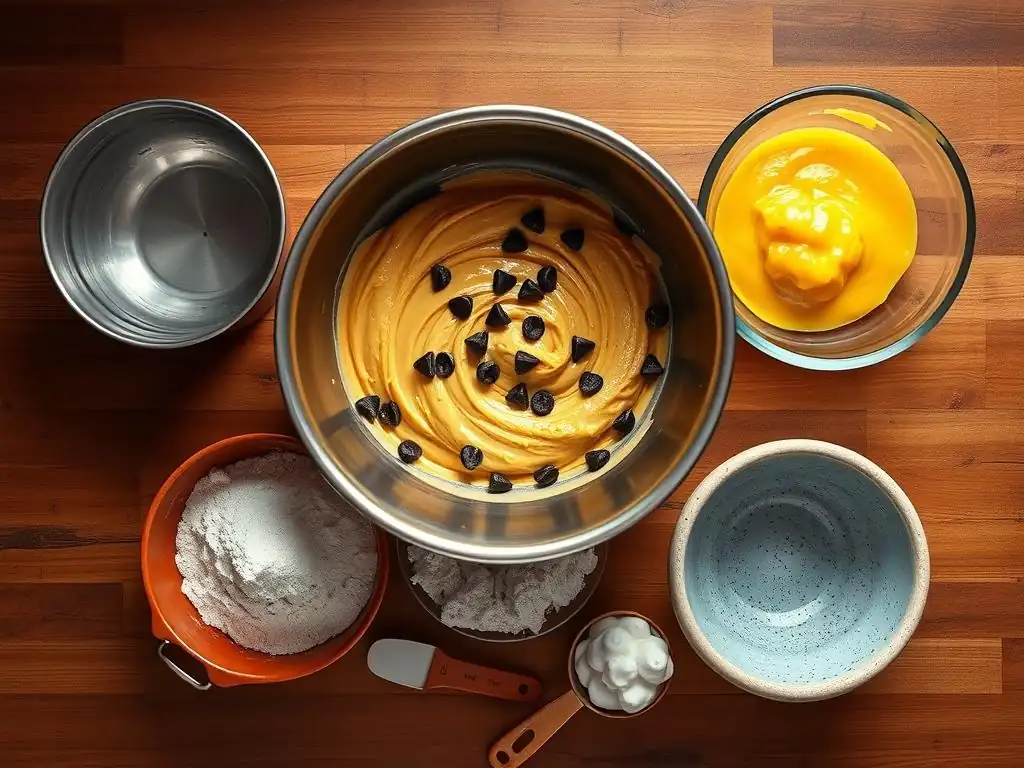
Welcome to BakeWithEase, your guide to confident baking! Ever wondered if your mixing bowl is actually helping or hindering your creations? This week, we're diving deep into the world of mixing bowls, uncovering the secrets behind different materials. Prepare to have your mind (and batter!) blown as we explore the best mixing bowl materials for baking, revealing which ones truly elevate your baking game and which might be sabotaging your success. Intrigued? Let's get mixing!
- Introduction: Choosing the Best Mixing Bowl Materials for Baking Success
- Stainless Steel Mixing Bowls: A Baker's Versatile Choice
- Glass Mixing Bowls: Clarity and Convenience in the Kitchen
- Ceramic Mixing Bowls: Style and Functionality Combined
- Plastic Mixing Bowls: Affordability and Practicality
- Copper Mixing Bowls: The Secret Weapon for Egg Whites
- Silicone Mixing Bowls: Modern Flexibility for Bakers
- Comparing Mixing Bowl Materials: A Quick Reference Guide
- Tips for Maintaining Your Mixing Bowls for Longevity
- Conclusion: Selecting the Perfect Mixing Bowl for Your Baking Journey
-
Frequently Asked Questions
- What are the best mixing bowl materials for baking, according to BakeWithEase?
- Why is the material of a mixing bowl so important for baking?
- Which mixing bowl material is the easiest to clean, according to BakeWithEase?
- Are there any mixing bowl materials that BakeWithEase recommends avoiding for specific baking tasks?
- How does BakeWithEase suggest choosing the best mixing bowl materials for a beginner baker?
- Final Reflection: The Perfect Bowl, the Perfect Bake
- Unlock Your Baking Potential: Master the Art of the Mixing Bowl!
Introduction: Choosing the Best Mixing Bowl Materials for Baking Success
Why the Right Mixing Bowl Material Matters for Baking
Choosing the right mixing bowl might seem like a minor detail, but the material it's made from can significantly impact your baking results. Different materials interact with ingredients in unique ways, affecting everything from the temperature of your batter or dough to how well egg whites whip up. For instance, some materials are reactive, potentially causing discoloration or off-flavors with acidic ingredients like lemon juice or buttermilk. Others have poor insulation, making it harder to control dough temperature during long rises, which is crucial for achieving that perfect sourdough crumb.
Furthermore, the physical properties of the bowl material affect usability and safety in the kitchen. A heavy ceramic bowl offers stability but can be cumbersome, while a lightweight plastic bowl is easy to handle but might slide around. Understanding these nuances helps you select the best mixing bowl materials baking calls for in specific situations, ensuring your ingredients are mixed effectively and safely, ultimately leading to more consistent and successful baked goods. It's about matching the tool to the task for optimal performance.
BakeWithEase's Guide to Understanding Mixing Bowl Materials
Welcome to BakeWithEase's deep dive into the world of mixing bowls! We know that navigating the options can be overwhelming, which is why we've created this guide to demystify the various materials available. We'll break down the characteristics, pros, and cons of the most common types – stainless steel, glass, ceramic, plastic, copper, and silicone – to help you make informed decisions for your baking projects. Our goal is to equip you with the knowledge to choose the best mixing bowl material for baking any recipe, from delicate meringues to robust bread doughs.
This guide will explore how each material behaves under different conditions, such as temperature fluctuations and contact with various ingredients. We'll also touch upon factors like durability, ease of cleaning, and overall value. By the end, you'll have a clear understanding of which bowl is best suited for whisking, folding, kneading, or simply holding ingredients. Think of this as your essential primer to selecting the ideal mixing bowls for baking success, making your time in the kitchen more efficient and enjoyable.
Stainless Steel Mixing Bowls: A Baker's Versatile Choice
Advantages of Stainless Steel Bowls for Baking
Stainless steel is a perennial favorite among bakers, and for good reason. Its primary advantage is its exceptional durability; these bowls are virtually indestructible, resisting dents, scratches, and rust even with heavy use. Unlike some other materials, stainless steel is non-reactive, meaning it won't interact chemically with acidic ingredients like vinegar, citrus juices, or tomatoes, preserving the true flavor and color of your mixtures. This makes them incredibly versatile for a wide range of baking tasks.
Another significant benefit is their lightweight nature compared to glass or ceramic, making them easy to handle, especially when mixing large quantities or scraping down sides. They also have relatively good temperature stability – while they don't insulate as well as ceramic, they can be quickly chilled in the freezer or warmed over a double boiler if needed, offering flexibility for temperature-sensitive recipes like tempering chocolate or chilling dough before rolling. Their smooth, non-porous surface also makes them easy to clean and resistant to stains and odors.
Disadvantages of Stainless Steel Bowls
Despite their many strengths, stainless steel bowls do have a couple of drawbacks. One significant limitation is their inability to be used in the microwave, which can be inconvenient if a recipe requires gently melting ingredients like butter or chocolate directly in the mixing bowl. You'll need to use a different container or method for these steps.
Another minor disadvantage is that while they are durable, they can be prone to scratching if abrasive scrubbers are used, which over time might affect the smooth surface. Also, because they are lightweight, very vigorous mixing, especially with handheld electric mixers, can sometimes cause the bowl to slide around on the countertop if it's not held securely or placed on a non-slip mat. While they are excellent general-purpose mixing bowls for baking, these specific limitations mean they might not be the absolute best mixing bowl material for baking every single task.
Best Uses for Stainless Steel Mixing Bowls in Baking
Stainless steel bowls excel in tasks requiring vigorous mixing, whipping, or folding large volumes. They are ideal for mixing cake batters, cookie doughs, and muffin mixes. Their non-reactive surface makes them perfect for whipping egg whites or cream, as there's no risk of metallic taste or discoloration. They are also superb for kneading bread dough, especially larger batches, due to their sturdy yet lightweight nature which allows for easy handling and scraping.
They are also convenient for general preparation, like tossing salads (if you're doing savory baking prep) or holding chopped vegetables. For chilling doughs or batters quickly, a brief stint in the freezer works well. In short, stainless steel is often considered among the best mixing bowl materials baking kitchens can have for its sheer utility across a vast array of recipes, particularly those involving standard batters, doughs, and whipped ingredients.
Glass Mixing Bowls: Clarity and Convenience in the Kitchen
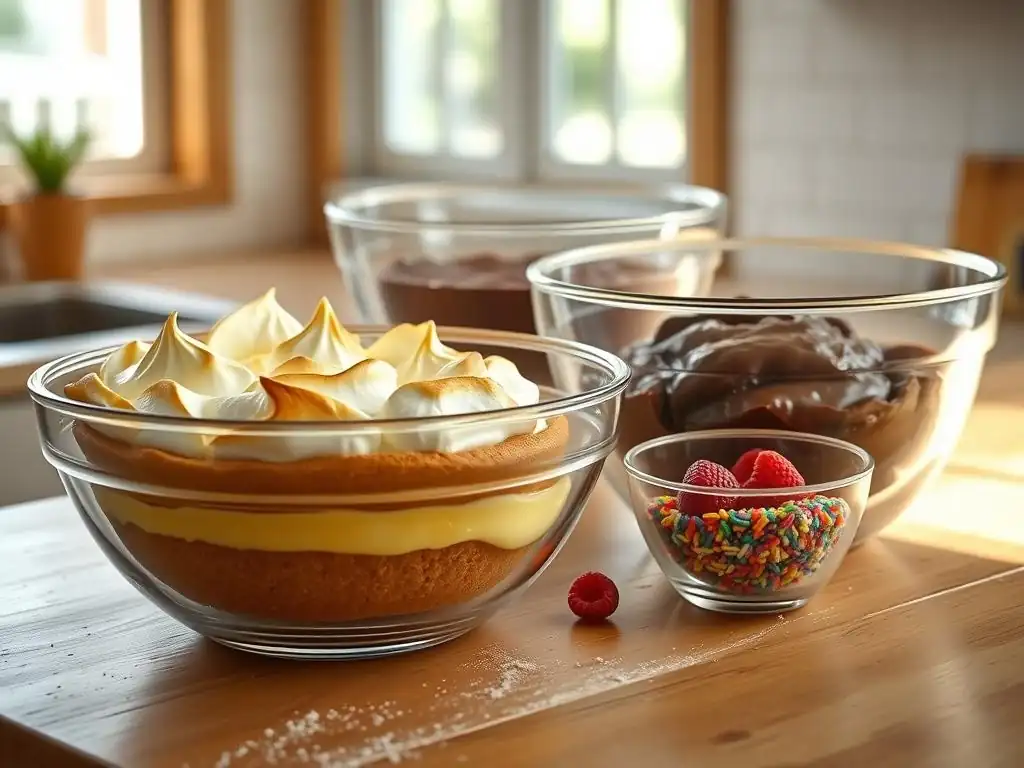
Benefits of Using Glass Mixing Bowls for Baking
Glass mixing bowls offer a distinct advantage: visibility. Their transparent nature allows you to easily see the ingredients as they are being mixed, ensuring everything is fully incorporated and scraped down properly. This is particularly helpful when layering ingredients or checking the consistency of batters without needing to stop mixing. Common borosilicate glass, often used for mixing bowls, is also non-reactive, just like stainless steel, meaning it won't affect the flavor or color of acidic or alkaline ingredients.
Another significant benefit is their versatility in terms of heat. Glass mixing bowls can typically be used in the microwave, making them incredibly convenient for melting butter, chocolate, or warming liquids directly in the bowl. Many are also oven-safe (check manufacturer specifications! ), allowing for uses beyond just mixing, such as acting as a double boiler over a pot or even baking certain items like streusels or crisps. They are also non-porous, resisting stains and odors effectively.
Drawbacks of Glass Mixing Bowls: Considerations for Bakers
The most obvious drawback of glass mixing bowls is their fragility. Dropping a glass bowl, especially on a hard kitchen floor, almost always results in breakage. This makes them less durable than stainless steel or plastic options. They are also significantly heavier than stainless steel or plastic bowls of comparable size, which can make them more challenging to handle, pour from, or move around, particularly when full of heavy dough or batter.
While glass is non-reactive and non-porous, it's also a relatively poor insulator compared to ceramic. This means that ingredients will change temperature more quickly if exposed to ambient room temperature, which might be a factor in recipes requiring precise temperature control, like laminated doughs. Despite being among the best mixing bowl materials baking offers for visibility, their weight and fragility require more careful handling in a busy kitchen.
Ideal Baking Tasks for Glass Mixing Bowls
Glass mixing bowls are excellent for tasks where visual monitoring is key. They are perfect for whisking eggs for custards, preparing batters where you need to see the texture develop, or melting chocolate and butter in the microwave. Their weight provides good stability on the counter while mixing, provided you're not moving it frequently.
They are also highly suitable for creating mixtures that might stain other materials, as glass is resistant to discoloration. For recipes requiring a double boiler, an oven-safe glass bowl fits perfectly over a saucepan of simmering water. For bakers who value being able to see their ingredients transform and appreciate microwave compatibility, glass bowls represent some of the best mixing bowl materials baking provides for these specific needs.
Ceramic Mixing Bowls: Style and Functionality Combined
The Allure of Ceramic Bowls in Baking
Ceramic mixing bowls, often beautifully glazed, bring a touch of traditional style and substantial feel to the kitchen. Beyond aesthetics, their primary functional advantage is excellent temperature retention. Once heated or chilled, ceramic holds that temperature for a considerable time, which can be beneficial for certain baking processes. For example, if you need to keep a dough slightly warm during the initial rise, a warmed ceramic bowl can help maintain a stable temperature.
Their weight also provides significant stability on the countertop during mixing, making them feel very sturdy and resistant to sliding, even with vigorous hand mixing. High-quality ceramic is non-reactive, ensuring no unwanted flavors or colors transfer to your ingredients. The smooth, glazed surface is also relatively easy to clean, though minor scratches can occur over time. For bakers who appreciate both form and function, ceramic bowls can be considered among the best mixing bowl materials baking offers for their unique blend of thermal properties and aesthetic appeal.
Limitations of Ceramic Mixing Bowls for Baking
Ceramic bowls share the primary drawback of glass: fragility. They are prone to chipping, cracking, or shattering if dropped or knocked against hard surfaces. Their substantial weight, while offering stability, can also be a disadvantage, making them heavy to lift, especially when full, and potentially difficult to scrape out completely due to their often thicker construction.
While they retain temperature well, they also take longer to heat up or cool down compared to stainless steel or glass, which can be inconvenient if you need rapid temperature changes. Some lower-quality glazes might not be entirely non-porous or could potentially contain lead, so it's crucial to ensure you purchase food-safe ceramic bowls from reputable sources. These limitations mean that while stylish and stable, ceramic bowls might not be the most practical choice for every single baking task or kitchen environment.
When to Choose a Ceramic Mixing Bowl for Baking Projects
Ceramic mixing bowls are excellent for tasks where their weight and stability are assets, such as hand-mixing dense batters or doughs. Their heat retention can be useful for mixing ingredients that benefit from staying warm, like some enriched doughs during proofing, or for gently melting fats by placing the bowl in a warm environment.
They are also lovely for serving finished items like fruit salads or batters directly, doubling as serving dishes. While not typically used for whipping large volumes of egg whites (copper is superior here), their stability and non-reactive surface make them suitable for general mixing. For bakers who value a sturdy, stable bowl with good thermal properties and appreciate a classic look, ceramic can be one of the best mixing bowl materials baking provides for specific, less dynamic mixing tasks.
Plastic Mixing Bowls: Affordability and Practicality
Advantages of Plastic Mixing Bowls: Lightweight and Economical
Plastic mixing bowls are perhaps the most common and budget-friendly option available. Their primary advantage is their incredible lightness, making them easy to handle, lift, and store. They are also relatively durable compared to glass or ceramic, less likely to shatter if dropped, though they can crack or warp over time.
Another major plus is their affordability; you can often purchase a set of plastic bowls in various sizes for the cost of a single bowl in another material. Many plastic bowls are microwave-safe (check symbols! ), offering convenience for melting ingredients. They are also often dishwasher-safe and resistant to rust and dents. For beginners or those stocking a kitchen on a budget, plastic offers a very accessible entry point into finding suitable mixing bowls for baking.
Disadvantages of Plastic Mixing Bowls: Heat Sensitivity and Durability
Plastic bowls have several notable drawbacks. They can scratch easily, and these scratches can harbor bacteria and odors, making them less hygienic over time compared to non-porous materials. Plastic is also sensitive to heat; exposing it to high temperatures can cause it to warp or even melt. This means they are not suitable for use over direct heat or typically for very hot ingredients.
Furthermore, plastic can react with certain ingredients, particularly those high in fat or colorants, leading to staining and the absorption of odors. While they are less likely to shatter than glass or ceramic, they are less durable in the long term than stainless steel, prone to becoming brittle or warped. While inexpensive and light, these limitations mean plastic might not always be the best mixing bowl material for baking tasks requiring high heat, stain resistance, or maximum hygiene over time.
Suitable Baking Applications for Plastic Mixing Bowls
Plastic mixing bowls are excellent for light, general mixing tasks where temperature isn't a major factor. They are perfect for whisking dry ingredients together, mixing simple batters for pancakes or muffins, or combining ingredients for toppings. Their lightweight nature makes them ideal for kids learning to bake.
They are also convenient for temporary storage of ingredients or prepped items. For tasks like folding in dry ingredients into a wet batter, their lightness and often flexible sides can be helpful. While not the top choice for whipping egg whites or working with hot sugar, plastic bowls are perfectly adequate and cost-effective for many basic mixing bowls for baking needs.
Copper Mixing Bowls: The Secret Weapon for Egg Whites
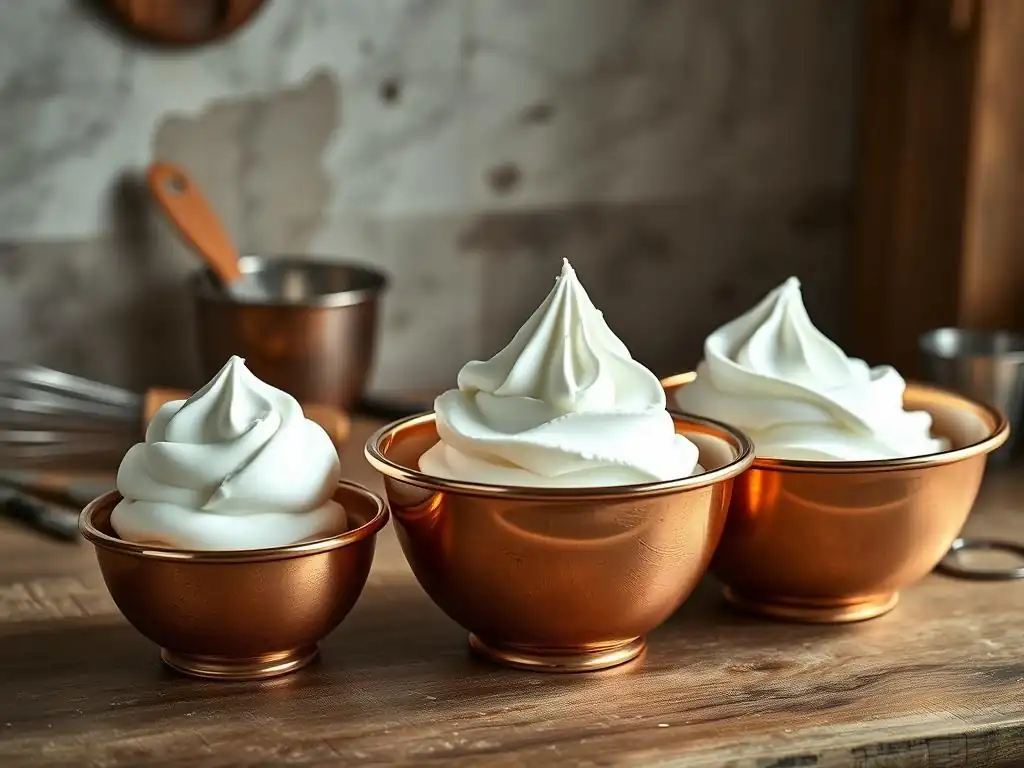
The Unique Properties of Copper Bowls for Baking
Copper mixing bowls hold a special, almost legendary, place in baking history, primarily for their remarkable effect on egg whites. When egg whites are whisked in a copper bowl, a chemical reaction occurs: copper ions from the bowl bind with sulfur molecules in the egg whites. This interaction results in more stable egg white foam, preventing the sulfur from bonding and causing the proteins to collapse.
The outcome is meringue or whipped egg whites that are significantly more stable, have finer bubbles, and are less likely to deflate than those whipped in stainless steel or glass bowls. This unique property makes copper arguably the best mixing bowl material for baking tasks centered around achieving perfect, stable egg white peaks, such as meringues, soufflés, and mousses. A well-maintained copper bowl can dramatically improve the texture and stability of these delicate preparations.
Proper Care and Maintenance of Copper Mixing Bowls
Copper bowls require specific care to maintain their effectiveness and appearance. They should be washed by hand immediately after use with warm, soapy water and dried thoroughly to prevent tarnishing. Avoid using abrasive scrubbers or putting them in the dishwasher, as this can damage the surface and the reactive properties essential for whipping egg whites.
Over time, copper will naturally develop a patina or tarnish due to oxidation. While some prefer this look, significant tarnish can reduce the bowl's effectiveness for egg whites. To restore the shine and reactive surface, you can clean it with a mixture of salt and lemon juice or vinegar, or use a commercial copper cleaner, followed by thorough rinsing and drying. Proper care ensures your copper bowl remains one of the best mixing bowl materials baking can utilize for specific, high-performance tasks.
Achieving Perfect Egg Whites with Copper Bowls
Using a copper bowl for whipping egg whites is straightforward but requires attention to detail. Ensure the bowl is spotlessly clean and completely dry. Even a tiny amount of grease or moisture can prevent the egg whites from whipping properly. Start with room temperature egg whites, as they whip to a greater volume than cold ones.
Begin whisking slowly until the whites are frothy, then increase speed. The copper will naturally work its magic, creating a dense, stable foam. You'll notice the difference in the volume and texture compared to other bowls. Once you've achieved the desired peak consistency (soft, medium, or stiff), the copper helps the foam hold its structure for longer, giving you more time to fold it into batters or shape meringues without significant deflation. For any recipe where stable egg whites are paramount, a copper bowl is unequivocally the best mixing bowl material baking can offer.
Silicone Mixing Bowls: Modern Flexibility for Bakers
Benefits of Silicone Mixing Bowls: Non-Stick and Heat-Resistant
Silicone mixing bowls are a modern addition to the baker's toolkit, prized for their unique flexibility and non-stick properties. Ingredients release easily from silicone, making scraping down sides or emptying the bowl remarkably simple. Many silicone bowls are designed to be collapsible, saving valuable storage space in smaller kitchens.
Silicone is also highly heat-resistant, typically able to withstand temperatures from well below freezing up to 400-500°F (200-260°C), making them safe for use with hot liquids or for melting ingredients in a microwave or over a double boiler (if the design allows). They are generally non-reactive and easy to clean, often dishwasher-safe, and resistant to odors and stains, though very vibrant food colors might leave a slight tint over time.
Drawbacks of Silicone Mixing Bowls: Stability and Potential for Staining
The very flexibility that makes silicone bowls easy to store can be a disadvantage during vigorous mixing. They lack the stability of rigid bowls like stainless steel, glass, or ceramic, and can flop or move around on the counter unless they have a weighted base or are held firmly. This makes them less ideal for heavy-duty mixing or kneading.
While generally stain-resistant, some vibrant food colorings (like those from berries or artificial dyes) can potentially stain lighter-colored silicone over prolonged contact. They are also generally more expensive than plastic bowls of comparable size. Their flexible nature, while convenient for some tasks, means they aren't the best mixing bowl materials baking demands for every situation, particularly those requiring a firm, stable base.
Creative Baking Uses for Silicone Mixing Bowls
Silicone bowls are fantastic for tasks where their non-stick quality and flexibility shine. They are excellent for melting chocolate or candy melts, as the cooled mixture can often be easily peeled out if it hardens. They are also great for whisking eggs or light batters where minimal scraping is desired.
Their collapsible nature makes them perfect for small spaces or RV kitchens. Some bakers use them for tempering small amounts of chocolate or for creating quick glazes and icings that need to be poured easily. While not suitable for heavy doughs or vigorous electric mixing, their unique properties make them useful, niche mixing bowls for baking specific, often smaller-scale, tasks.
Comparing Mixing Bowl Materials: A Quick Reference Guide
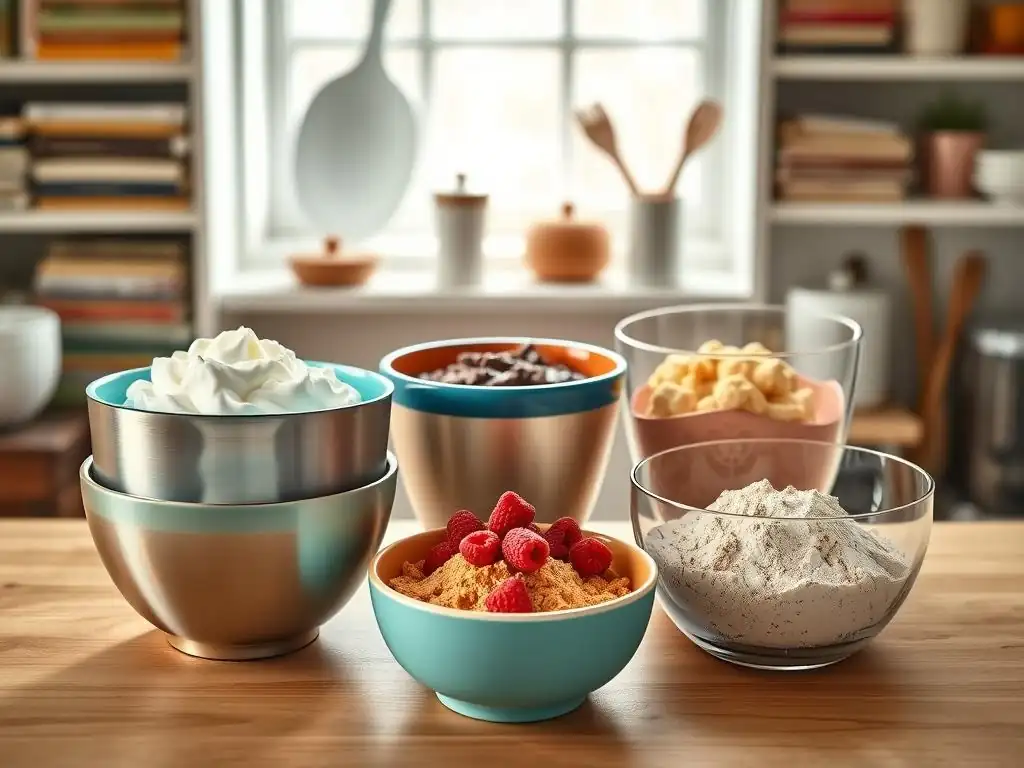
Stainless Steel vs. Glass vs. Ceramic vs. Plastic vs. Copper vs. Silicone: Key Differences
Choosing the best mixing bowl materials baking requires means understanding their fundamental differences.
- Stainless Steel: Durable, lightweight, non-reactive, good temperature flexibility (chills/warms quickly), not microwave-safe.
- Glass: Transparent (visibility), non-reactive, microwave-safe, often oven-safe, heavy, fragile.
- Ceramic: Stable (heavy), excellent temperature retention (slow to change), non-reactive (if high quality), fragile, heavy.
- Plastic: Lightweight, economical, durable (less prone to shattering), often microwave-safe, prone to scratching, staining, odor absorption, heat sensitive.
- Copper: Unique reaction for superior egg whites, non-reactive with most things (but reacts with egg whites), requires specific care, expensive, not microwave/dishwasher safe.
- Silicone: Flexible, non-stick, heat-resistant, collapsible, lightweight, lacks stability for heavy mixing, potential for minor staining.
| Feature | Stainless Steel | Glass | Ceramic | Plastic | Copper | Silicone |
|---|---|---|---|---|---|---|
| Durability | Excellent | Poor | Fair | Good | Good | Good |
| Weight | Lightweight | Heavy | Very Heavy | Very Lightweight | Medium | Lightweight |
| Reactivity | Non-reactive | Non-reactive | Non-reactive | Reactive (stain/odor) | Reactive (eggs) | Non-reactive |
| Temperature | Quick Change | Quick Change | Slow Change | Heat Sensitive | Quick Change | Heat Resistant |
| Microwave Safe | No | Yes | Often Yes | Often Yes | No | Yes |
| Dishwasher Safe | Yes | Yes | Often Yes | Often Yes | No | Often Yes |
| Cost | Medium | Medium | High | Low | Very High | Medium |
| Visibility | No | Yes | No | No | No | No |
| Stability | Good | Excellent | Excellent | Poor | Good | Poor |
This table highlights why there's no single "best" mixing bowl material for baking; each has a unique profile of strengths and weaknesses.
Choosing the Right Material Based on Your Baking Needs
Selecting the ideal mixing bowls for baking depends heavily on the types of recipes you make most often and your personal preferences. If you primarily bake bread and need a workhorse bowl for kneading and mixing large volumes that can handle being dropped, stainless steel is likely your best all-around choice and arguably the best mixing bowl material for baking versatility. If you frequently melt ingredients in the microwave or value seeing your ingredients mix, glass is excellent.
For those passionate about meringues and soufflés, a copper bowl is an invaluable, albeit specialized, tool. If stability for hand mixing is key, or you need a bowl that stays warm or cold, ceramic is a strong contender. For budget-conscious bakers or those needing lightweight, easy-to-store options for simple tasks, plastic or collapsible silicone are practical. Consider the specific demands of your favorite BakeWithEase recipes – do they involve delicate whipping, heavy kneading, or microwave melting? Let the requirements of the task guide your choice of the best mixing bowl materials baking offers.
Tips for Maintaining Your Mixing Bowls for Longevity
Cleaning and Storage Best Practices
Proper cleaning and storage are key to extending the life of your mixing bowls, regardless of the material. For most materials – stainless steel, glass, ceramic, and many plastics and silicones – washing immediately after use with warm, soapy water is recommended to prevent food from drying and sticking. While many are dishwasher safe, handwashing can often be gentler and prolong the lifespan, especially for glazed ceramics or plastics prone to scratching. Always check the manufacturer's instructions.
For copper bowls, always handwash gently and dry immediately to prevent tarnish. Avoid harsh chemicals or steel wool on any bowl material unless specifically recommended, as they can damage surfaces. Store bowls nested inside each other if they are designed for it, perhaps with a soft cloth or paper towel in between to prevent scratching, especially with glass or ceramic. Ensure bowls are completely dry before storing to prevent mold or mildew, particularly in tight spaces.
Avoiding Damage to Your Mixing Bowls
Preventing damage goes beyond just cleaning. Handle fragile bowls like glass and ceramic with care, avoiding knocking them against hard edges or dropping them. Be mindful of sudden temperature changes with glass and ceramic; pouring boiling water into a cold glass bowl, for instance, can cause thermal shock and breakage.
For plastic bowls, avoid using abrasive scrubbers and keep them away from direct high heat sources like stovetops or grills. With stainless steel, while very durable, try to avoid using sharp knives directly in the bowl as they can cause minor scratches. For copper, steer clear of acidic cleaners or prolonged contact with acidic foods unless you intend to strip the patina. By understanding the vulnerabilities of each material, you can take simple steps to ensure your chosen mixing bowls for baking remain in excellent condition for years to come.
Conclusion: Selecting the Perfect Mixing Bowl for Your Baking Journey
Finding the Best Mixing Bowl Material for Your BakeWithEase Recipes
As we've explored, there's no single definitive answer to which is the absolute best mixing bowl material baking demands for every task. Each material brings its own set of strengths and weaknesses to the counter. Stainless steel offers unparalleled durability and versatility for general mixing. Glass provides essential visibility and microwave convenience. Ceramic delivers stability and temperature retention. Plastic offers affordability and lightness. Copper is king for whipping egg whites, and silicone provides unique flexibility and non-stick properties.
The best mixing bowl material for you will depend on your specific baking habits, the recipes you love from BakeWithEase, your budget, and how you prioritize factors like durability, weight, temperature control, and ease of cleaning. Many bakers find that having a selection of bowls made from different materials is the most practical approach, allowing them to choose the optimal tool for each specific recipe step. Consider starting with a versatile set of stainless steel or glass and adding specialized bowls like copper as your baking skills and needs evolve.
Embrace the Art of Baking with the Right Tools
Having the right tools makes the baking process smoother, more enjoyable, and ultimately, more successful. Understanding how different mixing bowl materials influence your ingredients and techniques is a fundamental step in mastering baking. It's not just about having a bowl; it's about having the right bowl for the job.
We encourage you to consider the insights shared here when you select or use your mixing bowls for baking your next batch of cookies, loaf of bread, or delicate cake. Experiment with different materials if you have access to them and observe the subtle differences in your results. By making informed choices about your essential equipment, you're setting yourself up for greater confidence and consistent success in all your BakeWithEase kitchen adventures. Happy Baking!
Frequently Asked Questions
What are the best mixing bowl materials for baking, according to BakeWithEase?
BakeWithEase highlights several options, including stainless steel for durability and versatility, glass for visibility and non-reactivity, and ceramic for aesthetic appeal and even heating, though it can be heavier.
Why is the material of a mixing bowl so important for baking?
The material impacts things like heat conductivity, chemical reactivity, and durability. These factors can affect how ingredients react and the overall outcome of your baked goods.
Which mixing bowl material is the easiest to clean, according to BakeWithEase?
Stainless steel is generally considered the easiest to clean due to its non-porous surface and resistance to stains. Glass is also relatively easy to clean, but can be more fragile.
Are there any mixing bowl materials that BakeWithEase recommends avoiding for specific baking tasks?
While not strictly "avoiding," BakeWithEase suggests considering the task. For example, plastic bowls might not be ideal for very hot ingredients or whipping egg whites, as they can retain grease.
How does BakeWithEase suggest choosing the best mixing bowl materials for a beginner baker?
BakeWithEase recommends starting with stainless steel for its versatility and durability. A glass bowl is also helpful for observing the mixing process. These are great all-around options.
Final Reflection: The Perfect Bowl, the Perfect Bake
The choice of mixing bowl isn't just a matter of aesthetics; it's a crucial element impacting the success of your baking endeavors. The right bowl, made from the optimal material, can elevate your baking experience from frustrating to fulfilling, ensuring consistent results and a joy in the process. This isn't just about finding the "best" bowl; it's about understanding the subtle nuances of material properties and how they interact with your ingredients.
The impact of understanding mixing bowl materials extends far beyond the kitchen. It highlights the importance of paying attention to the seemingly small details that can significantly influence the outcome of any endeavor. It's a reminder that even in the seemingly simple act of baking, knowledge and careful consideration can make all the difference. The details are not the details. They make the design.
- Charles Eames. This quote perfectly encapsulates the essence of choosing the right mixing bowl – the seemingly small detail of material choice is paramount to the overall success of the baking process.
Now, consider your own baking journey. What materials have you used in the past? Have you experienced the frustration of a sticky batter clinging stubbornly to a non-stick bowl, or the joy of a perfectly smooth batter sliding effortlessly from a well-chosen stainless steel option? Take this knowledge and apply it to your next baking project. Choose wisely, bake confidently, and savor the delicious results. The perfect bowl awaits, ready to become your trusted companion in the culinary arts.
Unlock Your Baking Potential: Master the Art of the Mixing Bowl!
Thanks for diving into the world of mixing bowls with us! We hope you now feel confident in choosing the perfect bowl for any baking project. Ready to put your newfound knowledge into action?
- Embrace the perfect mix: Experiment with different bowl materials (stainless steel, glass, ceramic, etc.) for your next recipe, paying attention to how the material affects the outcome. Note your observations—you might be surprised!
- Share your bowl wisdom: Tell us which bowl material is your favorite and why! We'd love to hear from you in the comments.
- Explore further: Check out our other articles on essential baking equipment for even more tips and tricks.
What's your go-to mixing bowl material, and what makes it your favorite for baking success?