
Using Nut Butters as Fats: How to Make Rich, Fudgy Peanut Butter Brownies

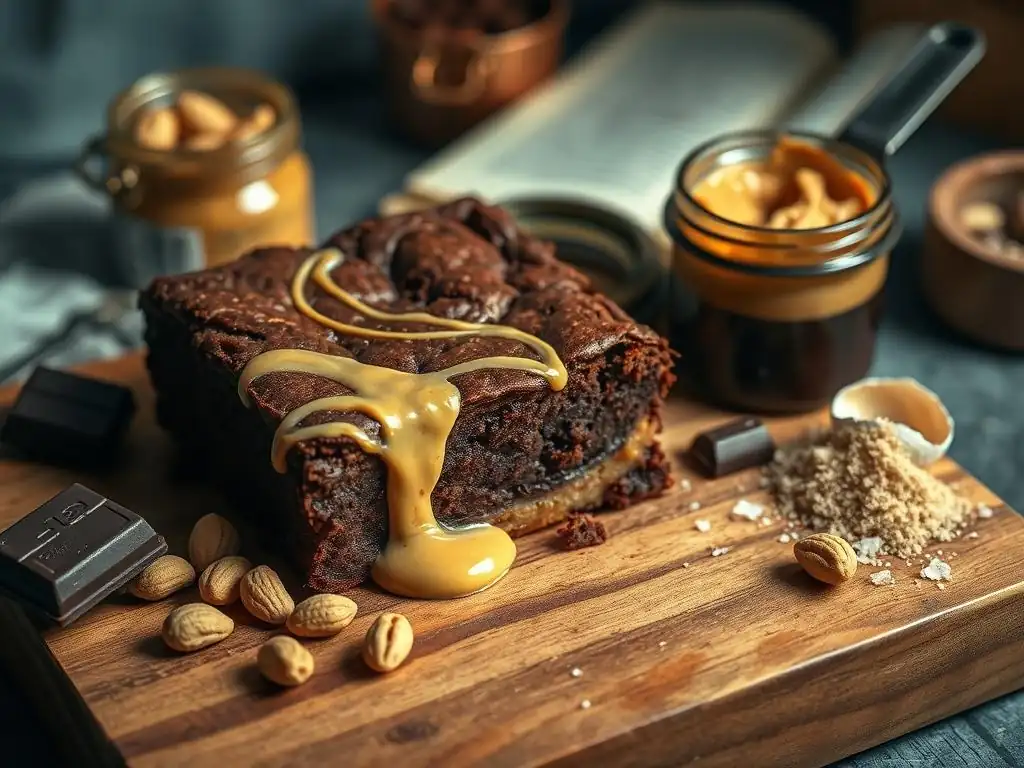
Welcome to BakeWithEase, where effortless baking becomes your reality! Ever wondered how to unlock unbelievably rich and fudgy textures in your desserts? This time, we're diving deep into the delicious world of nut butters as baking fats. Get ready to discover our secret weapon: the Peanut butter fudgy brownie recipe that will redefine your brownie game. Prepare to be amazed at how easily you can elevate your baking with just a simple swap. Read on to find out how!
- BakeWithEase Presents: The Ultimate Fudgy Brownie Recipe
- Why Use Nut Butter in Your Brownies? Exploring Fat Options
- The Secret to Fudgy Brownies: Ingredient Breakdown
- Step-by-Step Guide: Baking Your Perfect Fudgy Brownies
- Tips for Achieving the Perfect Fudgy Texture in Your Brownies
- Troubleshooting Common Brownie Problems
- Variations and Add-Ins for Your Brownie Recipe
- Enjoy Your Delicious, Fudgy Brownies!
-
Frequently Asked Questions
- How does using peanut butter as a fat affect the texture of brownies?
- Can I substitute other nut butters for peanut butter in this brownie recipe?
- What's the best type of peanut butter to use for these fudgy brownies?
- How can I ensure my peanut butter brownies are extra fudgy?
- What are some variations or additions I can make to this peanut butter fudgy brownie recipe?
- Final Reflection: The Enduring Allure of the Perfect Brownie
- Unleash Your Inner Brownie Boss!
BakeWithEase Presents: The Ultimate Fudgy Brownie Recipe
Welcome to BakeWithEase, where we explore exciting ways to enhance your baking skills! Today, we're diving into the wonderful world of fats and how they impact the texture of your baked goods, specifically focusing on creating the most incredibly rich and fudgy brownies imaginable. We're going to reveal the secrets behind using nut butters, like peanut butter, to achieve that coveted dense, moist, and intensely flavored brownie. Get ready to master a fantastic peanut butter fudgy brownie recipe that will become your new favorite.
This guide will walk you through why using nut butter works so well, break down the essential ingredients, provide a clear step-by-step baking process, offer tips for success, and even help you troubleshoot common issues. Whether you're a seasoned baker or just starting out, understanding the role of fats is key to unlocking new levels of deliciousness. Let's get baking and create some truly spectacular fudgy peanut butter brownies!
Why Use Nut Butter in Your Brownies? Exploring Fat Options
Fats are fundamental to the structure and texture of most baked goods, and brownies are no exception. They contribute to richness, moisture, tenderness, and play a significant role in how the final product chews and melts in your mouth. While traditional brownie recipes often rely solely on butter or oil, exploring alternative fat sources can lead to exciting new textures and flavors. Nut butter, particularly peanut butter, offers a unique combination of fat, protein, and flavor that can dramatically transform a standard brownie into a fudgy masterpiece.
Using nut butter isn't just about adding flavor; it's about leveraging its specific composition to achieve a desired texture. Unlike butter, which is about 80-82% fat and contains water, natural nut butters are typically around 50-60% fat, with the rest being protein and some carbohydrates. This difference in composition, especially the presence of protein and less water compared to butter, influences gluten development and contributes to a denser, chewier texture, which is ideal for creating that signature fudgy brownie consistency we're aiming for with this peanut butter fudgy brownie recipe.
Understanding the Role of Fats in Brownie Texture
Fats in brownies coat flour particles, inhibiting gluten development. Less gluten means a more tender, less cakey structure. Butter, when melted, provides a liquid fat that helps distribute ingredients evenly and contributes to a moist crumb.
The melting point of the fat also affects texture; fats that are solid at room temperature, like butter, contribute to flakiness (though less relevant in a fudgy brownie) and structure, while liquid fats like oil or melted butter contribute to moisture and density. In a fudgy brownie, we want minimal gluten development and maximum moisture and richness, which fats help achieve by preventing the flour from forming a strong network.
Consider a standard brownie recipe using only melted butter. The butter provides moisture and richness. When you introduce a fat like natural peanut butter, you're adding not just fat but also a significant amount of protein and solids. This changes the rheology (flow and deformation) of the batter. The peanut butter's solids absorb some moisture, and its proteins interact differently with the other ingredients than just butterfat would. This complex interaction is what helps create that desirable dense, heavy, and incredibly moist texture characteristic of a truly fudgy peanut butter brownie recipe.
Nut Butter as a Fat Alternative in Baking
Nut butter serves as an excellent alternative or addition to traditional fats in baking, especially when seeking a dense, moist result. When substituting nut butter for a portion of the butter or oil in a recipe, it's important to consider its fat content and consistency. Natural nut butters, which tend to separate, are often preferred for their higher fat content compared to processed versions with added sugars and stabilizers, which can alter the final texture. Using a natural peanut butter, for example, provides a rich source of monounsaturated and polyunsaturated fats, contributing to moisture and a tender crumb.
Incorporating nut butter also reduces the reliance on eggs for structure, as the protein in the nut butter provides some binding. This can be particularly useful when developing a peanut butter fudgy brownie recipe that is less prone to becoming dry or cakey. A common ratio might involve replacing half of the butter with an equal weight or volume of natural peanut butter.
For instance, if a recipe calls for 1 cup (227g) of butter, you might use 1/2 cup (113g) butter and 1/2 cup (approx. 128g) natural peanut butter. This substitution introduces the unique properties of the nut butter while still leveraging the familiar qualities of butter for flavor and texture.
The Flavor Benefits of Adding Nut Butter to Brownies
Beyond texture, the most obvious benefit of adding nut butter is the incredible depth of flavor it imparts. Peanut butter, with its distinctive nutty, slightly salty profile, pairs exceptionally well with chocolate. This combination creates a classic flavor pairing that is universally loved. The roasted notes of the peanuts enhance the richness of the chocolate, creating a more complex and satisfying taste experience than chocolate alone. This makes a peanut butter fudgy brownie recipe particularly appealing to those who adore the chocolate-peanut butter combination.
Different nut butters offer distinct flavor profiles. Almond butter provides a milder, slightly sweeter, and more delicate nutty flavor. Cashew butter is even milder and creamier, adding richness without overpowering the chocolate.
Exploring these options allows for variations on the core peanut butter fudgy brownie concept. The fat in the nut butter also helps carry and distribute the chocolate flavor throughout the brownie, ensuring every bite is packed with intense taste. The subtle saltiness often present in nut butters also acts as a flavor enhancer, much like adding a pinch of salt to chocolate itself, making the chocolate taste richer and more profound.
The Secret to Fudgy Brownies: Ingredient Breakdown
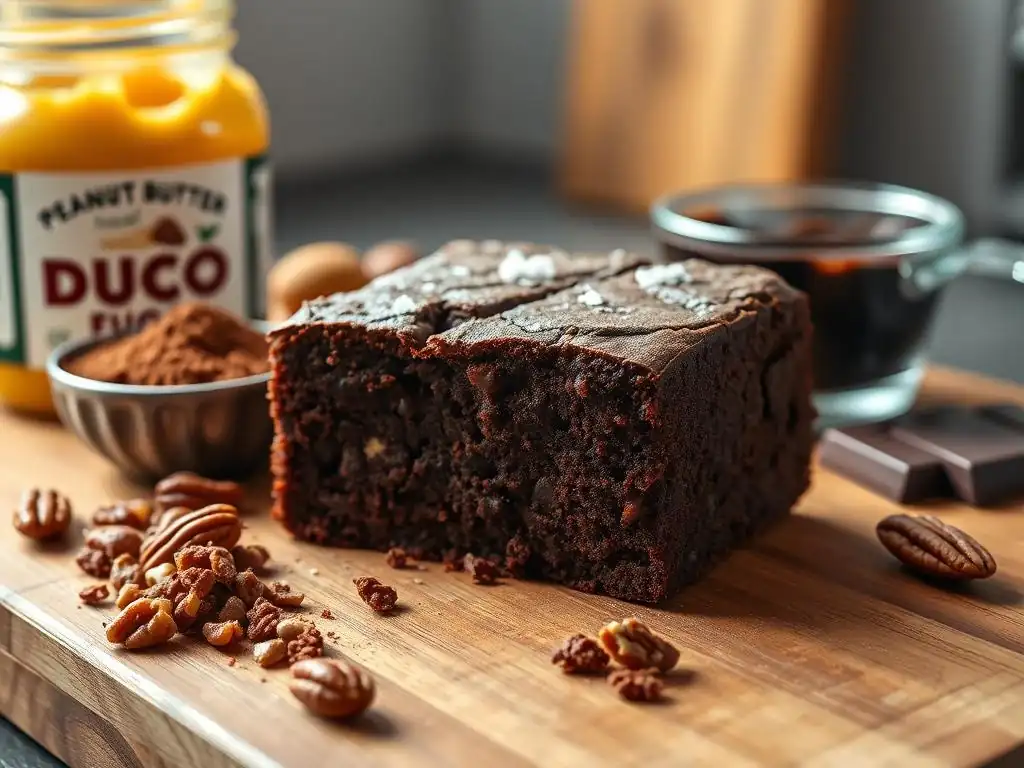
Achieving that perfect fudgy texture isn't just about technique; it starts with selecting the right ingredients. Each component plays a specific role in creating the dense, moist, and intensely flavored brownie we're after. For a truly exceptional peanut butter fudgy brownie recipe, paying close attention to the quality and type of ingredients is paramount. We'll look at the stars of our recipe and why they are chosen.
From the type of nut butter to the sugar ratio and the quality of the chocolate, every ingredient contributes to the final outcome. Understanding these roles empowers you to not only follow a recipe but to also troubleshoot and adapt it. This section will highlight the key players in our quest for the ultimate fudgy peanut butter brownies and explain their importance.
Key Ingredients for the Best Brownies
The foundation of a great fudgy brownie lies in a careful balance of fat, sugar, chocolate, and minimal flour. Unlike cakey brownies that rely on more flour and leavening, fudgy brownies minimize these to promote density. High-quality chocolate provides the core flavor, while a significant amount of fat ensures moisture and richness. The specific type of sugar also plays a crucial role in moisture retention and chewiness.
A classic fudgy brownie often uses a higher ratio of fat and chocolate to flour compared to a cakey version. For example, a cakey brownie might use 1 cup (125g) of flour for every 1/2 cup (113g) of butter, while a fudgy recipe might use 1 cup (125g) of flour for 1 cup (227g) or more of fat (butter + nut butter in our case) and a significant amount of chocolate. This higher fat content is the primary driver of the fudgy texture.
Natural Peanut Butter: Choosing the Right Type for Your Recipe
For our peanut butter fudgy brownie recipe, natural peanut butter is typically the best choice. Natural peanut butter contains only peanuts and sometimes salt, with no added sugars, hydrogenated oils, or stabilizers. This results in a product where the oil naturally separates and rises to the top. While requiring a good stir to reincorporate the oil, this higher fat content and lack of added ingredients contribute to a purer flavor and a more desirable texture in baking. The oil separation is actually a sign of its suitability for creating a moist, fudgy result.
Processed peanut butters often contain added sugars, which can make the brownies too sweet or affect their texture due to the extra sugar interfering with the sugar ratios in the recipe. They also contain stabilizers that prevent oil separation, which can result in a slightly different consistency when melted and incorporated into batter compared to natural peanut butter. For the richest flavor and best fudgy texture in your peanut butter fudgy brownie recipe, opt for a natural, stir-before-using variety.
Dark Chocolate: For Intense Chocolate Flavor
The type of chocolate used is paramount for flavor. Dark chocolate is preferred for fudgy brownies as it provides a deep, intense chocolate flavor without excessive sweetness. Using chocolate with a high cocoa content, such as 60% to 70% cacao, results in a richer, less sweet brownie that allows the chocolate flavor to shine. Both chocolate bars (chopped) and high-quality chocolate chips can be used, though chopped bar chocolate often melts more smoothly and uniformly.
Using cocoa powder in addition to melted chocolate is another technique often employed in fudgy brownie recipes. Cocoa powder contributes intense chocolate flavor and color but is very dry. When combined with melted chocolate and ample fat, it enhances the overall chocolate experience while the fats counteract its drying effect. For this peanut butter fudgy brownie recipe, a combination of melted dark chocolate and perhaps a bit of unsweetened cocoa powder will yield the most profound chocolate taste, perfectly complementing the nutty peanut butter notes.
The Importance of Brown Sugar vs. Granulated Sugar in Fudgy Brownies
The type and ratio of sugars significantly impact brownie texture. Granulated sugar contributes to crisp edges and spreads, while brown sugar, with its molasses content, adds moisture and chewiness. For fudgy brownies, a higher proportion of brown sugar to granulated sugar is often used. The molasses in brown sugar attracts and holds onto moisture, resulting in a softer, moister crumb that stays fudgy longer.
A typical fudgy brownie recipe might use a 1:1 or even 2:1 ratio of brown sugar to granulated sugar. For example, 1 cup (200g) of brown sugar and 1/2 cup (100g) of granulated sugar. This balance ensures the brownies are sweet but also incredibly moist and chewy. The brown sugar's moisture-retaining properties are essential for achieving that dense, melt-in-your-mouth quality that defines a perfect peanut butter fudgy brownie recipe.
Ingredient Substitutions and Variations for Brownies
While the core peanut butter fudgy brownie recipe is fantastic as is, there's always room for customization and adaptation based on dietary needs or preferences. Understanding how substitutions affect the outcome allows you to confidently experiment. Swapping out the type of nut butter or making the recipe vegan are common variations.
Making smart substitutions ensures you maintain the desired fudgy texture and delicious flavor. It's important to consider the fat, protein, and moisture content of any ingredient you're using as a replacement.
Alternative Nut Butters: Almond Butter, Cashew Butter
If peanut allergies are a concern or you simply prefer other flavors, almond butter or cashew butter can be used as alternatives in a fudgy brownie recipe. Natural almond butter, like peanut butter, contains separated oil and has a high-fat content, making it a suitable substitute for achieving a similar fudgy texture. Its flavor is milder and slightly sweet, pairing wonderfully with dark chocolate for a sophisticated twist on the classic.
Cashew butter is known for its exceptional creaminess and very mild flavor. Using natural cashew butter will result in incredibly smooth and rich brownies. It won't impart a strong nutty flavor like peanut butter, allowing the chocolate to be the dominant taste while still contributing significantly to the fudgy texture. When substituting, use a natural, stir-before-using variety and substitute gram for gram or volume for volume, keeping in mind slight differences in consistency might require minor adjustments to dry ingredients.
Vegan Options: Using Flax Eggs or Applesauce
Making a peanut butter fudgy brownie recipe vegan is achievable by substituting the eggs. Eggs provide binding and structure, but alternatives like flax eggs or applesauce can mimic some of these properties. A flax egg is made by combining 1 tablespoon of ground flaxseed with 3 tablespoons of water and letting it sit for 5-10 minutes until it forms a gel-like consistency. This gel acts as a binder.
Using applesauce (typically 1/4 cup per egg) adds moisture and some binding but can also make the brownies slightly cakey if too much is used. A combination of a flax egg and a small amount of applesauce might work well to achieve both binding and moisture without compromising the fudgy texture too much. Vegan butter or a neutral-flavored oil would replace the dairy butter. Experimentation is key to finding the perfect vegan balance for your fudgy peanut butter brownies.
Step-by-Step Guide: Baking Your Perfect Fudgy Brownies
Baking fudgy brownies is a relatively straightforward process, but paying attention to each step ensures the best possible outcome. Following a clear guide helps prevent common pitfalls and guarantees you end up with those desirable dense, moist, and chocolatey treats. This section provides a simple, actionable plan for bringing your peanut butter fudgy brownie recipe to life.
From preparing your pan to the final cooling, each stage contributes to the texture and flavor of the finished brownie. Let's walk through the essential steps to bake your perfect batch of fudgy peanut butter brownies.
Step 1: Preparing Your Baking Pan and Preheating the Oven
Preparation is key to successful baking. Start by preheating your oven to the specified temperature, typically around 350°F (175°C). This ensures the brownies bake evenly from the moment they enter the oven. Next, prepare your baking pan. For easy removal and clean cuts, it's highly recommended to line your baking pan with parchment paper, leaving an overhang on the sides. This creates "handles" to lift the cooled brownies out of the pan.
Greasing the pan before lining with parchment paper can help the paper stick better. Use butter, baking spray, or oil for this. Ensure the corners and sides are well-lined, as this prevents sticking and makes serving significantly easier. A standard 8x8 inch or 9x9 inch metal pan is ideal for creating thicker, fudgier brownies. Using a larger pan will result in thinner brownies that may bake faster and be less fudgy.
Step 2: Melting the Chocolate and Nut Butter
This step combines the primary fats and chocolate, forming the rich base of the brownie batter. Gently melt the chopped dark chocolate and the natural peanut butter together. This can be done using a double boiler (a heatproof bowl set over a pot of simmering water, ensuring the water doesn't touch the bottom of the bowl) or carefully in a microwave.
If using a microwave, heat in 30-second intervals, stirring well after each, until mostly melted. Stirring with residual heat will melt the remaining small pieces. Avoid overheating, as chocolate can seize and become grainy. Once melted and smooth, stir the mixture together until fully combined. This mixture will be thick and glossy, ready to incorporate the other ingredients for your peanut butter fudgy brownie recipe.
Step 3: Combining Wet and Dry Ingredients for the Brownie Batter
In a large bowl, whisk together the melted chocolate/nut butter mixture with the sugars (brown and granulated) until well combined. This step helps dissolve some of the sugar and creates a smooth base. Next, whisk in the eggs one at a time, beating well after each addition until the mixture is thick and glossy. Add vanilla extract at this stage.
In a separate smaller bowl, whisk together the dry ingredients: flour, cocoa powder (if using), baking powder (if a tiny bit is used for lift, though minimal for fudgy), and salt. Gradually add the dry ingredients to the wet ingredients, mixing gently until just combined. Do not overmix! Overmixing develops gluten, leading to a tougher, more cakey brownie. A few streaks of flour are acceptable; they will disappear during baking. For ultimate fudginess, minimal mixing after adding flour is crucial.
Step 4: Adding the Nut Butter Swirl (Optional)
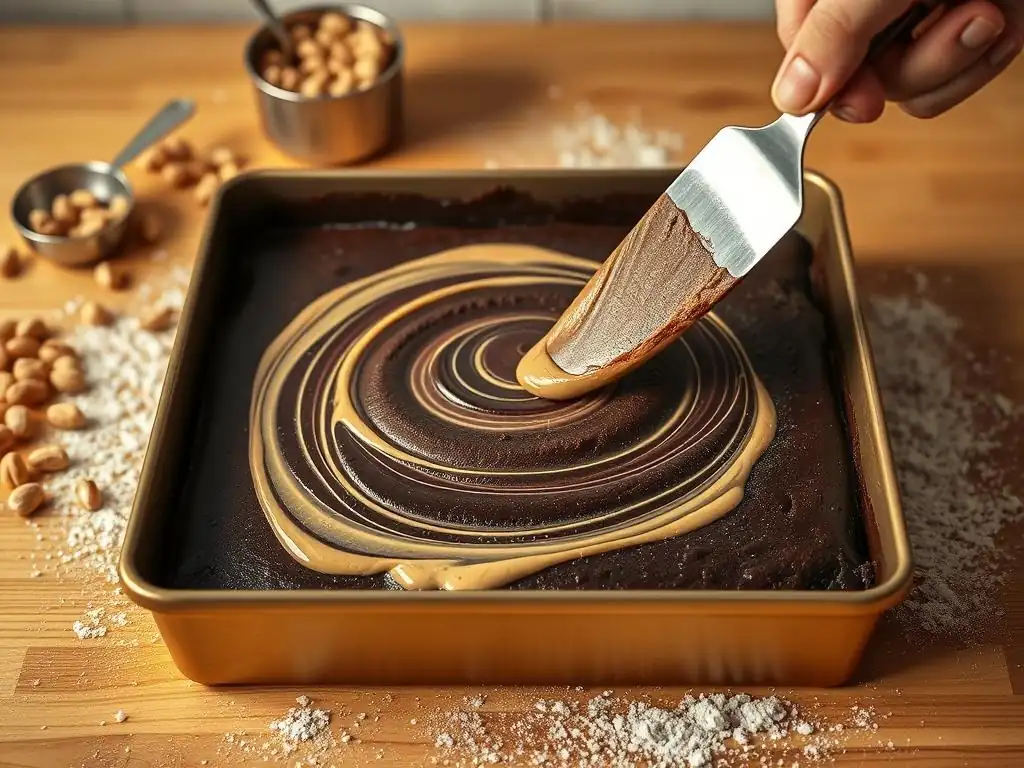
For an extra layer of peanut butter flavor and a beautiful visual effect, you can add a peanut butter swirl. Take about 1/4 to 1/3 cup of natural peanut butter. Warm it slightly if it's too stiff, making it easier to drizzle. Pour the brownie batter into the prepared pan and spread it evenly.
Dollop spoonfuls of the reserved peanut butter over the top of the brownie batter. Use a knife or skewer to gently swirl the peanut butter into the chocolate batter. Be careful not to over-swirl; you want distinct pockets and streaks of peanut butter, not a fully mixed batter. This creates those lovely marbled patterns in your finished peanut butter fudgy brownies.
Step 5: Baking Time and Temperature for Fudgy Brownies
Pour the batter into the prepared pan and spread evenly. Bake in the preheated oven. Baking time will vary depending on your oven and the pan size, but for an 8x8 or 9x9 pan, it typically ranges from 25 to 35 minutes. The key to fudgy brownies is not to overbake them.
You want the edges to look set, but the center should still look slightly moist and perhaps a little soft. A toothpick inserted into the center should come out with moist crumbs clinging to it, not completely clean like it would for a cake. A few wet streaks are even okay, as the brownies will continue to cook slightly as they cool. Baking for approximately 28-30 minutes at 350°F (175°C) is a good starting point for many ovens to achieve that perfect fudgy texture in this peanut butter fudgy brownie recipe.
Tips for Achieving the Perfect Fudgy Texture in Your Brownies
Getting that ideal fudgy texture is the goal of this peanut butter fudgy brownie recipe. It requires attention to detail, particularly regarding baking time and cooling. Overbaking is the most common mistake that turns fudgy dreams into cakey reality.
Beyond baking, how you handle the brownies after they come out of the oven is equally important for locking in that moisture and achieving the perfect chewiness.
Don't Overbake: The Key to Fudginess
This cannot be stressed enough: do not overbake your brownies. Fudgy brownies are meant to be slightly underbaked in the center when they come out of the oven. The residual heat in the pan will continue to cook them as they cool, a process known as "carry-over cooking." If you wait until a toothpick comes out completely clean, you've likely already overshot the fudgy mark.
Look for visual cues: the edges should be set and may pull away slightly from the sides of the pan, while the center should appear slightly soft or even a little wet. When you insert a toothpick or cake tester about an inch from the edge, it should come out with moist crumbs attached, not liquid batter. Testing the exact center will likely result in wet batter, which is fine! Trust that they will firm up as they cool, yielding that desirable dense, fudgy texture.
Cooling and Cutting: Patience is a Virtue
Once the brownies are out of the oven, the cooling process is critical. Resist the urge to cut into them immediately. Hot brownies are fragile and will fall apart, and their texture hasn't fully developed yet. Let the brownies cool completely in the pan on a wire rack. This can take anywhere from 2 to 4 hours. As they cool, the internal structure sets, and the moisture distributes evenly, leading to a firmer, denser, and more fudgy texture.
Once completely cool, use the parchment paper overhang to lift the entire slab of brownies out of the pan. Place them on a cutting board. For clean cuts, use a sharp knife, wiping the blade clean with a warm, damp cloth after each cut. For the neatest squares in your peanut butter fudgy brownies, chilling the cooled brownies in the refrigerator for 30-60 minutes before cutting can also help achieve sharper edges.
Storing Your Brownies for Maximum Freshness
Proper storage helps maintain the fudgy texture and prevents the brownies from drying out. Once cooled and cut, store the brownies in an airtight container at room temperature. Layering them with parchment paper can prevent sticking if stacking. Stored correctly, fudgy brownies will typically stay fresh and moist for 3-4 days.
For longer storage, you can refrigerate the brownies for up to a week or freeze them for several months. If refrigerating, allow them to come back to room temperature or warm them slightly before serving for the best texture. To freeze, wrap individual brownies or the whole slab tightly in plastic wrap, then place in a freezer-safe bag or container. Thaw at room temperature. These storage tips help ensure your delicious peanut butter fudgy brownie recipe remains a treat for days to come.
Troubleshooting Common Brownie Problems
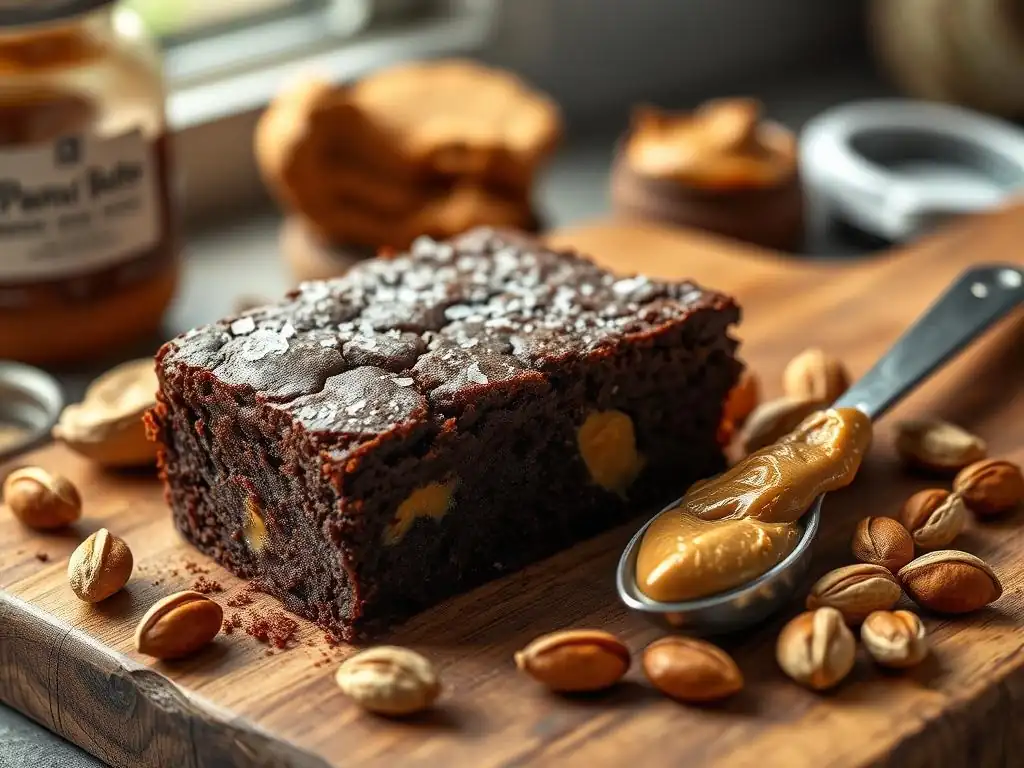
Even with a great recipe, baking can sometimes present challenges. Understanding why certain issues occur can help you prevent them in the future or even fix them. Here are some common problems encountered when baking brownies and how to address them, specifically with our peanut butter fudgy brownie recipe in mind.
Don't get discouraged if your first batch isn't perfect. Baking is a skill that improves with practice. Let's look at some potential hiccups and their solutions.
Why Are My Brownies Dry?
Dry brownies are often the result of too much flour, too little fat, or most commonly, overbaking. If your brownies turned out dry despite following a fudgy recipe, check your measurements; using too much flour or not enough fat will significantly alter the texture. Ensure you are using the specified amount of butter and nut butter.
The most likely culprit, however, is overbaking. If you baked them until the toothpick came out completely clean or followed the recipe time rigidly without checking for doneness cues, they probably spent too long in the oven. For future batches of your peanut butter fudgy brownie recipe, start checking for doneness a few minutes before the minimum recommended baking time and look for moist crumbs, not a clean toothpick.
My Brownies are Too Cakey! How to Fix It.
Cakey brownies have a lighter, more aerated texture, often with a domed top, similar to cake. This is usually caused by too much flour, too much leavening (like baking powder or soda), overmixing the batter, or not enough fat/chocolate. Fudgy brownies minimize flour and leavening and rely heavily on fat and chocolate for structure and moisture.
Ensure your peanut butter fudgy brownie recipe calls for minimal or no baking powder/soda. Avoid overmixing the batter once the flour is added; mix only until just combined. Also, verify you are using enough fat (butter and peanut butter) and chocolate as specified in the recipe. Increasing the proportion of brown sugar to granulated sugar can also help retain moisture and reduce cakeyness in future attempts.
Nut Butter Not Swirling Properly? Here's What to Do.
If your peanut butter swirl looks messy, sinks to the bottom, or disappears entirely, it could be due to the consistency of the peanut butter or how you're swirling it. Natural peanut butter that hasn't been stirred well or is too cold can be too stiff to swirl nicely. If it's too warm and runny, it might just blend into the batter.
Ensure the natural peanut butter for swirling is well-stirred and at room temperature, or slightly warmed if necessary, so it's fluid enough to drizzle and swirl but not overly liquid. When swirling, be gentle and don't mix too vigorously. Use a knife or skewer to make just a few passes through the batter to create distinct swirls, focusing on creating marbled patterns rather than fully incorporating the peanut butter into the chocolate batter.
Variations and Add-Ins for Your Brownie Recipe
While a classic peanut butter fudgy brownie recipe is delicious on its own, adding extra ingredients can elevate the texture and flavor even further. These simple additions can introduce new dimensions to your brownies, catering to different tastes and cravings.
Experimenting with add-ins is a fun way to personalize your baking and discover new favorite combinations.
Adding Chocolate Chips or Chunks
For an extra boost of chocolate and delightful pockets of melted goodness, stir in chocolate chips or chunks into the brownie batter before baking. Dark chocolate chips complement the intense flavor of the fudgy brownie base, while milk chocolate chips can add a touch of sweetness. White chocolate chips offer a creamy contrast.
About 1/2 cup to 1 cup of chocolate chips or chopped chocolate chunks is usually sufficient for an 8x8 or 9x9 pan. Fold them in gently with a spatula after the dry ingredients are just combined. The melting chips create little pockets of warm, gooey chocolate throughout the fudgy peanut butter brownies.
Incorporating Sea Salt for Enhanced Flavor
A sprinkle of flaky sea salt over the top of the brownies just before baking can dramatically enhance their flavor. Salt is a natural flavor enhancer, and its presence helps to balance the sweetness and intensify the chocolate and peanut butter notes. The flaky crystals provide little bursts of saltiness that are particularly appealing with rich desserts.
Use a coarse, flaky sea salt like Maldon. Sprinkle it sparingly and evenly over the top of the batter in the pan before placing it in the oven. The amount is a matter of personal preference, but a light dusting is often enough to make a noticeable difference in the overall taste experience of your peanut butter fudgy brownie recipe.
Experimenting with Different Nuts and Toppings
Beyond the peanut butter base, you can add other nuts for extra crunch and flavor. Chopped peanuts, walnuts, pecans, or almonds can be folded into the batter along with chocolate chips or sprinkled on top before baking. Toasting the nuts lightly beforehand can enhance their flavor.
Other toppings could include swirls of caramel or dulce de leche, chopped peanut butter cups, or even a drizzle of melted chocolate or peanut butter after the brownies have cooled. These additions provide contrasting textures and flavors, making your fudgy peanut butter brownies even more decadent and exciting.
Enjoy Your Delicious, Fudgy Brownies!
Congratulations! You've successfully navigated the world of fats and textures to create a batch of incredibly rich and fudgy peanut butter brownies. The combination of intense chocolate, creamy peanut butter, and that perfect dense texture is truly irresistible. Take a moment to appreciate your baking skills and the delicious results.
Whether you enjoy them warm with a scoop of ice cream or straight from the pan once cooled, these fudgy peanut butter brownies are sure to be a hit. Baking should be a joyful and rewarding experience, and mastering a recipe like this is definitely something to be proud of.
We love seeing what you bake! If you've made this peanut butter fudgy brownie recipe or any other treats inspired by BakeWithEase, consider sharing your photos and experiences. Your baking journey is part of our community's inspiration.
Sharing helps others see the potential of the recipes and techniques we explore. It's a great way to connect with fellow baking enthusiasts and celebrate the joy of creating delicious food from scratch. We hope this guide has empowered you to bake with ease and confidence!
Frequently Asked Questions
How does using peanut butter as a fat affect the texture of brownies?
Using peanut butter adds moisture and richness, contributing to a fudgy texture rather than a cakey one. The natural oils in peanut butter also help create a softer crumb.
Can I substitute other nut butters for peanut butter in this brownie recipe?
Yes, you can! Almond butter or cashew butter are good substitutes, but be aware that they will alter the flavor profile of the final product. Ensure the nut butter is smooth and unsweetened.
What's the best type of peanut butter to use for these fudgy brownies?
Smooth, creamy peanut butter is recommended for the best texture. Avoid using all-natural peanut butter where the oil separates easily, as it can affect the brownie's consistency.
How can I ensure my peanut butter brownies are extra fudgy?
Don't overbake them! Look for a slight jiggle in the center when you take them out of the oven. Also, using a high ratio of peanut butter to flour contributes to that desirable fudgy result.
What are some variations or additions I can make to this peanut butter fudgy brownie recipe?
You can add chocolate chips, peanut butter cups, or a swirl of peanut butter on top for extra flavor. Consider sprinkling sea salt to enhance the sweet and salty taste.
Final Reflection: The Enduring Allure of the Perfect Brownie
The humble brownie, elevated by the rich, nutty embrace of peanut butter, remains a testament to the simple joys of baking. This seemingly straightforward recipe, focusing on the strategic use of nut butter as a primary fat source, unlocks a depth of flavor and texture that transcends mere indulgence. It's a recipe that speaks to our collective desire for comfort food, a delicious treat that satisfies both the sweet tooth and the need for something truly satisfying.
The influence of peanut butter in baking extends far beyond this specific recipe; it represents a broader trend towards incorporating natural, wholesome ingredients into classic desserts. It's a reflection of our evolving palates and a growing awareness of the importance of quality ingredients. This shift towards mindful baking, prioritizing both taste and health, is a powerful force shaping our culinary landscape. The best things in life are simple,
a sentiment that perfectly encapsulates the magic of this peanut butter brownie recipe. It's a reminder that sometimes, the most satisfying creations come from the most straightforward approaches.
Now, consider your own baking journey. What ingredients bring you joy? What flavors evoke fond memories? This recipe is not just a guide to making delicious brownies; it's an invitation to experiment, to explore the possibilities of simple ingredients, and to discover the unique magic you can create in your own kitchen. Don't be afraid to adjust the recipe, to personalize it, to make it your own. The perfect brownie, after all, is a deeply personal experience. Embrace the process, savor the results, and share the joy of baking with those you love.
Unleash Your Inner Brownie Boss!
Thanks for joining us on this fudgy, nutty adventure! We hope you’ve gained some delicious inspiration for creating the richest, most decadent peanut butter brownies imaginable. Ready to take your baking to the next level?
- Dive into the kitchen and bake a batch of these incredible brownies! Use the recipe you just learned and experiment with different nut butters – you might discover your new favorite!
- Share your brownie creations with friends and family – and don't forget to tag us on social media! We'd love to see your culinary masterpieces.
- Leave a comment below and tell us your favorite nut butter to use in baking! Let's start a delicious conversation.
What unique ingredient will you add to your next batch of brownies to make them even more special?