
Vegan Fat Substitutes: Replacing Dairy Fats for PlantBased Cakes

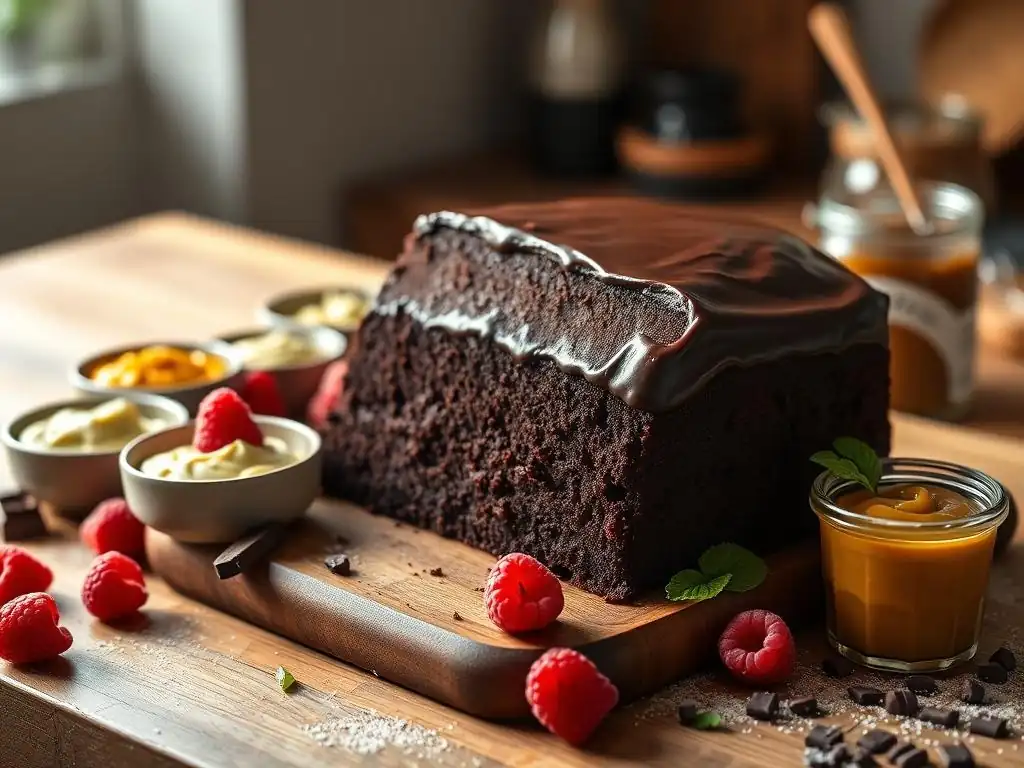
Welcome to BakeWithEase, your partner in creating delicious baked goods! Ever wondered how to achieve that perfect texture and moistness in your vegan cakes without relying on dairy fats? This article dives deep into the world of vegan cake fat substitutes, unlocking the secrets to plant-based baking that's both easy and incredibly satisfying. Discover the best alternatives and elevate your baking game – you might be surprised at what you can create! Ready to bake something amazing?
- Vegan Cake Baking: Exploring Plant-Based Fat Options
- Introduction: The Art of Vegan Cake Creation
- Plant-Based Fat Options for Cake Baking
- Achieving Desired Cake Texture
- Plant-Based Fat Comparison Chart
- Sample Recipes
- Best Practices for Vegan Cake Baking
- Common Issues and Solutions
- Conclusion: Mastering Plant-Based Cake Baking
-
Frequently Asked Questions
- How can I effectively replace butter in a vegan cake recipe?
- What are some common vegan fat substitutes suitable for cakes?
- Can using a vegan fat substitute impact the texture of my cake?
- Are there any specific vegan fat substitutes that are best for light and fluffy cakes?
- How do I adjust my recipe when using a vegan fat substitute?
- Final Reflection: The Sweet Revolution of Vegan Baking
- Unlock the Secrets to Fluffy Vegan Cakes!
Vegan Cake Baking: Exploring Plant-Based Fat Options
Introduction: The Art of Vegan Cake Creation
Creating delicious cakes without traditional dairy ingredients like butter and milk presents a unique and rewarding challenge. Vegan baking relies on innovative ingredient substitutions to achieve the desired texture, flavor, and structure that dairy fats typically provide. Mastering the art of vegan cake creation involves understanding how different plant-based ingredients behave in the baking process and selecting the best vegan cake fat substitutes for your specific recipe goals.
The journey into vegan cake baking opens up a world of possibilities, allowing bakers to cater to dietary restrictions, explore new flavors, and create treats that are both compassionate and delightful. Whether you're aiming for a light and airy sponge or a rich and moist chocolate cake, choosing the right plant-based fat is crucial. This guide will walk you through popular vegan alternatives for cake fat, explaining their properties and how to best use them to achieve perfect results every time.
Why Explore Vegan Fat Options in Cakes?
Exploring vegan cake fat substitutes is essential for several key reasons, primarily driven by dietary needs, ethical considerations, and health preferences. For individuals following a vegan lifestyle, those with lactose intolerance or dairy allergies, or those simply looking to reduce their consumption of animal products, finding effective plant-based alternatives is a necessity. These substitutes allow everyone to enjoy the pleasure of homemade cakes without compromising on dietary principles or health.
Beyond necessity, exploring these options also expands a baker's repertoire and understanding of ingredient function. Different plant-based fats bring unique properties to a cake batter – some add moisture without much structure, others provide richness and help with leavening, while some contribute distinct flavors.
Understanding these nuances enables bakers to tailor their fat choices to the specific cake type they are making, potentially creating textures and flavors that are even more appealing than traditional versions. For example, using mashed banana or apple sauce can significantly reduce the overall fat content while adding moisture and natural sweetness, appealing to health-conscious bakers.
Understanding the Role of Fats in Cake Structure
Fats play a multifaceted and critical role in cake structure, contributing significantly to texture, moisture, flavor, and overall appearance. In traditional baking, dairy butter or shortening coats flour particles, inhibiting gluten development. This inhibition is key to creating a tender crumb rather than a tough, bread-like texture. The fat also helps to trap air during creaming with sugar, which contributes to the cake's rise and light texture as it bakes. Additionally, fat carries flavor compounds, making the cake taste richer and more satisfying.
Moreover, fats contribute to the cake's moistness and shelf life. They help retain moisture within the cake crumb, preventing it from drying out quickly. The melting point of the fat used also affects how the cake feels in the mouth; fats that melt at body temperature contribute to a smooth, melt-in-your-mouth sensation. When replacing dairy fat in vegan cakes, it's vital to select substitutes that can perform these functions effectively. A simple 1:1 substitution might not always work because plant-based fats have different compositions and melting points compared to dairy butter, requiring careful consideration and often recipe adjustments.
Challenges in Replicating Traditional Cake Textures
Replicating the exact texture of a cake made with dairy butter can be one of the primary challenges when using vegan cake fat substitutes. Dairy butter's unique composition of fat, water (around 16-18%), and milk solids, combined with its specific melting curve, contributes significantly to creaming ability, moisture distribution, and the final crumb structure. Many plant-based fats are 100% fat (like refined coconut oil or vegetable shortening) or contain significant amounts of water but in a different emulsion state (like some vegan butters), or are primarily water and fiber (like apple sauce).
These differences mean that vegan substitutes might not cream with sugar in the same way, potentially affecting leavening and tenderness. For instance, liquid oils don't cream at all, leading to denser cakes unless other leavening strategies are employed. Substitutes high in water can affect the overall liquid balance of the recipe, requiring adjustments to dry ingredients. Achieving that perfect balance of tenderness, moistness, and aeration that dairy butter provides requires careful selection of vegan alternatives for cake fat and often iterative recipe testing to fine-tune ingredient ratios and baking techniques.
Plant-Based Fat Options for Cake Baking
Refined Coconut Oil: A Neutral-Flavored Choice
Refined coconut oil is a popular vegan cake fat substitute due to its neutral flavor profile, which unlike virgin coconut oil, doesn't impart a distinct coconut taste to baked goods. It is nearly 100% fat and is solid at room temperature, making it a good candidate for recipes where a solid fat is needed for structure, such as those requiring creaming with sugar. Its saturated fat content is quite high, similar to butter, which contributes to a tender crumb and helps the cake stay moist.
When using refined coconut oil, it's important to consider its melting point, which is around 76°F (24°C). This means it will be solid in cooler environments but liquid in warmer ones. For creaming methods, ensure it's solid but pliable, similar to room-temperature butter. For recipes calling for melted fat, it works seamlessly. Its neutral flavor makes it incredibly versatile for various cake types, from vanilla and chocolate to fruit-flavored cakes, allowing the other ingredients to shine without interference from a strong coconut presence.
Best Practices for Using Refined Coconut Oil in Cakes
To get the best results when using refined coconut oil as a vegan cake fat substitute, temperature management is key. If a recipe calls for creaming butter and sugar, use refined coconut oil that is solid but soft, not melted. You can achieve this by refrigerating it briefly if it's too soft, or letting it sit out if it's too hard. Cream it with sugar just as you would butter until the mixture is light and fluffy, incorporating air. If the recipe calls for melted butter, simply melt the refined coconut oil and incorporate it as directed.
Another best practice is to be mindful of the amount used. Because refined coconut oil is almost pure fat (around 99%), whereas butter contains about 80-82% fat, using a direct 1:1 substitution by weight might result in a slightly greasier cake. Some bakers find reducing the amount of refined coconut oil by about 10-15% compared to the butter called for in a traditional recipe yields a better texture. However, this often requires experimentation depending on the specific recipe and desired outcome. Always measure accurately, preferably by weight for consistency.
Flavor Considerations with Refined Coconut Oil
While refined coconut oil is largely neutral in flavor, it's not entirely devoid of taste, especially if used in large quantities or if combined with certain flavors. Some highly sensitive palates might detect a very subtle hint of sweetness or a clean, almost waxy note. This is typically not noticeable in cakes with strong flavors like chocolate, spice, or citrus. However, in delicate flavors like pure vanilla or almond, ensure you are using a truly high-quality, well-refined product to minimize any potential off-flavors.
Compared to virgin coconut oil, which has a distinct and often desirable tropical coconut flavor, the refining process removes most of the volatile flavor compounds from refined coconut oil. This makes it a much better choice when the goal is a neutral fat that simply provides structure and moisture without influencing the overall flavor profile of the cake. If you want a hint of coconut flavor, virgin coconut oil can be used, but be prepared for that flavor to come through strongly, making it suitable for specific recipes like pina colada cake or tropical-themed bakes.
Vegan Butter Sticks: Emulating Dairy Butter Functionality
Vegan butter sticks are specifically formulated to mimic the properties of dairy butter in baking, making them one of the most straightforward vegan cake fat substitutes. They are typically made from a blend of plant-based oils (like palm, soybean, canola, or shea) and often contain emulsifiers, water (usually around 15-18% like dairy butter), and sometimes flavorings to replicate the taste of butter. Their composition is designed to behave similarly to butter when creaming with sugar, melting, and solidifying.
The primary advantage of using vegan butter sticks is their functional similarity to dairy butter. They can often be used in a 1:1 ratio by volume or weight in many recipes without significant adjustments. This makes converting traditional cake recipes to vegan versions much simpler. Different brands have varying compositions and performance, so it's worth experimenting to find one that works best for your preferred baking methods and produces the desired cake texture and flavor.
Brands and Composition of Vegan Butter Sticks
The market for vegan butter sticks has grown significantly, offering bakers several options. Popular brands in North America include Miyoko's Kitchen (known for a cultured, butter-like flavor), Melt Organic, Earth Balance, and Country Crock Plant Butter. In Europe, Flora Plant Butter and Naturli' Vegan Block are widely used. The composition varies; some rely heavily on palm oil for structure, while others use blends of shea butter, coconut oil, and vegetable oils.
For example, Earth Balance Vegan Buttery Sticks list a blend of oils (palm fruit, soybean, canola, flax, and olive), water, salt, emulsifiers (lecithin), and natural flavor. Miyoko's butter, on the other hand, is often made from organic cashews, coconut oil, and sunflower oil, and is cultured for a tangy flavor profile. The specific blend of oils and the water content directly impact how the vegan butter performs in terms of creaming, spreadability, and how it contributes to the final cake texture. Brands with higher saturated fat blends tend to behave more like traditional butter in solid form.
Vegan Butter vs. Dairy Butter: Baking Performance
While vegan butter sticks aim to replicate dairy butter, there can be subtle differences in baking performance. Dairy butter's milk solids contribute to browning and certain flavor development during baking, which vegan butter lacks. Also, the specific blend of oils in vegan butter can affect its melting point and how it incorporates air during creaming. Some vegan butters might not cream quite as effectively as dairy butter, potentially leading to a slightly denser cake if not compensated for.
However, many high-quality vegan butter sticks perform exceptionally well as vegan cake fat substitutes. They provide the necessary fat for tenderness, help with leavening when creamed with sugar, and contribute to a moist crumb. Bakers often find that using vegan butter sticks results in cakes that are very close in texture and appearance to their dairy counterparts, making them a reliable choice for a wide range of cake recipes, including pound cakes, butter cakes, and cupcakes where the fat plays a central role in structure and flavor.
Apple Sauce: Adding Moisture and Reducing Fat
Apple sauce is a popular vegan cake fat substitute for those looking to reduce the fat content of their baked goods while adding moisture and natural sweetness. It works by replacing a portion of the fat in a recipe, typically butter or oil. The pectin and water content in apple sauce help to keep the cake moist and tender, preventing dryness often associated with low-fat baking. Using apple sauce can also slightly sweeten the cake, potentially allowing for a reduction in added sugar.
However, apple sauce doesn't provide the same structural support or creaming ability as solid fats like butter or shortening. Therefore, it's best used to replace only a portion of the fat, rather than all of it, unless the recipe is specifically designed for a very low-fat cake. Replacing too much fat with apple sauce can result in a cake that is overly dense, gummy, or lacks the richness and tenderness that fat provides. It's particularly effective in cakes that are already intended to be moist, such as muffins, quick breads, or spice cakes.
Best Practices for Using Apple Sauce in Cake Recipes
When using apple sauce as a vegan alternative for cake fat, a common guideline is to substitute half of the fat called for in the recipe with an equal amount (by volume) of unsweetened apple sauce. For example, if a recipe calls for 1 cup of butter or oil, you could use ½ cup of butter/oil and ½ cup of apple sauce. This ratio helps maintain some of the structural benefits of fat while still reducing overall fat content and adding moisture. Using unsweetened apple sauce is usually preferred to better control the sugar level in the final cake.
It's also important to consider the consistency of the apple sauce. Thicker, chunkier apple sauce will behave differently than smooth, runny varieties. For consistent results, use a smooth, uniform apple sauce. Since apple sauce adds moisture, you might need to slightly adjust the other liquid ingredients in the recipe. Start with the substitution and observe the batter consistency; if it seems too wet, slightly reduce other liquids like plant milk. Conversely, if it seems too dry, add a touch more liquid.
Adjusting Sweetness Levels When Using Apple Sauce
Using apple sauce adds natural sugars to the cake batter, which can affect the overall sweetness of the finished cake. The amount of added sugar in your recipe may need to be slightly reduced, especially if you are using sweetened apple sauce. If using unsweetened apple sauce, the effect on sweetness is less pronounced, but it can still contribute a subtle sweetness depending on the quantity used and the natural sugar content of the apples.
A good starting point when using unsweetened apple sauce is to reduce the granulated sugar in the recipe by about 10-15% of the amount of apple sauce used. For instance, if you substitute ½ cup of fat with ½ cup of apple sauce, you might reduce the sugar by about 1-2 tablespoons. Taste preferences vary, so this is an area that benefits from experimentation.
Always taste a small amount of the batter (before adding leavening agents if possible) to get an idea of the sweetness, though this is not always feasible or safe with raw flour/eggs (not relevant for vegan, but generally). Note that reducing sugar too much can affect texture and moisture retention, not just sweetness.
Avocado Puree: Creating Moist and Dense Cakes
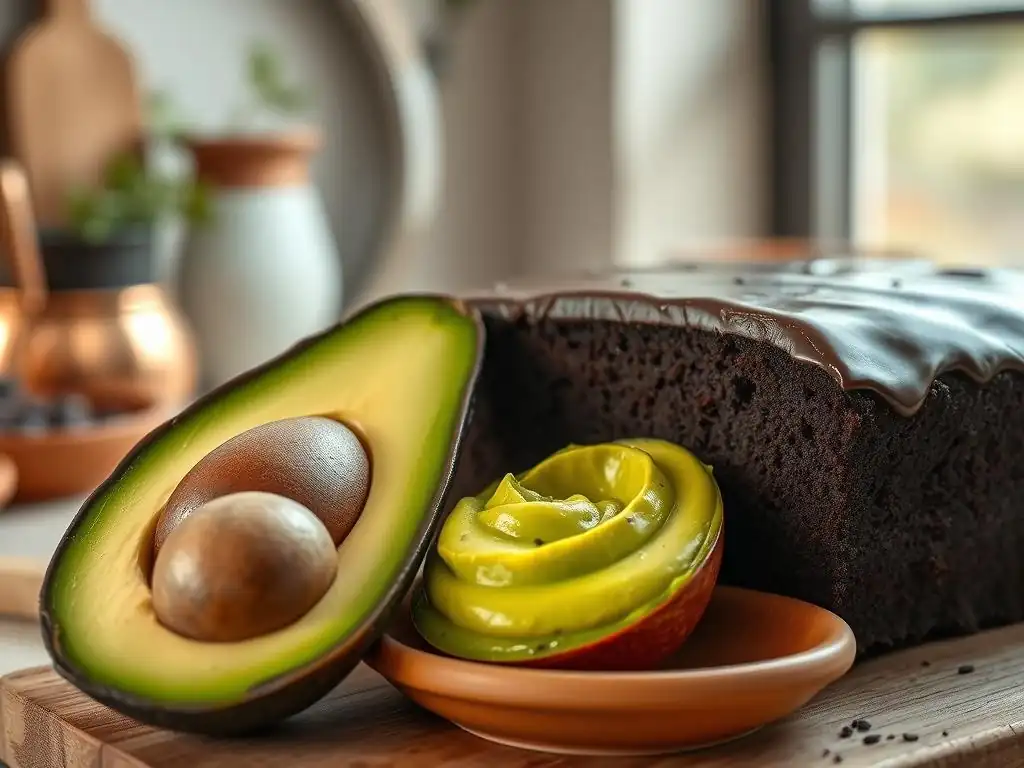
Avocado puree is another intriguing vegan cake fat substitute that adds incredible moisture and richness to cakes, often resulting in a dense, fudgy texture. Like apple sauce, it's high in moisture and can replace a portion of the fat. Avocados are rich in monounsaturated fats, which contribute to a smooth texture. The green color of avocado is usually masked in cakes with dark ingredients like chocolate or spice, but it can give a slight greenish tint to lighter batters.
Using avocado puree is particularly effective in chocolate cakes, brownies, and spice cakes where its subtle flavor is easily masked and its richness complements the strong flavors. It adds a luxurious moistness that is hard to achieve with some other low-fat substitutions. However, similar to apple sauce, using too much avocado can lead to a cake that is too heavy or gummy. It also doesn't contribute to leavening like creaming butter does, so relying solely on chemical leaveners (baking soda, baking powder) is necessary.
How to Incorporate Avocado Puree into Cake Recipes
To incorporate avocado puree as a vegan alternative for cake fat, ensure you use ripe avocados that are easy to mash into a very smooth, lump-free puree. Any small chunks can remain noticeable in the final cake texture. Use a food processor or blender for the smoothest consistency. A common substitution ratio is to replace half or up to two-thirds of the butter or oil with an equal volume of avocado puree.
For example, if a recipe calls for 1 cup of oil, you could use ½ cup of oil and ½ cup of avocado puree, or even ⅓ cup oil and ⅔ cup avocado puree for a lower-fat version. Mix the avocado puree thoroughly with the wet ingredients (sugar, liquid fat if using, plant milk, etc.) before combining with the dry ingredients.
Because avocado adds both fat and moisture, you might need to slightly reduce the amount of other liquids in the recipe to maintain the correct batter consistency. Start with the substitution and adjust liquids as needed based on how the batter looks and feels.
Flavor Considerations When Using Avocado Puree
The flavor of avocado puree is relatively mild but can be noticeable, especially in cakes with delicate flavors. It's best used in recipes where its subtle, earthy notes can be hidden or complemented by stronger ingredients. Chocolate is an ideal partner, as the cocoa powder effectively masks the avocado flavor and the richness of the avocado enhances the fudgy texture of chocolate cakes or brownies. Spice cakes, with ingredients like cinnamon, nutmeg, and ginger, also work well.
In lighter cakes like vanilla or lemon, the avocado flavor might be detectable, and the green hue could be undesirable. Therefore, while avocado is a fantastic vegan cake fat substitute for adding moisture and healthy fats, it's not universally applicable and is best reserved for recipes where its color and subtle flavor won't detract from the final result. Always use ripe, good-quality avocados for the best flavor and texture contribution.
Sunflower Seed Butter: A Nut-Free Alternative
Sunflower seed butter is an excellent nut-free vegan cake fat substitute, providing richness and a unique flavor profile. It can be used in recipes where nut butter might typically be used (like peanut butter cookies adapted into cakes) or as a direct replacement for some solid fats, especially in denser cakes or those with strong flavors. It adds moisture, richness, and a slightly earthy, roasted flavor that works well in chocolate or spice cakes.
Like other purees or butters, sunflower seed butter doesn't provide the same leavening structure as creamed butter. Its consistency can also vary greatly between brands – some are very smooth and drippy, while others are thick and pasty. This variability means you might need to adjust the amount used or the liquid in the recipe depending on the specific product. It's a good option for those with nut allergies looking for a creamy, fatty substitute.
Choosing the Right Sunflower Seed Butter for Your Cake Recipe
When selecting sunflower seed butter as a vegan alternative for cake fat, opt for a smooth, natural variety that contains only sunflower seeds and perhaps salt. Avoid varieties with added sugars, oils, or stabilizers if possible, as these can alter the recipe's balance. The consistency of natural sunflower seed butter can range from very liquid (with oil separation) to quite thick. For baking, stirring it thoroughly to re-incorporate the oil is crucial for consistent results.
If a recipe calls for a solid fat like butter, sunflower seed butter (which is semi-solid or liquid at room temperature) will change the texture. It's often better suited for recipes where oil or melted fat is used, or where you are replacing a portion of the fat for added moisture and richness rather than relying on it for creaming. Start by replacing a quarter to half of the fat with an equal volume of smooth, well-stirred sunflower seed butter and see how it affects the outcome. Its distinct flavor pairs well with cocoa, coffee, and warm spices.
Sunflower Seed Butter Allergies and Considerations
While sunflower seed butter is a popular nut-free option, it's important to be aware of potential allergies or sensitivities. Although not a tree nut or peanut, some individuals can be allergic to sunflower seeds. When baking for someone with multiple allergies, always confirm their specific dietary restrictions. Additionally, sunflower seed butter can sometimes react with baking soda or baking powder, causing baked goods to turn a greenish hue, especially in alkaline batters.
This green color change is harmless and results from a reaction between chlorophyll (naturally present in sunflower seeds) and the leavening agents. It's more likely to occur in recipes with higher amounts of leavening or a higher pH. While it doesn't affect the taste or safety, it can be visually surprising. Using recipes specifically developed for sunflower seed butter or reducing the amount of leavening slightly might help minimize this effect, but often it's just something to be aware of when using this particular vegan cake fat substitute.
Olive Oil: For Rich and Flavorful Cakes
Olive oil is a liquid vegan cake fat substitute that can be used in recipes that call for oil, or in some instances, melted butter. It contributes significant moisture and a rich texture to cakes. Unlike solid fats that contribute structure through creaming, liquid oils coat flour particles very effectively, inhibiting gluten development and resulting in a tender, moist crumb. Cakes made with oil tend to stay moist longer than those made with solid fats.
The flavor of olive oil is a key consideration. Extra virgin olive oil has a distinct, often peppery or fruity flavor that can be wonderful in certain cakes (like citrus, chocolate, or herb-infused cakes) but might be overpowering in others. Lighter or refined olive oils have a much milder flavor, making them more versatile for a wider range of cake recipes where you don't want the oil's flavor to dominate. Using olive oil is a simple way to add healthy monounsaturated fats to your vegan cakes.
Best Practices for Using Olive Oil for Flavorful Cakes
When using olive oil as a vegan alternative for cake fat, it's generally best to use it in recipes that specifically call for oil, or where melted butter is used. For recipes requiring creaming, olive oil will not work as it cannot trap air like solid fat. In oil-based recipes, you can often substitute olive oil 1:1 for other liquid vegetable oils.
When replacing melted butter, you might need slightly less olive oil than butter, as butter contains water and milk solids, while olive oil is 100% fat. A common ratio is to use about ¾ cup of olive oil for every 1 cup of melted butter.
Embracing the flavor of olive oil can lead to some unique and delicious cake creations. Cakes featuring lemon, orange, rosemary, or chocolate pair exceptionally well with the distinct notes of a good quality extra virgin olive oil. Don't be afraid to experiment with different types of olive oil to see how their flavor profiles complement the other ingredients in your cake. Ensure all ingredients are at room temperature to help the oil emulsify properly into the batter.
Selecting the Right Olive Oil for Baking
Choosing the right olive oil depends entirely on the desired flavor outcome for your cake. For a neutral flavor, opt for a light or refined olive oil. These oils have been processed to remove most of the distinct olive flavor and aroma, making them suitable for delicate cakes where you simply need a liquid fat source without any dominant taste. They perform similarly to other neutral vegetable oils in baking.
If you want the olive oil flavor to be a prominent part of the cake, choose a good quality extra virgin olive oil. The flavor profile of extra virgin olive oil varies greatly depending on the olives used, the region, and the processing. Some are peppery and pungent, others are fruity and mild.
Consider the other flavors in your cake – a robust, peppery olive oil might be perfect for a rich chocolate cake, while a milder, fruity one could enhance a lemon or orange cake. Experimentation is key to finding your favorite pairing when using this flavorful vegan cake fat substitute.
Achieving Desired Cake Texture
Achieving the perfect cake texture – tender, moist, and light – is a primary goal in baking, and it becomes particularly nuanced when using vegan cake fat substitutes. Each substitute behaves differently, impacting everything from the cake's crumb structure to its height and moisture level. Understanding how fats interact with other ingredients, especially flour and leavening agents, is crucial for successful vegan baking. It often requires more than just a simple 1:1 substitution; adjustments to other ingredients and techniques are frequently necessary to compensate for the unique properties of plant-based fats.
The desired texture also depends on the type of cake. A dense, fudgy chocolate cake requires a different approach than a light, airy vanilla sponge. Some vegan alternatives for cake fat, like avocado or apple sauce, naturally lend themselves to moist, dense textures, while others, like vegan butter sticks, can help achieve a lighter, more traditional crumb similar to dairy butter cakes. Mastering vegan cake texture involves selecting the appropriate fat substitute and then fine-tuning the recipe to balance moisture, structure, and leavening effectively.
Fat's Impact on Cake: Moisture, Crumb, and Tenderness
Fats are indispensable for creating the characteristic texture of cake, influencing moisture, crumb, and tenderness. They coat the flour particles, which inhibits the formation of long gluten strands. Less gluten development means a more tender cake crumb, preventing a tough or rubbery texture. This is particularly important in cakes, which should be soft and delicate. The type and amount of fat used directly correlate to how effectively gluten is inhibited.
Fats also contribute significantly to the cake's moistness. They help to retain moisture during baking and prevent the cake from drying out as it cools and ages. Liquid fats like oils are particularly good at this, often resulting in cakes that stay moist for several days.
Solid fats, especially those with lower melting points, contribute to a pleasant mouthfeel and a "melt-in-your-mouth" tenderness. The structure of the fat also impacts the crumb; solid fats creamed with sugar create air pockets that expand during baking, contributing to a lighter, finer crumb structure compared to cakes made solely with liquid fats. When using vegan cake fat substitutes, their specific composition (solid vs. liquid, percentage of fat) will dictate their impact on these textural elements.
Recipe Adjustments for Plant-Based Fats
Successfully using vegan cake fat substitutes often requires making adjustments to the original recipe beyond simply swapping out the fat. The type of fat substitute chosen will dictate the necessary changes. For instance, if replacing solid butter with a liquid oil or a puree like apple sauce, you lose the creaming step which contributes air and structure. In such cases, you might need to increase chemical leavening (baking powder/soda) slightly or rely more heavily on techniques like whipping aquafaba or using a vinegar and baking soda reaction for lift.
Furthermore, the moisture content of vegan alternatives for cake fat varies greatly. Butter is about 16-18% water, while refined coconut oil is nearly 0% water, and apple sauce is predominantly water. Substituting a fat with a higher water content (like apple sauce or some vegan butters) might require reducing the amount of other liquids (like plant milk) in the recipe to maintain the correct batter consistency.
Conversely, substituting butter with 100% fat oil might require adding a touch more liquid. Adjustments to sugar levels might also be needed if using naturally sweet substitutes like apple sauce or banana. Careful observation of the batter consistency and willingness to experiment are key.
Hydration is Key: Balancing Liquids and Dry Ingredients
Balancing the hydration level is absolutely crucial when working with vegan cake fat substitutes, as the amount of liquid in the batter directly impacts the cake's texture. Too little liquid results in a dry, crumbly cake. Too much liquid can lead to a dense, gummy, or sunken cake. Since many plant-based fat substitutes have different water content compared to dairy butter or traditional oils, the overall liquid in the recipe needs careful management.
When substituting a solid fat with a liquid fat or puree, consider the total percentage of fat and water you are introducing. If your vegan alternative for cake fat has significantly more water than the original fat (e.g., apple sauce vs. butter), you will likely need to decrease the amount of plant milk or other liquids. If your substitute has less water (e.g., 100% oil vs. butter), you might need to slightly increase the liquid.
Pay attention to the batter consistency described in the original recipe (if adapting one) or aim for a batter that is smooth and drops easily from a spoon, but isn't watery. Starting with the recommended substitution and then making small adjustments to the liquid amount based on the batter's look and feel is a practical approach.
Gluten-Free Vegan Cakes: Specific Fat Considerations
Baking gluten-free vegan cakes adds another layer of complexity, and the choice of vegan cake fat substitutes becomes even more critical. In gluten-free baking, there is no gluten network to provide structure. Fats play an even more significant role in providing tenderness and preventing a crumbly texture. Using enough fat is essential to bind the gluten-free flour mixture and create a moist, cohesive crumb.
Solid fats like vegan butter sticks or refined coconut oil often work well in gluten-free vegan cakes as they contribute structure and help prevent the dry, crumbly texture sometimes associated with gluten-free flours. Liquid oils are excellent for adding moisture and tenderness. Substitutes like apple sauce or avocado can add moisture but should be used judiciously to avoid a gummy texture, which gluten-free flours can be prone to.
The specific blend of gluten-free flours also matters, as some absorb more liquid and fat than others. Experimentation with fat types and quantities is particularly important in gluten-free vegan baking to achieve the desired balance of moisture, tenderness, and structure without gluten.
Plant-Based Fat Comparison Chart
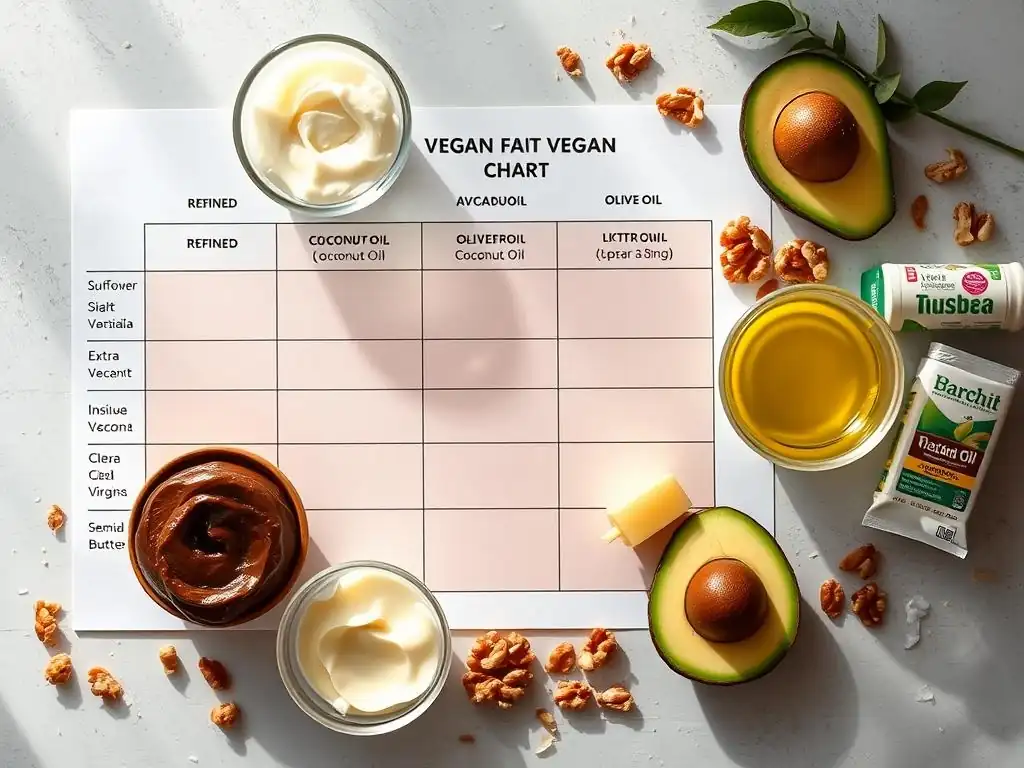
| Fat Substitute | Typical Fat % (Approx.) | Solid/Liquid at Room Temp | Flavor Profile (Refined/Plain) | Texture Contribution (General) | Best For (Cake Types) | Notes |
|---|---|---|---|---|---|---|
| Refined Coconut Oil | ~99% | Solid | Neutral | Tender, Moist, Structure | Most cakes (vanilla, choc) | Melts above 76°F (24°C) |
| Vegan Butter Sticks | ~75-85% | Solid | Neutral/Buttery | Tender, Moist, Aeration | Butter cakes, Cupcakes | Varies by brand composition |
| Apple Sauce (Unsweetened) | <1% | Puree/Semi-Liquid | Apple/Slightly Sweet | Moisture, Density | Muffins, Spice cakes | Replaces part of fat; reduces richness |
| Avocado Puree | ~15-20% | Puree/Semi-Liquid | Mild/Earthy (masked) | Moist, Dense, Richness | Chocolate cakes, Brownies | Adds green color (masked by dark ingredients) |
| Sunflower Seed Butter | ~50-55% | Semi-Solid/Liquid | Nutty/Earthy | Moist, Richness, Density | Chocolate, Spice cakes | Can cause green color with leavening |
| Olive Oil (Light/Refined) | ~100% | Liquid | Mild | Moist, Tender | Oil-based cakes, Citrus cakes | Doesn't cream; good for moisture retention |
| Olive Oil (Extra Virgin) | ~100% | Liquid | Distinct (Fruity/Peppery) | Moist, Tender, Richness | Citrus, Chocolate, Herb cakes | Flavor is prominent; use intentionally |
Sample Recipes
Please note: These are simplified outlines. A full recipe would include specific measurements, detailed instructions, and temperature/time.
Vegan Chocolate Cake Recipe Using Avocado Puree
This recipe leverages avocado puree for ultimate moisture and richness in a dark chocolate cake.
- Fat Substitute: Avocado Puree (replaces a portion of oil)
- Key Ingredients: All-purpose flour, cocoa powder, baking soda, salt, sugar, ripe avocado puree, neutral vegetable oil (remaining fat), plant milk, vinegar, vanilla extract.
- Method Outline:
- Whisk dry ingredients together.
- In a separate bowl, whisk wet ingredients including avocado puree, oil, plant milk, vinegar, and vanilla until very smooth.
- Pour wet into dry and mix until just combined.
- Bake in prepared pan.
Vegan Vanilla Cake Recipe Using Refined Coconut Oil
Utilizing refined coconut oil for a tender crumb and neutral flavor in a classic vanilla cake.
- Fat Substitute: Refined Coconut Oil (used solid for creaming)
- Key Ingredients: All-purpose flour, baking powder, salt, refined coconut oil (solid but soft), sugar, plant milk, vanilla extract, apple cider vinegar (optional, for lift).
- Method Outline:
- Cream softened refined coconut oil and sugar until light and fluffy.
- Whisk in vanilla.
- In a separate bowl, whisk dry ingredients.
- Combine plant milk and vinegar (if using).
- Alternate adding dry ingredients and plant milk mixture to the creamed mixture, starting and ending with dry. Mix until just combined.
- Bake in prepared pan.
Vegan Spice Cake Recipe Using Apple Sauce
Incorporating apple sauce to add moisture and complement warm spices while reducing fat.
- Fat Substitute: Apple Sauce (replaces a portion of oil or solid fat)
- Key Ingredients: All-purpose flour, baking soda, baking powder, salt, cinnamon, nutmeg, ginger, cloves, sugar (potentially reduced), unsweetened apple sauce, neutral vegetable oil (remaining fat), plant milk, vanilla extract.
- Method Outline:
- Whisk dry ingredients and spices together.
- In a separate bowl, whisk wet ingredients including apple sauce, oil, plant milk, and vanilla.
- Pour wet into dry and mix until just combined.
- Bake in prepared pan.
Best Practices for Vegan Cake Baking
Beyond choosing the right vegan cake fat substitutes, several best practices contribute to successful vegan cake baking. Attention to detail in measuring, understanding oven dynamics, and proper cooling techniques can elevate your results from good to great. Vegan batters can sometimes be more sensitive to overmixing or incorrect temperatures, so precision and patience are key. Mastering these fundamental techniques will help you consistently produce delicious, perfectly textured vegan cakes regardless of the fat substitute you choose.
Ingredient Measurement Techniques
Accurate ingredient measurement is paramount in any baking, but perhaps even more so when working with vegan cake fat substitutes and alternative ingredients. Unlike traditional recipes where dairy and eggs provide a significant buffer for minor measurement errors, vegan ingredients often require more precision to achieve the correct chemical reactions and structural balance. Using a kitchen scale to measure dry ingredients like flour and sugar by weight is highly recommended for consistency, as volume measurements can vary significantly depending on how ingredients are scooped and leveled.
For liquid ingredients and fat substitutes, measure carefully using liquid measuring cups at eye level or, ideally, by weight if a scale is available and the ingredient density is known. When using solid vegan alternatives for cake fat like vegan butter or refined coconut oil that need to be creamed, ensure they are at the correct temperature (solid but pliable, not melted or rock hard) for proper aeration.
For purees like apple sauce or avocado, level off the measuring cup carefully. Precise measurements ensure the correct ratio of fat, sugar, liquid, and dry ingredients, which is essential for proper leavening, moisture, and tenderness.
Oven Temperature and Baking Time Optimization
Correct oven temperature and baking time are critical factors for achieving the desired texture in vegan cakes, especially when using different vegan cake fat substitutes which can influence how quickly the cake bakes and browns. Ovens can vary significantly, so it's always a good idea to use an oven thermometer to ensure your oven is heating accurately. Baking at the correct temperature ensures the cake rises properly and cooks through evenly without burning the edges or remaining raw in the center.
Baking time will depend on the recipe, the size and shape of the pan, and your specific oven. Vegan cakes, depending on the fat substitute used (e.g., higher moisture substitutes), might sometimes take slightly longer to bake than traditional cakes.
Always start checking for doneness at the minimum time specified in the recipe using a toothpick inserted into the center of the cake – it should come out clean or with just a few moist crumbs attached. Overbaking will result in a dry cake, regardless of the fat substitute used, while underbaking can lead to a sunken or gummy center.
Cooling and Frosting Techniques
Proper cooling is a vital step in vegan cake baking that directly impacts the final texture and structure, especially when using vegan cake fat substitutes that might have different cooling properties than dairy butter. Allowing the cake to cool in the pan for the time specified in the recipe (usually 10-20 minutes) allows it to firm up and finish setting before being inverted onto a wire rack. Removing it too soon can cause it to break or collapse.
Once out of the pan, cool the cake completely on a wire rack before frosting. Frosting a warm cake will cause the frosting to melt and slide off, and the residual heat can continue to cook the cake, leading to dryness. A wire rack allows air circulation around the entire cake, ensuring even cooling and preventing condensation which can make the bottom soggy. For best results, especially with vegan alternatives for cake fat that might be softer at room temperature, ensure the cake is fully cooled to room temperature, or even slightly chilled, before frosting and decorating.
Common Issues and Solutions
Even with the best vegan cake fat substitutes and techniques, issues can sometimes arise in vegan baking. Understanding the common problems and their potential causes can help you troubleshoot and improve your results. Whether it's a cake that turns out dry, dense, or collapses in the middle, there are usually simple explanations related to ingredient ratios, mixing techniques, oven temperature, or baking time.
Dry Cakes: Causes and Remedies
Dryness is a common issue in vegan cakes and can stem from several factors, often related to the choice or amount of vegan cake fat substitute used, or improper baking.
- Insufficient Fat: Not enough fat was used, or a fat substitute that doesn't contribute enough moisture was chosen.
- Over-measuring Dry Ingredients: Too much flour, cocoa powder, or sugar can absorb excess moisture.
- Overbaking: Baking for too long or at too high a temperature evaporates too much moisture.
- Using 100% Fat Substitute for Butter: Replacing butter (approx. 16-18% water) 1:1 with a 100% fat oil or refined coconut oil without adding extra liquid can lead to dryness.
Remedies:
- Ensure you are using the correct amount of fat or adjusting for the moisture content of your vegan alternative for cake fat.
- Measure dry ingredients by weight for accuracy.
- Check cake for doneness at the minimum baking time. Use an oven thermometer.
- Slightly increase liquid (plant milk, water) if using a 100% fat substitute for butter.
- Consider using a fat substitute known for adding moisture, like avocado or apple sauce, in conjunction with other fats.
Dense Cakes: Improving Texture
A dense cake is often the result of issues related to leavening, mixing, or the type of vegan cake fat substitute used.
- Insufficient Leavening: Not enough baking powder or soda, or expired leavening agents.
- Overmixing Batter: Overmixing develops gluten in wheat flour (or starches in GF blends), leading to a tough, dense texture.
- Substituting Solid Fat with Liquid/Puree: Replacing butter that was creamed for air with a liquid oil or puree (like apple sauce) without increasing chemical leavening.
- Batter Too Wet: Too much liquid or a fat substitute with very high water content can weigh down the cake structure.
- Oven Temperature Too Low: The cake doesn't get the necessary heat boost to rise properly.
Remedies:
- Ensure baking powder/soda are fresh and used in correct amounts.
- Mix batter gently until just combined; stop as soon as no dry streaks remain.
- When using liquid vegan cake fat substitutes or purees instead of solid fat, increase baking powder/soda or add an acid (like vinegar or lemon juice) to react with baking soda.
- Adjust liquid amounts based on the fat substitute used to achieve correct batter consistency.
- Use an oven thermometer to verify temperature.
Sunken Cakes: Prevention Strategies
A cake that sinks in the middle is frustrating and can be caused by several factors, including leavening issues, temperature fluctuations, or structural problems related to vegan cake fat substitutes.
- Underbaking: The cake's structure hasn't set before it's removed from the oven.
- Expired Leavening: Leavening agents lose their power before the cake is fully baked.
- Oven Door Opened Too Soon: Opening the oven door during the crucial rising phase (usually the first ⅔ of baking time) can cause a sudden temperature drop, collapsing the delicate structure.
- Too Much Leavening: Excessive leavening causes the cake to rise too quickly and then collapse.
- Too Much Sugar: Sugar attracts moisture and can weigh down the cake structure if too much is used.
- Incorrect Fat Balance: Using too much liquid fat or a very heavy puree can sometimes contribute to structural weakness if not balanced by other ingredients and leavening.
Prevention Strategies:
- Bake until a toothpick inserted in the center comes out clean.
- Check leavening agent expiration dates.
- Avoid opening the oven door until the cake is mostly set and the minimum baking time is reached.
- Measure all ingredients, especially sugar and leavening agents, accurately.
- Ensure your vegan cake fat substitutes are balanced with other ingredients for proper structure, especially when using high-moisture or liquid options.
Conclusion: Mastering Plant-Based Cake Baking
Mastering plant-based cake baking involves understanding the unique properties of vegan cake fat substitutes and how they interact with other ingredients to create delicious results. While it presents its own set of challenges compared to traditional baking, the availability of diverse plant-based options like refined coconut oil, vegan butter sticks, apple sauce, avocado puree, sunflower seed butter, and olive oil empowers bakers to achieve a wide range of textures and flavors without using dairy. Each substitute offers distinct benefits and requires thoughtful application and potential recipe adjustments.
The journey into vegan cake baking is one of continuous learning and adaptation. By paying close attention to ingredient measurements, understanding the role of fat in texture, balancing hydration, and practicing fundamental baking techniques, you can overcome common hurdles and consistently bake moist, tender, and flavorful vegan cakes. Don't be discouraged by initial attempts that don't turn out perfectly; every bake is an opportunity to learn and refine your skills.
The Evolving World of Vegan Baking
The world of vegan baking is constantly evolving, with new ingredients and techniques emerging regularly. Manufacturers are continually improving vegan cake fat substitutes, developing products that better mimic the performance of dairy butter and offer more versatility. Research into the functional properties of various plant proteins, starches, and fats continues to expand the possibilities for creating vegan baked goods that meet or exceed the quality of traditional versions.
Staying updated on new products and exploring innovative uses for existing ingredients will enhance your vegan baking skills. Online communities, blogs like BakeWithEase.com, and cookbooks dedicated to vegan baking are excellent resources for discovering new recipes, tips, and shared experiences. As the demand for plant-based options grows, so too does the availability and quality of ingredients designed specifically for vegan baking applications, making it an exciting time to explore vegan alternatives for cake fat and beyond.
Embrace Experimentation
The most rewarding aspect of mastering vegan cake fat substitutes and plant-based baking is the opportunity to embrace experimentation. Every recipe, ingredient substitution, and technique adjustment is a chance to learn something new. Don't be afraid to try different combinations of fat substitutes, adjust quantities based on your observations, and adapt traditional recipes to suit your vegan pantry. Keep notes on what works and what doesn't to build your own library of successful vegan baking formulas.
Baking is both a science and an art. While understanding the scientific principles behind ingredient interactions is important, the artistic element comes from intuition, creativity, and the willingness to play in the kitchen. So, gather your vegan cake fat substitutes, preheat your oven, and embark on the delicious adventure of creating incredible plant-based cakes. Your taste buds, and those of anyone you share your creations with, will thank you!
Frequently Asked Questions
How can I effectively replace butter in a vegan cake recipe?
You can replace butter with vegan butter alternatives, such as coconut oil, avocado oil, or even unsweetened applesauce to maintain moisture and texture. These alternatives offer different fat profiles which affect the final product.
What are some common vegan fat substitutes suitable for cakes?
Besides vegan butter, excellent options include vegetable shortening, olive oil (for certain cakes), and nut butters like almond or cashew butter, depending on the desired flavor profile of the cake. They contribute to moisture and richness.
Can using a vegan fat substitute impact the texture of my cake?
Yes, different vegan fats have varying textures and fat contents. Using too much liquid oil can result in a dense cake, while too little fat can lead to a dry cake.
Are there any specific vegan fat substitutes that are best for light and fluffy cakes?
Applesauce, mashed banana, or even aquafaba (chickpea brine) can be used as fat substitutes to create a lighter texture. Adjust the amount of sugar to compensate for the natural sweetness.
How do I adjust my recipe when using a vegan fat substitute?
Start by substituting the fat 1:1. Then, adjust the liquids slightly and consider adding a binding agent like flaxseed meal to help hold the cake together. Always test and adjust to your taste.
Final Reflection: The Sweet Revolution of Vegan Baking
The demand for delicious, cruelty-free baked goods is exploding, and vegan cake fat substitutes are at the heart of this exciting culinary revolution. No longer a niche market, plant-based alternatives are transforming the way we approach baking, offering both ethical and health-conscious options without compromising on taste or texture. The rise in popularity reflects a growing awareness of the environmental and ethical implications of traditional dairy farming.
This exploration into the world of vegan cake fat substitutes has highlighted not only the incredible variety of options available but also the ingenuity and creativity driving innovation in the plant-based food industry. The journey from coconut oil to avocado, from applesauce to sunflower seed butter, has been a testament to the power of adaptation and the pursuit of deliciousness. The best things in life are unexpected,
and this certainly rings true for the surprising versatility and delightful results achieved with these plant-based alternatives.
Now, it's your turn. Consider the possibilities. Experiment with different vegan fat substitutes, explore new recipes, and embrace the joy of creating decadent, ethical cakes. Don't be afraid to get creative; the world of vegan baking is your oyster. Let your next cake be a celebration of both flavor and conscious consumption. What delicious creation will you bake next?
Unlock the Secrets to Fluffy Vegan Cakes!
Thanks for diving into the world of vegan baking with us! We hope you’ve gained valuable insights into replacing dairy fats for deliciously light and fluffy plant-based cakes. Now it's time to put your newfound knowledge into action.
- Bake your dream vegan cake: Choose your favorite recipe (or try a new one!) and swap out the dairy fats with your newfound favorites from the article. Don't be afraid to experiment!
- Share your baking triumph: Show off your delicious creation on social media using #BakeWithEaseVegan and tag us – we'd love to see your results!
- Explore our other vegan recipes: Discover more plant-based baking magic on our website (bakewithease.com) to expand your skills and culinary creativity.
What delicious vegan cake will you bake first?