
Can Milk Powder Improve Your Croissants?

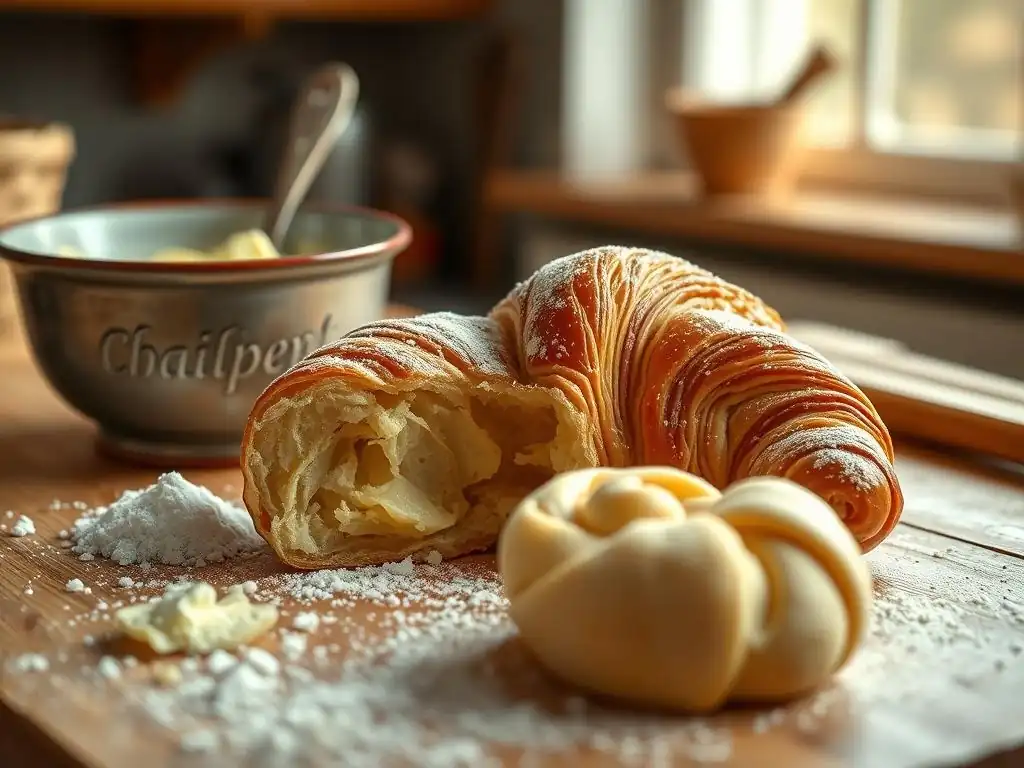
Welcome to BakeWithEase, your passport to baking bliss! Ever wondered if a humble ingredient could unlock a new level of flakiness and flavor in your croissants? This week, we're diving deep into the surprising secret weapon of many bakers: milk powder. Prepare to be amazed as we explore our Milk Powder Croissants recipe, revealing how this pantry staple can elevate your baking game. Intrigued? Keep reading to discover the science and the secrets to crafting croissants that are lighter, richer, and utterly irresistible!
- Can Milk Powder Improve Your Croissants? A Baker's Guide
- Introduction: Elevating Your Croissant Baking with Milk Powder
- Understanding the Role of Milk Powder in Baking
- The Science Behind Milk Powder and Croissant Dough
- Milk Powder Croissants Recipe: A Step-by-Step Guide
- Comparing Milk Powder Croissants to Traditional Croissants
- Troubleshooting Common Issues with Milk Powder Croissant Recipes
- Tips and Tricks for Baking the Best Milk Powder Croissants at Home
- Advanced Techniques for Milk Powder Croissant Perfection
- Conclusion: Is Milk Powder the Secret to Better Croissants?
-
Frequently Asked Questions
- Can adding milk powder to my croissant dough really make a difference?
- What kind of milk powder is best for a milk powder croissant recipe?
- How much milk powder should I add to my croissant dough?
- Does using milk powder change the fermentation time for croissants?
- Where can I find a reliable milk powder croissants recipe?
- Final Reflection: The Unexpected Power of Milk Powder in Croissant Perfection
- Unlock Flaky Perfection: Elevate Your Croissant Game!
Can Milk Powder Improve Your Croissants? A Baker's Guide
Introduction: Elevating Your Croissant Baking with Milk Powder
Baking perfect croissants at home is a rewarding challenge, often requiring precision and understanding of ingredients. While traditional croissant recipes rely heavily on flour, water, yeast, salt, and butter, incorporating additional elements can sometimes elevate the final product. One ingredient that has gained attention in home baking circles is milk powder. Adding milk powder to your croissant dough might seem like a small alteration, but it can have significant effects on texture, flavor, and even the handling of the dough during the intricate lamination process.
This guide explores the potential benefits of including milk powder in your next batch of croissants. We'll delve into why bakers consider this addition, the science behind its impact on dough structure and flavor, and even provide a detailed milk powder croissants recipe for you to try. Whether you're aiming for a softer crumb, a richer flavor, or a more forgiving dough, understanding the role of milk powder can unlock new possibilities in your quest for the perfect homemade croissant.
Exploring the Impact: Milk Powder in Croissants
Adding milk powder to your croissant dough introduces milk solids without the extra liquid that fresh milk would bring. This is particularly useful in doughs where hydration needs to be carefully controlled, like laminated doughs for milk powder croissants. These milk solids, including proteins and lactose, interact with other ingredients during mixing, fermentation, and baking, leading to subtle but noticeable changes in the final product.
Consider the typical challenges of homemade croissants: achieving a tender interior while developing a crisp, flaky exterior. Milk powder can influence both. For instance, the proteins in milk powder, such as casein and whey, can interact with gluten development, potentially leading to a more tender crumb. Lactose, a sugar present in milk powder, doesn't ferment easily by yeast but caramelizes during baking, contributing to crust color. Understanding these interactions is key to successfully integrating milk powder into your milk powder croissants recipe.
Why Add Milk Powder to Your Croissant Dough?
Bakers often turn to milk powder for several reasons when working with doughs, and these benefits extend to milk powder croissants. Firstly, it can enhance the richness and depth of flavor. The subtle sweetness and dairy notes from the milk solids provide a more complex taste profile compared to using only water. This can make your milk powder croissants taste more indulgent and bakery-quality.
Secondly, milk powder can improve dough handling and structure. The proteins help strengthen the dough network, while also contributing to a finer, more even crumb structure. This dual action can make the delicate process of laminating croissant dough slightly more manageable for the home baker. Furthermore, the presence of milk solids can influence moisture retention, potentially leading to a slightly softer crumb and a longer shelf life for your delicious milk powder croissants.
Understanding the Role of Milk Powder in Baking
Milk powder, essentially dehydrated milk, is a concentrated source of milk solids. It's a staple in many baking applications beyond just milk powder croissants, from enriched breads like challah and brioche to cakes and cookies. Its versatility comes from its composition, which includes proteins, lactose (milk sugar), milk fat (in whole milk powder), and minerals, all of which play roles in baking chemistry.
Using milk powder allows bakers to incorporate the benefits of milk solids without altering the dough's hydration significantly. This control over liquid content is crucial in doughs like those used for milk powder croissants, where the ratio of wet to dry ingredients impacts gluten development and lamination success. Understanding the specific components of milk powder helps predict its behavior in a recipe and how it will affect the final texture and flavor of baked goods, including your milk powder croissants recipe.
Milk Powder: Composition and Benefits in Baked Goods
Milk powder contains roughly 36-38% protein, 50-52% lactose, and about 1.3% minerals (ash), with fat content varying based on whether it's non-fat, low-fat, or whole milk powder. Non-fat dry milk (NFDM) is the most common type used in baking, valued for its protein content and low fat, which can interfere with gluten development if too high. These proteins, primarily casein and whey, contribute to dough structure and crumb softness.
The lactose in milk powder doesn't readily ferment with baker's yeast, which primarily consumes glucose and fructose. However, lactose is a reducing sugar and participates in the Maillard reaction during baking, contributing significantly to crust browning and flavor development. This means your milk powder croissants are likely to develop a beautiful golden-brown crust. The minerals can also subtly impact yeast activity and enzyme function within the dough.
Milk Powder's Effects on Dough Texture and Flavor
In doughs, milk powder proteins absorb water, contributing to a stronger dough structure. They can also interact with gluten proteins, sometimes leading to a finer, more uniform crumb. This can be particularly beneficial in milk powder croissants, helping to create that desirable open, airy interior structure while maintaining tenderness. The proteins also help emulsify fats, which is advantageous in a butter-rich dough like croissant dough.
Flavor-wise, the lactose caramelizes during baking, imparting a sweet, slightly nutty flavor and enhancing the overall richness. This caramelization also contributes to the attractive golden color of the crust. While the flavor contribution is subtle, it adds a layer of complexity that distinguishes milk powder croissants from those made solely with water. The overall effect is a more tender crumb, a richer flavor, and a beautifully colored crust.
The Science Behind Milk Powder and Croissant Dough
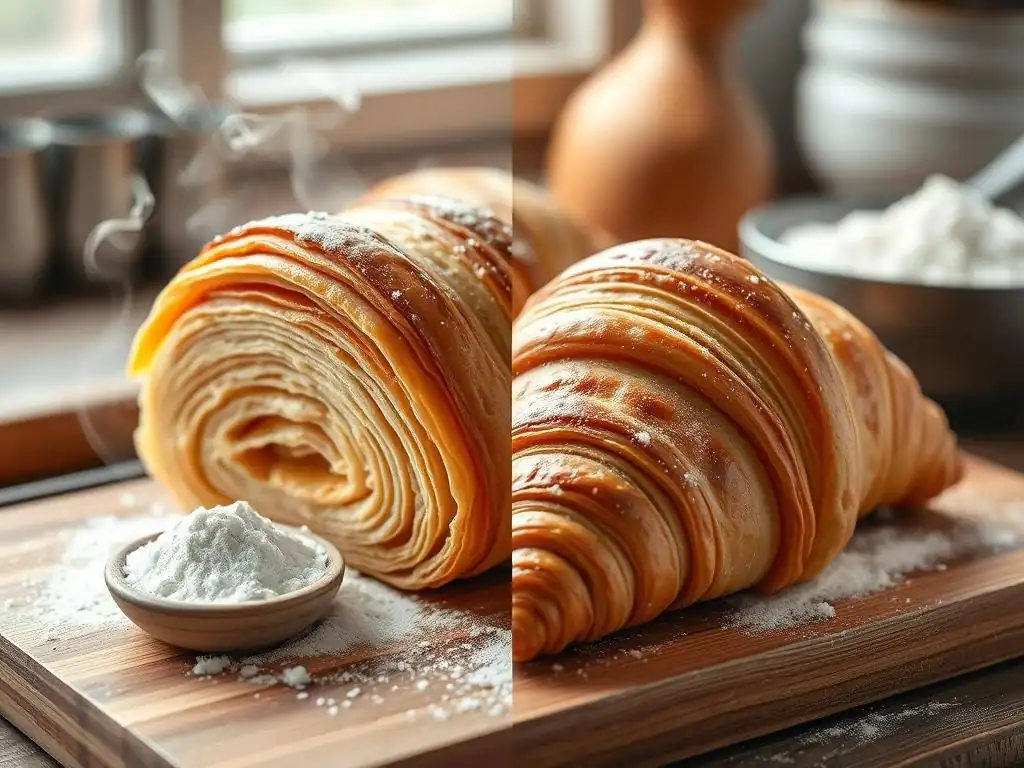
The interaction between milk powder and the components of croissant dough is a fascinating study in baking science. When milk powder is hydrated and mixed into the dough, its various components begin to interact with flour proteins (glutenin and gliadin), yeast, and water. These interactions influence everything from dough elasticity to the final texture and color of the baked milk powder croissants.
Understanding these scientific principles helps bakers troubleshoot issues and optimize their milk powder croissants recipe. For example, knowing how milk proteins affect gluten can help you adjust mixing times. Recognizing lactose's role in browning explains why milk powder croissants often achieve a deeper color than water-based versions baked under the same conditions. It's these subtle chemical and physical changes that make milk powder a potentially valuable addition.
Milk Powder's Impact on Gluten Development in Croissants
The proteins in milk powder, particularly whey proteins, can interact with gluten development. Casein proteins tend to absorb water and contribute to dough strength, while whey proteins contain sulfur-containing amino acids that can sometimes interfere with the disulfide bonds that form the gluten network. Historically, boiling milk was recommended in baking to denature these whey proteins and prevent them from weakening the gluten structure.
However, modern milk powders, especially those designed for baking (often labeled as "high-heat" or "low-heat" depending on processing), are treated to minimize this inhibitory effect. When used correctly in a milk powder croissants recipe, the milk proteins generally contribute positively to dough structure, resulting in a dough that is strong enough for lamination but also capable of producing a tender crumb. The amount of milk powder used relative to flour is key; too much can indeed weaken the gluten structure. A typical addition might be around 3-5% of the flour weight.
Enhancing Croissant Crust and Color with Milk Powder
One of the most visible impacts of adding milk powder to a milk powder croissants recipe is on the crust. The lactose present in milk powder is a reducing sugar that readily participates in the Maillard reaction, a complex series of chemical reactions between amino acids and reducing sugars that occurs during baking. This reaction is responsible for the browning of the crust and the development of many desirable flavor compounds.
Compared to doughs made only with water, milk powder croissants will typically brown more quickly and achieve a richer, more appealing golden-brown hue when baked at the same temperature and time. This enhanced browning not only makes the croissants look more appetizing but also contributes a subtle caramel-like flavor to the crust, complementing the rich butter layers. This effect is particularly noticeable in the delicate, flaky outer layers of the croissant.
Achieving a Softer Crumb: The Milk Powder Advantage
The proteins and lactose in milk powder both contribute to achieving a softer crumb in baked goods, including milk powder croissants. Milk proteins absorb water and help to create a more uniform distribution of moisture throughout the dough. They also interact with the starch in the flour, inhibiting retrogradation (staling), which can help the crumb stay softer for a longer period.
Lactose, being a sugar, is hygroscopic, meaning it attracts and retains moisture. While it doesn't ferment, its presence helps to keep the crumb moist after baking. This combination of protein and sugar effects results in a tender, moist interior crumb that contrasts beautifully with the crisp, flaky exterior, a hallmark of a great croissant. For those seeking a truly melt-in-your-mouth interior in their milk powder croissants, the addition of milk powder is definitely worth considering.
Milk Powder Croissants Recipe: A Step-by-Step Guide
Ready to try making milk powder croissants yourself? This recipe is designed for the home baker with some experience in working with laminated doughs. It incorporates non-fat dry milk (NFDM) to leverage the benefits we've discussed – enhanced flavor, improved browning, and a potentially softer crumb. Remember that successful lamination requires patience and temperature control.
This milk powder croissants recipe yields approximately 12-16 medium croissants. Pay close attention to the details, especially regarding ingredient temperatures and chilling times, as these are critical for achieving those coveted flaky layers. Baking milk powder croissants at home is a project, but the result is incredibly rewarding.
Ingredients for the Milk Powder Croissant Recipe
Here is a detailed list of ingredients for your milk powder croissants recipe:
- Flour: 500 grams strong bread flour (around 12-13% protein)
- Milk Powder: 25 grams non-fat dry milk (NFDM)
- Sugar: 50 grams granulated sugar
- Salt: 10 grams fine sea salt
- Yeast: 10 grams instant dry yeast (or 12 grams active dry yeast, activated)
- Water: 150 grams cold water (around 4-5°C or 40°F)
- Milk: 100 grams cold whole milk (around 4-5°C or 40°F)
- Butter (for dough): 30 grams unsalted butter, softened
- Butter (for lamination): 250 grams high-quality unsalted butter (minimum 82% fat), cold and pliable
[Detailed List of Ingredients, including Specific Milk Powder Type and Quantity]
As listed above, we are using 25 grams of non-fat dry milk (NFDM) for 500 grams of flour, which is a 5% ratio by flour weight. This ratio is common in enriched doughs and provides noticeable benefits without overwhelming the dough structure. Using non-fat ensures we get the protein and lactose benefits without adding excessive fat to the dough itself, which could interfere with gluten development before the lamination butter is incorporated.
The quality of your butter for lamination is paramount. Look for butter with a high fat percentage and good pliability when cold. European-style butters often fit this description well. The cold liquids (water and milk) are essential for controlling dough temperature during mixing, which helps manage yeast activity before the long fermentation and lamination process begins for your milk powder croissants.
Step-by-Step Instructions: Baking Milk Powder Croissants
Follow these steps carefully to create your delicious milk powder croissants:
Step 1: Preparing the Milk Powder Dough
- In a large mixing bowl, whisk together the flour, milk powder, sugar, salt, and instant yeast. If using active dry yeast, proof it first in a small amount of the lukewarm water/milk mixture (around 40°C or 105°F) for 5-10 minutes until frothy, then add to the dry ingredients.
- Add the cold water and cold milk to the dry ingredients. Mix with a spatula or in a stand mixer with a dough hook on low speed until a shaggy dough forms.
- Add the softened 30g butter to the dough. Continue mixing on low to medium speed for 5-7 minutes until the dough is smooth and elastic. It should pass the windowpane test (stretch a small piece thin enough to see light through).
- Form the dough into a rough rectangle, wrap tightly in plastic wrap, and refrigerate for at least 8 hours, preferably overnight (up to 24 hours). This cold fermentation develops flavor and makes the dough easier to handle for lamination.
Step 2: Lamination Techniques for Milk Powder Croissants
- Prepare the lamination butter: Cut the cold 250g butter into slabs and arrange them closely together on a piece of parchment paper to form an approximately 15cm x 15cm (6x6 inch) square. Cover with another piece of parchment and gently beat with a rolling pin to create a pliable, even square of butter. Refrigerate for 15-20 minutes until cold but flexible.
- On a lightly floured surface, roll the cold dough into a rectangle approximately twice the size of your butter square. Place the butter square on one half of the dough.
- Fold the other half of the dough over the butter, sealing the edges well to fully enclose the butter. You should have a rectangle with three layers of dough and two layers of butter.
- Rotate the dough 90 degrees. Gently roll the dough out into a long rectangle, about 20x60 cm (8x24 inches). Ensure the thickness is even.
- Perform the first "turn": Fold the bottom third of the dough up, then fold the top third down over it, like folding a letter. This is a single turn, creating three layers. Wrap tightly and refrigerate for at least 30 minutes.
- Repeat steps 4 and 5 two more times, resting the dough for at least 30 minutes in the refrigerator between each turn. You will perform a total of three single turns. After the final turn, refrigerate the dough for at least 1-2 hours before shaping.
Step 3: Proofing and Baking Your Milk Powder Croissants
- On a lightly floured surface, roll the chilled dough into a large rectangle, about 3-4 mm thick. Trim the edges neatly.
- Cut the dough into triangles. For classic croissants, the base of the triangle should be about 8-10 cm (3-4 inches) and the height around 20-25 cm (8-10 inches).
- To shape, gently stretch the base of each triangle slightly. Starting from the base, roll the triangle tightly towards the point. Curve the ends inward to form the crescent shape if desired.
- Place the shaped milk powder croissants on baking sheets lined with parchment paper, leaving ample space between them as they will expand significantly.
- Proof the croissants: Place the baking sheets in a warm, draft-free place with high humidity (a turned-off oven with a pan of hot water works well). Proof until the croissants are visibly puffy, jiggly when gently shaken, and the layers are separated, but not so much that the butter is melting out (this can take 2-3 hours depending on temperature).
- Preheat your oven to 200°C (400°F). If desired, brush the tops of the proofed milk powder croissants with an egg wash (1 egg whisked with 1 tbsp milk or water).
- Bake for 15-20 minutes, or until deeply golden brown and the layers are crisp. You may need to reduce the temperature slightly (to 180°C/350°F) after the first 10 minutes if they are browning too quickly.
- Transfer the baked milk powder croissants to a wire rack to cool slightly before enjoying.
Comparing Milk Powder Croissants to Traditional Croissants
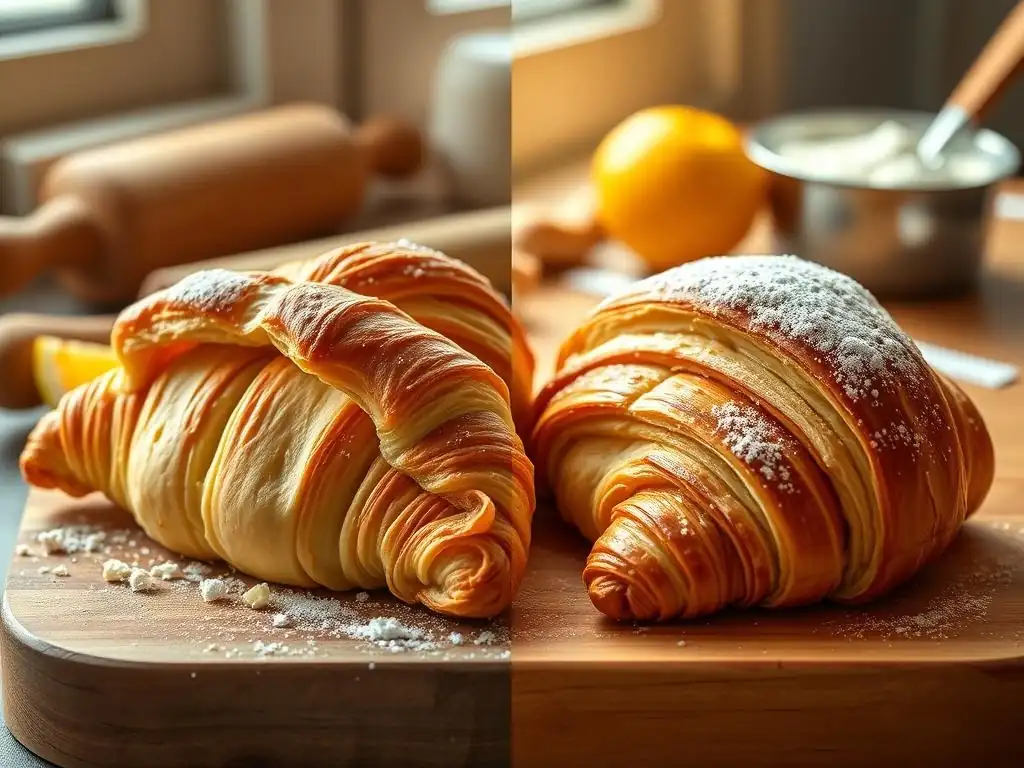
When you bake a batch of milk powder croissants alongside a batch of traditional, water-based croissants, the differences become apparent. While the fundamental technique of lamination remains the same, the inclusion of milk powder introduces variables that affect the final sensory experience – taste, texture, and even how long they stay fresh.
These comparisons are based on observations by home bakers and professional patissiers who have experimented with milk-enriched doughs. The goal isn't necessarily to declare one superior, but to understand the unique characteristics that milk powder imparts to the classic croissant format, informing your decision on whether to include it in your milk powder croissants recipe.
Taste Test: Milk Powder vs. Traditional Croissant Flavor
The most immediate difference noted in a taste test between milk powder croissants and traditional ones is the flavor profile. Traditional croissants have a clean, pure buttery flavor with subtle notes from the fermented dough. The taste is primarily driven by the quality of butter and the development of fermentation flavors.
Milk powder croissants, on the other hand, often possess a richer, slightly sweeter, and more complex flavor. The lactose contributes a mild caramelization during baking, adding depth. The milk solids also contribute a subtle dairy undertone that complements the butter. While still distinctly croissant, the milk powder version can taste more 'tender' or 'enriched', appealing to those who enjoy a slightly sweeter or creamier note in their pastry. Some describe it as having a more 'bakery-like' flavor.
Texture Comparison: The Impact of Milk Powder on Croissant Structure
Texture is paramount in a croissant. The ideal is a crisp, shatteringly flaky exterior giving way to an interior that is airy, open-celled, and tender. Traditional croissants, when executed perfectly, achieve this through careful lamination and proofing, resulting in distinct, separated layers.
Milk powder croissants often exhibit a slightly different interior texture. While they still achieve beautiful layers and flakiness, the crumb tends to be perceived as softer and perhaps a touch more uniform or less 'open' than some traditional versions. The milk proteins and lactose help retain moisture, contributing to this tenderness. The exterior crispness is usually comparable, though the enhanced browning from lactose might result in a slightly different crust characteristic. It's a subtle difference, but one that many bakers find desirable for achieving a melt-in-your-mouth quality in the crumb of their milk powder croissants.
Shelf Life: Does Milk Powder Extend Croissant Freshness?
One practical benefit often attributed to milk powder in baked goods is a perceived increase in shelf life. This is partly due to the hygroscopic nature of lactose and the anti-staling properties of milk proteins. Lactose helps the crumb retain moisture, slowing down the drying process that contributes to staling.
While croissants are undeniably best eaten fresh from the oven, milk powder croissants may remain palatable and softer for a slightly longer period compared to purely water-based versions. Anecdotal evidence from bakers suggests that the crumb of milk powder croissants might remain tender for up to 24-48 hours, whereas traditional croissants can start to feel dry sooner. This makes incorporating milk powder into your milk powder croissants recipe a practical choice if you won't be consuming the entire batch immediately.
Troubleshooting Common Issues with Milk Powder Croissant Recipes
Even with a solid milk powder croissants recipe, baking can present challenges. Laminated doughs are notoriously sensitive to temperature, handling, and proofing conditions. Understanding common pitfalls and how milk powder influences them can help you achieve better results.
Many issues encountered when making milk powder croissants are similar to those faced with traditional recipes, such as butter leaking during baking or a lack of rise. However, the presence of milk powder can sometimes alter the dough's behavior slightly. Let's look at how to tackle a few frequent problems when working with a milk powder croissants recipe.
Avoiding a Dry Croissant: Moisture Balance with Milk Powder
A dry, dense croissant crumb is a common disappointment. This can result from under-proofing, insufficient hydration in the dough, or baking at too high a temperature for too long. While milk powder helps retain moisture, it also absorbs liquid during mixing. Using the correct amount of cold liquid (water and milk) is crucial in your milk powder croissants recipe.
Ensure your initial dough hydration is adequate. The dough should be slightly sticky but manageable after mixing. During lamination, avoid using excessive flour, as this adds dry ingredients and can lead to a tough, dry crumb. Proper proofing is also key; under-proofed croissants won't expand sufficiently in the oven, resulting in a dense interior. Aim for the dough to be fully proofed (doubled in size, jiggly) before baking your milk powder croissants.
Ensuring Proper Rise: Yeast Activation with Milk Powder
Adequate rise in croissants relies on healthy yeast activity and proper proofing. Yeast fermentation produces the carbon dioxide gas that creates the airy structure. While milk powder generally supports yeast activity by providing some nutrients, historical texts sometimes mention raw milk inhibiting yeast due to certain enzymes. However, modern milk powder processing usually mitigates this.
Ensure your yeast is fresh and active. The cold fermentation step in the milk powder croissants recipe (overnight chilling) is essential for developing flavor and making the dough workable, but the main rise occurs during the final proofing stage. Provide a warm, humid environment for proofing (ideally 24-26°C or 75-80°F with 70-80% humidity). Patience is key; proofing time can vary significantly based on ambient temperature. Don't rush this step for your milk powder croissants.
Achieving the Perfect Golden-Brown Color: Baking Tips for Milk Powder Croissants
As discussed, milk powder contributes significantly to crust browning due to lactose caramelization. While this is generally a benefit for milk powder croissants, it means you need to monitor baking closely to prevent over-browning or burning, especially if your oven runs hot.
Ensure your oven is accurately calibrated. An external oven thermometer is a valuable tool. Preheat the oven thoroughly to the specified temperature (typically 200°C/400°F initially).
Place the baking sheet in the center of the oven for even heat distribution. If you notice the croissants browning too quickly on top before they are fully baked through (check the bottom crust color and internal temperature - around 93-96°C or 200-205°F), you can loosely tent them with foil or reduce the oven temperature slightly (to 180°C/350°F) for the remaining baking time. This ensures your milk powder croissants achieve a beautiful golden hue without becoming burnt.
Tips and Tricks for Baking the Best Milk Powder Croissants at Home

Baking milk powder croissants successfully is a journey of practice and refinement. Beyond the core recipe, there are several tips and tricks that can help you achieve consistently excellent results. These pointers focus on ingredient selection, technique variations, and how to personalize your milk powder croissants recipe.
From choosing the right type of milk powder to experimenting with flavor infusions, these suggestions are designed to empower you to bake croissants that are not only technically sound but also perfectly suited to your taste preferences. Remember that baking is an art as much as a science, and experimentation is encouraged.
Choosing the Right Type of Milk Powder for Croissants
For most milk powder croissants recipe applications, non-fat dry milk (NFDM) is the preferred choice. It provides the beneficial proteins and lactose without adding extra fat that could interfere with the delicate gluten structure needed for lamination. Look for brands specifically marketed for baking if possible, as these often have controlled processing that minimizes potential issues with gluten interaction.
While whole milk powder is available, its higher fat content (around 25%) can make the dough softer and potentially more difficult to handle during lamination. It also introduces more fat into the dough matrix itself, which isn't the primary goal when the lamination butter provides the majority of the fat. Stick with NFDM for reliable results in your milk powder croissants.
Experimenting with Different Milk Powder Ratios
The milk powder croissants recipe provided uses a 5% ratio of NFDM to flour (25g per 500g flour). This is a good starting point that provides noticeable benefits. However, you can experiment with slightly lower or higher ratios to see how they affect your results.
A ratio of 3% might offer subtle benefits without significant changes to dough handling, while a ratio closer to 7-8% could lead to a very soft crumb and pronounced browning, but might also make the dough slightly softer and potentially more challenging to roll out during lamination. Keep detailed notes when experimenting with your milk powder croissants recipe to track the outcomes of different ratios on dough feel, proofing time, crust color, and crumb texture.
Adding Flavor Variations to Your Milk Powder Croissant Dough [Examples: Chocolate Chips, Dried Fruit]
Once you've mastered the basic milk powder croissants recipe, you can explore delicious variations. The enriched flavor profile of the milk powder dough provides an excellent base for incorporating other ingredients.
- Chocolate Chips: After cutting the dough triangles, place a small amount of good quality chocolate chips or batons at the base before rolling. This creates classic pain au chocolat.
- Dried Fruit: Finely chopped dried cranberries, raisins, or apricots can be scattered over the dough triangle before rolling, adding bursts of sweetness and chewiness to your milk powder croissants. Ensure the pieces are small to avoid tearing the dough during rolling.
- Spices: A pinch of cinnamon or cardamom can be added to the dry ingredients along with the milk powder for subtly spiced croissants.
- Cheese: For a savory twist, sprinkle grated cheese (like Gruyère or Parmesan) over the dough before rolling, or incorporate it into the dough itself at a low percentage.
Advanced Techniques for Milk Powder Croissant Perfection
For bakers looking to push the boundaries of their milk powder croissants recipe, incorporating advanced techniques can lead to even more spectacular results. This includes adapting the base recipe for different pastry shapes or integrating it into more complex dough types like sourdough.
These techniques build upon the foundational skills of lamination and dough handling. Applying the principles of using milk powder to these variations allows you to leverage its benefits in new and exciting ways, expanding your repertoire beyond the classic crescent shape while still creating delicious milk powder croissants.
Using Milk Powder in Different Croissant Variations [Examples: Pain au Chocolat, Croissant aux Amandes]
The milk powder croissants recipe dough can be easily adapted for other viennoiseries that use a similar laminated dough base.
- Pain au Chocolat: Simply follow the dough preparation and lamination steps. When shaping, cut rectangles instead of triangles, place one or two chocolate batons at one end, and roll up. The milk powder will contribute to a rich dough that pairs wonderfully with the chocolate.
- Croissant aux Amandes (Almond Croissants): These are typically made by splitting day-old croissants, dipping them in a sugar syrup (often flavored with rum or almond extract), filling with frangipane (almond cream), topping with more frangipane and sliced almonds, and baking again. Using milk powder croissants as the base will result in a tender interior that absorbs the syrup beautifully and a rich flavor that complements the almond.
Incorporating Milk Powder into Sourdough Croissants
Combining the tang and complexity of sourdough with the richness and tenderness from milk powder offers an advanced challenge for the dedicated home baker. This requires adapting a sourdough croissant recipe to include the milk powder, accounting for the sourdough starter's hydration and acidity.
You would typically reduce the amount of water slightly in the sourdough dough formula to compensate for the liquid absorbed by the milk powder. The milk powder would be added along with the flour. The slow fermentation of sourdough already contributes significantly to flavor and dough strength, and the milk powder would further enhance richness, crumb softness, and browning. Developing a successful milk powder sourdough croissants recipe requires careful balancing of the starter's activity, fermentation times, and the dough's hydration for proper lamination.
Conclusion: Is Milk Powder the Secret to Better Croissants?
While there's no single "secret" ingredient to perfect croissants – technique, patience, and quality ingredients are paramount – incorporating milk powder into your milk powder croissants recipe can certainly be a valuable addition. It offers tangible benefits in terms of flavor richness, crust color, and crumb tenderness that are difficult to achieve with just water.
For the home baker seeking to elevate their results and explore new possibilities, experimenting with milk powder is highly recommended. It's a simple ingredient change that can make a noticeable difference in the final product, bringing you closer to achieving that bakery-quality croissant experience in your own kitchen. Give the milk powder croissants recipe a try and see the difference for yourself!
Final Thoughts on the Milk Powder Croissant Recipe
The milk powder croissants recipe outlined in this guide provides a solid foundation for exploring the benefits of this ingredient. Remember that consistency in technique, especially during lamination and proofing, remains critical for success. Don't be discouraged if your first attempt isn't perfect; croissant baking is a skill that improves with practice.
Pay attention to the dough temperature throughout the process, use high-quality butter, and be patient during the long chilling and proofing stages. The rich flavor and tender crumb that milk powder helps create are well worth the effort. Enjoy the process of making and, of course, eating your delicious milk powder croissants!
Have you tried making milk powder croissants? What were your results? Did you notice a difference in flavor, texture, or handling compared to traditional recipes? We'd love to hear about your experiences and any tips or variations you've discovered. Sharing our baking journeys helps everyone learn and grow. Happy baking!
Frequently Asked Questions
Can adding milk powder to my croissant dough really make a difference?
Yes! Milk powder can significantly enhance your croissants. It contributes to a softer crumb, a richer flavor, and improved browning during baking.
What kind of milk powder is best for a milk powder croissant recipe?
Nonfat dry milk powder is generally recommended. It provides the benefits without adding extra fat that could affect the dough's texture or gluten development.
How much milk powder should I add to my croissant dough?
Typically, a recipe will call for around 2-4% milk powder relative to the flour weight. Start with a smaller amount and adjust in future batches to find your ideal balance.
Does using milk powder change the fermentation time for croissants?
It can slightly affect fermentation. The added sugars in milk powder can provide extra food for the yeast, potentially speeding up the process. Monitor your dough closely.
Where can I find a reliable milk powder croissants recipe?
BakeWithEase.com offers a detailed step-by-step guide with easily accessible ingredients. Look for the recipe specifically titled "Milk Powder Croissants Recipe" for best results.
Final Reflection: The Unexpected Power of Milk Powder in Croissant Perfection
The seemingly simple addition of milk powder to a croissant recipe yields surprisingly profound results, impacting not only texture but also the overall flavor profile and baking process. This isn't just about a minor tweak; it's about unlocking a level of croissant mastery previously unattainable for many home bakers. The subtle nuances in taste and the improved structural integrity make milk powder a game-changer for anyone serious about achieving that coveted, flaky, buttery perfection.
The impact of this seemingly small ingredient extends beyond the individual kitchen. It speaks to the power of experimentation and the constant evolution of culinary techniques. We're constantly seeking better ways to achieve our goals, and the pursuit of the perfect croissant is a microcosm of that larger human drive for improvement. The greatest glory in living lies not in never falling, but in rising every time we fall.
This quote, often attributed to Nelson Mandela, perfectly encapsulates the spirit of baking, and the role milk powder plays in helping us rise to the challenge of creating exceptional croissants.
Now, consider your own baking journey. Have you ever been frustrated by a less-than-perfect result? This article has hopefully provided you with a valuable tool to overcome those challenges. I encourage you to experiment with milk powder in your next croissant batch, to observe the subtle changes, and to experience the joy of achieving a truly exceptional result. Embrace the process, learn from each bake, and remember that even the smallest ingredient can make all the difference in achieving your culinary dreams.
Unlock Flaky Perfection: Elevate Your Croissant Game!
Thanks for diving into the world of milk powder and its croissant-enhancing powers! We hope you now feel confident in taking your baking to the next level. Ready to put your newfound knowledge into action?
- Try our Milk Powder Croissant Recipe: This is the perfect opportunity to experiment with the techniques and tips we've discussed and experience the difference milk powder makes firsthand.
- Share your baking journey: Post a picture of your milk-powder-enhanced croissants on social media and tag us – we'd love to see your creations! Let's inspire other bakers!
- Explore other Milk Powder Applications: Milk powder isn't just for croissants! Discover how it can improve other baked goods – maybe you'll discover your next favorite recipe.
What unique twist will you add to your next batch of milk-powder-infused croissants? Let's hear your ideas in the comments below!