
Incorporating Chocolate: Melted, Chips, or Cocoa?

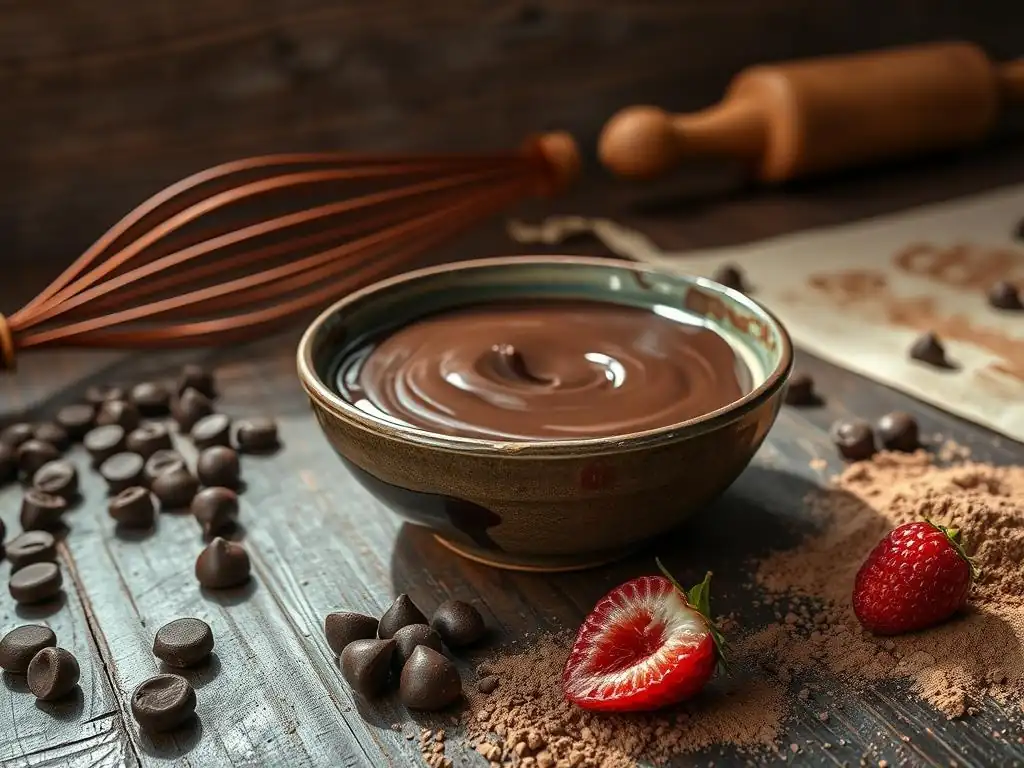
Welcome to BakeWithEase, where turning baking dreams into delicious realities is our specialty! Ever wondered how to achieve that perfect, silky-smooth chocolate consistency for your baked goods? This article dives deep into chocolate melting techniques for baking, unveiling the secrets to flawlessly incorporating chocolate, whether you're working with melted bliss, delightful chips, or rich cocoa powder. Get ready to unlock a new level of chocolatey goodness and elevate your baking game!
- Understanding Chocolate's Role in Baking
- Chocolate Melting Techniques for Baking: Choosing the Right Method
- Melted Chocolate vs. Chocolate Chips vs. Cocoa: A Comparison for Baking
- Recipes Using Melted Chocolate, Chocolate Chips, and Cocoa Powder
- Tips and Tricks for Baking with Each Chocolate Type
- Choosing the Best Chocolate Form for Your Baking Project
-
Frequently Asked Questions
- How do I best melt chocolate for baking to avoid burning it?
- What are the key differences between using melted chocolate, chocolate chips, and cocoa powder in baking recipes?
- Can I substitute one type of chocolate for another in a recipe (e.g., melted chocolate for chocolate chips)?
- What are some common mistakes to avoid when melting chocolate?
- What are some creative ways to incorporate melted chocolate into my baked goods beyond just adding it to the batter?
- Final Reflection: The Sweet Science of Chocolate in Baking
- Unlock Your Inner Chocoholic: Master the Art of Chocolate Baking!
Understanding Chocolate's Role in Baking
Chocolate is a cornerstone ingredient in countless beloved baked goods, contributing far more than just sweetness. It provides depth of flavor, richness, color, and texture that can transform a simple batter into a decadent treat. The form of chocolate you choose—melted, chips, or cocoa powder—significantly impacts the final outcome, from the crumb structure of a cake to the chewiness of a cookie or the fudginess of a brownie. Understanding how each type behaves during the baking process is key to achieving delicious results consistently.
Whether you're aiming for a cake with an intense, dark chocolate flavor, cookies with pockets of molten goodness, or ultra-rich brownies, selecting the right chocolate form is the first step. Each offers unique properties. Melted chocolate adds fat and moisture, contributing to a dense, fudgy texture. Chocolate chips are designed to hold their shape, providing distinct bursts of flavor and texture. Cocoa powder, on the other hand, primarily adds dry chocolate solids, intensifying flavor and color while affecting the overall structure and moisture level of the baked good.
Chocolate Melting Techniques for Baking: Choosing the Right Method
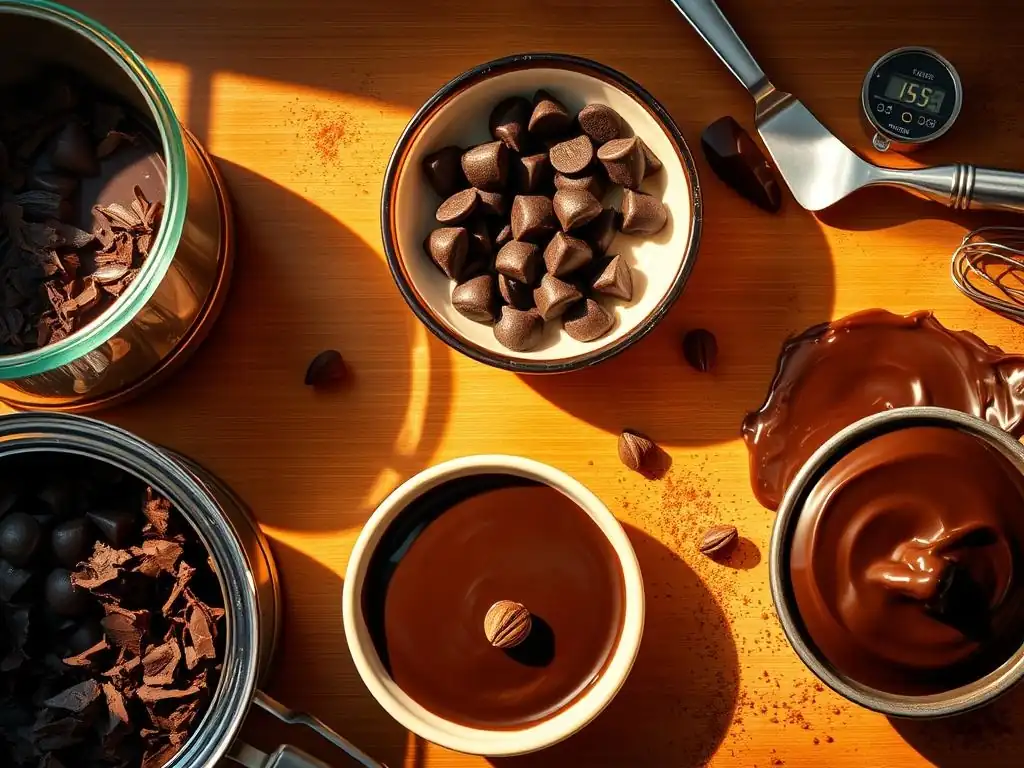
Mastering chocolate melting techniques for baking is a fundamental skill that opens up a world of possibilities, from ganaches and glazes to fudgy brownies and moist cakes. The goal is always a smooth, lump-free liquid chocolate without burning or seizing it. The method you choose often depends on the quantity of chocolate and the tools available, but careful attention to temperature and moisture is crucial regardless of the technique.
There are two primary methods for chocolate melting techniques for baking: using a double boiler or the microwave. The double boiler method involves placing chopped chocolate in a heatproof bowl set over a pot of simmering water, ensuring the bottom of the bowl doesn't touch the water. This gentle, indirect heat is ideal for preventing scorching. The microwave method is faster but requires more vigilance, using short intervals (like 30 seconds) and stirring frequently to prevent overheating and burning. Both methods are effective when done correctly.
Mastering Melted Chocolate for Baking
Achieving Smooth, Glossy Melted Chocolate
Achieving that perfect, smooth, glossy melted chocolate for baking requires patience and controlling the heat. The key is low, gentle heat. For the double boiler, use simmering, not boiling, water. Stir the chocolate gently and constantly as it melts. Once most of the chocolate is melted, remove it from the heat and stir until the residual heat melts any remaining pieces. This prevents overheating, which can cause the chocolate to become dull or even burn.
When using the microwave for melting chocolate, always start with shorter time intervals, such as 30 seconds, especially with smaller amounts. After each interval, remove the bowl and stir the chocolate thoroughly. Even if the chocolate doesn't look fully melted, stirring helps distribute the heat and encourages the solid pieces to melt from the warmth of the already melted chocolate. Continue heating in very short bursts (15-20 seconds) and stirring until smooth. Overheating in the microwave is the quickest way to ruin chocolate, turning it grainy or burnt.
Best Chocolate for Melting: Couverture, Dark, Semisweet
The best chocolate for melting in baking is typically chocolate with a higher cocoa butter content, such as couverture chocolate or good quality dark or bittersweet chocolate. Couverture chocolate, often containing 30-39% cocoa butter, is specifically formulated for melting and tempering, resulting in a very fluid and glossy finish. While not always necessary for baking into a recipe, its high cocoa butter content makes it incredibly smooth when melted for glazes or ganaches.
For general baking purposes, dark or semisweet chocolate (often containing around 35-50% cocoa solids) is excellent for melting. The higher cocoa butter content compared to milk or white chocolate makes it melt more smoothly and hold its structure better in baked goods. Milk chocolate (typically 10-20% cocoa solids) and white chocolate (no cocoa solids, just cocoa butter, sugar, and milk solids) are more sensitive to heat due to their higher sugar and milk content and require even more careful, low-temperature melting.
Troubleshooting Common Chocolate Melting Problems
One of the most common problems when melting chocolate is seizing, where the chocolate suddenly turns from a smooth liquid into a thick, grainy paste. This is almost always caused by contact with even a tiny amount of water or steam. Ensure all your equipment—bowls, spatulas, and spoons—are completely dry before starting. If using a double boiler, be careful that no steam or water splashes into the chocolate.
Another issue is burning, which occurs when chocolate is exposed to too high heat, especially in the microwave or directly over a flame. Burnt chocolate becomes hard, crumbly, and develops an acrid smell and taste; unfortunately, it cannot be salvaged. Lumps can occur if the chocolate isn't stirred enough or if heat is uneven. Continuous, gentle stirring helps distribute heat and ensures even melting. If you encounter minor lumps, stirring vigorously off the heat might help the residual warmth smooth them out.
Baking with Chocolate Chips: A Convenient Option
Selecting the Right Chocolate Chips for Your Recipe: Size and Sweetness
Selecting the right chocolate chips for your recipe involves considering both their size and sweetness level, as these factors significantly impact the final texture and flavor of your baked goods. Standard semisweet chocolate chips are the most common choice, offering a balanced sweetness that pairs well with various doughs and batters. However, options abound, including milk chocolate chips for a sweeter, creamier flavor, dark chocolate chips for a more intense, less sweet bite, and even white chocolate chips.
Chip size also matters. Standard chips provide substantial pockets of chocolate. Mini chips, on the other hand, distribute more evenly throughout a smaller area, ensuring chocolate in almost every bite without overwhelming delicate items like muffins or small cookies. Using chunks instead of chips offers larger, more irregular pockets of melted chocolate for a different textural experience, often found in bakery-style cookies. Consider the overall flavor profile and desired texture of your finished product when making your selection.
Preventing Chocolate Chips from Sinking in Cakes
Preventing chocolate chips from sinking to the bottom of cakes or muffins is a common baking challenge. Since chocolate chips are denser than most cake batters, gravity pulls them down during baking. A simple and effective trick is to toss the chocolate chips with about a tablespoon of flour from the recipe's measured amount before adding them to the batter. This light coating of flour helps them suspend within the batter, preventing them from sinking.
Another factor is the consistency of the batter itself. A very thin or runny batter is more prone to letting chips sink. Ensuring your batter is mixed to the correct consistency, as specified in the recipe, is important. Also, the temperature of the ingredients can play a role; slightly chilled chips might sink less than room-temperature ones, though this effect is less significant than the flour coating method. Gently folding the chips into the batter at the very end of mixing also helps distribute them more evenly.
Enhancing Chocolate Chip Flavor in Baked Goods
While chocolate chips are convenient, their flavor can sometimes be muted after baking. To enhance their impact, consider using high-quality chocolate chips made with better chocolate. Chips labeled as "gourmet" or with a higher percentage of cocoa solids (for dark varieties) will typically offer a richer, more pronounced chocolate flavor.
Another technique to deepen the flavor is to briefly toast the chocolate chips before adding them to your dough or batter. Spreading them on a baking sheet and warming them in a low oven (around 250°F or 120°C) for just a few minutes can bring out their chocolate notes. Be careful not to melt them completely! Just warming them slightly is enough. This subtle step can significantly elevate the chocolate flavor in your favorite chocolate chip cookies or muffins.
Baking with Cocoa Powder: Deepening Chocolate Flavor
Types of Cocoa Powder: Dutch-Processed vs. Natural
Understanding the difference between Dutch-processed cocoa powder and natural cocoa powder is crucial for successful baking, as they react differently with leavening agents. Natural cocoa powder is acidic and is typically paired with baking soda, a base. When combined with liquid in a batter, this acid-base reaction produces carbon dioxide gas, which helps the baked good rise. Recipes using natural cocoa usually call for baking soda.
Dutch-processed cocoa powder, also known as alkalized cocoa, has been treated with an alkaline solution to neutralize its acidity. This process gives it a darker color and a smoother, less bitter flavor compared to natural cocoa. Because it's neutral, Dutch-processed cocoa does not react with baking soda. Therefore, recipes using Dutch-processed cocoa powder usually rely on baking powder, which contains both an acid and a base and doesn't require an external acid source for leavening. Using the wrong type of cocoa can significantly affect the rise and texture of your baked goods.
Blooming Cocoa Powder for Enhanced Flavor
Blooming cocoa powder is a simple yet highly effective technique for intensifying its chocolate flavor in baked goods. Cocoa powder contains volatile flavor compounds that are released when heated with liquid. To bloom cocoa, you whisk it with a hot liquid, such as hot water, hot coffee, hot milk, or melted butter, before adding it to the rest of your ingredients.
The hot liquid dissolves the cocoa particles and allows these flavor compounds to release their full potential. This creates a more robust, richer, and deeper chocolate flavor than simply adding the dry cocoa powder to the batter. This technique is particularly beneficial in cakes, brownies, and frostings where a strong chocolate presence is desired. Just a few minutes of whisking with hot liquid can make a noticeable difference in the final taste.
Substituting Cocoa Powder for Melted Chocolate: Ratio and Adjustments
Substituting cocoa powder for melted chocolate is possible, but it requires adjusting other ingredients to maintain the correct balance of fat, sugar, and liquid. A common approximation for substituting unsweetened chocolate (which is about 50-60% cocoa solids and 40-50% cocoa butter) with cocoa powder is to use about 3 tablespoons of cocoa powder plus 1 tablespoon of a neutral-flavored fat (like vegetable oil or melted butter) for every 1 ounce of unsweetened chocolate called for.
When substituting for bittersweet or semisweet chocolate, which contains more sugar and less cocoa solids than unsweetened, the substitution becomes slightly more complex. You'll still use the cocoa powder and fat ratio (e.g., 3 tbsp cocoa + 1 tbsp fat per ounce of chocolate), but you may also need to slightly increase the sugar in the recipe to compensate for the sweetness lost from the melted chocolate.
For example, for every ounce of bittersweet chocolate replaced, you might add an extra tablespoon or two of sugar. Always remember that substituting isn't an exact science and may require minor tweaks to get the texture just right, as cocoa powder absorbs more liquid than melted chocolate.
Melted Chocolate vs. Chocolate Chips vs. Cocoa: A Comparison for Baking
Flavor Profile Comparison
The flavor profile each form of chocolate imparts in baking varies significantly. Melted chocolate, especially dark or bittersweet varieties, contributes a rich, complex, and often intense chocolate flavor with notes depending on the bean origin and processing. Because it includes cocoa butter, it also adds a creamy, smooth quality to the overall taste.
Chocolate chips, due to their composition designed to hold shape, offer distinct pockets of concentrated sweetness and chocolate flavor. When bitten into, they provide a burst of chocolate that contrasts with the surrounding baked good. The flavor is often straightforwardly "chocolate chip," which is sweeter and less nuanced than that from high-quality melted bar chocolate or deep cocoa.
Cocoa powder provides a pure, intense chocolate flavor without the added fat and sugar found in chocolate bars or chips (unless it's a sweetened mix). Natural cocoa tends to be slightly fruity and acidic, while Dutch-processed cocoa is smoother, less bitter, and more earthy or woody in flavor. It disperses evenly throughout the batter, contributing a consistent chocolate background rather than distinct pockets.
Texture and Consistency Differences
The texture and consistency of a baked good are profoundly influenced by the form of chocolate used. Melted chocolate adds significant fat (from cocoa butter) and some moisture to a recipe. This results in baked goods that are typically denser, richer, and often fudgier, like classic fudge brownies or molten lava cakes. The added fat also contributes to a moist crumb and can make items like cookies spread more.
Chocolate chips are designed to retain their shape, creating pockets of semi-melted or chewy chocolate within the baked matrix. This provides a delightful textural contrast—a soft cookie surrounding gooey or firm chocolate pieces. They don't integrate into the batter's structure in the same way melted chocolate or cocoa powder does, primarily serving as inclusions.
Cocoa powder, being a dry ingredient, absorbs liquid in the batter. It contributes to the structure of the baked good, creating a tender crumb, but can also make items slightly drier if the liquid isn't balanced. Recipes relying heavily on cocoa powder, like many chocolate cakes, often have a lighter, more open crumb compared to recipes using melted chocolate, which are typically denser.
Ease of Use and Baking Time Considerations
From a practical standpoint, chocolate chips are generally the easiest to use. They require no preparation—simply measure and add to the dough or batter. This convenience makes them a go-to for quick recipes like cookies, muffins, and pancakes. They don't significantly alter the overall baking time or temperature, aside from potentially causing slight variations in heat distribution due to the solid chunks.
Cocoa powder is also relatively easy to use, requiring sifting to remove lumps and sometimes blooming with hot liquid. While sifting adds a step, it's straightforward. Recipes using cocoa powder might require slight adjustments in leavening depending on the type (natural vs. Dutch-processed), but the baking time and temperature are usually consistent with standard cake or brownie recipes.
Melted chocolate requires the extra step of careful melting using a double boiler or microwave. This adds time and a potential point of failure (seizing or burning) compared to using chips or powder. However, incorporating melted chocolate often results in a superior texture and flavor profile for certain recipes. The added fat and moisture from melted chocolate can sometimes slightly increase the baking time needed for the center to set, particularly in dense items like brownies.
Recipes Using Melted Chocolate, Chocolate Chips, and Cocoa Powder
Decadent Melted Chocolate Brownies
Decadent brownies often rely on a significant amount of melted chocolate for their signature fudgy texture and intense flavor. Recipes typically start by melting unsweetened or bittersweet chocolate with butter, creating the rich base. This mixture is then combined with sugar, eggs, flour, and other ingredients. The high fat content from the melted chocolate and butter results in a dense, moist, and almost candy-like interior that is distinct from cakey brownies made primarily with cocoa powder.
A classic recipe might call for 8 ounces of good quality dark chocolate melted with a stick (1/2 cup) of butter. This volume of melted chocolate ensures the brownies bake up incredibly rich and moist. The careful chocolate melting techniques for baking discussed earlier are essential here to achieve the perfect base without graininess or bitterness from burnt chocolate. The outcome is a flat, dense brownie with a crackly top, embodying the ultimate fudgy texture that only melted chocolate can truly deliver.
The classic chocolate chip cookie is perhaps the most iconic use of chocolate chips in baking. The recipe relies on solid or semi-solid chocolate chips distributed throughout a butter- and sugar-based dough. As the cookies bake, the chips soften and sometimes melt partially, creating those beloved pockets of gooey or chewy chocolate within the cookie's crumb.
A standard recipe might use 1 to 1.5 cups of semisweet chocolate chips per batch of dough made with 1 cup of butter and 1.5 cups of flour. The chips maintain their form due to stabilizers and a lower cocoa butter content compared to bar chocolate, ensuring they don't completely melt into the dough. This structural integrity is key to the chocolate chip cookie's unique texture, providing distinct bites of chocolate alongside the baked dough.
Rich Chocolate Cake with Cocoa Powder
Many rich and moist chocolate cakes achieve their deep color and intense flavor primarily through the use of cocoa powder. Instead of relying on melted chocolate for richness, these cakes often use butter or oil for fat and cocoa powder for the chocolate contribution. The cocoa powder is integrated into the dry ingredients or bloomed with hot liquid, ensuring even distribution of flavor.
A typical recipe for a cocoa-based chocolate cake might call for 3/4 cup of unsweetened cocoa powder combined with 2 cups of flour, sugar, leavening agents (like baking soda and baking powder), and then wet ingredients including eggs, milk, and oil or butter. The cocoa powder contributes to the cake's structure and imparts a pure, slightly bitter chocolate note that can be balanced by sweetness.
Blooming the cocoa with hot coffee or water is a common technique in these recipes to enhance the depth of flavor, resulting in a moist cake with a tender crumb and a pronounced chocolate taste.
Tips and Tricks for Baking with Each Chocolate Type
Mastering Melted Chocolate Techniques
- Use Low Heat: Always melt chocolate gently, whether using a double boiler or microwave. Avoid direct high heat.
- Keep it Dry: Ensure all equipment is completely free of water or steam to prevent seizing.
- Stir Frequently: Constant, gentle stirring promotes even melting and prevents hot spots.
- Remove from Heat Early: For double boilers, remove the bowl when only a few lumps remain and stir until smooth using residual heat.
- Use Quality Chocolate: Chocolate with higher cocoa butter content melts more smoothly.
Maximizing Chocolate Chip Distribution
- Toss with Flour: Coat chips lightly in a tablespoon of flour from the recipe's amount to prevent sinking in batters.
- Chill Dough: Chilling cookie dough can help chips stay in place during baking.
- Use Mini Chips: For smaller items or more even distribution, opt for mini chocolate chips.
- Fold Gently: Incorporate chips into batters or doughs by gently folding, not overmixing.
Enhancing Cocoa Flavor in Baked Goods
- Bloom Your Cocoa: Whisk cocoa powder with hot liquid (water, coffee, milk) before adding to the batter for a deeper flavor.
- Use the Correct Type: Ensure you use natural cocoa with baking soda and Dutch-processed cocoa with baking powder as specified by the recipe.
- Sift Cocoa: Sift cocoa powder before measuring and using to remove lumps and ensure even distribution.
- Choose Quality: High-quality cocoa powders offer more complex and intense flavors.
Choosing the Best Chocolate Form for Your Baking Project
Deciding whether to use melted chocolate, chocolate chips, or cocoa powder depends entirely on the desired outcome of your baking project. If you're aiming for a rich, dense, and fudgy texture, particularly in items like brownies, truffles, or ganaches, melted chocolate is usually the best choice due to its fat content and smooth integration. Mastering chocolate melting techniques for baking is essential here.
For recipes where you want distinct pockets of soft or chewy chocolate within a lighter matrix, such as cookies, muffins, or scones, chocolate chips are the ideal ingredient. Their ability to hold shape provides a delightful textural contrast and bursts of sweetness.
When the goal is a deep, pervasive chocolate flavor and color throughout a baked good with a tender crumb, like many chocolate cakes, cupcakes, or devil's food cake, cocoa powder is typically the star ingredient. It provides intense chocolate flavor without the added fat and moisture of melted chocolate, contributing to a different structural outcome. Often, the best chocolate desserts combine forms, using cocoa for the base flavor and chips or melted chocolate for added richness or texture.
Frequently Asked Questions
How do I best melt chocolate for baking to avoid burning it?
The best method is using a double boiler or a microwave in short intervals. Always stir frequently to ensure even melting and prevent scorching the chocolate.
What are the key differences between using melted chocolate, chocolate chips, and cocoa powder in baking recipes?
Melted chocolate adds moisture and richness, chocolate chips provide texture and distinct pockets of chocolate, while cocoa powder contributes chocolate flavor without added fat.
Can I substitute one type of chocolate for another in a recipe (e.g., melted chocolate for chocolate chips)?
Substitutions can be tricky. Consider the fat content and moisture differences. Melted chocolate can sometimes replace chocolate chips with slight recipe adjustments, but cocoa powder requires significant recipe changes.
What are some common mistakes to avoid when melting chocolate?
Avoid getting water or steam into the chocolate, as this can cause it to seize. Also, don't overheat the chocolate; it's better to melt it slowly and gently.
What are some creative ways to incorporate melted chocolate into my baked goods beyond just adding it to the batter?
You can use melted chocolate for drizzling, dipping, or creating chocolate decorations. It's also excellent for making ganache or frosting.
Final Reflection: The Sweet Science of Chocolate in Baking
The perfect melt is more than just a technique; it's the key to unlocking the full potential of chocolate in your baking. From the glossy sheen of a perfectly tempered ganache to the rich, fudgy heart of a brownie, the method you choose profoundly impacts the final product's texture and flavor. This exploration into the nuances of melting chocolate – whether using chips, bars, or cocoa powder – highlights the importance of understanding the subtle differences between these approaches.
The journey through various melting methods revealed not only practical baking knowledge but also a deeper appreciation for the artistry involved in working with chocolate. It's a testament to the enduring power of this ingredient, its ability to transform a simple cake into a decadent masterpiece. As renowned pastry chef, Jacques Torres, once said, Chocolate is a magical ingredient. It can elevate the simplest dessert to something extraordinary.
This sentiment rings true, especially when considering the impact of proper melting techniques on the overall success of a recipe.
Now, consider your own baking journey. What have you learned about the importance of precision and attention to detail? I encourage you to experiment with these techniques, to embrace the subtle variations in texture and flavor that each method offers. The next time you reach for chocolate, remember the power you hold in your hands – the power to transform simple ingredients into something truly special, something unforgettable. The world of chocolate awaits your exploration; go forth and bake!
Unlock Your Inner Chocoholic: Master the Art of Chocolate Baking!
Thanks for diving into the delicious world of chocolate baking! We hope you now feel more confident in choosing the perfect chocolate form for your next masterpiece. Ready to put your newfound knowledge into practice?
- Bake your dream chocolate creation: Choose your favorite recipe from this article and get baking! Let us know how it turns out!
- Share your chocolate adventures: Post a picture of your finished creation on social media using #BakeWithEaseChocolate. Let's inspire each other!
- Explore our other chocolate recipes: Discover even more delicious ways to use melted chocolate, chips, and cocoa powder on our website (bakewithease.com).
What's your go-to chocolate baking method? Share your tips and tricks in the comments below!