
Easy Japanese Sweet Potato Desserts (Daigaku Imo & More)

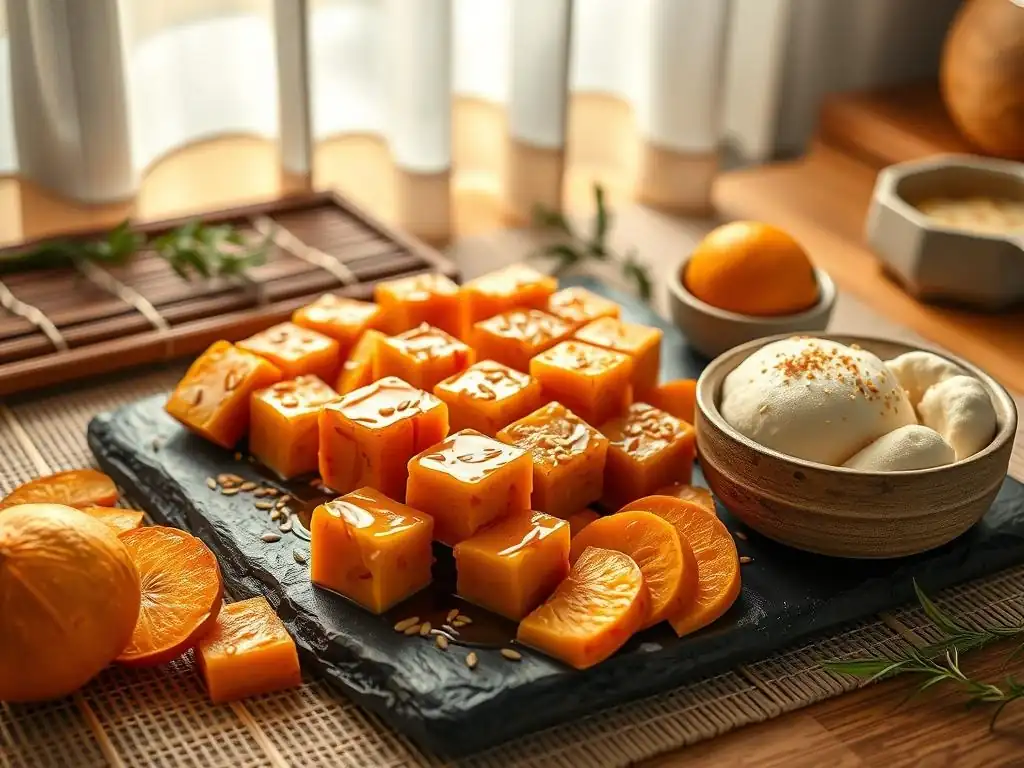
Welcome to BakeWithEase, your kitchen companion for all things baking! Ever wondered how to create those irresistible Japanese sweet potato desserts that are both healthy and incredibly delicious? Daigaku Imo is just the beginning. Dive into this article and discover simple techniques and delightful variations that will transform your sweet potatoes into culinary masterpieces. Intrigued? Keep reading to unlock the secrets of this treasured treat and explore the vibrant world of regional baking!
- Introduction to Japanese Sweet Potato Desserts
- What Makes Japanese Sweet Potatoes Special for Baking?
- Daigaku Imo: The Classic Candied Sweet Potato Treat
- Beyond Daigaku Imo: Other Delicious Japanese Sweet Potato Dessert Ideas
- Tips and Tricks for Baking with Japanese Sweet Potatoes
- Variations and Customizations
- Conclusion
-
Frequently Asked Questions
- What is Daigaku Imo, and why is it considered an "easy" dessert?
- Are Japanese sweet potatoes different from regular sweet potatoes, and does it matter for these recipes?
- Where can I find Japanese sweet potatoes if my local grocery store doesn't carry them?
- Can I adjust the sweetness level in these Japanese sweet potato dessert recipes?
- What other easy Japanese sweet potato desserts besides Daigaku Imo are mentioned on BakeWithEase.com?
- Final Reflection: The Enduring Sweetness of Simple Pleasures
- Unlock the Sweetness: Your Japanese Sweet Potato Dessert Adventure Awaits!
Introduction to Japanese Sweet Potato Desserts
Japanese sweet potatoes, known as satsumaimo, are a beloved ingredient in Japan, not just for savory dishes but especially for creating delightful sweets. Their naturally creamy texture and distinct sweetness make them perfect for a variety of desserts, ranging from simple roasted treats to more elaborate cakes and pastries.
Unlike the commonly found orange-fleshed sweet potatoes in many Western countries, satsumaimo typically have a purplish-red skin and a dense, yellow flesh that becomes incredibly soft and sweet when cooked. Exploring easy Japanese sweet potato dessert options is a fantastic way to introduce new flavors and textures into your baking repertoire.
The appeal of these desserts lies in their inherent simplicity and the quality of the main ingredient. Many traditional Japanese sweet potato sweets rely on minimal additional sugar, allowing the natural sweetness of the satsumaimo to shine through. This focus on the core ingredient results in treats that feel both wholesome and indulgent. From street food snacks to cafe delights, Japanese sweet potato desserts hold a special place in the hearts (and stomachs) of many, offering comfort and unique flavors.
What Makes Japanese Sweet Potatoes Special for Baking?
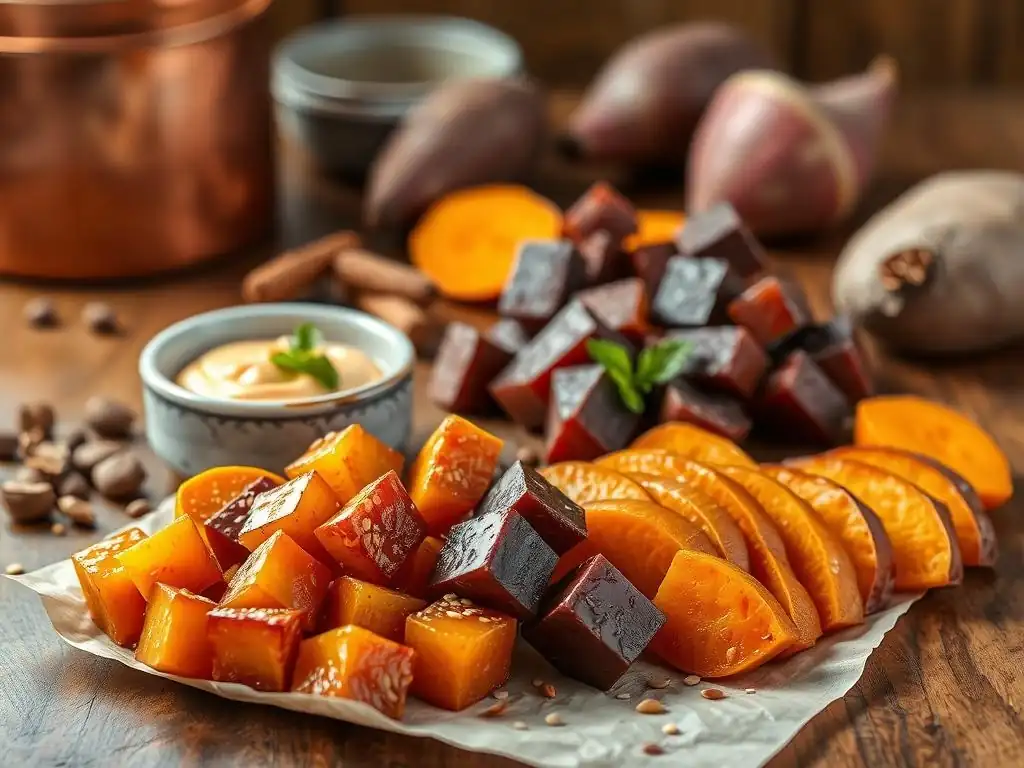
The Unique Sweetness and Texture of Japanese Sweet Potatoes (Satsumaimo)
Japanese sweet potatoes possess a sweetness that is often described as richer and more complex than that of their orange counterparts. This is partly due to their higher starch content, which converts to sugar during cooking, particularly when roasted or steamed slowly. The primary sugar is maltose, which contributes a mellow, less cloying sweetness compared to sucrose (table sugar).
When baked or steamed, satsumaimo develop an incredibly smooth, almost paste-like texture that is ideal for mashing, pureeing, and incorporating into batters or fillings. This unique combination of intense sweetness and creamy texture makes them a star ingredient in many an easy Japanese sweet potato dessert.
Furthermore, the texture of satsumaimo changes wonderfully depending on the cooking method. Slow roasting intensifies their sweetness and creates a slightly caramelized exterior, while steaming yields a uniformly soft and moist result. This versatility allows them to be used in everything from dense cakes and creamy puddings to chewy mochi and crunchy candied snacks like Daigaku Imo. Their ability to become naturally sweet and soft means you often need less added sugar and fat in recipes, contributing to a lighter, yet satisfying, dessert.
Nutritional Benefits
Beyond their delicious taste and texture, Japanese sweet potatoes also pack a nutritional punch, making your easy Japanese sweet potato dessert choices not just tasty but also beneficial. They are an excellent source of complex carbohydrates, providing sustained energy. A medium satsumaimo (around 130-150 grams) can contain approximately 30-35 grams of carbohydrates. They are also notably rich in dietary fiber, aiding digestion, often providing around 3-4 grams per medium potato.
In terms of vitamins and minerals, Japanese sweet potatoes are particularly high in Vitamin C, contributing to immune health and skin vitality; a serving can provide a significant portion of the daily recommended intake, sometimes exceeding 20-25%. They also contain Vitamin B6, potassium, and manganese. While not as high in Vitamin A as orange sweet potatoes, they offer other valuable nutrients. Incorporating satsumaimo into desserts allows you to enjoy a sweet treat while still benefiting from these nutritional advantages.
Daigaku Imo: The Classic Candied Sweet Potato Treat
What is Daigaku Imo?
Daigaku Imo, literally translating to "university potatoes," is perhaps one of the most iconic easy Japanese sweet potato dessert examples. It consists of chunks of sweet potato that are deep-fried until tender and slightly crispy, then coated in a glossy, sweet syrup made primarily from sugar and soy sauce, often finished with a sprinkle of black sesame seeds. The name is said to have originated in the Taisho era (1912-1926) from students near universities who enjoyed this affordable and energy-rich snack. It's a popular street food and home-cooked treat enjoyed year-round.
The magic of Daigaku Imo lies in the contrast of textures and flavors: the soft, fluffy interior of the sweet potato against the slightly crisp exterior and the sticky, sweet-and-savory glaze. The hint of soy sauce in the syrup adds a unique depth that balances the sweetness, preventing it from being overly sugary. While traditionally deep-fried, modern adaptations often use pan-frying or even baking to achieve a similar result with less oil, making it an even easier Japanese sweet potato dessert to prepare at home.
Easy Daigaku Imo Recipe
This recipe simplifies the process, making it an easy Japanese sweet potato dessert for beginners.
Ingredients
- 2 medium Japanese sweet potatoes (about 500-600g total)
- Oil for frying (about 1-2 inches deep in a pot or pan)
- 4 tablespoons sugar
- 2 tablespoons soy sauce
- 2 tablespoons mirin (Japanese sweet rice wine) or water
- 1 tablespoon honey (optional, for extra gloss)
- 1 teaspoon black sesame seeds
Instructions
- Wash the sweet potatoes thoroughly. Cut them into bite-sized pieces, about 1.5 to 2 inches in size. You can cut them into chunks or irregular shapes.
- Soak the cut sweet potatoes in water for about 10-15 minutes to remove excess starch. This helps achieve a crispier exterior. Drain well and pat dry thoroughly with paper towels. This is crucial to prevent oil splattering.
- Heat the oil in a pot or deep frying pan over medium heat to around 320-340°F (160-170°C). Carefully add the dried sweet potato pieces in batches, ensuring not to overcrowd the pan. Fry for about 8-12 minutes, or until the potatoes are tender inside and lightly golden brown outside. You can test for doneness by piercing with a skewer.
- While the potatoes are frying, prepare the syrup. In a separate small saucepan, combine the sugar, soy sauce, mirin (or water), and honey (if using). Heat over medium-low heat, stirring until the sugar dissolves and the mixture thickens slightly into a glossy syrup, about 2-3 minutes. Be careful not to burn the sugar.
- Once the sweet potatoes are fried, remove them from the oil using a slotted spoon and drain excess oil on paper towels.
- Immediately add the hot, fried sweet potatoes to the saucepan with the warm syrup. Gently toss or stir to coat all the pieces evenly.
- Transfer the coated sweet potatoes to a serving dish and sprinkle with black sesame seeds. Serve warm or at room temperature.
Tips
- Ensure the sweet potatoes are completely dry before frying to avoid splattering.
- Fry at a moderate temperature; too hot and the outside burns before the inside is cooked; too low and they absorb too much oil.
- Coat the sweet potatoes in the syrup while both are still warm for the best adhesion and gloss.
- For an even easier method, shallow pan-fry the potato pieces in a generous amount of oil, turning occasionally, until tender and browned.
- Leftovers can be stored at room temperature for a day or two, or in the refrigerator, but the coating may become less crisp.
Beyond Daigaku Imo: Other Delicious Japanese Sweet Potato Dessert Ideas
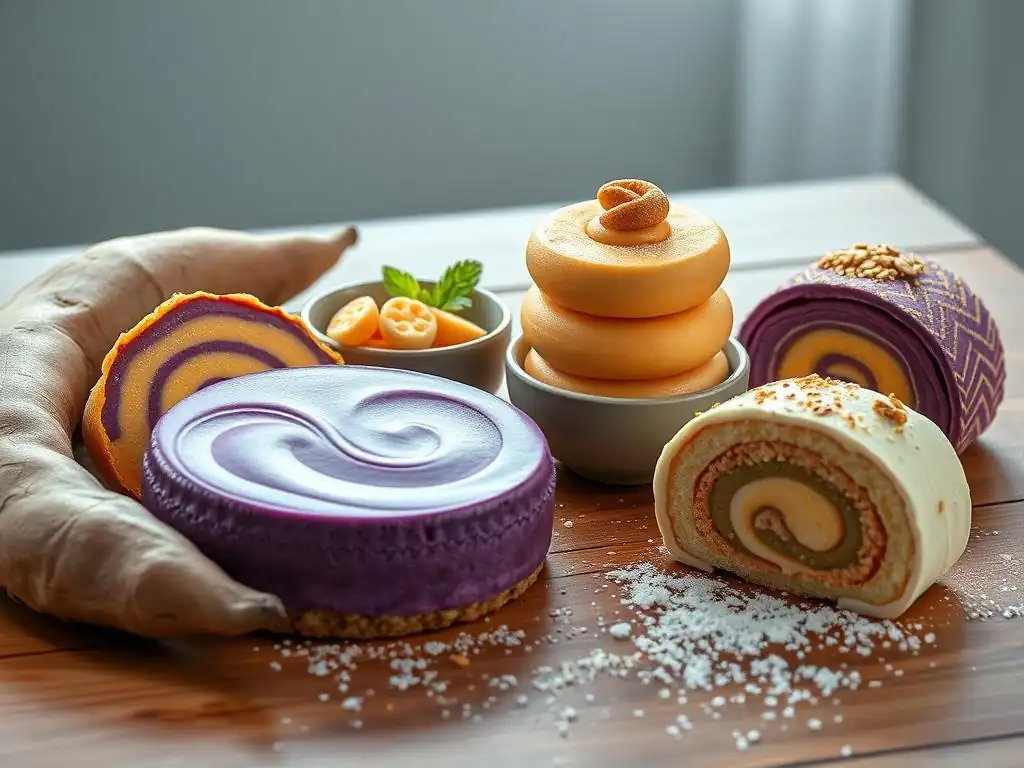
While Daigaku Imo is a classic easy Japanese sweet potato dessert, satsumaimo can be used in countless other ways to create simple and satisfying sweets. Their natural sweetness and creamy texture make them a versatile base for various preparations, from fillings to baked goods. Exploring these options allows you to discover new favorites and expand your baking skills using this wonderful ingredient.
These alternative easy Japanese sweet potato dessert ideas often highlight the natural flavor of the potato, sometimes pairing it with complementary Japanese ingredients like red bean paste (anko) or incorporating it into familiar Western-style desserts with a Japanese twist. They demonstrate the adaptability of satsumaimo in creating comforting and delicious treats suitable for different occasions.
Sweet Potato Anko (Red Bean Paste) Filling
Sweet potato anko is a popular variation of the traditional red bean paste filling used in many Japanese sweets. To make it, cooked and mashed Japanese sweet potato is combined with traditional anko (either smooth koshi-an or chunky tsubu-an). The ratio can vary, but often roughly equal parts of sweet potato mash and anko are used, sometimes with a little sugar or a pinch of salt to enhance the flavors. This mixture results in a filling that is less intensely sweet than pure anko and has a wonderfully smooth, earthy flavor profile from the satsumaimo.
This sweet potato anko filling is incredibly versatile. It can be used as a filling for mochi, dorayaki (small pancake sandwiches), manju (steamed buns), or even spread on toast. Its creamy texture and balanced sweetness make it a delightful component in various traditional and modern Japanese sweets, adding a layer of complexity and the distinct taste of satsumaimo. Making this filling at home is a relatively easy Japanese sweet potato dessert step that can be used in many applications.
Japanese Sweet Potato Cake
Japanese sweet potato cake, often called Satsumaimo Keeki, is a moist and tender cake that incorporates pureed or mashed satsumaimo into the batter. The sweet potato adds natural moisture, sweetness, and a beautiful yellow hue to the cake. Recipes can range from simple loaf cakes to more elaborate cheesecakes or layered cakes. A basic recipe might combine mashed sweet potato with flour, eggs, sugar, butter, and leavening agents, often flavored with vanilla or a hint of cinnamon.
Baking a Moist Cake
The key to a successful Japanese sweet potato cake is ensuring it remains moist, which the sweet potato naturally helps with. Using a gentle baking temperature, perhaps around 320-340°F (160-170°C), and not overmixing the batter helps achieve a tender crumb. The high moisture content from the sweet potato means baking time might be slightly longer than a standard cake, often ranging from 40-60 minutes depending on the size and thickness of the cake.
Checking for doneness with a skewer is essential. The resulting cake is dense yet soft, with a subtle sweetness that pairs well with tea or coffee, making it a comforting easy Japanese sweet potato dessert option.
Sweet Potato Mochi
Sweet potato mochi incorporates mashed or pureed satsumaimo directly into the mochi dough or uses it as a filling. When mixed into the dough (made from glutinous rice flour, sugar, and water), the sweet potato adds flavor, color, and a slightly softer texture. Alternatively, small balls of sweetened sweet potato mash can be used as the filling for traditional mochi wrappers. This creates a chewy exterior with a smooth, sweet interior.
Making sweet potato mochi can be relatively simple, often involving steaming or microwaving the mochi dough until it's pliable, then incorporating the sweet potato. The process requires careful handling as the dough is sticky. The combination of the chewy mochi and the creamy, sweet satsumaimo filling or incorporation makes for a delightful textural and flavor experience, representing another accessible easy Japanese sweet potato dessert.
Baked Japanese Sweet Potato with Butter and Cinnamon
Perhaps the simplest easy Japanese sweet potato dessert is the baked satsumaimo itself, elevated with just a few additions. This method highlights the potato's natural qualities with minimal intervention. Simply baking a whole satsumaimo until soft and tender (which can take 60-90 minutes at 350-375°F or 175-190°C depending on size) yields a wonderfully sweet and creamy treat.
Serving the hot, baked sweet potato split open with a pat of butter melting into its flesh and a sprinkle of cinnamon is a classic, comforting way to enjoy it. The butter adds richness, and the cinnamon complements the satsumaimo's sweetness beautifully. This requires almost no preparation and minimal effort, making it one of the most straightforward and satisfying easy Japanese sweet potato dessert options available.
Tips and Tricks for Baking with Japanese Sweet Potatoes
Working with Japanese sweet potatoes in baking is generally straightforward, but a few tips can help ensure the best results for your easy Japanese sweet potato dessert creations. Selecting the right potato, preparing it properly, and knowing how to store it will make your baking experience smoother and more successful.
Choosing the Best Japanese Sweet Potatoes
Look for satsumaimo that are firm, smooth-skinned, and feel heavy for their size. Avoid potatoes with soft spots, bruises, or excessive sprouts. Smaller to medium-sized potatoes tend to cook more evenly and have a slightly sweeter flavor. While the skin color is typically purplish-red, the flesh should be a vibrant yellow or creamy white depending on the specific variety (though the most common for sweets is yellow). A good quality satsumaimo is the foundation of any delicious easy Japanese sweet potato dessert.
Preparing Japanese Sweet Potatoes
Before using satsumaimo in baking, they typically need to be cooked until tender. Roasting, steaming, or boiling are common methods. Roasting often brings out the most sweetness due to the slower cooking process and sugar caramelization.
To roast, wash the potatoes, prick them with a fork, and bake whole at around 350-375°F (175-190°C) for 60-90 minutes, or until very soft. For faster cooking, steam or boil peeled and cut chunks until tender, usually 15-25 minutes. Ensure the cooked potatoes are well-drained and, if mashing or pureeing, try to remove as much moisture as possible for a better texture in batters or fillings.
Storing Japanese Sweet Potatoes
Store uncooked Japanese sweet potatoes in a cool, dark, and well-ventilated place, away from direct sunlight and moisture. Do not store them in the refrigerator, as the cold can damage their flavor and texture and cause the starches to convert to sugars too quickly. Stored properly, they can last for a couple of weeks. Once cooked, mashed, or pureed satsumaimo can be stored in an airtight container in the refrigerator for 3-4 days or frozen for several months. Thaw frozen sweet potato puree in the refrigerator before use in your easy Japanese sweet potato dessert recipes.
Variations and Customizations
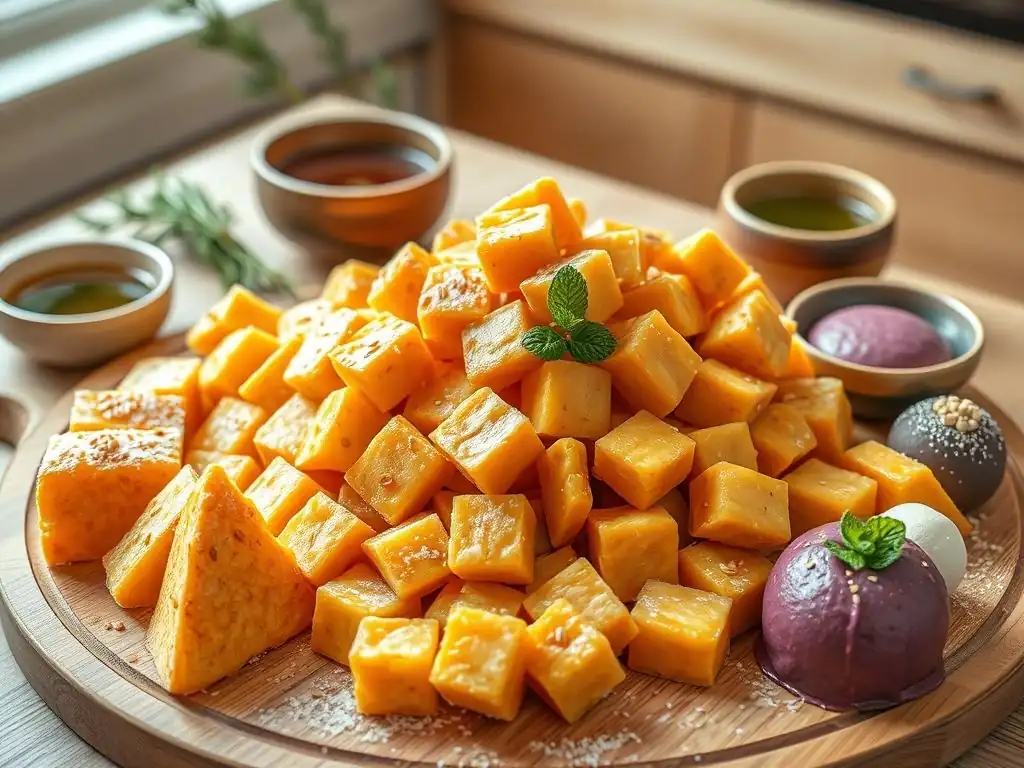
One of the joys of making easy Japanese sweet potato dessert recipes is the opportunity to experiment with variations and customize them to your liking. While the core ingredient, satsumaimo, provides a wonderful base, adding different flavors or adapting recipes for dietary needs can create exciting new versions of classic treats.
Adding Different Spices and Flavors
Japanese sweet potatoes pair well with a variety of spices beyond the classic cinnamon. Consider adding a pinch of nutmeg, ginger, or even a touch of cardamom to sweet potato cakes or fillings. Japanese flavors like a tiny amount of matcha powder can add an earthy contrast, or a drizzle of black sugar syrup ( kuromitsu) can enhance the caramel notes. A touch of citrus zest, like yuzu or orange, can also brighten the flavor profile of an easy Japanese sweet potato dessert.
Vegan or Gluten-Free Adaptations
Many easy Japanese sweet potato dessert recipes can be adapted to be vegan or gluten-free. For vegan versions, substitute butter with plant-based margarine or oil, and use egg substitutes or flax eggs in cakes. Daigaku Imo is often naturally vegan (check soy sauce ingredients), and sweet potato anko can easily be made vegan. For gluten-free options, use gluten-free flour blends in cakes, ensuring they are suitable for baking. Mochi made with glutinous rice flour is naturally gluten-free. Always double-check all ingredient labels for hidden animal products or gluten.
Serving Suggestions
Easy Japanese sweet potato desserts can be enjoyed in various ways. Daigaku Imo is often served as a snack or alongside tea. Sweet potato cakes are perfect for afternoon tea or as a light dessert after a meal. Sweet potato anko and mochi are traditional tea ceremony sweets or everyday treats. Baked satsumaimo with butter is a comforting snack or breakfast. Consider serving warm desserts with a scoop of vanilla ice cream or a dollop of whipped cream for an extra touch of indulgence.
Conclusion
Frequently Asked Questions
What is Daigaku Imo, and why is it considered an "easy" dessert?
Daigaku Imo is a popular Japanese sweet potato snack. It's considered easy because it primarily involves frying or roasting sweet potato chunks and coating them in a simple sugar glaze. The limited ingredients and straightforward process make it beginner-friendly.
Are Japanese sweet potatoes different from regular sweet potatoes, and does it matter for these recipes?
Yes, Japanese sweet potatoes often have a purple skin and a creamy, sweet yellow flesh. While regular sweet potatoes can be substituted, using Japanese sweet potatoes will give you the authentic flavor and texture desired in Daigaku Imo and other Japanese sweet potato desserts.
Where can I find Japanese sweet potatoes if my local grocery store doesn't carry them?
Look for Japanese sweet potatoes at Asian grocery stores or specialty produce markets. Some larger supermarkets may also carry them, especially during the fall and winter months. You can also sometimes find them online.
Can I adjust the sweetness level in these Japanese sweet potato dessert recipes?
Absolutely! The sweetness of the glaze or filling can be adjusted to your liking. Simply reduce the amount of sugar in the recipe or add a pinch of salt to balance the sweetness. Taste as you go and adjust accordingly.
What other easy Japanese sweet potato desserts besides Daigaku Imo are mentioned on BakeWithEase.com?
While the focus is on Daigaku Imo, BakeWithEase.com likely features other easy recipes such as sweet potato cakes, puddings, or even simple roasted sweet potato wedges. Check the website for a complete list of beginner-friendly options.
Final Reflection: The Enduring Sweetness of Simple Pleasures
The accessibility of Japanese cuisine, even its most refined elements, continues to surprise and delight. Mastering seemingly complex dishes like Daigaku Imo, with its glossy, caramelized exterior and soft, sweet interior, is surprisingly within reach for home cooks of all skill levels. This article aimed to prove that deliciousness doesn't require hours of painstaking work or specialized ingredients.
The enduring appeal of sweet potato desserts, particularly within Japanese culture, speaks volumes about the importance of finding joy in simple things. These treats aren't just about satisfying a sweet tooth; they represent a connection to tradition, a celebration of seasonal ingredients, and a comforting reminder of simpler times. The best things in life are simple.
This adage rings particularly true when considering the humble yet exquisite flavors found in these easy-to-make Japanese desserts. The process itself, from peeling the sweet potatoes to the satisfying crackle of the sugar syrup, becomes a meditative experience, a mindful escape from the daily grind.
Now, it's your turn. Don't be intimidated by the seemingly intricate world of Japanese desserts. I encourage you to try your hand at one of the recipes featured in this article. Embrace the simplicity, savor the sweetness, and discover the joy of creating something delicious and beautiful with your own hands. Let the experience be a reminder that even the most extraordinary flavors can stem from the most accessible ingredients and straightforward techniques. The sweetness awaits!
Unlock the Sweetness: Your Japanese Sweet Potato Dessert Adventure Awaits!
Thanks for joining us on this delicious journey into the world of Japanese sweet potato desserts! We hope you've discovered some new favorite recipes and techniques. Ready to put your newfound skills to the test?
- Bake your own Daigaku Imo: This is your chance to experience the incredible caramelized sweetness firsthand. Gather your ingredients and let the magic happen! It’s easier than you think!
- Share your creations: Tag us on social media and show off your stunning sweet potato masterpieces! We can’t wait to see what you bake.
- Explore more Japanese recipes: Dive deeper into our website and find even more inspiring sweet and savory treats from the land of the rising sun. What other Japanese flavors will you explore next?
Ready to transform your kitchen into a Japanese dessert haven? What’s your favorite sweet potato treat – and what are you making first?