
Making GlutenFree Brownies Fudgy: Essential Substitutions

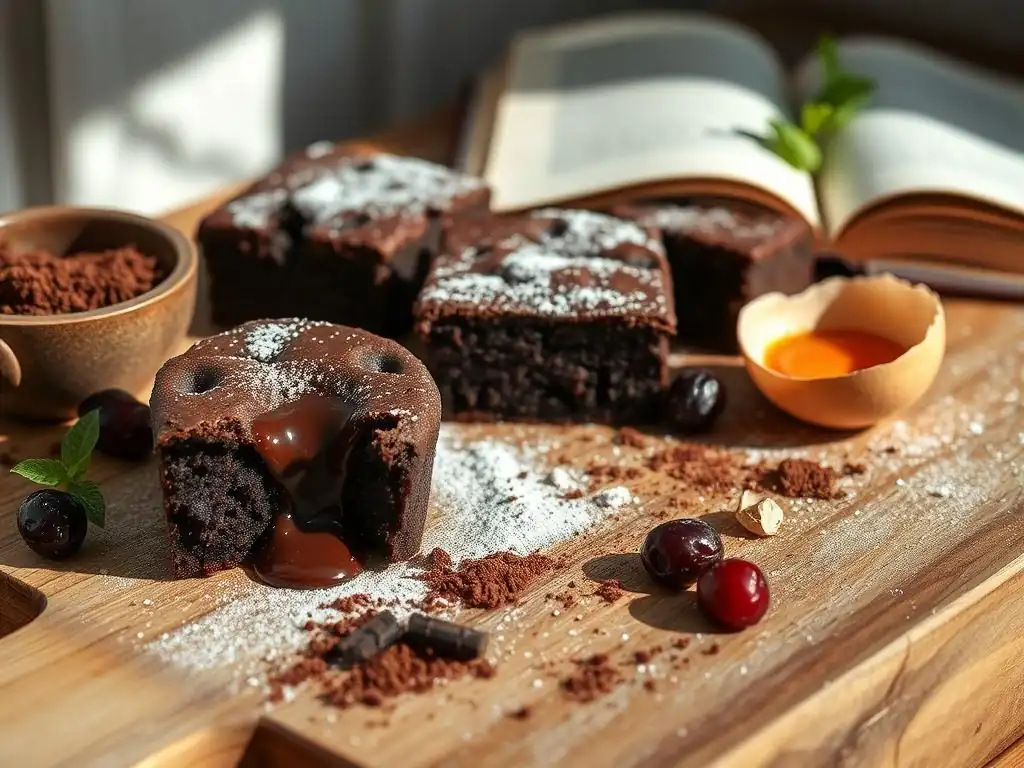
Welcome to BakeWithEase, your trusted guide to conquering the kitchen, one delectable bake at a time! Ever struggled to achieve that perfectly fudgy texture in your gluten-free brownies? We've cracked the code! This week, we're diving deep into essential substitutions that will transform your Glutenfree fudgy brownie recipe from crumbly disappointment to a decadent delight. But that's just the beginning – discover countless other baking secrets and tips to elevate your skills! Intrigued? Let's get baking!
- Mastering Fudgy Gluten-Free Brownies: A Guide to Texture and Flavor
- Achieving Fudgy Gluten-Free Brownies: An Introduction
- Understanding Gluten-Free Flour Blends for Fudgy Brownies
- Key Ingredients for a Fudgy Gluten-Free Brownie
- Techniques for Maximizing Fudginess in Gluten-Free Brownies
- Gluten-Free Fudgy Brownie Troubleshooting
- A Sample Gluten-Free Fudgy Brownie Recipe
- Tips and Tricks for Gluten-Free Fudgy Brownie Success
- Flavor Variations for Gluten-Free Fudgy Brownies
-
Frequently Asked Questions
- What makes a gluten-free brownie fudgy instead of cakey?
- What is the most important gluten-free flour substitute for a fudgy brownie?
- Can I use any type of chocolate in a gluten-free fudgy brownie recipe?
- What is the role of binders in a gluten-free brownie recipe?
- What are some common mistakes to avoid when making gluten-free fudgy brownies?
- Final Reflection: The Enduring Quest for the Perfect Gluten-Free Brownie
- Unlock Your Fudgiest Gluten-Free Brownies Yet!
Mastering Fudgy Gluten-Free Brownies: A Guide to Texture and Flavor
Achieving Fudgy Gluten-Free Brownies: An Introduction
The Pursuit of the Perfect Gluten-Free Fudgy Brownie
For many bakers, the ultimate goal is that decadent, moist, and intensely chocolatey brownie with a crackly top and a gooey center. Achieving this level of fudginess can be a delightful challenge even with traditional wheat flour, but when adapting a glutenfree fudgy brownie recipe, new considerations come into play. Gluten, the protein network found in wheat, provides structure and elasticity, which influences chewiness and rise. Without it, you risk dry, crumbly, or even gummy results if the right substitutions and techniques aren't employed.
This guide dives deep into the science and art behind crafting truly fudgy brownies without gluten. We'll explore how different gluten-free ingredients behave, the crucial role of fats and sugars, and specific techniques that lock in moisture and create that sought-after dense, rich texture. Whether you're new to gluten-free baking or looking to perfect your existing glutenfree fudgy brownie recipe, understanding these principles will empower you to bake with confidence and achieve consistently delicious results.
Gluten's Role in Brownie Texture (and How to Replicate It)
Gluten is formed when proteins like glutenin and gliadin, present in wheat flour, combine with liquid and are worked through mixing or kneading. This network traps air, provides structure, and contributes significantly to the chewiness and elasticity in baked goods. In a brownie, while not needing the significant rise of bread, gluten still impacts its chewiness and helps hold the structure together without crumbling.
Replicating gluten's function in a glutenfree fudgy brownie recipe requires a combination of different flours and sometimes binders. Various gluten-free flours offer different properties: some provide structure (like brown rice flour), some absorb moisture (like coconut flour, which needs careful use), and others provide binding and chewiness (like tapioca starch or sweet rice flour).
Often, a blend is needed to mimic the balanced properties of wheat flour. Additionally, ingredients like xanthan gum or psyllium husk powder are sometimes used as binders to help the ingredients hold together, preventing crumbling, though they should be used sparingly in brownies to avoid a gummy texture.
Understanding Gluten-Free Flour Blends for Fudgy Brownies
Choosing the Optimal Gluten-Free Flour Blend for Brownies
Selecting the right gluten-free flour blend is perhaps the most critical step in developing a successful glutenfree fudgy brownie recipe. Not all blends are created equal, and their composition significantly impacts the final texture. Many commercial blends are designed as cup-for-cup replacements for wheat flour in a wide range of recipes, but some are better suited for specific types of baking. For fudgy brownies, you generally want a blend that doesn't absorb too much liquid and provides a good balance of structure and tenderness.
Look for blends that contain a mix of starches (like tapioca, potato, or corn) and flours (like brown rice, white rice, or sorghum). A common ratio might be around 40-60% flours and 40-60% starches. Blends heavy on highly absorbent flours like coconut or almond flour might require significant adjustments to the liquid content to prevent dryness. Experimentation is key, but starting with a reputable all-purpose gluten-free blend designed for baking is a good initial approach for your glutenfree fudgy brownie recipe efforts.
The Impact of Individual Gluten-Free Flours on Brownie Texture
Understanding how individual gluten-free flours and starches contribute to the overall texture is crucial for tweaking a blend or troubleshooting a recipe. Each component brings unique characteristics that affect moisture absorption, structure, and chewiness. Using the right combination is key to achieving that ideal fudgy consistency in your glutenfree fudgy brownie recipe.
Let's look at a few common components found in gluten-free blends and their specific roles. By knowing how these behave, you can better predict the outcome of a blend or even create your own customized mix for the perfect glutenfree fudgy brownie recipe.
Tapioca Starch for Chewiness and Binding
Tapioca starch, derived from the cassava root, is a fantastic ingredient for adding chewiness and a slightly springy texture to gluten-free baked goods, including brownies. When heated, it gelatinizes, helping to bind ingredients together and contributing to that desirable moist, slightly chewy bite often associated with fudgy brownies.
Using too much tapioca starch, however, can result in a gummy texture. It works best in combination with other flours. In many gluten-free blends, it makes up a significant portion of the starch component, typically ranging from 15-30% of the total blend by weight, providing that essential elasticity missing from gluten.
Brown Rice Flour for Structure and a Slightly Nutty Flavor
Brown rice flour is a staple in many gluten-free blends, providing structure and a slightly nutty, wholesome flavor. It's less refined than white rice flour and contains more fiber, which can affect texture. It helps give the brownie its shape and prevents it from collapsing.
However, brown rice flour can sometimes contribute a slightly gritty texture if not finely milled. It also doesn't absorb moisture as readily as some other flours, which can be beneficial for maintaining moisture in a fudgy brownie but requires careful balancing with starches for tenderness. It typically makes up a significant portion of the flour component in a blend, perhaps 20-40% of the total blend.
Sweet Rice Flour for Moisture and Softness
Often confused with brown or white rice flour, sweet rice flour (also known as glutinous rice flour, though it contains no gluten) is derived from short-grain rice and is particularly high in amylopectin starch. This gives it unique properties, acting as an excellent binder and contributing significantly to moisture retention and a soft, tender crumb.
Sweet rice flour is particularly valuable in glutenfree fudgy brownie recipe formulations because its binding properties help prevent crumbling, and its ability to hold moisture enhances the fudgy texture. It's often used in smaller quantities compared to brown or white rice flour in a blend, perhaps 10-20%, but its impact on softness and binding is notable.
Key Ingredients for a Fudgy Gluten-Free Brownie
Butter vs. Oil: Impact on Flavor and Texture
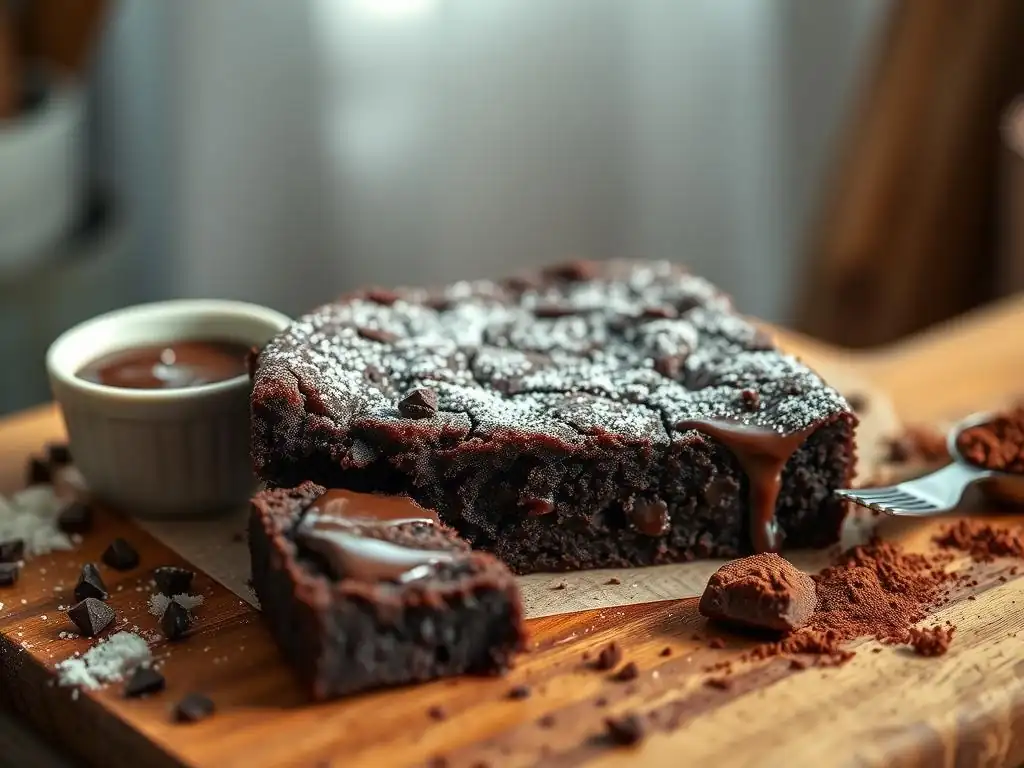
The choice of fat is paramount in determining the final texture and flavor of your glutenfree fudgy brownie recipe. Both butter and oil have distinct properties that affect moisture, density, and richness. Understanding these differences allows you to select the best fat for the specific fudgy texture you desire.
Many classic fudgy brownie recipes rely heavily on fat to create that dense, moist quality. Whether you opt for butter or oil, using a generous amount relative to the dry ingredients is key to achieving a rich, fudgy result rather than a cakey one. The fat coats the flour particles, inhibiting gluten development (though this is less of a concern in gluten-free baking, it still affects how starches hydrate) and ensuring a tender crumb.
Using Butter for Richness and a Classic Brownie Flavor
Butter brings an unparalleled richness and depth of flavor to brownies that oil simply cannot replicate. Its milk solids toast during baking, contributing complex caramel notes that enhance the chocolate. Using melted butter is common in fudgy brownie recipes, as its water content (typically around 16-18%) also adds a touch of moisture.
When butter cools, it solidifies, which can contribute to a slightly firmer, yet still fudgy, texture once the brownies are chilled. For a truly classic-tasting glutenfree fudgy brownie recipe, butter is often the preferred fat. Using high-quality butter, preferably unsalted so you can control the salt level yourself, will elevate the overall flavor profile.
Using Oil for Moisture and a Dense, Chewy Texture
Vegetable oil, or other neutral-flavored oils like canola or grapeseed, remains liquid at room temperature. This property translates directly to the brownie's texture, keeping it exceptionally moist, tender, and often contributing to a denser, slightly chewier result compared to butter. Oil also allows the chocolate flavor to shine more prominently as it doesn't have the competing flavors of butterfat.
Using oil is often simpler as it doesn't require melting like butter, just whisking into the wet ingredients. For a glutenfree fudgy brownie recipe where maximum moisture and a consistently soft texture are the goals, oil can be an excellent choice, sometimes even used in combination with butter to get the best of both worlds. Approximately 1/2 cup of oil per cup of gluten-free flour blend is a common ratio for fudgy results.
The Importance of High-Quality Chocolate in Fudgy Gluten-Free Brownies
The quality and type of chocolate you use are absolutely fundamental to the flavor of your glutenfree fudgy brownie recipe. Since brownies are essentially dense chocolate cakes, the chocolate is the star ingredient. Using good quality chocolate will make a significant difference in richness, depth, and overall decadence.
Don't skimp on the chocolate! Opting for real chocolate rather than just cocoa powder (though cocoa powder is also essential) provides cocoa butter, which contributes to the smooth, melt-in-your-mouth texture characteristic of fudgy brownies. The higher the quality, the better the flavor profile, often with more nuanced notes beyond simple sweetness.
Choosing the Right Chocolate: Cocoa Percentage and Flavor Profiles
For a truly fudgy and intensely chocolatey brownie, you'll typically want to use unsweetened or bittersweet chocolate (around 60-75% cocoa solids) in addition to cocoa powder. Unsweetened chocolate (100% cocoa) provides pure, unadulterated chocolate flavor but requires more sugar to balance. Bittersweet chocolate offers a good balance of intense flavor and a touch of sweetness.
Milk chocolate is generally too sweet and lacks the deep chocolate flavor needed for fudgy brownies. White chocolate, while delicious, isn't suitable for the base chocolate flavor but can be added as chips or swirls. Experimenting with different cocoa percentages allows you to fine-tune the intensity of the chocolate flavor in your glutenfree fudgy brownie recipe.
Melting Chocolate: Bain-Marie vs. Microwave Techniques
Properly melting the chocolate is crucial to avoid seizing or burning, which can ruin the texture and flavor. The two most common methods are using a bain-marie (double boiler) or the microwave. Both can work well for your glutenfree fudgy brownie recipe, but require attention.
A bain-marie involves placing a heatproof bowl containing the chocolate over a pot of simmering water, ensuring the bottom of the bowl doesn't touch the water. The gentle, indirect heat melts the chocolate smoothly. The microwave method is faster but requires careful monitoring; heat in short bursts (30 seconds initially, then 15-20 seconds), stirring thoroughly after each interval until just melted. Be careful not to overheat, as this can cause the chocolate to seize or burn.
Sugar's Role: Balancing Moisture and Structure
Sugar does more than just sweeten your glutenfree fudgy brownie recipe; it plays a vital role in texture. Sugar is hygroscopic, meaning it attracts and holds onto moisture, which is essential for keeping brownies fudgy. It also contributes to spread, tenderness, and the formation of that desirable crackly top.
Using a combination of different types of sugar can yield the best results for a complex flavor and ideal texture. The ratio of sugar to flour (or flour blend) is often higher in fudgy brownie recipes than in cakey ones, contributing to their dense, moist quality.
Brown Sugar for Moisture, Molasses Flavor, and Softness
Brown sugar contains molasses, which not only adds a subtle caramel-like flavor but also contributes significant moisture due to its composition. Using a portion of brown sugar in your glutenfree fudgy brownie recipe helps create a softer, more tender crumb and enhances the fudgy texture by locking in moisture.
The molasses also reacts with other ingredients during baking to create desirable flavors and colors. Using dark brown sugar will impart a stronger molasses flavor than light brown sugar. A common approach is to use a mix of brown and granulated sugar to balance moisture and structure.
Granulated Sugar for Structure, Crisp Edges, and Sweetness
Granulated sugar, or white sugar, provides sweetness and helps create structure by interacting with fats and proteins (or protein alternatives in gluten-free baking). It contributes to the crisp edges that many people love in brownies and helps the top develop that characteristic shiny, crackled surface when combined with proper mixing techniques and egg usage.
While it doesn't add the same moisture as brown sugar, granulated sugar helps the brownie hold its shape and provides necessary sweetness. A balance between granulated and brown sugar (e.g., a 1:1 or 1:1.5 ratio of brown to white sugar by weight) is often ideal for a well-structured yet moist and fudgy glutenfree fudgy brownie recipe.
Techniques for Maximizing Fudginess in Gluten-Free Brownies
The Double Boiler Method for Gentle Chocolate Melting
As mentioned earlier, melting chocolate gently is key to its texture and integration into the batter. The double boiler, or bain-marie, method is often preferred by professional bakers and is highly recommended for your glutenfree fudgy brownie recipe. This technique prevents the chocolate from overheating and seizing, ensuring a smooth, glossy melted chocolate base.
To set up a double boiler, find a saucepan and a heatproof bowl (glass or stainless steel) that fits snugly over the saucepan without touching the bottom. Fill the saucepan with about an inch or two of water and bring it to a gentle simmer. Place the chocolate in the bowl, set the bowl over the simmering water, and stir occasionally until the chocolate is completely melted and smooth. Remove the bowl from the heat immediately once melted.
Underbaking for a Gooey, Fudgy Center
This is perhaps the most crucial technique for achieving a truly fudgy center in any brownie, including a glutenfree fudgy brownie recipe. Unlike cakes or muffins, brownies should not be baked until a toothpick inserted in the center comes out completely clean. A clean toothpick indicates the batter is fully set, which will result in a more cake-like texture.
For a fudgy center, you want to pull the brownies from the oven when a toothpick or cake tester inserted about an inch from the edge comes out clean, but when inserted into the very center, it still has moist crumbs or even a little wet batter clinging to it. The residual heat will continue to cook the brownies slightly as they cool, setting the edges while leaving the center wonderfully gooey. This might mean a baking time slightly shorter than what the recipe suggests, so start checking a few minutes early.
Adding Moisture: Yogurt, Sour Cream, or Mashed Banana
Incorporating additional moistening agents beyond just eggs, fat, and sugar can significantly enhance the fudginess of a glutenfree fudgy brownie recipe. Ingredients like yogurt, sour cream, or even mashed banana add moisture and richness without thinning the batter too much, helping to create that dense, desirable texture.
These additions also often contribute to a more tender crumb and can improve the overall structure in gluten-free baking by providing extra binding properties. They interact with the dry ingredients, ensuring they are fully hydrated, which is crucial for preventing a dry or crumbly result.
Yogurt: Tanginess and Moisture
Plain yogurt, especially whole-milk yogurt or Greek yogurt, is an excellent addition to a glutenfree fudgy brownie recipe. It adds moisture and a slight tanginess that can complement the rich chocolate flavor. The acidity in yogurt can also interact with baking soda (if used) to help with leavening, although leavening is minimal in fudgy brownies.
Yogurt also contains proteins and fats that contribute to richness and help create a tender crumb. Using about 1/4 to 1/2 cup of yogurt in a standard batch can make a noticeable difference in fudginess. Ensure the yogurt is at room temperature before adding it to the batter to prevent it from solidifying the melted chocolate or butter.
Gluten-Free Fudgy Brownie Troubleshooting
Dry and Crumbly Brownies: Causes and Solutions
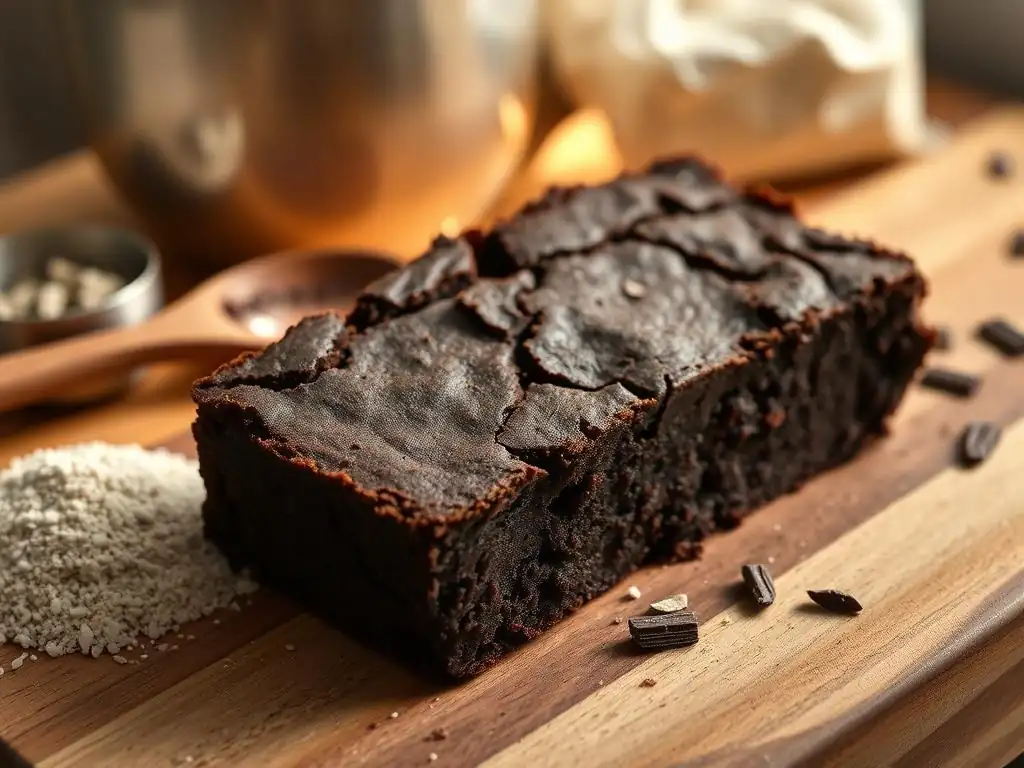
If your glutenfree fudgy brownie recipe resulted in dry and crumbly brownies, there are a few likely culprits. Overbaking is the most common reason; remember the toothpick test! Another key factor is insufficient moisture in the batter. This could be due to using a gluten-free flour blend that is too absorbent (like one heavy in coconut flour), not using enough fat or sugar, or not adding additional moistening agents like eggs, yogurt, or oil.
To fix this in future batches, ensure you are using a blend suitable for fudgy baking, increase the amount of fat (butter or oil) slightly, or add a tablespoon or two of yogurt or sour cream to the wet ingredients. Also, double-check your oven temperature with an oven thermometer – an oven running too hot can quickly dry out baked goods. Finally, ensure ingredients are measured accurately, preferably by weight, as scooping flour can lead to using too much.
Gummy or Dense Brownies: Avoiding Overmixing and Gluten-Free Flour Issues
Gummy or overly dense textures can also plague a glutenfree fudgy brownie recipe. While gluten development isn't the issue here, overmixing can still negatively impact gluten-free batters. Vigorous mixing can overwork the starches in the blend, leading to a gummy texture, and can also incorporate too much air, which then collapses during baking, resulting in a dense brownie.
Another cause could be the specific gluten-free flour blend used. Some blends, particularly those heavy on starches like tapioca or those containing binders like xanthan gum in high amounts, can result in a gummy texture if not balanced correctly with other flours. Ensure you are using a blend formulated for baking and mix the batter only until the dry ingredients are just incorporated – a few streaks of flour are okay.
Achieving a Shiny, Crackled Top on Gluten-Free Brownies
That beautiful, shiny, crackled top is a hallmark of a classic fudgy brownie, and it's entirely achievable with a glutenfree fudgy brownie recipe! This effect is primarily created by dissolving a significant amount of sugar into the egg and fat mixture before adding the dry ingredients. The sugar crystallizes on the surface during baking, forming that delicate crust.
Key techniques include whisking the eggs and sugar together vigorously for a minute or two until the mixture is thick and pale and the sugar starts to dissolve. Incorporating melted butter or oil and melted chocolate into this mixture further contributes to the glossy sheen. Baking the brownies at a relatively high initial temperature (like 350-375°F or 175-190°C) can also help set the top quickly, encouraging the crackle.
A Sample Gluten-Free Fudgy Brownie Recipe
Creating your own glutenfree fudgy brownie recipe from scratch or adapting a favorite can be rewarding. This sample recipe incorporates many of the techniques and ingredient principles discussed to guide you towards fudgy perfection. It uses a common gluten-free flour blend approach.
Remember that oven temperatures can vary, and gluten-free blends differ, so consider this a starting point. You may need to adjust bake time slightly based on your oven and the specific blend you use. Aim for that slightly underbaked center!
Ingredients List for the Sample Fudgy Gluten-Free Brownie
Here are the ingredients you'll need for a delicious batch of gluten-free fudgy brownies. Accurate measurement, especially by weight for dry ingredients, is highly recommended for consistency.
1/2 cup (113g) unsalted butteror1/2 cup (120ml) neutral oil4 ounces (113g) high-quality bittersweet or unsweetened chocolate, chopped1 cup (200g) granulated sugar1/2 cup (100g) packed light or dark brown sugar2 large eggs, at room temperature1 teaspoon vanilla extract1/2 cup (45g) unsweetened cocoa powder(natural or Dutch-process)1/2 teaspoon salt3/4 cup (approx. 100-120g) gluten-free all-purpose flour blend(ensure it's suitable for baking and contains a mix of flours/starches)Optional: 1/4 cup (60g) plain whole-milk yogurt or sour creamOptional: 1 cup (170g) chocolate chips or chopped nuts
Step-by-Step Baking Instructions for Fudgy Perfection
Follow these steps carefully to achieve a wonderfully fudgy texture in your glutenfree fudgy brownie recipe attempt. Pay close attention to mixing and baking time.
- Preheat oven to 350°F (175°C). Grease and flour (using gluten-free flour or cocoa powder) an 8x8 inch or 9x9 inch baking pan and line with parchment paper, leaving an overhang on two sides for easy lifting.
- Melt the butter (if using) or heat the oil gently. In a heatproof bowl set over a saucepan of simmering water (bain-marie), combine the melted butter/oil and chopped chocolate. Stir until completely melted and smooth. Remove from heat and let cool slightly for a few minutes.
- In a large bowl, whisk together the granulated sugar, brown sugar, and eggs for 1-2 minutes until the mixture is thick, pale, and slightly frothy. Stir in the vanilla extract.
- Pour the slightly cooled melted chocolate mixture into the egg-sugar mixture. Whisk until just combined and glossy. If using yogurt or sour cream, whisk it in now.
- In a separate medium bowl, whisk together the cocoa powder, salt, and gluten-free flour blend.
- Add the dry ingredients to the wet ingredients. Using a spatula or wooden spoon, gently fold until just combined. Do not overmix. A few streaks of flour are acceptable. If adding chips or nuts, fold them in now.
- Pour the batter evenly into the prepared pan.
- Bake for 25-35 minutes, depending on your oven and pan size. Check for doneness by inserting a toothpick about 1 inch from the edge – it should come out clean. When inserted into the center, it should have moist crumbs attached or be slightly wet.
- Remove from oven and let cool completely in the pan on a wire rack before lifting out and cutting. Cooling is crucial for fudginess!
Tips and Tricks for Gluten-Free Fudgy Brownie Success
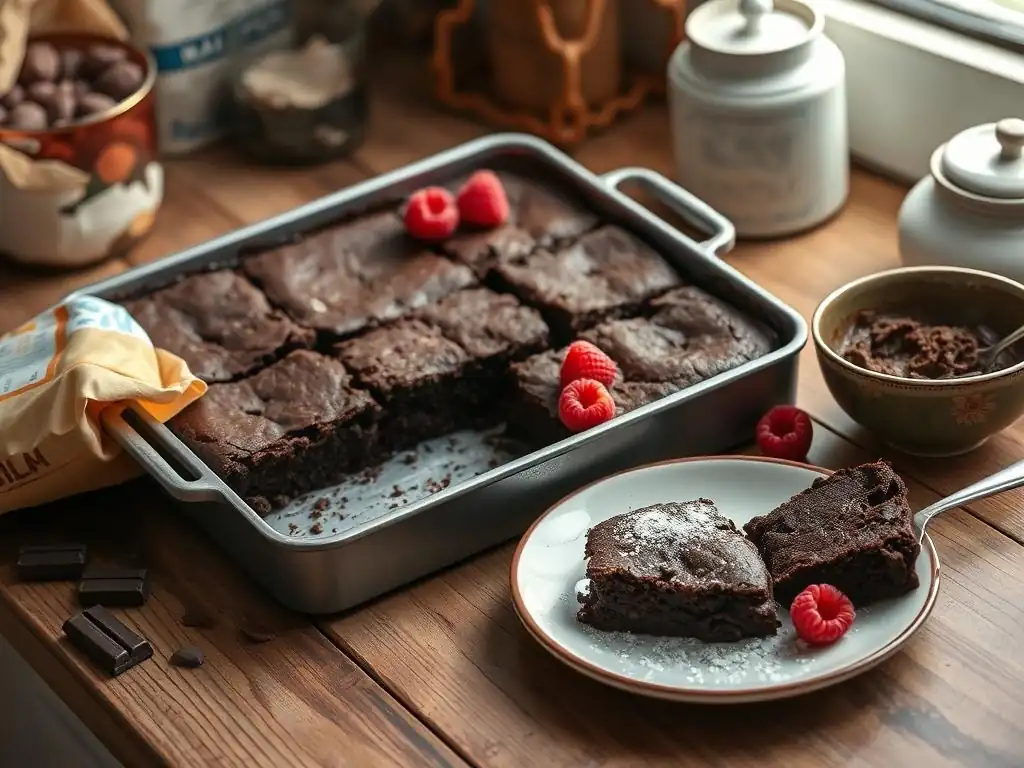
Beyond the ingredients and basic steps, a few extra tips can help ensure your glutenfree fudgy brownie recipe turns out perfectly every time. These details can make the difference between a good brownie and a truly spectacular one.
Consistency in baking comes from precision, especially with gluten-free ingredients which can behave differently than wheat. Paying attention to measurement, cooling, and storage will yield the best results for your glutenfree fudgy brownie recipe.
Weighing Ingredients for Consistent Results
For the most accurate and consistent results in baking, particularly with gluten-free flours, weighing your ingredients with a kitchen scale is highly recommended over using volume measurements (cups). Different gluten-free flour blends have varying densities, and scooping techniques can lead to significant variations in the amount of flour used.
For example, 1 cup of a gluten-free blend could weigh anywhere from 100g to 140g depending on its composition and how it's scooped. Using a scale eliminates this variability, ensuring you use the exact amount specified in the glutenfree fudgy brownie recipe, which is crucial for achieving the correct batter consistency and final texture.
Cooling and Cutting Brownies for Clean Slices
Patience is key when it comes to cutting fudgy brownies cleanly. Because of their high moisture and low structure compared to cakey brownies, they need ample time to cool and set before cutting. Cutting warm fudgy brownies will result in messy, crumbly slices.
Allow the brownies to cool completely in the pan on a wire rack, preferably for at least 2-3 hours, or even chilling them in the refrigerator for an hour or two once cooled to room temperature. For the cleanest cuts, use a sharp knife, wiping the blade clean with a hot, damp cloth between each slice.
Storing Gluten-Free Fudgy Brownies to Maintain Freshness
Proper storage helps maintain the fudgy texture of your glutenfree fudgy brownie recipe creations. Once completely cooled and cut, store the brownies in an airtight container at room temperature for up to 3-4 days.
If you won't eat them within a few days, they also freeze exceptionally well. Wrap individual brownies or the entire cooled slab tightly in plastic wrap, then place in a freezer-safe bag or container. They can be frozen for up to 2-3 months. Thaw at room temperature or gently warm for a fresh-baked taste.
Flavor Variations for Gluten-Free Fudgy Brownies
Once you've mastered the basic glutenfree fudgy brownie recipe, the fun begins with adding variations! Brownies are a fantastic canvas for incorporating other flavors and textures to create unique and delicious treats.
From simple additions mixed into the batter to swirled-in sauces, there are countless ways to customize your glutenfree fudgy brownie recipe and keep things interesting.
Adding Nuts, Chocolate Chunks, or Espresso Powder
Classic additions like chopped walnuts or pecans add a pleasant crunch that contrasts with the fudgy texture. Stir them into the batter along with any chocolate chips in step 6 of the sample recipe. Using different types of chocolate chunks (milk, white, or even peanut butter chips) can add extra pockets of melted goodness.
For an intensified chocolate flavor, try adding a teaspoon or two of instant espresso powder or coffee granules dissolved in a tiny amount of hot water to the wet ingredients. Coffee naturally enhances the taste of chocolate without making the brownies taste like coffee.
Swirling in Nut Butter or Caramel Sauce
For an extra layer of flavor and visual appeal, swirl in nut butter or caramel sauce. After pouring the batter into the prepared pan, dollop spoonfuls of melted peanut butter, almond butter, or thick caramel sauce over the top.
Use a knife or skewer to gently swirl the dollops into the brownie batter, being careful not to overmix. This creates beautiful patterns and pockets of deliciousness throughout your glutenfree fudgy brownie recipe.
Gluten-Free Fudgy Brownie Ice Cream Sandwiches
Take your glutenfree fudgy brownie recipe to the next level by turning them into decadent ice cream sandwiches. Once the brownies are completely cooled and cut into squares or rectangles, place a scoop of your favorite ice cream between two identically sized brownie pieces.
Gently press them together, then wrap individually in plastic wrap and freeze until firm. This is a fantastic way to enjoy your fudgy brownies, especially during warmer months, and they make for a delightful frozen treat.
Frequently Asked Questions
What makes a gluten-free brownie fudgy instead of cakey?
The key to fudgy gluten-free brownies is using the right substitutes to maintain moisture and density. This often involves using ingredients like almond flour and tapioca starch in the correct ratios.
What is the most important gluten-free flour substitute for a fudgy brownie?
While a blend is often best, almond flour is crucial for adding moisture and richness, helping create that signature fudgy texture. It provides a naturally dense base.
Can I use any type of chocolate in a gluten-free fudgy brownie recipe?
While you can use various chocolates, using a combination of dark chocolate and cocoa powder is recommended. The dark chocolate adds richness and the cocoa powder intensifies the chocolate flavor.
What is the role of binders in a gluten-free brownie recipe?
Binders like xanthan gum or psyllium husk are essential. They help to hold the brownie together, mimicking the structure normally provided by gluten, and improve the overall texture.
What are some common mistakes to avoid when making gluten-free fudgy brownies?
Overbaking is a major pitfall, leading to dry, cakey brownies. Underbaking slightly is preferable for achieving a fudgy consistency. Always use a toothpick test for doneness.
Final Reflection: The Enduring Quest for the Perfect Gluten-Free Brownie
The pursuit of the perfect gluten-free brownie isn't just a culinary challenge; it's a testament to the power of adaptation and the unwavering desire for deliciousness. This article explored the essential substitutions needed to achieve that coveted fudgy texture, often elusive in gluten-free baking. We delved into the science behind gluten's role in structure and explored various alternatives that deliver both moisture and richness. The demand for delicious gluten-free options continues to grow, highlighting the importance of accessible and reliable recipes.
This journey into the world of gluten-free baking has been a personal one, fueled by a desire to share the joy of baking with everyone, regardless of dietary restrictions. The best things in life are worth fighting for, and a truly fudgy brownie is certainly one of them.
This isn't just about avoiding gluten; it's about embracing creativity in the kitchen and finding innovative ways to achieve culinary excellence. The ongoing evolution of gluten-free baking reflects a broader societal shift towards inclusivity and the celebration of diverse dietary needs.
Now, it's your turn. Don't be afraid to experiment with the techniques and substitutions outlined in this article. Embrace the challenge of creating your own perfect gluten-free fudgy brownie. Each successful bake, each perfectly textured square, is a victory not just in the kitchen, but in the pursuit of deliciousness for all. Share your creations, your successes, and even your failures – because even in the kitchen, learning and growth are the sweetest rewards.
Unlock Your Fudgiest Gluten-Free Brownies Yet!
Thanks for joining us on this delicious journey into the world of gluten-free baking! We hope you’ve picked up some invaluable tips for achieving that perfect fudgy texture. Ready to take your brownie game to the next level?
- Bake a batch of your own amazing gluten-free brownies! Use the tips from this article to create brownies that are rich, decadent, and completely gluten-free. This is your chance to impress yourself (and everyone else! ).
- Share your brownie triumphs (or challenges!) with us on social media. Use #BakeWithEaseGlutenFree and tag us – we’d love to see your creations!
- Experiment with different gluten-free flours: The article touched on a few, but don't be afraid to explore others and see what unique flavors and textures you can discover!
So, what exciting gluten-free brownie adventure will you embark on next?