
The Essential Role of Vinegar & Baking Soda in Vegan Baking

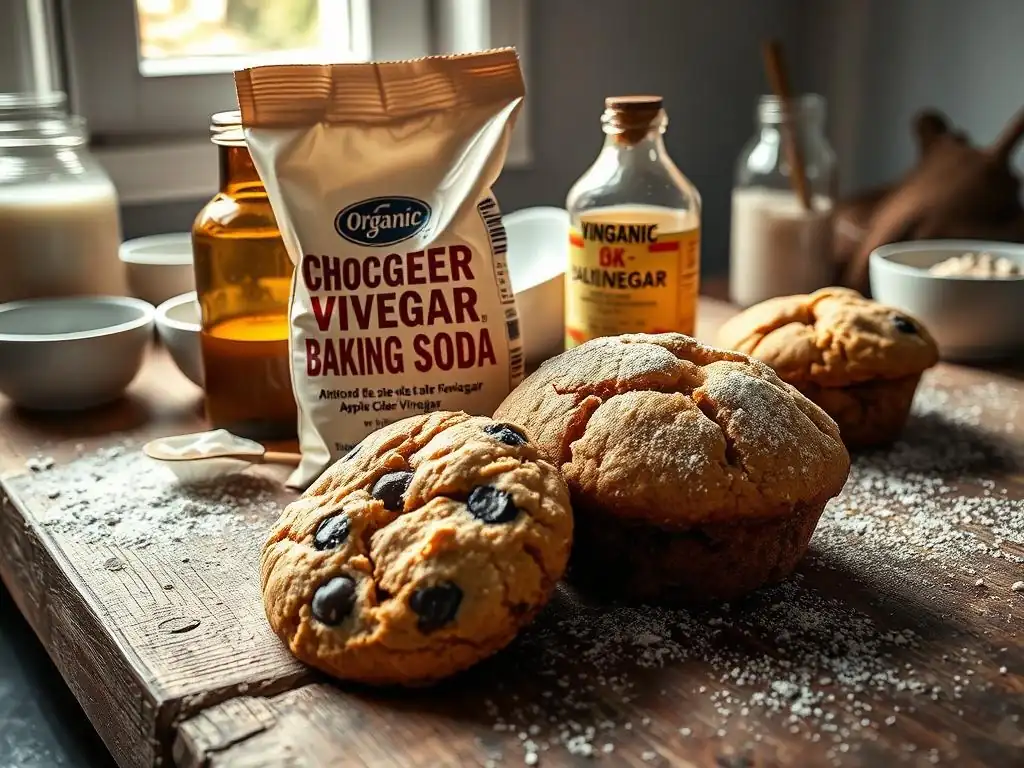
Welcome to BakeWithEase, your trusted guide to the delicious world of baking! Ever wondered how to achieve that perfect rise and texture in your vegan treats? Dive into our latest article and unlock the secrets of vegan baking vinegar soda tips. Discover how this dynamic duo can transform your plant-based creations and elevate your baking game. Read on to find out more!
- Baking With Ease: Unlocking Vegan Baking Secrets with Plant-Based Milk and Lemon Juice
- Why Plant-Based Milk and Lemon Juice are Key Ingredients in Vegan Baking
- How Lemon Juice Works in Vegan Baking: A Natural Leavening Agent
- Baking Soda in Vegan Recipes: The Leavening Powerhouse
- Vegan Baking Lemon Juice & Baking Soda Tips: Achieving the Perfect Texture
- Vegan Baking Recipes that Showcase Plant-Based Milk and Lemon Juice
- Mastering Vegan Baking Substitutions: Beyond Plant-Based Milk and Lemon Juice
- BakeWithEase: Your Guide to Successful Vegan Baking
-
Frequently Asked Questions
- What makes vinegar and baking soda so important in vegan baking?
- Can I use any type of vinegar in vegan baking?
- How much baking soda and vinegar should I use in a recipe?
- What happens if I don't use enough vinegar or baking soda?
- Are there any vegan baking recipes where I don't need vinegar and baking soda?
- Final Reflection: The Unexpected Alchemy of Vegan Baking
- Unlock the Secrets of Fluffy Vegan Baking!
Baking With Ease: Unlocking Vegan Baking Secrets with Plant-Based Milk and Lemon Juice
Vegan baking offers exciting possibilities, allowing everyone to enjoy delicious treats without animal products. Achieving the right texture and rise can sometimes feel like a puzzle, but with the right understanding of key ingredients, it becomes much simpler. Two often underestimated powerhouses in the vegan baker's pantry are plant-based milk and lemon juice. These ingredients, particularly when combined with baking soda, play crucial roles in creating light, fluffy, and moist baked goods.
Understanding the synergy between acidic components like lemon juice (or sometimes vinegar, which is another common acidic agent in vegan baking) and leavening agents like baking soda is fundamental. This knowledge unlocks a world of successful vegan baking, transforming dense results into delightful textures. We’ll explore how these simple ingredients perform complex chemical tasks to elevate your vegan cakes, muffins, and more.
Why Plant-Based Milk and Lemon Juice are Key Ingredients in Vegan Baking
Understanding the Science Behind Vegan Baking
Vegan baking relies on chemistry to replicate the functions typically provided by eggs and dairy. Eggs contribute structure, binding, moisture, and leavening, while dairy adds richness, tenderness, and aids in browning. Without these, bakers must use alternative ingredients that can perform these tasks. Plant-based milks, for example, provide necessary liquid and fat content, contributing to moisture and tenderness in batters and doughs.
The leavening process is particularly critical. Traditional baking often uses eggs for lift or relies solely on baking powder. In vegan baking, especially when aiming for significant rise without eggs, the reaction between an acid and an alkali is frequently employed. Lemon juice acts as a readily available acid, and when combined with baking soda (an alkali), it produces carbon dioxide gas, which creates bubbles and causes the baked good to rise. Mastering these reactions is key to successful vegan baking vinegar soda tips often highlight this acid-alkali interaction.
The Vegan Baking Challenge: Replacing Eggs and Dairy
Replacing eggs and dairy effectively is perhaps the biggest hurdle new vegan bakers face. A single egg performs multiple jobs: binding ingredients together, adding moisture, contributing fat, and sometimes aiding in leavening. Dairy milk adds liquid, protein, and fat, influencing texture and richness. Simply omitting them from a traditional recipe rarely works, often resulting in flat, dry, or crumbly bakes.
This is where ingredients like plant-based milk and lemon juice become indispensable. Plant milk provides the liquid base needed for hydration and batter consistency, while lemon juice, interacting with baking soda, can provide significant lift, mimicking some of the leavening action of eggs. Learning how to use these replacements correctly is a fundamental step in mastering vegan baking, moving beyond simple substitutions to understanding how ingredients function together.
How Lemon Juice Works in Vegan Baking: A Natural Leavening Agent
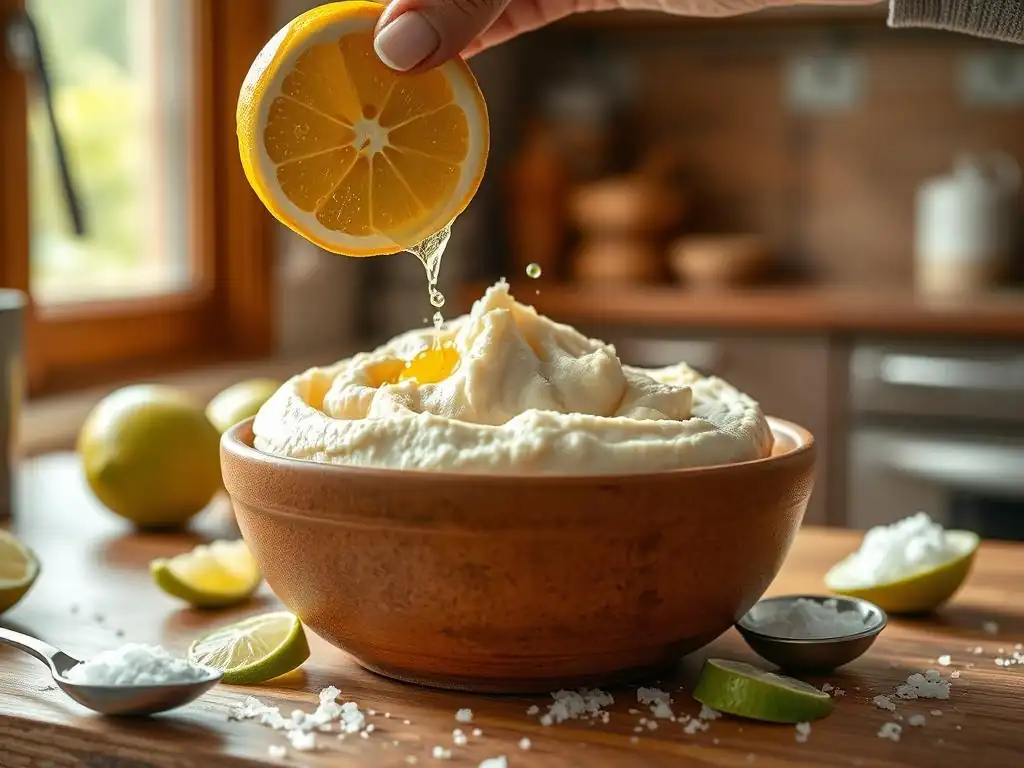
The Acidity Factor: Activating Baking Soda with Lemon Juice
Lemon juice is a potent acid, primarily due to its citric acid content. When an acid like lemon juice is mixed with an alkali like baking soda (sodium bicarbonate), a chemical reaction occurs, producing sodium citrate, water, and crucially, carbon dioxide gas. This gas gets trapped within the batter or dough, expanding when heated in the oven and causing the baked good to rise.
The amount of acid and alkali needs to be balanced for optimal leavening. Too much baking soda without enough acid will leave an unpleasant soapy or metallic taste. Too much acid without enough baking soda won't produce enough gas for a good rise. A common ratio is roughly 1 teaspoon of baking soda to 1 tablespoon of acid (like lemon juice or vinegar). This precise balance is a core principle in effective vegan baking vinegar soda tips.
Best Types of Plant-Based Milk for Vegan Baking: Soy Milk, Oat Milk, and More
The choice of plant-based milk can influence the final texture and flavor of your vegan bakes. Soy milk is often considered a versatile option because its protein and fat content are relatively similar to dairy milk, contributing to moisture and browning. Unsweetened varieties are best to avoid overly sweet results.
Oat milk has become incredibly popular and works well in many recipes, providing a creamy texture and slight sweetness. Almond milk is lower in fat and protein than soy or oat milk, which can result in a slightly drier crumb in some recipes, but it's a good option for lighter bakes or those concerned about allergens.
Rice milk is the lowest in fat and protein and is generally less suitable for rich, moist cakes but can work in some bread recipes. For curdling (like making "vegan buttermilk"), soy milk or oat milk tend to curdle most effectively when combined with an acid like lemon juice or vinegar.
Lemon Juice's Role in Gluten Development in Vegan Breads
While lemon juice is primarily known for its leavening reaction with baking soda, its acidity can also influence gluten development in vegan bread recipes that use wheat flour. Gluten, formed when proteins in flour (glutenin and gliadin) combine with water and are kneaded, provides structure. Acids can affect the rate and strength of gluten formation.
In some bread recipes, a small amount of acid like lemon juice or vinegar can help tenderize the crumb by slightly inhibiting excessive gluten development, leading to a softer texture. It can also help activate amylase enzymes in flour, which break down starches into sugars, providing food for yeast (if used) and contributing to browning. So, beyond leavening, lemon juice contributes subtly to both texture and crust development in vegan baking.
Baking Soda in Vegan Recipes: The Leavening Powerhouse
Understanding Baking Soda's Chemical Reaction
Baking soda, chemically known as sodium bicarbonate (NaHCO₃), is an alkaline compound. It requires an acid and moisture to react and produce carbon dioxide gas, which is the primary leavening agent in many baked goods. The reaction is immediate once the acid and alkali are combined in a liquid medium.
In vegan baking, where traditional acidic ingredients like buttermilk or eggs are absent, baking soda must be paired with an added acid source. Common vegan acids include lemon juice, vinegar (like apple cider vinegar), molasses, brown sugar, cocoa powder (natural, not Dutch-processed), and even some fruit purees. Without an acid, baking soda will not produce significant lift and may leave a bitter, metallic aftertaste. This is why understanding the acid-alkali balance is fundamental for effective vegan baking vinegar soda tips.
Using the correct amount of baking soda is crucial for achieving the desired rise and avoiding off-flavors. Too little baking soda and your bake will be dense and flat. Too much, even with sufficient acid, can lead to excessive rising followed by collapsing, a coarse crumb, and that unpleasant soapy taste. As a general guideline, use about ¼ teaspoon of baking soda per 1 cup of flour when it's the sole leavening agent reacting with an added acid.
However, many recipes also use baking powder (which contains both an acid and a base). When using both, the amount of baking soda is usually reduced and specifically balanced to react with a particular acidic ingredient in the recipe, such as lemon juice, vinegar, or curdled plant milk. Always follow the recipe's specific measurements, but understanding the ¼ teaspoon per cup rule provides a helpful baseline for troubleshooting or adapting recipes in vegan baking.
Baking Soda vs. Baking Powder in Vegan Baking: What's the Difference?
While both baking soda and baking powder are leavening agents, they work differently. Baking soda is a single alkaline compound that needs an added acid and moisture to react. Its reaction is rapid and occurs as soon as it's mixed with the wet ingredients.
Baking powder, on the other hand, is a complete leavening system. It contains an alkali (baking soda), one or two dry acids (like cream of tartar or sodium aluminum sulfate), and a starch (usually cornstarch) to absorb moisture and prevent premature reaction.
Most baking powders available today are "double-acting," meaning they produce some gas when mixed with liquid and more gas when heated in the oven. In vegan baking, baking soda is often used alongside baking powder to enhance the leavening power, especially when acidic ingredients like lemon juice or vinegar are present, providing additional lift through the acid-alkali reaction.
Vegan Baking Lemon Juice & Baking Soda Tips: Achieving the Perfect Texture
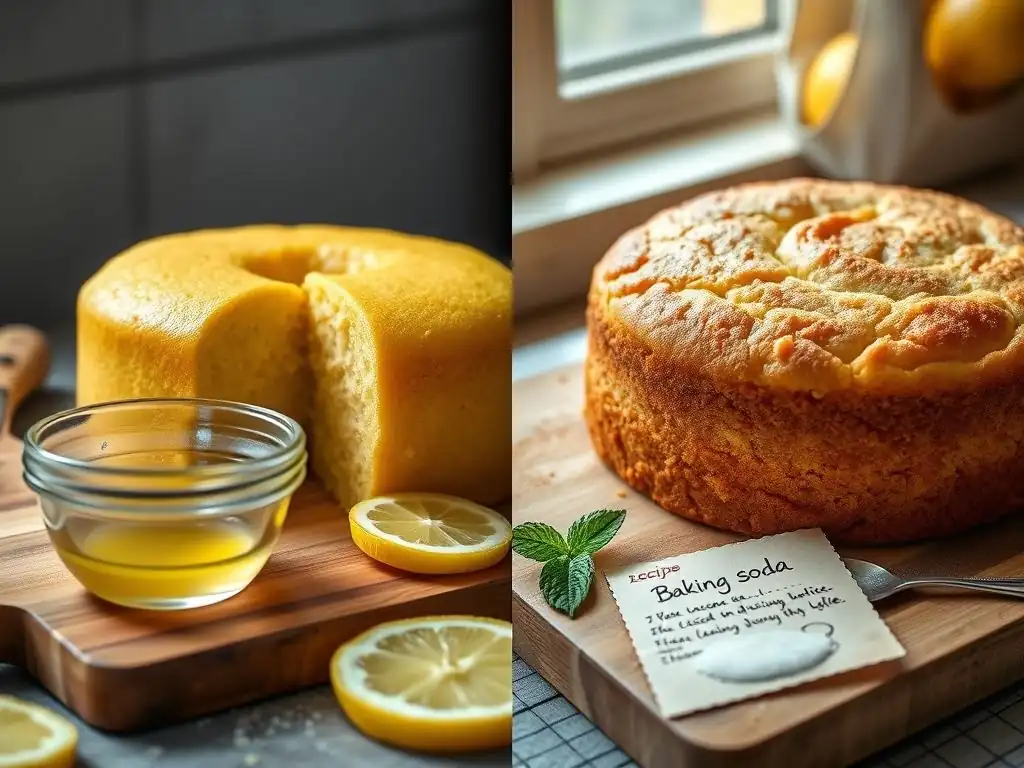
Combining Lemon Juice and Baking Soda for Optimal Results
The magic happens when lemon juice and baking soda meet in your vegan batter. For recipes relying heavily on this reaction for lift, it's best to combine the dry ingredients (including baking soda) and the wet ingredients (including lemon juice or the plant milk curdled with lemon juice/vinegar) separately. Combine them only when you are ready to bake, as the reaction starts immediately upon mixing.
Gentle mixing is key once the wet and dry ingredients are combined. Overmixing can develop too much gluten and deflate the precious carbon dioxide bubbles created by the lemon juice and baking soda reaction, resulting in a tough or flat bake. Mix just until no dry streaks remain. This careful handling ensures the maximum leavening power from your vegan baking vinegar soda tips come into play.
Vegan Baking Texture Troubleshooting: Adjusting Lemon Juice and Baking Soda Ratios
Troubleshooting texture issues in vegan baking often involves examining the leavening balance. If your cake is dense or flat, you might not have enough baking soda or acid, or the ratio is off. Consider if your acidic ingredient (like lemon juice or vinegar) was potent enough or if the baking soda was fresh (it loses potency over time). A quick test for baking soda freshness: mix a teaspoon with a tablespoon of vinegar or lemon juice; it should fizz vigorously.
If your bake rose dramatically but then fell, or has a coarse, open crumb, you might have used too much baking soda or acid, causing an initial rush of gas that the structure couldn't support. An unpleasant soapy taste points strongly to excess unreacted baking soda. Adjusting the amounts slightly in subsequent attempts, based on the common ratio guidelines (e.g., 1 tsp baking soda to 1 tbsp acid), can help dial in the perfect texture. These specific vegan baking vinegar soda tips are invaluable for refining your recipes.
Experimenting with Flavors: Enhancing Vegan Bakes with Lemon Juice
Beyond its role in leavening, lemon juice adds a bright, fresh flavor that can significantly enhance vegan baked goods. Its acidity can balance sweetness, making desserts taste less cloying. In recipes like lemon poppy seed muffins or lemon drizzle cake, lemon juice is a primary flavor component.
Even in recipes where lemon flavor isn't the main goal, a small amount of lemon juice used for the baking soda reaction can subtly brighten the overall taste profile without imparting a distinct lemon flavor. It works particularly well in fruit-based bakes, berry muffins, or even chocolate cakes, where it can deepen the chocolate flavor by reacting with cocoa powder's natural acidity. Experimenting with how lemon juice complements other flavors is a fun part of the vegan baking journey.
Vegan Baking Recipes that Showcase Plant-Based Milk and Lemon Juice
Vegan Vanilla Cake Recipe Using Plant-Based Milk and Lemon Juice
This classic cake demonstrates the power of plant-based milk and lemon juice. Typically, 1 cup of plant milk is combined with 1 tablespoon of lemon juice or apple cider vinegar and left for 5-10 minutes to curdle, creating a vegan "buttermilk." This acidic liquid is then combined with flour, sugar, oil, vanilla, and baking soda (often alongside baking powder). The reaction between the curdled milk (acidic) and baking soda provides significant lift, resulting in a tender, moist vanilla cake crumb.
Vegan Muffins Recipe with Plant-Based Milk and Lemon Juice for Fluffiness
Muffins are a great vehicle for practicing the lemon juice and baking soda reaction. A standard recipe might call for 1 cup of flour, ½ teaspoon of baking soda, and ½ cup of plant milk mixed with ½ tablespoon of lemon juice. The rapid fizzing upon combining wet and dry ingredients signals the leavening action is underway. Baking at a slightly higher initial temperature (e.g., 400°F or 200°C for 5 minutes) helps set the structure quickly, capturing the gas produced by the acid-alkali reaction before it can escape, leading to those desirable domed tops.
Vegan Scones Recipe Enhanced with Lemon Juice: A Step-by-Step Guide
Scones require a light, tender crumb, and lemon juice can assist in achieving this texture. While traditional scones rely on cold butter and buttermilk, vegan versions often use solid vegan butter and plant milk curdled with lemon juice or vinegar. The acid in the curdled milk reacts with baking soda, contributing to lift and creating a lighter texture compared to using baking powder alone. A typical recipe might use 1 teaspoon of baking soda with 1 cup of plant milk mixed with 1 tablespoon of lemon juice, ensuring a good rise and tender crumb in the finished scones.
Mastering Vegan Baking Substitutions: Beyond Plant-Based Milk and Lemon Juice

Other Essential Vegan Baking Ingredients [e.g., Flax Eggs, Aquafaba]
While plant milk, lemon juice, and baking soda are crucial, several other ingredients are staples in the vegan baker's toolkit. Flax eggs (1 tablespoon ground flaxseed mixed with 3 tablespoons water, left to gel) are excellent binders, replacing eggs in recipes like cookies and muffins. Chia eggs work similarly. Applesauce or mashed banana can add moisture and binding but also impart flavor and density.
Aquafaba, the liquid from a can of chickpeas, is a remarkable egg white substitute. It can be whipped into meringues, used in mousses, or added to batters for lightness and binding. Commercial egg replacers are also available, offering convenience and consistent results across various recipes. Understanding the unique properties of these substitutes is key to successful vegan baking.
Tips for Adapting Traditional Recipes to Vegan Baking
Adapting traditional, non-vegan recipes requires more than just swapping ingredients one-for-one. It involves understanding the function of each original ingredient and selecting vegan substitutes that perform similar roles. For instance, if a recipe relies heavily on eggs for structure (like a sponge cake), a flax egg or applesauce won't provide the necessary lift; aquafaba or a commercial replacer might be better, alongside chemical leaveners like baking soda activated by an acid like lemon juice or vinegar.
Consider the fat content (use vegan butter or oil), the liquid content (plant milk works well), and the leavening (often a combination of baking powder and baking soda with an acid). Start with recipes that are already somewhat adaptable (like muffins or quick breads) before tackling more complex bakes. Keep notes on what works and what doesn't – experimentation is part of the fun in mastering vegan baking, and these vegan baking vinegar soda tips will guide your journey.
BakeWithEase: Your Guide to Successful Vegan Baking
Resources for Vegan Baking Beginners
Starting out in vegan baking can feel overwhelming, but there are many resources available. Online communities and forums offer peer support and troubleshooting advice. Websites like BakeWithEase provide simple, step-by-step vegan recipes specifically designed for beginners. Look for recipes that clearly explain the function of vegan ingredients like plant milk and how acids like lemon juice or vinegar interact with baking soda.
Begin with simpler recipes like cookies, muffins, or basic quick breads before attempting more complex items like layered cakes or pastries. Investing in a digital scale for accurate measurements of flour and leavening agents can also significantly improve consistency and results. Don't be discouraged by initial failures; every bake is a learning opportunity.
Advanced Vegan Baking Techniques and Tips
Once you've mastered the basics of using substitutes like plant milk, lemon juice, and baking soda, you can explore more advanced vegan baking techniques. This includes working with aquafaba for meringues and macarons, creating flaky vegan pastries with careful handling of cold vegan butter, or experimenting with sourdough starters for vegan breads.
Understanding how different flours behave in vegan recipes, mastering temperature control, and learning techniques like creaming vegan butter and sugar or folding ingredients correctly will elevate your baking skills. Continuous learning and practice, alongside applying specific vegan baking vinegar soda tips for leavening and texture, are the keys to becoming a confident and successful vegan baker.
Frequently Asked Questions
What makes vinegar and baking soda so important in vegan baking?
Vinegar and baking soda act as leavening agents in vegan recipes, replacing eggs and dairy. They create a chemical reaction that produces carbon dioxide, leading to a light and airy texture.
Can I use any type of vinegar in vegan baking?
While white vinegar is most commonly used due to its neutral flavor, other types like apple cider vinegar can also work. Just be mindful of how the vinegar's flavor might affect the final taste of your baked goods.
How much baking soda and vinegar should I use in a recipe?
The amount depends on the recipe, but a general guideline is 1 teaspoon of baking soda per cup of flour, with 1 tablespoon of vinegar. Precise measurements are crucial for the right rise and texture.
What happens if I don't use enough vinegar or baking soda?
Insufficient amounts will result in a dense and flat baked good. The chemical reaction needed for leavening won't be strong enough to create the desired light and fluffy results.
Are there any vegan baking recipes where I don't need vinegar and baking soda?
Yes, some recipes rely on other leavening agents such as baking powder, or ingredients like aquafaba (chickpea brine) for lift. These alternatives can provide similar results.
Final Reflection: The Unexpected Alchemy of Vegan Baking
The power of vinegar and baking soda in vegan baking extends far beyond simple leavening; it's a testament to the ingenuity and resourcefulness required to create delicious, ethical food. These seemingly humble ingredients are the unsung heroes of countless vegan recipes, proving that plant-based baking can be just as light, fluffy, and flavorful as its traditional counterparts. Their interaction, a subtle chemical dance, is crucial to achieving the perfect texture and rise in many vegan baked goods.
The impact of these two ingredients goes beyond the kitchen; they represent a broader shift in culinary creativity and sustainability. Vegan baking, once considered a niche pursuit, is now a mainstream movement, driven by ethical concerns and a growing awareness of the environmental impact of our food choices. This shift necessitates innovation, and the clever use of vinegar and baking soda exemplifies this perfectly. Necessity is the mother of invention,
and the need for effective vegan baking substitutes has spurred countless culinary experiments, resulting in delicious and accessible recipes for everyone.
Consider the possibilities! You now possess the knowledge to elevate your vegan baking to new heights. Experiment with different ratios, explore various types of vinegar, and observe the subtle changes in texture and taste. Don't be afraid to fail; each experiment is a step closer to mastering the art of vegan baking. Embrace the alchemy of vinegar and baking soda, and unlock a world of delicious, ethical, and surprisingly simple vegan treats. The journey of a thousand vegan cakes begins with a single, perfectly leavened loaf.
Unlock the Secrets of Fluffy Vegan Baking!
Thanks for diving into the world of vegan baking with us! We hope you've discovered some amazing new ways to achieve that perfect texture and rise without eggs or dairy. Ready to put your newfound knowledge into practice?
- Bake your dream vegan cake: Try substituting the baking soda and vinegar method from the article in your next recipe and see the difference! Note the changes in texture and taste.
- Share your baking triumph! Post a picture of your creation on social media and tag #BakeWithEaseVegan. Let's inspire others!
- Explore our recipe section for even more vegan baking inspiration – we've got plenty more secrets to share!
So, what incredible vegan masterpiece will you create next?