
The Difference Between Brioche and Standard Bread Dough Explained

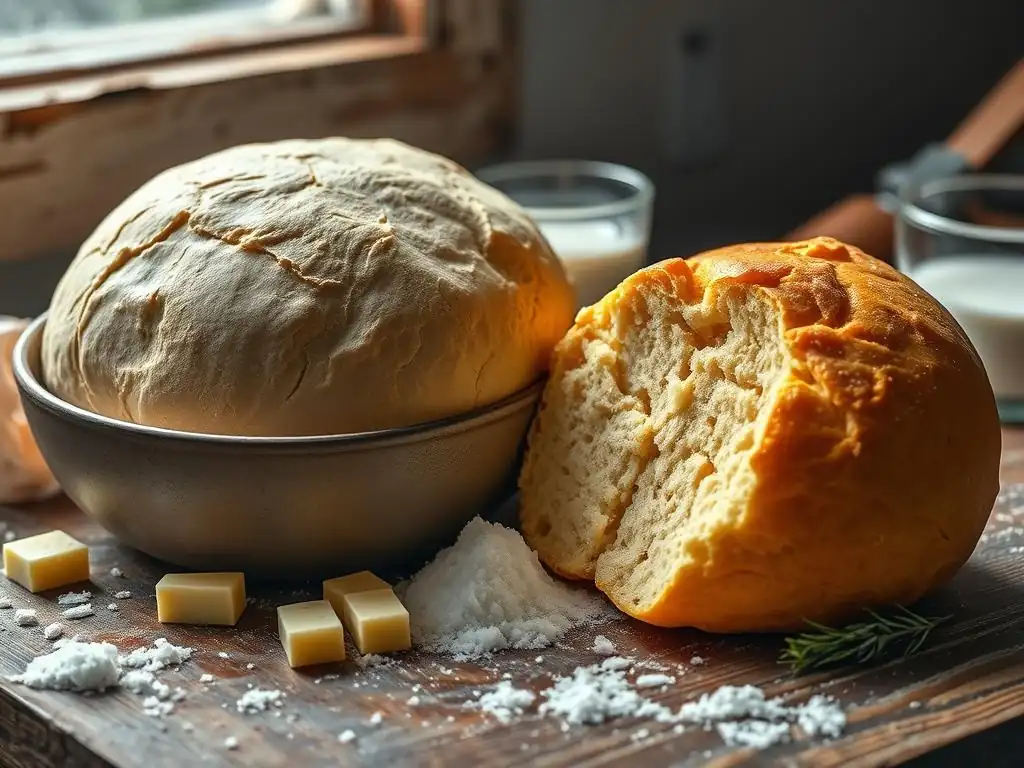
Welcome to BakeWithEase, your trusted guide to the delightful world of baking! Ever wondered what separates a light, airy brioche from your everyday loaf of bread? This article dives into the brioche dough recipe basics, unlocking the secrets behind this rich and buttery delight. Discover the key differences and elevate your baking skills – prepare to be amazed at how simple it is to create bakery-worthy brioche at home!
- Brioche vs. Standard Bread Dough: A Comparative Analysis
- Foundations of Bread Dough: Brioche and Standard
- Comparative Analysis: Brioche and Standard Bread Dough
- Brioche Dough Techniques: A Detailed Exploration
- Standard Bread Dough: Techniques and Considerations
- Applications: Brioche vs. Standard Bread
- Enhancing Baking Skills: Mastering Both Doughs
- Final Thoughts and Tips: Brioche and Standard Bread
-
Frequently Asked Questions
- What is the key difference between brioche dough and standard bread dough?
- What makes brioche dough richer and more tender than standard bread dough?
- How does the proofing process differ between brioche and standard bread dough?
- What are some common uses for brioche dough, compared to standard bread dough?
- Why is brioche dough considered more challenging to work with than standard bread dough?
- Final Reflection: The Enduring Allure of Brioche
- Unleash Your Inner Baker: Master Brioche & Bread Dough!
Brioche vs. Standard Bread Dough: A Comparative Analysis
Foundations of Bread Dough: Brioche and Standard
Brioche: Definition and Distinguishing Characteristics
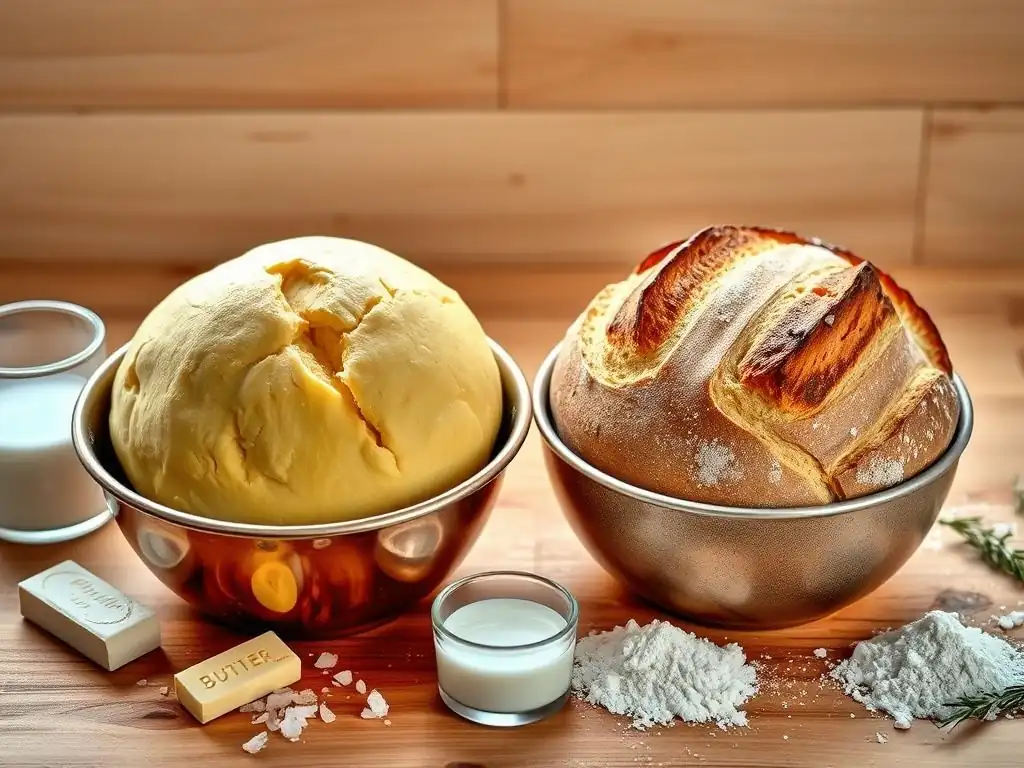
Brioche stands apart from standard bread dough primarily due to its rich content of butter and eggs. Unlike lean doughs which typically contain only flour, water, yeast, and salt, brioche is classified as an enriched dough. This means significant amounts of fat (butter), eggs, and often sugar are incorporated into the mixture. These additions drastically alter the dough's behavior, texture, and flavor compared to a simple loaf. A classic French brioche might contain butter making up 40% to 60% or even more of the flour's weight, along with a substantial number of eggs, adding richness and a golden hue.
The defining characteristics of brioche are its incredibly soft, tender crumb and its rich, buttery flavor. When baked, it develops a beautiful golden-brown crust, often shiny due to egg washes. This richness makes the dough quite soft and sticky to handle, especially before chilling. The high fat content inhibits gluten development compared to lean doughs, resulting in a less chewy texture and a closer, cake-like crumb, though still distinctly bread-like. Understanding the role of these rich ingredients is fundamental to mastering brioche dough recipe basics.
Standard Bread: A Fundamental Baking Recipe
Standard bread dough, often referred to as lean dough, represents the foundational elements of bread making globally. Its core ingredients are simple: flour, water, yeast, and salt. This minimalist composition allows for a wide range of variations based on flour type, hydration levels, and fermentation methods, but the basic structure relies on the interaction of these few components. The magic happens through gluten development, formed when flour proteins (glutenin and gliadin) combine with water and are worked through kneading, and the fermentation process driven by yeast, which produces carbon dioxide gas to leaven the dough.
This simplicity results in a bread with a characteristic chewy texture and a crust that can range from thin and crisp to thick and rustic, depending on the baking method. The flavor is typically more savory or sometimes tangy, especially in long-fermented or sourdough versions, compared to the sweetness of enriched doughs. Standard bread serves as the basis for countless staples, from rustic country loaves and baguettes to simple sandwich bread, showcasing the versatility achievable with just four core ingredients and a solid understanding of fundamental brioche dough recipe basics principles applied to a leaner context.
Comparative Analysis: Brioche and Standard Bread Dough
Ingredient Composition: Brioche vs. Standard
Flour: Types and Protein Levels
Both brioche and standard bread dough rely on flour as their primary structural component, but the ideal protein content can differ. For standard bread, particularly those requiring significant structure and chew, bakers often opt for bread flour, which typically has a higher protein content (around 12-14%). This higher protein facilitates robust gluten development during kneading, leading to a strong network capable of trapping fermentation gases and creating an open, airy crumb.
Brioche dough recipe basics often suggest using a slightly lower protein flour, such as all-purpose flour (around 10-12% protein), or a blend. While gluten development is still necessary, the high levels of fat and eggs in brioche interfere with this process. Using a flour with excessively high protein might lead to a tougher crumb than desired for a rich brioche. The goal is enough gluten development for structure, but not so much that it creates chewiness, prioritizing softness instead.
Fat: The Significance of Butter in Brioche
Fat is the most significant differentiator between brioche and standard bread dough, and in brioche, that fat is almost exclusively butter. Standard bread doughs contain little to no added fat (though flour itself contains a small amount). The generous amount of butter in brioche, often 40-60% or even 80% of the flour weight, serves multiple critical functions. It shortens the gluten strands, inhibiting excessive gluten development and contributing to the dough's characteristic tenderness and soft crumb.
Furthermore, butter adds immense richness and flavor. As the butter melts during baking, it creates steam within the dough structure, contributing to lift, and leaves behind a delicate, moist texture. Properly incorporating the butter into the brioche dough is a crucial step in mastering brioche dough recipe basics, often done gradually after the initial dough has developed some gluten, ensuring even distribution and optimal results.
Eggs: Impact on Texture and Flavor in Brioche
Eggs are another key ingredient that distinguishes brioche from standard bread doughs. While standard bread uses only water to hydrate the flour, brioche substitutes a significant portion, sometimes all, of the liquid with eggs. Eggs bring protein, fat, and lecithin to the dough. The proteins contribute to structure alongside gluten, while the fat and lecithin help to emulsify the dough, creating a smooth, uniform texture.
The addition of eggs results in a richer, more flavorful, and more tender crumb. They also lend a beautiful golden color to both the interior and exterior of the baked bread. The yolks, in particular, contribute fat and richness, while the whites provide structure. Understanding how eggs interact with other ingredients is vital for successful brioche dough recipe basics, ensuring the dough is moist, rich, and has the desired velvety texture.
Sugar: Sweetness and its Influence on Dough
Sugar is typically absent or present in very small quantities (1-2%) in standard bread dough, primarily serving as food for the yeast to kickstart fermentation. In contrast, brioche dough often contains a noticeable amount of sugar, typically ranging from 5% to 15% or even higher of the flour weight. This sugar contributes to the characteristic slight sweetness of brioche.
Beyond flavor, sugar plays several roles in brioche. It helps to tenderize the crumb by interfering with gluten development, much like fat. Sugar also retains moisture, contributing to a softer texture and potentially extending the shelf life of the baked bread. Furthermore, sugar contributes to a darker, more appealing crust color through caramelization and the Maillard reaction during baking, a visual hallmark of well-baked brioche.
Yeast: Activation and Fermentation Differences
Yeast is the leavening agent in both brioche and standard bread doughs, but its activity can differ due to the ingredient composition. In standard bread, yeast ferments the sugars in the flour (and any added sugar), producing carbon dioxide gas and alcohol, which cause the dough to rise and contribute to flavor. Yeast typically thrives in the relatively lean environment of standard dough.
In brioche, the high concentration of sugar and fat can sometimes slow down yeast activity. Sugar, in high amounts, can draw water away from the yeast cells through osmosis, inhibiting them. Fat can also coat yeast cells, potentially impeding their access to sugars. Therefore, brioche dough recipes often call for a slightly higher amount of yeast than standard bread, or they rely on longer fermentation times, particularly cold proofing, to allow the yeast sufficient time to work despite the challenging environment. Patience is key when dealing with the fermentation aspect of brioche dough recipe basics.
Texture and Structure: The Impact of Ingredients
Brioche: The Resulting Rich and Tender Crumb
The generous inclusion of butter, eggs, and sugar in brioche dough directly leads to its signature tender and rich crumb structure. The fat from butter coats the flour particles and gluten strands, inhibiting the formation of a strong, cohesive gluten network that would otherwise create chewiness. This "shortening" effect of the fat results in a crumb that breaks apart easily and feels soft and moist in the mouth.
Eggs contribute protein and fat, further enriching the dough and providing a delicate structure that complements the limited gluten development. The combination creates a crumb that is denser and closer-knit than many standard breads, yet incredibly soft and almost cake-like in its tenderness. This unique texture is a hallmark of well-made brioche and a primary goal when practicing brioche dough recipe basics.
Standard Bread: The Resulting Chewy Texture
In contrast to brioche, standard bread dough is designed to maximize gluten development, resulting in its characteristic chewy texture. With only flour and water providing the structure, the gluten network formed through kneading is robust and elastic. This strong network is essential for trapping the gases produced by yeast fermentation, allowing the bread to rise significantly and create an open, airy crumb structure with irregular holes.
The lack of significant fat or sugar means there are fewer elements to interfere with gluten formation. This allows the baker to develop a strong, extensible dough that can be shaped and baked into loaves with a satisfying chew. The interplay between gluten strength and the size and distribution of air pockets defines the crumb of standard bread, offering a textural experience quite different from the richness of brioche.
Flavor Profiles: Exploring Nuances
Brioche: The Signature Buttery Sweetness
The flavor profile of brioche is unmistakably rich and decadent, dominated by the taste of butter and a subtle sweetness. The high percentage of butter contributes a deep, creamy, and slightly nutty flavor that permeates the entire loaf. This is complemented by the sweetness from the added sugar, which is usually present in enough quantity to be noticeable but not overwhelming, creating a balanced, slightly sweet bread.
Eggs also contribute to the flavor, adding a subtle richness and depth that rounds out the profile. The overall taste is far from the savory character of standard bread, leaning more towards a pastry or dessert, though it remains versatile enough for both sweet and savory applications. Achieving this signature buttery sweetness is a key aspect of mastering brioche dough recipe basics.
Standard Bread: The Signature Savory Character
Standard bread dough, lacking significant amounts of sugar or fat, typically presents a more savory and complex flavor profile. The primary flavors come from the fermented flour itself and the salt. Long fermentation times, especially in sourdough or slow-rising yeasted breads, allow for the development of complex organic acids and other compounds that contribute nutty, tangy, or malty notes.
Salt, while not a flavor in itself in large quantities, is crucial for enhancing the natural flavors of the flour and fermentation. It also helps to control yeast activity. The resulting taste is clean, often slightly acidic depending on the fermentation method, and serves as a versatile base for countless meals, designed to complement other foods rather than stand alone with the richness of brioche.
Brioche Dough Techniques: A Detailed Exploration
The Role of Cold Proofing in Brioche Development
Cold proofing, or allowing the brioche dough to rise slowly in the refrigerator for an extended period (often 12-48 hours), is a technique frequently employed and highly beneficial for brioche dough recipe basics. This slow, cool fermentation allows the yeast to work at a much slower pace.
While rising is slower, this extended time in the cold dramatically enhances the flavor development of the dough. Enzymes in the flour have more time to break down starches into sugars, providing more food for the yeast and beneficial bacteria (even in non-sourdough doughs), leading to a more complex and nuanced flavor profile.
Beyond flavor, cold proofing also firms up the dough significantly. Brioche, with its high butter content, is notoriously soft and sticky at room temperature. Chilling the dough solidifies the butter, making the dough much easier to handle, shape, and score without it collapsing or sticking excessively. This improved handling is invaluable for shaping rolls, braids, or loaves, ensuring better structure and appearance in the final baked product. It's a technique that elevates simple brioche dough recipe basics to a higher level.
Optimal Mixing Methods for Brioche
Mixing brioche dough differs significantly from standard bread dough due to the high fat content. Traditional methods often involve incorporating the butter very gradually after the initial dough (flour, water/eggs, yeast, sugar, salt) has developed some gluten. This is commonly done using a stand mixer with a dough hook, as the dough can be quite sticky and heavy. The process often takes longer than mixing a lean dough, potentially 15-20 minutes or more.
The butter is typically added piece by piece to the well-developed dough, allowing each addition to be fully incorporated before adding the next. This gradual approach ensures the fat is evenly distributed throughout the dough, leading to a uniform texture and richness. Overmixing should be avoided, but sufficient mixing is needed to pass the "windowpane test" (stretching a small piece of dough thin enough to see light through it) before the final butter additions, indicating adequate gluten development despite the fat. Mastering this mixing technique is central to successful brioche dough recipe basics.
Troubleshooting Common Brioche Issues
Brioche dough, being rich and delicate, can present unique challenges. One common issue is a dough that is too sticky to handle, even after chilling. This can result from inaccurate ingredient measurements, particularly too much liquid (from eggs or milk, if used) or insufficient flour relative to the fat. Ensuring precise measurements, especially by weight, is crucial. If the dough remains excessively sticky after initial mixing and chilling, a small amount of additional flour can sometimes be kneaded in sparingly.
Another frequent problem is poor rise. The high fat and sugar content can inhibit yeast activity. Ensuring your yeast is fresh and active is paramount. Using slightly warmer liquid (around 90-100°F or 32-38°C) to activate the yeast initially can help. Allowing adequate proofing time, often longer than for lean doughs, and utilizing cold proofing for primary fermentation can also improve rise. Baking at the correct temperature is also vital; if the oven is too cool, the fat can melt and leak out before the structure is set. Addressing these points is key to successful brioche dough recipe basics.
Standard Bread Dough: Techniques and Considerations
Utilizing Various Bread Flours
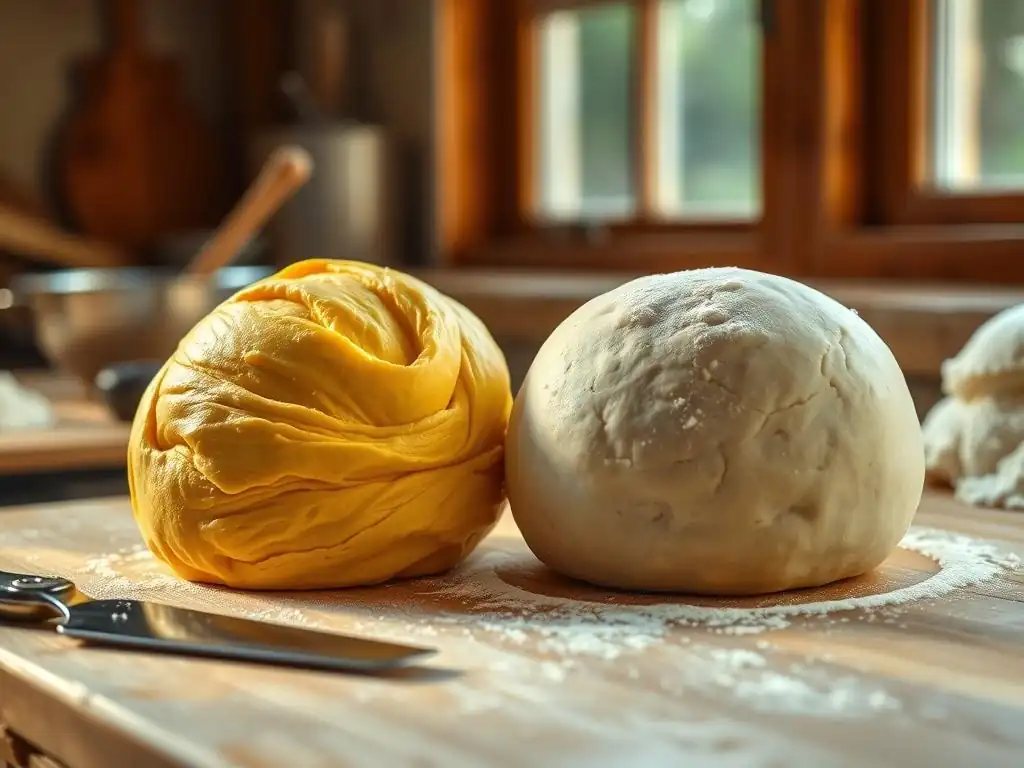
Standard bread dough offers immense flexibility in the type of flour used, each contributing different characteristics to the final loaf. High-protein bread flour is excellent for creating chewy, structured loaves like baguettes or sourdough, as its high gluten potential allows for significant development and gas retention. All-purpose flour, with its moderate protein level, is versatile and works well for many everyday breads, providing a balance of structure and tenderness.
Whole wheat flour, rye flour, and other specialty flours introduce stronger flavors, denser textures, and higher nutritional content. These flours often have different hydration requirements and gluten-forming properties compared to white flour, requiring adjustments in mixing and proofing techniques. Understanding how different flours behave is fundamental to standard bread baking and complements the skills learned from brioche dough recipe basics by highlighting the impact of ingredients on dough structure.
Effective Kneading for Gluten Development
Kneading is a critical step in standard bread dough preparation, essential for developing the gluten network. As flour proteins (glutenin and gliadin) mix with water, they begin to form gluten strands. Kneading mechanically aligns and strengthens these strands, creating an elastic, extensible network capable of trapping the carbon dioxide produced by yeast. This process can be done by hand, requiring rhythmic folding and pushing of the dough, or by using a stand mixer with a dough hook.
Proper kneading results in a dough that is smooth, elastic, and no longer sticky. The "windowpane test" is a common indicator of sufficient gluten development: a small piece of dough can be gently stretched thin enough to see light through it without tearing. Insufficient kneading leads to a dense crumb with poor volume, while over-kneading is less common but can result in a tough dough. Mastering kneading is a core skill in standard bread baking.
Proofing and Baking Standard Bread
Proofing is the process where the yeast ferments the dough, causing it to rise and develop flavor. Standard bread dough typically undergoes one or two proofing stages at room temperature, or a longer, slower cold proof in the refrigerator. The first rise (bulk fermentation) develops flavor and initial volume, while a second, shorter rise after shaping (final proof) gives the loaf its final form and aeration before baking. Proper proofing is crucial; under-proofed dough results in dense bread, while over-proofed dough can collapse or have a poor texture.
Baking transforms the dough into bread. High oven temperatures (often 400-500°F or 200-260°C) are common. The initial burst of heat causes "oven spring," a rapid expansion of the dough as gases expand and yeast activity peaks. Steam is often used in the oven during the first part of baking to keep the crust pliable, allowing for maximum expansion and contributing to a crisp crust. As baking continues, the internal temperature reaches around 200-210°F (93-99°C), killing the yeast and setting the structure.
Applications: Brioche vs. Standard Bread
Brioche Applications: Diverse Culinary Uses
The rich, tender nature of brioche makes it incredibly versatile in the kitchen, lending itself to both sweet and savory preparations. Its inherent slight sweetness and buttery flavor make it perfect for breakfast pastries like pain au chocolat (though traditionally made with croissant dough, brioche is a common substitute), or simply toasted and served with jam. It's the ideal bread for French toast, soaking up the custard beautifully without falling apart.
Beyond breakfast, brioche is widely used for burger buns and sandwich rolls, providing a soft, rich counterpoint to savory fillings. Its richness also makes it suitable for desserts like bread pudding or even savory applications like stuffing. The versatility of brioche stems directly from understanding brioche dough recipe basics and how its unique composition performs in different culinary contexts.
Standard Bread Applications: Diverse Culinary Uses
Standard bread, with its simpler, more savory profile and often chewier texture, is perhaps even more ubiquitous in its applications. It forms the basis of countless meals around the world. From simple sliced sandwich bread to rustic freeform loaves served with soup or cheese, its primary role is often as an accompaniment or a vessel for other ingredients.
Examples include baguettes used for subs or bruschetta, ciabatta for panini, country loaves for toast or crostini, and rye bread for deli sandwiches. Its structure holds up well to slicing and toasting, and its flavor complements a wide range of sweet and savory toppings and fillings. Understanding the fundamental standard bread dough recipe basics allows bakers to create the perfect base for virtually any meal.
Enhancing Baking Skills: Mastering Both Doughs
Applying Brioche Techniques to Other Doughs
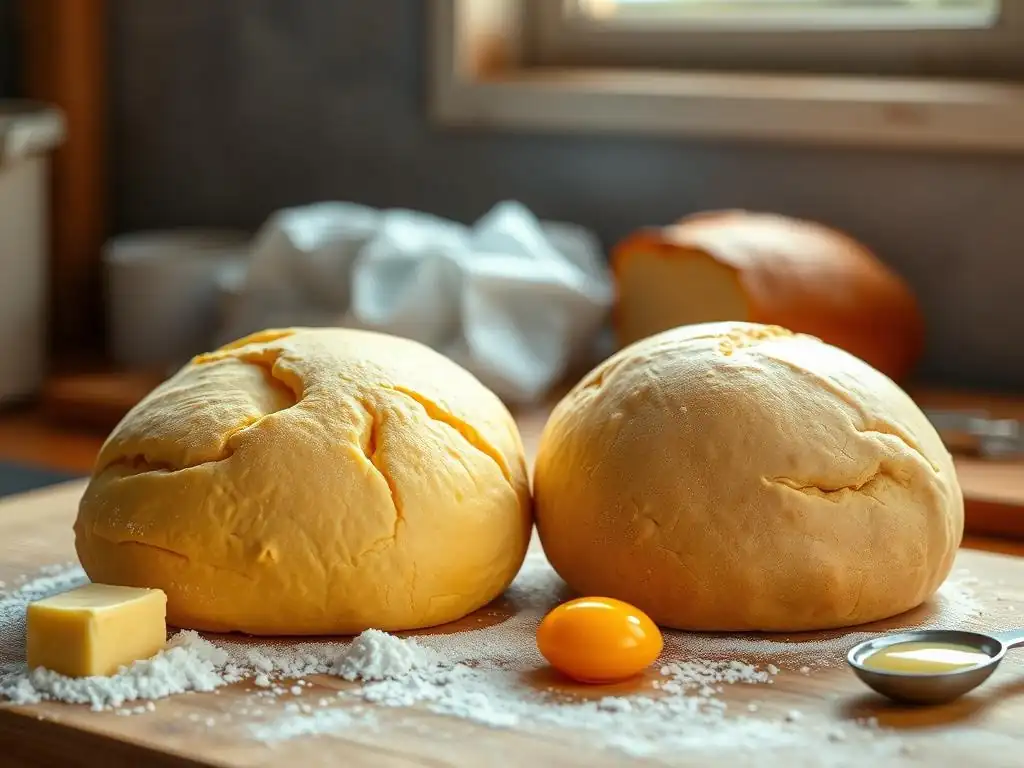
Mastering brioche dough recipe basics provides valuable skills that can be applied to other enriched doughs and even some lean doughs. The techniques for gradually incorporating fat, managing a soft, sticky dough, and understanding the role of eggs and sugar in structure and tenderness are directly applicable to making other rich breads like challah, babka, or cinnamon rolls.
Furthermore, the patience required for long, cold proofing in brioche can be used to enhance the flavor of many standard bread doughs. Learning to handle a delicate, high-fat dough like brioche also improves a baker's general dough handling skills, making them more comfortable working with a variety of textures and consistencies, ultimately broadening their overall baking repertoire.
Exploring Beyond Brioche: Enriched Dough Variations
Once comfortable with brioche dough recipe basics, bakers can explore the vast world of other enriched doughs, each with its own unique characteristics. Challah, a traditional Jewish bread, is enriched with eggs and often oil or butter, resulting in a soft, slightly sweet, and often braided loaf. Babka is a sweet, enriched bread twisted or layered with fillings like chocolate or cinnamon.
Other examples include sticky buns, panettone (a highly enriched Italian Christmas bread), and various sweet rolls. Each of these utilizes the principles of enriched doughs but varies the ratios of fat, sugar, and eggs, and incorporates different mixing, shaping, and proofing techniques. Exploring these variations deepens the understanding of how ingredients influence dough behavior and final product characteristics.
Final Thoughts and Tips: Brioche and Standard Bread
Achieving Optimal Rise in Brioche
Achieving a good rise in brioche can be challenging due to its richness. To optimize rise, ensure your yeast is active; dissolve it in a small amount of warm liquid (around 100°F/38°C) with a pinch of sugar before adding to the main ingredients. Be patient with proofing times; brioche often takes longer to rise than lean dough, especially during the first rise.
Cold proofing is highly recommended for the initial fermentation, as it allows for a slow, steady rise and firms the dough for easier handling. During the final proof after shaping, ensure the dough is in a warm, draft-free place, but be careful not to overproof, which can cause the delicate structure to collapse. Look for the dough to be visibly puffy and increased in size, but not necessarily doubled, especially with very rich doughs.
Managing High-Fat Doughs Effectively
Working with high-fat doughs like brioche requires specific handling techniques. Keep the dough and your hands cool whenever possible, especially when shaping; chilling the dough thoroughly makes it much less sticky. If the dough becomes too warm and difficult to handle during shaping, pop it back into the refrigerator for 10-15 minutes to firm up.
Avoid adding too much extra flour while kneading or shaping, as this can dry out the dough and make the final product tough. A light dusting is usually sufficient if the dough is properly chilled. Cleaning up after brioche can be messy due to the butter; using cold water initially to wash tools and surfaces helps prevent the butter from melting and spreading further.
Storage and Preservation of Brioche and Standard Bread
Both brioche and standard bread are best enjoyed fresh, but they can be stored. Standard bread, especially lean varieties with crisp crusts, is often stored at room temperature in a bread box or paper bag to preserve the crust texture, though this can lead to drying. For longer storage, it can be wrapped tightly and frozen.
Brioche, due to its high fat content, tends to stay moist longer than standard bread. It is best stored at room temperature, wrapped tightly in plastic wrap or stored in an airtight container to prevent it from drying out. Avoid refrigerating brioche unless you plan to toast it, as refrigeration can accelerate staling. For longer storage, brioche freezes exceptionally well; wrap individual portions or the whole loaf tightly in plastic wrap and then foil or a freezer bag. Thaw at room temperature.
Frequently Asked Questions
What is the key difference between brioche dough and standard bread dough?
The primary difference lies in the fat content. Brioche dough is enriched with a high proportion of butter and eggs, while standard bread dough uses minimal or no fat.
What makes brioche dough richer and more tender than standard bread dough?
The high fat content from butter and eggs in brioche dough inhibits gluten development. This results in a softer, more tender and richer texture compared to standard bread.
How does the proofing process differ between brioche and standard bread dough?
Brioche dough often requires a longer and colder proofing process, sometimes overnight in the refrigerator. This slow fermentation develops flavor and strengthens the dough structure to handle the high fat content.
What are some common uses for brioche dough, compared to standard bread dough?
Brioche dough is often used for sweet applications like pastries, buns, and enriched breads, due to its rich flavor. Standard bread dough is more versatile for savory breads, sandwiches, and rolls.
Why is brioche dough considered more challenging to work with than standard bread dough?
The high butter content can make brioche dough sticky and harder to handle. It's crucial to keep the ingredients cold and properly knead the dough to develop sufficient gluten strength to support the rich, heavy ingredients.
Final Reflection: The Enduring Allure of Brioche
The seemingly simple difference between brioche and standard bread dough speaks volumes about the power of ingredients and technique in baking, a craft that continues to captivate and inspire. Understanding these nuances, as explored throughout this article, isn't just about perfecting a recipe; it's about appreciating the artistry involved in transforming humble flour and water into something truly extraordinary. The rich, buttery texture and delicate flavor of brioche are a testament to this artistry, a delicious reward for those willing to explore the subtle complexities of baking.
The journey of understanding brioche dough has been a personal one, revealing the deep satisfaction found in mastering a seemingly simple process. It's a journey shared by bakers across cultures and generations, a testament to the enduring appeal of this enriched dough. As the renowned baker, Paul Hollywood, once said, Baking is about precision, but it's also about passion. You have to feel the dough, understand its needs.
This sentiment perfectly encapsulates the essence of brioche baking, highlighting the importance of both technical skill and intuitive understanding.
Now, consider your own baking journey. Perhaps you've already experimented with brioche, or maybe this article has sparked a newfound curiosity. I encourage you to embrace the challenge, to explore the subtle variations in ingredients and techniques, and to discover the joy of creating something truly special. The next time you bite into a perfectly golden-brown brioche, remember the journey it took to get there – a journey of understanding, patience, and ultimately, delicious reward. Let the subtle magic of brioche inspire your own culinary adventures.
Unleash Your Inner Baker: Master Brioche & Bread Dough!
Thanks for taking the time to explore the fascinating world of bread dough! You've now unlocked the secrets to differentiating brioche from standard bread – a skill that will elevate your baking game. Ready to put your new knowledge to the test?
- Bake a Brioche masterpiece: Try your hand at our classic Brioche recipe (link to be inserted here if appropriate) – the rich, buttery flavor is unforgettable! This is your chance to truly experience the difference.
- Share your bread adventures: Show off your baking skills and inspire others! Share photos of your creations on social media using #BakeWithEaseBrioche.
- Dive deeper into dough: Explore other exciting bread recipes on BakeWithEase.com (link to be inserted here if appropriate). What other dough techniques are you curious to master?
What delicious bread will you bake next?