
Salted vs. Unsalted Caramel: How to Balance Sweet & Salty in Your Bakes

Welcome to BakeWithEase, your companion on the journey to baking bliss! Ever wondered why some salted caramel desserts sing while others fall flat? Dive in as we unravel the secrets behind balancing sweet and salty in your bakes, especially when it comes to mastering that irresistible salted caramel baking recipe. Get ready to elevate your desserts and impress with every bite!
- Understanding Caramel: A Baker's Guide
- Salted Caramel Baking: A Deep Dive
- Unsalted Caramel in Baking: The Classic Sweet Treat
- Salted vs. Unsalted Caramel: A Detailed Comparison for Baking Projects
- Mastering the Sweet & Salty Balance in Your Caramel Baking
- Troubleshooting Your Caramel: Common Baking Problems & Solutions
-
Baking with Salted Caramel: Recipe Ideas and Inspiration
- Salted Caramel Cakes: Salted Caramel Chocolate Cake with Sea Salt
- Salted Caramel Cookies: Salted Caramel Oatmeal Cookies
- Salted Caramel Brownies: Salted Caramel Pretzel Brownies
- Unsalted Caramel Apple Pie: Dutch Apple Pie with Caramel Sauce
- Unsalted Caramel Pecan Bars: Butter Pecan Caramel Bars
- Unsalted Caramel Cupcakes: Caramel Buttercream Cupcakes
- Storing Your Caramel: Best Practices for Freshness
- Beyond Recipes: Advanced Caramel Baking Techniques
-
Frequently Asked Questions
- What's the main difference between using salted caramel and unsalted caramel in a baking recipe?
- How does using pre-made salted caramel affect the final taste of a salted caramel baking recipe?
- If a salted caramel baking recipe calls for "salted butter," can I skip adding extra salt if I'm using salted caramel?
- What are some common mistakes people make when baking with salted caramel?
- Can I easily convert an unsalted caramel recipe to a salted caramel recipe?
- Final Reflection: The Enduring Allure of Sweet and Salty
- Unlock Your Caramel Confidence: Sweet & Salty Baking Mastery
Understanding Caramel: A Baker's Guide
What is Caramel? Exploring the Basics
Caramel is a confectionery product made by heating sugars to a specific temperature, causing them to brown and develop a rich, complex flavor. At its simplest, caramel is just heated sugar, but often ingredients like butter, cream, milk, or water are added to create different textures and forms, such as sauces, candies, or fillings. The process transforms plain sugar into a substance with notes ranging from nutty and buttery to slightly bitter, depending on the degree of caramelization. This transformation is fundamental to many classic desserts and is a technique every baker benefits from understanding.
Beyond its basic form, caramel serves a multitude of purposes in baking. It can be a luscious pour-over sauce for cakes and ice cream, a chewy filling for chocolates or cookies, a hard candy inclusion in brownies, or even a base flavor for frostings and mousses.
The versatility of caramel makes it a staple in bakeries worldwide. Mastering the art of making caramel, from its initial melting stages to achieving the desired consistency and color, is a key skill that unlocks a vast array of dessert possibilities, whether you're aiming for a simple sweet treat or a sophisticated salted caramel creation.
The Science of Caramelization: Achieving Perfect Color & Flavor
Caramelization is a complex chemical reaction that occurs when sugars are heated to high temperatures, typically starting around 320°F (160°C). As the sugar molecules break down and rearrange, they form hundreds of new compounds, which are responsible for caramel's distinctive brown color and rich aroma. This process doesn't require water, but adding a small amount can help the sugar heat more evenly and prevent scorching initially. The longer the sugar is heated, and the higher the temperature reaches (up to about 350°F or 175°C before burning), the darker the caramel becomes and the more bitter its flavor.
Monitoring the temperature is crucial for controlling the outcome of caramelization. A light amber color, achieved around 320-330°F (160-165°C), yields a sweet, delicate flavor often used for sauces. A medium amber, around 335-345°F (168-174°C), offers a more pronounced, nutty flavor suitable for candies or more robust sauces.
Pushing it to a dark amber, near 350°F (175°C), results in a deeper, slightly bitter profile often desired in professional pastries or when making burnt sugar caramel. Understanding these temperature stages and their corresponding flavor profiles is essential for tailoring your caramel to your specific baking needs, whether it's for a simple drizzle or a complex salted caramel baking recipe.
Salted Caramel Baking: A Deep Dive
The Allure of Salted Caramel: Why Bakers Love It
Salted caramel has captivated bakers and dessert lovers alike with its irresistible combination of sweet and salty. The addition of salt, typically sea salt or kosher salt, doesn't just add a salty taste; it enhances and balances the sweetness of the caramel, creating a more complex and nuanced flavor profile. Salt acts as a flavor enhancer, making the sweet notes pop while also cutting through the richness, preventing the caramel from being overly cloying. This interplay of contrasting flavors creates a truly addictive experience that elevates standard baked goods.
Bakers appreciate salted caramel for its ability to add depth and sophistication to a wide range of desserts. A swirl of salted caramel sauce can transform a simple brownie or cupcake into something special. Incorporating it into a batter, like in a salted caramel chocolate cake, adds moisture and a unique flavor dimension. The slight crunch of flaky sea salt sprinkled on top of a salted caramel treat also provides a pleasing textural contrast. The versatility of salted caramel makes it a favorite for innovating classic desserts and creating exciting new salted caramel baking recipes.
Salted Caramel Baking: Key Ingredients and Their Roles
Creating delicious salted caramel relies on a few key ingredients, each playing a vital role. Sugar is the foundation, providing the base for caramelization. Granulated sugar is most common, but brown sugar can add molasses notes. A liquid, often water or corn syrup, helps control crystallization during the heating process. Dairy, such as heavy cream or butter, is added after caramelization to create a smooth, rich sauce or chewy candy. The fat from the butter and cream emulsifies with the sugar, providing a luxurious texture and mellowing the intense sweetness.
The star ingredient that transforms classic caramel into its coveted salted form is, of course, salt. The type of salt used significantly impacts the final result. Fine sea salt dissolves easily and provides a consistent saltiness throughout. Flaky sea salt, like Maldon, is excellent for sprinkling on top of finished salted caramel treats, offering bursts of saltiness and a pleasant crunch. Kosher salt is also a good option, providing clean salinity without additives found in some table salts. The choice and amount of salt are critical for achieving the perfect balance in any salted caramel baking recipe.
Unsalted Caramel in Baking: The Classic Sweet Treat
When to Choose Unsalted Caramel: Applications in Baking
Unsalted caramel, the pure, straightforward form of caramelized sugar, is the foundation for many classic desserts and offers a different character than its salted counterpart. Without the addition of salt, the unadulterated sweetness and nutty undertones of the caramelized sugar take center stage. This makes unsalted caramel ideal for applications where you want the sugar's transformation to be the primary flavor, or where other components of the dessert will provide balance. It's perfect for creating traditional caramel candies, brittle, or a simple caramel sauce intended purely for sweetness.
Unsalted caramel is frequently used as a base for pralines, nougat, and other confections where a clean, sweet caramel flavor is desired. In pies, like a classic caramel apple pie or pecan pie, unsalted caramel provides the gooey, sweet binding without the distraction of salt, allowing the fruit or nuts to shine. It's also the go-to for making spun sugar decorations or caramel cages, where the focus is on texture and appearance rather than complex flavor layering. Choosing unsalted caramel is about embracing the pure, rich sweetness that only properly caramelized sugar can provide.
Unsalted Caramel Recipe: A Foundation for Sweet Creations
A basic unsalted caramel recipe often starts with just sugar and water. A common ratio is 1 cup of granulated sugar to about 1/4 cup of water. The mixture is heated without stirring initially, allowing the sugar to dissolve and then begin the caramelization process. Once the mixture starts to change color, swirling the pan gently can ensure even heating. The temperature is carefully monitored until the desired amber color is reached, typically between 320°F and 350°F (160-175°C).
After reaching the target temperature, ingredients like butter and cream are often added to create a smooth sauce. For instance, incorporating 1/4 cup of butter and 1/2 cup of warm heavy cream into the hot caramel will yield a pourable caramel sauce perfect for drizzling. This base recipe can be adapted for various uses. Cooking the sugar to a higher temperature (around 300-310°F or 149-154°C) and adding butter and nuts results in brittle. Skipping the dairy and heating to a very high temperature produces hard candy. This simple unsalted caramel foundation is incredibly versatile for numerous sweet baking creations.
Salted vs. Unsalted Caramel: A Detailed Comparison for Baking Projects
Flavor Profiles: Salted Caramel's Tang vs. Unsalted Caramel's Pure Sweetness
The most significant difference between salted and unsalted caramel lies in their flavor profiles. Unsalted caramel offers a pure, intense sweetness derived solely from the caramelized sugar. Depending on the level of caramelization, it can range from delicate and buttery (light amber) to deeply sweet with slightly bitter undertones (dark amber). The focus is entirely on the transformation of sugar and the subsequent addition of dairy or other fats, resulting in a clean, rich sweetness that pairs well with fruits, nuts, and chocolate without adding another flavor dimension.
Salted caramel, on the other hand, introduces a dynamic contrast. The salt interacts with the sweetness, creating a more complex flavor experience. It highlights the sweet notes while simultaneously cutting through the cloying richness, making the caramel taste more balanced and intriguing. The salty tang provides a counterpoint that makes you want more, preventing flavor fatigue. This push-and-pull between sweet and salty is why salted caramel is often described as addictive and why it has become incredibly popular for adding a sophisticated twist to traditional baked goods and inspiring countless salted caramel baking recipes.
Texture Differences: Impact on Baked Goods
While the base caramelization process is the same, the addition of salt (and sometimes slightly different ratios of other ingredients in recipes designed for salted caramel) can subtly affect texture. When salt is added to a caramel sauce, especially fine salt, it dissolves and integrates smoothly. However, if flaky sea salt is used, particularly as a finishing sprinkle, it adds a distinct crystalline crunch that contrasts beautifully with the smooth, often gooey texture of the caramel itself. This textural contrast is a key element in many popular salted caramel treats like brownies or cookies.
Unsalted caramel, when made into a sauce, tends to have a uniformly smooth texture, assuming it hasn't crystallized. When used in candies or as a binding agent in bars, it creates a consistent chewiness or crunch depending on the cooking temperature. Without the intentional inclusion of salt crystals, the texture is solely determined by the sugar's structure and the added fats/liquids. While both types of caramel can be made into various textures (sauce, chewy, hard), the intended application in baking often dictates whether the textural contribution of salt crystals is desired, particularly in a complex salted caramel baking recipe.
Stability & Shelf Life: Which Caramel Lasts Longer in Your Treats?
Both salted and unsalted caramel sauces, when stored properly in airtight containers in the refrigerator, generally have a similar shelf life, typically around 2-3 weeks. The high sugar content acts as a preservative. However, the presence of salt can, in some cases, slightly extend the shelf life by inhibiting microbial growth, though this effect is often minimal compared to the preservation provided by the sugar itself. The primary factors affecting shelf life are storage conditions and the presence of other perishable ingredients (like dairy).
When incorporated into baked goods, the stability and shelf life of the caramel depend heavily on the specific recipe and how it's stored. A salted caramel sauce swirled into a cake batter might have a similar shelf life to the cake itself. A chewy salted caramel filling in a bar cookie might remain stable for a week or two. Unsalted caramel fillings or sauces follow similar guidelines. The key is proper storage – refrigeration is usually recommended for baked goods containing moist caramel elements to maintain freshness and prevent spoilage, regardless of whether it's salted or unsalted caramel.
Mastering the Sweet & Salty Balance in Your Caramel Baking
Controlling Saltiness: Achieving the Perfect Ratio
Achieving the ideal balance in salted caramel is crucial; too little salt leaves it merely sweet, while too much makes it unpleasantly savory. The "perfect" ratio is subjective and depends on personal preference and the application. A common starting point for a rich caramel sauce made with 1 cup of sugar and 1/2 cup of cream might be around 1/2 to 1 teaspoon of fine sea salt. However, it's always best to start with less and add more to taste, as saltiness can intensify as the caramel cools.
The type of salt also affects the perceived saltiness. Fine salt dissolves completely, distributing the saltiness evenly. Flaky sea salt provides concentrated bursts of saltiness. For a salted caramel baking recipe where the caramel is mixed into a batter or filling, fine salt is usually preferred for even distribution. For topping or finishing, flaky sea salt adds both flavor pops and texture. Tasting and adjusting is key; add salt incrementally, stirring well, until you reach that point where the salt just begins to highlight the sweetness without overpowering it.
Enhancing Flavors: Complementary Ingredients for Salted and Unsalted Caramel
Both salted and unsalted caramel can be enhanced with complementary flavors. Vanilla extract is a classic addition to both, adding warmth and depth that pairs beautifully with caramelized sugar. A teaspoon of high-quality vanilla stirred in at the end can elevate any caramel sauce. Other extracts like almond or maple can also be used sparingly for different flavor profiles.
For salted caramel, ingredients that pair well with both sweet and salty notes are excellent additions. Chocolate is a natural partner, whether it's dark chocolate stirred into the hot caramel for a rich ganache or chocolate chips in a salted caramel cookie. Nuts, like pecans or walnuts, add crunch and earthy notes that complement the sweet-salty profile. Even a touch of espresso powder can deepen the flavor of a salted caramel baking recipe, adding a subtle coffee note that enhances the richness.
Salted Caramel Baking Recipe Variations: Salted Caramel Cheesecake Bars
A fantastic way to showcase the sweet and salty balance is in Salted Caramel Cheesecake Bars. This popular salted caramel baking recipe typically features a cookie or graham cracker crust, a creamy cheesecake layer, and generous swirls of homemade or store-bought salted caramel sauce baked on top. The cheesecake provides a tangy, cool contrast to the rich, warm caramel.
After baking and cooling, these bars are often finished with an extra drizzle of salted caramel sauce and a sprinkle of flaky sea salt. This final touch emphasizes the "salted" aspect, providing both visual appeal and bursts of saltiness that cut through the sweetness of the cheesecake and caramel layers. It's a perfect example of how the interplay of textures and flavors in a salted caramel baking recipe creates a truly satisfying dessert experience.
Troubleshooting Your Caramel: Common Baking Problems & Solutions
Crystallization Issues: Preventing and Fixing Grainy Caramel
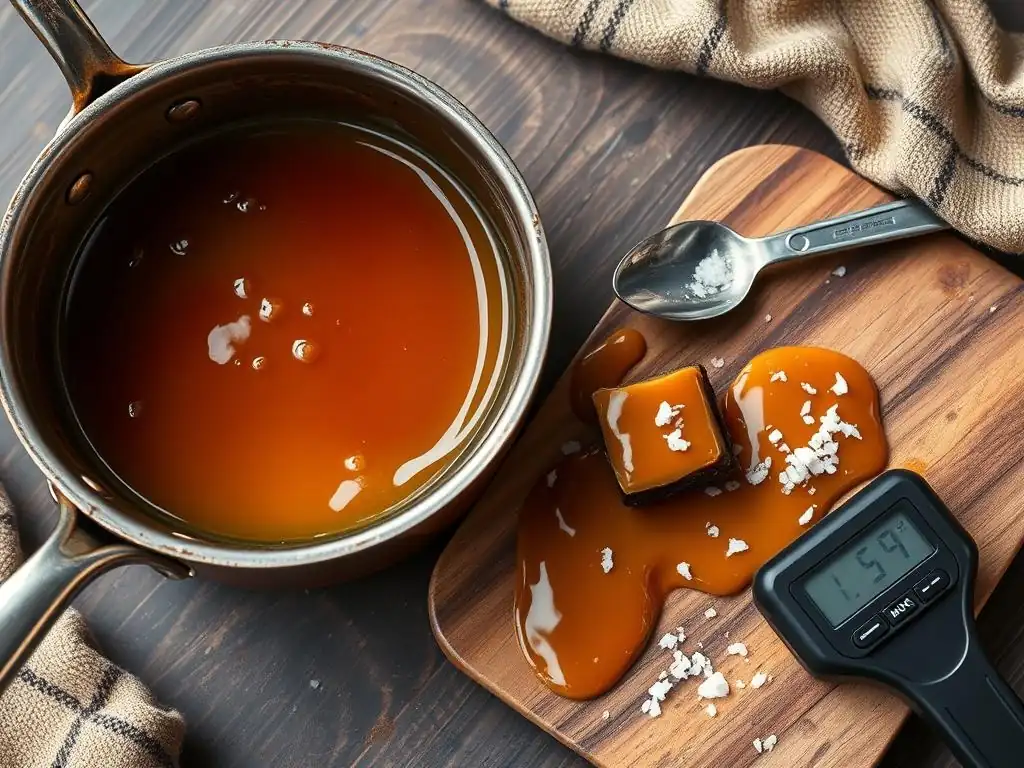
Crystallization is a common frustration when making caramel, resulting in a grainy, unusable product. This happens when sugar crystals, perhaps from the side of the pan or introduced by stirring too early, cause the dissolved sugar solution to recrystallize. To prevent this, ensure your pan is spotlessly clean. Use a wet pastry brush to wash down any sugar crystals that splash onto the sides of the pan during boiling. Avoid stirring the sugar mixture once it starts boiling until it begins to color, or swirl the pan gently instead of stirring.
If your caramel does crystallize, there are a few potential fixes, though success isn't always guaranteed. Sometimes, adding a small amount of hot water (very carefully, as it will steam violently) and gently reheating the mixture can dissolve the crystals. Another method is to add a tablespoon or two of corn syrup to the initial sugar-water mixture, as corn syrup contains glucose, which inhibits crystallization. If the crystallization is severe, it may be best to discard the batch and start over, paying close attention to the preventative steps.
Achieving the Right Consistency: From Sauce to Candies
The consistency of your caramel is primarily determined by the temperature it reaches during the initial caramelization phase and the amount of liquid (cream, butter, water) added afterward. Lower temperatures (around 230-240°F or 110-115°C, the "thread" or "soft ball" stage if using a candy thermometer) yield a very soft, gooey caramel, often used for fillings that remain soft. Heating sugar slightly higher, to around 245-250°F (118-121°C, "firm ball"), produces a chewy caramel suitable for candies or bars.
To make a pourable sauce, like for a salted caramel baking recipe drizzle, you typically heat the sugar to a full caramelization temperature (320-350°F or 160-175°C) and then add a significant amount of warm cream and butter. The more cream you add, the thinner the sauce will be. For a thicker sauce, use less cream or reduce the sauce gently after adding the dairy. Achieving the perfect consistency often requires practice and careful temperature monitoring with a reliable candy thermometer.
Burning Your Caramel: How to Avoid Over-Caramelization
Burning caramel is unfortunately easy to do, and once it's burnt, there's no fixing the acrid, bitter taste. Burning occurs when the sugar is heated too high or too quickly, typically above 350°F (175°C), or when the heat is uneven. To avoid this, use a heavy-bottomed, light-colored pan, which distributes heat more evenly and allows you to easily monitor the color change. Start with medium heat and be patient; caramelization takes time.
Watch the color constantly, especially as it transitions from a pale straw to amber. The darker the caramel gets, the faster it will go from perfectly done to burnt. Have your cream or butter measured and ready to add as soon as the desired color is reached, as adding these cooler ingredients stops the cooking process immediately.
If you're nervous, you can pull the pan off the heat just before it reaches the perfect color, as the residual heat will continue the process for a few moments. A burnt batch means starting over, but with practice, you'll learn to recognize the signs of perfect caramelization.
Baking with Salted Caramel: Recipe Ideas and Inspiration
Salted Caramel Cakes: Salted Caramel Chocolate Cake with Sea Salt
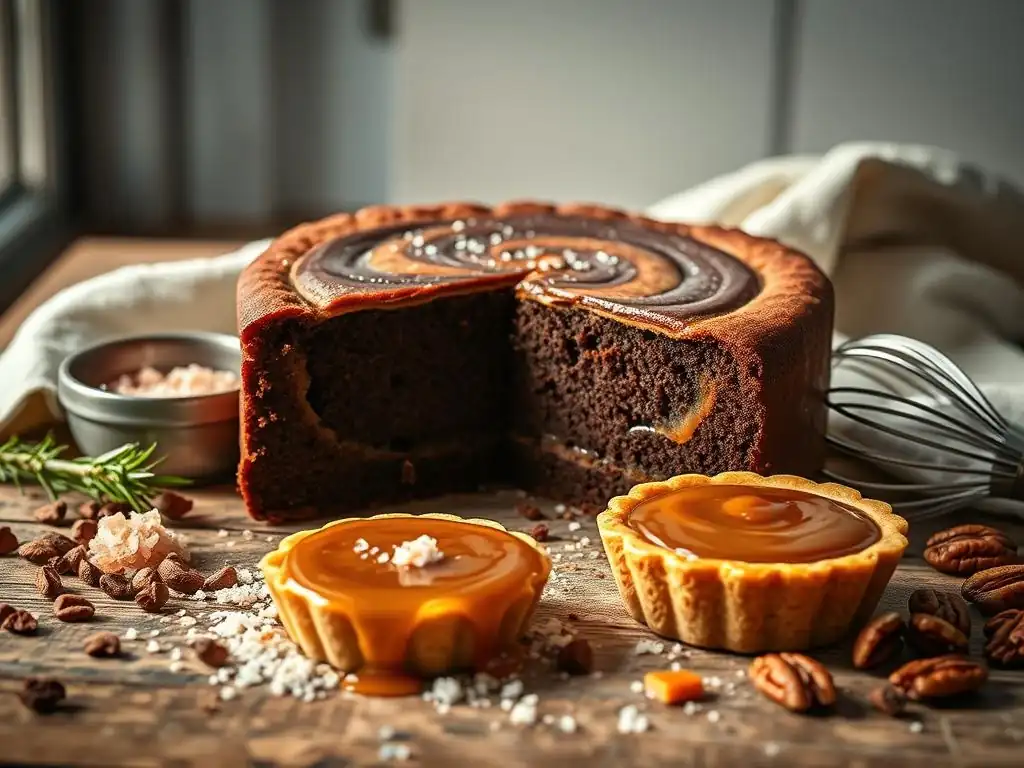
Salted caramel adds incredible depth to cakes. A popular option is a Salted Caramel Chocolate Cake. Imagine a moist chocolate cake layered or topped with a rich, gooey salted caramel sauce and perhaps a salted caramel buttercream. The slight bitterness of dark chocolate is a perfect foil for the intense sweetness and salty tang of the caramel.
One approach is to bake swirls of thick salted caramel sauce directly into the cake batter. Another is to use the salted caramel as a filling between layers or as a glaze. Finishing touches often include a drizzle of extra salted caramel sauce and a sprinkle of flaky sea salt just before serving, enhancing both flavor and presentation in this delightful salted caramel baking recipe variation.
Cookies offer a fantastic canvas for salted caramel. Salted Caramel Oatmeal Cookies combine the comforting texture of oatmeal cookies with pockets of chewy, salty-sweet caramel. You can achieve this by adding chopped salted caramel candies or swirls of thick salted caramel sauce into the cookie dough before baking.
As the cookies bake, the caramel softens and spreads, creating delightful gooey centers. A finishing sprinkle of flaky sea salt on top of the warm cookies further emphasizes the salted caramel flavor and adds a pleasant crunch. This type of salted caramel baking recipe is always a crowd-pleaser, offering a perfect blend of classic cookie comfort and modern flavor flair.
Salted Caramel Brownies: Salted Caramel Pretzel Brownies
Salted Caramel Brownies are a beloved treat, often featuring a layer or swirl of salted caramel sauce baked into rich, fudgy brownie batter. The combination of intense chocolate and sweet-salty caramel is simply divine. Variations include adding chocolate chips, nuts, or even pretzels for extra crunch and saltiness.
A popular twist is Salted Caramel Pretzel Brownies, where a layer of pretzels is placed on the bottom or mixed into the batter before swirling in the salted caramel. The pretzels add a fantastic salty crunch that heightens the salted caramel experience. Finishing these brownies with a final drizzle of sauce and sea salt creates an irresistible treat, making this a highly sought-after salted caramel baking recipe.
Unsalted Caramel Apple Pie: Dutch Apple Pie with Caramel Sauce
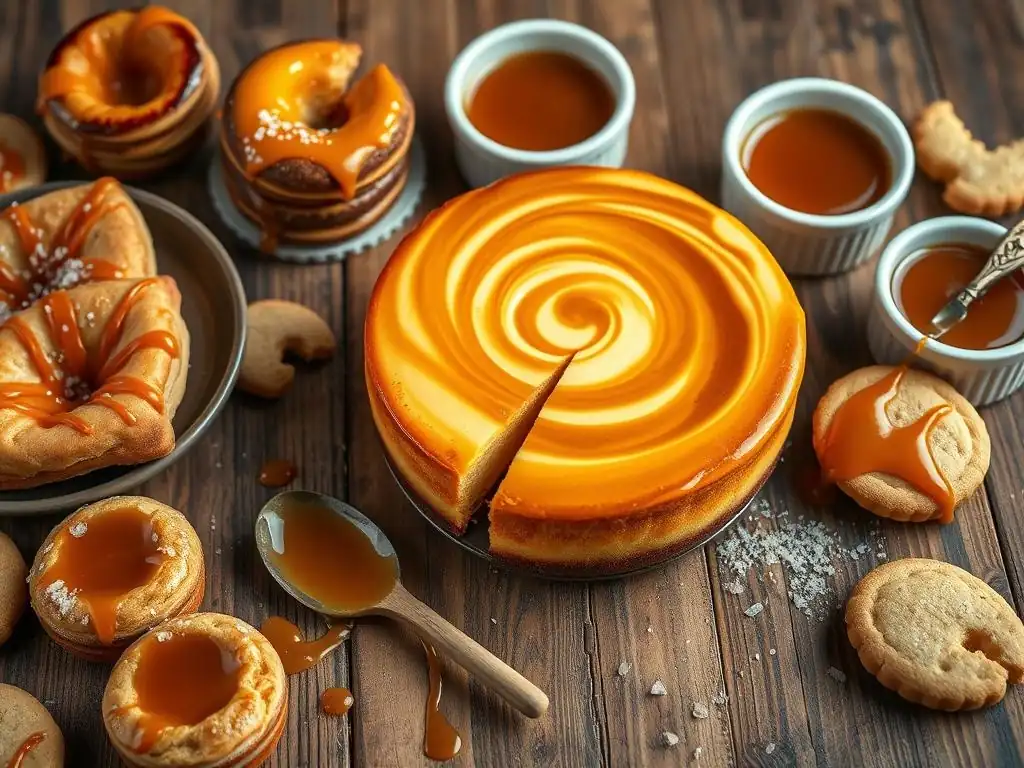
Unsalted caramel is a natural fit for classic fruit desserts, especially apple pie. An Unsalted Caramel Apple Pie, particularly a Dutch Apple Pie with Caramel Sauce, is a delightful twist on tradition. The unsalted caramel sauce is often poured over the apples before baking, or drizzled generously over the finished pie.
The pure sweetness of the unsalted caramel highlights the tartness of the apples and complements the buttery crust and crumb topping without adding competing saltiness. This allows the natural flavors of the fruit and pastry to remain prominent while adding a layer of rich, gooey sweetness that elevates the entire dessert.
Unsalted Caramel Pecan Bars: Butter Pecan Caramel Bars
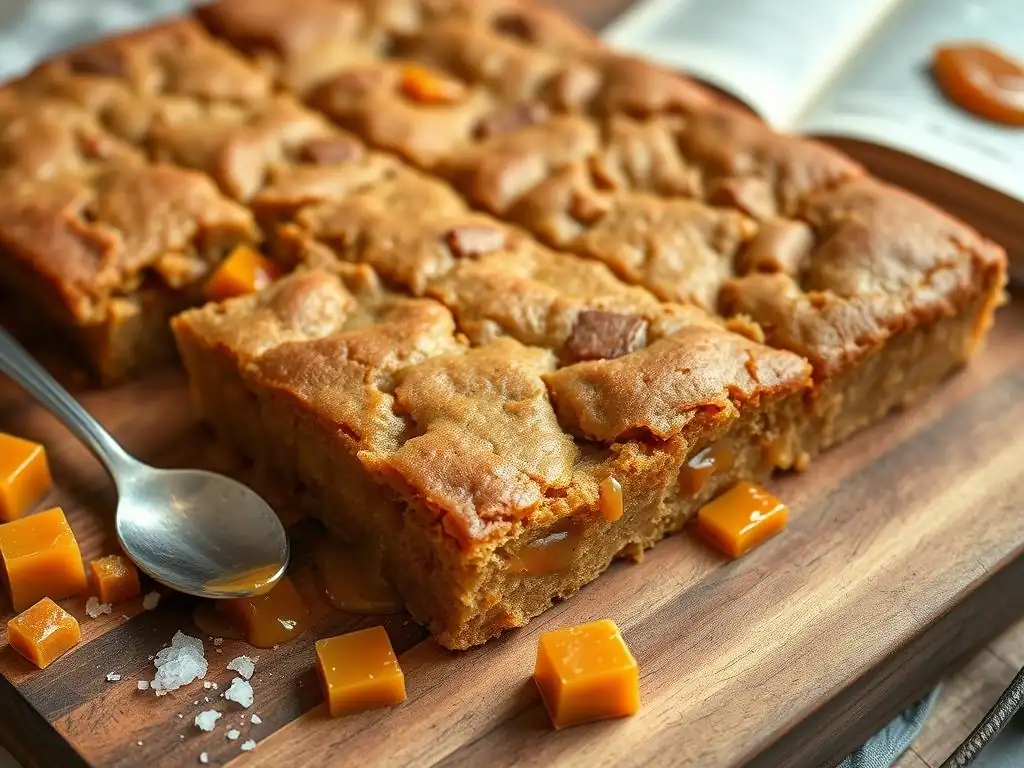
Unsalted caramel is the perfect binding agent for nut bars, like Unsalted Caramel Pecan Bars or Butter Pecan Caramel Bars. A chewy layer of unsalted caramel, often made with butter and cream, holds together toasted pecans (and sometimes shortbread or cookie crumbs).
The clean sweetness of the unsalted caramel allows the rich, nutty flavor of the pecans and the buttery notes of the base to shine. Unlike salted caramel, which would introduce a salty note that might compete with the butter and nuts, the unsalted version provides pure sweetness and chewiness, creating a harmonious and decadent bar cookie.
Unsalted Caramel Cupcakes: Caramel Buttercream Cupcakes
Unsalted caramel sauce can be a delightful filling or topping for cupcakes. Unsalted Caramel Cupcakes often feature a vanilla or caramel-flavored cake base topped with a luscious Caramel Buttercream, which is typically made by incorporating unsalted caramel sauce into a standard buttercream recipe.
Sometimes, a pocket is cored out of the cupcake and filled with unsalted caramel sauce before frosting. The smooth, sweet caramel buttercream provides a rich, melt-in-your-mouth topping that pairs wonderfully with the cake. Using unsalted caramel ensures the focus is on the pure, sweet caramel flavor without the salty contrast, resulting in a classic, comforting cupcake.
Storing Your Caramel: Best Practices for Freshness
Proper Storage Techniques for Salted Caramel
Proper storage is key to maintaining the freshness and quality of your homemade salted caramel sauce or candies. Salted caramel sauce should be stored in a clean, airtight container, such as a glass jar with a tight-fitting lid. Because it contains dairy, it must be refrigerated. Stored correctly, it typically lasts for 2 to 3 weeks.
If the sauce thickens too much in the fridge, you can gently warm it on the stovetop over low heat or in the microwave in short bursts, stirring frequently, until it reaches your desired pouring consistency. For salted caramel candies or chews, store them in an airtight container at room temperature, separated by wax paper to prevent sticking. They can last for several weeks, though humidity can affect their texture.
Maintaining the Quality of Unsalted Caramel Over Time
Unsalted caramel, whether in sauce form or as candy, also benefits from proper storage. Unsalted caramel sauce, like its salted counterpart, should be stored in an airtight container in the refrigerator and is best used within 2 to 3 weeks due to the dairy content. Reheat gently if needed to restore pourability.
Hard unsalted caramel candies or brittle should be stored in an airtight container at cool room temperature. Humidity is the enemy of hard candy, as it can cause it to become sticky. Using food-grade desiccant packets in the storage container can help absorb moisture. Properly stored brittle can last for several weeks, maintaining its crisp texture.
Beyond Recipes: Advanced Caramel Baking Techniques
Caramel Decorations: Creating Stunning Visuals for Your Bakes
Caramel isn't just for flavor; it can be transformed into stunning visual decorations for cakes and pastries. Spun sugar is a classic technique using unsalted caramel heated to a high temperature (around 310-320°F or 154-160°C). As it cools slightly, it becomes pliable enough to be pulled into fine threads, which can then be shaped into nests or abstract designs. This requires caution due to the high temperature of the sugar.
Another technique is making caramel cages or shards. Caramel is heated to a hard crack stage (around 300-310°F or 149-154°C), then carefully poured or drizzled onto parchment paper or a silicone mat in desired shapes. Once cooled and hardened, these pieces can be used to adorn cakes or individual desserts, adding both visual drama and a sweet crunch.
Using Caramel as a Filling: Achieving the Perfect Layered Effect
Caramel makes a luxurious filling for cakes, tarts, and chocolates. For cakes, a thick, yet still pourable, salted or unsalted caramel sauce can be used between layers. To prevent it from squeezing out, create a dam around the edge of the cake layer using buttercream frosting before filling the center with caramel. This ensures clean lines when the cake is assembled.
For tarts, a layer of caramel can be poured into a pre-baked crust and then topped with chocolate ganache, nuts, or fruit. When making filled chocolates or candies, the caramel filling needs to be cooked to a specific temperature (often the soft ball or firm ball stage) to achieve the desired chewiness or softness inside the hard chocolate shell. Mastering the consistency of the caramel filling is key to the success of these layered treats.
Infusing Caramel: Experimenting with Flavors and Aromas
Caramel provides an excellent base for flavor infusions, allowing bakers to create unique taste profiles. Before caramelizing the sugar, you can infuse the liquid (water or cream) with aromatics. For example, steeping a vanilla bean, star anise, or cinnamon stick in the cream before adding it to the finished caramel sauce will impart subtle spice notes.
For a citrus-infused caramel, you can add strips of orange or lemon zest to the sugar and water mixture at the beginning of the caramelization process (remove them before adding dairy). Coffee or espresso powder can be dissolved in the cream for a mocha-caramel. These techniques allow you to go beyond a standard salted caramel baking recipe and create truly signature flavors that will impress.
Frequently Asked Questions
What's the main difference between using salted caramel and unsalted caramel in a baking recipe?
The primary difference lies in the salt content. Salted caramel already contains salt, impacting the overall flavor profile, while unsalted caramel requires you to add salt separately for precise control.
How does using pre-made salted caramel affect the final taste of a salted caramel baking recipe?
Using pre-made salted caramel can affect the final taste because salt levels can vary significantly between brands. You'll need to taste and adjust your recipe accordingly to achieve the desired balance of sweetness and saltiness.
If a salted caramel baking recipe calls for "salted butter," can I skip adding extra salt if I'm using salted caramel?
It's generally not recommended to skip the salt entirely, even with salted butter and salted caramel. The recipe's specific salt amount is designed to complement the other flavors and create a harmonious taste.
What are some common mistakes people make when baking with salted caramel?
Common mistakes include over-salting the recipe, leading to an unbalanced flavor, or not accounting for the moisture content of the caramel, which can affect the texture of the baked good.
Can I easily convert an unsalted caramel recipe to a salted caramel recipe?
Yes, you can. Start by reducing or eliminating any salt added to the original recipe. Then, taste the final product and add small amounts of salt until you achieve your preferred level of saltiness.
Final Reflection: The Enduring Allure of Sweet and Salty
The perfect balance of sweet and salty in baking isn't just a trend; it's a fundamental flavor harmony that continues to captivate palates worldwide. The subtle nuances between salted and unsalted caramel, as explored in this article, highlight the power of a simple ingredient to dramatically alter the overall taste experience. Understanding this balance allows bakers of all levels to elevate their creations from good to truly exceptional.
The enduring appeal of salted caramel lies not just in its deliciousness, but in its versatility. From decadent brownies to delicate cookies, the salty counterpoint to sweetness adds a layer of complexity that keeps us coming back for more. The best things in life are bittersweet,
a saying that perfectly encapsulates the magic of this flavor combination. This article has hopefully provided you with the tools to understand and master this delicate dance between opposing tastes, allowing you to create your own unique and unforgettable sweet and salty masterpieces.
Now, it's your turn. Consider the recipes you already love. Could a touch of salt enhance their flavor profile? Experiment with different types of salt – flaky sea salt, coarse kosher salt, even a pinch of smoked salt – to discover your preferred level of salty intensity. Don't be afraid to explore; the world of salted caramel, and the endless possibilities it offers, awaits your culinary creativity. Embrace the challenge, and discover the joy of perfectly balanced baking.
Unlock Your Caramel Confidence: Sweet & Salty Baking Mastery
Thanks for exploring the delightful world of caramel with us! You've just unlocked a new level of baking understanding – the power of sweet and salty balance. Now it's time to put your newfound knowledge into action.
- Master the perfect salted caramel: Try your hand at making our signature salted caramel recipe (easily adaptable to your preferred sweetness!) – you'll be amazed at the difference.
- Experiment with different salt varieties: Explore the nuances of flaky sea salt versus fine table salt – the impact on your baking is surprising!
- Share your caramel creations: Show off your sweet and salty masterpieces on social media using #BakeWithEaseSaltedCaramel – let's inspire each other!
Ready to transform your next dessert into a sensational sweet and salty experience? What unique salt will you experiment with first?