
Regional Flour Differences: Do They Matter for Your Baking?

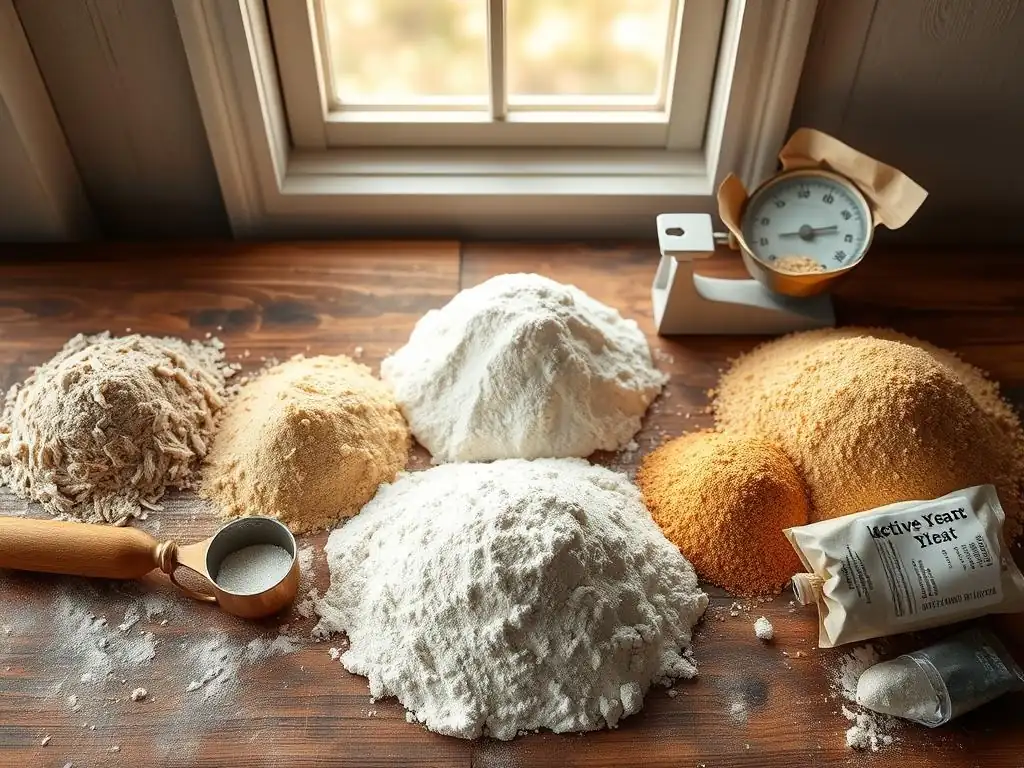
Welcome to BakeWithEase, where simplifying the magic of baking is our passion! Ever wondered if the flour you're using is truly the best for your recipe? Our latest article, " Regional Flour Differences: Do They Matter for Your Baking?," delves into the fascinating world of flour types and how they subtly (or not so subtly!) affect your baking results. Discover secrets and techniques to elevate your baking game – it’s time to unlock the full potential of your ingredients!
- Introduction: Understanding Flour Types and Their Impact on Baking
- What are Regional Flour Differences? Exploring Geographical Variations
- How Regional Flour Differences Affect Baking Results
- Key Regional Flour Types and Their Baking Applications
- Adapting Recipes for Regional Flour Availability
- Case Studies: Baking with Different Regional Flours
- Adapting Recipes for Regional Flour Availability
- Case Studies: Baking with Different Regional Flours
- Tips for Sourcing and Using Regional Flour
- Conclusion: Embracing Regional Flour for Enhanced Baking
-
Frequently Asked Questions
- How do regional flour differences impact my baking results?
- What specific flour characteristics should I consider when choosing a flour type?
- Can I substitute different types of flour in a recipe, and what adjustments should I make?
- How does storage impact flour quality and its effect on baking?
- Are there specific recipes where flour type is more critical than others?
- Final Reflection: The Humble Flour's Mighty Impact
- Unlock Your Baking Potential: Discover the Flour Power!
Introduction: Understanding Flour Types and Their Impact on Baking
Baking is a science as much as it is an art, and at the heart of nearly every baked good lies flour. It provides the structure, texture, and often a subtle flavor profile that defines the final product. Understanding the role of flour is fundamental for any baker, whether you're just starting or refining complex recipes. The type of flour you choose significantly impacts everything from how your dough rises to the tenderness of your cake crumb. Indeed, many experienced bakers will tell you that flour types affect baking results more profoundly than almost any other single ingredient choice.
Beyond the basic categories like all-purpose, bread, or cake flour, lies another layer of complexity: regional variations. Different parts of the world, and even different regions within a country, produce wheat with distinct characteristics due to local environmental factors and farming practices. These subtle differences can influence the protein content, starch structure, and overall milling quality of the flour produced. Recognizing these regional nuances can elevate your baking, helping you troubleshoot recipes or intentionally select flour for specific outcomes, proving that even within a single type, how flour types affect baking can vary regionally.
Why Flour Choice Matters for Baking Success
The success of your baked goods hinges significantly on selecting the correct flour type. Flour's protein content, in particular, is a critical factor, directly influencing gluten development. For instance, a bread flour, typically containing 12-14% protein, is designed to form strong gluten networks needed for chewy bread with good volume.
In contrast, cake flour, with a lower protein content of around 6-8%, is milled from soft wheat and often bleached or chlorinated, resulting in a fine texture ideal for tender, airy cakes where minimal gluten development is desired. Using the wrong flour type can lead to disappointing results – a flat, dense loaf if you use cake flour for bread, or a tough, dry cake if you use bread flour for a delicate recipe. This fundamental understanding of how flour types affect baking is the first step toward consistent, successful baking.
Furthermore, the milling process and the specific wheat varieties used contribute to the flour's absorption rate and starch damage. Flour with higher starch damage can absorb more water but may lead to a gummy texture if not managed correctly, while a finely milled cake flour absorbs less water and is designed for even distribution throughout a batter.
Even within the 'all-purpose' category, protein content can range from 9-12%, varying by brand and region, which means even a seemingly standard ingredient requires attention. Paying close attention to the recommended flour type in a recipe is crucial, but understanding the underlying properties allows you to make informed substitutions or adjustments, reinforcing the principle that the specific flour types affect baking performance in tangible ways.
The Subtle Nuances of Regional Flour Variations
While standard flour types provide a baseline, regional variations introduce subtle but important nuances that can impact baking outcomes. These differences stem from the specific wheat varieties grown in a region, influenced by local climate, soil composition, and altitude. For example, hard red winter wheat, commonly grown in the Great Plains of the United States, typically yields flour with higher protein content, making it excellent for bread. Conversely, soft red winter wheat, prevalent in the Eastern and Southern US, results in lower-protein flour suited for cakes and pastries. Even within the same wheat class, variations exist; hard red spring wheat from the Northern Plains and Canada often has even higher protein levels than hard red winter wheat. These geographical factors mean that a bag of 'all-purpose' flour purchased in Kansas might behave differently in baking than one bought in Georgia or California, illustrating how regional flour types affect baking characteristics.
Beyond protein, regional flours can differ in mineral content, enzyme activity, and starch characteristics. Some traditional milling techniques, more common in artisanal or regional mills, might leave more of the bran and germ (and thus minerals and flavor) in the flour compared to large commercial operations. The specific climate during the growing season can also influence the wheat kernel's structure and composition.
Bakers who frequently use flours sourced locally or from specific regions often notice these subtle differences in dough handling, hydration needs, flavor development, and the final texture of their baked goods. These regional distinctions highlight that the concept of how flour types affect baking extends beyond simple protein percentages to encompass a whole range of factors influenced by geography and tradition.
What are Regional Flour Differences? Exploring Geographical Variations
Regional flour differences arise from a complex interplay of environmental factors and agricultural practices specific to a geographic location. The type of wheat grown, heavily dictated by climate and soil, is the primary driver. Hard wheats, high in protein, thrive in drier climates with cold winters, while soft wheats, lower in protein, prefer more moderate, humid conditions.
Altitude can also play a role, affecting growing seasons and the intensity of sunlight, which in turn influences the wheat kernel's development. Furthermore, the specific varieties of wheat cultivated within a region, often chosen for their resilience to local pests or diseases, contribute unique characteristics to the resulting flour.
A hard red spring wheat grown in North Dakota will have different protein quality and absorption properties than a hard red winter wheat from Kansas, even though both are classified as 'hard' wheats used for bread. This complex relationship between geography and grain cultivation means that understanding regional flour types affect baking begins with understanding where the wheat comes from.
Moreover, traditional agricultural methods and local milling practices can add to regional distinctiveness. Some regions may favor specific heirloom wheat varieties less common elsewhere, each bringing its own flavor profile and baking properties. Local mills might use stone-ground methods, which retain more of the wheat's natural components compared to roller milling, resulting in flour with different absorption rates and nutritional profiles.
For example, stone-ground flour from a regional mill in Vermont might have a coarser texture and higher mineral content than roller-milled flour from a large national brand, even if both are labeled 'whole wheat'. These regional variations in sourcing and processing mean that the term 'regional flour' often implies not just where the wheat grew, but also how it was processed, further demonstrating how specific flour types affect baking outcomes based on their origin and preparation.
Defining Regional Flour: Climate, Soil, and Altitude's Influence
Regional flour is essentially flour made from wheat grown in a specific geographic area, where local environmental conditions impart unique characteristics to the grain. Climate, including temperature ranges, rainfall patterns, and sunlight hours, significantly influences the type of wheat that can be successfully cultivated. For instance, the consistent, relatively dry climate of the US Great Plains is ideal for growing hard red winter wheat, known for its high protein content and suitability for bread making.
In contrast, the humid, warmer climates of the Southeastern US are better suited for growing soft red winter wheat, which is lower in protein and used for pastries and cakes. These macro-climatic differences are fundamental in determining the broad categories of wheat grown and, consequently, the general characteristics of flour produced regionally.
Soil composition adds another layer of complexity. The mineral content and structure of the soil affect the nutrient uptake by the wheat plant, which can subtly influence the protein quality and flavor of the grain. For example, wheat grown in volcanic soil might have a different mineral profile than wheat grown in clay-rich soil. While these differences might be subtle compared to the impact of protein content, they contribute to the unique characteristics prized by artisan bakers seeking specific flavors.
Altitude also plays a role, affecting growing seasons and potentially influencing the density and protein structure of the wheat kernel. Higher altitudes often mean shorter growing seasons and cooler temperatures, which can impact the final composition of the grain. All these environmental factors combine to create distinct regional wheat characteristics, meaning that identical flour types affect baking differently depending on their geographical origin.
Wheat Varieties and Regional Flour Characteristics
The specific varieties of wheat grown are perhaps the most direct link between a region and its flour's characteristics. There are thousands of wheat varieties globally, each with unique genetic traits influencing everything from kernel hardness and size to protein content and gluten quality. Hard wheat varieties, like 'Turkey Red' or 'Marquis', are typically high in protein (11-15%) and yield flour ideal for strong, elastic doughs needed for bread.
These are commonly grown in regions like the US Midwest, Canadian Prairies, and parts of Eastern Europe. Soft wheat varieties, such as 'Caledonia' or 'Spokane', are lower in protein (6-10%) and produce flour with a fine texture and less gluten-forming potential, perfect for tender cakes, pastries, and cookies.
These are often cultivated in regions with more moderate climates, like the US South, parts of Western Europe, and Australia. The prevalence of specific wheat varieties within a region directly dictates the primary characteristics of the flour produced there, demonstrating how different flour types affect baking based on the underlying grain.
Beyond the hard/soft classification, specific regional wheat varieties contribute unique flavors and handling properties. Heirloom varieties like Einkorn, Emmer, or Spelt, though grown in various places, are often associated with specific historical regions and offer distinct nutritional profiles and flavors compared to modern hard or soft wheats. For example, Turkey Red wheat, an heirloom hard winter wheat brought to Kansas in the 19th century, is known for its robust flavor and excellent bread-making qualities, different from modern hard red winter varieties.
Similarly, specific soft wheat varieties grown in the American South are prized for their very low protein and fine texture, making them staples for biscuits and cakes in that region. The choice of wheat variety is a critical regional factor, ensuring that even seemingly similar flour types affect baking performance and flavor in subtly different ways depending on their genetic origin.
Hard Wheat vs. Soft Wheat: A Regional Perspective
The distinction between hard and soft wheat is fundamental to understanding regional flour differences. Hard wheat kernels are dense and vitreous, meaning they are glassy and hard to break, and contain higher protein levels, typically ranging from 11% to 15% or more. When milled, hard wheat yields flour with a higher protein content, crucial for developing strong, elastic gluten networks.
Regions known for hard wheat production include the Great Plains of North America (Kansas, North Dakota, Montana, Canadian Prairies) and parts of Russia and Kazakhstan. Flour from these regions is highly sought after for yeast-leavened breads, rolls, and pasta, where good structure and chew are desired.
The protein quality can also vary; hard red spring wheat often has higher protein and faster gluten development than hard red winter wheat, even though both are 'hard'. This regional focus on hard wheat types directly impacts the availability and characteristics of bread flour in those areas, showing how flour types affect baking by providing the necessary protein structure for robust doughs.
In contrast, soft wheat kernels are softer and starchier, with lower protein content, typically ranging from 6% to 10%. When milled, soft wheat produces fine, powdery flour with less protein and thus less potential for strong gluten development.
Regions known for soft wheat production include the Eastern and Southern United States, parts of Europe (like France for pastry flour), and Australia. Flour from these regions is ideal for tender baked goods where minimal gluten is required, such as cakes, pastries, cookies, biscuits, and some types of noodles.
Soft wheat flours often have higher starch damage, which can influence hydration but contributes to the tender crumb in cakes. The prevalence of soft wheat in a region means that cake and pastry flours from these areas are often particularly well-suited for delicate baking, demonstrating how regional availability of specific flour types affect baking outcomes by providing the right balance of structure and tenderness.
Protein Content and Gluten Development Based on Origin
The protein content of flour is primarily determined by the type of wheat it is milled from, which is heavily influenced by the region it was grown in. Hard wheat grown in regions like the US Midwest or Canadian Prairies typically results in flour with 12-14% protein, sometimes higher for specific bread flours. This high protein content is crucial for forming strong gluten when the flour is mixed with water and kneaded.
Gluten, a network of proteins (gliadin and glutenin), provides the elasticity and structure that allows yeast-leavened doughs to trap gases and rise, creating airy bread. A bread flour from a hard wheat region will develop a robust gluten network capable of supporting a significant rise, essential for achieving good loaf volume and a chewy crumb. This direct link between regional wheat characteristics and protein levels shows precisely how flour types affect baking performance, particularly for yeasted goods.
Conversely, soft wheat grown in regions like the Southern US or parts of Europe yields flour with lower protein content, often 7-9% for cake flour or 8-10% for pastry flour. With less protein available, these flours form weaker gluten networks. This is highly desirable for baked goods where tenderness is paramount, such as cakes, muffins, cookies, and biscuits.
Minimal gluten development prevents toughness, resulting in a soft, tender crumb. While protein content is primarily genetic and regional, environmental factors during growth, like nitrogen levels in the soil and weather patterns, can cause protein content to vary slightly year to year even within the same region and wheat variety. Thus, understanding the typical protein range for flour from a specific region is key to predicting how the flour types affect baking texture and structure in delicate recipes.
How Regional Flour Differences Affect Baking Results
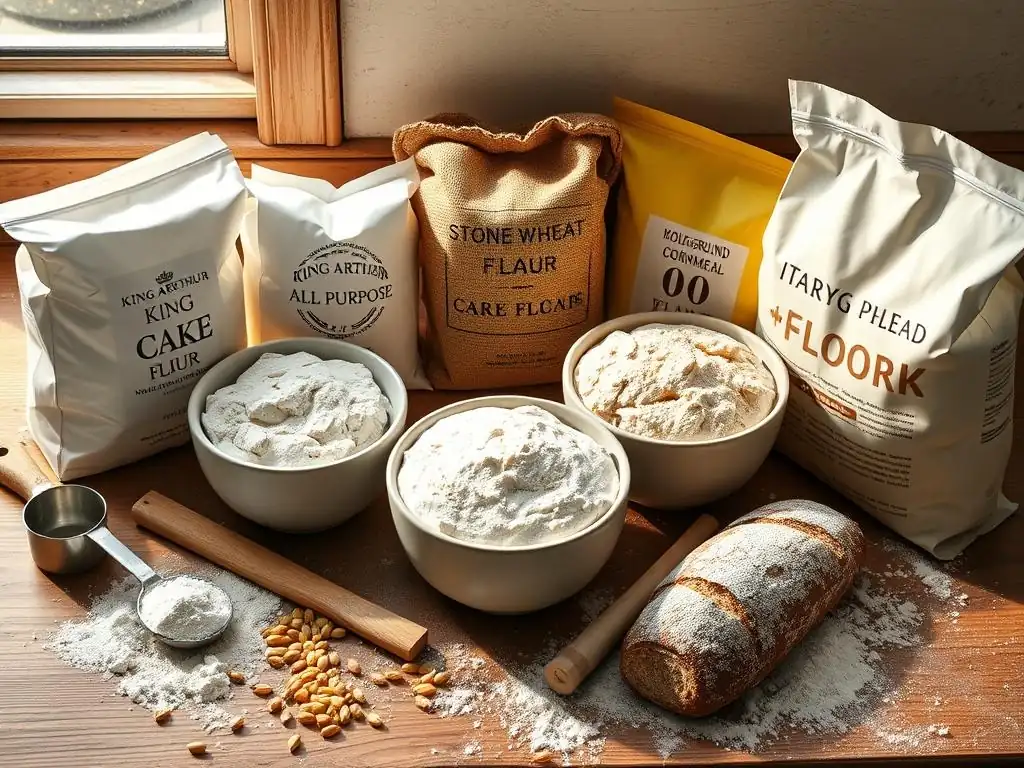
The subtle variations in regional flours can have a tangible impact on the final outcome of your baked goods. From the way dough handles during kneading to the texture and flavor of the finished product, regional differences in protein content, starch characteristics, and milling techniques all play a role. For instance, a bread recipe developed using high-protein bread flour from the US Midwest might require slightly less water or a different kneading time than if you used bread flour from a region known for slightly lower protein levels, even if both are labeled 'bread flour'.
The dough's elasticity, extensibility, and ability to hold its shape during proofing are all influenced by the gluten quality, which varies regionally. Recognizing these potential differences allows bakers to anticipate how regional flour types affect baking processes and make necessary adjustments.
Furthermore, regional flour characteristics can impact non-yeasted baked goods like cakes and pastries. The fineness of the grind and the starch-to-protein ratio, which varies between soft wheat regions, influence how the flour absorbs liquid and interacts with fats and sugars in a batter or dough. A cake flour from one region might absorb liquid slightly differently than one from another, affecting the batter's consistency and, ultimately, the cake's moisture and tenderness.
The subtle flavor nuances imparted by different wheat varieties and milling methods also contribute to the final taste profile. These factors underscore that while standard flour types provide a general guideline, the specific flour types affect baking results in ways that require attention to regional origin for optimal outcomes.
The Impact on Bread Baking: Crust, Crumb, and Flavor
For bread bakers, regional flour differences are particularly significant, primarily due to variations in protein content and gluten quality. High-protein flours (12-14%+) from regions like the US Great Plains or Canada are ideal for developing strong, elastic gluten networks necessary for high-volume, chewy loaves like artisan sourdoughs, baguettes, or robust sandwich breads. Dough made with these flours is typically strong and holds its shape well during long fermentation periods.
The resulting bread often has a well-structured, open crumb and a substantial crust that develops deep color and crunch during baking. For example, using a high-protein bread flour from Kansas compared to one from a region known for slightly lower protein might result in a loaf with greater oven spring and a chewier interior, showcasing how specific flour types affect baking performance in bread.
Conversely, using bread flour from a region known for slightly lower protein or different gluten characteristics might require adjustments in hydration or kneading time to achieve a similar structure. While still suitable for bread, a flour with 11% protein will behave differently than one with 14%. It might require a slightly lower hydration level or develop gluten more slowly.
The starch characteristics of regional flours also impact crust development and crumb moisture. Flours with higher starch damage might absorb more water initially but could lead to a slightly gummier crumb if not managed properly.
Furthermore, regional wheat varieties and milling techniques can impart subtle flavor notes, adding complexity to the bread's profile. A stone-ground whole wheat flour from a regional mill, for instance, might offer nuttier or more earthy flavors than a roller-milled commercial equivalent, demonstrating how regional flour types affect baking beyond just structure, influencing the final taste and texture.
Regional Flour and Sourdough Starters: A Unique Relationship
Sourdough starters, living cultures of wild yeast and bacteria, have a unique relationship with regional flour. The specific flour used to feed a starter provides the nutrients for the microbes to thrive, and the composition of that flour can influence the starter's activity, flavor profile, and overall health.
A starter fed with a high-protein, regionally-sourced bread flour, particularly one freshly milled or stone-ground, often becomes very robust and active due to the ample protein and available nutrients (minerals, enzymes) present in the flour. The strong gluten potential of such flour also helps the starter maintain a strong structure as it ferments and produces gas.
Bakers often notice that feeding a starter with a regional hard wheat flour from the Midwest or Canada can lead to a more vigorous rise and a tangier flavor profile compared to feeding it with a lower-protein or less nutrient-rich flour. This direct interaction shows how specific flour types affect baking processes from the very beginning, influencing the microbial life in the starter.
Moreover, the regional origin of the flour can subtly influence the microbial community within the starter itself. While the ambient environment plays a role, the specific nutrients and enzymes in the flour act as selective food sources, potentially favoring certain strains of yeast and bacteria. For example, some bakers believe that starters fed consistently with locally sourced, specific regional flours develop unique characteristics reflective of that region's grain and environment.
Hydration needs for feeding also vary; a starter fed with a highly absorbent regional bread flour might require slightly more water to reach the desired consistency than one fed with a less absorbent flour. Understanding these nuances helps sourdough bakers maintain healthy, active starters and achieve consistent results, proving that regional flour types affect baking even at the foundational level of the leavening agent.
The Impact on Pastry and Cake Baking: Texture and Structure
In pastry and cake baking, where tenderness and a delicate crumb are paramount, regional flour differences, particularly in soft wheat characteristics, are highly influential. Soft wheat flours from regions known for low protein content (6-10%) and fine milling are ideal because they develop minimal gluten.
This lack of strong gluten structure is precisely what allows cakes to be light and airy, pastries to be flaky, and cookies to be tender. A cake flour from the Southern US, for instance, is typically milled from soft red winter wheat and often undergoes a bleaching process (chlorination) that further weakens protein bonds and modifies starch, leading to a flour that can handle high sugar and fat ratios in batters without becoming tough.
Using such a flour results in a cake with a very fine, soft crumb and a moist texture. This specific characteristic of regionally-sourced soft wheat flour directly illustrates how specific flour types affect baking outcomes when tenderness is the goal.
Using a flour with slightly higher protein content or different starch characteristics, even within the 'cake flour' category, can subtly alter the final texture. A cake flour from a region with slightly higher typical protein might produce a cake that is slightly less tender or requires different mixing techniques to minimize gluten development.
Similarly, the milling process affects particle size and starch damage, influencing how the flour absorbs liquid and interacts with other ingredients. A very finely milled pastry flour from a specific European region, for example, might hydrate differently than a standard all-purpose flour used for pie crusts, affecting the dough's plasticity and the resulting flakiness.
These regional variations highlight that while the goal is minimal gluten, the specific qualities of regional soft wheat flours are crucial for achieving the desired delicate texture, showing how different flour types affect baking results in subtle but important ways for pastry and cake.
Using Regional Flour for Tender Cakes and Flaky Pastries
Achieving tender cakes and flaky pastries relies heavily on minimizing gluten development, which is why using flour with low protein content is essential. Regional soft wheat flours, particularly those specifically milled and treated for cake and pastry making, are uniquely suited for this purpose. For example, cake flour from the American South is prized for its very low protein (often around 7-8%) and fine particle size, resulting in batters that are less likely to develop toughness even with moderate mixing.
This allows bakers to create cakes with a delicate, velvety crumb that melts in the mouth. Using this type of regional flour in a classic pound cake or layer cake recipe ensures the desired light and tender texture, demonstrating how specific regional flour types affect baking by providing the ideal low-gluten foundation.
For flaky pastries like pie crusts, biscuits, or scones, a slightly higher protein content than cake flour is often acceptable (pastry flour is typically 8-10% protein), but the quality of the starch and the milling process are also important. Regional pastry flours milled from soft wheat provide enough structure to hold together while having low enough protein to prevent toughness. The way fat is cut into the flour is critical for flakiness, and the particle size and starch absorption characteristics of regional flours can influence this process.
Some regional pastry flours are known for their ability to produce exceptionally tender and flaky results due to the specific properties of the soft wheat grown in that area and the milling techniques used. Understanding these regional nuances allows bakers to select the best flour types affect baking outcomes for their specific pastry goals, ensuring maximum tenderness and flakiness.
Key Regional Flour Types and Their Baking Applications
Different regions are known for producing wheat with specific characteristics, leading to regional variations within standard flour types like all-purpose, bread, cake, and pastry flour. While national brands aim for consistency by blending wheat from various sources, smaller mills or specialty producers often highlight the regional origin of their grain. Understanding the typical characteristics associated with flour from particular regions can help bakers predict how these flour types affect baking performance. For example, flour from the US Midwest is often associated with high protein hard wheat, while flour from the Southern US is known for low protein soft wheat.
Exploring these regional types allows bakers to appreciate the diversity of flour available and make informed choices based on their baking goals. Whether seeking a super-strong flour for artisan bread or an exceptionally tender flour for delicate cakes, regional flours offer options beyond the standard supermarket shelf. Recognizing these regional distinctions is key to mastering how different flour types affect baking results and unlocking new possibilities in the kitchen.
All-Purpose Flour: Regional Variations and Best Uses
All-purpose flour is designed to be versatile, suitable for a wide range of baking applications, from cookies and cakes to breads and biscuits. However, its protein content can vary significantly depending on the region where the wheat was grown and milled, typically ranging from 9% to 12%.
All-purpose flour produced in regions known for growing hard wheat, like the US Midwest, tends to be on the higher end of this protein spectrum (closer to 11-12%). This makes it more suitable for applications requiring some gluten development, such as rustic loaves, pizza dough, or chewy cookies.
While not as strong as dedicated bread flour, a higher-protein all-purpose can often stand in for bread flour in less demanding recipes. This regional difference means that the behavior of 'all-purpose' flour can vary; a brand sourced from a hard wheat region will impact baking differently than one from a soft wheat region, showing how regional flour types affect baking even in a general category.
Conversely, all-purpose flour produced in regions known for growing soft wheat, like the Southern US, typically has a lower protein content (closer to 9-10%). This lower protein makes it better suited for tender baked goods like biscuits, muffins, pancakes, and lighter cakes where minimal gluten is desired. While it can be used for bread, it won't develop as strong a structure or achieve as much volume as higher-protein options.
Some recipes in the Southern US are specifically developed around the characteristics of their lower-protein all-purpose flour. Understanding the likely protein range based on where your all-purpose flour was sourced is crucial for anticipating how that specific flour types affect baking results in different recipes and making necessary adjustments to hydration or mixing.
Bread Flour: Exploring Regional Strength and Protein Levels
Bread flour is specifically milled from hard wheat varieties and has a high protein content, typically ranging from 12% to 14%, sometimes even higher. This high protein is essential for developing the strong, elastic gluten network required for yeast-leavened breads. Regional differences in hard wheat cultivation directly impact the characteristics of bread flour.
For example, bread flour milled from hard red spring wheat grown in the Northern Plains of the US and Canada often has the highest protein levels (13-14.5%) and is known for its vigorous gluten development and ability to produce loaves with excellent volume and a robust, chewy crumb. This is the preferred flour for many artisan bakers working with high-hydration doughs or recipes requiring a strong rise. Using this type of regional bread flour clearly demonstrates how specific flour types affect baking strength and structure in bread.
Bread flour milled from hard red winter wheat, commonly grown in the US Central Plains (Kansas, Nebraska), typically has a protein content of 12-13%. While slightly lower than hard spring wheat flour, it still provides excellent gluten development and is widely used for a variety of breads, including sandwich loaves, rolls, and sourdough. The gluten quality might be slightly different, sometimes requiring a bit more kneading to reach full development compared to spring wheat flour.
Even within these categories, specific wheat varieties and milling techniques can introduce subtle differences in absorption and handling. Bakers who consistently use bread flour from a particular region often become attuned to its specific properties and adjust their techniques accordingly, highlighting how regional flour types affect baking performance in nuanced ways that impact the final loaf.
Cake Flour: Understanding Regional Fineness and Starch Content
Cake flour is a finely milled flour derived from soft wheat, characterized by its low protein content (typically 6-8%). Its primary purpose is to produce tender, delicate baked goods like cakes, cupcakes, and some types of cookies.
Regional cake flours can vary primarily in their exact protein level, fineness of grind, and whether they are bleached or unbleached. Cake flour from the Southern US is particularly renowned for its very low protein content and often undergoes chlorination, a bleaching process that not only whitens the flour but also modifies the starch and protein structure.
This results in a flour that absorbs liquid differently and is exceptionally good at preventing gluten development, leading to cakes with a fine, soft, and velvety crumb that resists toughness, even in recipes with high sugar and fat. This regional focus on extremely low protein and specific processing is a prime example of how specific flour types affect baking texture in delicate items.
Unbleached cake flour, available from some regional or specialty mills, might have a slightly different texture and absorption rate than bleached versions, though it still maintains low protein. The fineness of the grind is also a regional characteristic; some mills produce a flour with an almost powdery consistency, which contributes to the smooth texture of batters and reduces the risk of lumps.
While the protein range for cake flour is generally consistent (low), these subtle regional differences in milling and processing mean that using a cake flour from one region versus another can still lead to slight variations in crumb structure, moisture retention, and tenderness, demonstrating how the specific flour types affect baking outcomes even within this low-protein category.
Pastry Flour: Regional Differences in Gluten Development
Pastry flour falls between cake flour and all-purpose flour in terms of protein content, typically ranging from 8% to 10%. It is also milled from soft wheat but is slightly less fine than cake flour. Pastry flour is designed to provide enough structure for items like pie crusts, tarts, biscuits, scones, and some cookies, while still keeping them tender and flaky by limiting gluten development.
Regional pastry flours will vary based on the specific soft wheat varieties grown in the area and the milling process. For instance, pastry flour from regions known for high-quality soft wheat might be particularly well-suited for producing exceptionally tender and flaky pie crusts.
The balance of protein and starch in these regional flours allows for dough that is pliable enough to roll out but doesn't become tough when handled. This specific balance highlights how regional flour types affect baking applications requiring both some structure and significant tenderness.
Some regional mills might produce pastry flour that is stone-ground, which can result in a slightly coarser texture and the inclusion of more of the wheat germ and bran compared to roller-milled flour. This can impact absorption rates and add subtle nutty flavors to the baked goods. The exact protein percentage within the 8-10% range also matters; a pastry flour at 8% protein will yield a more tender result than one at 10% protein.
Bakers using regional pastry flours often find that they need to adjust their hydration or mixing technique slightly to achieve optimal results compared to using a standard national brand. These variations underscore the fact that how flour types affect baking results, especially in pastries, depends on the specific characteristics imparted by their regional origin and milling.
Adapting Recipes for Regional Flour Availability
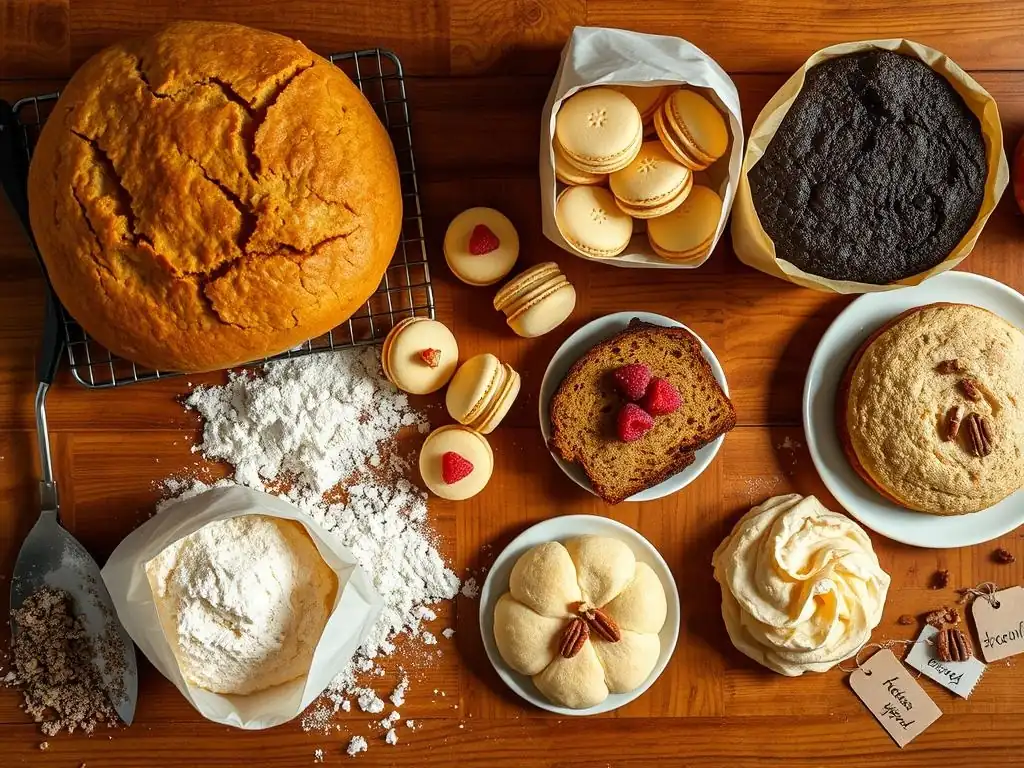
When a recipe calls for a specific type of flour (e.g., bread flour) but you only have access to that type from a different region with potentially different characteristics, or if you are experimenting with a unique regional flour, adapting the recipe is often necessary for the best results. The most common adjustments revolve around hydration levels and mixing times, primarily influenced by the flour's protein content and absorption rate. A recipe developed for a high-protein bread flour (13-14%) might require less water than if you use a bread flour from a region with slightly lower protein (12%), or vice versa.
Failing to adjust hydration can result in dough that is too wet and slack or too dry and stiff, significantly impacting gluten development and the final texture of bread. Understanding how regional flour types affect baking hydration needs is a key skill for bakers using diverse flours.
Beyond hydration, the speed and extent of gluten development can vary. A flour with particularly strong gluten potential might require less kneading than one with slightly weaker gluten. Similarly, flours with higher starch damage might absorb water quickly but release it during baking, affecting crumb moisture.
Observing the dough's consistency during mixing and kneading is crucial. It's often recommended to add water gradually when using an unfamiliar regional flour, stopping when the desired dough consistency is achieved rather than strictly adhering to the recipe's exact liquid measurement. This flexibility and responsiveness to the flour's behavior are essential when navigating how different regional flour types affect baking outcomes.
Adjusting Hydration Levels Based on Flour Protein Content
Adjusting hydration is one of the most critical adaptations when using regional flours that may differ in protein content from what a recipe assumes. Flour protein directly correlates with water absorption: higher protein flours can absorb and hold more water than lower protein flours due to the hydrophilic nature of gluten-forming proteins.
For example, a bread recipe calling for 70% hydration with a 13% protein bread flour might result in a dough that feels too stiff if you use a 14% protein bread flour from a different region. You might need to increase the hydration slightly, perhaps to 72-74%, to achieve the same dough consistency and extensibility.
Conversely, using a 12% protein bread flour might require slightly less water to prevent the dough from becoming overly slack and difficult to handle. Paying attention to the typical protein range of the regional flour you are using is essential for predicting its water needs and understanding how these specific flour types affect baking dough consistency.
When using a regional flour for the first time, it's helpful to start with slightly less liquid than the recipe calls for and add more gradually until the dough reaches the desired look and feel – whether that's tacky and extensible for artisan bread or soft and manageable for rolls. Factors beyond protein, such as starch damage and mineral content, also influence absorption, though protein is the primary driver.
Stone-ground flours, which often retain more bran and germ, can also be more absorbent than roller-milled flours of similar protein content. By being mindful of the likely protein level of your regional flour and adjusting hydration incrementally, you can effectively manage how different flour types affect baking performance and ensure your dough develops correctly.
Assessing Flour Absorption and Dough Consistency
Beyond just protein content, the overall absorption rate of a regional flour is key to successful recipe adaptation. Absorption is influenced by protein, starch characteristics (including damage), fiber content (in whole grain flours), and even particle size. A flour that is highly absorbent will require more liquid to reach a given dough consistency compared to one that is less absorbent.
For instance, a high-extraction regional whole wheat flour might absorb significantly more water than a standard refined white flour of the same protein percentage due to the presence of the bran and germ. Assessing the flour's absorption starts during the initial mixing phase. Does the dough feel unusually dry or wet compared to what you expect from the recipe?
Is it coming together quickly or remaining shaggy? These observations provide clues about its absorption rate. This practical assessment is vital for understanding how different regional flour types affect baking dough handling.
Throughout the kneading or mixing process, pay close attention to the dough's consistency, tackiness, and how it develops gluten. A dough made with a regional flour that develops gluten quickly might become smooth and elastic sooner than anticipated. One with slower gluten development might require a longer mixing time. The dough's feel – whether it's smooth, rough, sticky, or firm – is your best guide.
If using a regional flour known for high absorption, you might need to increase the initial hydration and potentially add a splash more water during kneading if the dough feels too tight. Conversely, if it's less absorbent, you might need to hold back some of the liquid. By continuously assessing the dough's consistency and making small adjustments, you can effectively work with the unique properties of regional flours, managing how these specific flour types affect baking performance in real-time.
Case Studies: Baking with Different Regional Flours
Examining real-world examples helps illustrate the practical impact of regional flour differences on baking. While precise, universally comparable data can be hard to come by due to variations in milling and specific wheat lots, general characteristics associated with flours from different regions provide valuable insights. For instance, bread bakers often discuss the distinct qualities of flour from the US Midwest versus the Pacific Northwest, or how European flours differ from North American ones. These discussions highlight how specific regional flour types affect baking outcomes in tangible ways that experienced bakers can observe and adapt to.
Similarly, cake bakers in different parts of a country might favor local flour brands known for specific tenderness qualities. These regional preferences and observed differences serve as compelling case studies for understanding the practical implications of geographical flour variations. They underscore that the choice of flour, down to its regional origin, is a critical factor in achieving desired baking results, reinforcing the idea that different flour types affect baking performance in distinct ways.
Baking Sourdough with Pacific Northwest and Midwestern Flour
Consider baking two identical sourdough loaves, one using a high-protein bread flour (approx. 13-14%) from the US Midwest, known for its robust hard red winter or spring wheat, and the other using a bread flour (approx. 12-13%) from the Pacific Northwest, which also grows hard wheat but might have slightly different protein levels or characteristics depending on the specific mill and blend.
When mixing the dough, the Midwestern flour might absorb water more readily and the dough could feel slightly stiffer at the same hydration percentage compared to the PNW flour. The Midwestern flour's higher protein could lead to faster and stronger gluten development during kneading or stretching and folding, resulting in a dough that is very elastic and holds its shape exceptionally well during bulk fermentation and proofing. This difference in handling is a direct result of how these regional flour types affect baking dough properties.
During baking, the loaf made with the Midwestern flour might exhibit greater oven spring due to the stronger gluten network capable of trapping more gas. The resulting crumb structure could be more open and airy, with a chewier texture. The crust might also develop more vigorously.
The loaf made with the PNW flour, while still producing excellent bread, might have slightly less dramatic oven spring and a crumb that is perhaps a bit softer, depending on the specific flour's protein and gluten quality. Flavor profiles could also differ subtly based on the specific wheat varieties used in each region. This comparison clearly illustrates how regional flour types affect baking outcomes, influencing dough handling, rise, crumb structure, and even crust development in bread.
Comparing Cake Textures with Southern and Northern Cake Flour
Let's compare baking two identical vanilla layer cakes, one using a traditional chlorinated cake flour (approx. 7-8% protein) from the Southern US, and the other using an unbleached cake flour (approx. 8-9% protein) from a different region. When mixing the batter, the Southern cake flour, being lower in protein and often chlorinated, might absorb liquid slightly differently and create a batter that feels exceptionally smooth and fine.
The chemical treatment in chlorinated flour also helps it carry a higher proportion of sugar and fat without the batter breaking, contributing to a very moist and tender cake. The minimal gluten development with this flour means the batter is very forgiving and less prone to toughness even with standard mixing methods. This is a clear example of how specific regional flour types affect baking texture in delicate cakes.
The cake baked with the unbleached, slightly higher protein cake flour might still be tender, but the crumb structure could be slightly different. It might be less "velvety" or fine than the cake made with the Southern flour. While still suitable for cake, the slightly higher protein means there's a tiny bit more potential for gluten development, which could lead to a crumb that is marginally less tender if the mixing is not carefully controlled.
The absorption characteristics might also differ, potentially affecting the cake's moisture level. These differences, though subtle, are significant to bakers aiming for specific cake textures. The regional processing and protein levels in these examples vividly show how different flour types affect baking results, particularly in achieving the desired tenderness and crumb structure in cakes.
Adapting Recipes for Regional Flour Availability
As highlighted in the case studies, substituting a regional flour with potentially different characteristics into a recipe designed for a standard flour type or a flour from another region requires thoughtful adaptation. The primary goal is to achieve the desired dough or batter consistency and ensure proper gluten development (or lack thereof) for the specific baked good.
This often involves adjusting the amount of liquid used, modifying mixing or kneading times, and sometimes even altering fermentation schedules based on how the regional flour behaves. Simply swapping out flour cup-for-cup without considering its properties is a common pitfall that illustrates how different flour types affect baking outcomes negatively if not managed.
Successful adaptation comes with practice and observation. By paying close attention to how the dough or batter feels, how it develops, and how it rises, bakers can learn to work with the unique properties of regional flours. This process of learning and adjusting is key to unlocking the full potential of diverse flours and consistently achieving great results, even when using ingredients that vary from the recipe's implicit assumptions. Mastering how specific regional flour types affect baking performance allows for greater flexibility and creativity in the kitchen.
Adjusting Hydration Levels Based on Flour Protein Content
As previously discussed, protein content is a major determinant of flour's water absorption. When using a regional flour with a significantly different typical protein level than the flour specified in a recipe, adjusting hydration is crucial. If your regional flour has higher protein, you'll likely need more water.
Start by adding the amount of water called for in the recipe, but be prepared to add more, a tablespoon at a time, until the dough reaches the desired consistency. It should feel hydrated but still manageable, not overly stiff or excessively sticky (unless the recipe specifically calls for a very wet dough).
For example, if a recipe designed for 12% protein flour calls for 300g water per 500g flour (60% hydration), and you're using a 14% protein regional flour, you might find you need closer to 320-330g water (64-66% hydration) to get the same dough feel. This adjustment is a direct consequence of how different flour types affect baking hydration requirements.
Conversely, if your regional flour has lower protein than the recipe assumes, you will likely need less water. Again, start with the recipe amount, but be ready to hold back some liquid or add flour gradually if the dough seems too wet too quickly. Using the previous example, if you were using an 11% protein regional flour, you might find 300g water makes the dough too slack; you might need to reduce it to 280-290g (56-58% hydration). Observing the dough's texture and feel is paramount. Does it pull away from the bowl cleanly?
Is it forming a smooth ball? Is it overly sticky? These are cues that indicate whether your hydration level is appropriate for the specific regional flour you are using. Adjusting hydration is a fundamental technique for managing how various flour types affect baking dough properties.
Assessing Flour Absorption and Dough Consistency
Beyond simple protein percentages, other factors like starch damage and milling type influence how quickly and how much water a regional flour absorbs. Assessing flour absorption is an ongoing process that starts the moment you combine flour and liquid. Pay attention to how quickly the flour hydrates and if it seems to soak up the liquid evenly.
Some regional flours, particularly stone-ground or high-extraction types, can be very thirsty and may require a short rest period (autolyse) after initial mixing to allow the water to fully penetrate the flour particles. This initial observation helps you gauge the flour's absorption rate, which is a critical aspect of how different flour types affect baking performance.
As you mix and knead, continue to assess the dough's consistency. Is it developing gluten as expected? Is it smooth and elastic, or is it tearing easily? Does it feel too dry or too sticky?
These tactile cues are invaluable. For instance, a regional flour with particularly strong gluten quality might develop sufficient structure with less kneading than you're used to. Conversely, a flour with weaker gluten might require longer or more vigorous kneading.
If the dough feels too dry and tight, gradually add small amounts of water. If it's too sticky and slack (and you haven't added excessive water), a short rest period might help, or you might need to incorporate a tiny bit more flour, understanding that this slightly alters the hydration percentage. Continuously evaluating the dough's consistency allows you to respond to the specific properties of the regional flour and successfully manage how different flour types affect baking dough handling and development.
Case Studies: Baking with Different Regional Flours
Let's delve deeper into how using flour from specific regions can tangibly change baking outcomes, providing practical examples for bakers. These case studies highlight that the concept "flour types affect baking" is not just about different categories (bread vs. cake) but also about the variations within those categories based on geography.
Baking Sourdough with Pacific Northwest and Midwestern Flour
Imagine a sourdough baker in California making their standard recipe (e.g., 75% hydration, using a national brand bread flour, typically around 12.5% protein). First, they try substituting a bread flour from a well-regarded mill in the US Midwest, known for its high-protein hard red spring wheat (say, 14% protein). Upon mixing, they immediately notice the dough feels tighter and less extensible at the same 75% hydration.
They add an extra 2-3% water (total 77-78% hydration) to achieve a similar dough consistency to what they're used to. During bulk fermentation and proofing, the dough shows incredible strength and oven spring, resulting in a loaf with a very open, airy crumb and a substantial, chewy crust. The higher protein and stronger gluten potential of the Midwestern flour significantly impacted the dough's structure and the final loaf's volume and texture, proving how regional flour types affect baking in bread making.
Next, they try substituting a bread flour from a regional mill in the Pacific Northwest (e.g., 12% protein). At 75% hydration, the dough feels softer and slightly stickier than with the national brand or the Midwestern flour. It might require a bit more careful handling during folds.
While it still produces good bread, the oven spring might be slightly less dramatic, and the crumb might be a bit softer or denser compared to the loaf made with the higher-protein Midwestern flour. The flavor profile might also have subtle differences depending on the specific wheat variety. This comparison clearly demonstrates how regional variations in protein content and gluten quality, even within the 'bread flour' type, mean that different flour types affect baking performance and the final characteristics of the bread.
Comparing Cake Textures with Southern and Northern Cake Flour
Consider a baker making a classic yellow cake recipe (e.g., using the creaming method). First, they use a traditional chlorinated cake flour from the Southern US (approx. 7.5% protein). The batter comes together smoothly, is relatively thin, and is very stable even with high sugar and fat ratios. The resulting cake is exceptionally tender, with a fine, soft, almost velvety crumb that is moist and melts in the mouth. The low protein and starch modification of this regional flour are perfectly suited for this delicate texture, highlighting how specific flour types affect baking cakes for optimal tenderness.
Next, they use an unbleached cake flour from a different region (e.g., 8.5% protein). The batter might feel slightly thicker, and there's a slightly higher risk of toughness if the mixing is too aggressive, though still much lower risk than with all-purpose flour. The resulting cake is still tender, but the crumb structure might be slightly coarser or less "velvety" compared to the cake made with the Southern flour.
The moisture level might also differ slightly depending on the flour's absorption properties. While both flours are classified as 'cake flour' and produce tender cakes, the subtle regional differences in protein content and processing (bleached vs. unbleached) lead to discernible variations in texture, demonstrating that even within the same category, how regional flour types affect baking outcomes can vary.
Tips for Sourcing and Using Regional Flour
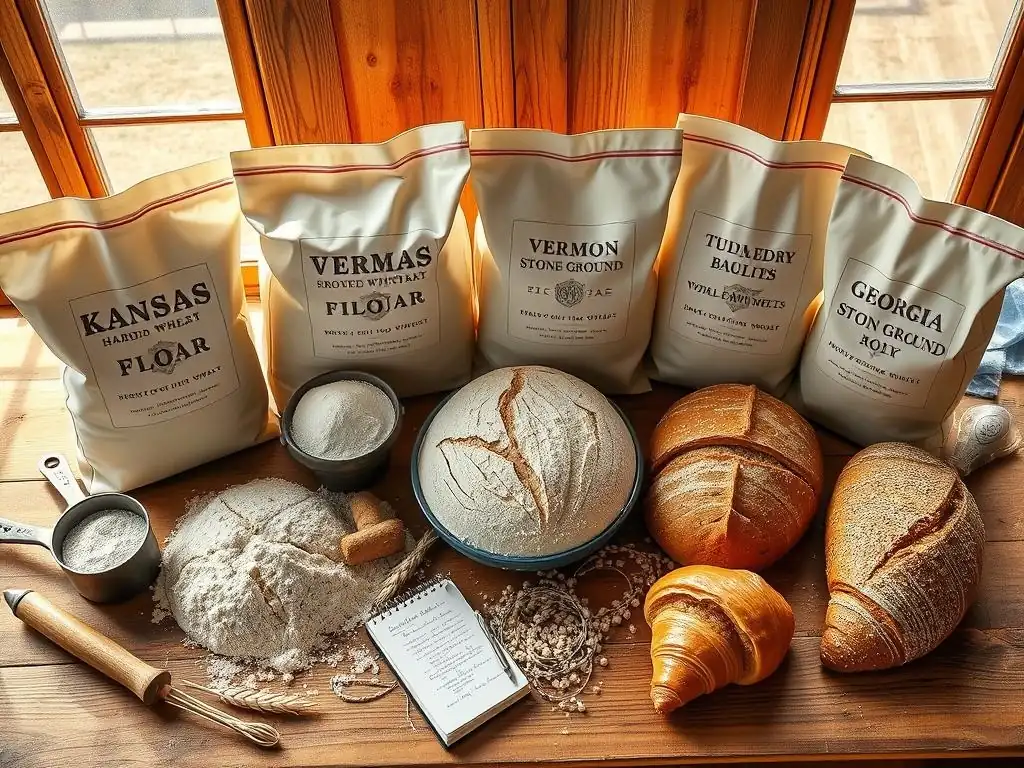
Exploring regional flours can be a rewarding journey for any baker looking to deepen their understanding of ingredients and enhance their baked goods. However, finding and properly utilizing these specialty flours requires a bit more effort than grabbing a standard bag from the supermarket shelf. The unique characteristics that make regional flours special also mean they might require different handling or storage compared to mass-produced alternatives. Understanding where to look and how to keep these flours fresh is key to successfully incorporating them into your baking repertoire and truly appreciating how different flour types affect baking results.
From seeking out local mills to understanding the best practices for storage, a thoughtful approach ensures that you get the most out of these often higher-quality, more characterful ingredients. Embracing regional flours is not just about finding a substitute; it's about exploring the diversity of wheat and milling, which directly influences how various flour types affect baking outcomes in delicious ways.
Finding Specialty Flour from Different Regions
Sourcing specialty flour from different regions often requires looking beyond large grocery store chains. Local farmers' markets are an excellent starting point, as regional mills or farmers who grow and mill their own wheat often sell directly to the public. This is a fantastic way to find truly local flour and learn directly from the producer about the specific wheat varieties and milling methods used.
Many regional mills also have their own websites and offer online ordering, allowing you to access flours from across the country that aren't available locally. For example, you can order stone-ground flour from a mill in the Southeast or high-protein bread flour from a mill in the Midwest, regardless of where you live. This accessibility makes it easier than ever to experiment with how different regional flour types affect baking in your own kitchen.
Specialty food stores, independent bakeries, and co-ops often carry a selection of regional or artisanal flours that are not widely distributed. Visiting these places can introduce you to unique flours and producers. Bakery supply stores, even those catering to home bakers, might also stock a wider variety of flour types, including those from specific regions or made from heritage wheat varieties.
Don't hesitate to ask questions about the flour's origin, protein content (if not listed), and recommended uses. Engaging with suppliers helps you understand the flour's characteristics and better predict how that specific flour types affect baking performance in your recipes.
Storing Regional Flour for Optimal Freshness and Performance
Proper storage is crucial for maintaining the quality and performance of any flour, but it's particularly important for regional flours, especially those that are less refined or stone-ground, as they may contain more natural oils from the germ. Exposure to air, moisture, heat, and light can cause flour to spoil, develop off-flavors, or lose its optimal baking properties. The best way to store flour is in an airtight container to protect it from moisture, pests, and odors.
Materials like glass, sturdy plastic, or metal bins with tight-fitting lids are ideal. This prevents oxidation and keeps the flour fresh, ensuring that the specific characteristics of the regional flour types affect baking performance as intended.
For longer-term storage, especially in warmer climates or for flours that contain more of the wheat kernel (like whole wheat or stone-ground), refrigeration or freezing is highly recommended. The cold temperatures significantly slow down oxidation and prevent rancidity, preserving the flour's flavor and baking quality for months.
Before using frozen flour, allow it to come to room temperature in its airtight container to prevent condensation, which can introduce unwanted moisture. By taking these storage precautions, you ensure that the unique properties of your regional flour are preserved, allowing you to experience how these specific flour types affect baking results consistently over time.
Conclusion: Embracing Regional Flour for Enhanced Baking
Exploring regional flour differences offers a fascinating dimension to the art and science of baking. It moves beyond simply choosing 'bread' or 'cake' flour to understanding the subtle but significant variations that arise from geography, climate, wheat variety, and milling practices.
Recognizing that flour types affect baking outcomes in ways influenced by their origin empowers bakers to make more informed ingredient choices, troubleshoot recipes effectively, and even appreciate the distinct flavors and textures that regional grains can impart. While it might require a bit more effort to source and adapt recipes, the rewards in terms of enhanced flavor, texture, and a deeper connection to the ingredients are well worth it.
Embracing regional flours encourages experimentation and a greater appreciation for the diverse world of wheat. It highlights that baking is not just about following instructions but about understanding ingredients and adapting techniques. Whether you're seeking the perfect chew for your sourdough or the ultimate tenderness for your cake, considering regional flour types can open up new possibilities and help you achieve baking results you might not have thought possible with standard options. The journey of exploring how different flour types affect baking is an ongoing learning process that promises delicious discoveries.
The Value of Experimenting with Regional Flour Types
Experimenting with regional flour types is one of the most valuable steps a baker can take to deepen their craft. It moves beyond the theoretical understanding that flour types affect baking to a practical, hands-on experience. By trying a bread flour from a region known for exceptionally high protein, you'll see and feel the difference in dough strength compared to a standard bread flour.
Baking the same cake recipe with cake flour from different regions will reveal subtle but discernible differences in crumb texture and tenderness. These direct comparisons provide invaluable learning opportunities that reading about flour properties alone cannot replicate.
Furthermore, experimenting with regional flours connects you to the source of your food and supports smaller, artisanal mills and farmers who preserve heritage wheat varieties and traditional milling methods. This can lead to discovering flours with unique flavors and nutritional profiles that enhance your baked goods in unexpected ways. While there's a learning curve in adapting recipes and handling flours with different properties, the knowledge gained about how various flour types affect baking performance makes you a more versatile and intuitive baker, capable of achieving excellent results with a wider range of ingredients.
Flour Types Affect Baking: Final Thoughts and Recommendations
The statement "Flour types affect baking" is a fundamental truth, but understanding that this extends to regional variations within flour types is key for ambitious bakers. From the protein content dictating gluten development in bread to the starch characteristics influencing tenderness in cakes, the specific properties of flour, shaped by its geographical origin and processing, play a crucial role. We've seen how high-protein hard wheat from the Midwest yields different bread results than flour from other regions, and how soft wheat from the Southern US contributes unique tenderness to cakes.
For bakers looking to improve their results or explore new possibilities:
- Pay attention to the source of your flour, not just the type. Look for information on protein content and wheat variety.
- When trying a new regional flour, start by using it in a familiar recipe where you know how the dough or batter should feel.
- Be prepared to adjust hydration levels and mixing times based on the flour's absorption and gluten development.
- For delicate baked goods, seek out regional soft wheat flours specifically milled for cake or pastry.
- For robust breads, explore regional hard wheat flours known for high protein and strong gluten.
- Store regional flours properly in airtight containers, refrigerating or freezing for long-term storage, especially whole grain or less refined types.
Embracing the diversity of regional flours is an exciting way to enhance your baking skills and discover new flavors and textures. The nuances of how different flour types affect baking are a lifelong study, offering endless opportunities for experimentation and delicious results.
Frequently Asked Questions
How do regional flour differences impact my baking results?
Different regions produce flours with varying protein content and gluten strength. This can affect the texture and rise of your baked goods, making some recipes more successful with locally sourced flour.
What specific flour characteristics should I consider when choosing a flour type?
Focus on the protein content, which indicates gluten development potential, and the milling process. These factors directly influence the structure and chewiness of your baked goods.
Can I substitute different types of flour in a recipe, and what adjustments should I make?
Yes, but with caution! Consider adjusting the hydration levels in the recipe. Higher protein flours may require more liquid. Research the differences in gluten development between the flours.
How does storage impact flour quality and its effect on baking?
Proper storage is crucial! Flour can absorb moisture and odors, affecting its performance. Store flour in an airtight container in a cool, dry place to maintain its baking quality and prevent rancidity.
Are there specific recipes where flour type is more critical than others?
Yes, certain recipes like sourdough bread and delicate pastries are highly sensitive to flour variations. These recipes rely heavily on gluten development and require specific protein content ranges for optimal results.
Final Reflection: The Humble Flour's Mighty Impact
The seemingly simple act of choosing flour profoundly impacts the final product, a truth that resonates deeply in today's increasingly food-conscious world. From artisan bread bakers striving for perfect sourdough to home cooks seeking consistently delicious cakes, understanding the nuances of flour type is no longer a niche pursuit but a crucial element of successful baking. The subtle differences between flours, often overlooked, directly translate to texture, flavor, and overall baking success.
This exploration into regional flour variations has highlighted the rich tapestry of agricultural practices and their influence on our culinary landscape. The journey from grain to loaf is a testament to human ingenuity and our enduring connection to the land. Bread is the staff of life,
a simple phrase that belies the complex history and cultural significance embedded within this everyday staple. Understanding the subtle variations in flour allows us to appreciate this connection more deeply, to recognize the impact of terroir and farming methods on the very food we consume.
Now, consider your own baking. What flours have you used? What results did you achieve? I encourage you to experiment, to explore the diverse world of flours available to you, and to discover the unique qualities each brings to your baking. By understanding the subtle differences, you'll not only improve your baking skills but also deepen your appreciation for the ingredients that nourish us and connect us to the rich history of food production. Embrace the adventure of flour exploration – your taste buds will thank you.
Unlock Your Baking Potential: Discover the Flour Power!
Thanks for taking the time to explore the fascinating world of regional flour differences! We hope you gained a new appreciation for the impact flour can have on your baking. Now it's time to put your knowledge into practice.
- Experiment with a new flour type: Find a local mill or specialty store and try a flour you haven't baked with before. This is your chance to discover unique flavors and textures!
- Share your flour findings: Tell us (and others!) about your baking experiences with different flours. What surprised you? What did you love? We’d love to hear your story in the comments below!
- Challenge your baking skills: Try recreating one of your favorite recipes with a different type of flour. Document your journey – even if it’s just for yourself. You might be amazed at the results!
Ready to elevate your baking game with the right flour? What regional flour are you most excited to experiment with?