
Freezing Cookies: Your Guide to ReadytoBake Delights Anytime

Welcome to BakeWithEase, your haven for effortless baking adventures! Tired of last-minute baking frenzies? Discover the secret to having delicious treats on hand whenever cravings strike. This article dives deep into Freezing Baked Cookies for Later, unlocking a world of convenience and fresh-baked goodness at your fingertips. Curious about how to maintain that perfect texture and flavor after thawing? Let's explore the tips and tricks that will revolutionize your cookie game!
- Why Freeze Cookies? The Benefits of Freezing for Later Enjoyment
- Freezing Cookie Dough: A Step-by-Step Guide for Optimal Results
- Freezing Baked Cookies: Preserving Freshness and Flavor
- Thawing and Baking Frozen Cookie Dough: From Freezer to Oven
- Thawing and Enjoying Frozen Baked Cookies
- Tips for Success: Freezing Cookies Like a Pro
- Troubleshooting: Addressing Common Freezing Issues
- Enjoying Your Frozen Cookie Creations: Serving Suggestions
- Frequently Asked Questions
- Final Reflection: The Enduring Sweetness of Frozen Time
- Unlock Your Freezer's Baking Potential!
Saving Time with Pre-Portioned Dough
Freezing cookie dough ahead of time is a fantastic way to streamline your baking process and reclaim precious time in the kitchen. Imagine the scenario: you decide last minute to have friends over, or perhaps you're craving a warm, fresh cookie after dinner. If you have pre-portioned cookie dough waiting in your freezer, you can skip the measuring, mixing, and chilling steps entirely.
Simply grab the desired number of dough balls or slices, place them on a baking sheet, and pop them into the oven. This method drastically reduces the time from craving to consumption, often cutting down preparation time from 30-60 minutes to just 15-20 minutes, including baking.
This time-saving advantage is particularly beneficial during busy periods like holidays or special occasions. Preparing multiple batches of dough over a few hours when you have free time allows you to bake fresh cookies on demand for days or even months to come.
For instance, you could spend an afternoon making three different types of cookie dough (say, chocolate chip, peanut butter, and sugar cookies), portioning and freezing them. Later, when you need cookies for a school event or a family gathering, you can bake a variety without the initial effort, making "Freezing baked cookies for later" by starting with the dough a smart strategy for efficiency.
Reducing Waste by Preserving Freshness
Freezing is an excellent method for preserving the freshness and quality of both cookie dough and baked cookies, significantly reducing potential food waste. If you mix up a large batch of dough but only want to bake a few cookies at a time, freezing the rest prevents it from spoiling in the refrigerator (where dough typically lasts only 2-4 days).
Similarly, if you bake a large batch of cookies for an event but have leftovers, freezing them immediately after they cool locks in their flavor and texture, keeping them enjoyable for much longer than they would remain fresh at room temperature (usually 2-3 days for most varieties).
By freezing, you can extend the lifespan of your baked goods dramatically. While the exact duration varies, properly frozen cookie dough can remain viable for baking for 3 to 6 months, and in many cases, even up to a year with minimal loss of quality.
For "Freezing baked cookies for later," a well-packaged cookie can last in the freezer for 6 to 12 months. This means you can bake a large quantity when ingredients are on sale or when you have baking time, and enjoy perfectly good cookies months down the line, preventing the need to discard stale or expired treats.
Having a stash of frozen cookie dough or "Freezing baked cookies for later" is the ultimate secret weapon for impromptu entertaining. Picture this: friends drop by unexpectedly, or your kids announce a last-minute playdate. Instead of rushing to the store or apologizing that you have nothing to offer, you can effortlessly produce warm, fresh-baked cookies within minutes. This capability transforms you into a host who is always prepared with a delightful treat, creating a welcoming and hospitable atmosphere without any stress.
The convenience factor cannot be overstated. Whether you freeze individual dough balls, logs for slice-and-bake, or entirely "Freezing baked cookies for later," you have a ready supply of homemade goodness. A simple chocolate chip cookie baked fresh from the freezer can turn a casual visit into a memorable occasion. This is particularly useful around the holidays or during busy social seasons when you might have multiple visitors; you can rotate through different frozen doughs or pre-baked cookies, offering variety with minimal effort each time.
Nearly all standard cookie dough recipes can be successfully frozen, but some types lend themselves better to specific freezing methods. Understanding which doughs work best with which techniques is key to achieving great results.
Drop Cookies (Chocolate Chip, Peanut Butter)
Drop cookies, like the classic chocolate chip, oatmeal, or peanut butter varieties, are arguably the easiest doughs to freeze. Their soft, scoopable texture makes them ideal for portioning into individual balls before freezing. This method allows you to bake just one or two cookies at a time directly from the freezer, offering unparalleled convenience. The dough holds its shape well during freezing and baking, resulting in consistently good cookies.
The process for these doughs typically involves scooping portions onto a baking sheet, freezing until solid, and then transferring the frozen balls to a freezer-safe container or bag. This individual freezing prevents them from sticking together. Recipes with mix-ins like chocolate chips, nuts, or dried fruit freeze exceptionally well, as these ingredients maintain their integrity and flavor.
Slice-and-Bake Cookies (Sugar, Pinwheel)
Slice-and-bake cookies, often made from firmer doughs like sugar cookies, shortbread, or pinwheels, are perfectly suited for freezing in log form. This method involves shaping the dough into a cylindrical log, chilling it, and then freezing it. When ready to bake, you simply slice off rounds from the frozen log and place them on a baking sheet.
Freezing dough this way is excellent for creating uniform cookies with minimal effort. It works particularly well for decorative cookies like swirls or checkerboards where the shape is formed before freezing. The firm texture of these doughs ensures the log maintains its shape during freezing and slicing, leading to beautiful, consistent results straight from the freezer.
Rolled Cookies (Gingerbread, Shortbread)
Rolled cookie doughs, commonly used for cut-out shapes like gingerbread men or decorative sugar cookies, can also be frozen successfully. The key difference here is that you have two main options: freezing the dough in a disc or block before rolling and cutting, or rolling and cutting the shapes before freezing.
Freezing the dough in a disc is convenient if you're not sure exactly how many cookies you'll need or what shapes you want to cut. You simply thaw the disc enough to roll it out and cut shapes. Alternatively, you can roll out the dough, cut your shapes, and then freeze the individual cut-outs on a baking sheet before transferring them to a container.
This second method is ideal if you know exactly what shapes you want and want the convenience of baking directly from frozen shapes. Both methods work well for these types of dough, preserving their texture and flavor.
Proper preparation is crucial for successful cookie dough freezing, ensuring the dough remains fresh, easy to use, and bakes into delicious cookies. Two main steps are essential: portioning and shaping.
Portioning Cookie Dough for Individual Servings
Portioning dough before freezing is highly recommended for most cookie types, especially drop cookies. This step allows you to bake just the amount you need at any given time, preventing the need to thaw a large block of dough. For drop cookies, use a cookie scoop or two spoons to portion the dough into uniform balls. Aim for the size specified in your recipe, typically ranging from 1 to 2 tablespoons. Uniform size ensures even baking.
For slice-and-bake doughs, portioning involves shaping the dough into one or more logs of your desired diameter. Wrap these logs tightly (more on packaging later) before freezing. Rolled cookie dough can be portioned into discs or blocks, or you can portion it by cutting out shapes after rolling, as discussed earlier. Proper portioning makes the dough "ready-to-bake" directly from the freezer, significantly enhancing convenience.
Shaping Cookie Dough Before Freezing
Shaping the dough according to its type before freezing is the next critical step. For drop cookies, shape the scooped portions into neat balls. While they will spread during baking, starting with a relatively uniform ball helps ensure consistent results. Place these balls on a baking sheet lined with parchment paper or a silicone mat, leaving a small space between them.
For slice-and-bake dough, shape the dough into a compact log. Rolling it on a counter or using parchment paper to help guide it into a cylindrical shape works well. Aim for an even thickness throughout the log. For rolled cookies, shape the dough into a disc or block for later rolling, or roll it out and cut your shapes before freezing them individually on a baking sheet. Proper shaping ensures the dough is in the most convenient form for baking directly from frozen.
Once the dough is portioned and shaped, the actual freezing process requires specific methods to prevent sticking and freezer burn.
Freezing Cookie Dough Balls on a Baking Sheet
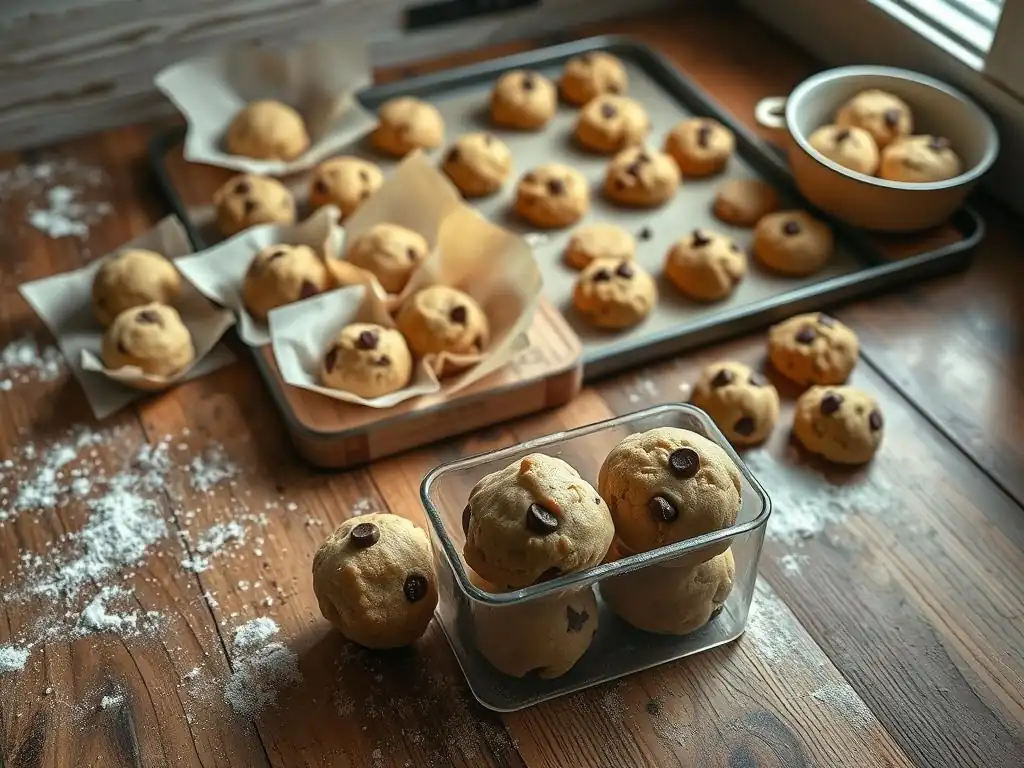
This is the standard method for drop cookies. After portioning the dough into balls and placing them on a lined baking sheet, put the entire sheet into the freezer. Freeze the dough balls until they are completely solid. This typically takes 1-2 hours, depending on the size of the balls and the temperature of your freezer.
Pre-freezing the balls individually on a sheet is crucial because it prevents them from sticking together when you transfer them to a storage container. Once frozen solid, you can easily remove them from the baking sheet using a spatula and place them into a freezer bag or airtight container. This method ensures you can grab just one or two dough balls at a time whenever the craving strikes, making "Freezing baked cookies for later" by starting with pre-portioned dough incredibly convenient.
Freezing Cookie Dough in a Log (Slice-and-Bake)
For slice-and-bake doughs, shape the dough into logs and wrap them tightly. Place the wrapped logs directly into the freezer. The log shape allows you to simply slice off rounds of dough when you're ready to bake. Ensure the log is firm and uniform before wrapping to maintain its shape during freezing.
Freezing dough in a log is space-efficient and easy to use. When you need cookies, you just take out the log, let it warm slightly (enough to slice, but not thaw completely), and cut off the desired number of slices. This method is perfect for creating uniform cookies like classic sugar cookies or shortbread rounds without the mess of re-rolling dough.
Packaging Cookie Dough for the Freezer: Double Wrapping for Protection
Proper packaging is paramount to protect cookie dough from freezer burn, which can lead to dry, flavorless cookies. The best practice is often double wrapping. Start by wrapping individual dough balls (after pre-freezing), logs, or discs tightly in plastic wrap. Ensure there are no air pockets.
After the initial plastic wrap layer, place the wrapped dough portions into a heavy-duty freezer bag or an airtight freezer-safe container. Press out as much air as possible from the bag before sealing. This second layer of protection creates a strong barrier against moisture loss and odor absorption, keeping your dough fresh for months. For "Freezing baked cookies for later" or dough, this double layer is key to maintaining quality.
Properly packaged cookie dough can be frozen for a significant amount of time while retaining good quality. Generally, most cookie doughs will last for 3 to 6 months in the freezer. Some types, particularly those with higher fat content like shortbread or butter cookies, might last even longer, potentially up to 9-12 months, though quality might slightly decline after 6 months.
The exact duration depends heavily on the dough's ingredients, the quality of the packaging, and the consistency of your freezer's temperature. Freezers that fluctuate in temperature can reduce the storage time and increase the risk of freezer burn. While dough frozen for longer than 6 months is often still safe to bake and eat, the flavor and texture might not be as vibrant as when it was first frozen. Always label your dough with the type and date it was frozen to keep track.
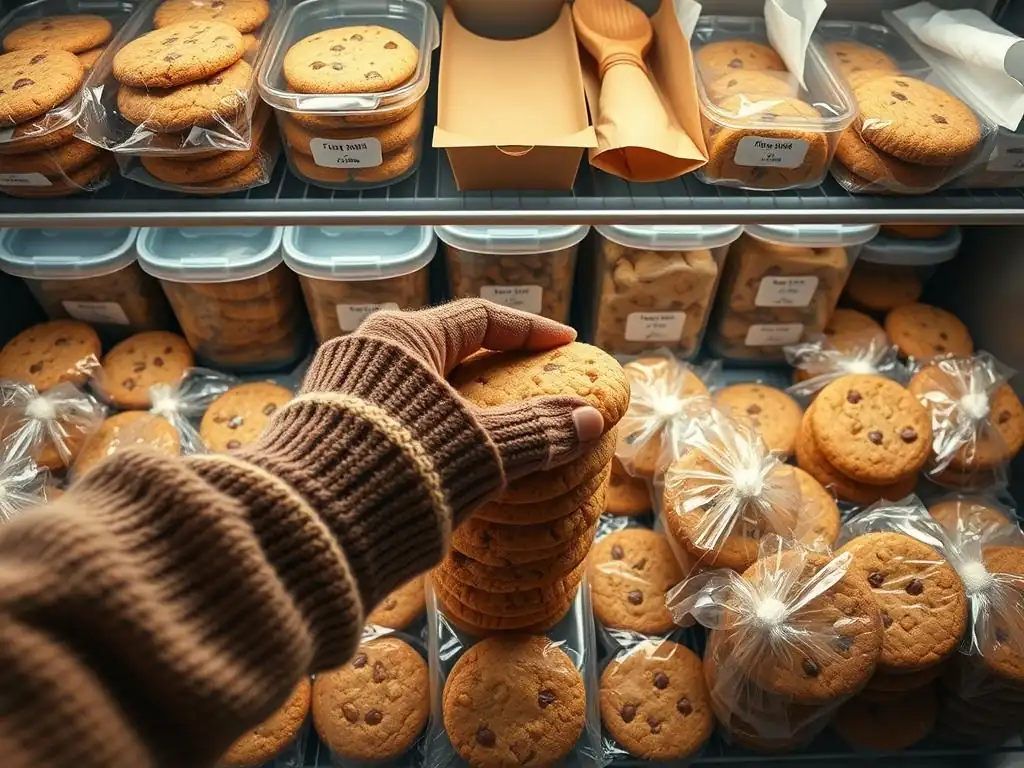
"Freezing baked cookies for later" is another excellent strategy for managing your cookie supply, whether you've baked too many or want to get ahead for a future event. Freezing baked cookies preserves their texture and taste far better than storing them at room temperature for extended periods.
Not all baked cookies freeze equally well. Generally, cookies with a sturdy texture and lower moisture content are the best candidates for "Freezing baked cookies for later."
Hearty Cookies (Oatmeal Raisin, Ginger Molasses)
Cookies that are chewier or more substantial, like oatmeal raisin, ginger molasses, peanut butter cookies, and most drop cookies (including chocolate chip), freeze beautifully after baking. Their denser texture helps them withstand the freezing and thawing process without becoming overly fragile or crumbly. The flavors in these cookies also tend to hold up very well in the freezer.
Even cookies with frosting or glaze can sometimes be frozen, provided the frosting isn't prone to becoming sticky or watery upon thawing. For example, a simple powdered sugar glaze or a sturdy buttercream might work, whereas delicate meringues or light icings may not. "Freezing baked cookies for later" works best with cookies that have some structural integrity.
Less Suitable Cookies (Meringue-Based Cookies)
Some types of baked cookies do not fare well in the freezer due to their delicate structure or high moisture content. Meringue-based cookies, like macarons or simple meringues, are notoriously difficult to freeze. They tend to absorb moisture from the freezer environment, becoming sticky, chewy, or collapsing entirely upon thawing.
Similarly, very delicate, thin, or crispy cookies might become fragile and prone to breaking when frozen and thawed. Cookies with a very high moisture content, like those with a soft, gooey center (unless designed to be baked from frozen), can sometimes develop ice crystals that affect their texture. While you can attempt to freeze almost any cookie, for the best results when "Freezing baked cookies for later," stick to sturdier, less delicate varieties.
This step is non-negotiable when "Freezing baked cookies for later." Cookies must be completely cooled to room temperature before being packaged for freezing. Freezing warm or hot cookies will create condensation inside the packaging.
This condensation can lead to ice crystals forming on the cookies, which damages their texture and can cause freezer burn more quickly. It can also make the cookies soggy. Allow cookies to cool fully on a wire rack for at least 1-2 hours, or until they are no longer warm to the touch, before moving on to packaging. Patience here pays off in preserving quality.
Proper packaging is just as critical for "Freezing baked cookies for later" as it is for dough. The goal is to protect the cookies from physical damage (crumbling), moisture loss (freezer burn), and absorbing freezer odors.
Single-Layer Freezing for Delicate Cookies
For more delicate baked cookies or those with frosting or decorations, consider freezing them in a single layer on a baking sheet first, similar to how you would pre-freeze cookie dough balls. Place the fully cooled cookies on a parchment-lined baking sheet and freeze until solid, typically 1-2 hours.
Once frozen, you can transfer the cookies to a freezer container. This pre-freezing step prevents the cookies from sticking to each other or getting crushed when you stack them in a container. It's an extra step but worth it for preserving the appearance and structure of fragile baked goods when "Freezing baked cookies for later."
Stacking Cookies with Parchment Paper
For sturdier baked cookies, you can stack them directly into an airtight container. To prevent them from sticking together or transferring flavors, layer the cookies with pieces of parchment paper or wax paper in between the layers.
Place a layer of cookies, top with a sheet of parchment paper, add another layer of cookies, and repeat until the container is full. This makes it easy to take out just a few cookies at a time without disturbing the rest. Ensure the container is packed relatively full to minimize air space, which helps prevent freezer burn when "Freezing baked cookies for later."
Using Airtight Containers or Freezer Bags
Whether you pre-freeze or stack, the final packaging must be airtight. Use rigid, freezer-safe plastic containers with tight-fitting lids, or heavy-duty freezer bags designed for long-term freezing. Avoid using standard food storage bags or thin plastic containers, as they are not sufficient to prevent freezer burn over time.
If using a freezer bag, press out as much air as possible before sealing. For containers, ensure the lid is securely fastened. You can even place the container or bag inside another layer (like wrapping the container in plastic wrap or placing the bag inside another bag) for extra protection, especially if you plan on "Freezing baked cookies for later" for several months.
When properly cooled and packaged, "Freezing baked cookies for later" can extend their shelf life significantly. Baked cookies generally maintain their quality in the freezer for 6 to 12 months. The exact duration can depend on the cookie type; cookies with higher fat content (like shortbread) or very low moisture might last closer to 12 months, while chewier cookies might be best consumed within 6-9 months for optimal texture.
As with dough, consistent freezer temperature and excellent packaging are key to maximizing storage time and preventing freezer burn. While cookies frozen for longer than a year may still be safe to eat, their flavor might be diminished and their texture less appealing. Always label your containers or bags with the type of cookie and the date they were frozen.
Getting frozen cookie dough ready to bake is straightforward, but requires understanding the best thawing methods and potential adjustments to baking time.
You have a couple of options when it comes to thawing frozen cookie dough, depending on how much time you have and the desired outcome.
Thawing Cookie Dough in the Refrigerator
The safest and often recommended method for thawing is in the refrigerator. Transfer the frozen dough (either portioned balls, logs, or discs) from the freezer to the refrigerator. Allow it to thaw slowly. Individual dough balls might take 12-24 hours, while a large log or disc could take 24-48 hours or even longer, depending on size.
Thawing in the refrigerator allows the dough to warm up gradually and evenly, which can result in more consistent baking. Once thawed, the dough can usually be treated much like fresh dough, though it's best to bake it within 1-2 days after thawing. This method is ideal if you plan your baking a day or two in advance.
Baking Frozen Cookie Dough Directly (Adding Baking Time)
For maximum convenience, most frozen cookie dough (especially portioned balls or slice-and-bake logs) can be baked directly from the freezer without thawing. This is one of the biggest advantages of "Freezing baked cookies for later" by starting with dough. Simply place the frozen dough portions on a prepared baking sheet.
Baking from frozen will require a slightly longer baking time than specified in the original recipe for fresh dough. This method is fantastic for spontaneous baking and ensures you can have warm cookies ready in under 20 minutes in most cases. It's the go-to method when you need cookies now.
When baking frozen cookie dough directly from the freezer, you will need to increase the baking time. The exact increase varies depending on the size of the cookie, the thickness of the dough (for slice-and-bake), and your oven.
A general guideline is to add 2-5 minutes to the baking time listed in the original recipe. For example, if a recipe calls for baking fresh dough for 10-12 minutes at 350°F, you might bake the frozen dough for 12-17 minutes. Start checking for doneness at the original recipe's minimum time and add minutes as needed until the cookies are golden brown around the edges and set in the center. Keep a close eye on them to prevent over-baking.
To bake frozen cookie dough balls:
- Preheat your oven to the temperature specified in the recipe (usually 350°F or 375°F).
- Place the frozen dough balls on a baking sheet lined with parchment paper, spacing them according to the recipe's instructions (usually 2-3 inches apart).
- Bake, adding 2-5 minutes to the original baking time.
- Check for doneness: edges should be set and lightly browned, center should look cooked but possibly still slightly soft.
- Let cool on the baking sheet for a few minutes before transferring to a wire rack.
Example:
Original Recipe: Bake at 350°F for 10-12 minutes.
Frozen Dough: Bake at 350°F for 12-17 minutes. Check at 12 minutes.
This method is perfect for getting a small batch of fresh, warm cookies anytime.
To bake frozen slice-and-bake cookie logs:
- Preheat your oven to the temperature specified in the recipe.
- Remove the frozen log from the freezer. If it's too hard to slice immediately, let it sit at room temperature for 5-10 minutes until you can slice it with a sharp knife. Do not let it thaw completely.
- Slice the log into rounds of the desired thickness (usually 1/4 to 1/2 inch).
- Place the frozen slices on a prepared baking sheet, spacing them appropriately.
- Bake, adding 2-5 minutes to the original baking time.
- Check for doneness: edges should be golden, center set.
- Let cool briefly on the sheet before moving to a rack.
This method is incredibly quick and yields uniformly shaped cookies, perfect for when you're "Freezing baked cookies for later" by preparing the dough logs ahead of time.
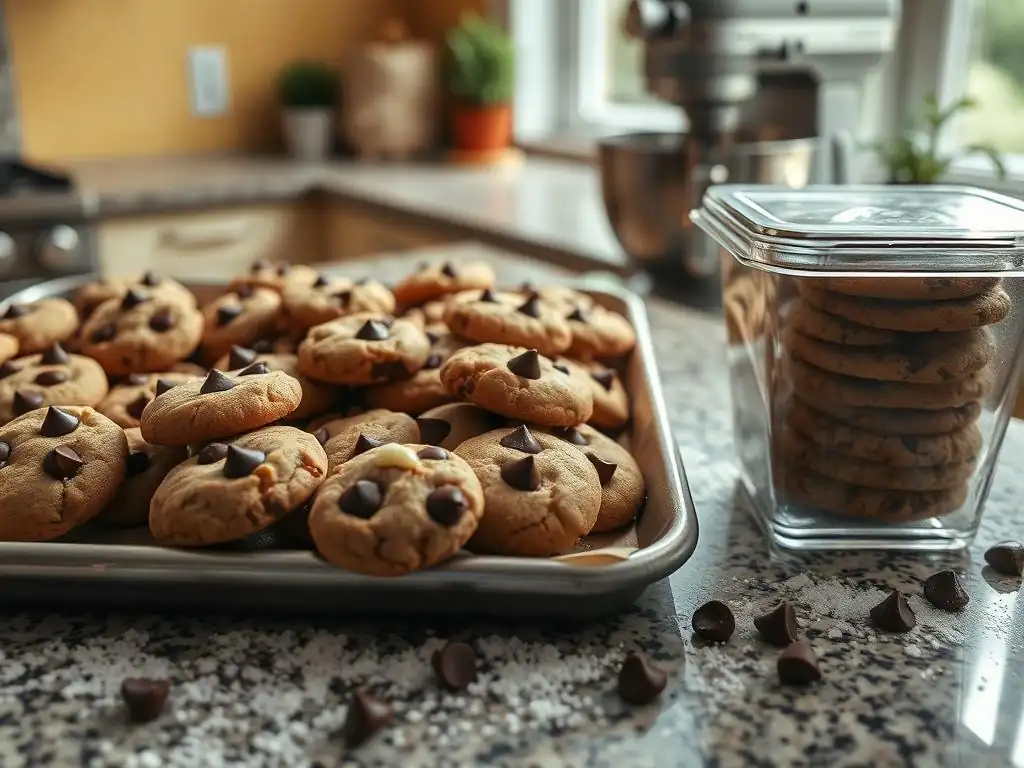
Once you've successfully managed "Freezing baked cookies for later," the process of enjoying them is simple and requires minimal effort.
The easiest and most common way to thaw frozen baked cookies is at room temperature. Simply remove the container or bag of frozen cookies from the freezer and place it on your counter. Keep the cookies in their packaging while they thaw.
Leaving them in the packaging prevents condensation from forming on the surface of the cookies as they warm up, which could make them soggy. Small cookies might thaw in 30-60 minutes, while larger or thicker cookies could take 1-2 hours. Once thawed, they can be enjoyed immediately. For best quality, consume thawed cookies within 1-2 days.
Sometimes, thawed baked cookies can lose a bit of their initial crispness or warmth. To refresh them and bring back that fresh-baked taste and texture, you can briefly warm them in a low oven.
Preheat your oven to a low temperature, typically around 275°F (135°C) or 300°F (150°C). Place the thawed cookies on a baking sheet. Warm them in the oven for just 5-10 minutes, depending on their size and thickness, until they are heated through. Be careful not to over-bake them. This step can work wonders in restoring the cookie's original appeal after "Freezing baked cookies for later."
Mastering the art of freezing cookies, whether dough or "Freezing baked cookies for later," involves a few key best practices that ensure optimal results every time.
Choosing the Right Freezer-Safe Packaging
Using high-quality, freezer-specific packaging is paramount. Look for materials labeled as "freezer-safe." This includes:
- Heavy-duty freezer bags (thicker than standard storage bags)
- Airtight plastic or glass containers with tight-fitting lids
- Aluminum foil (used as an inner wrap, often combined with a bag or container)
- Plastic wrap (used as an initial tight wrap before bagging/containing)
Avoid thin plastic bags or containers that are not designed for freezing, as they don't provide an adequate barrier against air and moisture, leading to freezer burn. Proper packaging is the frontline defense when "Freezing baked cookies for later."
This step is simple but incredibly important. Always label your packaged cookie dough or baked cookies clearly with:
- The type of cookie (e.g., "Chocolate Chip Dough," "Oatmeal Raisin Baked")
- The date they were frozen
Task List:
[ ] Get freezer bags/containers
[ ] Find a permanent marker
[ ] Label each package *before* filling
This prevents mystery packages in the back of your freezer and helps you use the oldest items first, ensuring you enjoy your frozen treats within their peak quality timeframe. For "Freezing baked cookies for later," knowing the date is crucial for optimal enjoyment.
Be aware of potential pitfalls to ensure your freezing efforts are successful:
- Freezing cookies that aren't completely cool: This causes condensation and ice crystals.
- Using inadequate packaging: Leads to freezer burn and flavor loss.
- Not removing excess air from bags: Air pockets promote freezer burn.
- Overcrowding the freezer: Can slow down freezing and affect quality.
- Freezing dough that is too soft: Can make portioning and handling difficult.
- Not labeling: Results in forgotten or unidentified frozen goods.
By avoiding these common errors, you maximize the quality and longevity of your frozen cookies, whether you're freezing dough or "Freezing baked cookies for later."
Troubleshooting: Addressing Common Freezing Issues
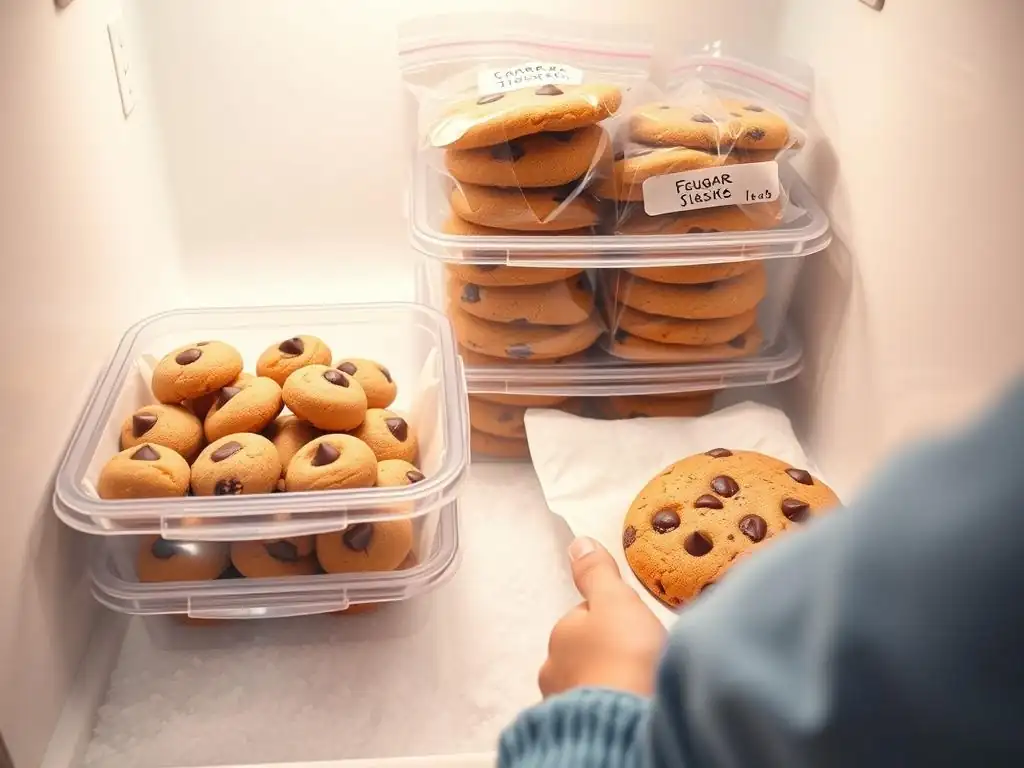
Even with the best practices, sometimes issues arise when freezing or thawing cookies. Here's how to address some common problems.
- Problem: Dry, discolored patches (often grayish or white) on the surface of the dough or baked cookies.
- Cause: Exposure to air in the freezer, leading to moisture loss (sublimation). Usually due to poor packaging or being stored for too long.
- Solution:
- For dough: If the freezer burn is minor, you might be able to cut off the affected parts. If extensive, the dough's texture and flavor will be compromised.
- For baked cookies: Small spots might be acceptable, but large areas of freezer burn will result in dry, cardboard-like texture.
- Prevention is key: Always use airtight, freezer-safe packaging and double wrap if possible. Remove as much air as possible. Ensure cookies are completely cool before freezing.
Block Quote:
"Freezer burn doesn't make food unsafe, but it significantly degrades quality. It's the main enemy when freezing baked cookies for later enjoyment."
Dough Too Hard to Scoop or Slice
- Problem: Frozen cookie dough is like a brick, impossible to scoop or slice.
- Cause: The dough is frozen solid, which is intended, but you might need to let it warm slightly for easier handling.
- Solution:
- For scoopable dough: If baking from frozen, you might need a sturdy scoop or let the dough balls sit on the counter for 5-10 minutes to soften just enough to release from the scoop easily, but remain frozen in the center.
- For slice-and-bake logs: Let the log sit at room temperature for 5-15 minutes until it is firm but can be sliced with a sharp, heavy knife without excessive force. Do not let it get too soft. If slicing is still difficult, use a serrated knife.
- Problem: Cookies baked directly from frozen dough spread much more than expected, becoming thin and flat.
- Cause: Could be related to dough composition, but sometimes frozen dough spreads differently. If the dough partially thawed and refroze, this can also affect its structure. Over-greasing the baking sheet can also contribute.
- Solution:
- Ensure the dough is truly frozen solid when it goes into the oven.
- Try chilling the portioned dough balls in the refrigerator for 30 minutes before freezing them on the sheet. This initial chill can help stabilize the dough.
- Avoid greasing baking sheets for most cookie types; parchment paper is usually sufficient and helps control spread.
- Check your oven temperature with an oven thermometer – an inaccurate oven can affect spread.
- If the problem persists with a specific recipe, you might need to slightly adjust the flour ratio in the dough next time you make it for freezing, adding a tablespoon or two more flour.
Whether you baked from frozen dough or are enjoying "Freezing baked cookies for later," the final step is savoring your delicious, convenient treats.
Perfect Pairings: Coffee, Tea, Milk.
Freshly baked cookies from frozen dough, or thawed and refreshed baked cookies, are perfect with classic comforting beverages.
- Milk: A timeless pairing, especially with chocolate chip, peanut butter, or oatmeal cookies. The cool milk is a perfect contrast to a warm cookie.
- Coffee: Many cookies, particularly richer or spiced varieties like gingerbread or ginger molasses, pair wonderfully with a hot cup of coffee.
- Tea: Lighter cookies like shortbread or sugar cookies are lovely with tea. A simple black tea or a fragrant herbal tea can complement the flavors without overpowering them.
Having "Freezing baked cookies for later" means you're always ready for a cozy moment or a simple dessert. Pull out a few cookies, prepare your favorite drink, and enjoy the simple pleasure of a homemade treat, anytime you like.
Frequently Asked Questions
Baked cookies can generally be frozen for 2-3 months without significant loss of quality or flavor. Make sure they are stored in an airtight container to prevent freezer burn.
The best way to thaw frozen cookies is to let them sit at room temperature for about 30 minutes to an hour. You can also warm them in a low oven (around 300°F) for a few minutes.
While most baked cookies freeze well, some with delicate decorations or fillings might not hold up as well. Hearty cookies like chocolate chip or oatmeal tend to freeze best.
Let the cookies cool completely before freezing. Wrap them individually or in small stacks with parchment paper to prevent sticking.
Freezing can slightly alter the texture of some cookies, making them a bit softer. However, the flavor should remain largely unchanged if stored properly.
Final Reflection: The Enduring Sweetness of Frozen Time
The art of freezing baked cookies isn't just about convenience; it's about preserving moments of joy for later. Imagine the delight of pulling a perfectly crisp chocolate chip cookie from the freezer, ready to enjoy on a whim, months after the initial baking frenzy. This seemingly simple act transcends mere practicality; it's a testament to our desire to savor cherished flavors and experiences long after they've been created.
The ability to freeze cookies has profoundly impacted our relationship with baking, shifting it from a solely present-tense activity to one that spans time. It allows us to enjoy the fruits of our labor whenever the craving strikes, without the pressure of immediate consumption. This resonates deeply with the modern, busy lifestyle, where spontaneity and efficiency are highly valued. The best things in life are worth waiting for,
and frozen cookies are a delicious example of this truth. This simple act of preservation allows us to extend the joy of baking, sharing freshly baked cookies with loved ones even when time is short.
Now, consider your own baking journey. What treasured recipes are waiting to be frozen and enjoyed later? What moments of joy can you preserve through the simple act of freezing your cookies? I encourage you to embrace the power of frozen time, to experiment with different freezing techniques, and to share the delicious results with those you love. Let the enduring sweetness of your frozen cookies be a reminder of the joy of baking and the simple pleasures that enrich our lives.
Unlock Your Freezer's Baking Potential!
Thanks for taking the time to explore the world of freezer-friendly cookies! You've just learned how to effortlessly enjoy freshly baked treats anytime the craving strikes. Now it's time to put your new skills into action.
- Bake a batch of your favorite cookies today and freeze them for future enjoyment. Follow the steps outlined in the article for perfect results!
- Share your freezer cookie success stories (or questions!) in the comments below. Let's build a community of cookie-loving bakers!
- Challenge yourself to try a new cookie recipe from our website and freeze half the batch. Expand your baking horizons with ease!
What delicious cookie adventure will you embark on next?