
How to Prevent Your Classic Sugar Cookies From Turning Flat and Floppy

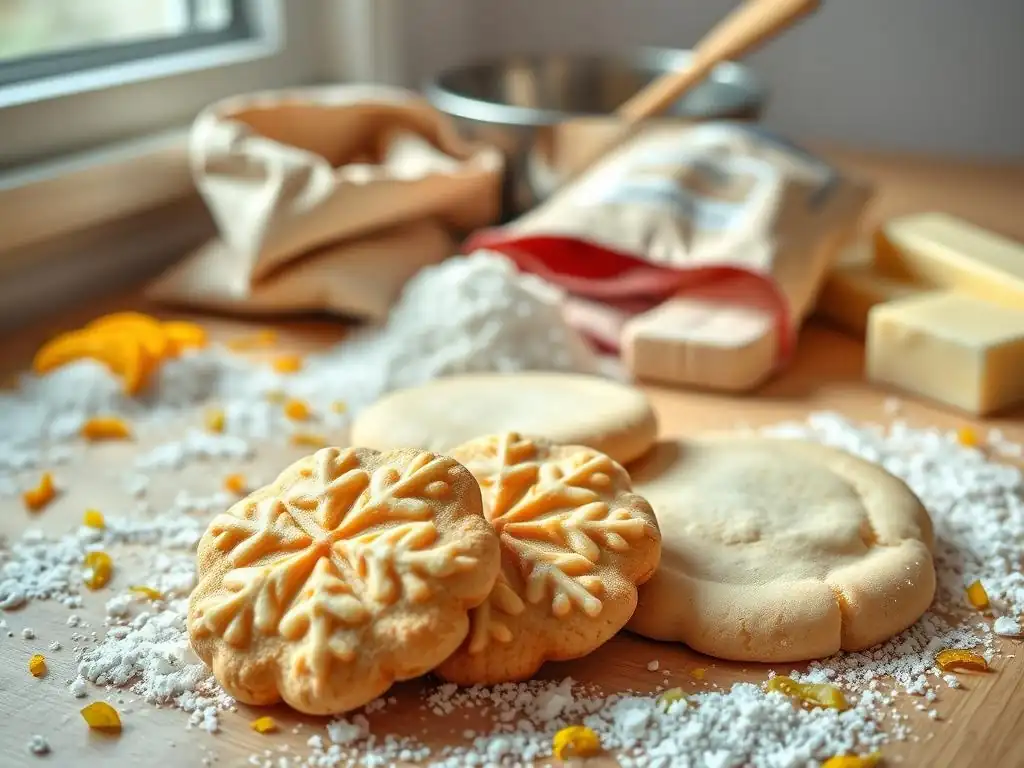
Welcome to BakeWithEase, your haven for baking brilliance! Are your classic sugar cookies turning out flat and floppy instead of perfectly puffed and delightfully chewy? You're not alone! Discover the secrets to achieving bakery-worthy results with our expert tips and tricks. Let's dive in and unlock the flat sugar cookies solution together – your baking journey starts now!
- Understanding Why Sugar Cookies Spread Too Thin
- The Ultimate Guide to Baking Non-Spreading Sugar Cookies
- Temperature Control: Chilling Dough and Oven Accuracy
- Ingredient Selection: Flour, Butter, and Sugar
- Baking Techniques for Perfect Sugar Cookies
- Troubleshooting Flat Sugar Cookies: Specific Solutions
-
Frequently Asked Questions
- Why are my sugar cookies spreading too much while baking?
- What is the best type of fat to use in sugar cookies to prevent spreading?
- Does chilling the sugar cookie dough really make a difference?
- What oven temperature is ideal for baking sugar cookies to avoid flatness?
- Can overmixing the dough cause flat sugar cookies?
- Final Reflection: The Sweet Science of a Perfect Cookie
- Unleash Your Inner Cookie Master!
When you place cookie dough in a hot oven, a fascinating transformation occurs that involves several scientific principles. Initially, the solid fats (like butter) in the dough begin to melt. This melting process is a primary driver of spread; as the fat transitions from solid to liquid, it loses its structure and allows the dough to relax and flatten out.
Simultaneously, any moisture in the dough turns into steam, which also contributes to the expansion. Leavening agents, such as baking soda or baking powder, react with moisture and/or acids to produce carbon dioxide gas, causing the cookies to rise and expand further before the structure sets.
The rate at which the fat melts and the structure sets is critical. If the fat melts too quickly before the proteins (from flour and eggs) and starches have a chance to coagulate and solidify, the cookie will spread excessively, resulting in a thin, flat disc rather than a puffy, defined shape. The temperature of your ingredients and your oven plays a huge role in this delicate balance. Understanding this science is the first step towards finding a reliable flat sugar cookies solution.
Several factors can contribute to your sugar cookies spreading too much. One of the most frequent issues is using butter that is too soft, or even melted. Room temperature butter should still be slightly cool to the touch and hold its shape; if it's greasy or shiny, it's too warm. Over-creaming butter and sugar also incorporates too much air, which can cause the cookies to collapse slightly during baking, leading to spread.
Another common problem is inaccurate measurement, particularly of flour. Too little flour means there isn't enough structure to hold the cookie's shape as it bakes. Conversely, too much sugar or fat relative to the flour can also cause excessive spread. Using the wrong type or amount of leavening agent, or failing to chill the dough adequately before baking, are equally significant contributors to flat, floppy sugar cookies. Identifying which of these factors is affecting your bake is key to implementing the correct flat sugar cookies solution.
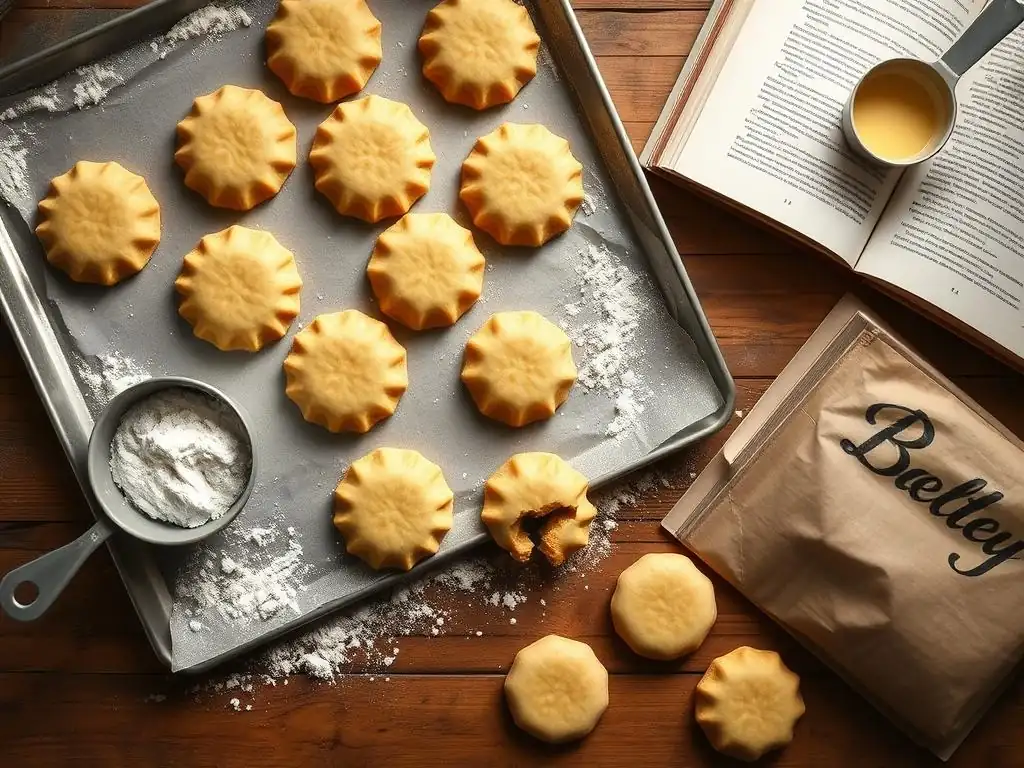
Baking is often described as a science, and precision in measurement is paramount, perhaps even more so than in cooking. Small variations in ingredient quantities can significantly alter the final outcome, especially when it comes to delicate balances like those in sugar cookie dough. For instance, adding just a quarter cup too little flour to a standard batch can dramatically increase spread because there isn't enough dry structure to counteract the melting fat and expanding gases.
Using a kitchen scale to measure ingredients, especially flour, is highly recommended for accuracy. A cup of flour can weigh anywhere from 100 grams to 140 grams depending on how it's scooped and packed. Measuring by weight eliminates this variability. While volume measurements (cups and spoons) are common, they are less precise. For butter and sugar, weight measurement also ensures consistency batch after batch. This level of precision is a fundamental flat sugar cookies solution.
The Importance of Accurate Ingredient Measurement
The ratio of ingredients in a sugar cookie recipe is carefully balanced to achieve a specific texture and shape. Flour provides structure, fat contributes tenderness and flavor (and influences spread), sugar adds sweetness and aids in browning and spread, and leavening provides lift. If these ratios are off, the cookie's behavior in the oven will change. Too much sugar or fat relative to flour almost guarantees excessive spread.
Consider a recipe calling for 2 cups of flour (approx. 240-280g) and 1 cup of butter (approx. 227g). If you consistently under-measure your flour by using a scoop-and-pack method, you might only be getting 220g, while your butter remains constant at 227g. This slight imbalance increases the proportion of fat to flour, leading to more spread than intended. Accurate measurement is arguably the most critical flat sugar cookies solution to master.
Avoiding Common Measurement Mistakes in Baking
One of the most common measurement errors is how flour is handled when using volume cups. Many people scoop the measuring cup directly into the flour bag, which compacts the flour and results in significantly more than intended. The correct method for volume measurement is to gently spoon the flour into the measuring cup until it overflows, then level it off with a straight edge (like a knife). Even better, as mentioned, is using a scale.
Another mistake is misinterpreting "room temperature" for butter. Butter should be pliable but still cool – it should yield slightly when pressed but not be greasy. Using butter that is too warm or melted introduces too much liquid fat into the dough from the start, guaranteeing rapid spread. For liquids like milk or eggs, ensure the measuring cup is on a flat surface when reading the level. Avoiding these pitfalls is essential for a successful flat sugar cookies solution.
Temperature Control: Chilling Dough and Oven Accuracy
Chilling cookie dough is perhaps the single most effective flat sugar cookies solution. When the dough is chilled, the fat (butter) solidifies. This means that when the dough hits the hot oven, the butter takes longer to melt. While the butter is still solid or slowly melting, the flour proteins and starches have more time to set and create a structural network. This network helps the cookie hold its shape against the forces of melting fat and expanding gases.
Additionally, chilling allows the moisture in the dough to distribute more evenly, leading to a more consistent texture. It also deepens the flavors as the ingredients meld together. Dough that hasn't been chilled, or hasn't been chilled sufficiently, will spread rapidly in the oven because the butter melts almost instantly, offering no resistance to the dough flattening out.
How Long to Chill Dough for Optimal Results
The ideal chilling time can vary depending on the recipe and the thickness of your rolled dough or scooped portions, but a minimum of 30-60 minutes in the refrigerator is typically necessary for effective chilling. For cut-out cookies, chilling the rolled dough (or the cut shapes on the baking sheet) for at least 30 minutes until firm is crucial. For drop cookies, chilling the scooped balls for 30 minutes helps them maintain a rounder shape.
For the best results, especially if you've struggled with spread in the past, chilling the dough for several hours or even overnight (12-24 hours) can be highly beneficial. Overnight chilling not only ensures the fat is thoroughly solidified but also further develops flavor. Just be sure to let very cold dough sit at room temperature for a few minutes before rolling or baking if it's too hard to work with. A cold dough is a primary flat sugar cookies solution.
Ensuring Accurate Oven Temperature
An inaccurate oven temperature is a silent saboteur of many baking projects, including sugar cookies. Oven thermostats can be off by as much as 50°F (about 28°C) in either direction. If your oven is running cooler than the recipe specifies, the cookies will take longer to bake, giving the fat more time to melt and spread before the structure sets. If it's running too hot, the outside might brown too quickly before the inside is cooked, or the rapid heat might still cause excessive spread if the dough isn't sufficiently chilled.
Investing in an inexpensive oven thermometer is a simple yet effective flat sugar cookies solution. Place it in your oven to verify the actual temperature. If your oven consistently runs hot or cold, you'll need to adjust the temperature setting accordingly – for example, if your oven runs 25°F hot, set it 25°F lower than the recipe calls for. Preheating your oven for a sufficient time (usually 15-20 minutes) after it indicates it's reached temperature also helps ensure it's truly at the target heat and heated evenly.
Ingredient Selection: Flour, Butter, and Sugar
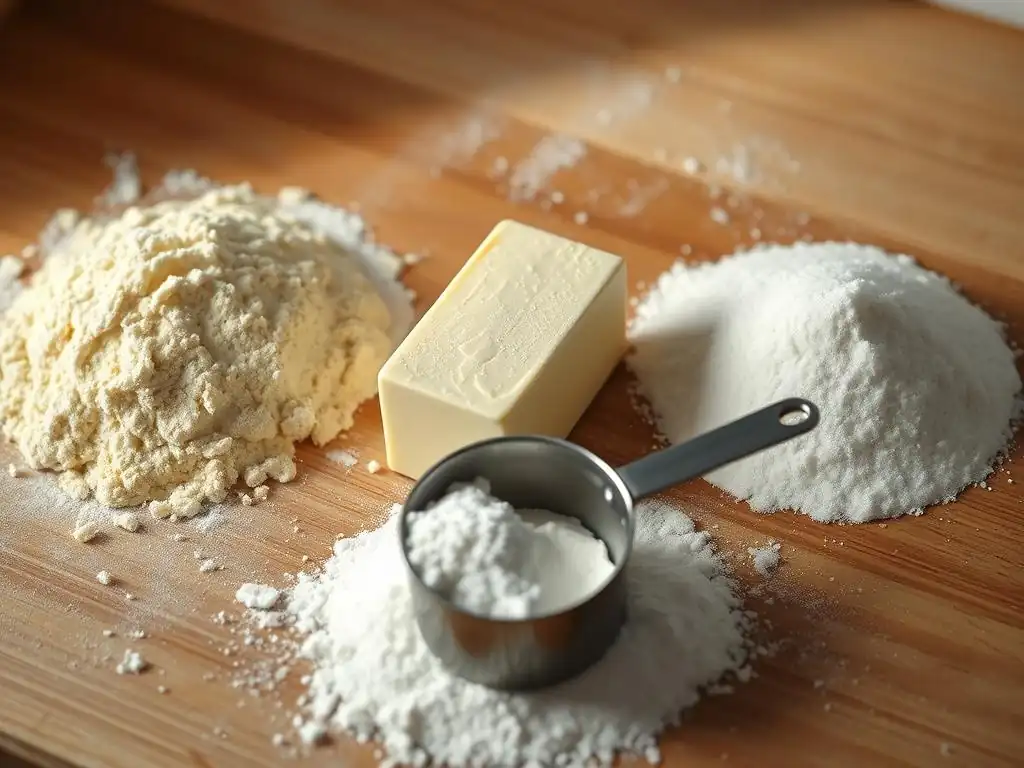
The type of flour used significantly impacts the structure and spread of cookies. All-purpose flour is the standard for most classic sugar cookie recipes. It contains a moderate protein content (typically around 10-12%), which develops gluten when mixed with liquid. Gluten provides structure and chewiness. Using a flour with a lower protein content, like cake flour (approx. 8-10%), can result in a more tender, delicate cookie, but might also lead to slightly more spread if the recipe isn't specifically formulated for it, as there's less gluten structure to hold the shape.
Conversely, using a high-protein flour like bread flour (approx. 12-14%) would create a much tougher, chewier cookie and likely less spread due to the strong gluten network. For a traditional sugar cookie with good shape retention and a tender crumb, stick to all-purpose flour unless the recipe specifies otherwise. Ensuring you use the correct type and measure it accurately is a foundational flat sugar cookies solution.
As discussed, butter temperature is critical. Cold, firm butter is essential for recipes that rely on minimal spread and tender results, especially cut-out cookies. When cold butter is creamed with sugar, tiny pockets of air are created within the solid fat. As the cookies bake, the water in the butter turns to steam, expanding these air pockets and contributing to lift and tenderness before the butter fully melts.
Using butter that is too soft or melted causes it to incorporate too readily into the dough without creating those crucial air pockets. The fat melts too fast in the oven, leading to rapid spread before the cookie's structure can set. This is why many recipes for cookies designed to hold their shape specifically call for cold butter or chilling the dough extensively after mixing. Managing butter temperature is a primary flat sugar cookies solution.
Sugar does more than just sweeten; it also plays a significant role in cookie texture, browning, and spread. Granulated sugar contributes to spread more than powdered sugar because its larger crystals take longer to dissolve, creating pockets that collapse slightly as the cookie bakes. Brown sugar, with its molasses content, adds moisture and acidity, which often results in a chewier, slightly more spread-out cookie compared to one made solely with granulated sugar.
Using too much sugar relative to the other ingredients is a major contributor to flat cookies. Sugar melts during baking, and excessive melted sugar contributes to the liquid phase of the dough, promoting spread. Some recipes call for a mix of granulated and powdered sugar; powdered sugar contains cornstarch, which can help reduce spread and create a softer texture. Adjusting the amount of sugar, or sometimes the type of sugar, can be part of a flat sugar cookies solution.
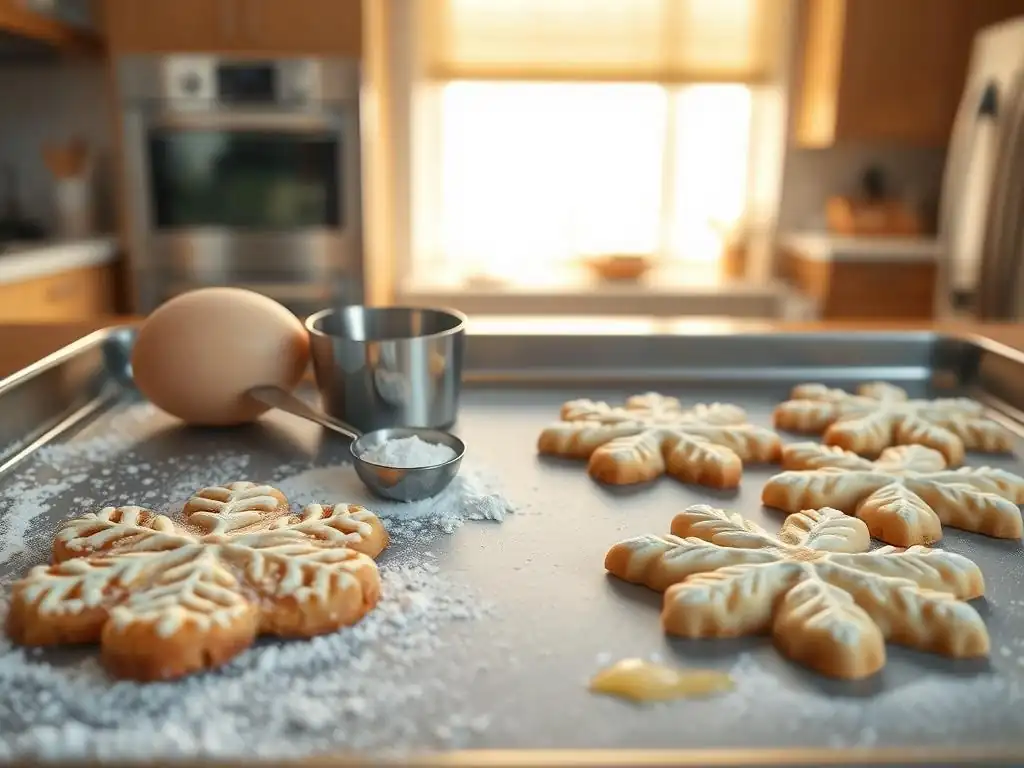
The type of baking sheet you use can subtly influence how much your cookies spread. Light-colored, heavy-gauge aluminum baking sheets (often called half-sheet pans) are generally recommended for even heat distribution and preventing excessive browning on the bottom. Dark-colored or thin baking sheets absorb and transfer heat more quickly, which can cause the cookie bottoms to brown too fast and potentially lead to more spread before the top and edges set.
Using parchment paper or silicone baking mats on your baking sheets can also provide a consistent, non-stick surface that promotes even baking and helps control spread. While greasing the sheet is sometimes done, the added fat can occasionally encourage more spread compared to parchment or silicone. For a reliable flat sugar cookies solution, opt for light, sturdy baking sheets lined with parchment or a silicone mat.
Proper Baking Time and Temperature
Baking at the correct temperature is crucial, as discussed earlier regarding oven accuracy. For most standard sugar cookies, a temperature between 350°F and 375°F (175°C to 190°C) is common. Baking time depends on the cookie's size and desired texture, typically ranging from 8 to 12 minutes. Over-baking can make cookies dry and hard, while under-baking means the structure hasn't fully set, potentially leading to more spread after they come out of the oven.
Cookies are usually done when the edges are lightly golden and the centers look set but may still appear slightly soft. They will continue to cook slightly on the hot baking sheet after being removed from the oven. Baking just until the edges are set helps maintain a softer center while ensuring the structure is firm enough to prevent post-oven collapse and spread. This careful timing is part of a comprehensive flat sugar cookies solution.
How you cool your cookies after baking also impacts their final shape and texture. Once removed from the oven, let the cookies rest on the hot baking sheet for a minute or two. This allows them to set up slightly before you attempt to move them. Moving them too soon while they are still very soft can cause them to bend, break, or lose their shape.
After the initial resting period on the sheet, carefully transfer the cookies to a wire cooling rack to cool completely. A wire rack allows air circulation around the entire cookie, preventing condensation and ensuring they cool evenly. Cooling on a solid surface can trap heat and moisture, potentially leading to a softer, less stable cookie that is more prone to losing its crisp edge or desired shape. Proper cooling is the final step in securing a flat sugar cookies solution.
If you've followed a recipe and your sugar cookies are still spreading excessively, it's time to troubleshoot. First, re-evaluate your measurements, ideally using a scale. Ensure your butter is at the correct temperature (cool, not soft or greasy). Are you chilling the dough long enough? Try chilling scooped or shaped cookies on the baking sheet for a minimum of 30-60 minutes, or even longer.
Check your oven temperature with a thermometer. If it's inaccurate, adjust your baking temperature. Are you over-creaming the butter and sugar? Cream just until combined and slightly fluffy, not for several minutes until light and airy like you might for a cake. Sometimes, even humidity can play a small role, requiring minor adjustments. Don't give up; finding the specific flat sugar cookies solution for your kitchen might take a little detective work.
If troubleshooting technique doesn't fully solve the problem, a slight recipe adjustment might be necessary. A common fix for excessive spread is to add a small amount of extra flour – perhaps 2-4 tablespoons per standard batch (using volume measurement) or 20-30 grams (using weight). This increases the structural components relative to the fat and sugar.
Another adjustment can be to slightly reduce the amount of leavening agent (baking soda or baking powder) or sugar if you suspect those are major contributors. For example, if your recipe uses both baking soda and baking powder, you might try reducing the baking soda by a quarter teaspoon. However, make changes one at a time so you can identify which adjustment provides the desired flat sugar cookies solution. Keep notes on what you change and the result!
[ ] Verify butter temperature is correct (cool, not soft)
[ ] Measure ingredients, especially flour, by weight
[ ] Chill dough for at least 60 minutes (or overnight)
[ ] Check oven temperature with an oven thermometer
[ ] Use light-colored baking sheets lined with parchment or silicone
[ ] Bake just until edges are set
[ ] Cool on a wire rack
[ ] If still spreading, try adding 2-4 tbsp extra flour
Frequently Asked Questions
Sugar cookies spread due to the butter melting too quickly in the oven. This can be caused by using softened butter that's too warm, or having an oven that isn't at the correct temperature.
Using cold butter or even shortening can help prevent spreading. Shortening has a higher melting point than butter and can contribute to cookies maintaining their shape.
Yes! Chilling the dough allows the gluten to relax and the fat to solidify, which significantly reduces spreading during baking. Chill for at least 30 minutes, or even overnight.
Baking at the correct temperature is crucial. A slightly higher temperature around 375°F (190°C) can help set the cookies quickly and prevent excessive spreading.
Yes, overmixing develops too much gluten, which can lead to cookies that spread and become tough. Mix just until the ingredients are combined for the best results.
The quest for the perfectly crisp, beautifully textured sugar cookie is far more than just a baking challenge; it's a testament to the power of understanding fundamental baking principles. A seemingly simple recipe can yield dramatically different results depending on seemingly minor details, highlighting the importance of precision and attention to detail in even the most familiar culinary tasks. This article explored those details, offering solutions to the common problem of flat, floppy sugar cookies, a problem that frustrates bakers of all skill levels.
The frustration of a failed batch of cookies, the sinking feeling of seeing your carefully decorated creations collapse, is a feeling many home bakers share. This journey into the science of sugar cookies has underscored for me the importance of not just following a recipe, but understanding why each step is crucial. The best bakers are those who understand the 'why' behind the 'how.'
This understanding allows for adaptation and innovation, empowering us to troubleshoot and perfect our own baking techniques. The pursuit of the perfect cookie, therefore, becomes a metaphor for the pursuit of mastery in any endeavor.
Now, I invite you to take what you've learned and apply it to your next baking adventure. Don't just follow recipes blindly; experiment, observe, and learn from your successes and failures. The next time you encounter a flat cookie, remember the principles discussed here – from chilling the dough to understanding the role of leavening agents – and use that knowledge to transform your baking experience. The journey to the perfect cookie is a rewarding one, filled with delicious discoveries and the sweet satisfaction of a job well done.
Thanks for taking the time to perfect your classic sugar cookie recipe! We hope you now feel confident in baking perfectly crisp, delightful cookies. Ready to take your baking to the next level?
- Bake a batch of your improved cookies and share a photo on Instagram using #BakeWithEasePerfectCookies! Let's see your amazing creations.
- Experiment with different flavor extracts or sprinkles to customize your cookies. The possibilities are endless!
- Share this article with a fellow baking enthusiast who also struggles with flat cookies – spread the baking love!
What surprising ingredient will you try adding to your next batch of sugar cookies to achieve even better results?