
The Cultural Significance of Bread Across Europe

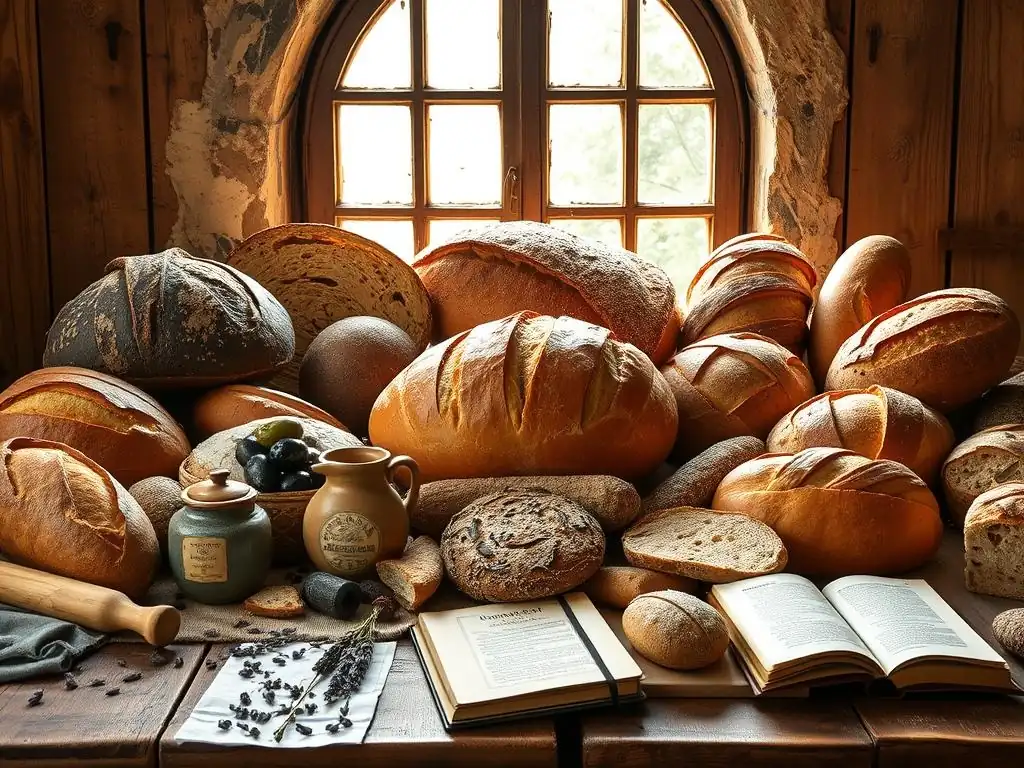
Welcome to BakeWithEase, your portal to the delightful world of baking! Are you ready to uncover the fascinating stories behind every loaf? This week, we delve into the rich and varied tapestry of European bread cultural history. Imagine the centuries of tradition baked into each crust, the regional secrets whispered from baker to baker. Join us as we explore how bread has shaped societies, fueled revolutions, and become an integral part of European identity – and perhaps, you'll discover a new favorite to bake yourself! Let's begin this flavorful journey...
- Introduction
- Bread as a Staple Food
- Regional Variations in Bread Making
- Bread in Religious and Festive Celebrations
- Social and Economic Significance
- Preserving Bread Baking Traditions
- Conclusion: Celebrating Bread's Heritage
-
Frequently Asked Questions
- What makes European bread so diverse culturally?
- How has bread's role in European culture evolved over time?
- Can you give an example of a specific European bread and its cultural significance?
- How does the "BakeWithEase" website help me explore European bread traditions?
- What are some common ingredients used in European breads that reflect the region's agricultural history?
- Final Reflection: The Enduring Crumbs of European History
- Unleash Your Inner Baker: Explore European Bread Traditions!
Introduction
Bread's Special Place in European Culture
Bread holds a profoundly significant place in the tapestry of European culture, far exceeding its role as mere sustenance. It is woven into the fabric of daily life, history, religion, and community across the continent. From ancient Roman legions fueled by hardtack to medieval peasants relying on rye loaves, bread has been a constant companion, shaping meals, traditions, and even landscapes (think of the vast fields dedicated to grain). This deep-rooted connection makes exploring European bread cultural history a journey through time and identity.
The sheer diversity of European bread reflects centuries of distinct agricultural practices, regional ingredients, and evolving culinary techniques. Each loaf tells a story, influenced by climate, available grains (wheat, rye, barley, oats), local yeasts, and the specific needs and tastes of its people. This rich heritage underscores how bread is not just food, but a carrier of cultural memory, passed down through generations of bakers and families. It's a tangible link to the past, continually renewed in the present.
Bread as a Staple Food
Bread in Diets Across European Regions
Across Europe, bread serves as a foundational element in the daily diet, though its form and prominence vary significantly. In Western Europe, particularly France and Italy, wheat-based breads like baguettes and ciabatta are central, often accompanying every meal. Consumption varies; for instance, average bread consumption per capita in France hovers around 50-60 kg per year, emphasizing its status as a dietary cornerstone. This contrasts with regions where other staples might take precedence, but bread remains a constant presence, providing essential carbohydrates and energy.
In Eastern and Northern Europe, rye and mixed-grain breads often play a more dominant role due to historical climate and soil conditions favoring these grains. Countries like Germany and Poland boast an incredible variety of dark, dense rye breads. In Germany, annual bread consumption is notably high, sometimes exceeding 80 kg per person, highlighting its absolute necessity in meals from breakfast ("Frühstück") to dinner ("Abendbrot"). This regional difference in grain preference and bread style is a key aspect of European bread cultural history.
Regional Variations in Bread Making
German Bread Culture: Rye, Pumpernickel, and Traditions
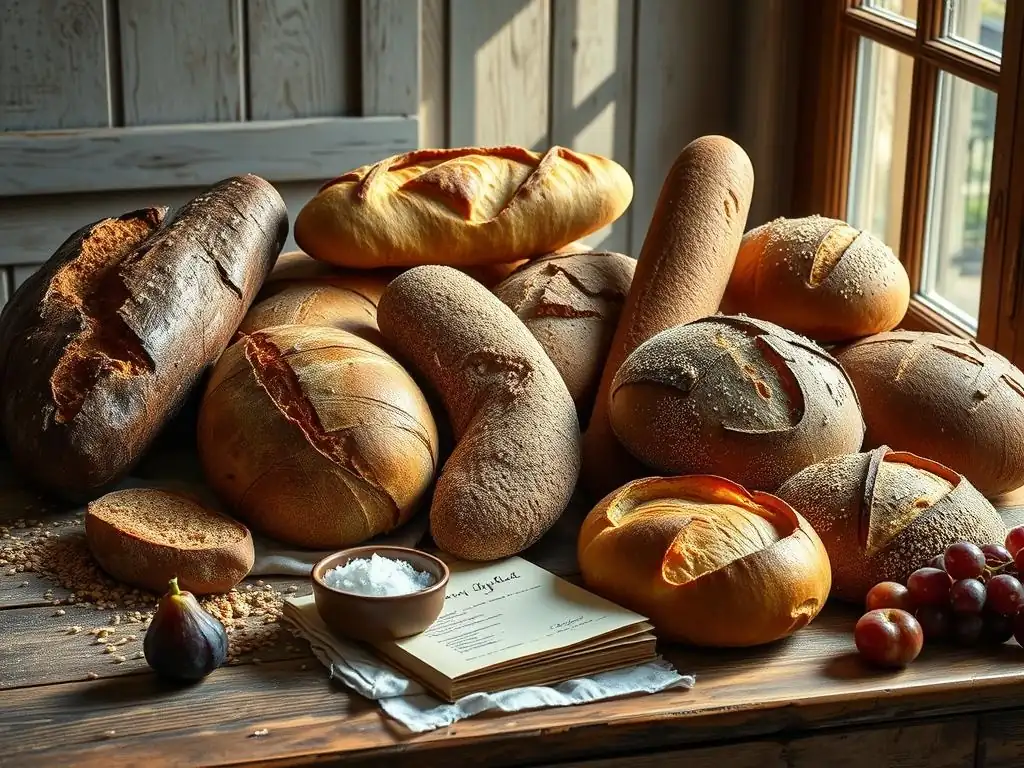
German bread culture is renowned for its unparalleled diversity, boasting over 3,000 registered types of bread and small baked goods. Unlike the often singular focus on wheat in some countries, Germany embraces a wide spectrum of grains, with rye playing a particularly significant role. This preference stems from historical agricultural conditions and has resulted in a tradition of baking dense, full-flavored loaves that are central to the German diet.
The German approach to bread often involves natural sourdough starters, contributing to complex flavors and textures. Bread is typically eaten throughout the day, from a simple slice with butter for breakfast to hearty open-faced sandwiches ("Butterbrot") for dinner. Bakeries, or "Bäckereien," are local institutions, often family-run for generations, preserving specific regional recipes and techniques that are vital to the continuation of European bread cultural history in Germany.
Significance of Rye Bread
Rye bread is a pillar of German baking, prized for its hearty texture, long shelf life, and nutritional value. Historically, rye thrived in the cooler, less fertile soils common in many parts of Germany, making it a more reliable crop than wheat in certain regions. This practicality embedded rye bread deeply into the daily lives of the population.
Varieties like Pumpernickel, a Westphalian specialty, are slow-baked for many hours at low temperatures, resulting in a very dark, dense, and slightly sweet loaf that can last for weeks. Other rye or mixed rye-wheat breads ( Mischbrot) are staples in nearly every German household, demonstrating the enduring importance of this grain in their culinary identity.
Types of German Breads
Beyond rye, German bakeries offer an astonishing array. Vollkornbrot (whole grain bread) is popular, often packed with seeds. Brötchen are small rolls, ubiquitous for breakfast. Regional specialties abound, such as the Bavarian Laugenbrezel (pretzel) or the Swabian Seele (a long, flat, yeasted bread).
Mischbrot(Mixed grain bread, often rye and wheat)Vollkornbrot(Whole grain bread)Pumpernickel(Very dark, dense rye bread)Brötchen(Small rolls)Brezel(Pretzel)
This incredible variety reflects a decentralized baking tradition where each town or region might have its signature loaf, contributing significantly to the mosaic of European bread cultural history.
French Bread Culture: Baguettes, Boules, and Baking Art
French bread culture is synonymous with elegance and simplicity, embodied by the iconic baguette. Baking is often seen as an art form, with a strong emphasis on technique and quality ingredients. French bread is typically lean, made with just flour, water, yeast, and salt, resulting in a crisp crust and airy interior. This focus on basic elements highlights the skill of the baker.
Bakeries, or "boulangeries," are cornerstones of French communities. The daily trip to the boulangerie for fresh bread is a ritual for many French people. This daily consumption cycle means bread is often baked multiple times a day, ensuring peak freshness. The French dedication to quality and tradition in bread making is a significant chapter in European bread cultural history.
The Baguette: A French Symbol
The baguette is arguably the most recognizable symbol of French bread. Its elongated shape, crisp golden crust, and open crumb are instantly identifiable. While its exact origins are debated (some say it emerged in the 19th or early 20th century), it quickly became a staple in Paris and then spread throughout France.
The French government has even implemented regulations regarding the composition of a "traditional" baguette ( baguette de tradition française), specifying ingredients and processes. A good baguette is judged by its sound (a crisp crackle when broken), its aroma, and its texture. It's typically consumed fresh, often within hours of baking, accompanying meals or simply enjoyed with butter or cheese.
Regional Variations of French Bread
While the baguette is dominant, France has a rich history of regional breads. The Pain de Campagne (country bread) is a larger, round loaf, often made with a mix of wheat and rye or whole wheat flour, and sometimes a sourdough starter, giving it a longer shelf life than a baguette.
Pain de Campagne(Country bread, often round)Fougasse(Leaf-shaped bread from Provence, often flavored)Brioche(Rich, eggy bread)Miche(Large, round sourdough loaf)
These regional variations, from the olive-studded Fougasse of Provence to the rich Brioche of Normandy, showcase the diverse influences and local ingredients that enrich the French contribution to European bread cultural history.
Italian Bread Culture: Ciabatta, Focaccia, and Heritage
Italian bread culture is as diverse as its regional cuisines, with each area boasting unique shapes, textures, and flavors. Bread ( pane) is a fundamental part of the Italian meal, often used to "fare la scarpetta" – literally, to make a little shoe – and soak up delicious sauces. Italian breads often feature a rustic charm, emphasizing natural leavening and local grains.
The history of Italian bread making is intertwined with agriculture and local resources. From the durum wheat used in the south to the softer wheats of the north, the grain dictates the bread. This regional specificity is a hallmark of Italian bread, reflecting centuries of adaptation and tradition that contribute to the vibrant tapestry of European bread cultural history.
Ciabatta's Versatility
Ciabatta, meaning "slipper" in Italian, is a relatively modern invention (created in the 1980s) but has quickly become an Italian classic and gained international popularity. It is characterized by its elongated, somewhat flattened shape and open, airy crumb with a crisp crust.
Made with a high-hydration dough, ciabatta is versatile, perfect for sandwiches, dipping in olive oil, or serving alongside pasta dishes. Its rise to prominence demonstrates that while European bread cultural history is deeply rooted in the past, it continues to evolve and innovate.
Focaccia: A Bread with Roots
Focaccia is an ancient Italian bread, with roots tracing back to the Etruscans or ancient Greeks. It is a flatbread, often dimpled with fingertips, drizzled with olive oil, and topped with herbs like rosemary, sea salt, or other ingredients like olives or tomatoes.
Originating perhaps as a way to test oven temperature before baking larger loaves, focaccia has become a beloved bread throughout Italy, particularly in Liguria. It can range from thin and crispy to thick and soft, served as an antipasto, a snack, or alongside meals, showcasing the enduring appeal of simple, flavorful breads in European bread cultural history.
Scandinavian bread culture is heavily influenced by the region's climate, favoring grains like rye and barley. Bread is often dense, dark, and hearty, designed for longevity and sustenance during long winters. Crispbread ( knäckebröd in Sweden, rugbrød in Denmark) is a particularly iconic form.
While savory, dense breads are staples, Scandinavian baking also includes a tradition of sweet, spiced breads and pastries, especially around holidays. This duality reflects the practical needs of the climate alongside a love for celebratory baking, adding a unique flavor to European bread cultural history.
Rye Crispbread in Scandinavian Diets
Rye crispbread is a fundamental part of the Scandinavian diet, particularly in Sweden and Finland. These flat, dry crackers are made primarily from rye flour and can last for a very long time, making them ideal for storage. They are typically eaten topped with butter, cheese, cured meats, or fish.
Historically, crispbread was baked only twice a year, after the harvest, and stored on poles or under the roof. Modern production makes it available year-round, but its role as a versatile, durable staple persists. Its importance in everyday meals underscores the practical roots of Scandinavian bread in European bread cultural history.
Sweet Breads and Festive Baking
While savory breads are daily fare, sweet breads play a significant role in Scandinavian celebrations. Cardamom-spiced breads are common, such as Swedish kardemummabulle (cardamom bun, although more pastry-like) or Danish Tebirkes (poppy seed pastry with marzipan).
Around Christmas, saffron buns ( lussekatter) are a Swedish tradition for St. Lucia's Day. In Finland, Pulla is a braided sweet bread often flavored with cardamom. These sweet, aromatic breads highlight the festive and communal aspects of baking in Scandinavian culture.
Eastern European Bread Culture: Paska, Babka, and Traditions
Eastern European bread culture is rich with tradition, often incorporating eggs, butter, and sometimes sugar into breads, especially for festive occasions. Rye and wheat are both common, depending on the region. Bread is often deeply symbolic, playing a central role in religious ceremonies and family gatherings.
Baking in Eastern Europe is frequently tied to specific holidays or life events, with recipes passed down through generations. This strong connection between bread and tradition is a defining feature of Eastern European bread cultural history.
Paska: A Traditional Easter Bread
Paska is a traditional Easter bread found across many Eastern European countries, including Ukraine, Russia, and Poland. It is a rich, eggy, often sweet loaf, typically round and decorated with symbolic dough ornaments like crosses, braids, or flowers.
The baking of Paska is a significant ritual during Holy Week, symbolizing the resurrection of Christ. It is often blessed in church before being eaten as part of the Easter feast. The care and symbolism involved in baking Paska highlight the deep religious and cultural significance of bread in this region's European bread cultural history.
Babka: A Sweet Bread
Babka is another beloved sweet bread from Eastern Europe, particularly associated with Jewish communities in Poland and Ukraine. The name "babka" means "grandmother" in several Slavic languages, suggesting its traditional, home-baked nature.
Modern Babka is often made with a rich, brioche-like dough swirled with fillings like chocolate, cinnamon, or fruit, and sometimes topped with a streusel. While traditionally a holiday or Sabbath bread, it is now enjoyed year-round, representing a delicious and enduring part of Eastern European baking traditions.
Bread in Religious and Festive Celebrations
Bread as a Symbol in Christian Traditions
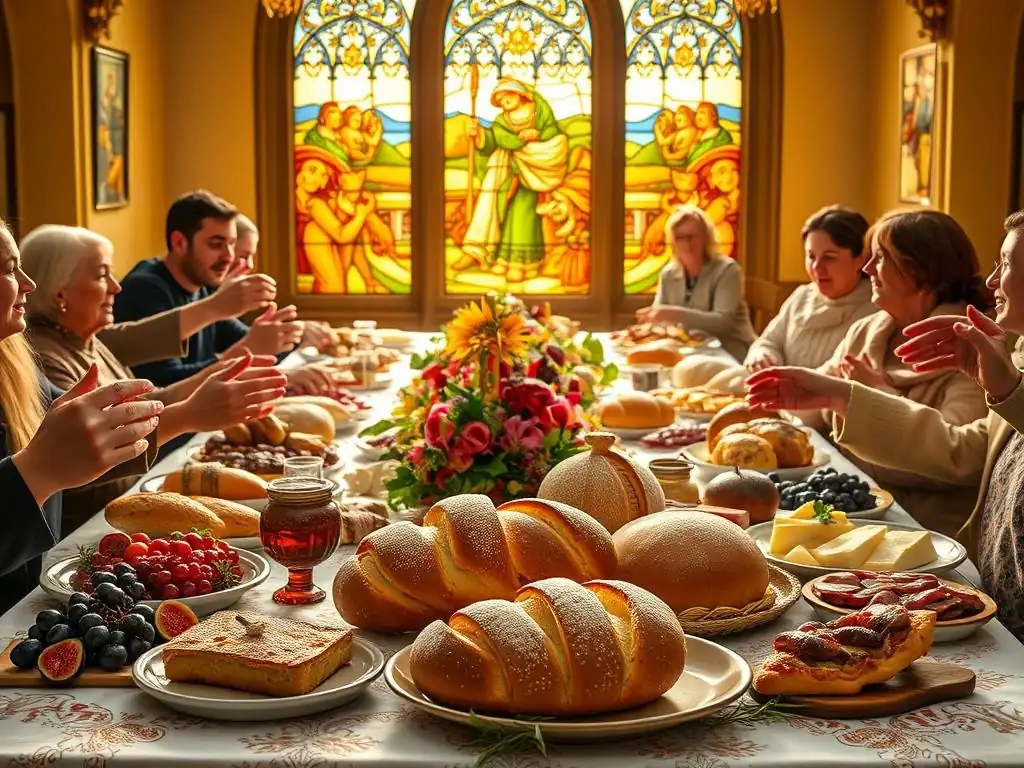
Bread holds profound symbolic meaning within Christian traditions across Europe. The most prominent example is its role in the Eucharist or Holy Communion, where bread represents the body of Christ. This sacrament is central to Christian worship, making bread a sacred element.
Beyond the Eucharist, bread is often blessed and shared in various Christian rituals and festivals. In many cultures, a loaf of bread and salt are presented as a welcome gesture, symbolizing hospitality and sustenance, with roots in religious blessings. This sacred dimension is a crucial aspect of European bread cultural history.
Bread in European Festivals
Bread features prominently in numerous European festivals, both religious and secular. Harvest festivals often celebrate the grain yield with special loaves baked from the new crop. Christmas and Easter, as mentioned, have their specific traditional breads like Italian Panettone or German Stollen (Christmas) and Eastern European Paska (Easter).
- Christmas: Panettone (Italy), Stollen (Germany), Bûche de Noël (France - though more cake-like)
- Easter: Paska (Eastern Europe), Colomba Pasquale (Italy)
- Harvest Festivals: Various regional "harvest loaves" or breads made from the first flour.
These festive breads are often richer, sweeter, or more elaborately shaped than everyday loaves, baked specifically for sharing and celebration, reinforcing bread's role in community and tradition throughout European bread cultural history.
Historically, bread has often been linked to social class in Europe. The type and quality of bread consumed could indicate one's status. White bread, made from finely sifted wheat flour, was often more expensive and therefore associated with the wealthy, as it required more processing and used the most desirable part of the grain.
Darker, coarser breads made from rye, barley, or less refined wheat were the staple of the poor and working classes. Bread prices were often politically sensitive, and shortages could lead to social unrest, highlighting bread's fundamental economic importance and its reflection of social stratification in European bread cultural history.
The Baker's Role
The baker ( boulanger, Bäcker, fornaio) has historically been a vital figure in the European community. Before widespread home ovens, communal or professional bakers were essential for transforming grain into edible bread. The baker's skill was highly respected, and bakeries often served as local gathering points.
Even today, independent bakeries remain cherished institutions in many European towns, preserving traditional methods and recipes. They are guardians of a specific aspect of European bread cultural history, providing not just food, but a connection to heritage and community.
Preserving Bread Baking Traditions
Supporting Local Bakeries
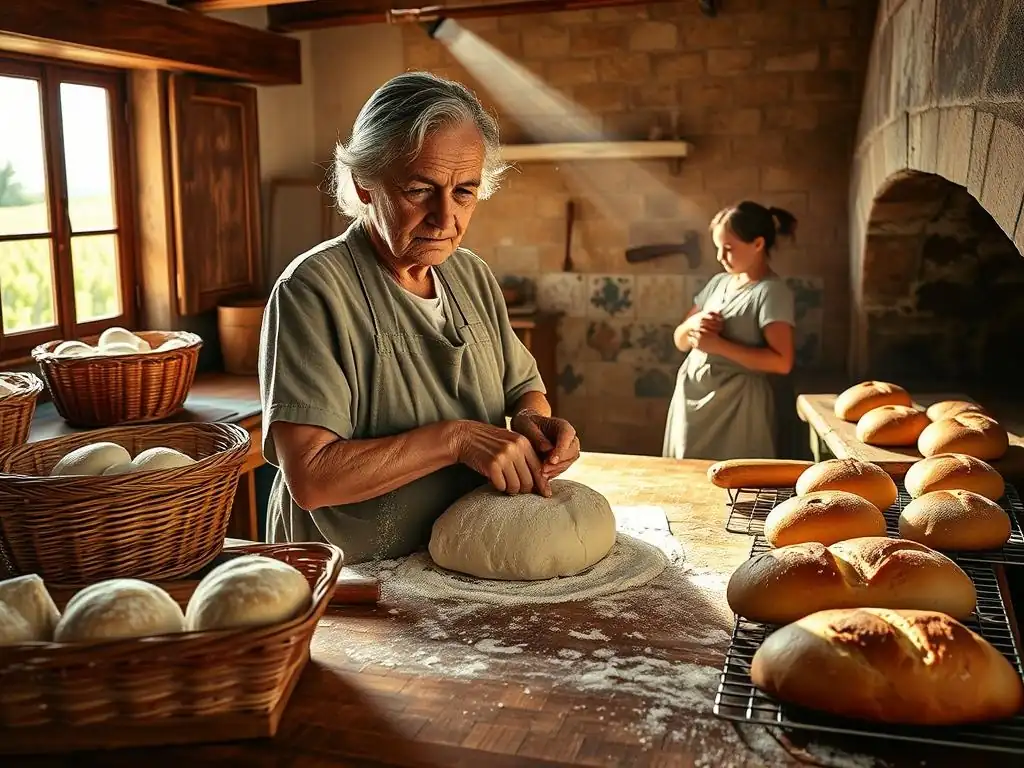
One of the most effective ways to preserve the rich European bread cultural history is by supporting local, independent bakeries. These establishments often use traditional techniques, natural leavening, and regional flours, offering a quality and variety that mass-produced bread cannot match.
- Choose artisanal loaves over industrial ones.
- Engage with bakers to learn about their craft.
- Support bakeries that specialize in regional breads.
By purchasing from local bakers, consumers help keep these valuable skills and traditions alive for future generations.
Learning Traditional Recipes
Another crucial step in preserving this heritage is to learn and practice traditional bread recipes. Many classic European breads rely on specific methods, like sourdough starters, long fermentation times, or unique shaping techniques, that are part of their historical identity.
- Seek out recipes for regional European breads.
- Experiment with different flours, especially rye and whole grains.
- Learn about sourdough starters and natural leavening.
- Practice traditional shaping methods like braiding or scoring.
Learning to bake these breads ourselves connects us directly to the European bread cultural history and ensures that these culinary treasures are not lost.
Conclusion: Celebrating Bread's Heritage
The Enduring Legacy of Bread
The journey through the cultural significance of bread across Europe reveals a story far richer than simple sustenance. Bread is a testament to human ingenuity, agricultural history, regional identity, and the enduring power of tradition. From the dense rye loaves of Germany to the airy baguettes of France, each bread is a chapter in European bread cultural history.
This legacy continues to thrive in countless bakeries and home kitchens, a reminder of bread's fundamental role in nourishing both body and soul. Celebrating this heritage means appreciating the diversity, supporting the artisans, and perhaps, most importantly, sharing a freshly baked loaf with loved ones.
Frequently Asked Questions
What makes European bread so diverse culturally?
European bread's diversity stems from regional ingredients, traditional baking methods, and historical influences that vary greatly across countries and even regions within countries.
How has bread's role in European culture evolved over time?
Bread has evolved from a staple food for survival to a symbol of hospitality and a central element in religious and cultural ceremonies, reflecting societal changes.
Can you give an example of a specific European bread and its cultural significance?
Sourdough in many parts of Europe, particularly Germany and France, is more than just bread. It represents baking traditions, local grains, and community connection.
How does the "BakeWithEase" website help me explore European bread traditions?
BakeWithEase provides simple recipes, step-by-step guides, and easy-to-find ingredients that allow you to recreate authentic European bread at home, regardless of your skill level.
What are some common ingredients used in European breads that reflect the region's agricultural history?
Common ingredients like rye in Northern Europe, olives and olive oil in the Mediterranean, and specific types of wheat across different regions, are directly tied to the agricultural history and climate of those areas.
Final Reflection: The Enduring Crumbs of European History
The humble loaf of bread, a staple across Europe for millennia, continues to be far more than mere sustenance; it is a potent symbol of culture, history, and community. Its enduring presence on our tables reflects not only agricultural advancements but also the complex tapestry of social structures, traditions, and migrations that have shaped the continent. The variations in shape, size, and ingredients tell a story richer and more nuanced than any history book could ever capture.
The impact of bread on European identity is profound and ongoing. From the crusty baguettes of France, inextricably linked to national pride, to the hearty sourdoughs of Germany, each bread type reflects a unique terroir and cultural heritage. Bread is the staff of life,
a simple phrase, yet it encapsulates the deep-seated connection between humanity and this fundamental food source. The recipes, passed down through generations, are living testaments to the enduring power of tradition and the importance of shared culinary experiences in forging a sense of belonging. Even today, as globalization influences food production, the fight to preserve traditional bread-making techniques highlights the ongoing struggle to maintain cultural identity in a rapidly changing world.
Consider, for a moment, the next loaf you purchase or bake. Think about the history embedded within its simple form, the hands that shaped its dough, the stories it silently tells of generations past. Let the enduring legacy of bread inspire you to appreciate the richness of European culture, to seek out the stories behind your food, and to champion the preservation of traditions that connect us to our past and shape our future. Embrace the diversity of European bread, and in doing so, embrace the vibrant tapestry of human experience.
Unleash Your Inner Baker: Explore European Bread Traditions!
Thanks for joining us on this delicious journey through the cultural heart of Europe's bread-making traditions! You've now gained a deeper appreciation for the history and artistry behind these iconic loaves. Ready to put your newfound knowledge to the test?
- Bake your own sourdough: This is your chance to connect with the ancient techniques we explored and create something truly special. Imagine the satisfying aroma filling your kitchen!
- Share your baking journey: Post a picture of your creation on social media using #BakeWithEaseEuropeanBread and inspire others to join the fun.
- Discover a new European bread recipe: Explore our website for more recipes and expand your baking repertoire beyond the loaves we discussed.
What unique bread tradition are you most excited to try recreating in your own kitchen?