
Mastering the Art of Frying Sesame Balls (Jian Dui) Easily

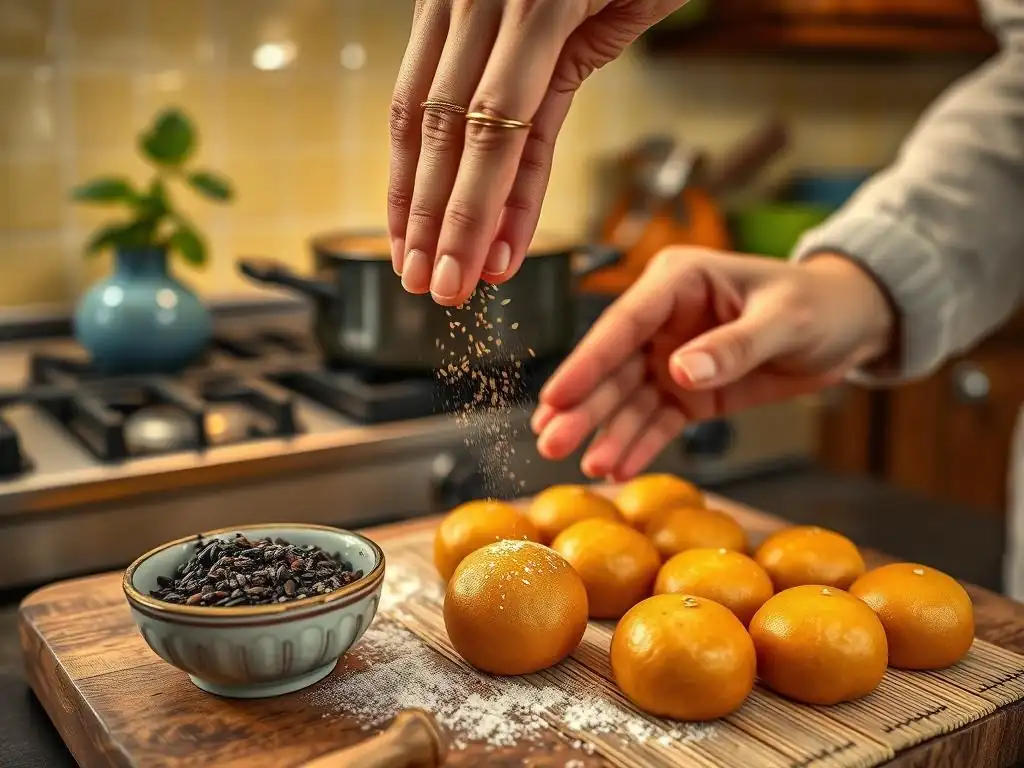
Welcome to BakeWithEase, your trusted companion on your baking journey! Ever dreamt of crafting those perfectly golden, sesame-studded orbs of deliciousness? Uncover the secrets to mastering Jian Dui, and prepare to be amazed at how attainable this delightful treat can be. Are you ready to embark on your easy sesame ball recipe adventure? Let's get baking!
- Mastering the Art of Frying Sesame Balls (Jian Dui): A Classic Treat
- Introduction to Jian Dui: The Delightful Sesame Ball
- Step-by-Step Guide to Making Sesame Balls
- Frying Sesame Balls: Achieving Golden Perfection
- Serving and Storing Your Homemade Sesame Balls
- Troubleshooting Common Issues
- Elevating Your Sesame Ball Game: Variations
- Conclusion: Enjoying Homemade Sesame Balls
- Frequently Asked Questions
- Final Reflection: The Enduring Sweetness of Simple Mastery
- Unlock Your Inner Jian Dui Master!
Mastering the Art of Frying Sesame Balls (Jian Dui): A Classic Treat
Introduction to Jian Dui: The Delightful Sesame Ball
What are Sesame Balls (Jian Dui)? A Brief Overview
Jian Dui, often known as sesame balls, are a beloved Chinese pastry enjoyed during festive occasions, particularly Chinese New Year, and as a popular dim sum item. These delightful treats are made from glutinous rice flour dough, coated in sesame seeds, and deep-fried to achieve a wonderful contrast in textures: crispy on the outside, chewy and hollow within, and often filled with a sweet paste. Their golden-brown appearance and abundance of sesame seeds symbolize prosperity and good fortune, making them more than just a dessert but a cultural icon.
The basic structure of Jian Dui involves a soft, pliable dough made primarily from glutinous rice flour and a sweetener like sugar. This dough is then wrapped around a filling, typically a sweet bean paste, before being rolled in sesame seeds. The magic happens during frying, where the dough expands dramatically, creating the signature hollow interior while the exterior becomes golden and studded with crunchy sesame seeds. Mastering an easy sesame ball recipe allows home cooks to recreate this traditional delicacy with satisfying results.
Why This Recipe is Perfect for Home Cooks
This particular easy sesame ball recipe is designed with the home kitchen in mind, simplifying traditional methods without compromising on authentic taste and texture. It breaks down each step – from preparing the dough and filling to the crucial frying process – into manageable instructions. We focus on common ingredients readily available in most supermarkets or Asian grocery stores, making it accessible for anyone wanting to try their hand at making these delicious treats.
Unlike some complex pastries, making sesame balls at home using a simple sesame ball recipe doesn't require specialized equipment beyond basic kitchen tools like mixing bowls, a rolling pin (or just your hands! ), and a sturdy pot for frying. The techniques, once understood, are straightforward, allowing even beginners to achieve the characteristic crispy exterior and chewy, hollow interior. This guide aims to demystify the process, making homemade Jian Dui a rewarding and achievable project for any baking enthusiast.
Step-by-Step Guide to Making Sesame Balls
Gathering Your Ingredients
Key Ingredients: Glutinous Rice Flour, Sugar, Sesame Seeds, Oil, Filling
The core of any easy sesame ball recipe relies on a few essential components. Glutinous rice flour is non-negotiable; it's the ingredient that provides the unique chewy texture and allows the balls to expand when fried. Granulated sugar or brown sugar is used to sweeten the dough slightly and can also be incorporated into the filling.
Sesame seeds, typically white ones, provide the iconic coating and nutty flavor. A neutral frying oil with a high smoke point, such as vegetable oil, canola oil, or peanut oil, is crucial for deep-frying. Finally, a filling adds an extra layer of flavor and texture.
A typical easy sesame ball recipe might call for about 250 grams of glutinous rice flour, 50-70 grams of sugar for the dough, roughly 100-150 grams of sesame seeds for coating, and anywhere from 500ml to 1 liter of frying oil, depending on your pot size. For the filling, you'll need about 200-300 grams of your chosen paste. Using these approximate quantities helps ensure you have enough material for a batch, perhaps yielding around 15-20 medium-sized sesame balls.
Understanding Ingredient Variations
While the key ingredients form the base, variations can be explored. For the dough, some recipes might include a small amount of wheat starch or tapioca starch (perhaps 10-20% of the total flour weight) to enhance crispiness or elasticity. The type of sugar can also be adjusted; using brown sugar can add a subtle molasses flavor. For the sesame seeds, a mix of white and black sesame seeds can add visual appeal and a slightly different nutty profile.
The most significant variations come with the filling. While red bean paste is the traditional and most common choice (often sweetened with sugar and sometimes flavored with orange peel), other options are popular. Lotus seed paste is another classic sweet filling. For a modern twist on an easy sesame ball recipe, you could use black sesame paste, taro paste, or even a sweet peanut paste. Ensure the filling is firm enough to handle easily when wrapping.
Preparing the Dough: The Foundation
How to Make the Glutinous Rice Flour Dough
Creating the dough for an easy sesame ball recipe involves combining glutinous rice flour with a liquid, typically hot water, and sugar. Start by dissolving the sugar in hot water. The hot water is key as it helps to 'cook' the glutinous rice flour slightly, making the dough more pliable and easier to work with, which is crucial for achieving the chewy texture and proper expansion during frying. Gradually add the hot sugar water to the glutinous rice flour in a mixing bowl, stirring with chopsticks or a spoon initially as the mixture will be hot.
Once the mixture is cool enough to handle, knead it by hand within the bowl. Continue kneading until the dough comes together into a smooth, non-sticky ball. This process usually takes about 5-10 minutes. If the dough feels too dry and crumbly, add a tiny bit more hot water (a teaspoon at a time).
If it's too sticky, add a small amount of glutinous rice flour. The goal is a dough that is soft, smooth, and elastic, resembling earlobe consistency. Cover the dough with a damp cloth or plastic wrap to prevent it from drying out while you prepare the filling and assemble the balls.
Achieving the Right Dough Consistency
The consistency of the dough is paramount for successful sesame balls. It should be soft and pliable, easy to roll into balls without cracking, and not overly sticky. A dough that is too dry will crack when you try to shape it, making it difficult to enclose the filling and potentially causing it to burst during frying. A dough that is too wet will be difficult to handle, stick to your hands and the work surface, and may not expand properly.
To test the consistency, pinch off a small piece of dough and roll it into a smooth ball. If it holds its shape without cracking around the edges, it's likely the right consistency. If cracks appear, the dough is too dry and needs a touch more hot water. If it sticks excessively to your hands, it's too wet and needs a little more glutinous rice flour. Achieving this balance is a vital step in any easy sesame ball recipe and ensures the balls fry correctly.
Crafting the Filling: Enhancing the Flavor
Classic Sweet Filling Options: Red Bean Paste
Red bean paste (anko) is the quintessential filling for Jian Dui, offering a sweet, earthy flavor and smooth texture that complements the chewy dough and nutty sesame seeds. It's readily available pre-made in most Asian grocery stores, which simplifies this step in an easy sesame ball recipe. Look for smooth or coarse varieties based on your preference. If using pre-made paste, ensure it's not too wet; if it is, you can gently heat it in a pan for a few minutes to reduce moisture and make it firmer, which makes wrapping easier.
Alternatively, you can make red bean paste from scratch by boiling dried red beans until very soft, mashing or pureeing them, and then cooking the paste with sugar and oil until it reaches a thick, spreadable consistency. For sesame balls, the filling should be firm enough to roll into small balls (about 1-2 cm in diameter, roughly 1-2 teaspoons worth) that can be easily enclosed within the dough. Having the filling pre-rolled into portions before assembling the balls speeds up the process considerably.
Creative Filling Ideas
Beyond the traditional red bean and lotus seed pastes, there's room for creativity with an easy sesame ball recipe. Black sesame paste, made from ground black sesame seeds, sugar, and often a bit of fat, offers a deeply nutty flavor and striking dark color. Taro paste, made from mashed taro root and sweetened, is another popular choice, providing a unique starchy sweetness.
For a non-traditional approach, consider fillings like a sweet peanut butter mixture (perhaps mixed with a little sugar and chopped peanuts for texture), a date paste, or even a thick, firm custard. The key consideration for any filling is its consistency – it must be relatively firm so it doesn't ooze out during assembly or frying. Experimenting with different fillings can add a personal touch to your homemade sesame balls.
Assembling the Sesame Balls: Rolling, Coating, and Shaping
Achieving Perfectly Round Sesame Balls
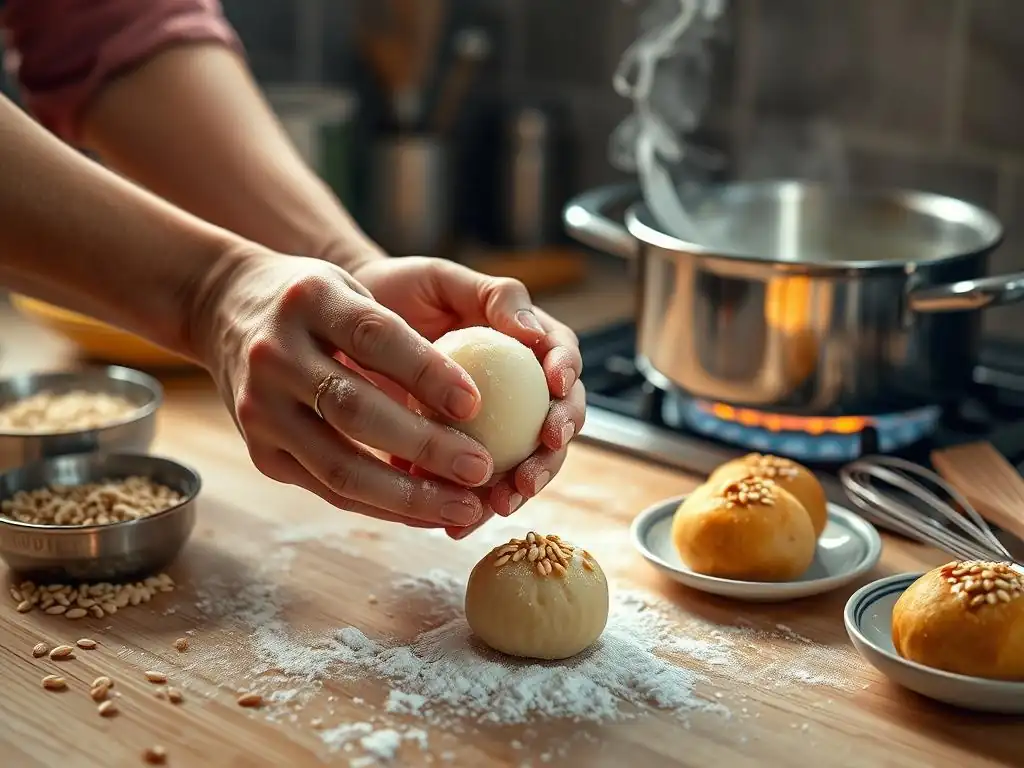
Assembling the sesame balls involves portioning the dough, wrapping the filling, and rolling the ball. Start by dividing the dough into equal portions. For medium-sized Jian Dui, pieces of dough weighing roughly 20-25 grams each work well, yielding balls about 4-5 cm in diameter after frying. Keep the dough portions covered while you work to prevent them from drying out.
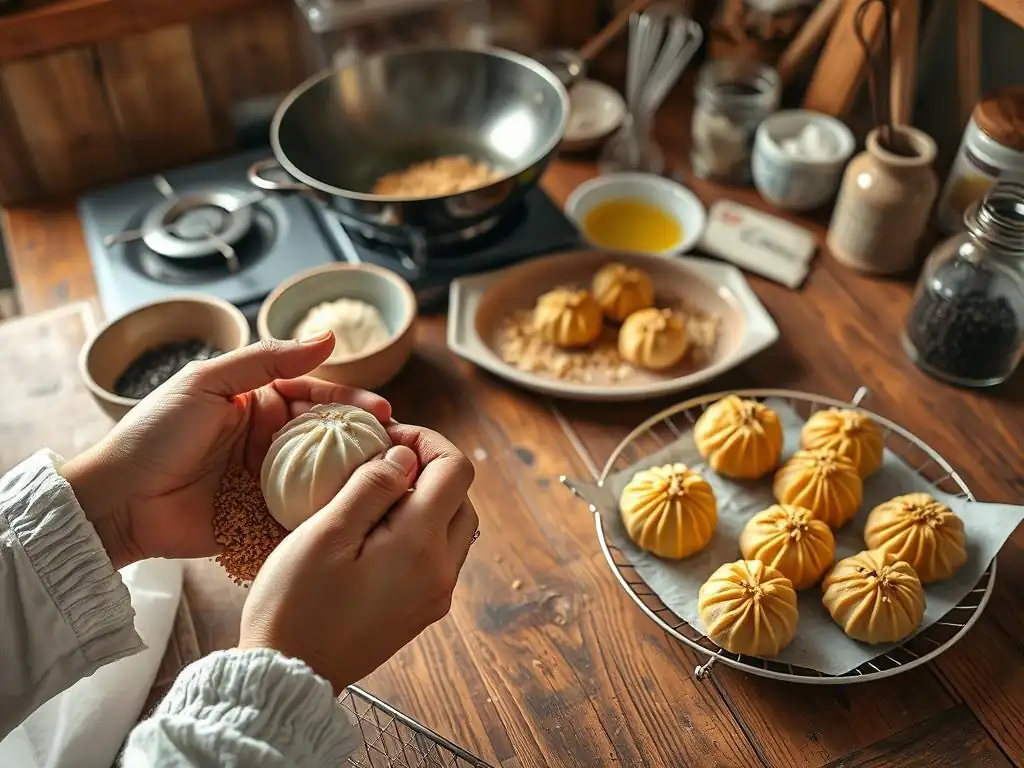
Take one portion of dough and flatten it into a disc, about 7-8 cm in diameter, with edges slightly thinner than the center. Place a pre-rolled ball of filling in the center of the dough disc. Carefully gather the edges of the dough up and over the filling, pinching them together at the top to seal completely. Gently roll the ball between your palms to smooth the seam and create a uniform, round shape. Ensuring the filling is completely sealed is crucial to prevent leakage during frying.
Ensuring Even Sesame Seed Coating
Once the ball is shaped, it needs its signature sesame seed coating. This is typically done by lightly moistening the surface of the dough ball before rolling it in sesame seeds. Some methods suggest dipping the ball briefly in water or a thin starch slurry, while others find simply having the dough slightly moist from kneading is sufficient. Place the sesame seeds in a shallow dish or plate.
Roll the dough ball gently but firmly in the sesame seeds, pressing lightly so the seeds adhere well to the surface. Ensure the entire surface is evenly covered; a good coating provides maximum crispiness and flavor. Shake off any excess seeds. Place the coated balls on a tray lined with parchment paper or a non-stick surface, keeping them separate so they don't stick together. They are now ready for frying.
Frying Sesame Balls: Achieving Golden Perfection
The Importance of Oil Temperature
Frying is perhaps the most critical step in making perfect Jian Dui. The oil temperature plays a vital role in how the balls cook, expand, and develop their texture. Starting with a relatively low oil temperature (around 300-325°F or 150-160°C) is crucial. This allows the sesame balls to cook through and expand gradually without the exterior browning too quickly. If the oil is too hot initially, the outside will brown or burn before the inside is cooked and the ball has a chance to expand, resulting in dense, small balls.
As the balls expand and float, the temperature is often increased slightly (to about 350-375°F or 175-190°C) to achieve the final golden-brown color and crispy exterior. Using a kitchen thermometer is highly recommended to monitor and maintain the correct oil temperature throughout the frying process. This control is key to transforming the dough balls into light, hollow, and perfectly crispy treats, making your easy sesame ball recipe a success.
Choosing the Right Oil
Selecting the right frying oil is important for both performance and flavor. You need a neutral-flavored oil with a high smoke point, meaning it can be heated to high temperatures without breaking down and smoking excessively. Common choices include vegetable oil, canola oil, peanut oil, and sunflower oil. These oils won't impart unwanted flavors to your delicate sesame balls.
Avoid oils with low smoke points or strong flavors, such as olive oil or butter. The quantity of oil should be sufficient for deep-frying, allowing the sesame balls to be fully submerged. A pot that is deep enough to safely hold the oil and the expanding sesame balls is also essential. Using enough oil ensures even cooking and expansion.
Maintaining Optimal Oil Temperature
Consistency in oil temperature is achieved through careful monitoring and adjustment. Begin heating the oil over medium heat until it reaches the initial target temperature of 300-325°F (150-160°C). Gently add the sesame balls to the hot oil, being careful not to overcrowd the pot, which would lower the oil temperature too much. Fry in batches if necessary.
As the balls cook, they will sink initially and then rise to the surface as they expand. Once they are floating and have begun to puff up (after several minutes at the lower temperature), increase the heat slightly to bring the temperature up to 350-375°F (175-190°C). Stir or gently press the balls against the side of the pot with a slotted spoon or spatula; this helps them expand evenly and prevents them from sticking together. Continuously monitor the temperature and adjust the heat as needed to keep it within the optimal range throughout the frying process.
The Frying Process: Step-by-Step Instructions
How to Fry Sesame Balls for a Crispy Exterior
Frying Jian Dui requires patience and attention to detail. Here's a step-by-step approach for achieving that sought-after crispy exterior:
- Heat oil in a deep pot to 300-325°F (150-160°C).
- Carefully add sesame balls to the oil, ensuring not to overcrowd.
- Fry at this lower temperature for several minutes, stirring occasionally, until they float and start to puff up.
- Once floating and slightly expanded, gently press the balls against the side of the pot or gently roll them around using a slotted spoon. This helps them expand evenly and become hollow.
- Increase oil temperature to 350-375°F (175-190°C).
- Continue frying, stirring and rolling the balls, until they turn a uniform golden brown color. This higher temperature crisps the exterior.
- Remove the fried sesame balls using a slotted spoon and place them on a wire rack lined with paper towels to drain excess oil.
The entire frying process for one batch can take anywhere from 10 to 20 minutes, depending on the size of the balls and the consistency of the oil temperature. The pressing/rolling technique during frying is crucial for achieving the hollow center and preventing the balls from collapsing.
Preventing Sesame Balls from Exploding
One common issue when frying Jian Dui is the risk of them exploding. This usually happens if there are air pockets trapped inside the dough, if the filling isn't properly sealed, or if the oil temperature is too high too quickly. To minimize this risk:
- Ensure the dough is well-kneaded and pliable, with no large air bubbles incorporated.
- Completely seal the filling within the dough, pinching the seam tightly and rolling the ball to smooth it out.
- Start frying at a lower temperature (300-325°F / 150-160°C) to allow gradual expansion.
- Avoid overcrowding the pot, which can cause uneven heating and stress on the balls.
- Gently press and roll the balls while frying; this technique helps release steam evenly and encourages uniform expansion, reducing the likelihood of bursting.
If a ball starts to look like it might burst (e.g., developing a large bubble), you can carefully remove it from the oil immediately. Following these precautions significantly increases your chances of frying perfect, intact sesame balls with this easy sesame ball recipe.
Tips for Achieving a Perfect Crispy and Chewy Texture
The ideal sesame ball has a delicate, crispy outer shell, a distinct layer of crunchy sesame seeds, and a wonderfully chewy, hollow interior surrounding a sweet filling. Achieving this trifecta of textures relies heavily on the frying method. Starting at a lower temperature allows the glutinous rice flour dough to cook through and expand properly, creating the hollow space and chewy texture. This slow start is non-negotiable for success.
Increasing the temperature towards the end of frying is what gives the exterior its final crispness and golden color. Ensuring the balls are fully submerged and gently agitated throughout the process promotes even cooking and prevents one side from becoming denser or less crispy than the other. Draining the fried balls on a wire rack immediately after removing them from the oil allows excess grease to drip away, preserving the crisp texture.
Serving and Storing Your Homemade Sesame Balls
Serving Suggestions
Homemade sesame balls are best enjoyed warm, shortly after frying, when their textural contrast is at its peak – the exterior is crisp, and the interior is delightfully chewy. They are traditionally served as a dessert or snack. Arrange them on a serving platter. Their appealing golden color and sesame seed coating make them visually attractive.
You can serve them simply as they are, allowing the flavors of the dough, filling, and sesame seeds to shine. For a dim sum experience at home, pair them with other homemade treats like steamed buns or dumplings. A cup of hot tea, such as jasmine or green tea, is a perfect accompaniment, cleansing the palate between bites of the sweet, rich pastry.
Storing Leftover Sesame Balls
While sesame balls are best fresh, leftovers can be stored. Allow them to cool completely to room temperature on a wire rack before storing. Place cooled sesame balls in an airtight container. They can be stored at room temperature for a day or two, though the exterior will lose some of its crispness.
For longer storage, you can refrigerate them for up to 3-4 days. To reheat and attempt to restore some of their texture, you can briefly air fry them at around 350°F (175°C) for a few minutes until heated through and the exterior feels a bit crispy again, or gently warm them in a toaster oven. Avoid microwaving, as this will make them soft and rubbery. Frying previously fried Jian Dui again is generally not recommended as they can become greasy.
Troubleshooting Common Issues
Why are my Sesame Balls not Crispy?
If your sesame balls lack that desirable crispy exterior, several factors could be at play. The most common reason is not frying them at a high enough temperature at the end of the process. The initial low temperature is for expansion, but the final few minutes at a higher temperature (350-375°F / 175-190°C) are essential for crisping.
Another reason could be insufficient draining after frying. Ensure you place them on a wire rack lined with paper towels immediately after removing them from the oil to allow excess oil to drain off. Overcrowding the pot during frying can also lower the oil temperature too much, preventing proper crisping. Make sure to fry in batches if necessary, maintaining the correct oil temperature throughout.
Why are my Sesame Balls Exploding?
Exploding sesame balls are frustrating but often preventable. The primary causes are trapped air, poor sealing, or incorrect frying temperature.
- Trapped Air: Ensure your dough is well-kneaded and pliable. When wrapping the filling, press out any air pockets before sealing the dough.
- Poor Sealing: The seam where you pinch the dough together must be completely sealed. If there's an opening, steam will escape rapidly during frying, causing the ball to burst. Roll the ball gently after sealing to smooth the seam.
- Incorrect Temperature: Starting with oil that is too hot causes the outside to cook and harden before the inside has expanded, trapping steam and leading to explosions. Always start frying at a lower temperature (300-325°F / 150-160°C) and increase it gradually.
Gentle agitation during frying, like pressing or rolling the balls, helps steam release evenly and promotes controlled expansion, further reducing the risk of bursting.
Why is my Dough too Sticky?
A sticky dough can make shaping and handling the sesame balls difficult. If your dough is too sticky after kneading:
- It likely has too much liquid. Glutinous rice flour absorbs hot water differently depending on various factors.
- Gradually add small amounts of glutinous rice flour, a tablespoon at a time, and knead it in until the dough is smooth and no longer excessively sticky, but still soft and pliable.
- Ensure you are using glutinous rice flour, not regular rice flour, as they behave very differently.
- Using hot water initially is correct, but the final consistency should be manageable by hand.
Conversely, if the dough is too dry and crumbles or cracks, add a tiny amount more hot water (a teaspoon at a time) and knead until smooth. Achieving the right dough consistency is foundational to a successful and easy sesame ball recipe.
Elevating Your Sesame Ball Game: Variations
Exploring Different Flavors and Fillings
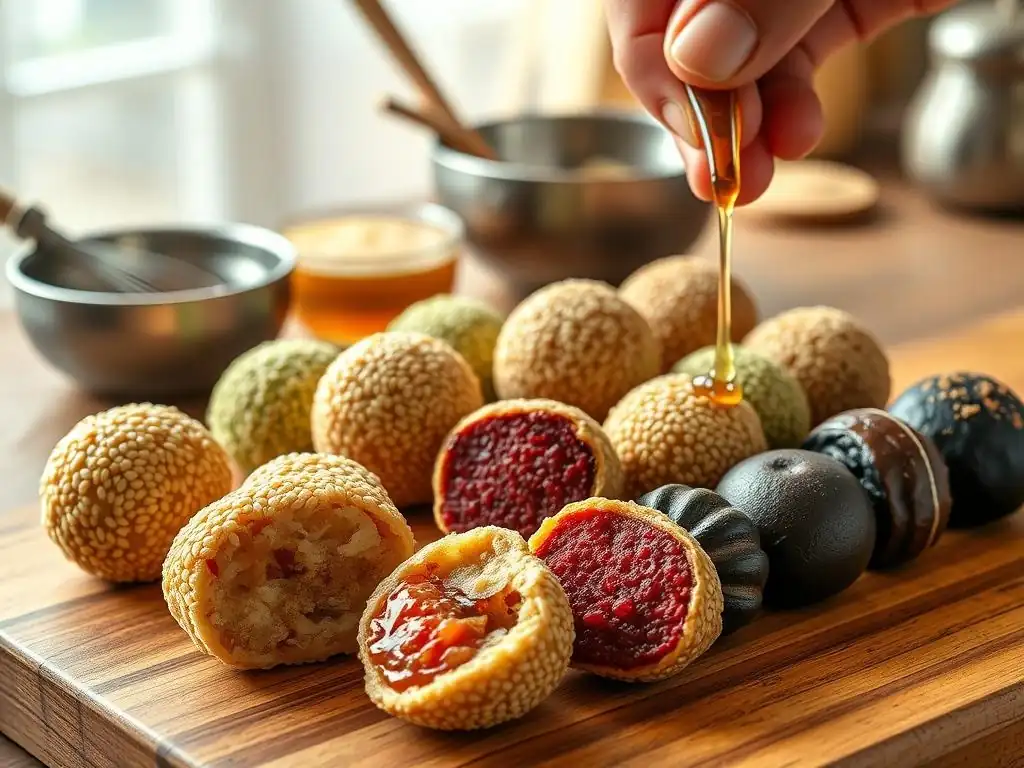
Once you've mastered the basic easy sesame ball recipe with a classic filling like red bean paste, you can explore a world of variations. As mentioned earlier, lotus seed paste and black sesame paste are traditional alternatives. For something different, consider a sweet mung bean paste, often flavored with coconut milk.
Modern twists could include fillings like purple sweet potato paste, matcha-flavored white bean paste, or even a slightly savory-sweet filling like salted egg yolk custard. When experimenting with new fillings, remember to ensure they are firm enough to handle and won't easily melt or leak during frying. Adjusting the sweetness of the dough slightly can also complement different filling flavors.
Scaling Recipes
Scaling an easy sesame ball recipe up or down is straightforward once you understand the ingredient ratios. The ratio of glutinous rice flour to hot water is the most critical; it's usually around 2 parts flour to 1 part hot water by volume or slightly higher for water by weight, but humidity and flour brand can affect this. For example, if a recipe uses 1 cup of flour and 1/2 cup of hot water, doubling the recipe would mean 2 cups flour and 1 cup hot water, potentially needing minor adjustments.
When scaling, also remember to scale the amount of filling and sesame seeds proportionally. The amount of frying oil needed will depend on the size of your pot, not necessarily the batch size, as you need enough depth for the balls to be submerged. However, frying larger batches might require a slightly larger pot to avoid overcrowding. Always test a small batch if making significant changes to ensure the ratios work before committing to a large quantity.
Conclusion: Enjoying Homemade Sesame Balls
Mastering the art of frying sesame balls, or Jian Dui, at home is a rewarding culinary journey. By following an easy sesame ball recipe and paying close attention to key details like dough consistency, filling preparation, and especially oil temperature during frying, you can recreate these delightful traditional pastries in your own kitchen. The satisfaction of biting into a warm, crispy, chewy sesame ball filled with sweet paste, knowing you made it yourself, is immense.
This guide has walked you through the essential steps, from gathering ingredients to troubleshooting common issues, making the process of making sesame balls easy and enjoyable. Whether you stick to the classic red bean filling or venture into creative variations, homemade Jian Dui are a fantastic way to celebrate flavors, share with loved ones, and add a touch of traditional sweetness to any occasion. So gather your ingredients, follow these steps, and get ready to enjoy your delicious homemade sesame balls!
Frequently Asked Questions
What makes this sesame ball recipe "easy"?
This recipe focuses on simplified techniques and easily accessible ingredients. We break down the traditional process into manageable steps, making it perfect for beginners.
What are the key ingredients needed for this sesame ball recipe?
The main ingredients include glutinous rice flour, sugar, water, and sesame seeds. You'll also need oil for frying and optionally, a filling of your choice, such as red bean paste.
What's the secret to preventing sesame balls from cracking during frying?
Maintaining a low and consistent oil temperature is crucial. Also, gently rolling the balls in the oil prevents them from sticking to each other and cracking.
How do I ensure my sesame balls have that perfect chewy texture?
The key is using glutinous rice flour, also known as sweet rice flour. This type of flour is what gives sesame balls their characteristic chewy texture when cooked.
Can I customize the filling of these sesame balls?
Absolutely! While red bean paste is a classic choice, you can experiment with various fillings. Consider options like lotus seed paste, peanut butter, or even a savory filling.
Final Reflection: The Enduring Sweetness of Simple Mastery
The seemingly simple act of frying a sesame ball holds a surprising depth, reflecting our own journeys toward mastering any skill. From the precise balance of ingredients to the delicate dance of oil and heat, creating the perfect jian dui is a testament to patience and precision. This isn't just about a recipe; it's about the satisfaction of transforming humble ingredients into something truly delightful.
The enduring appeal of the sesame ball transcends its deliciousness; it's a symbol of cultural heritage and the joy of shared culinary experiences. These little balls of sweetness have been passed down through generations, each bite carrying a whisper of history and tradition. Food is symbolic of love when words are inadequate.
- Alan D. Wolfelt. This sentiment rings especially true for the jian dui, a treat often shared amongst family and friends, fostering connection and warmth.
Now, I invite you to step into your own kitchen, armed with newfound confidence and a deeper appreciation for the process. Don't be afraid to experiment, to adjust the recipe to your own taste, and to savor the journey as much as the final product. The true mastery lies not just in the perfectly golden-brown exterior, but in the understanding and appreciation you gain along the way. Go forth and create your own delicious memories, one sesame ball at a time.
Unlock Your Inner Jian Dui Master!
Thanks for joining us on this delicious journey into the world of Jian Dui! We hope you’ve gained the confidence to tackle this seemingly challenging treat. Now it's time to put your newfound skills to the test.
- Dive right in and make your own Jian Dui! Use the recipe and tips from the article to create your perfect batch. Remember, practice makes perfect!
- Share your creations! Post pictures of your sesame balls on social media and tag us – we'd love to see your culinary masterpieces.
- Experiment with fillings: Try adding different sweet fillings to your Jian Dui; what unique flavor combinations can you discover?
Ready to transform your kitchen into a Jian Dui paradise? What exciting ingredient variations will you explore first?