
Vegan Baking Magic: Understanding How Substitutes Behave

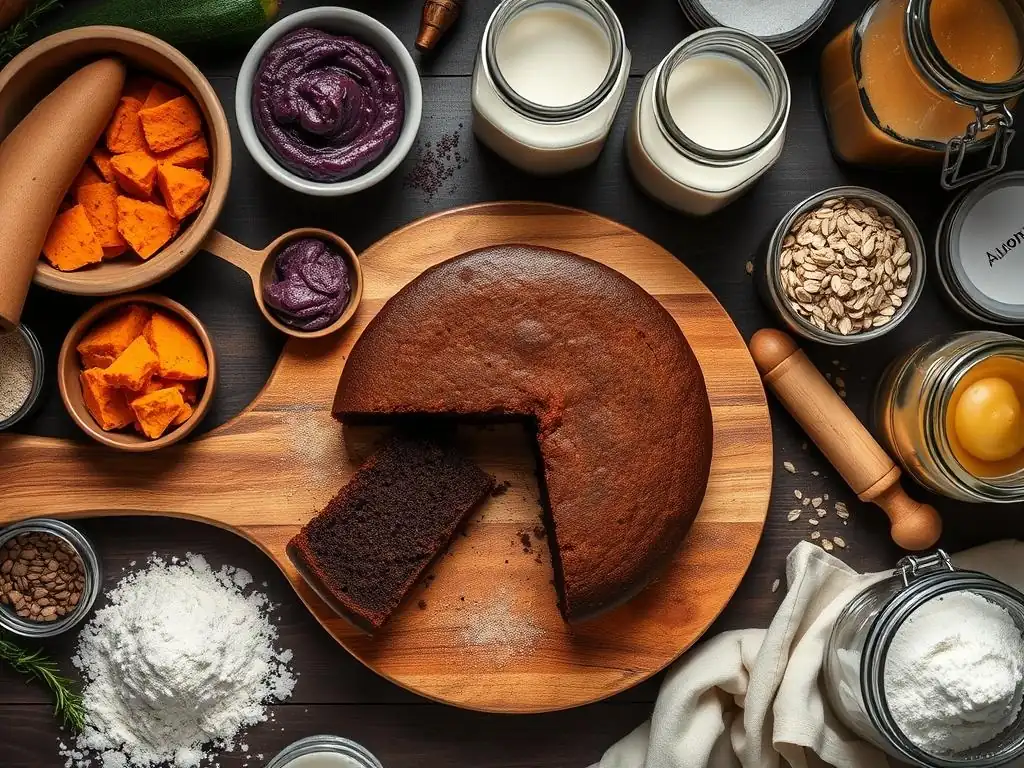
Welcome to BakeWithEase, your haven for baking brilliance! Ever wondered how to unlock the secrets of delicious vegan treats? This guide dives deep into vegan baking ingredient substitutions, revealing how to achieve perfect textures and flavors without any animal products. Prepare to be amazed as we demystify these essential swaps, leaving you eager to experiment and create your own plant-based masterpieces. Ready to unveil the magic? Let's get started!
- Introduction to Vegan Baking Ingredient Substitutions
- Understanding Key Vegan Baking Ingredient Substitutions
- How Different Vegan Substitutions Affect Baking Results
- Troubleshooting Common Vegan Baking Problems with Substitutions
- Advanced Vegan Baking Techniques with Ingredient Substitutions
- Mastering Vegan Baking: Tips for Success with Substitutions
- Conclusion: Embracing the World of Vegan Baking Substitutions
-
Frequently Asked Questions
- What are the most common vegan baking ingredient substitutions?
- Why is it important to understand how vegan baking substitutes behave?
- Can I substitute any ingredient with a vegan alternative at a 1:1 ratio?
- What are some good vegan substitutes for gluten in baking?
- Where can I find reliable recipes and guidance on vegan baking ingredient substitutions?
- Final Reflection: The Sweet Science of Vegan Baking Substitutions
- Unleash Your Inner Vegan Baker!
Introduction to Vegan Baking Ingredient Substitutions
Why Vegan Baking Substitutions Matter
Vegan baking has moved far beyond simple substitutions out of necessity; it's a vibrant, innovative field driven by increasing interest in plant-based lifestyles, allergies, and ethical choices. Understanding vegan baking ingredient substitutions is crucial because different substitutes behave uniquely when heated, mixed, and leavened.
Simply swapping out an egg for applesauce without considering the implications can lead to unexpected textures, from overly dense cakes to crumbly cookies. For example, while a standard chocolate chip cookie recipe might rely on eggs for binding and moisture, a vegan version requires careful selection of a replacement that provides similar function, such as a flax egg for structure and vegan butter for richness.
Moreover, the demand for delicious, high-quality vegan baked goods is rapidly growing. Estimates suggest the global vegan food market, which includes bakery items, could reach billions in the coming years. This surge means bakers, whether home enthusiasts or professionals, need to master the art of vegan baking ingredient substitutions to cater to this expanding audience.
It's not just about removing animal products; it's about creating textures, flavors, and appearances that rival or even surpass traditional baked goods. This involves knowing which plant-based milk yields the best crumb in a cake or which vegan butter alternative provides the flakiest pastry crust, turning potential challenges into creative opportunities.
The Science Behind Vegan Baking
At its core, baking is a chemical process, and vegan baking ingredient substitutions involve understanding how plant-based ingredients interact chemically during mixing and heating. In traditional baking, ingredients like eggs, dairy, and butter provide specific functions: structure from egg proteins, emulsification from egg yolks and milk fats, moisture from milk, and tenderness from butter. When these are removed, plant-based substitutes must step in to fulfill these roles. For instance, starches like cornstarch or tapioca starch often provide binding and thickening similar to egg proteins, while plant oils and vegan butters contribute fat for tenderness and moisture, mimicking dairy butter.
The science extends to leavening. Traditional recipes often rely on the interaction of acidic ingredients (like buttermilk) with alkaline ones (like baking soda), or the steam created by water in eggs and butter. In vegan baking, substitutes like plant-based milks (which can be curdled with vinegar or lemon juice to create a vegan "buttermilk") and fats play a role in steam production.
Understanding the pH levels of different vegan milks or how various egg substitutes impact the rise is key to successful results. Mastering vegan baking ingredient substitutions means becoming familiar with these scientific principles, allowing for informed choices rather than trial-and-error guesswork.
Understanding Key Vegan Baking Ingredient Substitutions
Replacing Eggs in Vegan Baking: Options and Their Effects
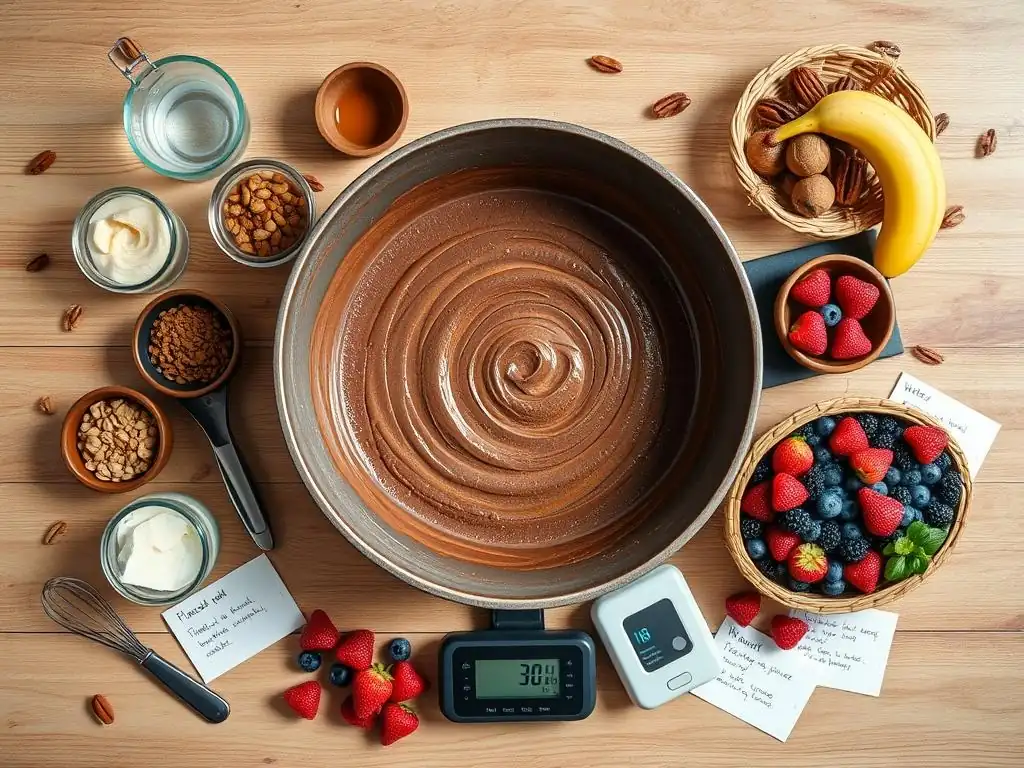
Eggs perform several vital roles in baking: binding ingredients together, adding moisture, contributing to leavening, and providing richness and structure. Choosing the right vegan baking ingredient substitutions for eggs depends heavily on the specific function the egg serves in the recipe. A simple cookie might need just binding, while a complex cake requires binding, moisture, and help with the rise.
Using the wrong substitute can dramatically alter the final product. For example, using applesauce in place of eggs in a recipe where eggs provide significant structure might result in a very dense, moist cake that doesn't hold its shape. Conversely, using a commercial egg replacer primarily designed for binding in a recipe needing moisture could lead to dry results. Experimentation, often guided by understanding the substitute's properties, is key to successful vegan baking ingredient substitutions.
Flaxseed Eggs: How to Use and When They Work Best
A flaxseed egg (often called a "flax egg") is made by combining ground flaxseed meal with water and letting it sit until it thickens into a gelatinous consistency. The standard ratio is 1 tablespoon of ground flaxseed meal mixed with 3 tablespoons of water, left for 5-10 minutes. This mixture is excellent for binding ingredients and adding some moisture, making it one of the most popular vegan baking ingredient substitutions for eggs.
Flax eggs work particularly well in recipes where the egg's primary role is binding, such as cookies, muffins, quick breads, and some brownies. They add a slight nutty flavor and tiny flecks, which are usually unnoticeable in baked goods with other strong flavors or textures. However, they don't provide significant leavening or richness, making them less suitable for recipes where eggs are the main leavening agent (like angel food cake) or contribute substantial structure and richness (like custards).
Chia Seed Eggs: A Versatile Egg Replacement
Similar to flax eggs, chia seed eggs are created by mixing chia seeds (whole or ground) with water. The typical ratio is also 1 tablespoon of chia seeds to 3 tablespoons of water, letting it sit for about 10-15 minutes until a gel forms. Chia seeds absorb liquid rapidly and form a thick gel that functions very similarly to a flax egg.
Chia seed eggs are versatile vegan baking ingredient substitutions effective for binding in recipes like muffins, quick breads, pancakes, and cookies. They tend to create a slightly thicker gel than flax seeds and can leave visible seeds if not ground, which might affect texture or appearance in some recipes. Like flax eggs, they are best used when the egg's main role is binding and moisture, not significant lift or richness.
Applesauce as an Egg Substitute: Moisture and Binding
Unsweetened applesauce is a common and accessible vegan baking ingredient substitution for eggs, particularly valued for the moisture it adds to baked goods. It can also provide some binding due to its pectin content. Typically, about 1/4 cup of applesauce can replace one egg in many recipes.
Applesauce works well in moist baked goods like muffins, quick breads, and some cakes where extra moisture is desirable. However, using too much can make baked goods overly dense and heavy, as it doesn't provide the same structural support as eggs. It also imparts a slight apple flavor, which should be considered depending on the recipe. It is less effective in recipes requiring significant leavening or a light, airy texture.
Commercial Egg Replacers: A Comparison Guide
Various commercial egg replacers are available, formulated from blends of starches, leavening agents, and gums (like potato starch, tapioca starch, baking soda, and cellulose gum). These products are designed to mimic the binding and sometimes the leavening properties of eggs. Brands like Ener-G Egg Replacer or Bob's Red Mill Egg Replacer are popular options.
Commercial egg replacers are convenient vegan baking ingredient substitutions, often used according to package instructions (typically 1-2 tablespoons mixed with water per egg). They are generally effective for binding in cookies, muffins, and quick breads. Some blends also include leavening agents to help with rise.
However, they usually don't replicate the richness or emulsifying properties of egg yolks, making them less ideal for custards, quiches, or recipes where eggs are the primary fat source or emulsifier. Their performance can vary significantly between brands, so it's often helpful to test a few to find one that works best for your common baking needs.
Dairy-Free Milk Substitutions in Vegan Baking
Plant-based milks are essential vegan baking ingredient substitutions for dairy milk, providing necessary liquid to activate leavening agents, hydrate dry ingredients, and contribute to the overall texture and tenderness. The choice of milk can influence flavor, richness, and even how well the baked goods brown.
Different plant milks have varying fat and protein contents, which affect their performance. Using a very low-fat milk in a recipe designed for whole dairy milk might result in a less tender crumb. Conversely, a high-fat milk could add unwanted richness or moisture. Understanding the characteristics of each milk is key to selecting the best vegan baking ingredient substitutions.
Almond Milk: Flavor Profile and Applications
Unsweetened almond milk is a widely available and popular choice among vegan baking ingredient substitutions for dairy milk. It has a relatively neutral flavor profile compared to some other plant milks, which makes it versatile for many recipes without overpowering other ingredients. It also tends to be lower in fat than soy or oat milk.
Almond milk works well in cakes, muffins, and quick breads where a light texture is desired. Its neutral taste allows other flavors, like vanilla or chocolate, to shine. However, its lower fat content means it might not provide the same richness or tenderness as higher-fat milks or dairy milk, which could be a consideration in recipes like scones or biscuits where fat is crucial for texture.
Soy Milk: A Reliable Dairy-Free Alternative
Soy milk has been one of the longest-standing vegan baking ingredient substitutions for dairy milk. It generally has a higher protein content than almond or oat milk and a moderate fat content, making it a robust option that behaves similarly to dairy milk in many applications.
Soy milk is a reliable substitute for cakes, muffins, breads, and sauces. Its protein content can contribute to structure, and its fat helps with tenderness. It has a distinct flavor that some people notice, though it is usually masked in baked goods. It also curdles nicely when mixed with an acid like vinegar or lemon juice, making it an excellent base for vegan "buttermilk" used in recipes requiring extra leavening and tenderness, such as pancakes or biscuits.
Oat Milk: Creaminess and Versatility
Oat milk has gained immense popularity recently due to its creamy texture and slightly sweet, neutral flavor. It typically has a good fat content, especially the "barista" or full-fat versions, which contributes significantly to richness and moisture in baked goods.
Oat milk is a versatile vegan baking ingredient substitution, excelling in cakes, muffins, breads, and even richer applications like custards or puddings where creaminess is desired. Its fat content helps create a tender crumb and can contribute to nice browning. The slightly sweet flavor generally complements most baking recipes without being intrusive.
Coconut Milk: Adding Richness and Flavor
Coconut milk, particularly full-fat canned coconut milk, is a rich and creamy vegan baking ingredient substitution. It has a high fat content, similar to heavy cream or full-fat dairy milk, which adds significant moisture, richness, and tenderness to baked goods.
Due to its high fat content, full-fat coconut milk is excellent for richer cakes, scones, biscuits, and desserts like panna cotta or ice cream bases. It imparts a distinct coconut flavor, which can be desirable in certain recipes (like tropical-themed baked goods) but might be unwanted in others. The lighter, carton versions of coconut milk are similar to almond milk in consistency and lower in fat, suitable for lighter baked goods without a strong coconut flavor.
Vegan Butter Alternatives: Achieving the Right Texture
Butter plays several crucial roles in baking: adding flavor, contributing to tenderness and flakiness, helping with leavening (especially in puff pastry or croissants), and assisting with browning. Finding the right vegan baking ingredient substitutions for butter is vital for achieving desired textures.
Vegan butter alternatives vary widely in composition, typically made from blends of vegetable oils (like palm, soybean, or coconut oil), water, emulsifiers, and flavorings. Their melting point and fat composition differ from dairy butter, which can impact how cookies spread, how flaky pastry becomes, or how moist a cake is. Selecting an alternative with a similar fat-to-water ratio and a relatively high melting point can help mimic butter's behavior in creaming and creating flaky layers.
Coconut Oil: Considerations for Use
Coconut oil is a solid fat at room temperature (below approximately 76°F or 24°C), making it a potential vegan baking ingredient substitution for butter in some applications. It provides moisture and tenderness but behaves differently due to its unique melting point and saturated fat structure.
Refined coconut oil has a neutral flavor, while unrefined (virgin) coconut oil imparts a distinct coconut taste. It works well in recipes where fat is melted, such as in pie crusts, some cookie recipes, or quick breads.
However, because it melts at a relatively low temperature and solidifies quickly when cooled, it can create a different texture than butter, sometimes resulting in a more crumbly or less tender result in recipes where creaming is essential. Using solid coconut oil in recipes calling for cold butter (like biscuits or scones) can also work, providing tenderness, though the texture might be slightly different.
Olive Oil: When and How to Use It
Olive oil, particularly extra virgin olive oil, is a liquid fat at room temperature and is used as a vegan baking ingredient substitution primarily in recipes where liquid fat is appropriate, such as some cakes, muffins, and quick breads. It adds moisture and tenderness but does not contribute to structure or flakiness in the way solid fats do.
Olive oil is best used in recipes specifically designed for oil or where the recipe uses melted butter. It's excellent for adding a moist, tender crumb to cakes like olive oil cake or certain types of muffins. However, its distinct flavor profile should be considered – a robust extra virgin olive oil can impart a noticeable taste, while a lighter olive oil will be more neutral. It cannot be used interchangeably with solid fats in recipes requiring creaming or cold butter for structure.
Vegan Butter Sticks: A Close Substitute
Commercial vegan butter sticks are specifically formulated to mimic the texture, melting point, and performance of dairy butter in baking. They are typically made from a blend of vegetable oils and solid fats, emulsifiers, and flavorings. Brands like Miyoko's Kitchen (cashew-based), Earth Balance, or Melt Organic are popular examples of vegan baking ingredient substitutions.
Vegan butter sticks are often the most reliable vegan baking ingredient substitutions for dairy butter in a wide range of applications, including cookies (for spread and texture), cakes (for creaming and tenderness), pastries (for flakiness), and frostings. Look for sticks labeled "for baking" or that specify a similar fat-to-water ratio as dairy butter (around 80% fat). Their performance can vary by brand, particularly in terms of melting point and how well they cream, so some experimentation may be needed to find the best fit for specific recipes.
Replacing Honey and Sugar in Vegan Baking
While granulated sugar is naturally vegan, other sweeteners like honey are not. Finding appropriate vegan baking ingredient substitutions for honey and exploring alternatives to refined sugar is common in vegan baking. These substitutes affect not only sweetness but also moisture, texture, and color.
Liquid sweeteners like maple syrup or agave nectar add moisture and can affect the spreading of cookies or the density of cakes compared to granulated sugar. Coconut sugar, while providing a similar texture to granulated sugar, has a distinct flavor and color. Understanding these differences is key to successful vegan baking ingredient substitutions.
Maple Syrup: Flavor and Moisture Impact
Pure maple syrup is a popular vegan baking ingredient substitution for liquid sweeteners like honey or agave, and it can also replace some granulated sugar in recipes. It provides sweetness and a distinct, warm flavor. As a liquid, it adds moisture to baked goods.
Maple syrup works well in recipes where its flavor is welcome, such as in pancakes, waffles, muffins, and some cakes. When replacing granulated sugar, the amount of other liquids in the recipe may need to be reduced slightly to account for the added moisture from the syrup. Approximately 3/4 cup of maple syrup can often replace 1 cup of granulated sugar, but adjustments for liquid content are necessary. Its impact on browning can also be more pronounced than granulated sugar due to its natural sugars.
Agave Nectar: Sweetness and Liquid Content
Agave nectar (or agave syrup) is another liquid vegan baking ingredient substitution. It is sweeter than sugar, so less is needed, and it has a relatively neutral flavor, making it versatile. Like maple syrup, its liquid form adds moisture to recipes.
Agave nectar can replace other liquid sweeteners or a portion of granulated sugar in recipes. Its neutral flavor makes it suitable for a wide range of baked goods where a distinct flavor from the sweetener isn't desired. When substituting for granulated sugar, use about 2/3 to 3/4 cup of agave nectar for every cup of sugar and reduce other liquids. Its high fructose content can lead to faster browning, so baking times or temperatures might need adjustment.
Coconut Sugar: A Lower Glycemic Option
Coconut sugar is a granular vegan baking ingredient substitution derived from the sap of the coconut palm. It has a texture similar to granulated sugar but a distinct caramel-like flavor and a light brown color, similar to brown sugar. It is often marketed as having a lower glycemic index than refined sugar.
Coconut sugar can typically replace granulated or brown sugar in recipes cup-for-cup, making it a straightforward vegan baking ingredient substitution. It works well in cookies, muffins, cakes, and crumbles, adding moisture and a pleasant, slightly caramelly flavor. Its color will make baked goods darker than if using white granulated sugar. While its glycemic index is debated, it functions similarly to brown sugar in baking applications, contributing moisture and tenderness.
How Different Vegan Substitutions Affect Baking Results
Choosing the right vegan baking ingredient substitutions goes beyond simply swapping ingredients; it's about understanding how these changes impact the fundamental characteristics of the finished product. The interplay between substitutes affects everything from how a cake rises to how a cookie spreads.
Successful vegan baking requires anticipating these effects. For instance, using a liquid sweetener might make cookies spread more than using granulated sugar. Using a low-fat milk might result in a less tender cake crumb than a higher-fat alternative. Paying attention to the specific properties of your chosen vegan baking ingredient substitutions is essential for consistent and delicious results.
Texture Considerations: Creating the Perfect Crumb
The texture of baked goods, from the tenderness of a cake crumb to the chewiness of a cookie or the flakiness of a pastry, is significantly influenced by the fats, liquids, and binding agents used. Vegan baking ingredient substitutions directly impact these elements. For example, fats like vegan butter or coconut oil contribute to tenderness by interfering with gluten development and coating starch granules.
The type of egg substitute also plays a role in texture. Flax or chia eggs provide binding, which can create a slightly denser or chewier texture, while commercial starch-based replacers might result in a lighter crumb but offer less chewiness. The protein and fat content of plant-based milks also affect crumb structure and moisture retention. Achieving the desired texture often involves careful selection and balancing of multiple vegan baking ingredient substitutions.
Flavor Profiles: Balancing Tastes with Substitutions
Every vegan baking ingredient substitution brings its own subtle (or sometimes not-so-subtle) flavor to the mix. Almond milk has a nutty note, soy milk can have a bean-like undertone, coconut milk has a distinct tropical flavor, and maple syrup adds a warm, caramel-like taste.
Balancing these flavors is crucial. In a chocolate cake, the strong flavor of cocoa might mask the taste of soy milk, but in a delicate vanilla cake, almond milk might be a better choice. Using refined coconut oil provides fat without the coconut flavor, unlike virgin coconut oil. Consider how the inherent flavor of each vegan baking ingredient substitution will interact with the primary flavors of your recipe to ensure a harmonious result.
Rise and Leavening: Achieving the Right Lift
Leavening is the process that makes cakes light and airy, breads rise, and muffins dome. In traditional baking, eggs contribute to leavening through trapped air and steam, while dairy often interacts with leavening agents like baking soda. Vegan baking ingredient substitutions must help facilitate similar reactions.
While flax or chia eggs don't provide significant lift, some commercial egg replacers contain leavening agents. The moisture provided by plant-based milks is necessary to activate baking soda and baking powder. Creating a vegan "buttermilk" by adding acid to plant milk enhances the reaction with baking soda, producing more carbon dioxide for lift. Ensuring the right balance of leavening agents and sufficient liquid from vegan baking ingredient substitutions is key to achieving adequate rise.
Binding Properties: Holding Ingredients Together
Binding is the function that holds baked goods together, preventing them from crumbling. Eggs are primary binders in traditional baking due to their protein structure which coagulates when heated. When making vegan baking ingredient substitutions, finding effective binders is paramount.
Flax eggs, chia eggs, mashed banana, applesauce, and commercial egg replacers are common vegan baking ingredient substitutions used for binding. Starch-based thickeners like cornstarch or tapioca starch can also contribute to binding. The effectiveness of the binder depends on the recipe; a substitute that works for cookies might not be strong enough for a delicate sponge cake. Proper binding ensures that cookies don't fall apart and cakes hold their structure when sliced.
Troubleshooting Common Vegan Baking Problems with Substitutions
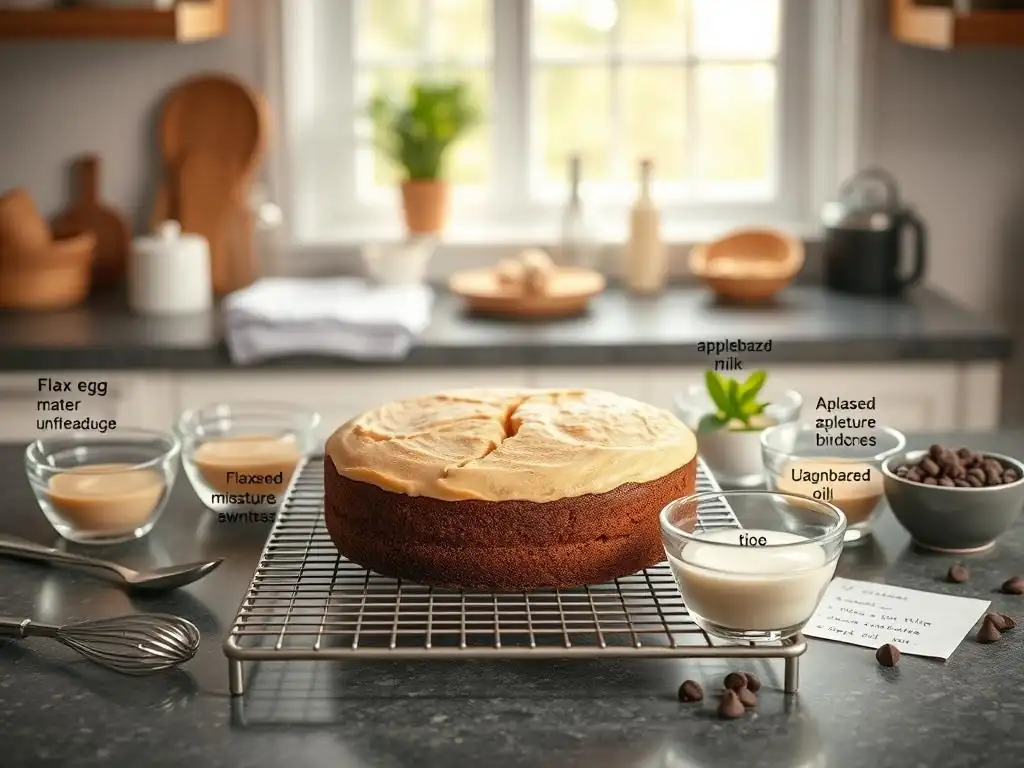
Even with careful selection of vegan baking ingredient substitutions, problems can arise. Dense textures, dryness, lack of flavor, or uneven baking are common challenges. Understanding the potential causes related to your substitutions can help you diagnose and fix issues.
Often, problems stem from the hydration levels, fat content, or binding strength of the chosen vegan baking ingredient substitutions. For instance, using too much applesauce adds excessive moisture and weight, leading to a dense cake. Not using enough fat substitute can result in dry, crumbly cookies. Identifying which substitution might be the culprit is the first step to successful troubleshooting.
Dense Cakes and Breads: Identifying the Cause
Dense cakes and breads in vegan baking are often a result of insufficient leavening, too much moisture, or inadequate binding/structure. If using a liquid egg substitute like applesauce or banana, too much can weigh down the batter. If using a binder like flax or chia egg, it might not provide enough lift if the recipe heavily relied on the egg's leavening properties.
Check your leavening agents – are they fresh? Is there enough acid (like vinegar or lemon juice added to plant milk) to react with the baking soda? Ensure you haven't overmixed the batter after adding the dry ingredients, as this can develop gluten too much, leading to a tough, dense texture. Sometimes, using a commercial egg replacer specifically designed to aid leavening can help, or ensuring your vegan butter alternative has a good fat content similar to dairy butter can contribute to a tender crumb.
Dry and Crumbly Baked Goods: Hydration Solutions
Dry and crumbly textures are typically caused by a lack of sufficient moisture or fat. This can happen if your vegan baking ingredient substitutions don't provide enough hydration compared to the original ingredients. For example, some commercial egg replacers provide binding but little moisture.
Ensure you are using a plant milk with adequate fat content if the recipe calls for dairy milk. Using a richer milk like oat or soy milk instead of a low-fat almond milk might solve the issue. If replacing butter, ensure your vegan butter alternative has a similar fat content (around 80%). Adding a little extra liquid (plant milk or water) or a touch more fat substitute can often improve moisture. Using a binder that also contributes moisture, like mashed banana or applesauce (in appropriate amounts), can help combat dryness.
Lack of Flavor: Enhancing Taste in Vegan Baking
Sometimes vegan baked goods can taste a bit flat or lack the richness associated with dairy and eggs. This isn't necessarily a problem with the vegan baking ingredient substitutions themselves, but rather the need to compensate for the flavors lost.
Ensure you are using enough salt, vanilla extract, and other flavorings. Fats carry flavor, so using a good quality vegan butter alternative or oil can help. Adding ingredients that naturally boost flavor and moisture, like applesauce, mashed banana, nut butters, or even a touch of coffee or espresso powder (especially in chocolate recipes), can enhance the overall taste profile. Don't underestimate the power of spices like cinnamon, nutmeg, or cardamom to add depth.
Uneven Baking: Tips for Consistent Results
Uneven baking, where parts of a cake or batch of cookies are done while others are not, can sometimes be related to the moisture and fat distribution from vegan baking ingredient substitutions. Ingredients like applesauce or mashed banana can create pockets of moisture if not evenly incorporated.
Ensure all ingredients, including vegan butter alternatives and egg substitutes, are well-mixed into the batter. If using a solid fat like vegan butter or coconut oil, make sure it's properly creamed with the sugar or melted evenly. Calibrating your oven is also crucial, as uneven temperatures are a common cause of inconsistent baking regardless of ingredients. Using an oven thermometer can help identify if your oven is running hot, cold, or has hot spots.
Advanced Vegan Baking Techniques with Ingredient Substitutions
Once you've mastered basic vegan baking ingredient substitutions, you can explore more advanced techniques that leverage the unique properties of certain plant-based ingredients to achieve textures previously thought impossible without animal products.
These techniques often require a deeper understanding of how specific plant components behave under different conditions, such as whipping, heating, or chilling. Experimenting with ingredients like aquafaba, nut butters, or even tofu opens up new possibilities in vegan baking.
Aquafaba Magic: Whipping Up Vegan Meringue
Aquafaba, the liquid from canned chickpeas or other legumes, is perhaps one of the most magical vegan baking ingredient substitutions. This viscous liquid contains proteins and starches that mimic the properties of egg whites when whipped.
When whipped vigorously, often with cream of tartar for stability and sugar, aquafaba can form stiff peaks, just like egg whites. This allows for the creation of vegan meringues, macarons, marshmallow fluff, and light, airy mousses. The standard ratio for replacing egg whites is roughly 2-3 tablespoons of aquafaba per egg white. The key is patience and using a very clean bowl, as any trace of fat can prevent it from whipping properly.
Nut Butters: Adding Richness and Moisture
Nut butters like peanut butter, almond butter, or cashew butter are excellent vegan baking ingredient substitutions that add richness, moisture, and flavor. Their high-fat content contributes to a tender crumb, and their natural sugars and proteins aid in browning and binding.
Nut butters can be used in cookies, brownies, cakes, and bars. They often replace some of the fat (like butter or oil) and sometimes even a portion of the flour or binder. For example, many simple vegan cookie recipes use nut butter as a primary ingredient for structure and moisture. When substituting, consider the consistency of the nut butter (runnier natural versions versus thicker processed ones) and its flavor impact on the final product.
Tofu: A Surprising Ingredient for Vegan Baking
Silken or soft tofu might seem like an unusual vegan baking ingredient substitution, but its creamy texture and high protein content make it surprisingly useful in certain applications. It blends smoothly and can add richness and structure without a strong flavor.
Silken tofu is particularly effective in creamy desserts like cheesecakes, puddings, mousses, and pies, where it can replace cream cheese, ricotta, or eggs to create a smooth, rich texture. It can also be used in some cakes or muffins to add moisture and a tender crumb. Ensure the tofu is well-blended until completely smooth to avoid a grainy texture. It's a versatile ingredient for adding protein and a creamy mouthfeel to vegan baked goods.
Mastering Vegan Baking: Tips for Success with Substitutions
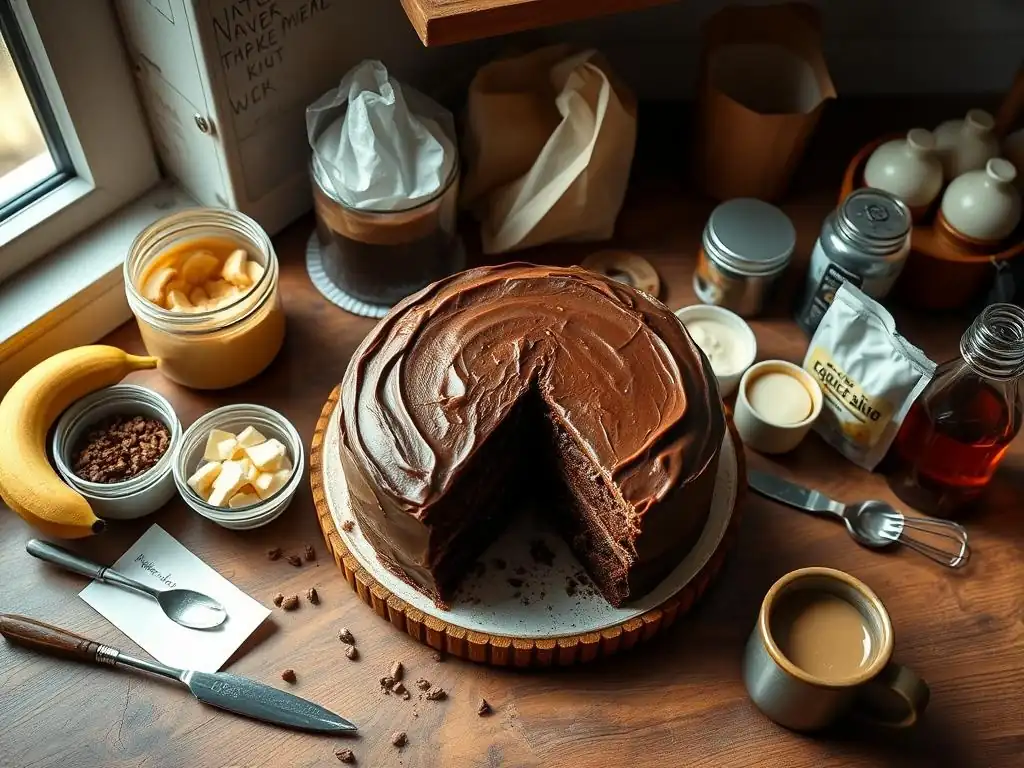
Mastering vegan baking ingredient substitutions is a journey that involves learning, experimenting, and refining your techniques. While understanding the science helps, practical experience is invaluable. Approaching it with curiosity and a willingness to learn from mistakes is key.
Don't get discouraged if your first few attempts aren't perfect. Every baker, vegan or not, has flops! Pay attention to what worked and what didn't, and adjust your approach based on the properties of the vegan baking ingredient substitutions you are using.
Start with Tested Vegan Recipes
The easiest way to begin mastering vegan baking ingredient substitutions is by starting with recipes that are already developed and tested to be vegan. These recipes have typically already accounted for the complexities of using plant-based ingredients and provide ratios and techniques that are known to work.
Look for recipes from reputable vegan bakers or websites that specialize in vegan baking. Following a well-tested recipe first gives you a baseline understanding of how vegan ingredients interact before you start attempting your own substitutions in traditional recipes. This helps build confidence and familiarity with common vegan baking ingredient substitutions.
Measure Ingredients Accurately
Accuracy in measuring is always important in baking, but it becomes even more critical when using vegan baking ingredient substitutions because the balance of wet and dry ingredients, fats, and binders is often more delicate. Using too much or too little of a substitute can significantly alter the outcome.
Use kitchen scales for dry ingredients like flour and sugar for the most precise measurements. Use liquid measuring cups for wet ingredients, ensuring you are at eye level. When substituting, use the recommended ratios carefully. Consistency in measurement helps isolate variables if a recipe doesn't turn out as expected, making it easier to troubleshoot which vegan baking ingredient substitutions might need adjustment.
Don't Be Afraid to Experiment
Once you're comfortable with tested recipes, don't be afraid to experiment with different vegan baking ingredient substitutions. Want to try aquafaba in a recipe calling for commercial egg replacer? Go for it! Curious how oat milk compares to soy milk in your favorite muffin recipe? Give it a try!
Experimentation is how you truly learn how different vegan baking ingredient substitutions behave and discover your preferred alternatives for specific applications. Start with small, controlled experiments, perhaps swapping just one ingredient substitute at a time, to see the direct impact. Keep notes on your results.
Keep Notes and Adjust Accordingly
Keeping detailed notes on your baking experiments is invaluable for mastering vegan baking ingredient substitutions. Record the original recipe, the substitutions you made (including specific brands if using commercial products), the amounts used, the baking time and temperature, and the results (texture, flavor, appearance, rise).
These notes become your personal guide. If a cake is too dense, you can look back at your notes to see what egg substitute you used and perhaps try a different one or adjust the amount next time. If cookies spread too much, you can note which vegan butter alternative was used and try one with a higher melting point. Learning from each bake, successful or not, is key to refining your use of vegan baking ingredient substitutions.
Conclusion: Embracing the World of Vegan Baking Substitutions
Mastering vegan baking ingredient substitutions is an empowering journey that opens up a world of delicious possibilities. It's about understanding the function of traditional ingredients and creatively employing plant-based alternatives to achieve similar, or even superior, results. From the binding power of flax eggs to the richness of oat milk and the magic of aquafaba, the range of effective vegan baking ingredient substitutions is vast and growing.
Embracing these substitutions allows you to bake for a wider audience, including those with dietary restrictions or ethical considerations. It challenges you to think differently about ingredients and techniques, ultimately making you a more versatile and knowledgeable baker. The skills learned in mastering vegan baking ingredient substitutions are applicable across all areas of baking, enhancing your overall culinary prowess.
The Future of Vegan Baking: Innovation and Accessibility
The field of vegan baking ingredient substitutions is constantly evolving, driven by innovation in food science and increasing consumer demand. New ingredients and products are regularly becoming available, offering even more options for achieving specific textures and flavors.
We're seeing advancements in vegan fats that mimic butter more closely, egg replacers tailored for different applications (like meringues versus cakes), and a wider variety of plant-based milks with unique properties. As demand grows, these vegan baking ingredient substitutions are also becoming more accessible and affordable, making vegan baking easier and more mainstream for everyone.
Resources for Vegan Baking Recipes and Information
Finding reliable resources is key to continuing your journey in vegan baking. Numerous websites, blogs, cookbooks, and online communities are dedicated to vegan baking ingredient substitutions and recipes.
Look for resources that explain why certain substitutions work, not just what to use. Websites often provide detailed guides on specific vegan baking ingredient substitutions, offering ratios and tips for various applications. Exploring a range of recipes can also expose you to different approaches and combinations of vegan baking ingredient substitutions, expanding your repertoire and understanding. Engaging with online communities can provide valuable tips, troubleshooting advice, and inspiration from fellow vegan bakers.
Frequently Asked Questions
What are the most common vegan baking ingredient substitutions?
The most common substitutions include using applesauce or mashed banana for eggs, plant-based milk for dairy milk, and coconut oil or vegan butter for butter. These substitutions help maintain moisture and texture.
Why is it important to understand how vegan baking substitutes behave?
Understanding their behavior is crucial because different substitutes impact the final product differently. For example, some substitutes may add more moisture while others affect structure and rise.
Can I substitute any ingredient with a vegan alternative at a 1:1 ratio?
No, not always. While some substitutions like plant-based milk for dairy milk are often 1:1, others, like egg replacements, require careful consideration of the liquid content and binding properties.
What are some good vegan substitutes for gluten in baking?
For gluten-free and vegan baking, consider using xanthan gum or a gluten-free flour blend designed for baking. These help provide structure and prevent the baked goods from becoming crumbly.
Where can I find reliable recipes and guidance on vegan baking ingredient substitutions?
Websites like BakeWithEase.com offer step-by-step guides and easy-to-find recipes specifically designed for vegan baking, making the substitution process easier and more successful.
Final Reflection: The Sweet Science of Vegan Baking Substitutions
The quest for the perfect vegan bake is not just a culinary pursuit; it's a testament to human ingenuity and our ever-evolving relationship with food. Understanding how different vegan substitutes behave—from flax eggs to aquafaba—is crucial for creating delicious and satisfying treats, and this knowledge is more relevant than ever as veganism continues to gain popularity. The demand for accessible and delicious vegan options is driving innovation in the food industry, and home bakers are at the forefront of this exciting movement.
This exploration into the world of vegan baking substitutions has been a journey of discovery, highlighting not only the technical aspects of ingredient replacement but also the creative spirit that drives vegan cooking. It's a testament to the power of adaptation and the endless possibilities that open up when we challenge traditional methods. The greatest pleasure in life is doing what people say you cannot do.
This quote, though not directly about vegan baking, perfectly encapsulates the spirit of innovation and experimentation that defines this field. The ongoing evolution of vegan baking techniques continues to inspire and challenge us to push boundaries and create something truly unique.
Now, it's your turn. Consider the recipes you already know and love. Can you adapt them to be vegan? Experiment with different substitutes, embrace the unexpected results, and most importantly, have fun! The journey of mastering vegan baking is a rewarding one, filled with delicious discoveries and the satisfaction of creating something both ethical and incredibly tasty. Don't be afraid to get your hands dirty—the magic of vegan baking awaits!
Unleash Your Inner Vegan Baker!
Thanks for diving into the world of vegan baking with us! We hope you now feel more confident in understanding how different substitutes behave and can create delicious, plant-based treats. Ready to put your newfound knowledge into action?
- Bake your dream vegan recipe: Choose a recipe you've always wanted to try (or a favorite you want to veganize!) and give it a go. Don't be afraid to experiment!
- Share your baking journey: Tag us on social media with your creations—we love seeing your vegan baking masterpieces!
- Join our community forum: Connect with other vegan bakers, share tips, and ask questions. Let’s inspire each other!
What incredible vegan creation will you bake first?