
Using Meringue Powder in Buttercream: Does It Help?

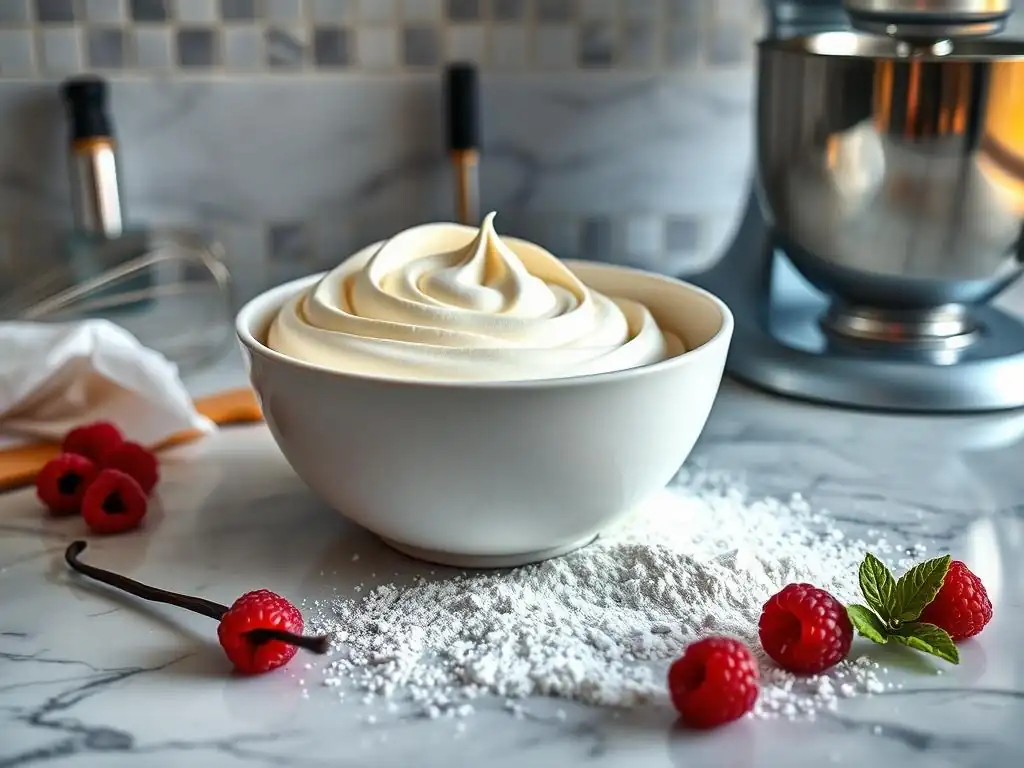
Welcome to BakeWithEase, your trusted guide to baking bliss! Ever wondered if meringue powder is the secret ingredient to achieving the perfect, stable buttercream? You're in the right place. Dive into our in-depth exploration of the meringue powder buttercream frosting recipe and discover whether this baking hack lives up to the hype. Get ready to elevate your frosting game – let's get baking!
- Swiss Meringue Buttercream: A Comprehensive Guide
- Swiss Meringue Buttercream: An Introduction for Bakers
- Exploring the Benefits of Swiss Meringue Buttercream
- Swiss Meringue Buttercream Recipe: A Step-by-Step Guide
- Swiss Meringue Buttercream vs. Other Buttercream Types
- Troubleshooting Swiss Meringue Buttercream Issues
- Is Swiss Meringue Buttercream Right for You? Weighing the Pros and Cons
- Conclusion: Mastering Swiss Meringue Buttercream for Baking Success
-
Frequently Asked Questions
- What exactly is Meringue Powder and why is it used in buttercream frosting?
- What are the main benefits of using Meringue Powder in a buttercream recipe, according to BakeWithEase?
- Can I substitute fresh egg whites for Meringue Powder in a buttercream recipe?
- What types of buttercream benefit most from the addition of Meringue Powder?
- Where can I find a reliable Meringue Powder Buttercream Frosting recipe on BakeWithEase.com?
- Final Reflection: The Sweet Science of Meringue Powder in Buttercream
- Unlock the Secrets of Fluffy Buttercream!
Swiss Meringue Buttercream: A Comprehensive Guide
Swiss Meringue Buttercream: An Introduction for Bakers
What is Swiss Meringue Buttercream? A Baker's Delight
Swiss Meringue Buttercream (SMBC) is a classic frosting cherished by bakers for its luxurious texture and balanced sweetness. Unlike its American counterpart that relies on large amounts of powdered sugar, SMBC is built upon a base of cooked egg whites and granulated sugar, whipped into a stable meringue before soft butter is gradually incorporated.
This process involves gently heating egg whites and sugar over a double boiler to a specific temperature, typically between 140°F and 160°F (60°C to 71°C), dissolving the sugar and pasteurizing the egg whites. The mixture is then whipped to stiff, glossy peaks, and finally, softened butter is added piece by piece until the mixture transforms into a smooth, rich, and airy frosting.
This method creates a frosting that is significantly lighter and less cloyingly sweet than traditional buttercreams made solely with powdered sugar and butter. Its structure comes from the protein network formed in the meringue, rather than the sheer volume of sugar. While some bakers might explore using meringue powder in different buttercream recipes for added stability or convenience, Swiss Meringue Buttercream achieves its remarkable structure and smooth consistency through the precise cooking and whipping of fresh egg whites and sugar, making it a distinctly elegant and refined frosting choice for cakes, cupcakes, and pastries.
Why Choose Swiss Meringue Buttercream?
Bakers often turn to Swiss Meringue Buttercream for several compelling reasons. Firstly, its texture is unparalleled – it is incredibly smooth, silky, and melts beautifully in your mouth without the grittiness sometimes associated with powdered sugar frostings.
This makes it ideal for creating professional-looking finishes, whether spreading it smoothly over a cake or piping intricate designs. A typical batch for an 8-inch cake might use around 4-6 egg whites and 1-2 cups of sugar, resulting in a much lower sugar-to-fat ratio compared to American buttercream, which can often be upwards of 4-6 cups of powdered sugar to just one cup of butter.
Secondly, SMBC offers superior stability, especially in warmer conditions, compared to many other buttercreams. The cooked meringue base provides a robust structure that helps the frosting hold its shape, making it excellent for stacking tiered cakes or creating detailed decorations that need to maintain definition.
While some might look for a meringue powder buttercream frosting recipe for a quick stability boost in other frosting types, SMBC's inherent stability comes from its foundational technique. This natural resilience, combined with its delightful texture and less intense sweetness, positions Swiss Meringue Buttercream as a top choice for bakers aiming for high-quality, elegant results in their dessert creations.
Exploring the Benefits of Swiss Meringue Buttercream
Stability and Structure: Ideal for Layer Cakes and Decorations
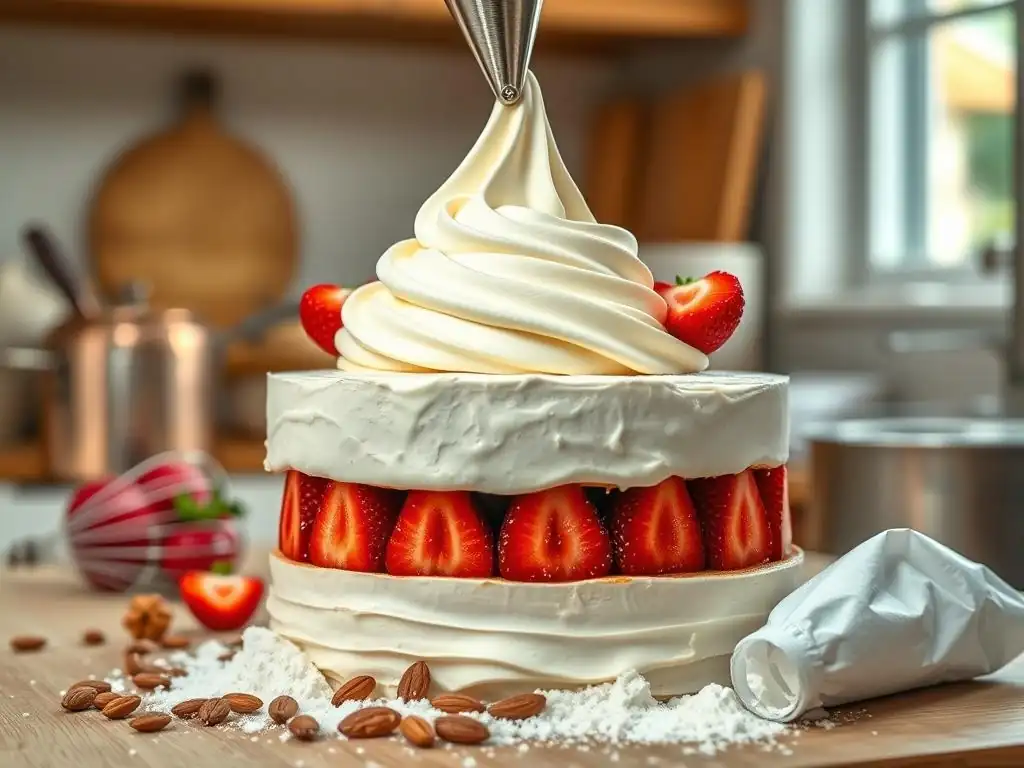
One of the most significant advantages of Swiss Meringue Buttercream is its exceptional stability. The process of heating the egg whites and sugar creates a strong, stable meringue structure.
As butter is incorporated into this cooled meringue, it emulsifies beautifully, resulting in a frosting that is firm enough to hold its shape even when exposed to slightly warmer room temperatures, typically remaining stable up to around 75°F (24°C) for a reasonable period. This inherent stability makes it the go-to choice for decorating and assembling elaborate cakes, such as multi-tiered wedding cakes or celebration cakes requiring sharp edges and defined details.
For instance, a baker frosting a three-tier cake needs confidence that the buttercream won't sag or bulge under the weight of the upper layers. SMBC provides this confidence. It pipes intricate rosettes, swirls, and borders that maintain their form beautifully. Compared to a simple butter and powdered sugar frosting where adding meringue powder might be considered to prevent weeping or improve structure, SMBC achieves this superior stability through its core technique, relying on the cooked egg white protein structure rather than added stabilizers. This natural strength is a key reason for its popularity in professional baking.
Enhancing Texture: Achieving Silky Smooth Buttercream
The texture of Swiss Meringue Buttercream is arguably its most celebrated characteristic. It is incredibly light, fluffy, and boasts a luxurious silkiness that coats the palate without the grainy residue often left by powdered sugar-based frostings. This smooth texture is achieved through the meticulous process of whipping the warm sugar-egg white mixture into a voluminous, glossy meringue, followed by the slow incorporation of softened butter. The butter emulsifies into the tiny air pockets within the meringue, creating an incredibly smooth and stable foam.
This unique texture makes it perfect for creating smooth, flawless finishes on cakes, often achievable with a bench scraper for sharp edges. It spreads effortlessly and evenly. While some might use a meringue powder buttercream frosting recipe hoping to improve the texture of a simple buttercream, SMBC's smoothness is a direct result of its specific meringue-based technique. The fine texture allows for a clean mouthfeel, enhancing the overall enjoyment of the dessert.
Flavor Profile: A Balanced Sweetness
Swiss Meringue Buttercream is notably less sweet than many other types of frosting, particularly American buttercream. Because it uses granulated sugar dissolved and cooked with egg whites rather than a large volume of raw powdered sugar, its sweetness is more subtle and balanced. This allows the flavors of the butter, vanilla, or any added extracts or flavorings to shine through, rather than being overwhelmed by sugar.
This balanced sweetness makes SMBC a versatile frosting that pairs well with a wide range of cake flavors, from rich chocolate and red velvet to delicate vanilla bean and fruit-infused sponges. It provides a pleasant contrast without being overly saccharine.
A standard recipe might contain roughly half the amount of sugar by weight compared to a traditional American buttercream recipe designed for the same yield. This characteristic is highly valued by those who prefer desserts that are not excessively sweet, offering a sophisticated alternative to frostings that might rely on high sugar content for structure, sometimes even incorporating meringue powder to manage sweetness while maintaining body.
Swiss Meringue Buttercream Recipe: A Step-by-Step Guide
Ingredients for Swiss Meringue Buttercream
Creating delicious Swiss Meringue Buttercream requires just a few simple ingredients, but quality matters. You'll need:
- Large egg whites: Typically from 4 to 6 eggs, depending on the desired yield. Ensure no yolk is present, as fat can prevent the meringue from whipping properly.
- Granulated sugar: The amount usually matches the weight of the egg whites, or slightly more, often ranging from 1 cup to 1.5 cups (approx. 200g to 300g).
- Unsalted butter: Softened but still cool to the touch. You'll need a significant amount, often 1 to 1.5 pounds (approx. 450g to 680g), cut into cubes.
- Pure vanilla extract: Essential for classic flavor, typically 1 to 2 teaspoons.
- A pinch of salt: Enhances the overall flavor.
Unlike some buttercream variations or a meringue powder buttercream frosting recipe designed for quick stability, this traditional method relies solely on fresh ingredients and precise technique to achieve its structure and texture. Having all ingredients measured and ready before you begin is key to a smooth process.
Step-by-Step Instructions: Making Perfect Swiss Meringue Buttercream
Making Swiss Meringue Buttercream involves a few distinct stages, each crucial for success.
- Prepare the Meringue Base: Combine the egg whites and granulated sugar in the heatproof bowl of a stand mixer (or a large metal bowl if using a hand mixer). Place the bowl over a pot of simmering water (a double boiler), ensuring the bottom of the bowl does not touch the water. Whisk constantly until the mixture reaches 140°F-160°F (60°C-71°C) and the sugar is completely dissolved. You can test this by rubbing a small amount between your fingers; it should feel smooth, not gritty.
- Whip the Meringue: Carefully remove the bowl from the heat and attach it to your stand mixer fitted with the whisk attachment. Start whipping on low speed for a minute, then gradually increase to high speed. Whip until the meringue is thick, glossy, and has cooled completely to room temperature (this can take 10-15 minutes or even longer). The bowl should feel cool to the touch. Stiff peaks should form when the whisk is lifted.
- Add the Butter: Switch to the paddle attachment. With the mixer on medium-low speed, add the softened butter one cube at a time, waiting until each piece is almost fully incorporated before adding the next. The mixture may look curdled or separated during this stage – this is normal! Keep mixing.
- Achieve Smooth Buttercream: Continue mixing on medium speed. The mixture will eventually come together and transform into a smooth, creamy, and cohesive buttercream. This can take several minutes of continuous beating after the butter is fully added. Don't stop too early.
- Add Flavoring: Once smooth, add the vanilla extract and salt. Mix on low speed until just combined. If desired, you can increase the speed for a minute or two to whip in a little extra air for a fluffier consistency.
Following these steps carefully, paying close attention to temperatures and whipping times, is essential for achieving that signature silky smooth Swiss Meringue Buttercream texture.
Tips for a Flawless Swiss Meringue Buttercream
Achieving perfect Swiss Meringue Buttercream consistently can sometimes feel like a delicate dance, but a few key tips can make all the difference. Firstly, ensure your equipment is scrupulously clean and grease-free, especially the mixing bowl and whisk. Any residual fat can prevent the egg whites from whipping properly. Secondly, the temperature of the meringue when you start adding the butter is critical – it must be completely cooled to room temperature.
If it's still warm, the butter will melt, resulting in a soupy mess. If the meringue is too cold, the butter won't emulsify properly, leading to a curdled appearance. Aim for the bowl feeling neutral or slightly cool to your touch.
Another crucial tip involves the butter itself. It should be softened but not melted. If it's too hard, it won't incorporate smoothly; if it's too soft or greasy, it can make the buttercream oily. Cutting it into cubes helps it incorporate more evenly. Finally, don't panic if the mixture looks curdled or separated after adding the butter – this is a very common stage.
Just keep mixing! Sometimes, it takes several minutes of continued beating for the emulsion to form and the buttercream to become smooth and luxurious. Patience is key in this stage. Mastering these nuances is part of perfecting your Swiss Meringue Buttercream recipe, offering a superior result compared to a simple meringue powder buttercream frosting recipe focused mainly on convenience.
Swiss Meringue Buttercream vs. Other Buttercream Types
Comparing Swiss Meringue Buttercream to American Buttercream
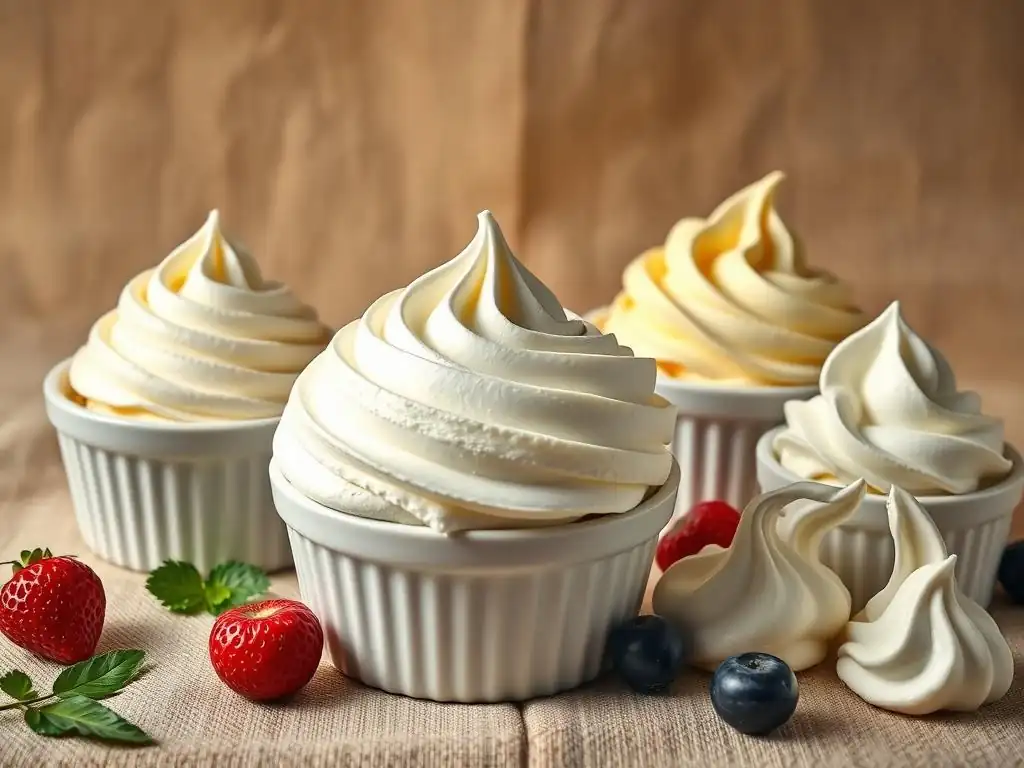
When it comes to buttercream, Swiss Meringue Buttercream (SMBC) stands in distinct contrast to American Buttercream (ABC), the most common type found in many home kitchens. The primary difference lies in their ingredients and preparation methods. ABC is typically made by simply creaming together softened butter and a large amount of powdered sugar, often with a splash of milk or cream and flavoring. This results in a very sweet, dense, and sometimes slightly grainy frosting due to the undissolved powdered sugar. A typical ratio might be 1 part butter to 3-4 parts powdered sugar by volume.
In contrast, SMBC uses a cooked meringue base made from egg whites and granulated sugar, into which butter is emulsified. This process yields a frosting that is much lighter, significantly less sweet, and incredibly smooth and silky. While American buttercream is quick and easy to make, SMBC requires more steps and precision, particularly regarding temperature control.
For bakers seeking enhanced stability in ABC without adding more powdered sugar (which increases sweetness), a meringue powder buttercream frosting recipe is sometimes used, as meringue powder can help stabilize the structure. SMBC, however, achieves superior natural stability and a more refined texture through its inherent meringue base, making it a preferred choice for professional-looking results despite the extra effort.
Swiss Meringue Buttercream vs. Italian Meringue Buttercream: Key Differences
Swiss Meringue Buttercream shares similarities with Italian Meringue Buttercream (IMBC), as both use a cooked meringue base and butter. However, the method of cooking the sugar and egg whites differs significantly. For SMBC, the egg whites and granulated sugar are heated together gently over a double boiler until the sugar dissolves and the mixture reaches a safe temperature (140°F-160°F), before being whipped.
Italian Meringue Buttercream, on the other hand, involves heating granulated sugar with water to create a hot sugar syrup, which is then carefully poured in a thin stream into already whipped egg whites while the mixer is running. The heat from the sugar syrup cooks the egg whites and creates a very stable meringue. Both methods produce a stable, silky, and less sweet buttercream than American buttercream.
IMBC is often considered slightly more stable than SMBC due to the higher temperature of the sugar syrup, but the process of handling hot syrup can be more intimidating for some bakers. Neither typically involves a meringue powder buttercream frosting recipe; their stability comes from the carefully prepared fresh meringue.
Considering French Buttercream: A Richer Alternative
Another classic meringue-based buttercream is French Buttercream. While Swiss and Italian buttercreams use egg whites, French Buttercream uses egg yolks as its base. A hot sugar syrup (similar to Italian meringue) is streamed into whipped egg yolks, creating a rich, custard-like mixture called a pâte à bombe. Softened butter is then whipped into this base.
French Buttercream is known for its incredibly rich flavor and smooth, almost custardy texture, attributed to the high fat content from the egg yolks and butter. It is typically softer and less stable than Swiss or Italian Meringue Buttercream, making it less suitable for intricate piping or structural support in tiered cakes, especially in warmer environments.
Its richness makes it a wonderful filling or frosting for cakes and pastries where stability is not the primary concern. Like Swiss and Italian buttercreams, French buttercream does not traditionally use meringue powder; its characteristics stem from the egg yolk and butter emulsion technique.
Troubleshooting Swiss Meringue Buttercream Issues
Common Problems and Solutions: Addressing curdling, soupiness, and air bubbles
Even experienced bakers can sometimes encounter issues when making Swiss Meringue Buttercream. One of the most common problems is a curdled or separated appearance after adding the butter. This usually happens if the meringue base is too cold or the butter is too hard. To fix a curdled buttercream, continue mixing on medium speed; often, it will come together after several minutes as the temperature equalizes and the emulsion forms. If it remains stubbornly curdled, warming a small portion gently over a double boiler or with a blow torch on the side of the bowl, then re-whipping, can help.
Soupiness is another frequent issue, almost always caused by adding butter to a meringue that is still too warm. The heat melts the butter, resulting in a liquid consistency. To fix soupy buttercream, place the bowl (or the entire mixer bowl) in the refrigerator for 10-20 minutes to cool down, then re-whip until it becomes firm and smooth. If it becomes too hard after chilling, let it sit at room temperature for a bit before re-whipping.
Air bubbles can occur from whipping too fast or too long after the buttercream has come together. To minimize bubbles, switch to the paddle attachment and mix on low speed for several minutes at the end to push air out. These solutions rely on temperature and mixing technique, not on adding stabilizers like those sometimes found in a meringue powder buttercream frosting recipe aimed at fixing unstable frostings.
Achieving the Right Consistency: Adjusting for Temperature and Humidity
The consistency of Swiss Meringue Buttercream is highly susceptible to temperature and humidity. In a warm kitchen, your finished buttercream might be too soft or even slightly soupy. Conversely, in a cold kitchen, it can become very firm, almost hard. The ideal consistency is smooth, spreadable, and holds its shape when piped.
If your buttercream is too soft, chilling it in the refrigerator for 15-30 minutes, then re-whipping it with the paddle attachment, can help firm it up. For a buttercream that is too firm, let it sit at room temperature until it softens slightly, then re-whip it. You can also gently warm the sides of the bowl with a blow torch or over a double boiler for just a few seconds before re-whipping.
Humidity can also make buttercream softer; in very humid conditions, you might need to chill the finished buttercream slightly more than usual before use. Mastering how to adjust consistency based on your environment is key to working successfully with this elegant frosting.
Flavor Variations: Adding Extracts, Zest, and Other Flavorings
While classic Swiss Meringue Buttercream is flavored with vanilla, its neutral, less sweet base makes it perfect for incorporating a wide variety of flavors. Extracts are the easiest way to add flavor; simply stir in pure extracts like almond, peppermint, or coffee after the buttercream is fully formed. Start with a small amount, like half a teaspoon, and add more to taste.
For citrus flavors, finely grated zest can be added, or a reduction of citrus juice. Chocolate can be incorporated by adding melted and slightly cooled chocolate (dark, milk, or white) at the end of the mixing process. Fruit purees (reduced to remove excess moisture), caramel sauce, peanut butter, or even finely ground freeze-dried fruit powder can also be mixed in to create unique variations.
Ensure any liquid additions are minimal or highly concentrated to avoid destabilizing the buttercream. Unlike some simple buttercreams where adding meringue powder might be considered for stability when incorporating liquids, SMBC's structure is generally robust enough to handle moderate additions of flavorings without collapsing.
Is Swiss Meringue Buttercream Right for You? Weighing the Pros and Cons
The Advantages of Using Swiss Meringue Buttercream
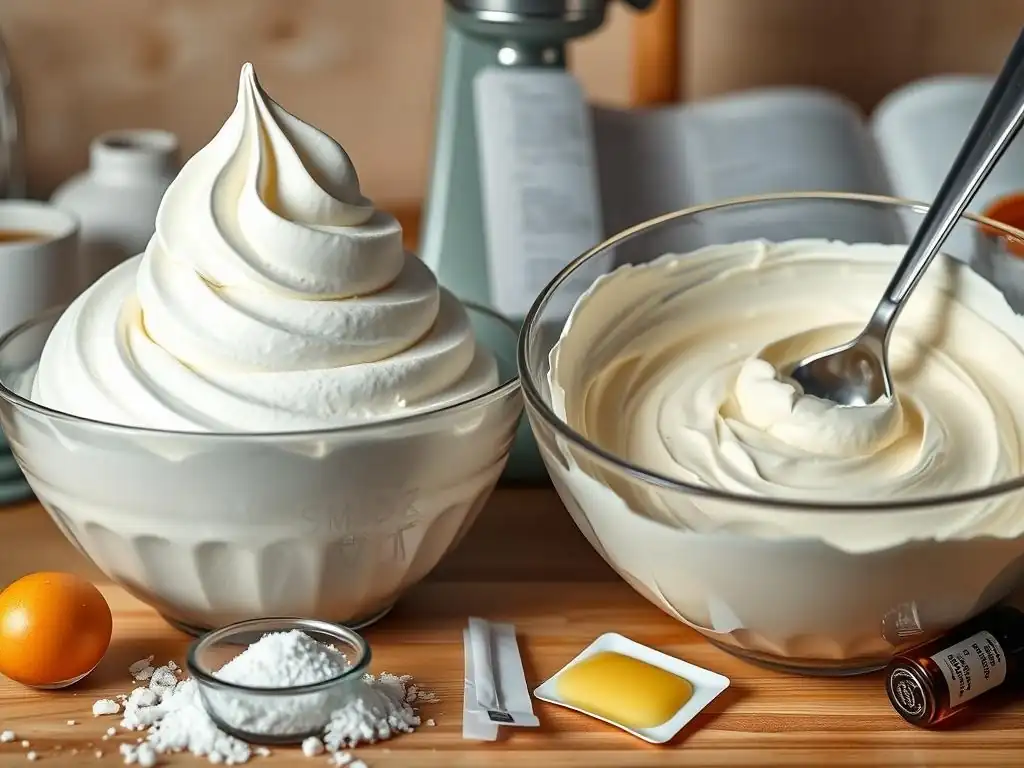
Choosing Swiss Meringue Buttercream offers several compelling advantages for bakers. Its most praised benefit is its incredibly smooth, silky texture that melts beautifully on the tongue, providing a truly luxurious eating experience. This stands in contrast to the sometimes grainy texture of powdered sugar-based buttercreams. Secondly, SMBC is significantly less sweet than American buttercream, making it a sophisticated choice that complements rather than overwhelms the flavor of the cake or dessert it accompanies. This balanced sweetness is often preferred by palates that find traditional frostings too sugary.
Furthermore, Swiss Meringue Buttercream boasts excellent stability, holding its shape well for piping intricate decorations and providing reliable structural support for tiered cakes, even in moderately warm environments. Its natural stability comes from the cooked meringue base, meaning you don't need to rely on additives like those sometimes found in a meringue powder buttercream frosting recipe. It takes on color beautifully and can be easily flavored in numerous ways. For bakers aiming for professional-quality finishes and a refined flavor profile, the advantages of using SMBC are significant.
Potential Challenges of Swiss Meringue Buttercream: Time and Technique
Despite its many benefits, Swiss Meringue Buttercream does present some potential challenges that might make it less appealing for certain situations or bakers. The most notable challenge is the time and technique required. Making SMBC involves multiple steps – heating the egg whites and sugar over a double boiler, whipping the meringue for a considerable time until it's cool, and then slowly incorporating the butter. This process is significantly more time-consuming than simply creaming butter and powdered sugar for American buttercream. A batch can easily take 20-30 minutes of active preparation, plus cooling time.
Precision is also key; getting the temperatures wrong for the meringue or the butter can lead to common issues like curdling or soupiness, requiring troubleshooting steps. While these issues are fixable, they can be frustrating for beginner bakers. The use of raw (though heated) egg whites can also be a concern for some, although heating to the recommended temperature range (140°F-160°F) pasteurizes them.
In contrast, a quick meringue powder buttercream frosting recipe might be favored by those prioritizing speed and simplicity, even if the texture and sweetness profile differ. SMBC requires patience and a willingness to follow the steps carefully to achieve its superior results.
Conclusion: Mastering Swiss Meringue Buttercream for Baking Success
Elevating Your Cakes and Desserts with Swiss Meringue Buttercream
Mastering Swiss Meringue Buttercream is a skill that can truly elevate your baking. This elegant frosting provides a level of sophistication in both taste and appearance that is hard to match with simpler alternatives. Its incredibly smooth texture creates flawless finishes on cakes and cupcakes, perfect for achieving those professional, bakery-quality looks. Whether you're aiming for perfectly smooth sides or intricate piped designs, SMBC holds its shape beautifully, offering excellent definition and structure.
Beyond its visual appeal, the balanced, less-sweet flavor profile of Swiss Meringue Buttercream allows the other elements of your dessert to shine. It provides a delicate richness without the overwhelming sweetness often found in traditional frostings, making your baked goods more enjoyable and refined. For bakers looking to step up their game and create desserts that impress with both their taste and presentation, dedicating the time and effort to learning and perfecting a reliable Swiss Meringue Buttercream recipe is a highly rewarding endeavor.
Final Thoughts on the Swiss Meringue Buttercream Recipe
The journey to mastering Swiss Meringue Buttercream may involve a few learning curves, particularly regarding temperature control and troubleshooting common issues like curdling. However, the payoff – a silky smooth, stable, and perfectly sweet frosting – is well worth the effort. While a quick meringue powder buttercream frosting recipe might offer convenience or a stability boost in other contexts, the classic Swiss method provides inherent structure and an unparalleled texture through its traditional technique.
Embrace the process, pay attention to the details, and don't be discouraged by early attempts that aren't perfect. With practice, working with Swiss Meringue Buttercream will become intuitive, opening up a world of possibilities for decorating and enhancing your baked creations. It's a testament to the beauty of baking fundamentals, proving that with quality ingredients and careful technique, you can achieve truly exquisite results that will delight everyone who takes a bite.
Frequently Asked Questions
What exactly is Meringue Powder and why is it used in buttercream frosting?
Meringue powder is a dehydrated egg white product that stabilizes and adds volume to buttercream. It helps create a smooth, pipeable texture and prevents the frosting from becoming too soft.
What are the main benefits of using Meringue Powder in a buttercream recipe, according to BakeWithEase?
The primary benefits are improved stability, a smoother consistency, and enhanced volume. This results in a buttercream that holds its shape better, especially in warm environments.
Can I substitute fresh egg whites for Meringue Powder in a buttercream recipe?
While possible, it's not recommended for beginners. Fresh egg whites require careful cooking to pasteurize them, and meringue powder offers a more consistent and safer result for most home bakers.
What types of buttercream benefit most from the addition of Meringue Powder?
Swiss Meringue Buttercream and Italian Meringue Buttercream particularly benefit. It stabilizes the meringue base and helps prevent weeping, creating a more reliable frosting.
Where can I find a reliable Meringue Powder Buttercream Frosting recipe on BakeWithEase.com?
BakeWithEase.com offers several step-by-step guides under the "Frosting" section. Simply search for "Meringue Powder Buttercream" or related terms using the site's recipe search feature.
Final Reflection: The Sweet Science of Meringue Powder in Buttercream
The quest for the perfect buttercream frosting is a timeless pursuit, and the role of meringue powder remains a hotly debated topic among bakers. This article explored the science behind meringue powder, its impact on buttercream texture, stability, and overall flavor, ultimately demonstrating its potential to elevate your baking game. The results, as we've seen, are clear: meringue powder isn't just a shortcut; it's a powerful tool for achieving consistent, professional-quality results.
The subtle yet significant impact of meringue powder on buttercream frosting extends beyond mere convenience. It speaks to a broader cultural shift in baking, where precision and consistency are increasingly valued. We've moved beyond the era of relying solely on intuition; now, understanding the underlying chemistry allows us to create truly exceptional desserts. The best bakers are those who understand not just the recipe, but the why behind it.
This quote perfectly encapsulates the spirit of this exploration, emphasizing the importance of understanding the science behind the sweet art of baking.
Now, consider your own baking journey. Will you continue to rely on traditional methods, or will you embrace the possibilities offered by meringue powder? I encourage you to experiment, to test the recipes outlined in this article, and to discover the transformative power of this often-overlooked ingredient. The perfect buttercream, stable and delicious, awaits your exploration. Don't just bake; understand, innovate, and create something truly magnificent.
Unlock the Secrets of Fluffy Buttercream!
Thanks for taking the time to explore the world of meringue powder and buttercream with us! We hope you've gained valuable insights into how this ingredient can elevate your baking. Now, it's time to put your newfound knowledge into action.
- Try a recipe today! Experiment with adding meringue powder to your favorite buttercream recipe and experience the difference in texture and stability firsthand. Note the changes and share your experience in the comments!
- Share your buttercream creations: Show off your fluffy, perfect buttercream masterpieces on social media using #BakeWithEaseMeringue. We’d love to see what you create!
- Challenge yourself: Try a completely new buttercream recipe that incorporates meringue powder – dare to explore beyond your usual flavor profiles!
Ready to transform your baking game with unbelievably light and airy buttercream? What's the first recipe you'll be whipping up?