
Using '00' Flour vs. Bread Flour for Pizza Dough: What's the Difference?

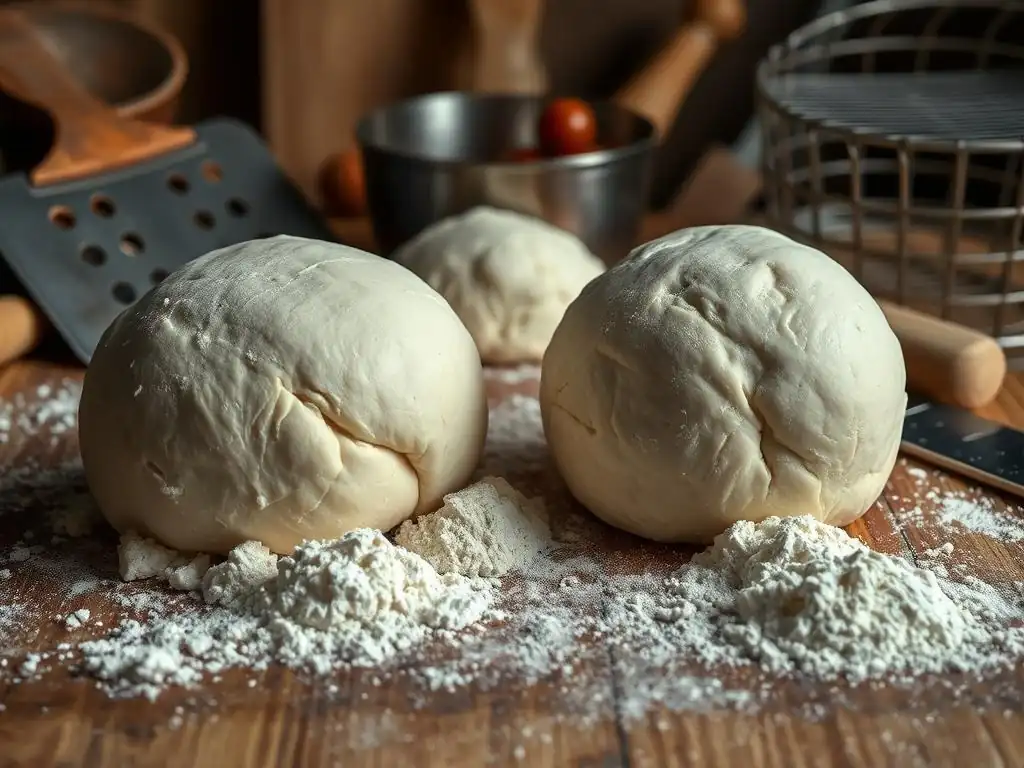
Welcome to BakeWithEase, your guide to confident baking! Ever wondered what really separates a chewy, restaurant-quality pizza crust from a simple homemade one? Dive in as we unravel the secrets behind achieving pizza perfection, focusing specifically on the critical choice between '00' flour and bread flour for your pizza dough. Discover how these seemingly similar ingredients can dramatically impact your final bake, and unlock the techniques to elevate your pizza game!
- Naples-Style vs. New York-Style Pizza: Choosing the Right Flour
- Understanding Flour and Its Role in Pizza Dough
- '00' Flour for Pizza Dough: Achieving a Neapolitan Crust
- Bread Flour for Pizza Dough: Building a New York-Style Base
- '00' Flour vs. Bread Flour: A Detailed Comparison for Pizza Making
- Which Flour is Best for Your Pizza? Choosing the Right Type
- Tips and Tricks for Working with Different Flours in Pizza Dough
- Troubleshooting Common Pizza Dough Problems with Different Flours
- Storing '00' Flour and Bread Flour to Maintain Quality
- Conclusion: Mastering Pizza Dough with '00' Flour and Bread Flour
-
Frequently Asked Questions
- What is the main difference between '00' flour and bread flour when making pizza dough?
- Which type of flour is better for achieving a crispy pizza crust?
- Can I substitute bread flour for '00' flour in a pizza dough recipe?
- Does the choice of flour affect the rise time of pizza dough?
- Where can I find '00' flour if my local grocery store doesn't carry it?
- Final Reflection: The Flour Power of Pizza Perfection
- Unleash Your Inner Pizzaiolo!
Naples-Style vs. New York-Style Pizza: Choosing the Right Flour
Understanding Flour and Its Role in Pizza Dough
Flour is the fundamental building block of pizza dough, and its characteristics profoundly influence the final texture, structure, and even flavor of your crust. It's not just about mixing flour and water; the type of flour you choose dictates how the dough behaves during mixing, kneading, proofing, and baking. Understanding the nuances of different flours is the first step toward mastering homemade pizza dough, whether you're aiming for a light, airy Neapolitan crust or a robust, chewy New York-style base.
The quality and type of flour directly impact gluten development, which is crucial for trapping the gases produced by yeast and creating that characteristic rise and structure in pizza dough. Different flours contain varying levels of protein, and it's this protein content that forms gluten when hydrated and worked. The milling process also plays a significant role, affecting particle size and how quickly the flour absorbs liquid. Selecting the appropriate flour is paramount for achieving the desired results in your flour pizza dough.
The Importance of Flour Selection for Pizza Style
The choice of flour is perhaps the single most critical decision when making pizza dough, second only to the fermentation process itself. A Neapolitan pizza, for instance, is defined by its thin, tender center and a light, airy, and slightly charred crust (cornicione). Achieving this requires a flour that allows for delicate handling and rapid, high-temperature baking without becoming tough. Using the wrong flour can result in a dense, bready crust that lacks the signature characteristics of this style.
Conversely, a New York-style pizza is known for its sturdy, foldable crust with a satisfying chew. This texture demands a flour capable of developing a strong gluten network to support the toppings and withstand a longer, often slightly cooler bake compared to Neapolitan. Attempting to make a New York-style crust with a flour suited for Neapolitan pizza might result in a crust that is too soft or doesn't develop enough structure to hold up. Therefore, matching the flour type to the desired pizza style is non-negotiable for authentic results in your flour pizza dough.
Key Characteristics of Different Flour Types
Flour is primarily categorized by its protein content and the way it is milled. Protein content is typically measured as a percentage and directly correlates to gluten-forming potential. Higher protein flours, like bread flour (often 12-14% protein), develop strong, elastic gluten networks ideal for chewy breads and sturdy pizza crusts. Lower protein flours, such as cake flour (around 7-9% protein), are better suited for tender baked goods where minimal gluten is desired. All-purpose flour sits in the middle (typically 10-12% protein) and is versatile but may not be optimal for specific pizza styles.
Beyond protein, the ash content and granulation (fineness of milling) are also important. Ash content refers to the mineral content left after burning a sample of flour; lower ash content usually means more of the outer bran and germ have been removed, resulting in a whiter flour. Granulation, or particle size, affects how quickly the flour absorbs water and how the dough feels. These factors, combined with protein content, define a flour's performance when making flour pizza dough.
'00' Flour for Pizza Dough: Achieving a Neapolitan Crust
'00' flour is often considered the gold standard for authentic Neapolitan pizza. Its name comes from the Italian classification system, where '00' indicates the finest grind and lowest ash content compared to types '0', '1', and '2'. This ultra-fine texture contributes significantly to the smooth, silky feel of traditional Neapolitan pizza dough. While the '00' designation primarily refers to granulation and ash content, flours labeled '00' in Italy and elsewhere that are intended for pizza often also have a specific protein range suitable for this purpose.
The fine milling of '00' flour means it absorbs water slightly differently than coarser flours, often requiring careful hydration. Its low ash content results in a very white flour, which contributes to a clean flavor and the characteristic light color of the interior of a Neapolitan crust, contrasting with the desired charring on the exterior. Using this specific type of flour for pizza dough is key to replicating the texture and appearance of pizza baked in high-temperature wood-fired ovens, typical of Naples.
What is '00' Flour? Fine Milling for Delicate Dough
The designation '00' refers specifically to the fineness of the grind in the Italian classification system for flours. It signifies that the flour has been milled multiple times to achieve a powder-like consistency, with very small particle sizes. Additionally, '00' indicates a low ash content, meaning that most of the bran and germ have been removed during the milling process. This results in a very refined, white flour.
This fine granulation is crucial for creating a smooth, pliable dough that can be easily stretched very thin without tearing, a requirement for Neapolitan pizza. The low ash content also contributes to a delicate crumb structure in the final crust.
While the '00' label doesn't strictly define protein content, '00' flours marketed for pizza (like Antimo Caputo Chef's Flour or Pizzeria Flour) typically have a protein content ranging from approximately 10% to 12.5%, providing enough structure for the rapid rise in a hot oven but remaining tender. This specific blend of fine milling and moderate protein makes '00' flour pizza dough uniquely suited for high-temperature baking.
Protein Content and Gluten Development in '00' Flour
While '00' flour is finely milled, its protein content is moderate, typically falling between 10% and 12.5% for pizza-specific varieties. This protein level is lower than that found in most bread flours but higher than cake or pastry flour. This moderate protein content allows for sufficient gluten development to give the dough structure and elasticity, enabling it to trap gases produced during fermentation and create that characteristic airy cornicione.
However, the gluten developed from '00' flour is generally less tenacious and more extensible than the strong gluten formed by high-protein bread flour. This quality is essential for Neapolitan pizza dough, as it needs to be stretched very thin by hand without snapping back excessively. The moderate protein allows for a delicate dough that bakes up light and tender, rather than dense and chewy, when subjected to the intense heat of a pizza oven (ideally 800-900°F or 425-480°C). The balance of protein and fine milling in '00' flour pizza dough is precisely calibrated for this specific baking environment.
The Texture and Flavor '00' Flour Imparts to Pizza
Using '00' flour results in a pizza crust that is remarkably light and tender, with a delicate crispness on the exterior and a soft, airy interior, especially around the edges (the cornicione). The fine milling contributes to a smooth dough texture, which translates to a very fine crumb structure in the baked crust. This allows for the rapid expansion in a hot oven, creating those desirable large air pockets in the rim.
In terms of flavor, '00' flour typically has a clean, subtle taste that doesn't overpower the other ingredients. Its low ash content means minimal bran or germ is present, reducing any potential bitterness or nuttiness sometimes found in less refined flours. The focus remains on the fermentation flavors developed in the dough and the taste of the toppings. The characteristic texture achieved with '00' flour pizza dough—light, airy, and slightly chewy but not tough—is a hallmark of authentic Neapolitan pizza.
Bread Flour for Pizza Dough: Building a New York-Style Base
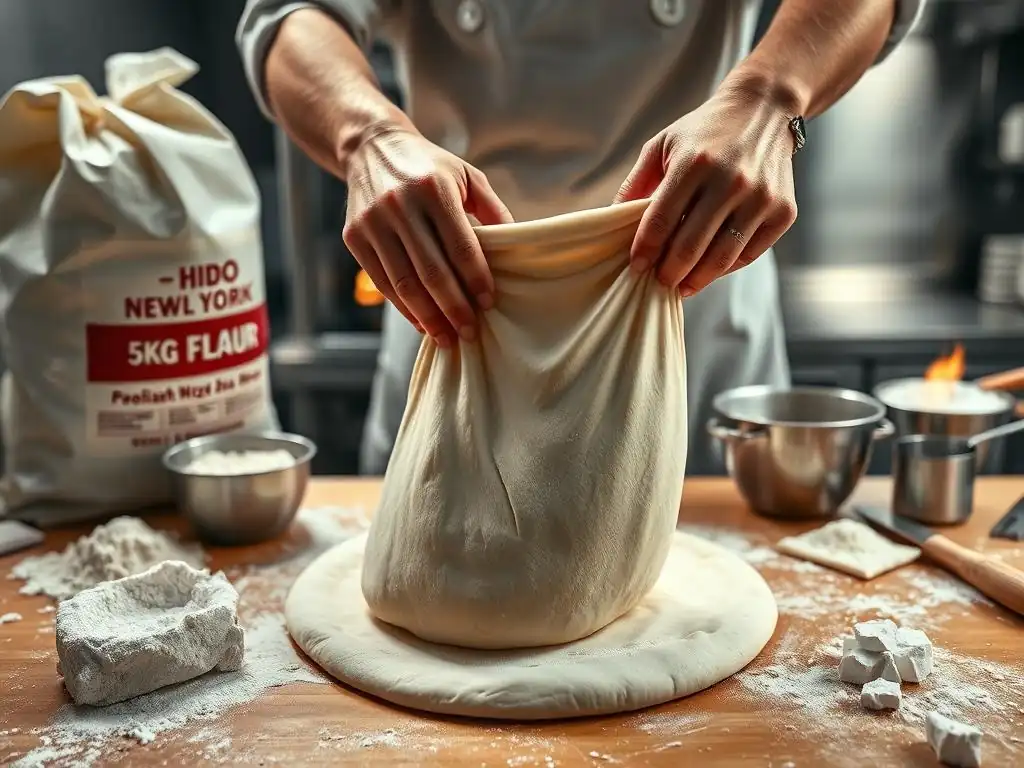
Bread flour is a popular choice for many home bakers making pizza dough, particularly when aiming for styles like New York-style pizza. It is specifically milled to have a higher protein content than all-purpose flour, typically ranging from 12% to 14% or even higher. This higher protein level is designed to promote strong gluten development, which is essential for creating doughs with good structure and elasticity.
The robust gluten network formed by bread flour makes it ideal for doughs that require significant kneading and fermentation to build strength. When used for pizza dough, this results in a crust that is more substantial, with a chewier texture and enough integrity to hold up to generous toppings. While it can be used for various pizza styles, bread flour is particularly well-suited for pizzas baked at slightly lower temperatures or for longer periods than Neapolitan, typical of standard home ovens or deck ovens used for New York slices.
What is Bread Flour? High Protein for Strong Structure
Bread flour is a high-protein wheat flour, purposefully milled from hard wheat varieties. Its defining characteristic is its elevated protein content, generally falling between 12% and 14%. This is significantly higher than the protein levels found in all-purpose flour (10-12%) or pastry/cake flour (7-9%). The higher protein directly translates to a greater potential for gluten formation when the flour is mixed with water and kneaded.
The strong gluten network developed by bread flour provides the dough with elasticity and strength. This allows the dough to be stretched and handled vigorously without tearing, and it creates a sturdy structure capable of trapping large amounts of carbon dioxide produced by yeast. For flour pizza dough that needs to be resilient, chewy, and capable of holding shape and toppings, bread flour is an excellent choice due to its inherent strength and gluten-forming capabilities.
High Protein Content and Strong Gluten Formation with Bread Flour
The elevated protein content (12-14%+) in bread flour is specifically cultivated to maximize gluten development. Gluten, a complex network formed by the proteins glutenin and gliadin when hydrated and manipulated, is the framework that gives dough its structure. In bread flour, the higher concentration of these proteins means that a more extensive and robust gluten network can be formed through mixing and kneading.
This strong gluten formation is critical for pizza dough that requires significant chewiness and structure. It allows the dough to stretch without tearing and provides the necessary elasticity to trap fermentation gases, resulting in a good rise and a chewy crumb. For a New York-style flour pizza dough, where the crust needs to be sturdy enough to fold in half without breaking and offer a satisfying bite, the strong gluten developed from bread flour is indispensable.
How Bread Flour Affects Pizza Dough Texture and Taste
Using bread flour results in a pizza crust that is notably chewier and more substantial than one made with '00' flour. The strong gluten network creates a dense, elastic crumb structure that gives the crust its characteristic chewiness. While you can still achieve some air pockets, they tend to be smaller and more uniform compared to the large, irregular voids found in a Neapolitan cornicione.
The flavor profile of bread flour tends to be slightly more robust than '00' flour, sometimes exhibiting subtle wheaty notes depending on the milling process and wheat variety. This heartier flavor complements the richer, often more heavily topped New York-style pizzas. The texture provided by bread flour pizza dough—a satisfying chew and sturdy base—is a defining feature of this classic American pizza style.
'00' Flour vs. Bread Flour: A Detailed Comparison for Pizza Making
Choosing between '00' flour and bread flour for your pizza dough comes down to understanding their fundamental differences and how they perform during the pizza-making process. While both can create delicious pizza, they lead to distinctly different results, catering to different pizza styles and baking methods. The comparison below highlights the key areas where these two flour types diverge.
| Feature | '00' Flour | Bread Flour |
|---|---|---|
| Protein Content | Moderate (10-12.5% for pizza types) | High (12-14%+) |
| Milling | Very fine (Italian '00' classification) | Standard, coarser than '00' |
| Ash Content | Low | Higher than '00' |
| Gluten Strength | Moderate, extensible | Strong, elastic, tenacious |
| Water Absorption | Can be slower initially due to fineness | Absorbs readily, can handle higher hydration |
| Dough Handling | Delicate, stretches easily, less snap-back | Robust, requires more kneading, elastic |
| Crust Texture | Light, airy, tender, fine crumb, charring | Chewy, substantial, dense crumb, even browning |
| Ideal Pizza Style | Neapolitan | New York-style, general home oven pizza |
| Ideal Oven Temp | Very High (800-900°F / 425-480°C) | High (500-550°F / 260-290°C) |
This table provides a quick overview, but let's delve deeper into each point of comparison for flour pizza dough.
Gluten Strength: '00' Flour for Tenderness, Bread Flour for Chew
The most significant difference between '00' flour and bread flour for pizza dough lies in the strength and nature of the gluten they form. '00' flour, with its moderate protein, develops a gluten network that is relatively weaker and more extensible. This means the dough is very pliable and stretches easily into a thin disk without excessive resistance or snap-back. This is crucial for achieving the thin center and airy, delicate rim of a Neapolitan pizza. The tenderness comes from this less developed, less tenacious gluten.
Bread flour, conversely, boasts a higher protein content that forms a strong, elastic, and tenacious gluten network. This results in a dough that requires more effort to knead and stretch, as it will have significant snap-back. This strong gluten is what gives bread flour pizza dough its characteristic chewiness and structure. It allows the crust to hold its shape and support toppings, making it ideal for styles that aren't baked at extreme temperatures or that require a sturdier base, like a New York slice.
Water Absorption: Adjusting Hydration for Different Flours
Different flours absorb water at different rates and can handle varying levels of hydration (the ratio of water to flour by weight). '00' flour, despite its fine texture, can sometimes absorb water slightly slower initially compared to coarser flours. However, high-quality '00' pizza flours are designed to handle relatively high hydration levels (often 60-65% or even higher) while still producing a manageable, non-sticky dough. The key is often slow, gradual water addition and sufficient rest periods to allow full absorption.
Bread flour generally absorbs water readily and can typically handle higher hydration levels than all-purpose flour due to its higher protein content. A common hydration range for bread flour pizza dough is 60-70% or even more. The strong gluten structure helps to contain the higher water content, resulting in a more open crumb structure and a chewier texture. Adjusting the hydration based on the specific flour and desired outcome is a critical step in developing your flour pizza dough.
Dough Handling: Working with Delicate vs. Robust Dough
Working with '00' flour pizza dough is often described as handling silk. The dough is typically very smooth, pliable, and easy to stretch thinly by hand without much resistance. Its extensibility means it holds its shape well once stretched and doesn't tend to spring back significantly. This delicate nature is perfect for the traditional Neapolitan stretching technique, which involves gently shaping the dough with your hands.
Bread flour pizza dough, due to its strong gluten network, is more robust and elastic. It requires more effort to knead, whether by hand or machine, to fully develop the gluten. When stretching, it will have noticeable snap-back, meaning it tends to shrink back after being stretched. This elasticity provides the dough with strength and structure, making it easier to transfer topped pizzas and resulting in a sturdier baked crust. Handling bread flour pizza dough is often a more vigorous process compared to the gentle touch needed for '00' flour.
Crust Texture: Achieving Charred Spots vs. Even Browning
The type of flour significantly impacts the texture and appearance of the baked crust. '00' flour, when baked at very high temperatures (800-900°F), results in a crust that puffs up dramatically, developing large, irregular air pockets in the cornicione. The rapid baking causes the exterior to set quickly and char in spots (the desirable leoparding), while the interior remains soft and airy. The fine crumb structure is a hallmark.
Bread flour, typically baked at lower temperatures (500-550°F in most home ovens), yields a denser, chewier crust with a more uniform crumb structure. The browning tends to be more even across the surface, and while you can get some blistering, the dramatic charring of Neapolitan pizza is less common. The strength of the gluten provides a satisfying chew throughout the crust. The texture of flour pizza dough made with bread flour is sturdy and substantial, perfect for holding toppings.
Flavor Profile: How Flour Affects the Overall Taste
While toppings and fermentation contribute significantly to pizza flavor, the flour itself plays a subtle role. '00' flour, being highly refined with low ash content, tends to have a very clean, neutral flavor. This allows the flavors of the fermentation (if using a long cold ferment) and the toppings to shine through without interference. The focus is on the texture and the fresh ingredients.
Bread flour, with its higher ash content compared to '00', can sometimes impart a slightly more discernible, wheaty, or nutty flavor profile, depending on the specific brand and how it was milled. This flavor can complement heartier toppings and the overall more robust character of a New York-style pizza. Ultimately, the flavor contribution of the flour to flour pizza dough is secondary to texture for many, but it's a factor worth considering when selecting your ingredients.
Which Flour is Best for Your Pizza? Choosing the Right Type
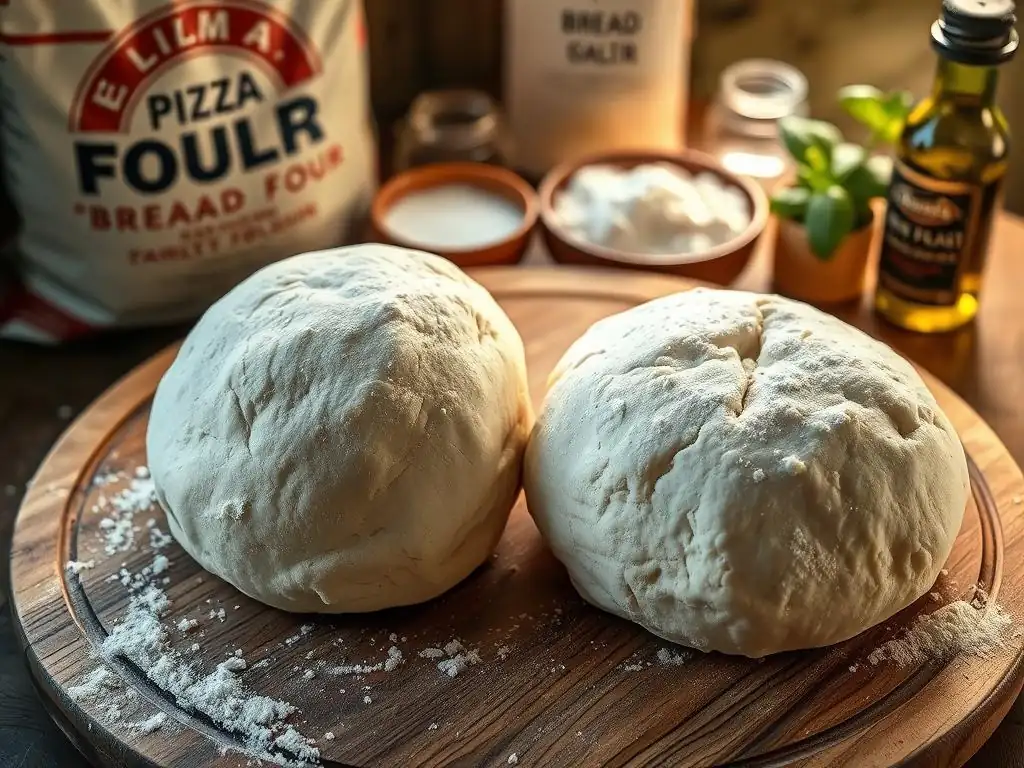
Deciding whether to use '00' flour or bread flour for your pizza dough ultimately depends on the style of pizza you want to make and the equipment you have available. Neither flour is inherently "better" than the other; they are simply suited for different purposes and yield different results. Understanding your goals is key to making the right choice and achieving the best possible homemade pizza.
If your aim is to replicate the light, airy, and slightly charred crust of authentic Neapolitan pizza, especially if you have a pizza oven capable of reaching very high temperatures (800°F+), then '00' flour is the clear winner. Its properties are specifically aligned with the requirements of this style and baking method. If, however, you prefer a chewier, sturdier crust like that of a New York slice, or if you are baking in a standard home oven (typically 500-550°F), bread flour is likely a more suitable choice for your flour pizza dough.
Factors to Consider When Selecting Flour for Pizza Style
When choosing between '00' flour and bread flour for your pizza dough, consider these key factors:
- Desired Crust Texture: Do you want a light, airy, and tender crust (Neapolitan) or a chewy, sturdy, and substantial crust (New York-style)?
- Baking Equipment: Do you have a high-temperature pizza oven (wood-fired, gas, or electric capable of 800°F+) or a standard home oven (maxing out around 550°F)? '00' flour performs best at very high temps, while bread flour is more forgiving at lower temperatures.
- Handling Preference: Do you prefer working with a delicate, easily stretched dough or a more robust, elastic dough?
- Topping Load: Are you planning light, fresh toppings (Neapolitan) or heavier, more numerous toppings (New York-style)? Bread flour's strength handles heavier loads better.
- Fermentation Time: While both can undergo long ferments, the specific properties of each flour can influence optimal proofing times and techniques for flour pizza dough.
By considering these points, you can align your flour choice with your pizza-making goals and equipment.
Neapolitan Pizza Dough Recipe: Using '00' Flour
(Conceptual Outline - Replace with your actual recipe details when publishing)
A typical Neapolitan pizza dough recipe using '00' flour follows strict guidelines, often involving minimal ingredients and a long fermentation. It usually consists of only '00' flour, water, yeast (fresh or active dry), and salt. Hydration levels are often around 60-65%. The dough is mixed gently, often with rest periods, and kneaded minimally compared to bread doughs.
After mixing, the dough undergoes a long fermentation, traditionally at room temperature for many hours (12+) or a combination of room temperature and cold fermentation (24-72 hours total). This slow process develops flavor and creates a very extensible dough. The dough balls are typically small (around 250g) to produce individual pizzas. The key is handling the delicate '00' flour pizza dough gently during shaping and baking it rapidly at extremely high temperatures (800-900°F) for just 60-90 seconds to achieve the characteristic crust.
New York-Style Pizza Dough Recipe: Using Bread Flour
(Conceptual Outline - Replace with your actual recipe details when publishing)
New York-style pizza dough using bread flour is designed for a sturdier, chewier crust. It typically uses bread flour, water, yeast (instant or active dry), salt, and sometimes a little sugar or olive oil to aid browning and add tenderness. Hydration levels can range from 60% to 70% or higher. The dough is usually kneaded more vigorously than Neapolitan dough to fully develop the stronger gluten network.
Fermentation can vary, but a cold ferment in the refrigerator for 24-72 hours is common to develop flavor and improve dough handling. Dough balls are often larger (300-400g) to create larger pies. The dough is typically stretched or rolled into a thinner, larger disk than Neapolitan. Baking occurs at high temperatures in a standard oven (500-550°F), often on a pizza stone or steel, for a longer duration (8-15 minutes) than Neapolitan, resulting in a crisp bottom and a chewy, evenly browned crust. This approach leverages the strength of the bread flour pizza dough.
Tips and Tricks for Working with Different Flours in Pizza Dough
Mastering pizza dough with either '00' flour or bread flour involves more than just following a recipe; it requires understanding how each flour behaves and adjusting your technique accordingly. Hydration levels, kneading methods, and proofing times are all influenced by the type of flour you choose. Paying attention to these details will help you get the best results from your flour pizza dough.
Whether you're aiming for a Neapolitan masterpiece or a classic New York slice, small adjustments in technique can make a significant difference. For instance, the way you add water or the duration of your knead can dramatically alter the final texture of the crust. Here are some tips tailored to working with these distinct flour types.
Hydration Levels: Adjusting Water for Different Flour Types
While both '00' and bread flour can handle relatively high hydration, the optimal level can vary slightly and requires observation. '00' flour, especially if very finely milled, might initially seem less absorbent, but it can often handle high hydration (60-65%+) once fully saturated. It's often best to add water gradually or use an autolyse step (mixing flour and water and letting it rest) to ensure complete absorption before adding other ingredients.
Bread flour, with its higher protein, is generally more forgiving with hydration and can typically handle 60-70% hydration or even higher, depending on the specific brand and desired outcome. The strong gluten network provides the structure needed to manage a wetter dough. When using bread flour for pizza dough, don't be afraid to experiment with slightly higher hydration if you desire a more open crumb, but be prepared for a stickier dough that requires proper handling techniques.
Kneading Techniques: Gentle for '00' Flour, Strong for Bread Flour
The amount and intensity of kneading differ for these flours because of their gluten potential. When working with '00' flour for pizza dough, the goal is often minimal kneading. A gentle mix until combined, followed by periodic stretch-and-folds during a long fermentation, is often sufficient to develop the necessary moderate gluten structure. Over-kneading '00' flour can result in a tougher crust than desired for Neapolitan style.
Bread flour, with its higher protein, benefits from more vigorous and longer kneading to fully develop its strong gluten network. Whether using a stand mixer or kneading by hand, aim for a dough that is smooth, elastic, and passes the windowpane test (you can stretch a small piece thin enough to see light through it without tearing). Proper kneading of bread flour pizza dough is essential for achieving its characteristic chewiness and structure.
Proofing Times: How Flour Affects Dough Rising
The type of flour can influence the optimal proofing time, although factors like yeast amount, temperature, and hydration are also critical. '00' flour dough, due to its moderate protein and potentially higher hydration, can sometimes ferment and rise a bit faster than lower hydration bread doughs, especially at warmer temperatures. However, traditional Neapolitan methods often involve long, slow cold ferments for flavor development, which also impacts rising.
Bread flour dough, with its robust structure, tends to hold its shape well during long fermentation periods, whether at room temperature or in the refrigerator. The strong gluten network provides resilience, allowing the dough to rise significantly without collapsing. Both flours benefit from cold fermentation for flavor development, but the visual cues of readiness (doubling in size, feeling airy) might manifest slightly differently depending on the flour used for your flour pizza dough.
Troubleshooting Common Pizza Dough Problems with Different Flours
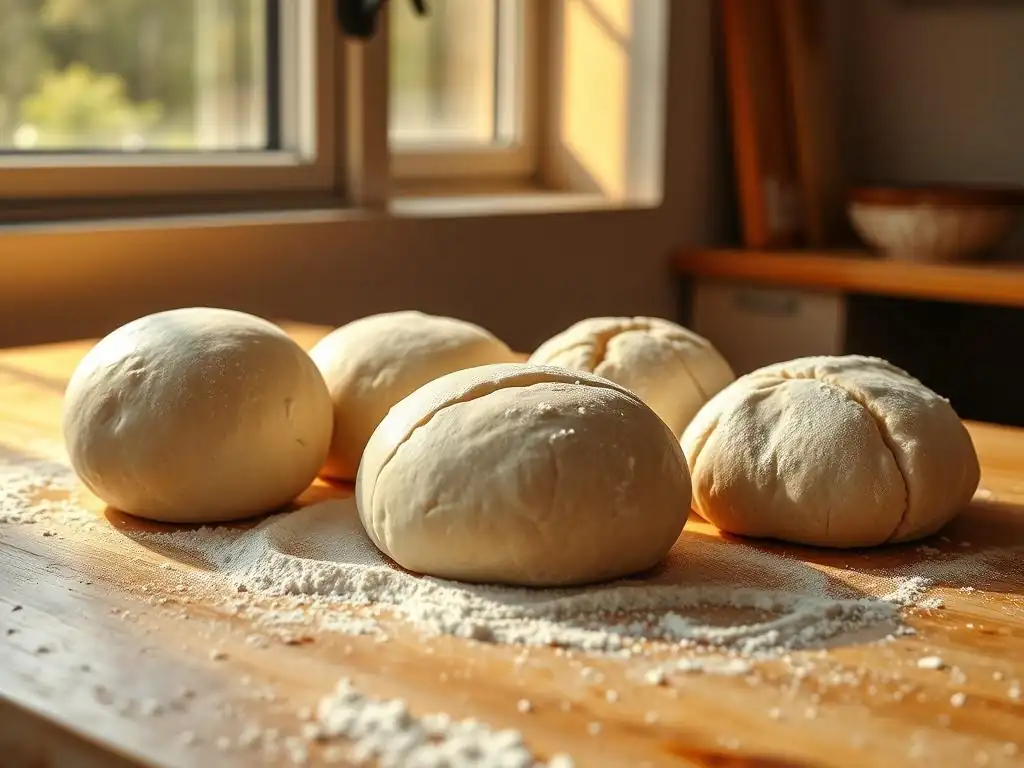
Even experienced bakers encounter issues with pizza dough. Understanding how '00' flour and bread flour behave differently is key to diagnosing and fixing common problems. A dough that is too sticky or too tough often relates back to hydration levels, kneading, or the specific properties of the flour type used.
Don't be discouraged if your first few attempts aren't perfect. Making great flour pizza dough is a learning process that involves adjusting techniques based on how the dough feels and responds. Here are some specific troubleshooting tips for working with '00' and bread flours.
Dough Too Sticky: Solutions for Each Flour Type
If your '00' flour pizza dough is excessively sticky, it might be slightly over-hydrated, or the flour hasn't had enough time to fully absorb the water. Try reducing the hydration slightly in your next batch. Alternatively, ensure you are giving the dough sufficient rest periods (like an autolyse or folds) early in the process to allow the fine flour particles to hydrate fully. A little stickiness is normal, but it should be manageable with wet hands or a bench scraper.
For bread flour pizza dough, stickiness could also indicate high hydration, especially if you're pushing towards 70%+. Ensure you've kneaded the dough sufficiently; sometimes, sticky dough just needs more gluten development to become manageable. If it's still too sticky after proper kneading, you can add a small amount of flour (a tablespoon at a time) during the final stages of kneading. Remember that high-hydration doughs will always be stickier than lower hydration ones, regardless of the flour type.
Dough Too Tough: Adjusting Gluten Development
A tough pizza dough made with '00' flour is often a sign of over-kneading. Since '00' flour develops gluten quickly and doesn't require intense manipulation for Neapolitan style, excessive kneading can create too strong a network, resulting in a dense, tough crust. Reduce kneading time and rely more on long fermentation and gentle folds to develop the necessary extensibility.
If your bread flour pizza dough is tough, it might also be over-kneaded, although bread flour is more forgiving. More commonly, toughness in bread flour dough results from insufficient rest time after kneading or shaping. The strong gluten needs time to relax. Allow the dough balls to rest for at least 30-60 minutes at room temperature before attempting to stretch them. If they spring back excessively, let them rest longer. Proper resting allows the gluten to become extensible again, making the dough easier to shape and resulting in a more tender crust after baking.
Achieving the Perfect Crust: Tips for Each Style
For '00' flour pizza dough and a Neapolitan crust, the key is high heat and quick baking. Use a pizza stone or steel preheated in your oven at its highest setting (ideally 550°F for home ovens, or 800°F+ in a pizza oven). Ensure your dough is stretched thin in the center with an airy rim. Launch the pizza quickly and bake until the crust is puffed and charred in spots (leoparding), which should only take 1-2 minutes in a very hot oven.
For bread flour pizza dough and a New York-style crust, preheat your oven with a stone or steel to a high temperature (500-550°F). Stretch the dough to your desired thickness, ensuring it's not too thin to support toppings. Bake directly on the stone/steel until the crust is golden brown and the cheese is melted and bubbly, typically 8-15 minutes. Consider baking on a lower rack initially for a crispier bottom crust. The goal is an evenly browned, chewy crust with good structure.
Storing '00' Flour and Bread Flour to Maintain Quality
Proper storage is essential to keep your '00' flour and bread flour fresh and prevent spoilage. Flour is a pantry staple, but it is susceptible to moisture, pests, and oxidation, which can affect its flavor and performance in your flour pizza dough. Taking a few simple steps can significantly extend the shelf life of both types of flour.
Storing flour correctly not only maintains its baking quality but also prevents waste. While flour doesn't typically "go bad" in the sense of becoming unsafe, it can lose its potency (especially whole wheat components not present in refined flours) and develop off-flavors if not stored properly.
Proper Storage Techniques for Flour Longevity
The best way to store both '00' flour and bread flour is in an airtight container. Original paper bags are not airtight and can expose the flour to moisture and pantry pests. Transferring the flour to a rigid plastic container with a tight-fitting lid or a large glass jar is ideal.
Store the airtight container in a cool, dark, and dry place. A pantry or cupboard away from the oven or direct sunlight is perfect. Warmth and humidity are enemies of flour storage, promoting spoilage and insect activity. For longer-term storage, especially in warm climates or if you buy flour in bulk, the refrigerator or freezer is an excellent option. Flour stored in the freezer can last for up to two years. Just be sure to bring it back to room temperature before using it for your flour pizza dough, as cold flour can affect hydration and fermentation.
Recognizing Signs of Spoiled Flour
While refined flours like '00' and bread flour are less prone to spoilage than whole grain flours due to the removal of the oily germ, they can still go bad. The most common signs of spoiled flour are changes in smell and the presence of pantry pests.
Fresh flour should have a neutral, slightly sweet aroma. If your flour smells musty, rancid, or like chemicals, it's likely past its prime and should be discarded. This off-flavor will transfer to your baked goods. Another clear sign of spoilage is the presence of flour beetles or weevils, small insects that infest dry goods. If you find pests, it's best to discard the affected flour and thoroughly clean the storage area to prevent further infestation of your flour pizza dough and other pantry items.
Conclusion: Mastering Pizza Dough with '00' Flour and Bread Flour
Choosing the right flour is a critical step in making delicious homemade pizza dough. By understanding the distinct characteristics of '00' flour and bread flour – from their protein content and milling to how they affect gluten development, dough handling, and the final crust texture – you can select the perfect flour for your desired pizza style.
Whether you're aiming for the light, airy tenderness of a Neapolitan crust achieved with '00' flour and high-temperature baking, or the chewy, sturdy structure of a New York-style base built with bread flour in a standard oven, mastering your flour pizza dough is an achievable goal. Experiment with both types, pay attention to hydration, kneading, and proofing, and store your flour properly. With practice and the right ingredients, you'll be creating fantastic pizzas in your own kitchen.
Frequently Asked Questions
What is the main difference between '00' flour and bread flour when making pizza dough?
'00' flour is finely ground with a lower protein content, resulting in a more delicate and extensible dough. Bread flour has higher protein, leading to a stronger, chewier crust.
Which type of flour is better for achieving a crispy pizza crust?
Generally, '00' flour is preferred for a crispy crust. Its lower gluten development prevents a tough, overly chewy texture, allowing for a crisper bite.
Can I substitute bread flour for '00' flour in a pizza dough recipe?
Yes, but you'll likely need to adjust the hydration. Bread flour absorbs more water, so you might need less liquid than the recipe calls for when using '00' flour.
Does the choice of flour affect the rise time of pizza dough?
Yes, to some extent. Bread flour, with its higher gluten content, can sometimes lead to a slightly faster rise due to its protein structure supporting the gas produced by the yeast.
Where can I find '00' flour if my local grocery store doesn't carry it?
'00' flour is often available at specialty food stores, Italian markets, or online retailers. Look for '00' flour specifically designed for pizza making for the best results.
Final Reflection: The Flour Power of Pizza Perfection
The quest for the perfect pizza dough hinges on a seemingly simple choice: 00 flour or bread flour? This seemingly minor decision dramatically impacts the final product, influencing texture, chewiness, and overall flavor profile. Understanding these differences isn't just about baking a better pizza; it's about mastering a fundamental element of culinary artistry.
The ongoing debate surrounding 00 flour versus bread flour in pizza dough reflects a broader cultural fascination with perfecting simple recipes. We strive for that ideal crust – crisp yet yielding, airy yet substantial – and the flour we choose is a critical first step. This pursuit of perfection speaks to our desire for authenticity and connection to traditional methods, even in the seemingly mundane act of making pizza. The simplest things are often the most profound.
This holds true for pizza dough, where the seemingly insignificant choice of flour can elevate the entire experience.
Now, consider your own pizza-making journey. Will you stick with familiar flours, or will you embark on a culinary adventure, experimenting with different types to discover your perfect dough? The choice is yours, and the possibilities are endless. Embrace the experimentation, savor the learning process, and most importantly, enjoy the delicious results of your flour-powered creativity. The perfect pizza awaits.
Unleash Your Inner Pizzaiolo!
Thanks for diving into the world of pizza dough with us! We hope you now feel confident in understanding the nuances between '00' and bread flour. Ready to take your pizza-making skills to the next level?
- Craft the Perfect Pie: Use your newfound knowledge to experiment with both '00' and bread flour in your next pizza dough recipe. Note the differences in texture and taste!
- Share Your Pizza Journey: Snap a photo of your masterpiece and share it on social media using #BakeWithEasePizza – we'd love to see your creations!
- Join the BakeWithEase Community: Leave a comment below sharing your preferred flour type for pizza and why! What unexpected results did you discover?
Ready to knead your way to pizza perfection?