
Using AgarAgar in Fruit Fillings: Avoiding Enzyme Problems

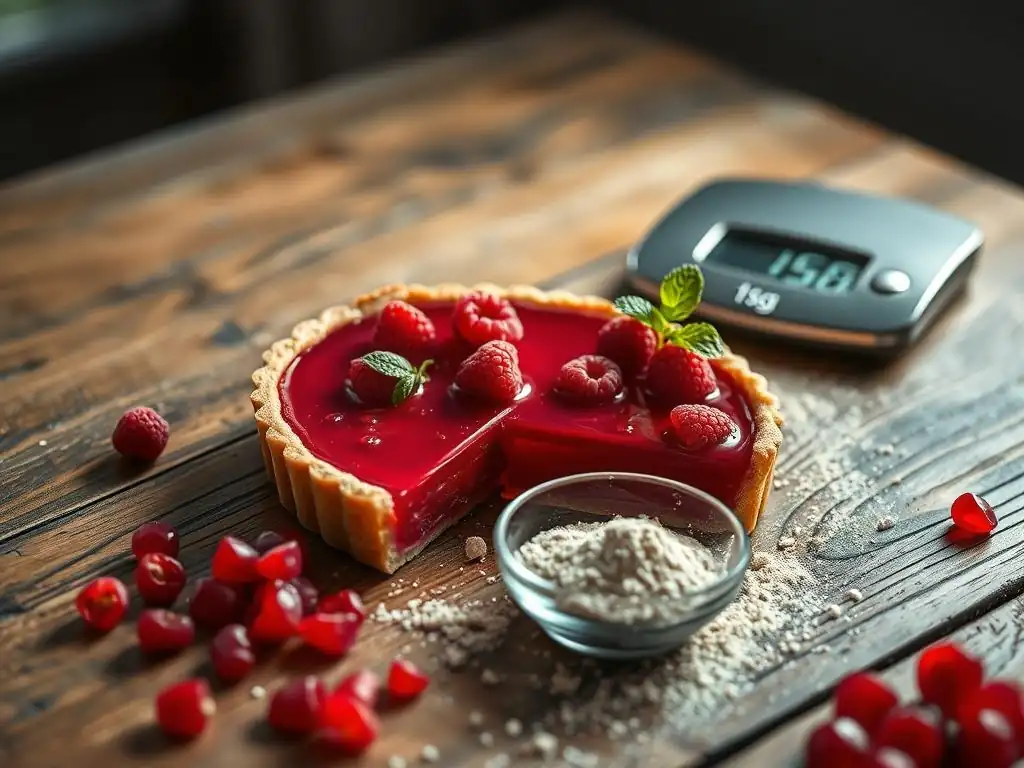
Welcome to BakeWithEase, your companion on the delicious journey of baking! Ever wondered how to achieve that perfect, glistening shine and unwavering stability in your fruit fillings? In this article, we dive deep into the world of agar agar, revealing the secrets to a truly remarkable agar agar fruit filling recipe and, crucially, how to navigate the potential enzyme pitfalls that can ruin your masterpiece. Ready to unlock the secrets to professional-quality fruit fillings? Let's get baking!
- Understanding Agar Agar for Fruit Filling Recipes
- The Problem: Pectin Interference in Fruit Fillings
- How to Prevent Pectin Interference in Agar Agar Fruit Filling Recipes
- Raspberry Agar Agar Filling Recipe: Step-by-Step Guide
- Troubleshooting Common Issues with Agar Agar Fruit Fillings
- Storing Agar Agar Fruit Fillings
- Tips and Tricks for Perfect Agar Agar Fruit Fillings Every Time
- Conclusion: Mastering Agar Agar in Fruit Filling Recipes for Consistent Results
-
Frequently Asked Questions
- How does agar agar work as a thickener in fruit fillings?
- Why is it important to avoid enzyme problems when using agar agar in fruit fillings?
- Which fruits are most likely to cause enzyme problems with agar agar?
- How can I prevent enzymes from interfering with the agar agar in my fruit fillings?
- What other thickeners can I use if I'm having trouble with agar agar and fruit enzymes?
- Final Reflection: The Enduring Appeal of Perfect Fruit Fillings
- Unlock the Secrets to Perfect Fruit Fillings!
Understanding Agar Agar for Fruit Filling Recipes
What is Agar Agar and How Does it Work?
Agar agar is a natural hydrocolloid derived from red algae. It's a popular plant-based alternative to gelatin, widely used in vegan and vegetarian baking and cooking to create gels, thicken liquids, and stabilize mixtures. Unlike gelatin, which is protein-based and requires refrigeration to set, agar agar is carbohydrate-based and sets firmly at room temperature, typically around 40-45°C (104-113°F). It forms a much firmer gel than gelatin, often described as more brittle or rigid.
To activate agar agar, it must be fully dissolved in a hot liquid and then brought to a boil for at least 1-2 minutes. This boiling step is crucial for the polysaccharide chains to dissolve and disperse properly. As the mixture cools, these chains form a stable network, trapping the liquid and creating a gel. The setting process begins as soon as the temperature drops below its setting point, which is significantly higher than gelatin's. This means agar agar sets relatively quickly as it cools.
Advantages of Using Agar Agar in Fruit Fillings
Using agar agar in your fruit filling recipe offers several key benefits, especially if you're aiming for a plant-based dessert or need a filling that holds up well outside of refrigeration for a period. One major advantage is its high melting point, which is around 85-90°C (185-194°F). This makes agar agar fillings much more stable in warmer environments compared to gelatin-based fillings, which melt near body temperature. This stability is perfect for tarts, pies, or cakes that might sit out for a while.
Furthermore, agar agar provides a clean, neutral taste that doesn't interfere with the natural flavor of the fruit. It also creates a clear, bright gel, allowing the vibrant colors of the fruit to shine through. For those following specific dietary restrictions, it's a reliable vegan and vegetarian gelling agent. Developing an agar agar fruit filling recipe allows for precise control over texture, from a soft set to a very firm one, simply by adjusting the amount used.
The Problem: Pectin Interference in Fruit Fillings
Why Pectin Levels Affect Agar Agar Setting
While agar agar is a powerful gelling agent, its interaction with pectin, another natural gelling substance found in fruits, can sometimes be tricky. Pectin is a complex polysaccharide present in the cell walls of fruits, and its ability to form a gel depends on factors like sugar content, acid, and temperature.
When agar agar and pectin are both present and heated together, they compete for the available water and space within the mixture as they cool. High levels of soluble pectin can interfere with the formation of the agar agar gel network, potentially resulting in a softer, weaker, or even non-setting filling, despite using the correct amount of agar agar for a standard liquid.
Think of it like trying to build two different types of structures in the same small space simultaneously. The presence of one can disrupt the formation of the other. In some cases, the pectin might gel prematurely or interact with compounds that hinder the agar agar's ability to hydrate and form its own robust network. Understanding this interaction is key to successfully creating an agar agar fruit filling recipe that sets perfectly every time.
Fruits with High Pectin Content That Can Hinder Agar Agar Gelling
Certain fruits are naturally much higher in pectin than others, and these are the ones that require careful handling when used in an agar agar fruit filling recipe. Apples, especially cooking apples, are notoriously high in pectin, particularly in their skins and cores. Citrus fruits like lemons, limes, and oranges also have significant amounts of pectin, concentrated mostly in the pith and peel. Berries, while delicious, can vary; cranberries and currants are relatively high, while raspberries and strawberries are lower but still contain some pectin.
Other fruits known for high pectin include quinces, plums, and some stone fruits when slightly underripe. Using large quantities of these high-pectin fruits, especially cooked down to release their pectin, without accounting for their effect can lead to an unpredictable set with agar agar. For instance, attempting to make a firm apple filling using only agar agar and a large amount of cooked apples without modification might result in a softer set than anticipated because of the apple's high pectin contribution.
How to Prevent Pectin Interference in Agar Agar Fruit Filling Recipes
The Importance of Fruit Selection for Successful Agar Agar Setting
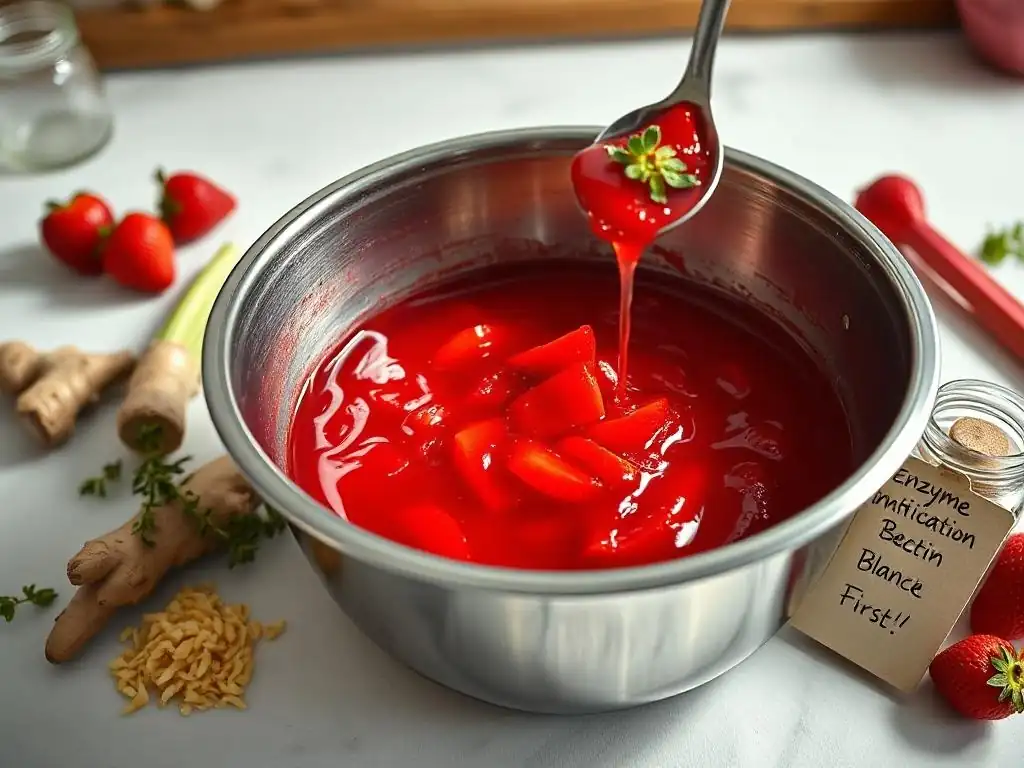
Selecting the right fruit is the first and often easiest step in ensuring your agar agar fruit filling recipe sets correctly. Fruits vary dramatically in their pectin content, acidity, and water content, all of which can influence the behavior of agar agar. Opting for fruits known to be low in pectin can significantly reduce the risk of interference and simplify the gelling process. This allows the agar agar to perform its gelling function unimpeded, leading to a reliable and consistent set.
Furthermore, the ripeness of the fruit matters. Overripe fruits generally have less active pectin than slightly underripe or ripe fruits. While using overripe fruit might reduce pectin issues, it can also affect the flavor and texture of the final filling. Therefore, understanding the pectin profile of your chosen fruit and its ripeness level is foundational to developing a successful agar agar fruit filling recipe.
Solution 1: Using Low-Pectin Fruits
Choosing Low-Pectin Fruits for Optimal Setting
When aiming for a guaranteed firm set with agar agar in your fruit filling recipe, focusing on fruits naturally low in pectin is a smart strategy. Fruits like cherries, grapes, and tropical fruits such as mangoes, pineapples (though pineapple has enzymes that can affect gelatin, they don't interfere with agar agar's gelling mechanism, but their high water content needs consideration), and papayas are excellent choices. These fruits contain minimal amounts of pectin that would interfere with agar agar's gelling ability.
Strawberries and raspberries, while containing some pectin, are generally considered lower in pectin than apples or citrus. They work well with agar agar, as demonstrated in the example recipe below. By choosing these low-pectin varieties, you minimize the variables and allow the agar agar to be the primary gelling agent, making it easier to predict and control the final texture of your agar agar fruit filling recipe.
Solution 2: Diluting High-Pectin Fruits with Water or Juice
Ratios for Diluting High-Pectin Fruits
If your heart is set on using a high-pectin fruit like apples or plums in your agar agar fruit filling recipe, you can mitigate the pectin interference by diluting the fruit pulp or puree with additional liquid. This reduces the concentration of soluble pectin in the mixture relative to the agar agar. The added liquid could be water, fruit juice (complementary to the fruit flavor), or even a syrup. A common starting point for dilution is a 1:1 ratio of fruit puree (or cooked fruit) to added liquid.
For instance, if using 2 cups of cooked, mashed apples, you might add 2 cups of water or apple juice. This dilution helps ensure the agar agar has enough 'free' liquid to dissolve in and form its gel network without being overly inhibited by the high pectin load from the concentrated fruit. You might need to adjust the agar agar quantity slightly upwards compared to a filling made entirely with low-pectin fruit to achieve the desired firmness after dilution, but the primary benefit is reducing the pectin concentration.
Solution 3: Adjusting Agar Agar Quantity Based on Pectin Content
Guidelines for Adjusting Agar Agar Levels
Another effective method to counteract the effects of high-pectin fruits in your agar agar fruit filling recipe is to simply increase the amount of agar agar used. Since pectin contributes some gelling or thickening, you might initially think you need less agar agar, but its interference effect means you often need more to achieve a firm set. The exact adjustment depends heavily on the specific fruit, its ripeness, how it was prepared (cooked vs. raw, pureed vs. chopped), and the desired final texture.
A general guideline is to start by increasing the standard agar agar amount (typically 1-2 teaspoons of powder per cup of liquid) by 25-50% when working with high-pectin fruits or highly concentrated fruit purees. For example, if a recipe for a low-pectin filling uses 1 teaspoon of agar agar powder per cup of liquid, you might try 1.25 to 1.5 teaspoons per cup when using a high-pectin fruit like apple or plum puree.
It's often best to start with a slight increase and test a small amount for setting, adjusting in subsequent batches if necessary. Remember that agar agar gels are quite firm, so incremental adjustments are key to avoiding a rubbery texture.
Raspberry Agar Agar Filling Recipe: Step-by-Step Guide
Here is a simple agar agar fruit filling recipe using raspberries, which are relatively low in pectin, making them a good choice for beginners.
Ingredients for Raspberry Agar Agar Filling
- 2 cups (about 250g) fresh or frozen raspberries
- 1/2 cup (120ml) water or apple juice
- 1/4 cup (50g) granulated sugar, or to taste
- 1.5 teaspoons agar agar powder (or 1.5 tablespoons agar flakes)
- 1 tablespoon lemon juice (optional, for brightness)
Preparing the Raspberries for the Filling
If using fresh raspberries, gently rinse them and pick through to remove any stems or leaves. If using frozen raspberries, you can use them directly from the freezer; they will release more liquid as they cook. You can choose to keep the raspberries whole for a chunkier filling or mash them slightly with a fork or potato masher for a smoother consistency. For a completely smooth filling, you would puree the raspberries and potentially strain out the seeds, though this recipe assumes a slightly chunky or mashed texture.
Place the prepared raspberries in a medium saucepan. If you prefer a less seedy filling but don't want to strain, you can cook the raspberries down slightly first and then proceed. The key is to have them ready to combine with the liquid and agar agar mixture.
Cooking the Filling with Agar Agar
In the saucepan with the raspberries, add the water or juice and the sugar. Stir to combine. In a separate small bowl, whisk the agar agar powder (or flakes) into a small amount of the cold water/juice from the 1/2 cup measured out for the recipe to make a slurry. This helps prevent clumps. Add the agar agar slurry to the saucepan with the fruit mixture.
Heat the mixture over medium heat, stirring constantly. Bring the mixture to a rolling boil. Once boiling, reduce the heat slightly and continue to simmer for at least 1-2 minutes, stirring frequently, to ensure the agar agar is fully dissolved and activated. If using agar flakes, you may need to simmer for 5-7 minutes as they take longer to dissolve. Add the optional lemon juice during the last minute of simmering.
Setting the Filling Correctly
Once the agar agar has been properly boiled and dissolved, remove the saucepan from the heat. Pour the hot raspberry agar agar filling into your prepared pie crust, tart shell, or serving dishes. Be mindful that agar agar starts setting as it cools, so work relatively quickly. Avoid stirring the filling too much once it starts to cool and thicken, as this can disrupt the gel network formation and lead to a weaker set.
Allow the filling to cool completely at room temperature for about 30-60 minutes until it begins to firm up. For a complete and firm set, transfer the cooled filling (in its container) to the refrigerator and chill for at least 2-3 hours, or until fully set. The filling should be firm enough to slice cleanly when ready to serve.
Troubleshooting Common Issues with Agar Agar Fruit Fillings
Filling Not Setting Properly
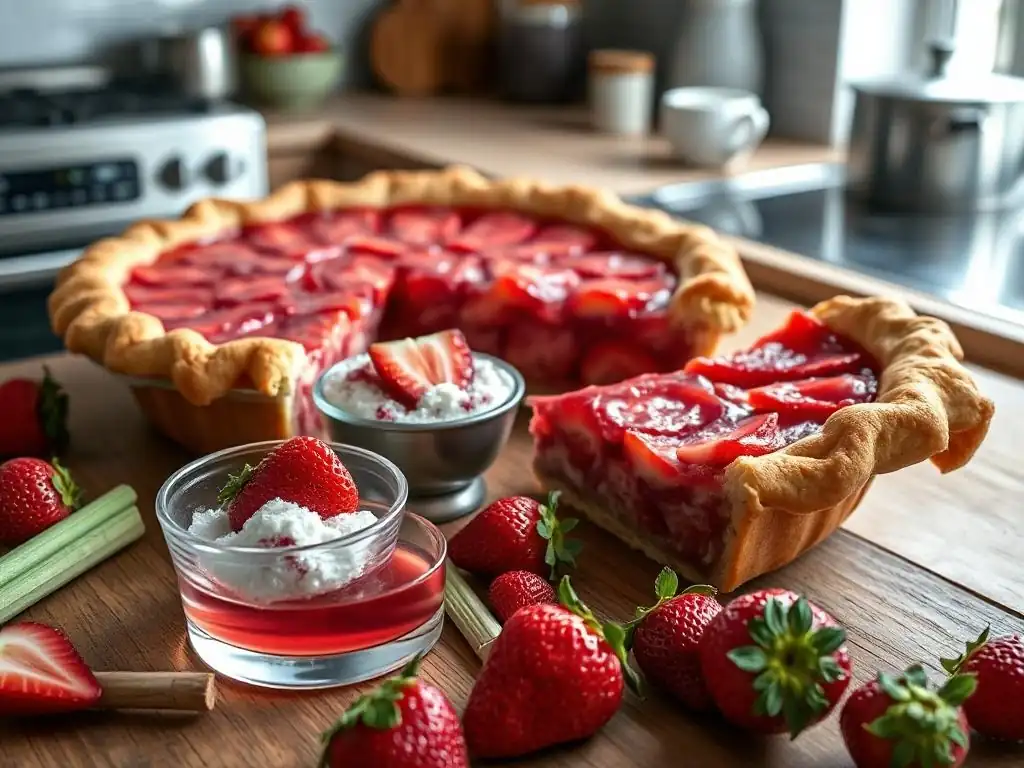
If your agar agar fruit filling recipe hasn't set after adequate cooling and chilling time, there are a few likely culprits. The most common reason is that the agar agar wasn't properly dissolved or boiled for long enough. Agar agar must be brought to a full boil and simmered for the specified time (1-2 minutes for powder, 5-7 for flakes) to activate its gelling properties.
Insufficient boiling is the primary cause of failure. Another reason could be using an old batch of agar agar, as its potency can decrease over time. Lastly, as discussed, high pectin content in the fruit used, without proper adjustment, can also inhibit the set.
To attempt to fix a filling that hasn't set, you can gently reheat the mixture in a saucepan, bringing it back to a rolling boil for the required time, potentially adding a small amount of additional hydrated agar agar if you suspect the initial quantity was insufficient or the pectin interference was significant. Then, cool and chill again.
Filling Too Firm or Rubbery
An agar agar fruit filling recipe that turns out too firm or has a rubbery, brittle texture is usually a result of using too much agar agar. Unlike gelatin, which gives a more elastic gel, agar agar produces a firmer, more rigid set. If you've used significantly more than the recommended 1-2 teaspoons per cup of liquid (or adjusted too aggressively for pectin), the gel will be very dense.
Unfortunately, once set, it's difficult to make an agar agar gel less firm without reheating and diluting. If you find your filling is too firm after it has set, you can try reheating it gently with a bit more liquid (water, juice, or puree) to dilute the agar agar concentration, ensuring you bring it back to a boil to fully dissolve everything again, and then re-chilling. Make a note for next time to reduce the agar agar quantity slightly in your agar agar fruit filling recipe.
Filling Weeping or Separating
Weeping, or syneresis, is when liquid separates from the gel over time. While agar agar gels are generally quite stable, weeping can occur if the gel structure is weak or if the filling undergoes temperature fluctuations. A weak gel structure could be due to insufficient agar agar, improper boiling, or significant pectin interference. Using pureed fruit that hasn't been cooked down sufficiently can also trap excess water that is later released.
Ensuring the agar agar is fully dissolved and activated by boiling is crucial for a strong gel network that holds onto the liquid effectively. Using the correct amount of agar agar for the volume and type of fruit is also important. Storing the filling properly in the refrigerator helps maintain its structure and prevent weeping. If a filling weeps, it often indicates an issue with the initial gelling process rather than just storage.
Storing Agar Agar Fruit Fillings
Best Practices for Refrigerating Agar Agar Fillings
Once your agar agar fruit filling recipe has set, refrigeration is the best way to store it to maintain freshness and texture. Transfer the filling to an airtight container or cover the dessert (like a pie or tart) securely with plastic wrap. Stored properly in the refrigerator at 4°C (40°F) or below, agar agar fruit fillings typically last for 3-5 days.
Because agar agar sets at room temperature, the filling will remain firm even if left out for a short period, but refrigeration is necessary for food safety and to prevent spoilage of the fruit. Keep the filling away from strong odors in the refrigerator, as it can absorb smells.
Freezing Agar Agar Fruit Fillings: Considerations
Freezing agar agar fruit fillings is possible, but it's important to be aware that the texture may change upon thawing. Freezing can sometimes disrupt the gel structure, potentially leading to increased weeping or a slightly less firm texture after thawing. The high water content in fruit fillings makes them susceptible to ice crystal formation, which can damage the agar agar network.
If you choose to freeze, ensure the filling is completely cooled before transferring it to a freezer-safe, airtight container, leaving a little headspace for expansion. Freeze for up to 2-3 months. To thaw, move the filling to the refrigerator and let it thaw slowly. Be prepared for a potential release of liquid (weeping) and a slightly different texture compared to a fresh filling. For best results, it's often preferable to make your agar agar fruit filling recipe fresh when possible.
Tips and Tricks for Perfect Agar Agar Fruit Fillings Every Time
Hydrating Agar Agar Properly
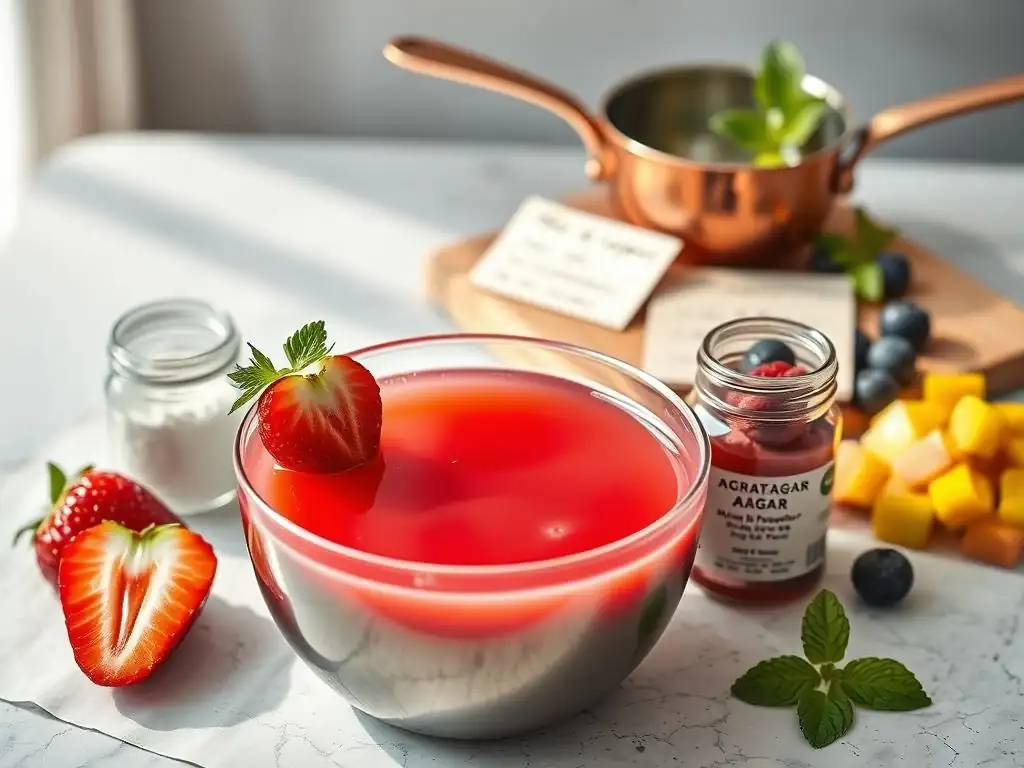
Proper hydration is the first critical step in any agar agar fruit filling recipe. Agar agar powder or flakes should always be dispersed in a cold liquid before heating. Whisking the powder into a small amount of cold water, juice, or fruit puree to create a smooth slurry ensures that the individual particles are separated and ready to dissolve evenly when heated. Adding powder directly to hot liquid can cause it to clump, leading to undissolved bits and a weak, inconsistent gel.
For agar flakes, soaking them in the liquid for 10-15 minutes before heating can help them soften and dissolve more easily, although boiling is still essential for activation. Always measure accurately, using the recommended ratios for agar agar powder vs. flakes (flakes are less potent, requiring about three times the amount of powder by volume).
Achieving the Desired Consistency
The consistency of your agar agar fruit filling recipe is primarily controlled by the ratio of agar agar to liquid. More agar agar results in a firmer, more brittle gel; less results in a softer set. Start with the general guideline of 1-2 teaspoons of agar agar powder per cup of liquid, adjusting based on the fruit's pectin content and your desired texture.
It's helpful to do a quick test while cooking. After boiling the mixture for the required time, carefully dip a spoon into the filling and let a small amount cool on the spoon for a minute or two (you can speed this up in the freezer). This rapidly cooled sample will give you an indication of how the final filling will set.
If it's too soft, you can add a little more agar agar slurry (prepared separately in cold liquid) to the hot mixture, bring it back to a boil for 1-2 minutes, and test again. If it seems too firm, you can stir in a little more liquid, boil briefly, and re-test.
Flavor Pairings for Raspberry Agar Agar Filling
The raspberry agar agar fruit filling recipe is wonderfully versatile. Raspberries pair beautifully with a variety of flavors, allowing you to customize your filling. Classic pairings include lemon or lime zest for brightness, vanilla extract for warmth, or a touch of almond extract. Spices like a pinch of cinnamon or ginger can add depth, especially if using the filling in a pie.
For a more complex profile, consider adding a splash of balsamic vinegar, which surprisingly enhances the berry flavor, or a touch of rosewater for a floral note. Pairing the raspberry filling with chocolate, either in a chocolate crust or with chocolate shavings on top, is always a hit. Don't be afraid to experiment with different flavor combinations in your agar agar fruit filling recipe to find your favorite!
Conclusion: Mastering Agar Agar in Fruit Filling Recipes for Consistent Results
Mastering the use of agar agar in your fruit filling recipes opens up a world of possibilities for creating stable, delicious, and plant-based desserts. While it behaves differently from gelatin, understanding its requirements – proper hydration, sufficient boiling, and awareness of pectin interference – is key to success. By choosing low-pectin fruits or adjusting your technique when using high-pectin varieties through dilution or increasing agar agar quantity, you can reliably achieve a perfect set.
Experimenting with ingredients, practicing the cooking process, and learning to troubleshoot common issues will build your confidence. With the principles outlined and perhaps starting with a simple raspberry agar agar fruit filling recipe, you'll be well on your way to crafting beautiful fillings with consistent texture and vibrant fruit flavor for all your baking endeavors. Enjoy the journey of perfecting your agar agar fruit filling recipe skills!
Frequently Asked Questions
How does agar agar work as a thickener in fruit fillings?
Agar agar is a vegan gelling agent derived from seaweed. It works by forming a gel when heated with liquid and then cooled, providing structure to your fruit filling.
Why is it important to avoid enzyme problems when using agar agar in fruit fillings?
Certain fruits contain enzymes that can break down agar agar, preventing it from setting properly and resulting in a runny or watery filling. This affects the texture and stability of your baked goods.
Which fruits are most likely to cause enzyme problems with agar agar?
Fruits like fresh pineapple, kiwi, and mango are known to contain enzymes that can interfere with agar agar's gelling properties. These fruits should be treated before use to deactivate the enzymes.
How can I prevent enzymes from interfering with the agar agar in my fruit fillings?
You can heat the fruit briefly before adding the agar agar, which denatures the enzymes. Alternatively, you can use canned or cooked fruits as the heating process has already addressed the enzyme issue.
What other thickeners can I use if I'm having trouble with agar agar and fruit enzymes?
If you're struggling with agar agar, consider using cornstarch, tapioca starch, or even pectin as alternative thickeners for your fruit fillings. These options may be less susceptible to enzyme degradation.
Final Reflection: The Enduring Appeal of Perfect Fruit Fillings
The quest for the perfect fruit filling, vibrant and firm, remains a constant challenge for bakers and food artisans alike. Understanding the role of enzymes and harnessing the power of agar agar is key to achieving consistent, delicious results. This knowledge, once a niche skill, is now more relevant than ever as home bakers and small businesses seek to create high-quality, naturally preserved products.
The subtle art of balancing sweetness, acidity, and texture in fruit fillings has captivated food cultures for centuries. The use of agar agar, a natural gelling agent, represents a modern approach to an age-old craft, allowing for control over texture and avoiding the pitfalls of enzymatic breakdown that can lead to mushy or discolored fillings. The best things in life are simple, but not always easy.
This perfectly encapsulates the journey of mastering fruit fillings; while the ingredients may be straightforward, achieving the ideal result requires understanding and precision.
Now, consider your own culinary adventures. Will you experiment with different fruit combinations and explore the versatility of agar agar? Will you strive for that perfect balance of texture and flavor, creating fillings that delight the senses and impress your friends and family? The journey of culinary mastery is a continuous one, and the knowledge shared here empowers you to take the next step in your own culinary exploration. Embrace the challenge, and enjoy the sweet rewards of your efforts.
Unlock the Secrets to Perfect Fruit Fillings!
Thanks for diving into the world of agar-agar and its amazing ability to create stable and delicious fruit fillings! You've learned how to avoid those pesky enzyme issues and achieve professional-looking results. Ready to put your new knowledge to the test?
- Whip up your first agar-agar fruit filling: Choose your favorite fruit and try the recipe adjustments discussed in the article. The difference will amaze you!
- Share your creation: Post a picture of your masterpiece on social media and tag #BakeWithEaseAgar for a chance to be featured! Let's inspire others!
- Experiment with different fruits and flavors: The possibilities are endless! What unique combination will you create?
What delicious fruit filling will you make first? Let's hear your plans in the comments below!